
Italy's Top 10 Expat Destinations

Italy has long captivated expats with its irresistible combination of world-class cuisine, rich history, stunning landscapes, and enviable lifestyle. From the rolling hills of Tuscany to the sun-drenched shores of Sicily, the country offers diverse destinations that cater to every type of expat, whether you're a digital nomad seeking fast WiFi and co-working spaces, a retiree dreaming of leisurely afternoons in piazzas, or a family looking for excellent schools and safe communities.
What makes Italy particularly appealing is its high quality of life. The Italian concept of "la dolce vita" isn't just a cliché but a genuine approach to living well, emphasizing fresh food, strong community bonds, and work-life balance. Add to this a relatively affordable cost of living compared to other Western European countries, comprehensive healthcare, and diverse climate zones, and it's easy to see why thousands of expats make Italy their home each year.
This article explores the top 10 destinations where expats are thriving in Italy, from bustling metropolitan centers to charming coastal towns and peaceful countryside retreats. Each location offers unique advantages, and understanding these differences will help you find your perfect Italian home.
What to Consider When Choosing Where to Live in Italy
Before diving into specific destinations, it's essential to understand the factors that will shape your expat experience in Italy. Cost of living varies dramatically across the country, with northern cities like Milan commanding prices comparable to other major European capitals, while southern regions and rural areas offer significantly more affordable options. Monthly expenses can range from €1,200 to €3,500 depending on your location and lifestyle.
Visa and residency requirements depend on your nationality and purpose of stay. EU citizens enjoy freedom of movement, while non-EU expats typically need an elective residency visa (requiring proof of income around €31,000 annually) or a work visa. Italy also offers a digital nomad visa and special tax incentives for retirees and high earners relocating to southern regions.
Language presents both challenges and opportunities. While English is increasingly common in major cities and tourist areas, learning Italian significantly enhances your experience and is often necessary for bureaucratic processes. The expat community size varies by location, with larger cities and popular regions like Tuscany offering robust international networks, while smaller towns may require more integration effort.
Healthcare in Italy is excellent and affordable, with a public system ranked among the best in the world. Internet infrastructure has improved dramatically, with fiber optic available in most cities, making remote work feasible in many locations. Climate ranges from Alpine conditions in the north to Mediterranean warmth in the south, so consider your weather preferences carefully.
The Top 10 Expat Destinations in Italy
Rome

The Eternal City offers an unmatched combination of history, culture, and modern amenities that attracts expats seeking an authentic Italian experience with metropolitan convenience. Living among ancient ruins, Renaissance architecture, and world-class museums creates a daily backdrop that never loses its magic.
Why Expats Love It: Rome provides excellent international schools, robust healthcare facilities, and a thriving expat community that makes integration easier. The city offers diverse neighborhoods catering to different lifestyles, from the trendy Trastevere district to family-friendly Prati. Career opportunities exist in tourism, education, international organizations, and increasingly in tech startups.
Cost of Living: Rent for a one-bedroom apartment in the city center ranges from €1,000-€1,800 monthly, while outside the center, you'll find options for €700-€1,200. Groceries and dining out are moderately priced, with meals at mid-range restaurants costing €15-€25 per person. Overall monthly expenses for a single person average €1,800-€2,500 excluding rent.
Lifestyle & Activities: Rome's cultural offerings are inexhaustible, from opera at Teatro dell'Opera to contemporary art galleries, weekly markets, and countless festivals. The food scene spans traditional trattorias to innovative restaurants, and numerous parks provide green spaces. Weekend trips to Tuscany, Naples, or beach towns are easily accessible.
Expat Community: Large and well-established, with numerous English-language groups, clubs, and networking events. International schools include Rome International School and St. Stephen's School.
Practical Info: Leonardo da Vinci Airport provides excellent international connections. English is widely spoken in tourist areas and international businesses. Internet speeds are good in most areas, with fiber increasingly available.
Best For: Culture enthusiasts, professionals seeking career opportunities, families needing international schools, and those who want big-city amenities with Italian character.
You may be interested in: The Best Areas to Live in Rome, Italy
Florence

Florence captivates expats with its Renaissance treasures, compact walkable center, and high quality of life. This Tuscan capital strikes an ideal balance between cosmopolitan culture and manageable city size, making it perfect for those who find Rome overwhelming but small towns too limiting.
Why Expats Love It: The city's art, architecture, and cultural heritage create an inspiring environment for creatives, academics, and retirees. Florence has a strong international community, thanks to numerous universities and language schools that attract students and teachers. The surrounding Tuscan countryside offers weekend escapes to vineyards and medieval villages.
Cost of Living: Housing costs are high due to tourism and limited supply. One-bedroom apartments in the center run €1,200-€1,800 monthly, dropping to €800-€1,200 in outer neighborhoods. Dining and groceries are moderately priced, though tourist-heavy areas inflate costs. Budget €2,000-€2,800 monthly for a comfortable lifestyle excluding rent.
Lifestyle & Activities: World-class museums like the Uffizi and the Accademia, excellent restaurants specializing in Tuscan cuisine, artisan workshops, and regular cultural events fill your calendar. The city is compact enough to walk or bike everywhere, promoting a healthy lifestyle. Wine country is at your doorstep.
Expat Community: Substantial and active, particularly among American and British expats. Language exchange meetups, expat clubs, and international organizations are plentiful.
Practical Info: Florence Airport handles domestic and European flights, with Pisa Airport 90 minutes away for international connections. English is common in the city center. High-speed internet is widely available.
Best For: Art and history lovers, retirees seeking culture and beauty, academics, students, and those wanting an authentic Italian city with international connectivity.
You may be interested in: Best Neighbourhoods To Live In Florence, Italy
Milan

Italy's financial and fashion capital attracts career-focused expats with its modern infrastructure, international business environment, and efficient public services. Milan feels distinctly different from other Italian cities, with a faster pace and a more cosmopolitan atmosphere that appeals to those who prioritize career and convenience.
Why Expats Love It: Milan offers the most job opportunities in Italy, particularly in finance, fashion, design, tech, and multinational corporations. The city boasts excellent public transportation, reliable services, and a more northern European approach to business. World-class shopping, dining, and cultural institutions provide sophisticated urban living.
Cost of Living: This is Italy's most expensive city. Central one-bedroom apartments cost €1,400-€2,200 per month, while suburban options are around €900-€1,400. However, salaries are correspondingly higher. Monthly expenses excluding rent average €2,200-€3,000 for a single person.
Lifestyle & Activities: Milan's fashion scene, design weeks, opera at La Scala, contemporary art museums, and innovative restaurants create a dynamic cultural environment. The city is less touristy than Rome or Florence, allowing for a more authentic daily life. The Navigli canal district offers lively nightlife, while nearby Lake Como and the Alps provide escape options.
Expat Community: Large and diverse, with many international professionals. Numerous networking groups, international schools, and English-speaking services cater to expats.
Practical Info: Malpensa and Linate airports offer extensive international connections. English is widely spoken in business contexts. Internet infrastructure is excellent, with widespread fiber optic.
Best For: Career-focused professionals, fashion and design industry workers, digital nomads seeking excellent infrastructure, and those preferring efficient modern cities over historic charm.
Bologna
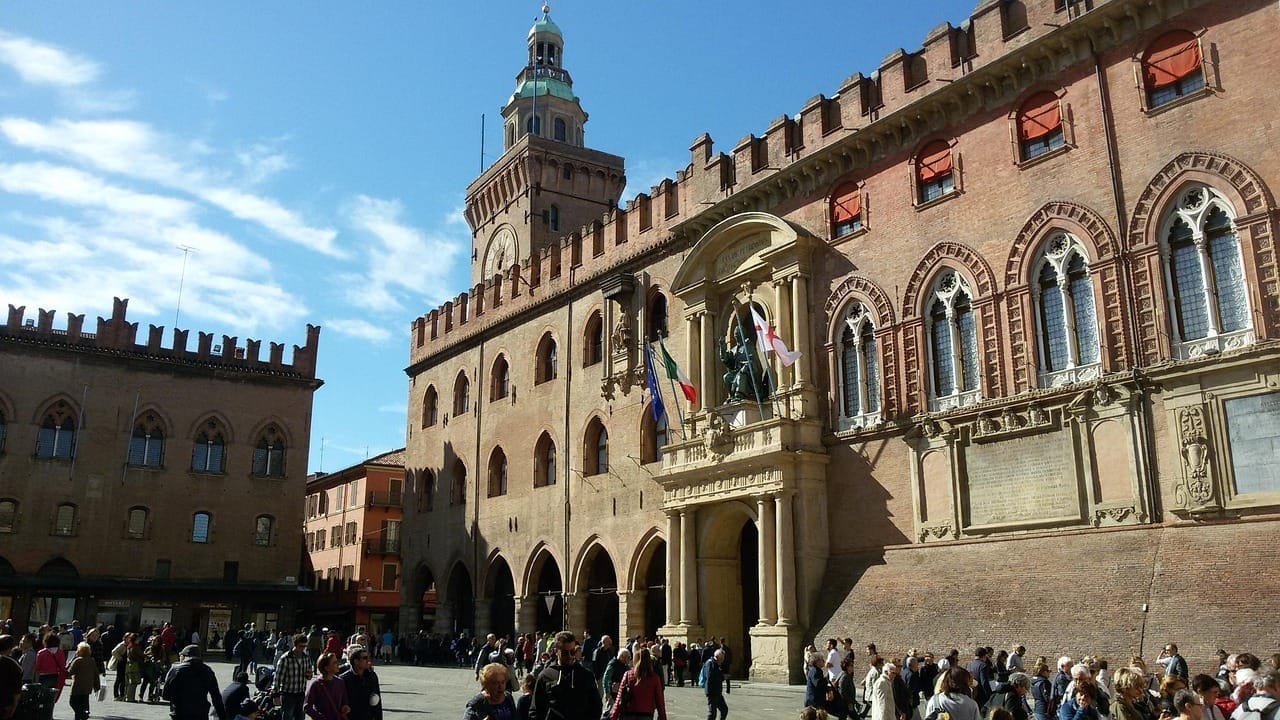
Often called "La Grassa" (the fat one) for its exceptional food and "La Dotta" (the learned one) for its ancient university, Bologna offers expats an authentic Italian experience with youthful energy and progressive values. This Emilia-Romagna capital remains relatively undiscovered by mass tourism, providing genuine local culture.
Why Expats Love It: Bologna offers reasonable costs, a high quality of life, excellent food culture, and a welcoming atmosphere. The city's large student population creates vibrant energy and liberal attitudes. Its central location makes it a perfect base for exploring Italy, with high-speed trains reaching Florence in 37 minutes and Venice in 90 minutes.
Cost of Living: More affordable than Florence or Milan. One-bedroom apartments in the center cost €800-€1,300 monthly, while options outside the center cost €600-€900 monthly. Food costs are moderate despite the exceptional quality. Budget €1,600-€2,200 monthly, excluding rent.
Lifestyle & Activities: The food scene is extraordinary, featuring traditional dishes like tagliatelle al ragù, tortellini, and mortadella. Miles of medieval porticos provide covered walkways, making the city walkable year-round. Regular festivals, markets, and cultural events keep things lively. The surrounding region offers food tours, thermal baths, and medieval castles.
Expat Community: Growing but still manageable, with increasing numbers of digital nomads and young professionals attracted by the quality-to-cost ratio. The university brings international students and researchers.
Practical Info: Bologna Airport serves major European cities. English is less common than in tourist-heavy cities, but it is improving. Good internet infrastructure supports remote work.
Best For: Foodies, digital nomads seeking value, young professionals, and those wanting an authentic Italian life without tourist crowds.
You may be interested in The Best Neighbourhoods To Live In Bologna, Italy
Turin
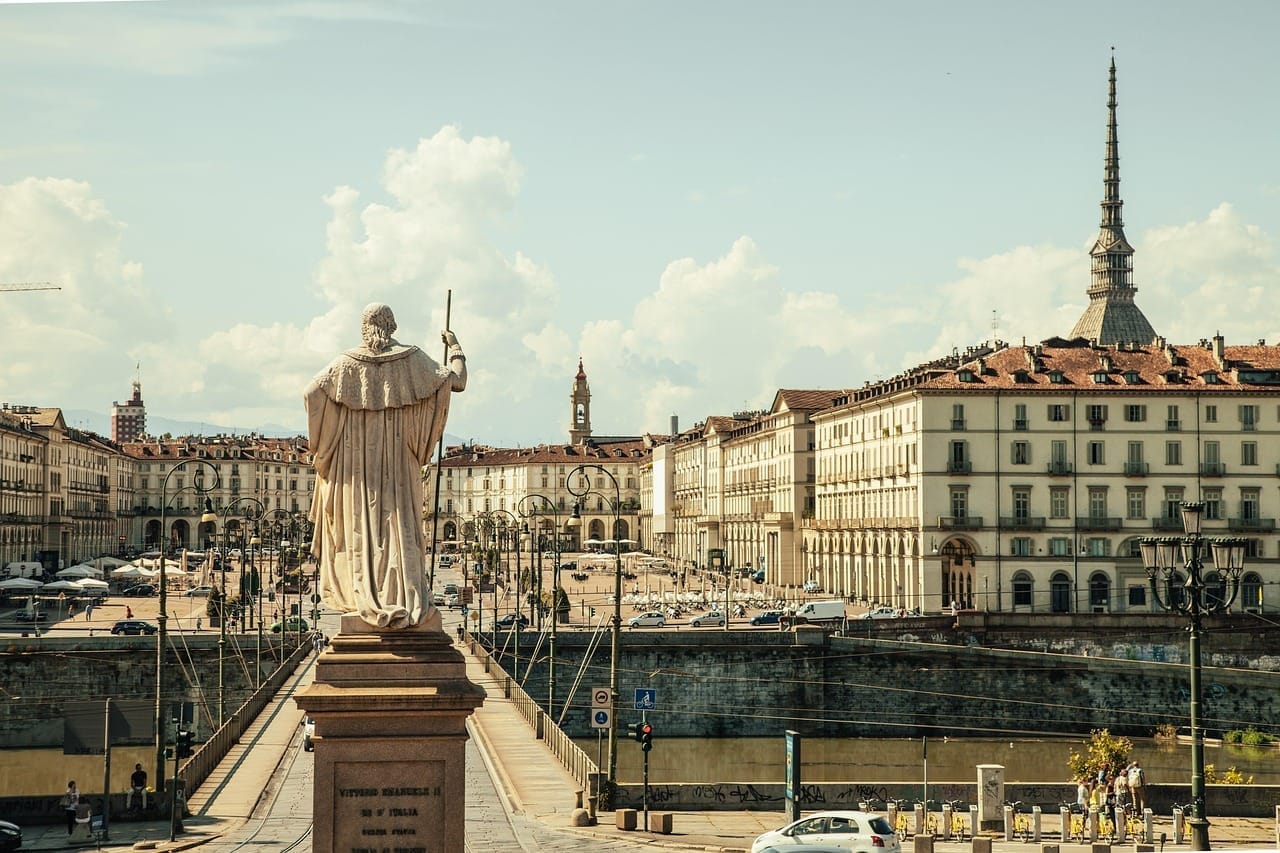
Turin surprises many expats with its elegant architecture, vibrant cultural scene, and mountain backdrop. Once Italy's industrial powerhouse and first capital, the city has reinvented itself as a center of innovation, gastronomy, and quality of life while maintaining affordable costs.
Why Expats Love It: Turin offers big-city amenities at moderate prices, with excellent museums, restaurants, and cultural institutions. The presence of the Politecnico di Torino and major companies like Lavazza, as well as the automotive headquarters, provides job opportunities. The Alpine setting enables weekend skiing, while proximity to Milan, the French Riviera, and the Lakes adds appeal.
Cost of Living: Very reasonable for a major city. Central one-bedroom apartments run €700-€1,100 monthly, with suburban areas offering €500-€800. Restaurant meals and groceries are affordable. Monthly expenses average €1,500-€2,000 excluding rent.
Lifestyle & Activities: Turin's Egyptian Museum is second only to Cairo's, while the Mole Antonelliana offers stunning views. The city is famous for chocolate, vermouth, and the aperitivo tradition. Beautiful Liberty-style architecture lines elegant boulevards. The surrounding Piedmont region produces world-class wines like Barolo and Barbaresco. Mountain activities are 90 minutes away.
Expat Community: Smaller than Rome or Milan but welcoming, with international meetups and language exchanges. The presence of universities and international companies brings diversity.
Practical Info: Turin Airport handles European destinations. English proficiency is moderate. Internet infrastructure is good, with fiber available in most areas.
Best For: Budget-conscious expats seeking city life, mountain enthusiasts, foodies exploring Piedmontese cuisine, and those wanting an underrated Italian city.
Unlock the secrets of the world's most successful entrepreneurs with the
Global Wealth Navigator Newsletter
Discover the world's best destinations offering a lower cost of living paired with an enriched quality of life with the Global Wealth Navigator Newsletter. Whether you're a retiree or an entrepreneur, we dive into strategies that open doors to international investments, tax optimizations, and discover the finest destinations offering a superior quality of life. Don't let borders or routine define you; lets find your ideal spot in the world, regardless of your income bracket.

Cagliari (Sardinia)
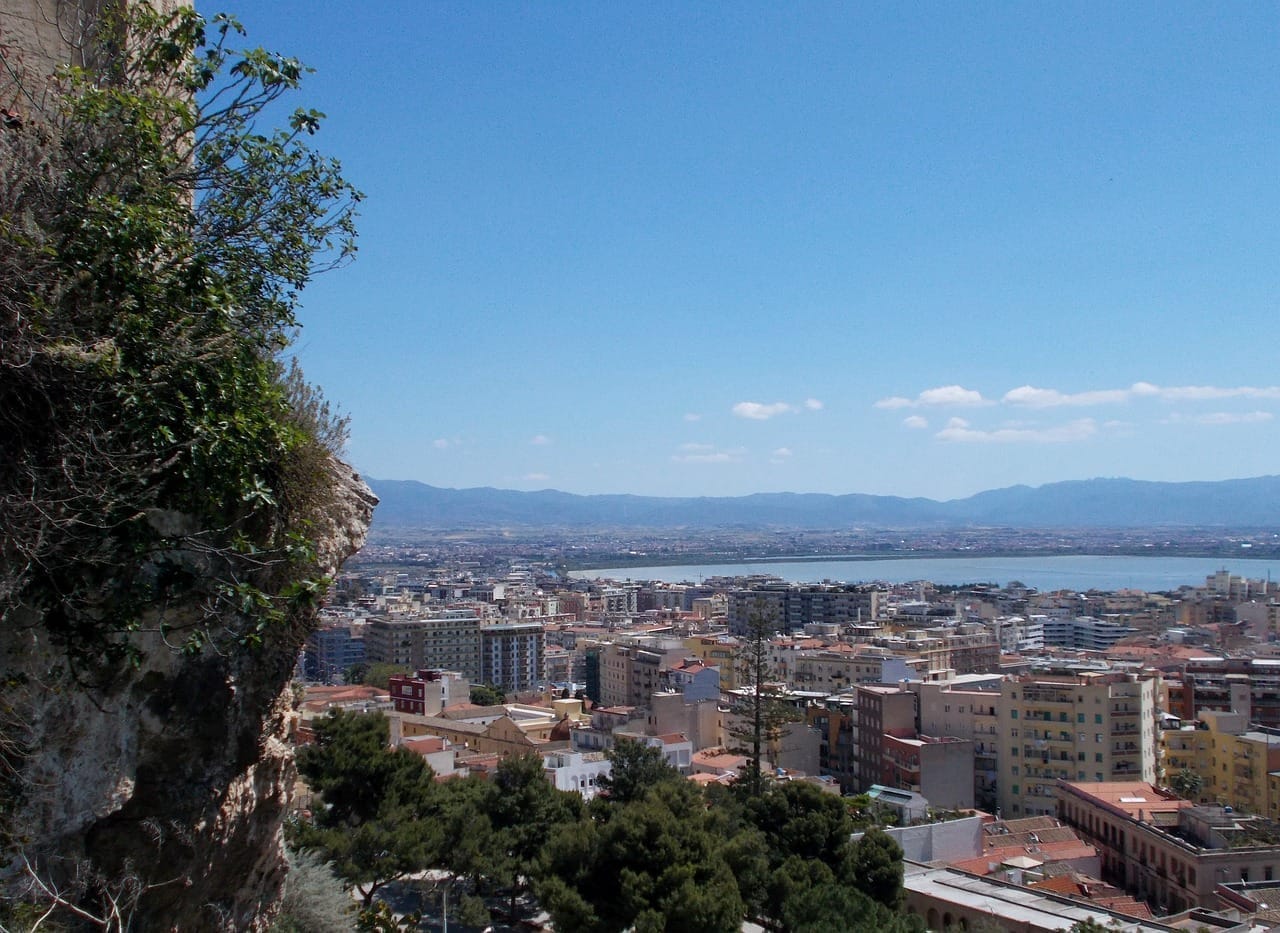
Cagliari, Sardinia's capital, offers expats island living with urban conveniences, stunning beaches, and a lower cost of living. This Mediterranean gem combines Italian culture with distinct Sardinian identity, creating a unique expat experience characterized by excellent weather, outdoor activities, and a relaxed pace.
Why Expats Love It: Year-round pleasant weather, proximity to world-class beaches, and affordable living attract retirees and remote workers. Sardinia's natural beauty, from its turquoise waters to its rugged mountains, supports an active outdoor lifestyle. The island's distinct culture, cuisine, and traditions provide a different Italian experience. Tax incentives for new residents relocating to Sardinia make it financially attractive.
Cost of Living: One of Italy's most affordable cities. One-bedroom apartments in the center cost €500-€800 monthly, with seaside or suburban options from €400-€650. Groceries and dining are inexpensive. Monthly expenses average €1,200-€1,700 excluding rent.
Lifestyle & Activities: Pristine beaches like Poetto are minutes from downtown. Water sports, hiking, climbing, and cycling thrive in the Mediterranean climate. Cagliari's old town offers Sardinian restaurants, Roman ruins, and local markets. The island's interior features archaeological sites, mountain villages, and distinct traditions. The slower pace emphasizes quality of life over career advancement.
Expat Community: Small but growing, particularly among Italian mainlanders, Northern Europeans, and digital nomads. The welcoming local community helps integration.
Practical Info: Cagliari Airport connects to mainland Italy and European cities. English is limited outside tourist areas. The internet has improved significantly, with fiber available in urban areas, though rural connectivity can be challenging.
Best For: Retirees seeking sun and affordability, beach lovers, remote workers prioritizing lifestyle over career, outdoor enthusiasts, and those wanting island tranquility.
Palermo (Sicily)
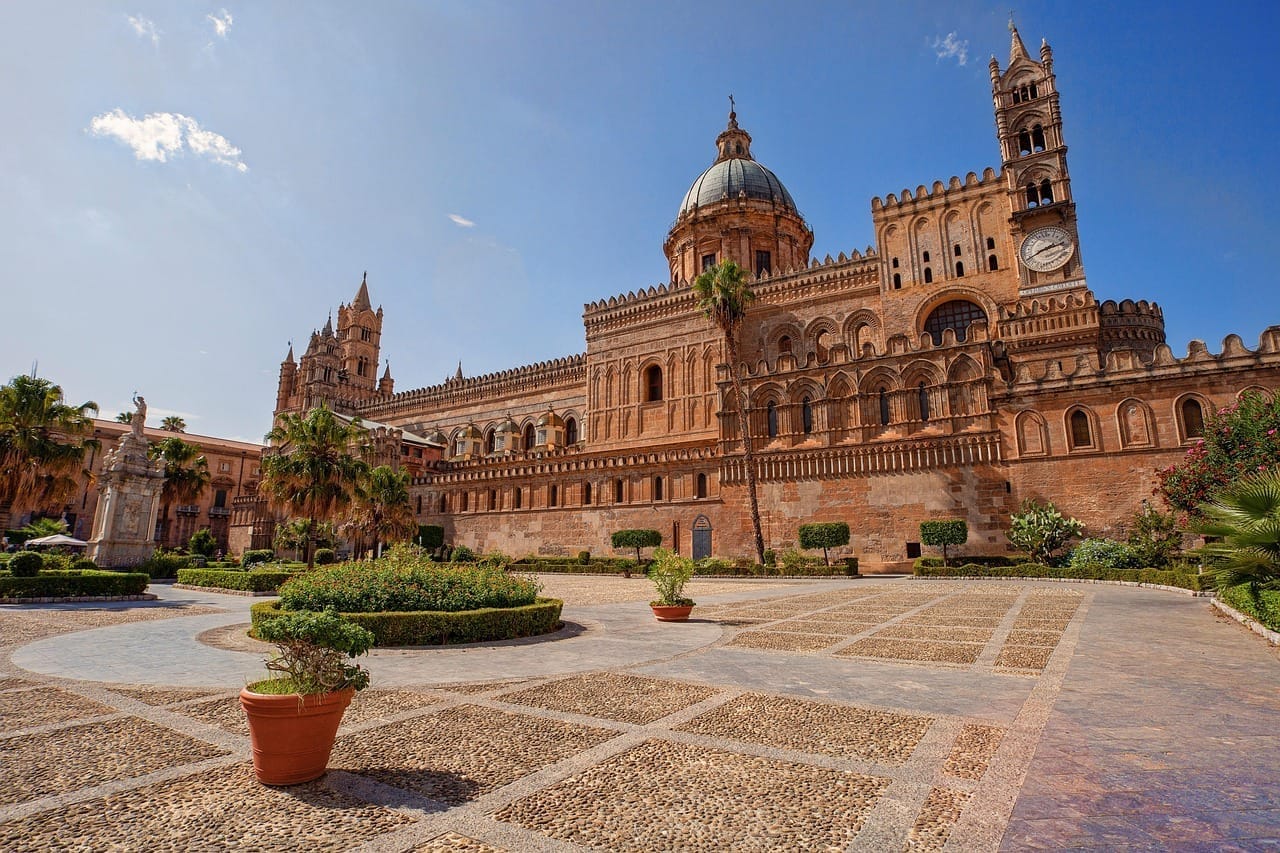
Palermo, Sicily's vibrant capital, attracts adventurous expats with its rich Arab-Norman heritage, incredible food, dramatic landscapes, and rock-bottom prices. This is authentic, unpolished Italy, where centuries of diverse influences created unique architecture, cuisine, and culture.
Why Expats Love It: Palermo offers the lowest living costs among major Italian cities while providing big-city energy and cultural wealth. The food scene is extraordinary, blending Arab, Italian, and Mediterranean influences. The city's artistic and architectural treasures, from Byzantine mosaics to Baroque churches, rival better-known destinations. Warm weather, proximity to beaches and mountains, and the welcoming Sicilian character create an appealing package.
Cost of Living: Extremely affordable. One-bedroom city center apartments cost €400-€700 monthly, with many options below €500. Street food is delicious and cheap, with meals at traditional restaurants around €10-€15. Monthly expenses excluding rent average €1,000-€1,500.
Lifestyle & Activities: Street markets like Ballarò and Vucciria overflow with fresh produce, seafood, and local specialties. The city's complex history is evident in stunning sites such as the Palatine Chapel and the Cathedral. Beaches at Mondello are 20 minutes away, while Mount Etna, Taormina, and ancient Greek temples make excellent day trips. The nightlife and arts scene are vibrant and unpretentious.
Expat Community: Small but passionate, attracting adventurous types drawn to authenticity and value. Growing numbers of digital nomads and artists are discovering Palermo.
Practical Info: Palermo Airport serves mainland Italy and Europe. English is limited, but locals are helpful. Internet infrastructure is improving, with adequate speeds for remote work in most urban areas. Be prepared for Italian bureaucracy and a more chaotic urban environment than northern cities.
Best For: Budget-conscious expats, foodies, adventurous souls seeking authentic culture, retirees maximizing pension income, and those who appreciate rough edges alongside beauty.
Lecce (Puglia)
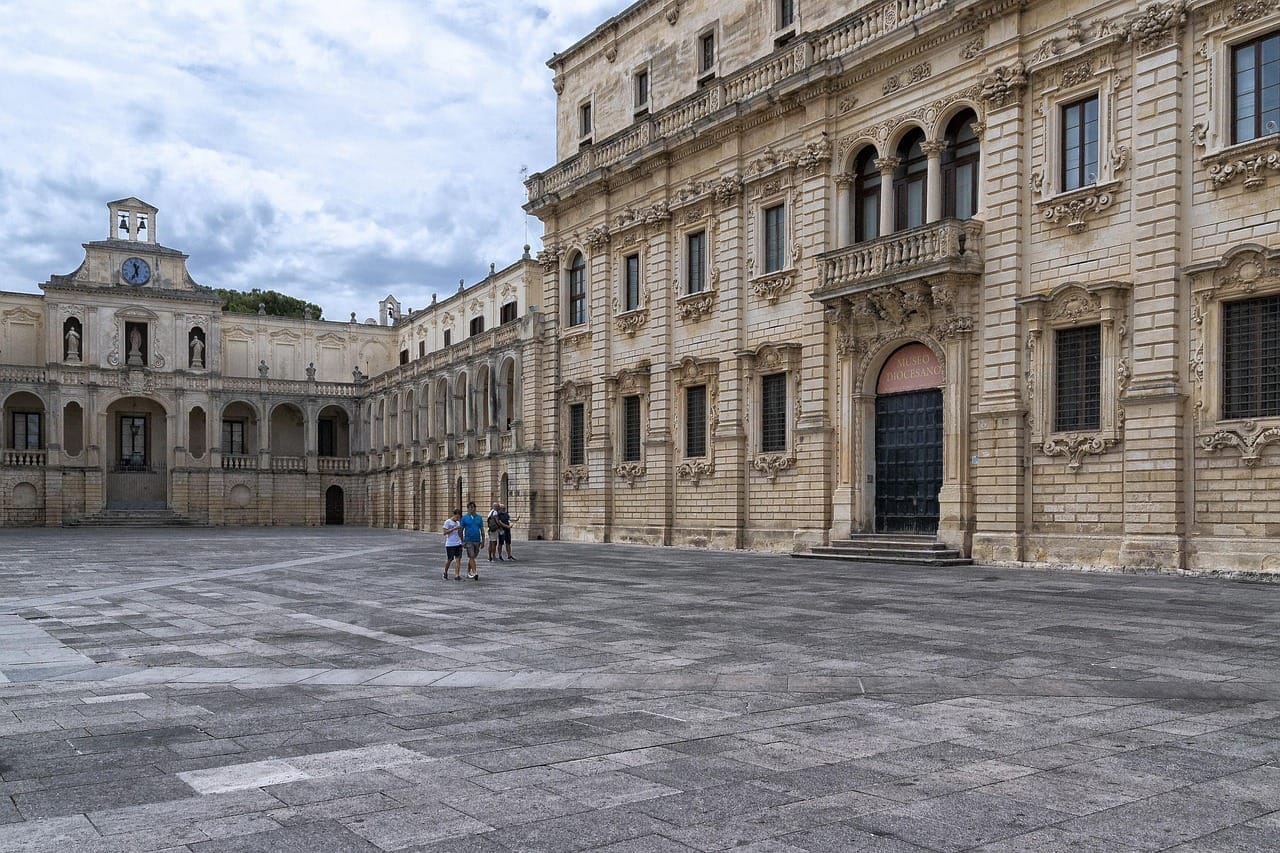
Lecce, often called the "Florence of the South," charms expats with its Baroque architecture, relaxed pace, and proximity to Puglia's famous beaches and countryside. This increasingly popular destination offers authentic Southern Italian life with growing infrastructure for international residents.
Why Expats Love It: Lecce combines stunning architecture, excellent food, Mediterranean climate, and affordability. The city feels distinctly Italian without mass tourism overwhelming daily life. Puglia's olive groves, whitewashed towns, crystal-clear waters, and distinctive cuisine (orecchiette, burrata, and primitive wine) create an enviable lifestyle. The region has become popular among remote workers seeking sun, value, and a high quality of life.
Cost of Living: Very affordable. City-center one-bedroom apartments cost €500- €800 monthly, with many options around €600. Dining out is inexpensive, with excellent meals for €12-€18. Groceries are cheap, especially local produce and wine. Monthly expenses average €1,200-€1,800 excluding rent.
Lifestyle & Activities: Lecce's historic center features stunning Baroque churches and palazzi built from local limestone. Artisan workshops, traditional markets, and cafe culture thrive. Nearby beaches along both the Adriatic and the Ionian coasts offer distinct characters. The region's trulli houses, cave dwellings, and medieval towns provide opportunities for exploration. The food scene emphasizes fresh, local ingredients with a distinct Pugliese identity.
Expat Community: Small but rapidly growing, particularly among digital nomads and retirees from Northern Europe and North America. Italian language skills become more important here than in major cities.
Practical Info: Brindisi Airport is 40 minutes away with domestic and European flights. English proficiency is limited but improving with tourism growth. Internet speeds are adequate for remote work in the city, and infrastructure improvements are ongoing.
Best For: Remote workers seeking a Mediterranean lifestyle, retirees on fixed incomes, food and wine enthusiasts, beach lovers, and those wanting Southern Italian authenticity with reasonable amenities.
Verona
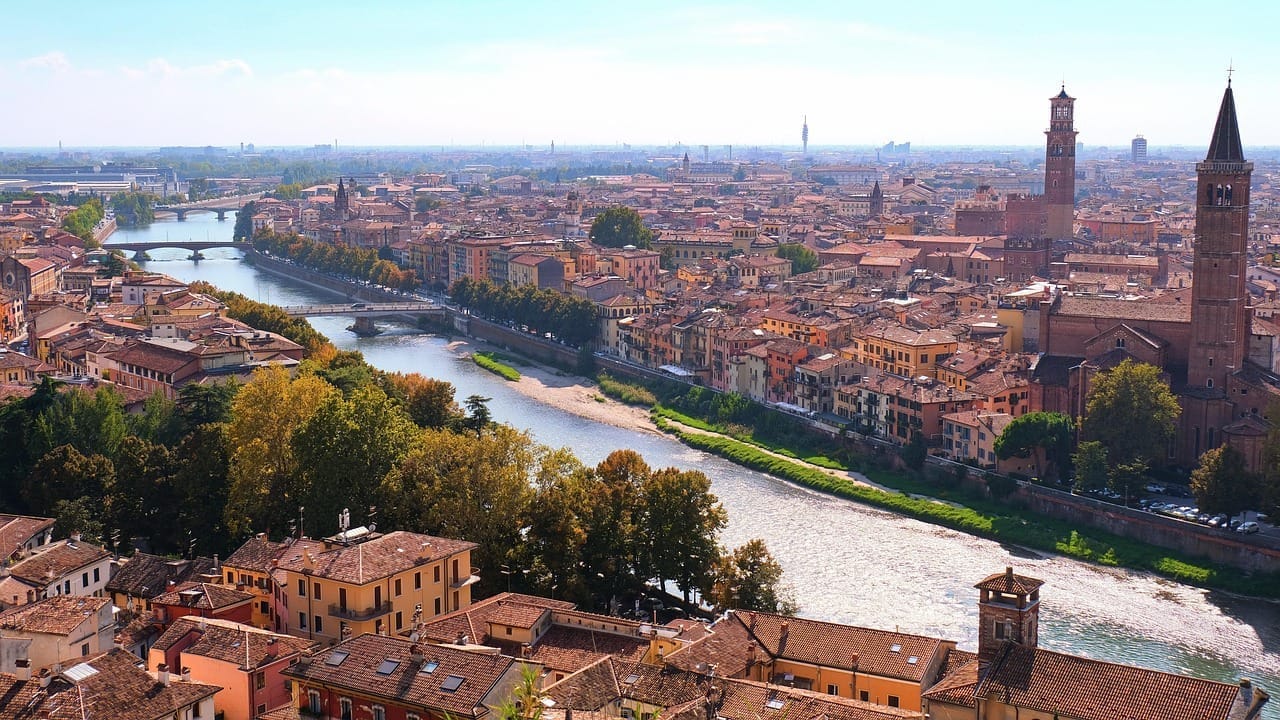
Verona offers expats a perfect blend of romantic charm, cultural richness, and northern efficiency. Famous as the setting for Romeo and Juliet, this UNESCO World Heritage city offers genuine Italian beauty, an excellent quality of life, a strong economy, and a strategic location.
Why Expats Love It: Verona provides a manageable city size with big-city amenities, including an internationally renowned opera festival at the Roman Arena. The Veneto region's prosperity means reliable services, good infrastructure, and job opportunities in wine production, tourism, and manufacturing. Lake Garda is 30 minutes away, while Venice, Milan, and the Dolomites are easily accessible. The city maintains its authentic character despite tourism.
Cost of Living: Moderate to high. One-bedroom city center apartments cost €800-€1,300 monthly, with suburban options from €600-€900. The cost of living reflects the area's prosperity. Monthly expenses average €1,700-€2,300 excluding rent.
Lifestyle & Activities: The historic center features Roman ruins, medieval bridges, Renaissance palaces, and countless piazzas perfect for aperitivo. The opera season draws international performers and audiences. Verona serves as a gateway to Valpolicella wine country, where Amarone and Ripasso are produced. The region offers hiking, skiing, lake activities, and charming towns. The food scene balances traditional Veronese cuisine with innovative restaurants.
Expat Community: Moderate size with well-established international schools and expat services. The area attracts professionals, retirees, and those working in the tourism and wine industries.
Practical Info: Verona Airport serves European destinations, with Venice and Milan airports providing broader connections. English is common in the tourism sector. Excellent internet infrastructure supports remote work.
Best For: Romantics and culture lovers, opera enthusiasts, wine industry professionals, families seeking a high quality of life, and those seeking northern efficiency with Italian charm.
Abruzzo Region (Pescara/L'Aquila Area)
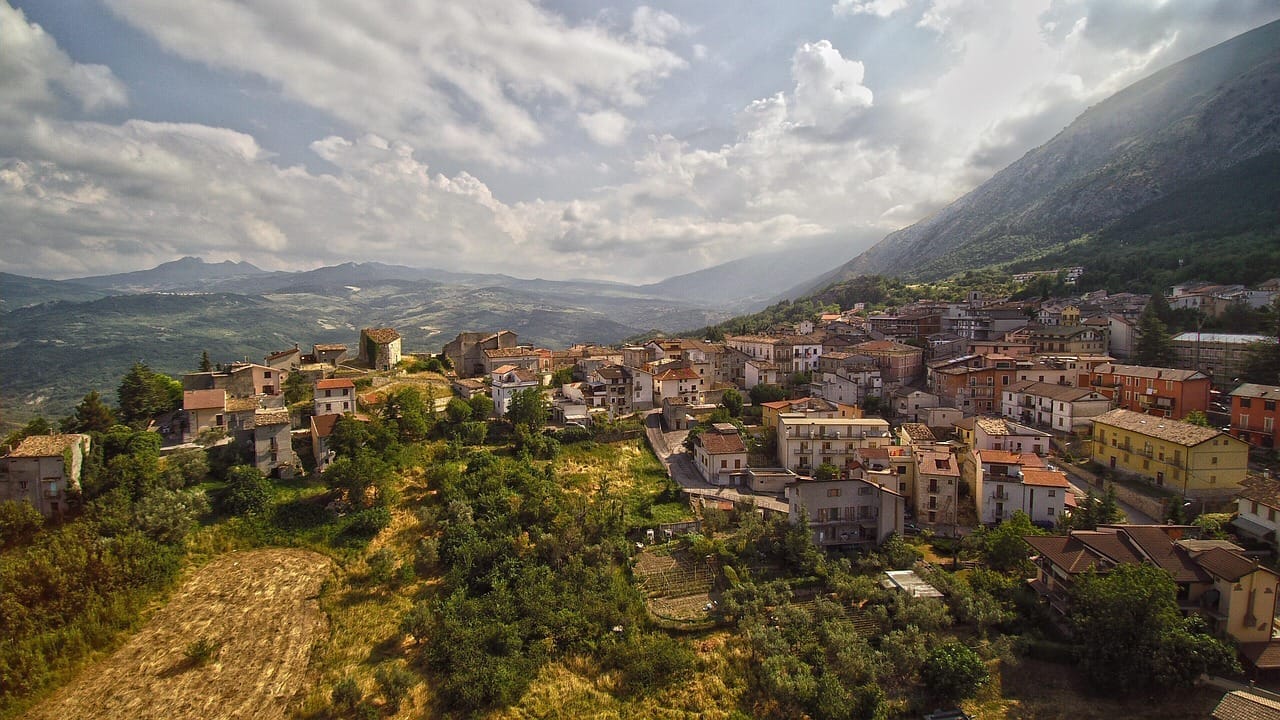
The Abruzzo region, particularly around Pescara on the coast and L'Aquila inland, is Italy's best-kept secret for expats seeking dramatic value, natural beauty, and an authentic way of life. This mountainous region between Rome and Puglia offers everything from Adriatic beaches to Apennine ski resorts within an hour's drive.
Why Expats Love It: Abruzzo offers exceptional value for the cost, with stunning landscapes, medieval villages, national parks, and genuine local culture. The region provides Italy's cheapest property prices, with houses in mountain villages sometimes available for under €30,000, and €1 house schemes in depopulated towns. Despite affordability, the area provides good infrastructure, excellent food traditions, and proximity to Rome (90 minutes by train or car). Special tax incentives attract new residents.
Cost of Living: Among Italy's most affordable regions. One-bedroom apartments in Pescara cost €400-€650 per month, with mountain-town options even cheaper. Groceries and dining are inexpensive, emphasizing local products like Montepulciano d'Abruzzo wine, arrosticini (lamb skewers), and saffron. Monthly expenses average €1,000-€1,500 excluding rent.
Lifestyle & Activities: The region's three national parks offer hiking, wildlife watching, and skiing. Medieval hilltop towns like Santo Stefano di Sessanio preserve centuries-old atmosphere. The Adriatic coast provides beaches and seafood restaurants. Local festivals celebrate food, wine, and traditions. The pace is slow and community-oriented, making it perfect for those seeking a tranquil rural life with access to the mountains and the sea.
Expat Community: Very small, making this ideal for those wanting deep local integration rather than expat bubbles. Growing interest from adventurous remote workers and those purchasing renovation properties.
Practical Info: Pescara Airport offers domestic and limited European flights, with Rome airports accessible. English is rare; Italian language skills are essential. Internet infrastructure varies significantly—Pescara and larger towns have adequate speeds, but rural areas may have limited connectivity, so research is recommended before committing.
Best For: Adventurous expats seeking value and authenticity, remote workers with flexible connectivity needs, retirees looking to maximize budgets, property investors, outdoor enthusiasts, and those seeking deep Italian immersion away from tourist paths.
Quick Comparison Table
City/Region
Cost of Living
Best For
Climate
Rome
High
Culture lovers, professionals, families
Hot summers, mild winters
Florence
High
Art enthusiasts, retirees, academics
Hot summers, cool winters
Milan
Very High
Career-focused professionals
Cold winters, hot summers
Bologna
Moderate
Foodies, digital nomads, students
Cold winters, hot humid summers
Turin
Moderate
Budget-conscious, mountain lovers
Cold winters, warm summers
Cagliari
Low-Moderate
Beach lovers, retirees, remote workers
Mild winters, hot dry summers
Palermo
Very Low
Budget travelers, adventurous types
Mild winters, very hot summers
Lecce
Low
Remote workers, retirees, sun seekers
Mild winters, hot summers
Verona
Moderate-High
Culture enthusiasts, wine lovers, families
Cold winters, hot summers
Abruzzo
Very Low
Value seekers, nature lovers, renovators
Varies by elevation
Frequently Asked Questions
What is the cheapest expat destination in Italy?
Palermo, Sicily, and the Abruzzo region offer Italy's lowest living costs for expats. In Palermo, you can rent a one-bedroom apartment for €400-€700 monthly and live comfortably on €1,000-€1,500 excluding rent. Abruzzo offers similar or even lower costs, particularly in mountain villages where property can be purchased extremely cheaply. Both locations provide authentic Italian experiences, with access to beaches, mountains, and rich cultural traditions, though they require more adventurous spirits and Italian-language skills than tourist-heavy cities.
Where do most expats live in Italy?
Rome and Milan host the largest expat populations due to job opportunities, international schools, and established expat communities. Florence and Tuscany attract significant numbers of American and British retirees and remote workers drawn to the region's beauty and cultural offerings. Lake Como and the Amalfi Coast also have substantial expat communities, though dominated by wealthy retirees rather than working professionals. Recently, Puglia and Sicily have seen growing expat interest as remote work enables location flexibility and people discover the value and lifestyle of these regions.
What is the best city in Italy for English speakers?
Rome, Milan, and Florence offer the most English-friendly environments with large expat communities, international businesses, and tourism infrastructure. Rome provides the best combination of English accessibility, cultural attractions, and practical services for non-Italian speakers. However, in all Italian cities, learning Italian significantly improves your experience and is necessary for handling bureaucracy, healthcare, and building local relationships. Even in English-friendly cities, expect to need Italian for many daily interactions outside tourist and business contexts.
Can I work remotely from Italy?
Yes, Italy introduced a digital nomad visa in 2024, allowing non-EU remote workers to live and work in Italy for foreign employers. Requirements include proving an annual income of at least €28,000, health insurance, and accommodation. EU citizens can work remotely without special visas. Internet infrastructure in major cities and tourist areas generally supports remote work, with fiber optic increasingly available. However, research connectivity in specific locations, particularly in rural areas, before committing. Many co-working spaces have opened in cities like Milan, Bologna, Florence, and increasingly in southern destinations like Lecce and Cagliari.
Which city in Italy has the best weather?
Southern Italy and the islands offer the mildest year-round weather. Cagliari, Sardinia, and Sicily (Palermo) feature Mediterranean climates with mild winters, hot summers, and abundant sunshine, with more than 300 days annually. Lecce in Puglia offers similar conditions. These destinations rarely experience freezing temperatures and have long swimming seasons from May through October. If you prefer distinct seasons with cooler weather, northern cities like Turin and Verona provide greater seasonal variation with proper winters. Rome and Florence offer a middle ground, with hot summers and relatively mild winters that can be cold at times.
Is Italy safe for expats?
Italy is generally very safe for expats, with low violent crime rates compared to many countries. As in any city, some areas require standard urban caution, and petty crimes like pickpocketing occur in tourist areas. Southern cities like Naples and Palermo have reputations for higher crime, but actual risk to expats remains low with basic awareness. Italy's excellent healthcare system, including emergency services, provides additional security. The main challenges for expats involve bureaucracy rather than safety. Women traveling and living alone generally feel safe throughout Italy, though cultural differences in social interactions exist, particularly in the south, where traditional attitudes persist more strongly.
The Italian Lifestyle

Italy offers expat destinations for every preference and budget, from sophisticated Milan to affordable Palermo, cultural Florence to beach-blessed Cagliari. The key is matching your priorities—career opportunities, cost of living, climate, culture, or tranquility—with the correct location. Northern cities provide better infrastructure and job markets but higher costs, while southern regions and islands offer exceptional value, weather, and laid-back lifestyles with more limited English and career options.
Each destination on this list delivers the fundamental Italian qualities that attract expats: excellent food, rich culture, beautiful surroundings, and emphasis on quality of life. Whether you're drawn to Renaissance art, Mediterranean beaches, Alpine mountains, or simply the Italian approach to living well, you'll find your place among these diverse destinations. Start by visiting your top choices, connecting with local expat communities, and envisioning your daily life in each location. Your perfect Italian home awaits—la dolce vita is closer than you think.
Ready to make your own move to Italy? Our
online course provides comprehensive guidance on visas, housing, healthcare, schools, and everything else you need to know for a successful family relocation. Learn from those who've done it and avoid costly mistakes.
Ready to make Italy your home?
Get expert relocation guidance in the Move to Italy Masterclass — your complete roadmap for planning your move, obtaining residency, and building your new life abroad with confidence.
Global Citizen Life
© 2023 Global Citizen Life
All rights reserved