
Your Complete Guide to Turkish Residency: What I Learned Getting My İkamet
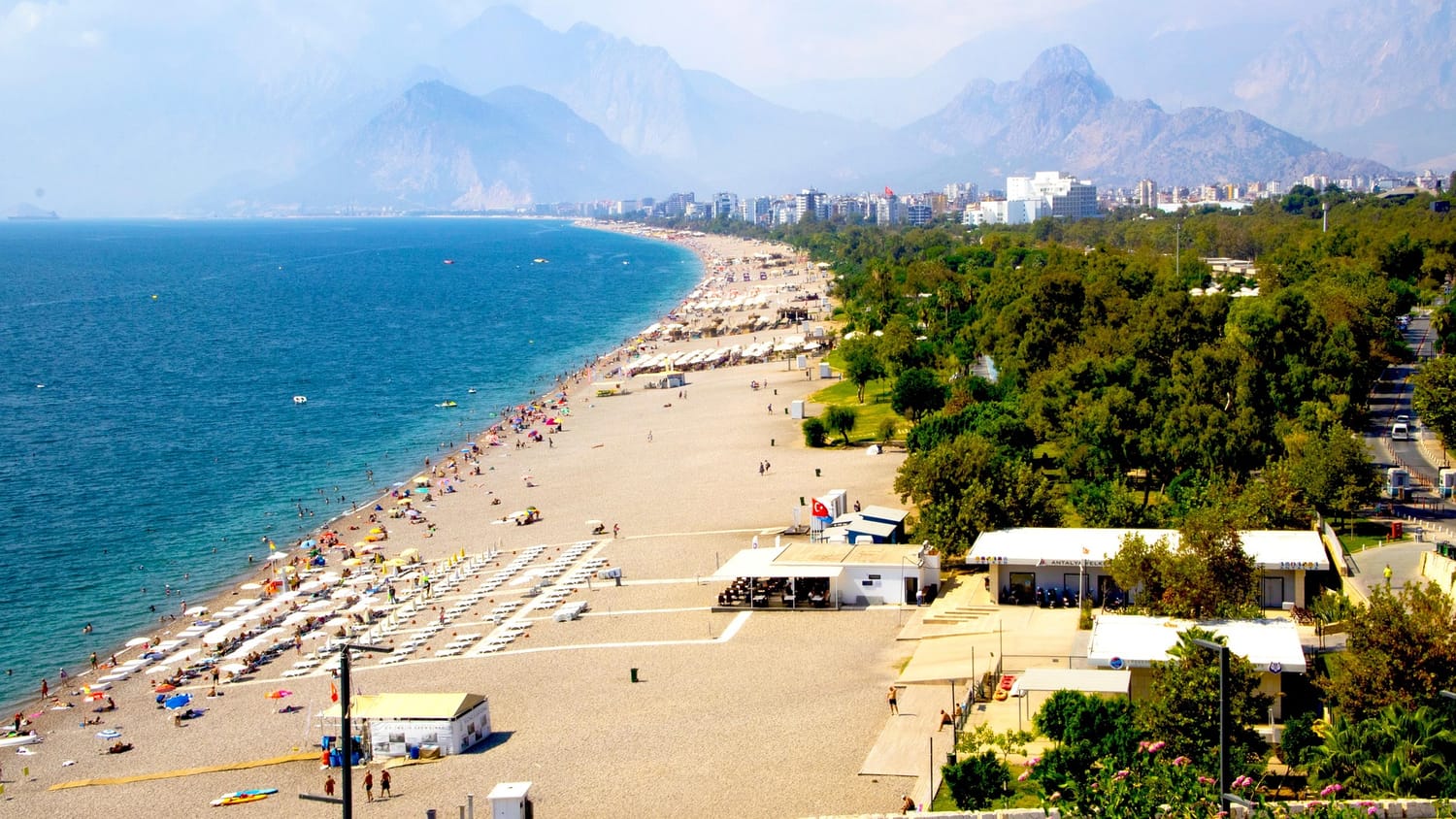
After three decades of harsh Canadian winters, I finally made the leap to Antalya, Turkey. The Mediterranean sunshine, affordable cost of living, and vibrant culture were exactly what I'd been dreaming of for my retirement. But before I could truly settle into my new life by the sea, I had one crucial hurdle to clear: obtaining my Turkish residence permit—what locals call an ikamet.
The process wasn't always straightforward, and I made my share of mistakes along the way. But now, two years into my Turkish adventure, with my residence permit renewed, I want to share everything I've learned to help make your journey smoother than mine.
Understanding Turkish Residence Permits
Turkey offers several types of residence permits, and understanding which one suits your situation is the first step. As a retiree living on a pension, I applied for a short-term residence permit, the most common option for foreigners planning to live in Turkey without working.
The short-term residence permit is initially issued for up to one year, though you can apply for up to two years if you meet certain financial requirements. After eight consecutive years of holding a short-term permit, you become eligible to apply for long-term residence, which offers more stability and fewer renewal hassles.
Other types include student permits, family residence permits (for Turkish family members), work permits, and humanitarian residence permits. For most retirees and remote workers, the short-term residence permit is your ticket to Turkish life.
Financial Requirements: What You Really Need
One of my biggest concerns was whether my pension would be sufficient. The good news is that Turkey's financial requirements for residence permits are quite reasonable, especially compared to many European countries.
As of my most recent renewal, the official requirement is to demonstrate sufficient financial means to support yourself without becoming a burden on Turkish social services. In practice, immigration officers typically look for proof of a monthly income of around $550 to $660 per person, though showing $880 to $1,100 provides a comfortable buffer and demonstrates financial stability.
You can prove this through bank statements showing regular deposits, pension statements, or documentation of investment income. I provided three months of Canadian pension statements, along with bank statements showing that these deposits were arriving regularly in my Turkish account. The key is demonstrating the consistency and reliability of income.
For those without a monthly income but with substantial savings, some immigration offices will accept proof of savings equivalent to the annual income requirement. However, this varies by location, so I always recommend having a clear monthly income stream if possible.
Unlock the secrets of the world's most successful entrepreneurs with the
Global Wealth Navigator Newsletter
Discover the world's best destinations offering a lower cost of living paired with an enriched quality of life with the Global Wealth Navigator Newsletter. Whether you're a retiree or an entrepreneur, we dive into strategies that open doors to international investments, tax optimizations, and discover the finest destinations offering a superior quality of life. Don't let borders or routine define you; lets find your ideal spot in the world, regardless of your income bracket.

The Application Process: Step by Step
Turkey modernized its residence permit system several years ago, and applications are now handled online through the e-ikamet system. This was initially intimidating for me, I'm not exactly tech-savvy, but it turned out to be more user-friendly than I expected.
First, you need to enter Turkey with a valid passport. Canadian citizens, like me, can stay visa-free for up to 90 days within a 180-day period. This gives you time to get settled and gather your documents before applying for residence.
Here's what you'll need to prepare: a valid passport with at least 60 days beyond your intended stay, a passport-sized biometric photo meeting Turkish specifications (white background, specific dimensions, I had mine taken at a local photo studio to be safe), proof of address in Turkey (a rental contract or property deed—more on this later), proof of sufficient financial means, and private health insurance that covers you in Turkey.
The health insurance requirement caught me off guard initially. Turkey requires foreign residents to have health insurance coverage of at least $33,000. Many international insurance companies offer policies that meet this requirement, or you can purchase a Turkish policy specifically designed for residence permits. I chose a Turkish policy for my first year, which cost about $330, though prices have risen slightly since then.
The Address Conundrum
One of the trickiest parts of the residence permit process is the address requirement. You need a registered address in Turkey before you can apply, but many landlords are reluctant to formalize rental agreements for newcomers who don't yet have residence permits. It's a bit of a chicken-and-egg situation.
I solved this by first renting a furnished apartment through a reputable agency that specialized in helping foreigners obtain residence permits. They provided a proper rental contract (kira sözleşmesi) that satisfied immigration requirements. The contract was in both Turkish and English, which made things much easier.
Your landlord will also need to register you at the local mukhtar (neighborhood administrator) office. This creates your ikametgah (address registration document), which is essential for your residence permit application. The mukhtar service is free, though a small tip of around $5 to $11 is customary.
Don't skip this step or try to rush it. Immigration officials will verify your address, and inconsistencies may delay your application or result in rejection.
Navigating the E-Ikamet System
Once you have all your documents ready, it's time to tackle the online application. The e-ikamet system (accessible at e-ikamet.goc.gov.tr) is available in multiple languages, including English, which is helpful.
Create an account using your passport information, then fill out the application form carefully. Any mistakes can cause delays, so take your time. You'll upload scanned copies of all your documents. Make sure they're clear and legible.
After submitting your application, you'll pay the application fee online. As of my last renewal, the fee was approximately $75 for a one-year permit, though this can vary by nationality and the length of the permit you're requesting.
The system will then allow you to book an appointment at your local immigration office (İl Göç İdaresi Müdürlüğü). In Antalya, appointment availability varies by season, expect longer waits during summer when tourism peaks. I recommend applying as early as possible after your arrival.
The Immigration Office Appointment
On the day of your appointment, arrive early and bring every document in both digital and physical form. I learned this lesson the hard way during my first application when the scanner wasn't working, and I would have been sent home if I hadn't brought paper copies.
You'll need your passport, a printed application form from the e-ikamet system, proof of address registration, a rental contract or property deed, a health insurance policy, financial documents, biometric photos, and a payment receipt for the application fee.
The immigration officer will review your documents, verify your information, and may ask questions about your reasons for living in Turkey and your financial situation. Be honest and straightforward. They're not trying to trick you. They simply need to confirm that your application is legitimate.
If everything is in order, they'll collect your biometric data (fingerprints and possibly a photo) and issue a document confirming that your application is being processed. This document is important. It allows you to remain legally in Turkey while waiting for your permit, even if your initial visa-free stay expires.

The Waiting Game
Processing times vary, but in my experience, expect four to eight weeks from your appointment to receiving your residence permit card. You can check your application status online through the e-ikamet system.
When your permit is ready, you'll receive an SMS notification to collect it from the immigration office. The physical residence permit card resembles a credit card and includes your photo, fingerprint, and permit validity dates. Keep this card with you at all times, along with your passport.
Common Pitfalls and How to Avoid Them
Looking back, I realize I could have saved myself stress and time by avoiding several common mistakes. The biggest mistake people make is waiting too long to apply. Don't use up your entire visa-free period before starting the process. Apply within your first month in Turkey to avoid any legal complications.
Another error is providing insufficient financial documentation. Immigration officers want to see a clear, consistent pattern of income, not just one or two bank transfers. Show at least three to six months of financial history.
Don't ignore the health insurance requirement or try to use travel insurance instead. Turkish authorities are specific about what qualifies. Your policy must explicitly cover you for residence in Turkey and meet the minimum coverage amount.
Be honest on your application. Any discrepancies between your stated information and supporting documents will raise red flags. If you're asked about previous visa violations or legal issues, answer truthfully. Turkey's immigration system has access to international databases, and dishonesty will likely result in rejection.
Finally, some people think hiring a lawyer or consultant is unnecessary. While many people successfully apply independently (as I did), don't be afraid to seek professional help if you're uncertain about any aspect of the process. The relatively small fee for a consultation can prevent costly mistakes and rejections.
Renewal: The Second Time Around
If you're planning to stay in Turkey long-term, you'll need to renew your residence permit before it expires. The renewal process is very similar to the initial application, but with a few key differences.
You can apply for renewal up to 60 days before your current permit expires. Don't wait until the last minute. If your permit expires before your renewal is processed, you could face fines or complications.
For renewal, you'll still need proof of address, financial means, and health insurance. However, the immigration office already has your biometric data on file, which can speed up the process. My renewal took about three weeks from application to receiving my new card.
One pleasant surprise: after your first year in Turkey, you may be eligible for a two-year permit (depending on your nationality and circumstances). This reduces the frequency of renewals and provides more long-term stability.
Life After Getting Your İkamet
Once you have your residence permit, a whole new world opens up. You can open a Turkish bank account more easily, sign up for utilities in your name, purchase a vehicle, and register with the Turkish healthcare system if you choose.
Your residence permit also makes domestic travel easier. While tourists must register with local police when staying in hotels, residents often bypass this requirement (though hotels may still ask for your permit number).
For me, getting my ikamet was the moment Turkey truly felt like home. It's not just a bureaucratic formality. It's your official welcome to Turkish society and your passport to fully participating in local life.
Understanding Your Rights and Responsibilities
With your residence permit comes both rights and responsibilities. You have the right to live in Turkey for the duration specified on your permit, travel in and out of Turkey freely (though you must return before your permit expires), access emergency healthcare services, and register for voluntary health insurance through the Turkish system.
However, a short-term residence permit doesn't grant you the right to work in Turkey without a separate work permit, vote in Turkish elections, or automatically bring family members (they need their own permits). You're also required to notify immigration of any address changes within 20 days, maintain valid health insurance throughout your stay, not remain outside Turkey for more than 120 days in a year (or you could lose your permit), and respect Turkish laws and customs.
These responsibilities aren't burdensome, but they're important to remember. I keep a file with copies of all my residence permit documents, insurance policies, and address registration papers, just in case I'm ever asked to produce them.
Regional Variations and Local Practices
While the residence permit process is standardized across Turkey, I've learned from other expats that local immigration offices sometimes have slightly different interpretations of requirements and varying levels of English proficiency among staff.
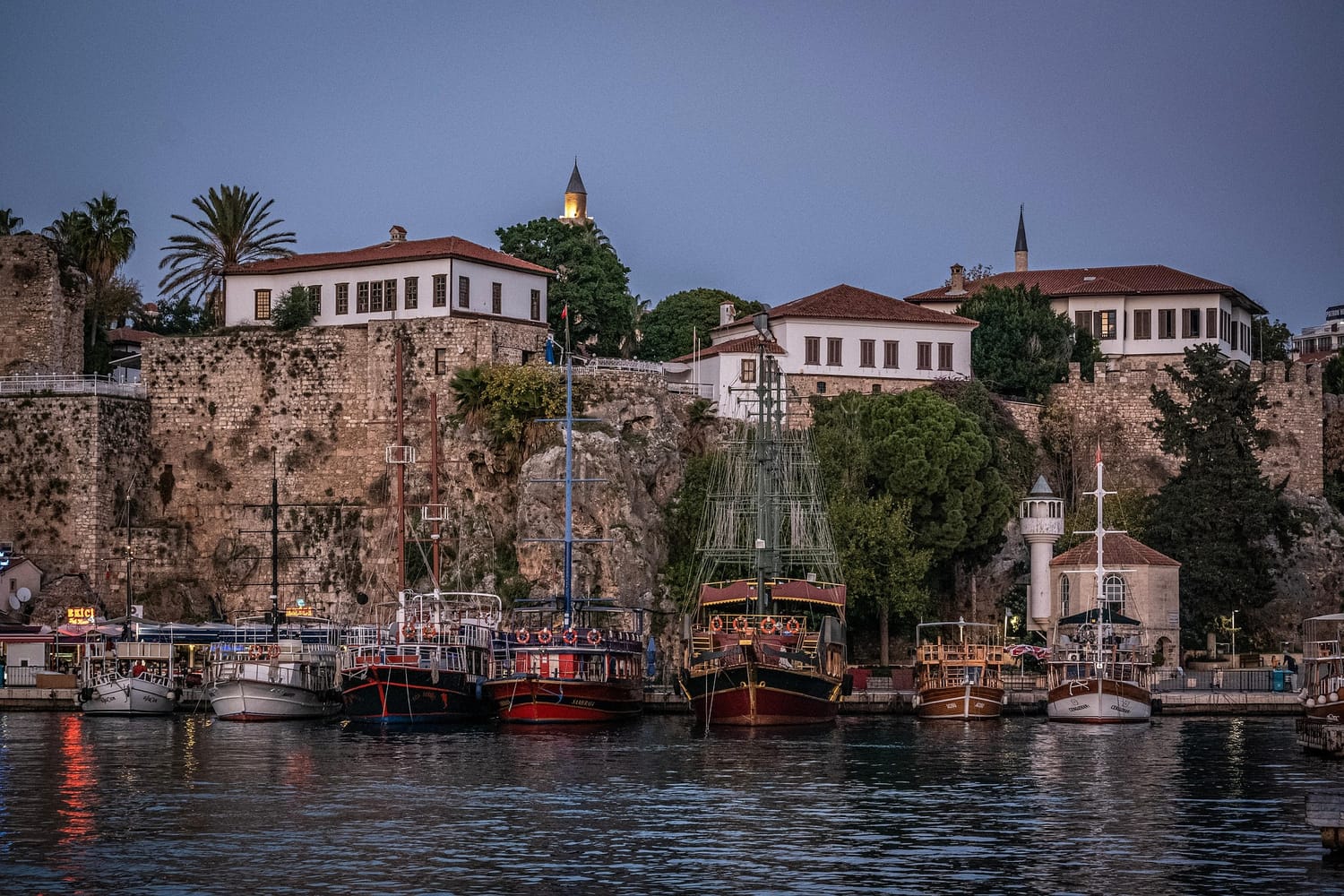
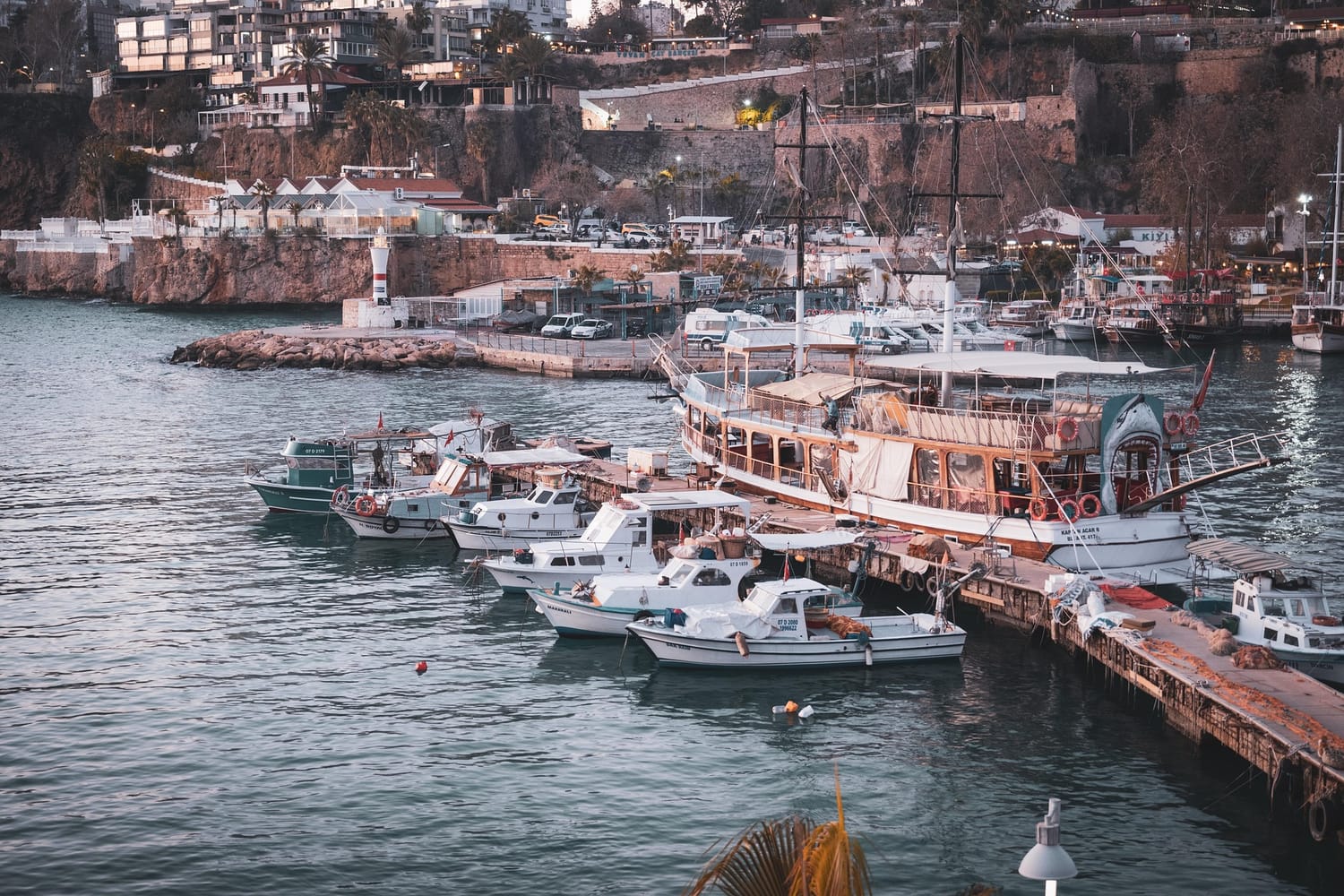
In Antalya, the immigration office staff are quite accustomed to foreign residents and generally patient with language barriers. Larger cities like Istanbul and Ankara have even more experience with international applications. Smaller cities might have longer processing times simply because fewer staff handle fewer applications.
If you're settling in a less common expat destination, I recommend connecting with the local expat community through Facebook groups or local expat meetups. Their recent experiences can provide valuable insights into local immigration office practices and expectations.
The Language Barrier
I won't sugarcoat it. The language barrier can be challenging during the residence permit process. While the e-ikamet system offers English-language interface options, many supporting documents and official communications are available only in Turkish.
For my initial application, I hired a translator to accompany me to the immigration office appointment. This cost around $55 but was worth every penny for the peace of mind. The translator helped me understand questions, explain my situation clearly, and ensure nothing was lost in translation.
However, I also made an effort to learn basic Turkish phrases relevant to the process. Being able to greet officers respectfully, thank them, and understand simple instructions goes a long way in creating a positive interaction.
By my renewal appointment, my Turkish had improved enough that I could handle most of the conversation on my own, with the officer occasionally switching to English for complex topics. Your language skills will naturally improve during your time in Turkey, making each subsequent renewal easier.
Looking Ahead: Long-Term Residence
While I'm still a few years away from eligibility, many long-term expats eventually apply for indefinite residence permits. After holding a short-term residence permit for eight consecutive years, you can apply for a long-term residence permit, which is valid indefinitely and only needs to be renewed every ten years.
The requirements for long-term residence are stricter. You need to demonstrate stronger financial ties to Turkey, show continuous residence without extended absences, and prove you haven't been a burden on Turkish social services. But for those planning to make Turkey their permanent home, it offers significant stability and reduced bureaucratic hassle.
Some expats also eventually pursue Turkish citizenship, though that's a separate process with its own requirements, including a Turkish language proficiency exam and demonstrated cultural integration. For now, my short-term residence permit suits my needs perfectly, giving me the freedom to enjoy my Mediterranean retirement without long-term commitments.
Expert Support for Your Turkish Journey
While I successfully navigated the residence permit process on my own, I understand that not everyone feels comfortable navigating international bureaucracy alone. Whether you're just starting to consider Turkey or you're ready to make the move, having expert guidance can make all the difference.
Global Citizen Life offers comprehensive Moving Abroad Programs designed specifically for people like you who are considering or planning an international move. Their services include one-time strategy calls for focused advice on your specific situation and concerns; country-specific Moving Abroad Masterclasses covering everything from visas to healthcare to finding your ideal location; and private coaching and consulting for personalized, ongoing support throughout your transition.
Whether you need help understanding residency requirements, finding the right location in Turkey, or developing a complete relocation strategy, their expert team can provide the insights and support you need. Learn more about their programs here.
Final Thoughts
Getting my Turkish residence permit was one of the most significant administrative hurdles of my move to Antalya, but it was far from insurmountable. Yes, there's paperwork. Yes, you need to be organized and patient. But the reward, the legal right to live in this beautiful country with its warm people, stunning coastline, and affordable lifestyle, is absolutely worth the effort.
The key is preparation. Gather your documents methodically, understand the requirements clearly, and don't rush the process. If you're uncertain about anything, ask questions. Join expat forums, consult with immigration lawyers, or connect with others who've been through the process.
Two years into my Turkish adventure, I can honestly say that the morning I collected my residence permit card from the immigration office ranks among the happiest moments of my retirement. It was the moment my dream of Mediterranean living became an official reality.
Now, when I walk along Konyaaltı Beach at sunset or sit at my favorite seaside café sipping Turkish tea, I do so not as a tourist, but as a resident. That small plastic card in my wallet represents freedom, security, and the beginning of this new chapter of my life.
If you're considering making the move to Turkey, don't let the residence permit process intimidate you. Thousands of foreigners successfully obtain their ikamet every year, and with proper preparation, you can too. The Mediterranean lifestyle you've been dreaming of is more achievable than you might think. Your journey starts with that first application.
Written by Neil Patterson
Neil is a retired Canadian government employee who traded cold winters for Mediterranean sunshine after moving to Antalya, Turkey. Drawing on his experience navigating residency, healthcare, and daily life on the Turkish coast, Neil shares practical insights to help others discover the affordable, vibrant retirement lifestyle he's found by the sea. When he's not writing, you'll find him exploring local markets or relaxing on Antalya's beautiful beaches.
Read all our articles about Turkey here.
Global Citizen Life
© 2023 Global Citizen Life
All rights reserved