
Winter Warmth: Why Snowbirds and Full-Time Retirees Love Puerto Vallarta's November Through March
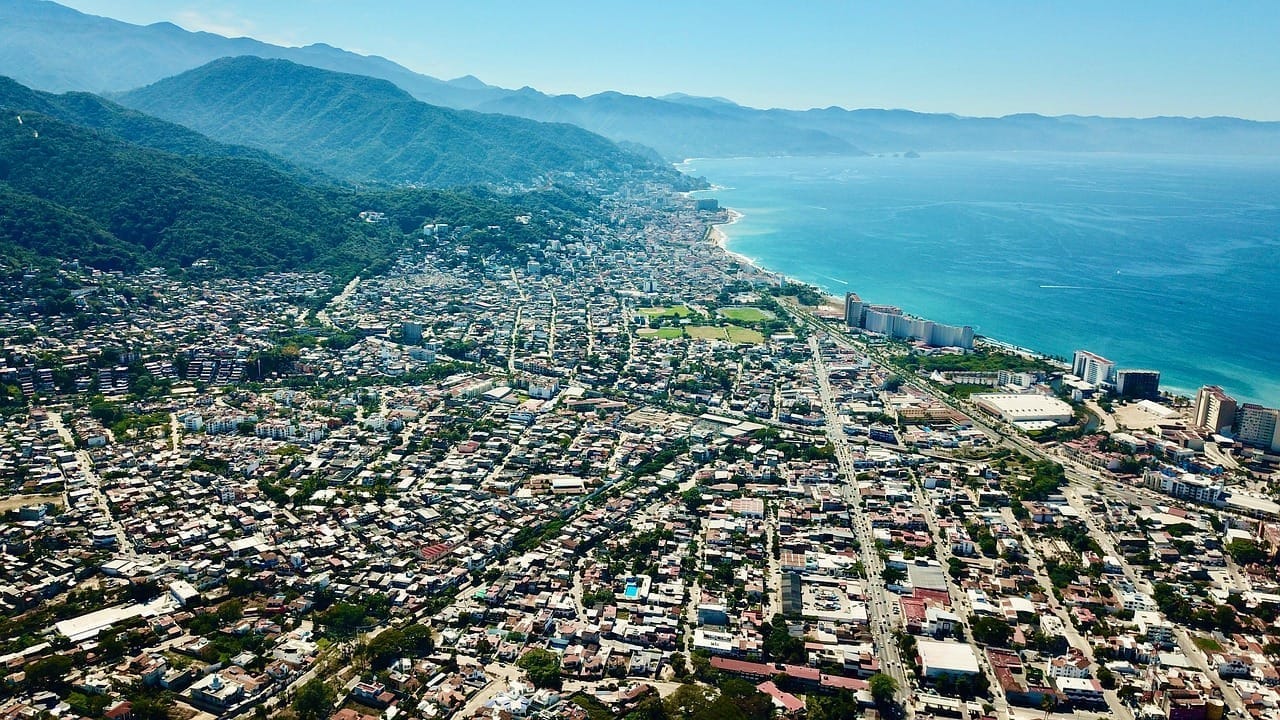
I still remember my first November morning in Puerto Vallarta. After decades of Manchester's grey drizzle and biting cold, I stepped onto my terrace to find the sun already warm on my skin, the air carrying that perfect blend of sea breeze and tropical warmth. A hummingbird hovered near my bougainvillea, and I thought: this is what I've been missing all those winters.
That was five years ago, and every winter season since has reminded me why I made the right choice. The period from November through March in Puerto Vallarta isn't just pleasant weather; it's a gift of time, a season that allows you to live fully while friends back home are scraping ice off windscreens and counting down the days until spring.
The Perfect Escape from Winter's Grip
Let me be honest with you. When I first considered retiring to Mexico, I worried it might be too hot. I'd visited tropical destinations before and found the heat oppressive. But Puerto Vallarta's winter months are something entirely different; they're what I now call 'Goldilocks weather.' Not too hot, not too cold, but perfectly, wonderfully just right.
From November through March, daytime temperatures range from 79°F to 88°F (26°C to 31°C). The mornings start fresh and pleasant, perfect for a walk along the Malecón before the town fully awakens. By midday, you'll want your swimsuit and sunscreen, but you won't be wilting in unbearable heat. And the evenings? They're magical, cooling to around 61°F to 70°F (16°C to 21°C), just enough to enjoy a light cardigan while dining al fresco or strolling through the cobblestone streets of Old Town.
This is the dry season, when Puerto Vallarta transforms into what I can only describe as paradise. The heavy rains that characterize summer have long passed, leaving behind lush greenery and crystal-clear skies. You can plan your days with confidence, knowing that those afternoon tropical downpours are highly unlikely. In fact, November typically sees rainfall on only about one or two days the entire month, and by the time you reach February, March, and April, rain becomes almost nonexistent.
What Your Days Actually Look Like
I've learned that weather statistics only tell part of the story. What matters is how the weather actually feels, how it shapes your daily rhythm. Here in Puerto Vallarta during winter, life takes on a gentle, sustainable pace that I never quite managed to find anywhere else.
My typical winter morning begins around seven o'clock when the temperature is still pleasantly cool. I make my coffee and take it out to the terrace, where I can watch the fishing boats heading out into Banderas Bay. The sky is usually clear. We average about eight to nine hours of sunshine daily during these months, and the light has a quality that photographers dream about.
By mid-morning, I'm ready for my walk. This is when Puerto Vallarta truly shines. The beaches aren't yet crowded, the outdoor markets are setting up with fresh produce and flowers, and the town has an energy that feels purposeful but never rushed. The sea temperature hovers around 75°F to 80°F (24°C to 27°C), perfect for swimming without that initial shock of cold water. I often see the same group of retired swimmers doing their morning laps off Los Muertos Beach, their faces bronzed and content.
The midday heat can reach into the high 80s Fahrenheit, but it's not the oppressive, humid heat you might fear. The ocean breeze keeps things comfortable, and there's an art to living here that the locals have mastered: find shade, slow down, enjoy a leisurely lunch. This is when I've learned to appreciate the Mexican concept of sobremesa; that beautiful tradition of lingering at the table after a meal, talking and laughing while the heat of the day passes.
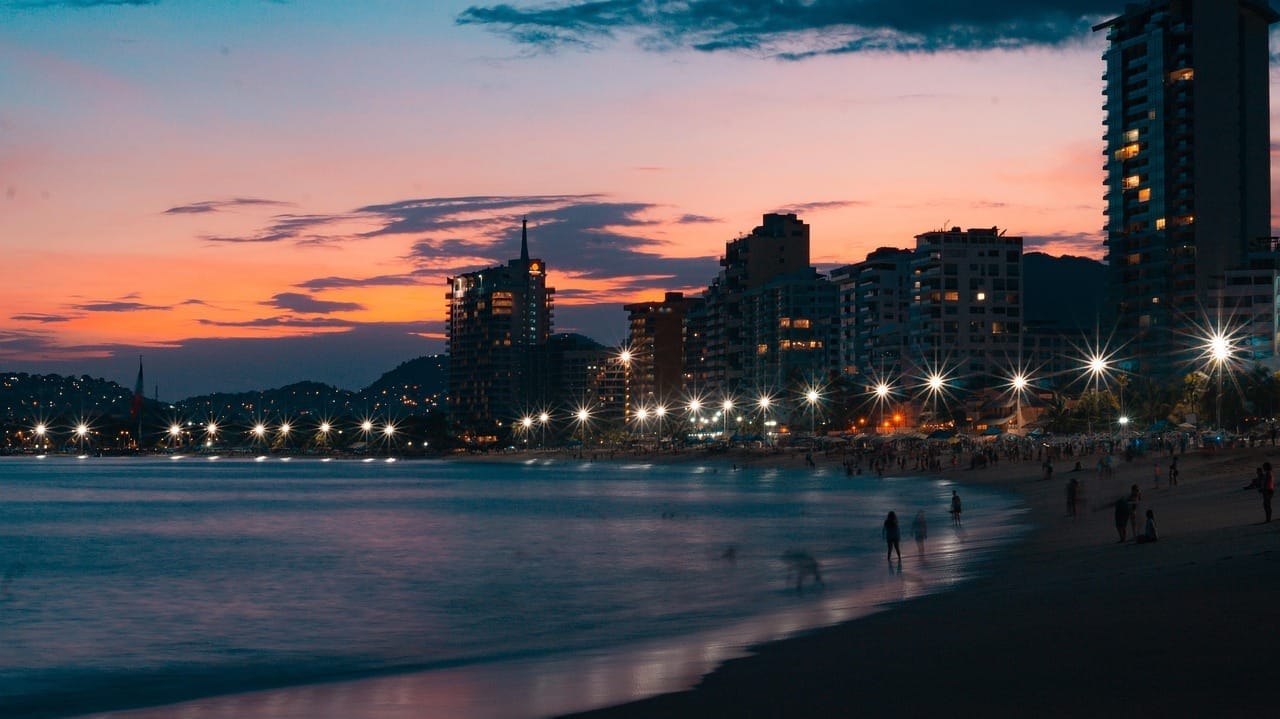
By late afternoon, as the temperature begins its gentle decline, the town comes alive again. This is prime time for exploring, wandering through art galleries, browsing the boutiques, or simply claiming a spot on the Malecón to watch the street performers and catch what might be the thousandth sunset I've seen here, yet it still takes my breath away every single time.
If you're serious about making this life-changing move, our
online course provides comprehensive guidance on everything from residency requirements and healthcare to finding the perfect community and integrating into local culture, helping you make a smooth and successful transition.
The Snowbird Community: Finding Your Flock
One of the unexpected joys of Puerto Vallarta's winter season is the community that forms during these months. From November through March, the city swells with what locals affectionately call snowbirds: retirees escaping the harsh winters of Canada, the United States, and increasingly, Europe.
I confess, I was initially skeptical about the snowbird phenomenon. Would it feel like some sort of retirement colony? Would I be surrounded by people complaining about 'back home' and refusing to engage with Mexican culture? My worries were entirely unfounded.
What I've discovered instead is a vibrant, diverse community of people who chose to spend their retirement years actively engaged with life. Yes, there are familiar faces from Canada and the States, but also Germans, Brits like myself, Scandinavians, and Australians. We're united not by where we came from, but by a shared appreciation for what Puerto Vallarta offers: warmth, beauty, affordability, and the chance to live well.
The winter months bring a full social calendar if you want it. There are hiking groups that explore the Sierra Madre mountains, book clubs that meet in cafés overlooking the ocean, art classes taught by talented local painters, and volunteer opportunities with organizations like the International Friendship Club. I've made friends from Toronto who spend six months here annually, a couple from Minnesota who sold everything to move here full-time, and locals who've welcomed us expatriates with remarkable generosity.
The Cadence of the High Season
Puerto Vallarta's winter coincides with the high season, and it's important to understand what that means for daily life. The city transforms from a more local, relaxed atmosphere into a bustling destination filled with visitors, both international tourists on holiday and seasonal residents like myself.
Does this mean crowds? Yes, particularly around major holidays like Christmas, New Year's, and American Thanksgiving. The beaches are busier, restaurants require reservations, and you'll hear more English spoken on the streets. But here's what surprised me: I've come to appreciate this seasonal difference. The energy is infectious, the cultural events multiply, and the restaurant scene explodes with visiting chefs and special menus.
The key is knowing where to go and when. Early mornings remain blissfully peaceful even during peak season. The beaches north and south of the main tourist areas offer more tranquility. And the neighborhoods where full-time residents live, places like Versalles and 5 de Diciembre, maintain their authentic character regardless of the tourist influx.
The Practical Side: What Winter Actually Costs
Let's talk about money, because this is where Puerto Vallarta's winter truly shines for retirees. Even during the high season, when prices naturally increase, the cost of living remains remarkably reasonable compared to spending winter in most North American or European destinations.
My monthly expenses during winter typically run about $2,400 to $3,000 USD, and that's living quite comfortably. This includes my rent for a lovely two-bedroom apartment with a view of the bay (around $1,200 USD per month during high season), groceries, dining out several times a week, entertainment, utilities, and the occasional excursion.
For context, a beautiful dinner for two at a nice restaurant might cost $60-$85 USD, including wine. A taxi across town rarely exceeds $7 USD. Fresh produce at the local markets is astoundingly affordable; I can fill two large bags with fruits, vegetables, and herbs for about $20 USD. And healthcare? My private health insurance through a Mexican provider costs less than $130 USD per month, and doctor visits typically run $40 to $60 USD without insurance.
Yes, accommodation prices do increase during the winter months, sometimes by 30% to 50% compared to summer rates. But many of us who return year after year have established relationships with landlords, securing better rates and first choice of properties. The key is to plan and book early, ideally by September, for the following winter season.
Understanding the Snowbird Rental Market
If you're considering your first winter in Puerto Vallarta, the rental market deserves careful attention. Most snowbirds rent by the month, with landlords typically requiring a one to three-month commitment during high season. Some properties offer reduced rates for longer stays; four- or six-month stays can bring meaningful savings.
For a comfortable one-bedroom apartment in a good location, expect to pay $900 to $1,500 USD monthly during winter. Two-bedroom units range from $1,200 to $2,400 USD. Beachfront naturally commands premium prices, but you can find excellent value just a few blocks inland. I've found that the neighborhoods of Emiliano Zapata (the Romantic Zone), Versalles, and parts of 5 de Diciembre offer the best combination of location, safety, and value.
Unlock the secrets of the world's most successful entrepreneurs with the
Global Wealth Navigator Newsletter
Discover the world's best destinations offering a lower cost of living paired with an enriched quality of life with the Global Wealth Navigator Newsletter. Whether you're a retiree or an entrepreneur, we dive into strategies that open doors to international investments, tax optimizations, and discover the finest destinations offering a superior quality of life. Don't let borders or routine define you; lets find your ideal spot in the world, regardless of your income bracket.

The Activities That Define Winter
What I've come to love most about Puerto Vallarta's winter is how the perfect weather enables a lifestyle that would be impossible, or at least far less enjoyable, in other seasons or locations.
Whale watching stands out as the winter signature activity. From mid-November through March, humpback whales migrate to the warm waters of Banderas Bay to breed and give birth. I've taken the boat tour three times now, and the experience never diminishes. Watching a 40-ton whale breach the surface, or seeing a mother gently nudge her calf, creates a sense of wonder that transcends age or cynicism.
The weather also makes this the perfect season for outdoor exploration. Hiking in the Sierra Madre mountains is actually pleasant during winter. The trails are dry, the temperatures are moderate, and the views across the jungle canopy to the ocean are spectacular. Day trips to nearby beaches like Yelapa or Majahuitas become regular adventures rather than special occasions. And the weekly farmers' markets, art walks, and outdoor concerts create a structure that feels purposeful without being demanding.
Cultural Richness During High Season
Puerto Vallarta's winter calendar bursts with cultural events that take full advantage of the reliable weather. The Festival Gourmet in November brings world-class chefs to the city for ten days of culinary excellence. December features traditional Las Posadas processions, beautiful re-enactments of Mary and Joseph's search for lodging. January and February see the city at its most festive, with art exhibitions, musical performances, and the wonderful chaos of Carnaval in late February.
What strikes me about these events is how they blend the international community with local traditions. You'll find yourself at a wine tasting one evening and a traditional Mexican celebration the next. This cultural richness feels authentic rather than manufactured for tourists, largely because Puerto Vallarta remains a real city where real Mexicans live and work, not merely a resort destination.
The Health Benefits of Endless Summer
I'd be remiss not to mention the profound impact that Puerto Vallarta's winter has had on my health. After years of battling seasonal affective disorder during Manchester's dark winters, I no longer experience those crushing waves of depression that used to arrive like clockwork in November.
The daily sunshine, the warm temperatures that encourage movement and outdoor activity, the vitamin D my body actually absorbs, these aren't just pleasant bonuses. They're transformative. I walk more, swim regularly, sleep better, and generally feel a vitality that I thought I'd lost to age.
I see this same transformation in other retirees here. The gentleman who used to struggle with arthritis back in Calgary now swims daily and moves with surprising ease. The couple from Seattle who arrived looking exhausted and grey have regained color in their cheeks and lightness in their step. The warm weather isn't a cure-all, but it creates conditions where maintaining health becomes easier and more enjoyable.
Access to Quality Healthcare
One concern many retirees express about spending the winter abroad is access to healthcare. Puerto Vallarta has excellent medical facilities, with several hospitals equipped to handle serious medical situations and staffed by doctors who have trained internationally and often speak English.
I've found the healthcare system here to be both affordable and responsive. My primary care physician is a warm, competent woman who graduated from medical school in Guadalajara and completed additional training in the United States. She sees me within days of my request for an appointment, spends a full half-hour discussing my concerns, and charges $50 USD for the visit. Prescriptions cost a fraction of what I paid in the UK. And if I need specialist care or diagnostic tests, they're readily available at reasonable prices.
Many snowbirds maintain travel insurance that covers medical emergencies, and I'd recommend the same. But for routine care and maintenance of chronic conditions, Puerto Vallarta's medical system is more than adequate.
The Challenge of Returning Home
I should be honest about one of the hardest aspects of winter in Puerto Vallarta: leaving. Every March, as the season winds down and temperatures begin their gradual climb toward summer heat, I face the same difficult decision. Do I stay year-round, or do I return to visit family and friends back in the UK?
For most snowbirds, the answer involves compromise. Some spend six months here (the maximum allowed on a tourist visa without special arrangements), then return home for spring and summer. Others, like myself, have obtained temporary resident status, which allows greater flexibility but requires more paperwork. A growing number eventually make the leap to full-time residence, visiting their home countries only occasionally.
There's no perfect answer. I miss my grandchildren terribly during the winter months. Video calls help, but they're no substitute for in-person hugs. Yet when I'm back in Manchester during summer, watching the rain streak down the windows, I find myself longing for my Puerto Vallarta morning routine, for the friends I've made here, for the life I've built.
Making the Most of Your First Winter
If you're considering your first winter season in Puerto Vallarta, let me offer some advice gleaned from my own experience and watching other newcomers navigate their adjustment.
First, give yourself time to settle. The first few weeks can feel overwhelming: new language, new customs, new routines. Don't try to see and do everything immediately. Find a café you like, establish a morning walk route, and locate your nearest grocery store and pharmacy. Build a foundation of familiarity before branching out into adventure.
Second, engage with both the expat and local communities. It's easy to fall into an English-speaking bubble, surrounded only by other foreigners. Resist this temptation. Take Spanish lessons, shop at local markets rather than only tourist-oriented grocery stores, and attend community events. Your experience will be infinitely richer for it.
Third, accept that some things will frustrate you. Mexican bureaucracy can be maddeningly slow. The concept of punctuality is, shall we say, flexible. Not everything works the way it did back home. This is part of the package, and learning to navigate these differences with patience and humor will serve you well.
Finally, invest in making this place feel like home rather than an extended vacation. Buy some artwork from local artists. Plant a small herb garden on your balcony. Develop regular routines and favorite haunts. The difference between being a tourist and a temporary resident is largely about mindset and investment.
Practical Preparation Tips
Before your first winter season, handle some practical details to make your transition smoother. Arrange your accommodation well in advance, by September at the latest, for peak season months. Research and purchase appropriate travel or health insurance. Ensure your passport has at least six months of validity remaining. If you take prescription medications, bring an adequate supply and research whether they're available locally.
Pack lighter than you think necessary. You'll want swimwear, sun protection, comfortable walking shoes, and casual warm-weather clothing. Bring one light jacket or sweater for occasional cool evenings. Everything else you can buy locally, often for less than you'd pay at home. And remember: you're not moving to a developing nation. Puerto Vallarta has excellent shopping, from boutiques to department stores.
The Deeper Value of Winter Here
As I reflect on five winters in Puerto Vallarta, I realize the true value isn't captured in weather statistics or cost-of-living comparisons. Yes, the climate is glorious. Yes, it's affordable. Yes, the community is welcoming. But what matters most is how this place allows me to inhabit my retirement years with purpose and pleasure.
Back in Manchester, I spent too many winter days simply enduring—enduring the cold, the dark, the isolation that seems to descend when the weather turns harsh. I measured time by when spring would finally arrive, as if winter were something to be survived rather than lived.
Here, I've learned to inhabit time differently. Each day offers opportunities for beauty, connection, and small adventures. I'm not waiting for something to begin or end. I'm present in the moment, grateful for the warmth on my skin, the taste of fresh mango, the laughter of friends over dinner, the spectacular sunset painting the sky in impossible colors.
This isn't escapism or denial. It's a conscious choice to spend my remaining years, however many I'm blessed to have, in a place that enhances rather than diminishes my quality of life. Puerto Vallarta's November through March season offers a gift: the chance to live well, stay active, remain engaged, and wake each morning with something to look forward to.
Your Winter Awaits
If you're reading this from somewhere cold and grey, perhaps wondering if retirement abroad might be right for you, I can't make that decision for you. Every person's circumstances, preferences, and priorities differ. What I can tell you is this: Puerto Vallarta's winter season offers something increasingly rare in our modern world, a chance to slow down, warm up, and rediscover what brings you joy.
The weather from November through March provides an ideal foundation: warm days, cool evenings, minimal rain, and endless sunshine. But the weather is merely the stage upon which you'll write your own winter story. What that story contains—the friendships you'll forge, the experiences you'll have, the person you'll become when freed from the constraints of harsh winter—that's entirely up to you.
I never imagined, during those grey Manchester winters, that I'd find such contentment in my retirement years. I never pictured myself swimming in the ocean in February, hiking jungle trails in January, or watching whales breach the surface in December. I never knew such a life was possible.
But it is possible. It's happening right now, as I sit on my terrace with my morning coffee, watching another perfect day begin. The temperature is already climbing toward a comfortable 82°F. The sky is impossibly blue. And I have nowhere to be except exactly where I am.
That, more than anything, is what Puerto Vallarta's winter offers: the freedom to simply be, in the warm embrace of a place that welcomes you home.
If you're ready to take the next step toward your Mexican adventure, consider enrolling in our Move to Mexico Masterclass. This comprehensive online course covers everything you need to know—from visa requirements and healthcare options to finding the perfect community and navigating daily life. Learn from those who've successfully made the transition and start planning your own winter escape to paradise.
If you're serious about making this life-changing move, our
online course provides comprehensive guidance on everything from residency requirements and healthcare to finding the perfect community and integrating into local culture, helping you make a smooth and successful transition.
Written by Lena Crawford
Lena left Manchester for Puerto Vallarta’s sunshine and sea breezes after retiring from teaching. Her reflections explore simplicity, community, and second chances. Lena’s writing resonates with retirees seeking fulfillment, companionship, and a joyful rhythm in everyday life.
📍 From Manchester, now in Puerto Vallarta
Lena shares her retirement journey with grace and humor—highlighting community, well-being, and simple joys by the sea.
Read Articles by Lena →
Global Citizen Life
© 2023 Global Citizen Life
All rights reserved