
Winter on the Riviera: Why the Off-Season Is the Best Time to Buy Property
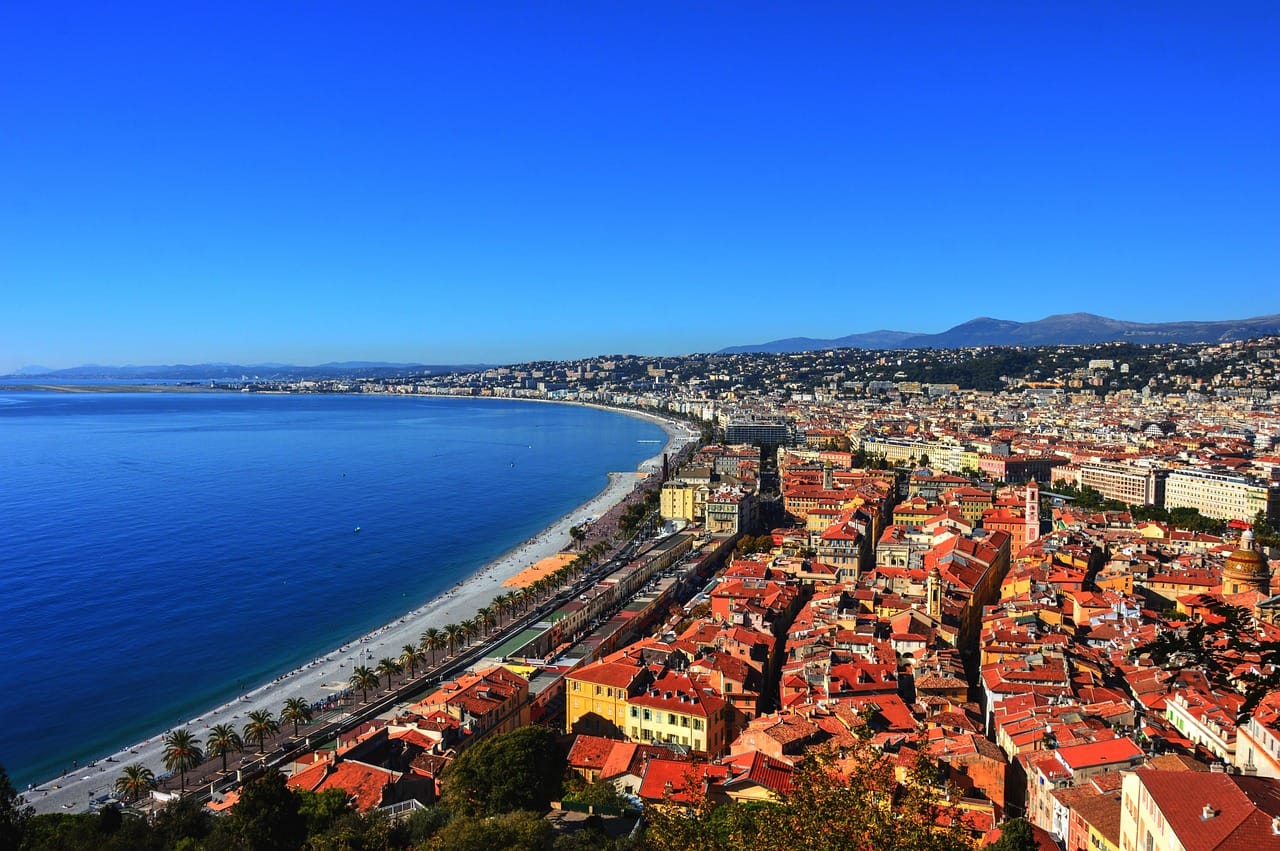
I've been watching the French Riviera property market for over two decades now, and I can tell you with complete confidence: winter is when the smart money moves. While the summer crowds are long gone and the beaches are quiet, something remarkable happens in the world of Riviera real estate. Opportunities emerge that simply don't exist during high season.
From my office in Nice, I've guided countless clients through off-season purchases, and the financial advantages are consistently impressive. We're not talking marginal gains here. Winter buyers regularly secure properties at 5-15% below peak-season pricing. But the benefits extend well beyond the purchase price, and understanding this timing strategy could save you hundreds of thousands of dollars while positioning you for long-term success on the Côte d'Azur.
The Winter Market Reality
Let me paint you a picture of the Riviera property market across the seasons. From April through September, the coast is buzzing. International buyers arrive with sun-soaked visions, competing for the same properties, driving prices upward through sheer demand. Estate agents know this. Their calendars are packed, viewings are rushed, and sellers hold firm on asking prices because they can afford to wait for the next eager buyer.
Come November, everything shifts. The tourist season ends, the cruise ships disappear, and the Riviera transforms into something quite different—and, I'd argue, far more authentic. In winter, the population is predominantly local, restaurants are quieter, and the property market suddenly becomes a buyers' market.
The sellers who remain active through winter are typically motivated. They're not testing the market with inflated prices, hoping a summer buyer will bite. They're serious about selling, often for practical reasons: relocations, estate settlements, or financial restructuring. This motivation translates directly into negotiating power for well-positioned buyers.
I recently worked with a British couple purchasing a three-bedroom apartment in Antibes. The property was listed at $880,000 in July, with multiple viewings but no offers. By January, we had negotiated the price down to $715,000. A reduction of nearly $165,000. The sellers needed to close before the tax year ended, we had financing pre-approved, and the winter market meant we faced no competing offers. That's the winter advantage in action.
Price Advantages Beyond the Obvious
The purchase price is just the beginning. Winter buying creates cascading financial benefits throughout the entire transaction. Consider the professional services you'll need: surveyors, notaires, and renovation contractors. During summer, these professionals are stretched thin, often working at capacity. Premium pricing reflects this demand. Come winter, their schedules open up, competition for work increases, and suddenly you're negotiating from a position of strength.
I've seen renovation quotes vary by 20-30% between July and January for identical work. A kitchen renovation quoted at $55,000 in peak season might come in at $40,000 during the winter months. That's significant capital you can redirect into the property or keep in reserve.
The same principle applies to legal and administrative processes. Notaire offices, which handle all property transactions in France, move faster in winter. What might take 12-16 weeks to complete in summer can often be closed in 8-10 weeks during the off-season. Time is money, particularly when you're paying bridge financing or temporary accommodation costs.

If you're seriously considering a move to France, I encourage you to explore our Move to France Masterclass. This comprehensive online course provides detailed guidance on every aspect of relocating to France, from visa applications and housing searches to cultural integration and community building. Learn from experts and experienced expats who have successfully navigated the journey you're contemplating.
Seeing Properties in Their True Light
Here's something many buyers don't consider: viewing a property in winter reveals everything summer conceals. That stunning sea-view terrace? In February, you'll discover exactly how the Mistral wind affects it. The charming garden? You'll see its condition without the cover of summer foliage. The heating system, insulation, window seals—all the practical elements that matter for year-round living become immediately apparent.
I always tell clients that if you fall in love with a property in January, you'll adore it in July. The reverse isn't always true. Summer viewing drives emotional purchases, driven by sunshine and a sea breeze. Winter viewing creates rational purchases based on the property's genuine merits.
Consider natural light; crucial on the Riviera but often misjudged. A south-facing apartment might seem perfectly bright during a July viewing at 7 PM. Visit the same property in December at 4 PM, and you'll understand exactly how the light works during shorter days. This matters more than most buyers realize, particularly if you're planning to live here year-round or rent the property during shoulder seasons.
Noise is another factor. That picturesque restaurant below your prospective apartment? In summer, it's charming—tables spilling onto the sidewalk, gentle conversation floating up. In winter, you'll hear the delivery trucks at 6 AM, understand the true soundproofing quality of those vintage windows, and assess whether the location works for your lifestyle beyond tourist season.
The Climate Reality Check
Let's address the weather concern directly, because it stops many buyers from even considering winter purchases. Yes, the French Riviera is cooler in winter. But cooler here means daytime temperatures of 8-14°C (46-57°F), not the arctic conditions many imagine. The sun still shines approximately 300 days per year. Rain, when it comes, tends to be brief and dramatic rather than the persistent drizzle of northern Europe.
I've walked clients through property viewings in January wearing nothing heavier than a light jacket. The Mediterranean climate remains remarkably pleasant, and viewing conditions are often better than in summer. There's no scorching heat making apartment tours uncomfortable, no crowds creating logistical challenges, and no sunburn while inspecting outdoor spaces.
The practical advantages are considerable. You can spend unhurried time in each property, genuinely assessing how the space feels rather than rushing between appointments in summer traffic. Your estate agent isn't juggling multiple clients simultaneously. You can revisit properties you're serious about without competing for viewing slots.
Access to Premium Properties
Some of the finest properties on the Riviera never see summer marketing. Wealthy sellers who value discretion prefer off-season transactions when there's less market frenzy and more serious buyers. These properties, often the hilltop villas, historic apartments, and prime waterfront positions, come to market quietly through trusted agents working with pre-qualified buyers.
I maintain relationships with sellers and agents specifically for this winter inventory. Last February, I secured a magnificent Belle Époque apartment in Beaulieu-sur-Mer for a client, never publicly listed, never advertised online. The seller wanted a straightforward winter transaction with minimal publicity. We closed at $1.65 million for a property that would easily command $2.2 million in competitive summer bidding.
These opportunities exist because sellers and their agents understand winter buyers are typically more sophisticated and financially prepared. There's an implicit screening process; casual browsers don't travel to the Riviera in January to view properties. If you're there, you're serious, which gives you access to inventory that never reaches the broader market.
Strategic Renovation Timing
Buy in winter, and you've positioned yourself perfectly for renovation work. French building regulations favor winter construction: less impact on tourism, fewer noise complaints from neighbors who are often away, and easier permit approval from municipal authorities managing lighter workloads.
More importantly, you can complete renovations before the rental season begins. Purchase in January, start work in February, and you could have a property ready for the lucrative summer rental market by June. A winter purchase of a $770,000 apartment requiring $110,000 in renovations can generate $44,000-$66,000 in summer rental income, immediately offsetting your investment while the property appreciates.
Contractors also provide better work during the off-season. They're not rushing between jobs, managing heat-related delays, or dealing with summer supply chain pressures. I've consistently found that winter renovations are completed faster, with higher-quality craftsmanship, and often at or below quoted budgets because contractors appreciate steady winter work.
Unlock the secrets of the world's most successful entrepreneurs with the
Global Wealth Navigator Newsletter
Discover the world's best destinations offering a lower cost of living paired with an enriched quality of life with the Global Wealth Navigator Newsletter. Whether you're a retiree or an entrepreneur, we dive into strategies that open doors to international investments, tax optimizations, and discover the finest destinations offering a superior quality of life. Don't let borders or routine define you; lets find your ideal spot in the world, regardless of your income bracket.

Understanding Seller Motivation
Winter sellers fall into distinct categories, and understanding this helps you negotiate effectively. Estate sales often continue through winter as families settle inheritances before new tax years begin. These sellers prioritize certainty over maximum price. They want reliable buyers who'll close smoothly.
Corporate relocations create another category. International executives transferred out of the region must sell regardless of the season. They're motivated by the timeline rather than by price optimization, particularly when their employers cover relocation costs. These situations can yield exceptional value for prepared buyers.
Then there are the investors repositioning portfolios. Sophisticated property investors often sell during the off-season to avoid capital gains complications and prepare for new acquisitions. They're business-minded, they understand market timing, and they respect buyers who demonstrate similar professionalism.
In each case, winter timing works in your favor. These sellers have chosen to list despite knowing summer would bring more potential buyers. That choice signals motivation you can leverage respectfully but firmly during negotiations.
The Financial Preparation Advantage
Winter buying forces financial discipline that protects you in the long term. Serious winter buyers arrive with financing pre-arranged, deposit funds in place, and legal representation organized. This preparation isn't just good practice. It's essential for capitalizing on winter opportunities that move quickly.
French banks process mortgage applications more efficiently during the off-season. What might take 6-8 weeks in summer often takes 4-5 weeks in winter. Interest rate negotiations also improve when banks are competing for business during slower months. I've seen rate reductions of 0.25-0.4% simply by strategically timing applications.
Currency exchange planning becomes clearer as well. Many of my British and American clients monitor exchange rates through autumn and winter, positioning transfers when rates favor their home currency. This strategic approach can save tens of thousands on large purchases; money that summer buyers, rushed by competition and emotion, often leave on the table.
Building Professional Relationships
Winter property shopping lets you develop relationships with the people who'll support your Riviera life long-term. Your estate agent has time for in-depth conversations about neighborhoods, market trends, and upcoming opportunities. Your notaire can explain French property law thoroughly rather than rushing through standard explanations. Local contractors can visit properties with you to provide honest assessments and reliable quotes.
These relationships matter enormously. The Riviera property market operates significantly on personal connections and trust. Agents remember buyers who were professional, prepared, and pleasant to work with. When exceptional properties become available, often before public listing, these agents call the buyers they trust.
I've built my entire business on winter relationships. Clients who work with me during the off-season receive priority access to my network, first notice of new listings, and insider knowledge of neighborhoods and market trends. This access becomes invaluable as you expand your Riviera property portfolio.
The Lifestyle Discovery
Beyond the financial and practical advantages, winter property shopping reveals the authentic Riviera. The place you'll actually live, not the postcard version. You'll experience local markets without tourist crowds, dine in restaurants serving regulars rather than visitors, and understand the genuine rhythm of Riviera life.
This matters for purchase decisions. That charming village that seems perfect in summer might feel isolated in winter if you need regular access to Nice or Monaco. Conversely, neighborhoods that seem too busy during high season often reveal themselves as wonderfully vibrant year-round communities once tourists depart.
I encourage clients to spend several days exploring during their winter property search. Have coffee at the local café, shop at the neighborhood market, and walk the streets in the morning and evening. You're not just buying a property. You're choosing a community, and winter reveals the community's true character.
Practical Winter Buying Strategy
If I've convinced you that winter buying makes sense, here's how to approach it strategically. Begin your research in autumn. Study the market, identify target areas, establish your budget, and arrange preliminary financing discussions. By November, you should have clear criteria and confirmed financial capacity.
Plan a dedicated property search trip between December and February. Budget 4-7 days minimum. Enough time to view multiple properties, revisit favorites, and explore neighborhoods properly. Work with agents who understand winter opportunities rather than those who've simply left their summer listings active.
Arrive with documentation organized: proof of funds, mortgage pre-approval (if applicable), identity verification, and references from your home-country bank. French property transactions require substantial documentation, and having everything prepared demonstrates seriousness that sellers and their agents respect.
Negotiate thoughtfully but firmly. Winter sellers expect serious offers, but they also appreciate buyers who understand market realities. Lowball offers damage relationships and waste everyone's time. Make fair offers that reflect the property's genuine market value, adjusted for off-season timing, and be prepared to move quickly when you find the right property.
Common Winter Buying Mistakes
Even experienced buyers make errors during winter purchases. The most common? Assuming all winter listings are desperate sellers who'll accept any offer. This isn't true. Many winter sellers are simply pragmatic, preferring the off-season's calmer environment for what they know is already an excellent property.
Another mistake is insufficient due diligence because the competition is light. Winter's relaxed pace can create false confidence. You still need comprehensive surveys, clear title verification, and thorough legal review. The absence of competing buyers doesn't eliminate the need for professional caution.
Some buyers also underestimate ongoing costs by viewing only during the off-season. Remember that utilities, maintenance, and property taxes apply year-round. A property that seems affordable during a February viewing must remain affordable when summer arrives, as higher temperatures require air conditioning and may increase rental management costs.
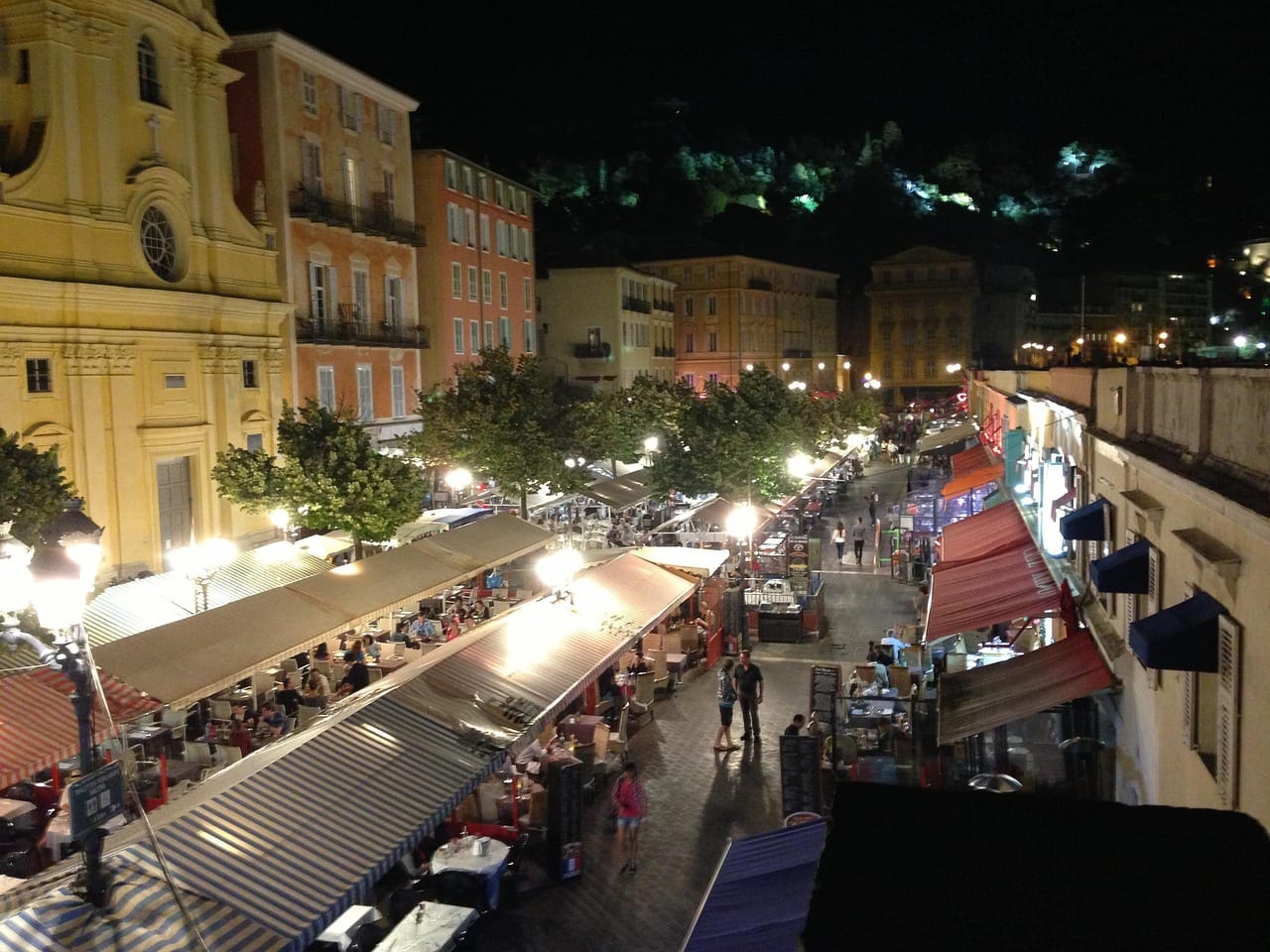
The Investment Perspective
From a pure investment standpoint, winter buying positions you optimally for capital appreciation. Riviera property values typically increase most during spring and summer when market activity peaks. Buy in January at off-season pricing, and by June, you're already sitting on unrealized gains as the market heats up.
This timing strategy compounds with rental income potential. A property purchased in winter can be positioned as a premium summer rental by May. Even modest two-bedroom apartments in desirable locations command $3,300- $4,400 per week in July and August. A successful summer season can cover 30-40% of your annual carrying costs, all from a purchase made possible by winter timing.
The Riviera rental market is also increasingly active outside the traditional summer months. Spring and autumn shoulder seasons attract visitors seeking better value and fewer crowds. A well-positioned property purchased in winter can generate income from April through October, seven months of potential cash flow to offset your investment.
Long-term Market Considerations
The French Riviera property market has demonstrated remarkable resilience over the decades. Prime coastal locations retain value through economic cycles because supply is permanently constrained. They simply aren't building more waterfront in Cannes or Monaco. This fundamental scarcity protects well-chosen investments.
Winter buying gives you time to be selective about location. Summer buyers often settle for available inventory in desired areas. Winter buyers can afford to be patient, waiting for properties in optimal positions: top floors with views, ground floors with gardens, corner units with better light. These premium positions drive long-term appreciation.
I also see winter buyers making smarter choices about neighborhoods. They have time to research upcoming infrastructure projects, understand local planning regulations, and identify areas poised for development. This research pays dividends over 5-10 year holding periods as neighborhoods evolve and mature.
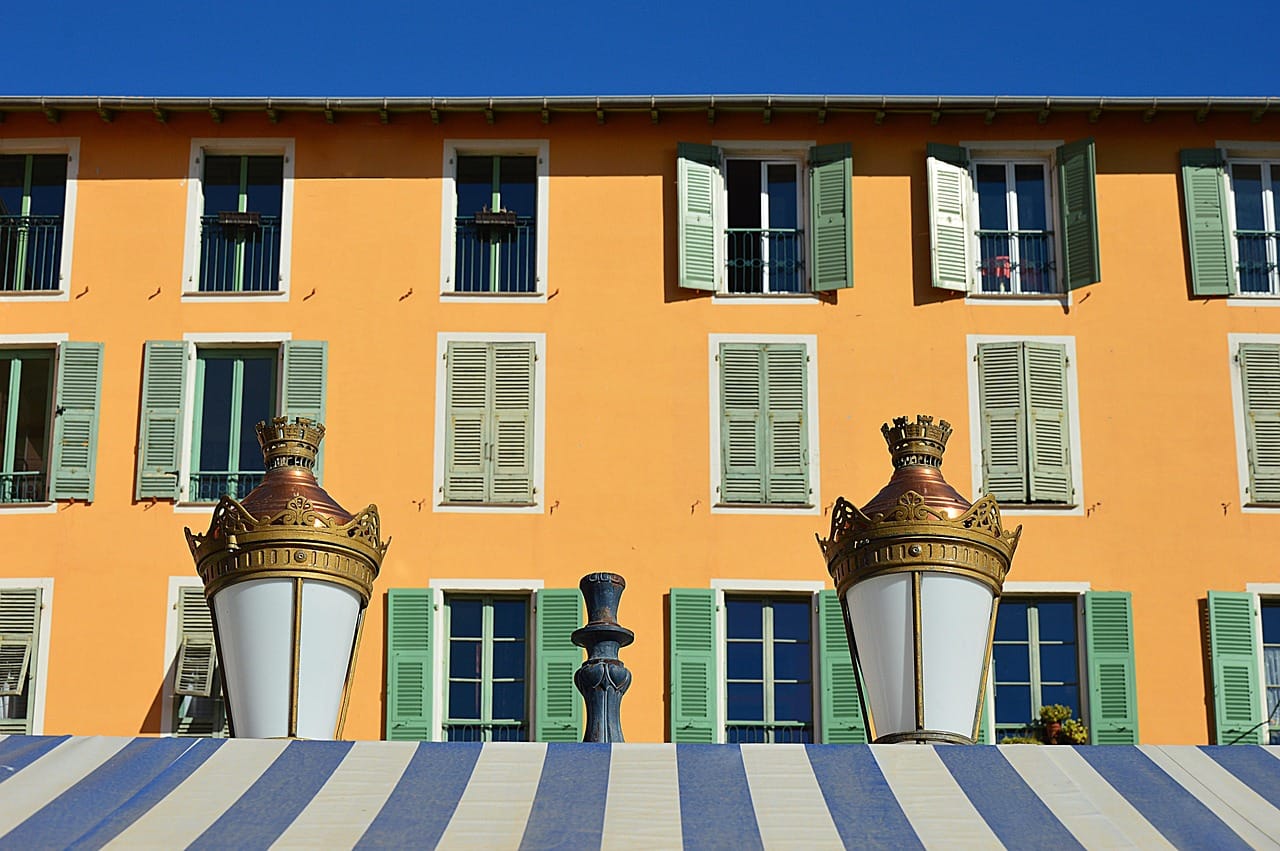
Your Winter Buying Checklist
Before your winter property search, ensure you've addressed these critical elements. Financial preparation comes first: confirm your total budget, including purchase price, transaction costs (typically 7-10% in France), renovation allowance, and reserve funds for unexpected costs. Arrange preliminary mortgage discussions if financing is required, and understand current exchange rates if converting currency.
Research thoroughly. Study neighborhoods online, understand property price trends, identify upcoming developments or infrastructure changes, and review rental market data if investment income is part of your strategy. Engage professional support early. Contact experienced estate agents, identify a reputable notaire, and arrange for a surveyor to conduct technical inspections.
Plan your logistics carefully. Book accommodation with flexibility for extended stays if needed, arrange reliable transportation for viewing multiple areas, and schedule meetings with agents, notaires, and other professionals in advance. Most importantly, prepare questions specific to winter considerations: heating costs, insulation quality, winter rental potential, and year-round community services.
Making Your Move
The French Riviera in winter offers something extraordinary for property buyers: opportunity unclouded by competition, pricing that reflects market reality rather than summer emotion, and the chance to experience the authentic character of your potential new home. These advantages aren't subtle. They're substantial, measurable, and consistently available to buyers who understand market timing.
After two decades in this market, I've seen countless buyers benefit from winter purchases. The financial savings alone justify the approach, but the broader advantages, better property assessment, stronger professional relationships, strategic renovation timing, and genuine lifestyle discovery create value that compounds over years of ownership.
The Riviera's magnetic appeal doesn't diminish when temperatures drop to 12°C (54°F). The Mediterranean still sparkles, the mountains still provide a dramatic backdrop, and the lifestyle that attracts millions annually remains accessible. What changes is the buying environment, from frenzied competition to thoughtful opportunity.
If you're serious about Riviera property investment, consider timing your search for the months when smart buyers move, and savvy sellers negotiate. Winter isn't just acceptable for property purchases here. It's optimal.
Ready to explore French property opportunities with expert guidance? Our comprehensive Move to France Masterclass online course covers everything from property purchase processes and regional market insights to practical relocation strategies and financial planning. Learn from professionals who understand the French market inside out.
If you're seriously considering a move to France, I encourage you to explore our Move to France Masterclass. This comprehensive online course provides detailed guidance on every aspect of relocating to France, from visa applications and housing searches to cultural integration and community building. Learn from experts and experienced expats who have successfully navigated the journey you're contemplating.
Written by Peter Collins
Originally from Leeds, Peter now lives in Nice and consults in property investment. His confident, conversational writing explores France’s real estate market, cost of living, and smart relocation choices. Peter brings clarity and optimism to every article he writes.
📍 From Leeds, now in Nice
Peter’s confident, conversational tone guides readers through property investing and relocation to France’s sun-drenched coast.
Read Articles by Peter →
Global Citizen Life
© 2023 Global Citizen Life
All rights reserved