
Why Split Became My Digital Nomad Paradise: A UX Designer's Guide to Croatia's Tech Hub
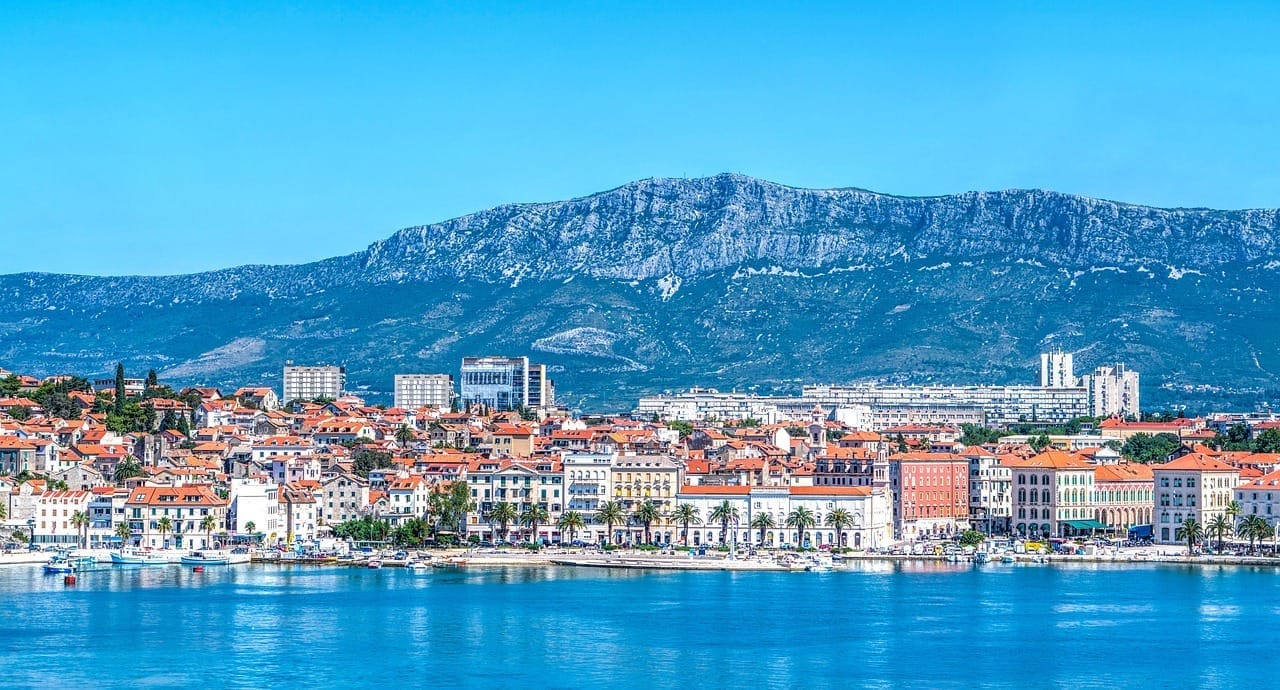
I still remember the moment I knew I'd never leave Split. It was a Tuesday morning in June, and I was sitting at a café overlooking Diocletian's Palace, laptop open, designing wireframes for a Silicon Valley startup while the Adriatic sparkled in the background. My coffee cost $3.50, my coworking space was walking distance from a UNESCO World Heritage site, and I'd just wrapped up a call with my team at 2 PM, which meant I had the rest of the afternoon free to kayak to nearby islands. That's when it hit me: I'd found my digital nomad paradise, and it was in Split, Croatia.
Two years later, I'm still here, and Split has evolved from a summer vacation destination into one of Europe's most exciting emerging tech hubs. If you're a remote worker considering where to base yourself, let me show you why this 1,700-year-old city on the Dalmatian coast might be your perfect match.
The Infrastructure That Made Me Stay
Let's talk about what really matters when you're working remotely: can you actually get your work done? Split delivers on every practical level.
Internet That Actually Works
Croatia's internet infrastructure is surprisingly robust. I consistently get fiber speeds of 100+ Mbps in my apartment for around $35 per month. My coworking space offers symmetrical gigabit connections. I've been on video calls with clients in San Francisco, sharing screens and presenting prototypes without a single glitch. The reliability is on par with what I had in Austin, Texas, and sometimes better.
Time Zone Advantages
Split operates on Central European Time (CET), which puts you 6-9 hours ahead of US time zones. As a UX designer working primarily with American clients, this has been unexpectedly perfect. I handle async work in the morning, take client calls from 3-7 PM my time (which is morning/early afternoon for them), and then I'm free for the evening. Meanwhile, I have significant overlap with European clients during standard business hours. It's the sweet spot for transatlantic collaboration.
Split's Emerging Tech Community
When I first arrived, I worried Split would feel professionally isolating. I was spectacularly wrong.
Coworking Spaces and Networking
Split now has several excellent coworking spaces. There are several coworking spaces here to suit your needs and location. Mine is located near the waterfront and offers dedicated desks starting at $230 per month, along with meeting rooms, a podcast studio, and regular networking events. The community here includes software developers, product designers, startup founders, and marketing consultants from over 20 countries.
FINA Business Centre offers a more corporate atmosphere at rates around $290 per month. Saltwater Nomads caters specifically to the digital nomad crowd with flexible day passes at $28 and monthly memberships at $200. I've found genuine professional connections at all three venues, people who've become collaborators, friends, and invaluable local resources.
Growing Startup Ecosystem
Croatia's tech sector has been quietly booming. Companies like Infobip (a global communications platform valued at over $1 billion) have significant operations here. Smaller startups are emerging in fintech, SaaS, and e-commerce. The local government offers tax incentives for tech companies, and Split's universities are producing talented developers who often speak multiple languages.
Regular meetups, like Split Tech City events and monthly freelancer gatherings, mean you're never more than a week away from connecting with fellow professionals. Last month, I attended a product design workshop led by a designer from Spotify who'd relocated here. The quality of discourse rivals what I experienced in San Francisco.
Unlock the secrets of the world's most successful entrepreneurs with the
Global Wealth Navigator Newsletter
Discover the world's best destinations offering a lower cost of living paired with an enriched quality of life with the Global Wealth Navigator Newsletter. Whether you're a retiree or an entrepreneur, we dive into strategies that open doors to international investments, tax optimizations, and discover the finest destinations offering a superior quality of life. Don't let borders or routine define you; lets find your ideal spot in the world, regardless of your income bracket.

The Cost of Living Reality Check
Let's get specific about money, because this is often the deciding factor for digital nomads.
Monthly Budget Breakdown
Living comfortably in Split, and I mean comfortably, not scraping by, costs me approximately $2,800 to $3,200 per month. Here's the breakdown:
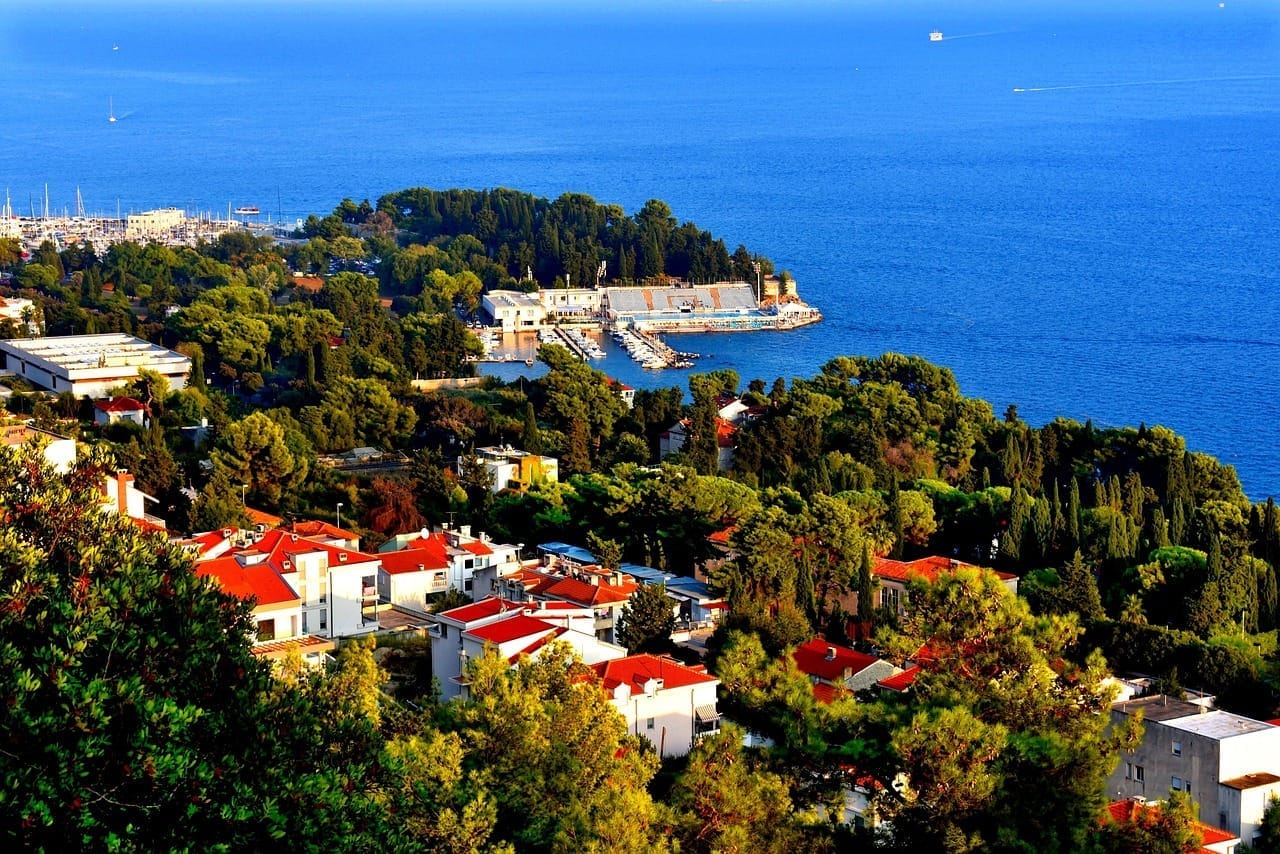
Accommodation: $1,150 to $1,380 for a modern one-bedroom apartment in a desirable neighborhood like Meje or near Bačvice Beach. My place has a balcony with sea views, an updated kitchen, and air conditioning. You can find cheaper options ($805 to $920) if you're willing to live slightly outside the center or in an older building.
Coworking Space: $230 per month for a dedicated desk, or $28 for a day pass when I want variety.
Food: $460-$575 monthly. I eat out for lunch most days ($12 to $17 for excellent meals) and cook dinner at home. Groceries at the green market and supermarkets are reasonable: fresh produce, local fish, and Croatian wine are all affordable. Weekend splurges at nicer restaurants add up to $35-$46 per person.
Utilities: $115-$170 for electricity, water, Internet, and phone. The Internet is notably cheap and reliable.
Transportation: $80-$115. Split is walkable, but I use buses occasionally and maintain a bike. Car rental for weekend trips runs about $345 to $400.
Entertainment and Activities: $345-$460. This covers gym membership ($46), museum visits, concert tickets, weekend island-hopping trips, and the occasional kayak or paddleboard rental.
Healthcare: $115 to $145 for private health insurance as a long-term visitor. Public healthcare is available through the digital nomad visa, but I prefer private coverage for English-speaking doctors and shorter wait times.
Compare this to my previous life in Austin, where rent alone for a similar apartment was $2,300, and you start to see the appeal. I'm spending roughly 40% less here while enjoying a significantly higher quality of life.
Croatia's Digital Nomad Visa: The Game-Changer
In 2021, Croatia launched one of Europe's most attractive digital nomad visa programs, and it's been a revelation for remote workers like myself.
What the Visa Offers
The Croatian digital nomad visa allows you to live and work remotely in Croatia for up to one year, with the possibility of extension. The visa covers all of Croatia, meaning you can base yourself in Split but freely explore Zagreb, Dubrovnik, Istria, the countless islands, and neighboring EU countries.
Application Requirements
The application process is straightforward compared to many European visas. You need to prove you earn at least $2,875 per month (or have sufficient funds), show proof of accommodation in Croatia, provide health insurance, and demonstrate that you work remotely for a company or clients outside Croatia. Processing typically takes 2-4 weeks, and the visa fee is around $86.
I applied from the Croatian consulate in Los Angeles before my move, and the entire process was remarkably painless. The consular staff spoke excellent English, and they walked me through each requirement. Having this visa completely changed my experience. Instead of hopping around on tourist visas every 90 days, I could settle in properly, sign a year-long apartment lease, and integrate into the local community.
Living in Split: The Daily Reality
Beyond the practical considerations, what's it actually like to live here day-to-day?
The Setting
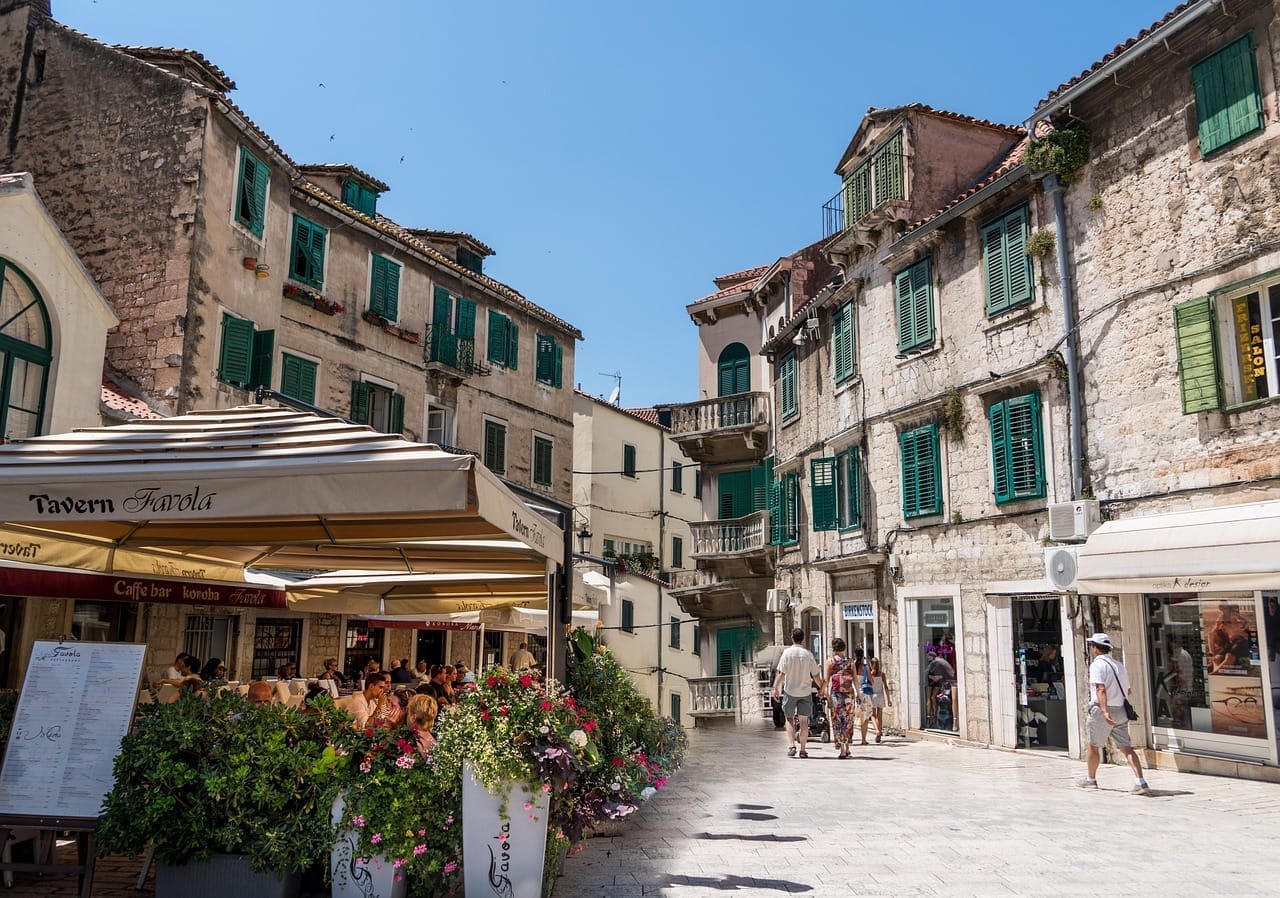
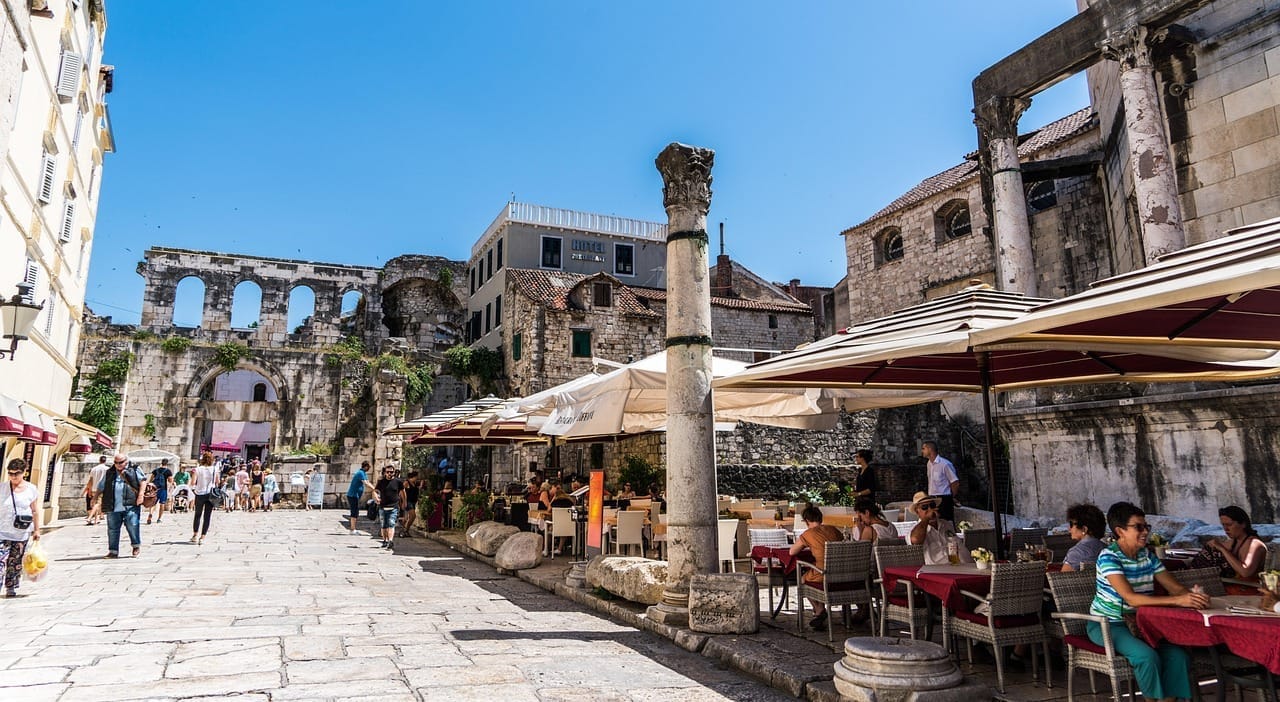
Split is built around Diocletian's Palace, a 1,700-year-old Roman palace that's not a museum but a living neighborhood home to 3,000 people. Walking to work means passing through ancient stone corridors, stumbling upon tiny family-run konobas (taverns) hidden in palace cellars, and emerging onto the Riva. On this palm-lined waterfront promenade, locals gather for coffee and conversation.
The city has about 180,000 residents, making it large enough to feel dynamic but small enough to develop a sense of community. Within two months, I had favorite coffee spots where baristas knew my order, regular swimming spots on the less-touristy beaches, and a network of friends I'd meet for sunset drinks at Žbirac Beach Bar.
Work-Life Balance
This is where Split truly shines. My typical day looks like this: wake up around 7:30 AM, swim at Bačvice Beach before it gets crowded, go to coworking from 9 AM to 1 PM, take a proper lunch break at a local restaurant, work another few hours, then head out for an evening hike up Marjan Hill or a kayak session to nearby islands. On weekends, I can catch a ferry to Hvar, Brač, or Vis. These world-class destinations are my neighbors.
The Mediterranean lifestyle here prioritizes leisure without sacrificing productivity. Croatians take their coffee seriously, meals are social affairs, and there's a cultural understanding that work is what you do to fund your life, not the other way around. As someone who spent years in US startup culture, this shift in perspective has been transformative for my mental health.
The Expat and Digital Nomad Community
Split's international community has exploded in recent years. The digital nomad visa brought in hundreds of remote workers, and many of us have stayed long-term. There are regular meetups, weekend trips organized through WhatsApp groups, and a genuine sense of camaraderie among the expat crowd.
At the same time, the Croatian community is welcoming. Young Croatians often speak excellent English, and there's genuine curiosity about foreigners who choose to live here rather than visit. I've been invited to family gatherings and local festivals, and I've even helped organize a design workshop at Split's university. You're never isolated unless you want to be.
Island-Hopping: Split's Secret Weapon
One of Split's greatest advantages is its position as a gateway to Croatia's islands. This isn't just a vacation perk, it's a lifestyle feature that fundamentally changes how you experience remote work.
Weekend Island Escapes
From Split's ferry port, you can reach over a dozen islands within an hour or two. Hvar is 50 minutes away by fast catamaran. I go there for long weekends, working from cafés overlooking lavender fields and medieval fortresses. Brač, home to Zlatni Rat beach, is 50 minutes away. Vis, the most remote inhabited island, feels like stepping back in time and is perfect for disconnecting completely.
Ferry tickets are inexpensive ($8 to $23 each way), and the islands have reliable WiFi in cafés and hotels if you need to work. I've spent countless Friday afternoons on ferry decks, laptop open, finishing up projects while watching the Adriatic slide past. It's the ultimate work-from-anywhere setup.
Day Trip Options
Don't have a whole weekend? No problem. I regularly take the morning ferry to Šolta, work from a beachside café until lunch, swim, then catch the afternoon ferry back to Split. Or I'll drive 30 minutes to Omiš, a small town with dramatic cliffs and river canyons, perfect for an evening hike after a day of work. The variety prevents burnout in a way that living in a single city never could.
Challenges and Considerations
I'd be dishonest if I painted Split as perfect. There are genuine challenges to consider.
Summer Tourism
July and August bring massive crowds of tourists. The old town becomes overwhelmed, restaurants are packed, and beaches get crowded. I've learned to adapt, escaping to quieter beaches, avoiding the tourist zones, and sometimes taking those months to work from other parts of Croatia. Many long-term residents do the same.
Language Barrier
While most young Croatians speak English, dealing with bureaucracy can be challenging. Setting up utilities, navigating healthcare, and handling apartment contracts often require Croatian language skills or a local friend to help with translation. I've made progress learning Croatian, but it's a complex language, and integration would be faster if I were fluent.
Winter Weather
Croatia isn't tropical. Winter brings rain, wind, and temperatures that can drop to the 40s and 50s Fahrenheit. Many tourist-oriented businesses close from November through March. The city takes on a quieter, more local character, which I actually love, but if you need constant sunshine and activity, this might be a drawback.
Why I'm Still Here Two Years Later
I came to Split planning to stay for six months. Two years later, I've renewed my digital nomad visa, signed another apartment lease, and started considering permanent residency options.
The reason is simple: Split offers something increasingly rare in our hyperconnected world—balance. I'm more productive here than I was in the US, not less. My design work has improved because I'm not burned out. I have time and energy for the things that matter: friendships, physical activity, exploration, and creativity. My monthly costs are lower, but my quality of life is dramatically higher.
The emerging tech community means I'm not professionally isolated. The digital nomad visa means I can stay long-term without legal complications. The location means I can island-hop to a different paradise every weekend. And the culture means I'm learning to live differently—more slowly, more intentionally, more joyfully.
Is Split Right for You?
Split is ideal for remote workers who value work-life balance, natural beauty, and adventure without sacrificing career ambitions. It's perfect for those who want lower costs without compromising on infrastructure, who appreciate history and culture, and who are excited about being part of an emerging rather than established expat community.
It might not be ideal if you need a massive international airport with daily flights everywhere, if you require a huge expat community speaking your native language, or if you thrive on big-city energy and endless cultural events year-round. Split is a mid-sized, seasonal city still finding its identity as a tech hub.
For me, Split hit every mark I didn't even know I was looking for. That Tuesday morning two years ago, sipping coffee and designing wireframes with ancient Roman walls behind me, and the Adriatic ahead, that wasn't a peak experience to chase. It became my normal. And there's no place I'd rather be.
Ready to Make Your Move?
Moving abroad can feel overwhelming, but you don't have to figure it out alone. Global Citizen Life offers comprehensive support for your relocation journey through three tailored options:
One-Time Strategy Calls: Get personalized guidance for your specific situation, whether you're choosing between countries, planning your visa strategy, or need expert advice on a particular challenge.
Moving Abroad Masterclasses: Access our library of six country-specific masterclasses that provide in-depth knowledge about visas, cost of living, healthcare, cultural integration, and everything you need to know before making your move.
Private Coaching and Consulting: Work one-on-one with our experts who'll guide you through every step of your international relocation, from initial planning to settling into your new home.
Whether you're ready to commit to Croatia or still exploring your options, we're here to help make your international dreams a reality. Learn more about our programs at www.globalcitizenlife.org/programs.
Written by:
Erin Walsh is a 29-year-old UX designer from the United States who discovered Split during a summer trip and never left. Now a long-term resident under Croatia's digital nomad visa, she continues to design for international tech companies while exploring Croatia's islands, advocating for remote work policies, and helping build Split's growing expat community. When she's not designing user interfaces, you'll find her kayaking to nearby islands, learning Croatian, or discovering hidden konobas in Diocletian's Palace. Follow her journey and get practical advice about life in Croatia through our Croatia Articles here.
Global Citizen Life
© 2023 Global Citizen Life
All rights reserved