
Why Rome's 'Organized Chaos' Makes It the Perfect Remote Work Hub (And Why I'll Never Go Back to Manhattan)
I'll be honest with you. When I first landed in Rome three years ago with nothing but a laptop, noise-canceling headphones, and a dangerously optimistic attitude about Italian bureaucracy, I thought I'd give it six months. Maybe a year if the espresso was as good as everyone said.
Fast forward to today, and I'm sitting in my favorite café in Trastevere, watching a taxi driver argue with a moped rider about absolutely nothing, while somehow managing to facilitate a three-continent client call. And the wildest part? This chaos, this beautiful, infuriating, endlessly entertaining chaos, has made me more productive than I ever was in my pristine Manhattan co-working space with its cold brew on tap and motivational wall quotes.
Here's what nobody tells you about Rome as a remote work destination: the very things that should theoretically destroy your productivity are exactly what make it work.
The Myth of the 'Perfect' Work Environment
In New York, I had it all figured out. I worked from a co-working space in Soho with fiber-optic internet, ergonomic everything, and enough kombucha to fuel a small startup. My calendar was color-coded. My inbox was at zero by noon. I was the poster child for remote work efficiency.
I was also burned out, uninspired, and spending $3,800 a month on rent for a studio apartment where I could touch both walls simultaneously.
Rome destroyed that illusion in the first week. My apartment Wi-Fi went out during a client presentation. The café I'd chosen as my backup workspace closed for a two-hour lunch break at 11:45 AM. The postal worker looked at me like I'd asked him to perform surgery when I tried to get a package delivered.
But here's the thing: I adapted. And in adapting, I discovered something Manhattan's optimization culture never taught me: resilience beats perfection every single time.
The Unexpected Benefits of Organized Chaos
Forced Flexibility Breeds Creativity
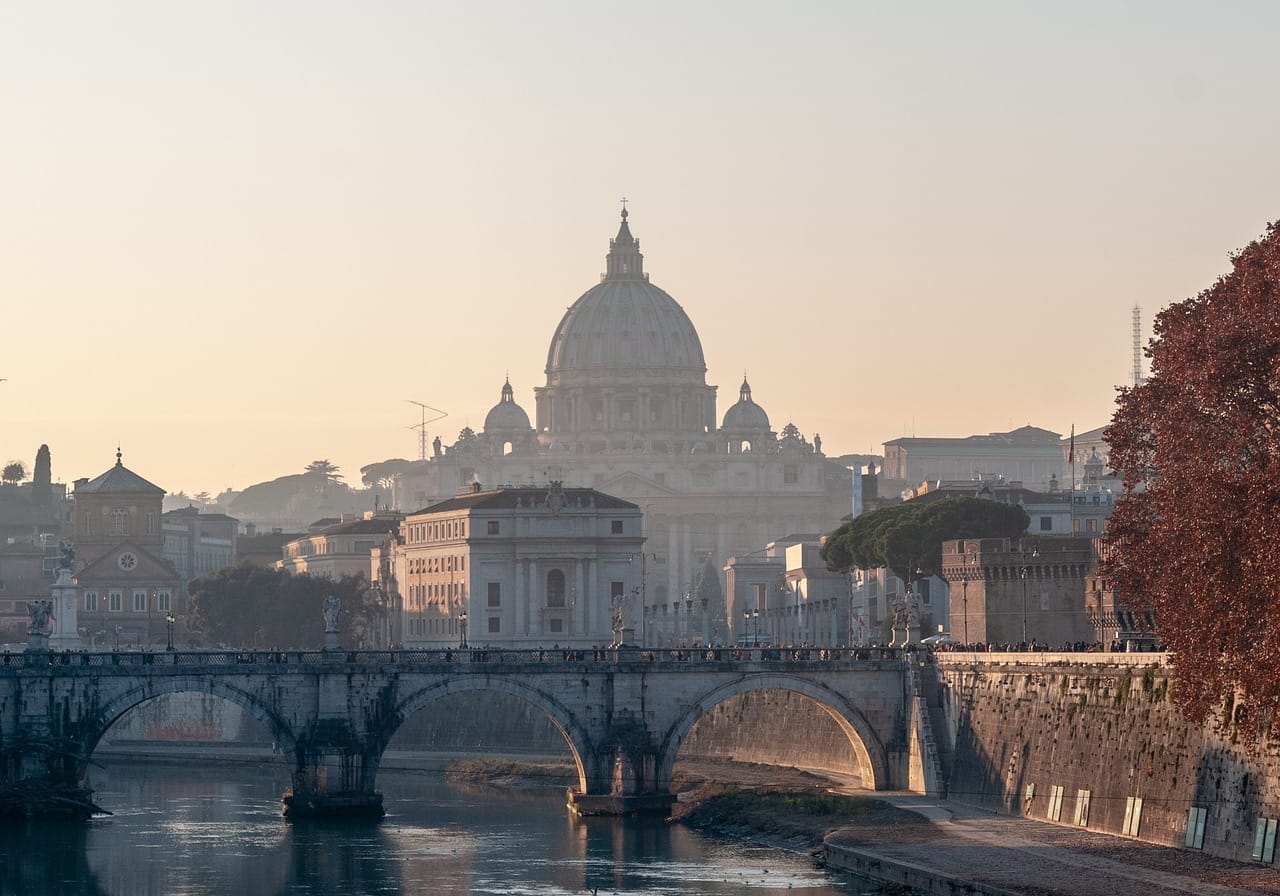
When your carefully planned work schedule gets torpedoed because the entire neighborhood decides to have an impromptu festival on a Tuesday afternoon, you learn to think on your feet. That 9 AM strategy session? Now it's happening at 7 AM from my balcony with the most ridiculous view of St. Peter's Basilica. The afternoon deep work session? Gets shifted to a late evening slot when the city quiets down, and the creative energy is somehow different, sharper.
This constant adaptation has made me better at my job. I'm a branding consultant, and my New York work was technically sound, strategically smart, and good. But it was also kind of… predictable. Rome's chaos injected something different into my thinking. When you're surrounded by a city that's been reinventing itself for 2,800 years, you can't help but approach problems with more creativity.
My clients in the U.S. have noticed. They comment on the 'European perspective' I bring now, but it's not about geography. It's about learning to see opportunity in disorder, to find solutions that aren't in the playbook because sometimes the playbook gets lost in translation at the post office.
The Enforced Work-Life Boundaries
In Manhattan, I could work 24/7 and often did. Everything was always open, always available, always optimized for maximum productivity. It was a trap disguised as convenience.
Rome doesn't let you do that. Shops close. Restaurants close. Even the internet seems to take a siesta sometimes. At first, this drove me insane. Now? It's my favorite thing about living here.
When your local café closes at 8 PM, you can't just stay there grinding until midnight. When most businesses shut down for a few hours in the afternoon, you start to wonder if maybe, just maybe, they're onto something. The city forces you to build in downtime, and that downtime is where the magic happens.
I take actual lunch breaks now. Not the sad desk salad kind, but real meals where I sit down, talk to humans, and give my brain a chance to process. My afternoon passeggiate (walks) through the city have become essential thinking time. The ideas I have while wandering past the Pantheon or through Villa Borghese are consistently better than anything I produced during my New York hustle-culture marathon sessions.
The Cost-Benefit Reality Check
Let's talk money, because this is where Rome really shines for remote workers.
My monthly expenses in New York: rent ($3,800), co-working space ($450), daily coffee and lunch ($600), subway pass ($132), therapy to deal with all of the above ($400). We're talking roughly $5,400 before we even get into going out, shopping, or having any semblance of a life.
My monthly expenses in Rome: rent for a two-bedroom apartment in Monti with a terrace ($1,800), unlimited espresso and café time ($150), incredible meals ($400), public transit ($35), not needing therapy because I'm not losing my mind ($0). Total: around $2,400, and that's living well, not scraping by.
I'm saving nearly $3,000 a month compared to New York, which means I can actually build wealth, take on passion projects that don't pay immediately, or just… breathe. The financial freedom that comes with Rome's lower cost of living is its own kind of productivity hack. When you're not constantly anxious about money, your brain has space for actual creative thinking.
Ready to make your own move to Italy? Our
online course provides comprehensive guidance on visas, housing, healthcare, schools, and everything else you need to know for a successful family relocation. Learn from those who've done it and avoid costly mistakes.
The Practical Reality: How It Actually Works
The Internet Situation
Yes, the Wi-Fi can be temperamental. No, it's not a dealbreaker. Here's what I've learned:
First, get fiber internet installed in your apartment. It's not cheap (around $50/month), but it's stable and fast enough for video calls. Second, invest in a good mobile hotspot. I use TIM's business plan ($45/month for unlimited data), and it's saved my ass more times than I can count. Third, scout multiple backup locations: different cafés, co-working spaces, even hotel lobbies. I have five reliable backup spots within a 10-minute walk of my apartment.
The occasional connectivity hiccup is a small price to pay for everything else. And honestly? My clients don't care if I occasionally have to reschedule a call. The quality of the work matters, and Rome makes it better, not worse.
The Time Zone Advantage
Rome is 6 hours ahead of New York, 9 hours ahead of California. Initially, I thought this would be a nightmare. It's actually brilliant.
My mornings are sacred. I wake up at 7 AM, work in blissful silence until noon, and get 4-5 hours of deep, focused work done before my first U.S. meeting. By the time my American clients are starting their day, I've already accomplished the hard stuff. The afternoon is for calls, collaborative work, and client management. Evenings are mine. No late-night emails to respond to because everyone back home is still working.
The time zone difference is a built-in boundary that forces better communication and planning. My clients know they need to be clear about deadlines and deliverables because we can't just hop on a quick call whenever they want. This has made everyone more efficient.
The Workspace Options
Rome has come a long way in terms of remote work infrastructure. There are dozens of excellent co-working spaces now. Impact Hub, Talent Garden, and LVenture have everything you'd expect: fast internet, meeting rooms, printing facilities, and communities of other digital nomads and entrepreneurs.
But the real magic of Rome lies in its café culture. Unlike American coffee shops, where you're expected to order every 20 minutes, Roman cafés are designed for lingering. Order an espresso (€1.20), and you can sit for hours. Need a change of scenery? There are literally thousands of options, from modern spots in Prati to ancient cafés in Centro Storico where Fellini used to write.
My favorite setup: mornings at home for focused work, afternoons at a café for creative thinking, and an evening walk for mental processing. It's not the Manhattan hustle of bouncing between meetings and co-working spaces. It's slower, more intentional, and paradoxically more productive.
The Bureaucracy: Let's Address the Elephant in the Room
I can't write about working in Rome without talking about the bureaucracy. It's legendary, it's frustrating, and yes, it's absolutely real. Getting my residency permit took four months and approximately 47 documents, three of which had to be translated, apostilled, and blessed by someone's cousin who works at the municipality.
But here's what I've learned: the bureaucracy is a feature, not a bug. It forces you to slow down, to plan, to build relationships with locals who can help navigate the system. It teaches patience. And once you're through it, you're through it. The residency permit lasts for years. The tax structure for remote workers is quite favorable (a flat 15% tax rate for certain categories of foreign workers). The healthcare is excellent and costs about $2,000 per year for full coverage.
Is it annoying? Absolutely. Is it worth it? Without question. And honestly, after dealing with Italian bureaucracy, everything else in life feels easy. Client being difficult? At least they're not asking for a tax code from your grandparents.
If you're serious about making the move to Italy and want to navigate the bureaucracy, visa requirements, and tax implications with confidence, I highly recommend checking out the Move to Italy Masterclass online course. It covers everything from residence permits to healthcare, with practical templates and expert guidance that will save you months of headaches.
The Inspiration Factor: Creativity in Context
This is the part that's hard to quantify but impossible to ignore. Rome is inspiring in a way that Manhattan never was for me.
In New York, I was surrounded by ambition, by hustle culture, by people grinding 24/7 to make it. It was motivating, but it was also exhausting. Everyone was trying to prove something, including me.
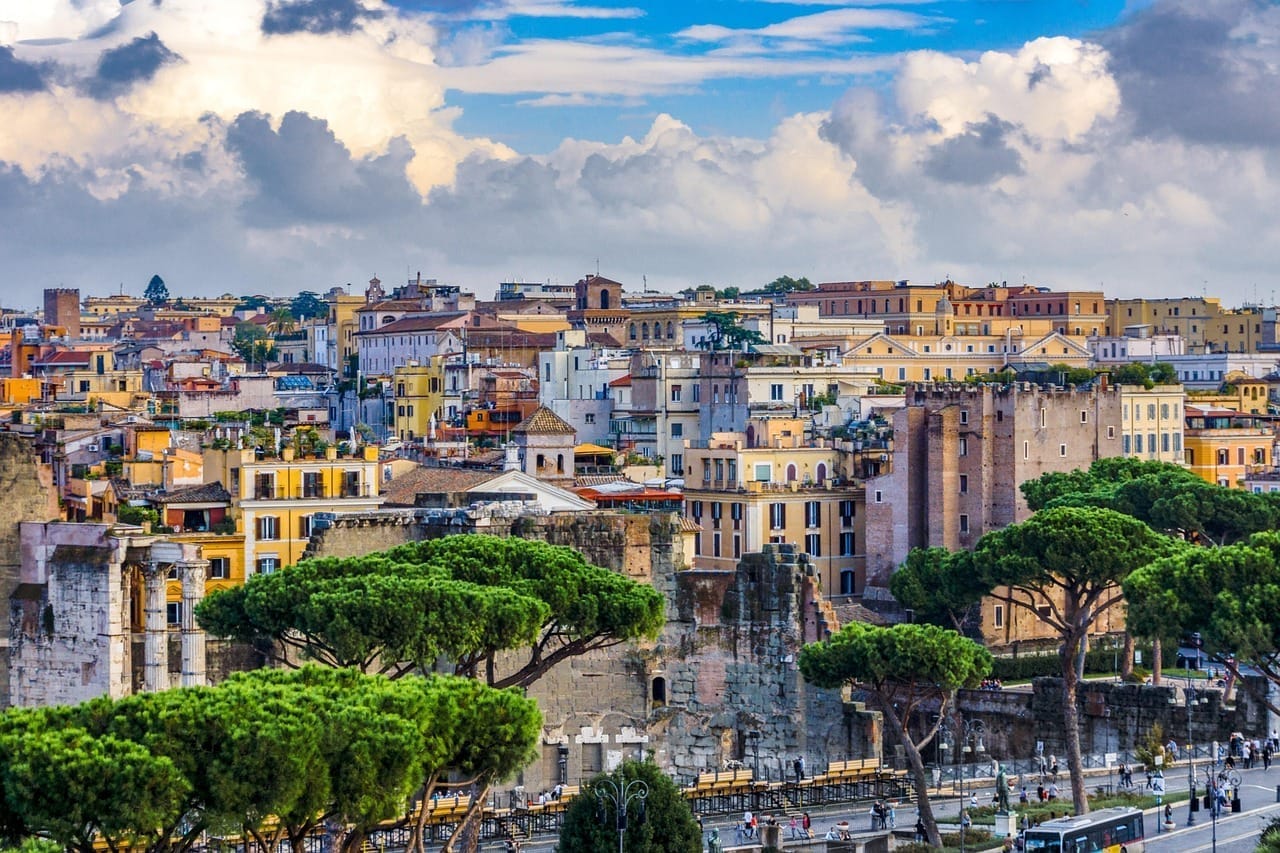
Rome is different. It's a city that's already made it, about 2,000 years ago. It's not trying to prove anything. The ancient Romans built structures that still stand today, not because they were obsessed with optimization and KPIs, but because they understood quality, craftsmanship, and thinking long-term.
Working here, surrounded by art, history, and architecture that have endured for millennia, changes your perspective on what matters. I find myself thinking about longevity instead of quick wins, about craft instead of content, about building something meaningful instead of just hitting metrics.
When I pitch a branding strategy to a client now, I'm not just thinking about what will trend on social media next month. I'm thinking about what will last, what will resonate, what will still be relevant when the trends change. Rome taught me that.
The Social Scene: Community in the Chaos
One thing I was worried about before moving was isolation. Remote work can be lonely, and doing it in a foreign country where you don't initially speak the language seemed like a recipe for becoming a hermit.
Turns out, Rome has a thriving expat and digital nomad community. There are networking events, language exchanges, football leagues, book clubs—you name it. The Romans themselves are also incredibly social once you break through the initial formality. My building's neighbors now include me in their weekly aperitivo gatherings.
The key difference from New York is that social interactions here aren't transactional. Nobody's asking what you do within the first five minutes of meeting you (well, except other Americans). Friendships develop slowly, over repeated encounters at the same café, the same market, the same neighborhood festa. It's more organic, less networking-card-exchange-y, and ultimately more satisfying.
Plus, when you do need professional connections, the smaller size of Rome's remote work community means you actually get to know people. In Manhattan, I attended dozens of networking events and collected hundreds of LinkedIn connections. In Rome, I have maybe 20 professional contacts, but I actually know them. We grab lunch, collaborate on projects, and refer clients to each other. It is quality over quantity.
Unlock the secrets of the world's most successful entrepreneurs with the
Global Wealth Navigator Newsletter
Discover the world's best destinations offering a lower cost of living paired with an enriched quality of life with the Global Wealth Navigator Newsletter. Whether you're a retiree or an entrepreneur, we dive into strategies that open doors to international investments, tax optimizations, and discover the finest destinations offering a superior quality of life. Don't let borders or routine define you; lets find your ideal spot in the world, regardless of your income bracket.

The Lifestyle Upgrade: What Money Can't Buy
Beyond the financial savings and professional growth, Rome offers something Manhattan couldn't: a better quality of life.
My daily routine now includes fresh pasta from the market, evening walks past the Colosseum, weekend trips to Tuscan hill towns that cost less than a night out in Brooklyn. I'm learning Italian, studying art history for fun, and developing actual hobbies that don't involve optimization or productivity hacking.
I eat better. Not just in terms of food quality (though Roman cuisine speaks for itself), but in terms of how I eat. Meals are events, not fuel stops between meetings. I move more, walk everywhere, and take the stairs in my centuries-old building because there's no elevator. I'm healthier and happier without spending a dollar on gym memberships or wellness apps.
The cultural richness is overwhelming in the best way. I can spend an afternoon at the Borghese Gallery, grab an espresso at a café where Caravaggio used to drink, then work in a library that was in existence when America was founded. It's impossible to be bored in Rome. Stressed by bureaucracy? Sure. But never bored.
The Reality Check: It's Not for Everyone
I'd be lying if I said Rome was perfect for every remote worker. It's not.
If you need everything to run like clockwork, if unpredictability stresses you out, if you can't handle occasional inefficiency, Rome will make you miserable. If you're extremely social and need constant stimulation from a fast-paced nightlife scene, you might find Rome too laid-back (though personally, I think that's a feature).
If you're working in a field that requires constant in-person collaboration or if your clients demand same-time-zone availability, the distance and time difference might be dealbreakers. If you have zero interest in learning even basic Italian, you'll struggle more than necessary (though many Romans speak English, especially in tourist areas).
But if you're open to adaptation, if you can find humor in chaos, if you're willing to trade peak efficiency for peak experience, Rome might be exactly what your remote work life needs.
Why I'll Never Go Back
Friends back in New York sometimes ask when I'm coming back. They assume this is a phase, a temporary adventure before I return to 'real life' in America.
Here's the thing: this is real life. More real than the hustle-culture hamster wheel I was running on in Manhattan.
I'm doing the same work. Actually, better work, but I'm doing it in a context that makes sense. I'm building a sustainable career rather than one that burns me out. I live in a place where history reminds you daily that trends are temporary, but quality endures.
Rome's 'organized chaos' isn't despite being productive, it's the source of my productivity. The unpredictability keeps me sharp. The inefficiency forces creativity. The slower pace allows for deeper thinking. The beauty inspires better work.
Could I make more money in New York? Probably. Would I have more 'opportunities' in Manhattan? Maybe. But I've realized that optimization isn't the same as fulfillment, and hustle culture isn't the same as meaningful work.
Three years in, I'm more profitable than I was in New York (lower costs, same rates), more creatively satisfied, healthier, and genuinely happier. I've built a life that doesn't require a vacation because the everyday experience is already rich.
So no, I won't be going back to Manhattan. Rome's chaos has become my clarity, and I wouldn't trade it for all the cold brew and co-working spaces in SoHo.
Embracing the Beautiful Mess
If there's one lesson Rome has taught me about remote work, it's this: perfection is overrated. The pursuit of the ideal work environment: the perfect desk setup, the optimal schedule, the flawless routine, is a trap. Real productivity comes from adaptation, from finding flow in unexpected places, from learning to work with the environment rather than trying to control it.
Rome's chaos is organized because it's been refined over millennia. The seemingly random café closures follow seasonal rhythms. The bureaucratic complexity protects cultural heritage. The slower pace preserves quality of life. What looks like disorder from the outside is actually a different kind of order, one that prioritizes people over processes, experience over efficiency.
For remote workers willing to embrace that philosophy, Rome isn't just a beautiful backdrop for Zoom calls. It's a masterclass in sustainable productivity, proof that you can build a thriving career without sacrificing your sanity, and evidence that sometimes the best way forward is to slow down.
Ready to make your own move to Italy? Our
online course provides comprehensive guidance on visas, housing, healthcare, schools, and everything else you need to know for a successful family relocation. Learn from those who've done it and avoid costly mistakes.
Written by Alex Carter
A branding consultant from New York, Alex thrives in Rome’s mix of chaos and charm. His witty, observant tone unpacks city life, bureaucracy, and the art of espresso-fueled remote work. Alex writes for professionals seeking cultural richness without losing their edge.
📍 From New York, now in Rome
With wit and sharp observation, Alex unpacks city life, bureaucracy, and remote work in Italy’s bustling capital.
Read Articles by Alex →
Global Citizen Life
© 2023 Global Citizen Life
All rights reserved