
Why Montenegro's Adriatic Coast Is Perfect for Minimalist Expats Seeking Balance
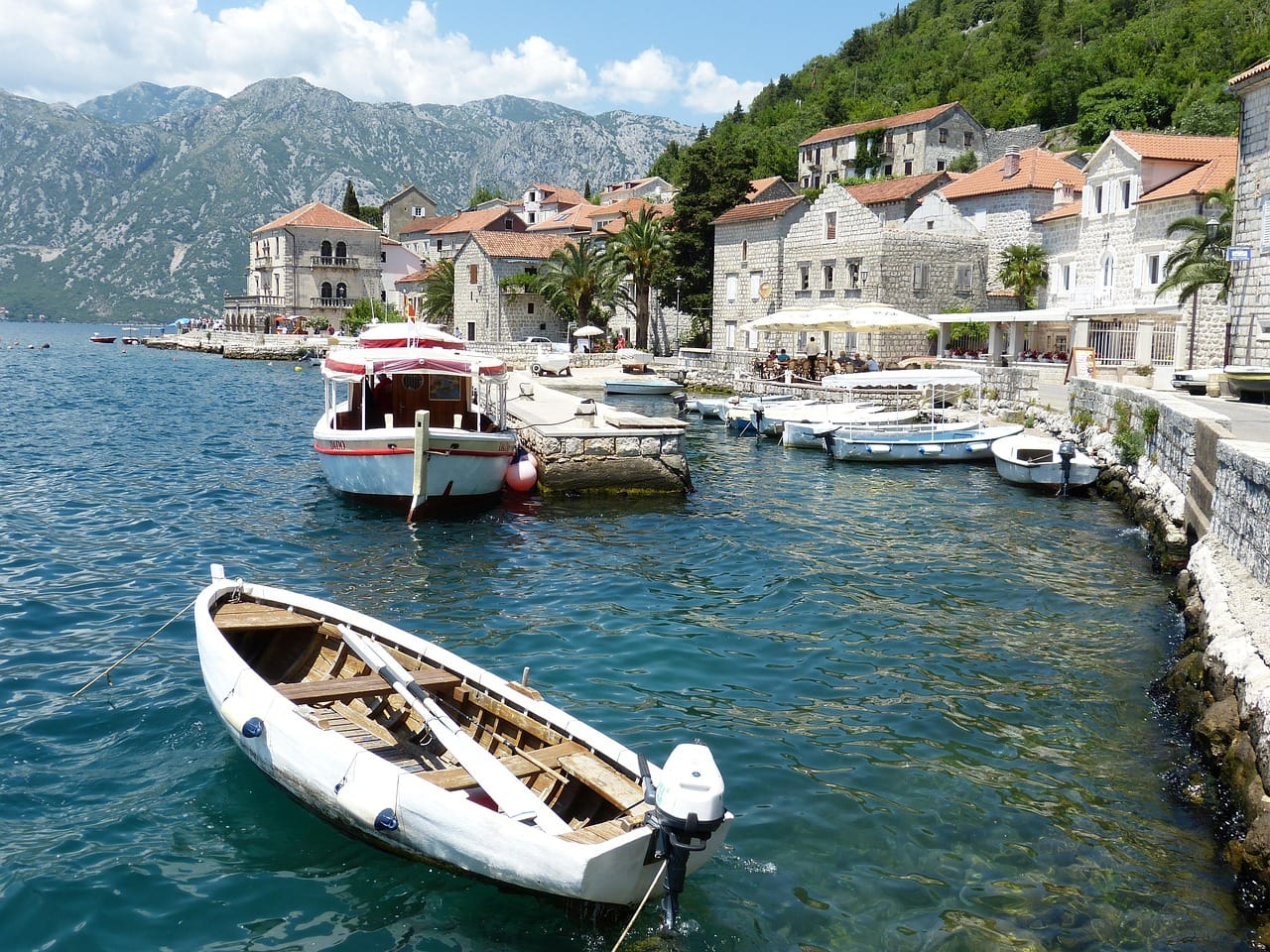
When I first arrived in Kotor five years ago, I brought two suitcases and a yoga mat. That was it. No furniture shipments, no storage units full of "just in case" items, no overwhelming possessions weighing me down. What I discovered along Montenegro's Adriatic coast wasn't just a new home. It was permission to live differently, to embrace simplicity without sacrifice, and to find balance in a landscape that seems designed for exactly that purpose.
Montenegro's coastline stretches just over 180 miles, but within that modest distance lies an extraordinary diversity of experiences. Medieval stone towns cascade down mountainsides to meet crystalline waters. Hidden beaches nestle between dramatic cliffs. Traditional fishing villages maintain rhythms unchanged for centuries. And throughout it all runs a thread of simplicity, authenticity, and natural beauty that calls to those of us seeking something more intentional than the consumer-driven lifestyles we left behind.
For minimalist expats, Montenegro offers something increasingly rare: a place where living with less doesn't mean living without. Where simplicity enhances rather than diminishes the quality of life. Where balance isn't something you pursue through apps and routines, but something woven into the very fabric of daily existence.
The Architecture of Simplicity
One of the first things you notice about Montenegro's coastal towns is how the built environment encourages minimalism. Traditional stone houses in places like Perast, Kotor, and Budva were designed for Mediterranean living: thick walls for insulation, small windows to keep interiors cool, and efficient use of limited space. These aren't McMansions demanding endless furnishings and maintenance. They're human-scaled dwellings that feel complete with remarkably little.
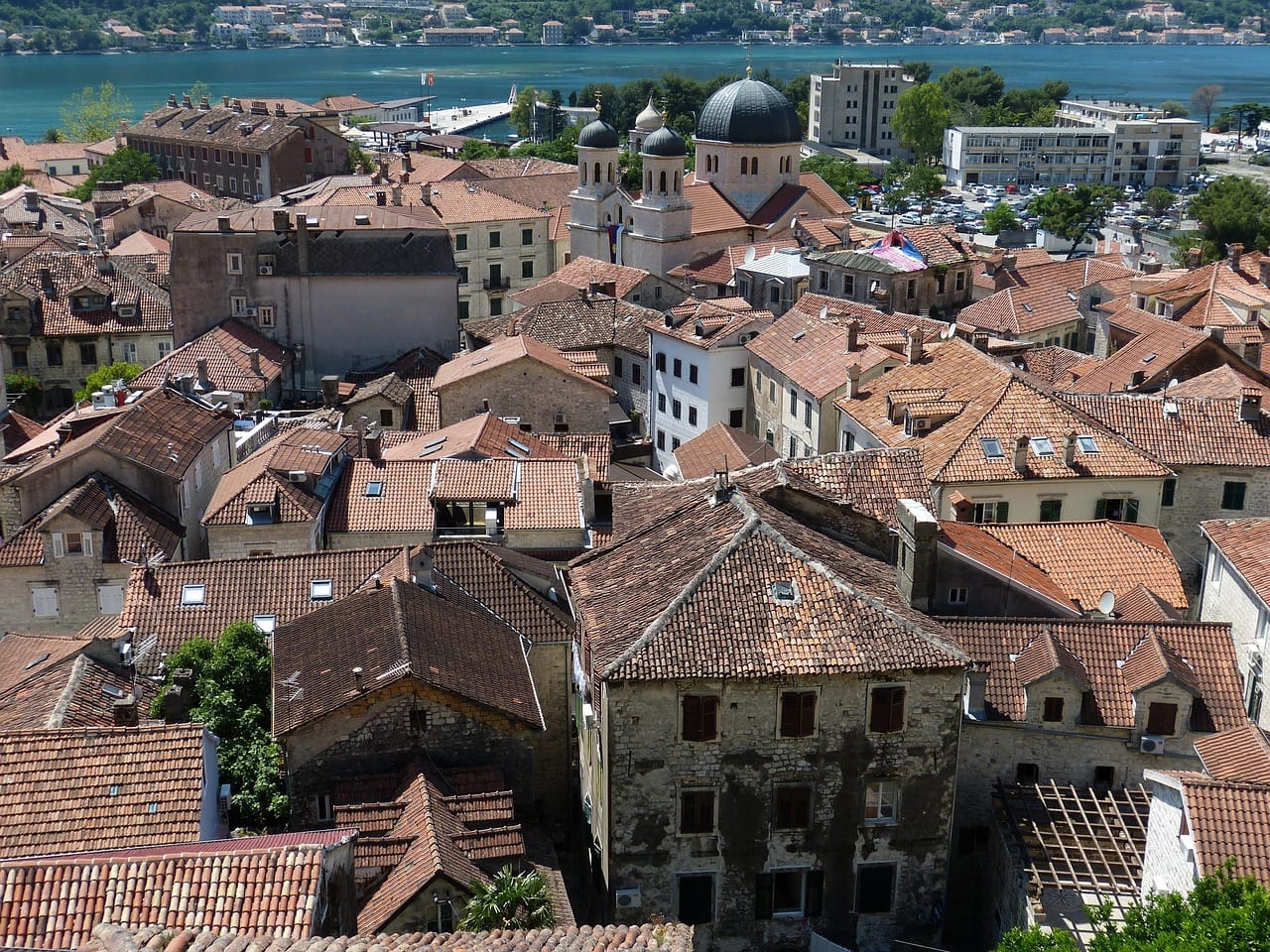
A typical one-bedroom apartment in Kotor's Old Town might be just 450 square feet, but with 18-inch-thick stone walls, original wooden beams, and views over terracotta rooftops to the bay beyond, it feels abundant rather than cramped. Rent for such a place runs around $770-$880 per month, utilities included. There's simply no space or need to accumulate excess possessions.
Even newer construction along the coast tends toward thoughtful design over square footage. A modern one-bedroom apartment in Tivat, near the upscale Porto Montenegro marina, might cost $990-$1,320 monthly, but it comes with balconies designed for outdoor living, built-in storage that eliminates the need for extra furniture, and communal amenities that reduce what you need to own personally.
This architectural framework makes minimalism effortless. You're not constantly fighting against a space demanding to be filled. Instead, the environment supports living with what you truly need and use.
A Food Culture That Nourishes Without Excess
Montenegrin food culture embodies the kind of simplicity that minimalists appreciate. Quality ingredients prepared well, meals shared unhurriedly, pleasure derived from freshness rather than complexity. The morning fish market in Kotor opens at 7 AM, where local fishermen sell the day's catch directly from their boats. A kilogram of fresh sea bass might cost $13-$15, and that's enough for several meals.
The weekly farmers market brings produce from the surrounding countryside, tomatoes that actually taste like tomatoes, figs picked that morning, sheep's cheese from mountain villages. Shopping here costs roughly 30-40% less than supermarkets, and the quality difference is profound. I spend about $55-$65 weekly on fresh, local food, compared to the $110-$130 I was spending on less satisfying groceries back in the States.
Dining out reinforces this simplicity. A traditional konoba (tavern) serves maybe eight dishes, whatever's fresh that day. You might have grilled fish with swiss chard and potatoes, a simple salad of local tomatoes and cheese, and a glass of Vranac wine, all for $22-$27. No overwhelming menus requiring decision fatigue. No processed complexity masquerading as sophistication. Just good food, prepared honestly, enjoyed without rush.
This approach to food naturally supports minimalist values. You buy what's fresh, cook what you need, and waste very little. The infrastructure of local markets and seasonal eating keeps things simple.
Unlock the secrets of the world's most successful entrepreneurs with the
Global Wealth Navigator Newsletter
Discover the world's best destinations offering a lower cost of living paired with an enriched quality of life with the Global Wealth Navigator Newsletter. Whether you're a retiree or an entrepreneur, we dive into strategies that open doors to international investments, tax optimizations, and discover the finest destinations offering a superior quality of life. Don't let borders or routine define you; lets find your ideal spot in the world, regardless of your income bracket.

Transportation That Liberates Rather Than Burdens
Many minimalist expats I know in Montenegro don't own cars. Between the compact, walkable towns, reliable bus connections, and affordable taxis, car ownership becomes optional rather than obligatory. This eliminates not just the expense of vehicle purchase, insurance, and maintenance, but also the mental burden of dealing with parking, traffic, and vehicle-related stress.
The local bus from Kotor to Budva costs just $3.30 and runs frequently throughout the day. A taxi for the same 30-minute journey runs $33-$44, expensive by local standards but still reasonable for occasional use. Within Kotor itself, I walk everywhere: to the market, to yoga classes, to the hiking trails that start right from town. My legs are my primary transportation, and this simplicity has enhanced my fitness, reduced my expenses, and deepened my connection to place.
For those who do want a vehicle, a small car purchased locally might cost $8,800-$11,000, and annual registration runs around $165-$220. Insurance is affordable at roughly $440- $550 per year. But many expats find that simply not owning a car is one of the most liberating aspects of coastal Montenegrin life.
Natural Wealth Over Material Wealth
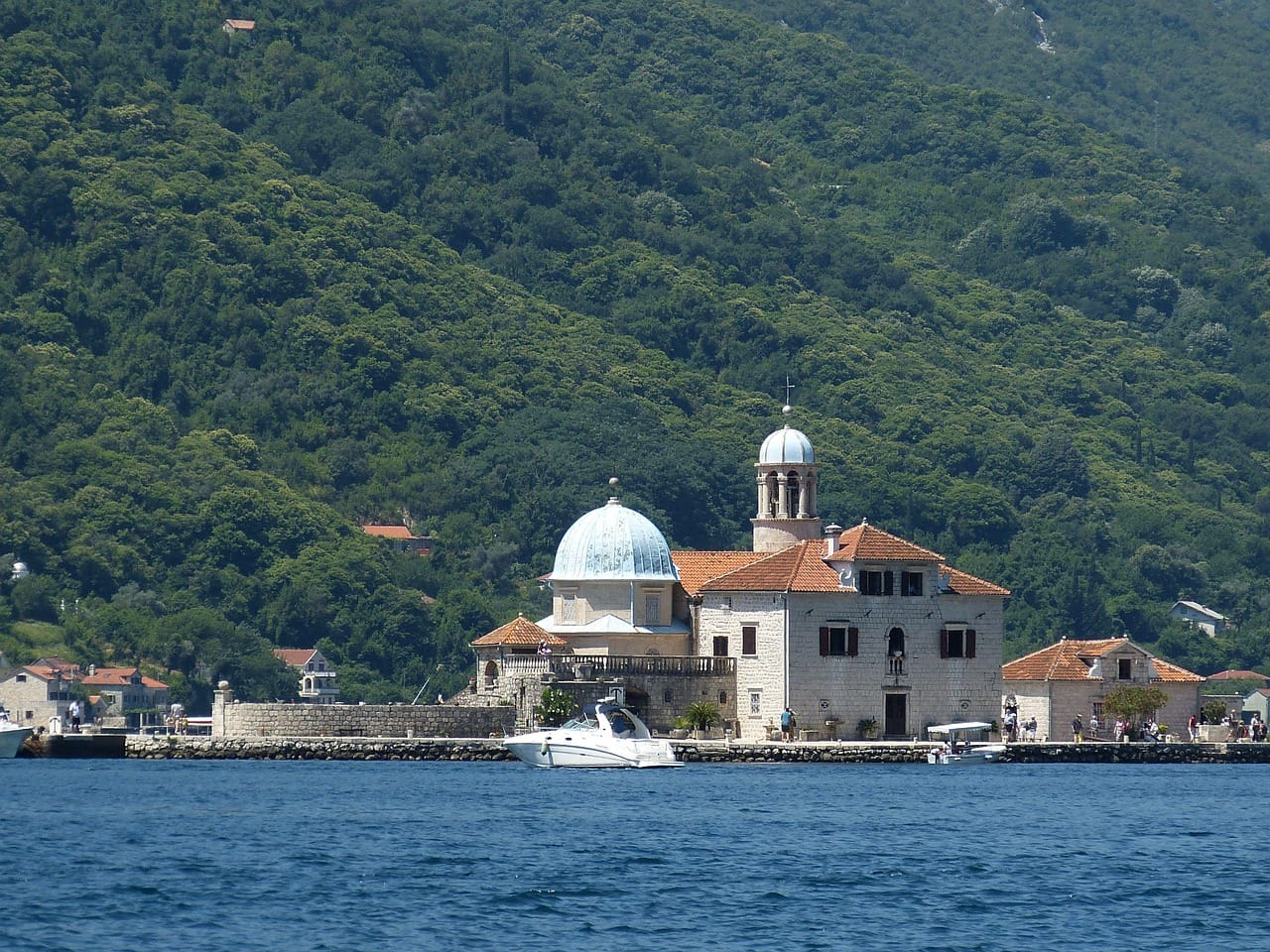
One of the most compelling aspects of minimalist living in Montenegro is how rich your life feels despite owning relatively little. The bay of Kotor, a UNESCO World Heritage site, functions as your backyard. Dramatic mountains rise directly from the town, offering hiking trails that range from gentle walks to serious climbs. The Adriatic stretches to the horizon, inviting swimming, kayaking, or simply contemplation.
Access to natural beauty is democratised here in a way that feels almost radical to Americans accustomed to paying for national park access or fighting crowds at popular recreation areas. The coastal hiking trail from Kotor to the village of Dobrota is free, relatively uncrowded even in summer, and spectacularly beautiful. The beaches at Jaz or Mogren cost nothing to access. The mountain trail to the village of Njeguši, where you can buy local prosciutto and cheese directly from producers, is open to anyone with functional legs.
This abundance of natural wealth shifts your relationship with material possessions. When you can kayak in pristine waters any morning, when mountain vistas are your daily views, when the quality of sunset over the bay exceeds anything you could purchase, accumulating stuff loses its appeal. The landscape itself provides what consumerism promises but rarely delivers: genuine satisfaction, ongoing wonder, and deep contentment.
A Social Culture That Values Presence Over Presentation
Montenegrin social culture operates at a pace that supports minimalist values. People meet at cafes and actually talk, for hours, over a single coffee that costs $1.65-$2.20. There's no pressure to consume more, to keep up appearances, to demonstrate status through purchases. Coffee is about connection, not consumption.
Evening walks along the waterfront promenade, the traditional passeggiata, are free entertainment that somehow never gets boring. You see neighbours, exchange greetings, watch children play, and admire the changing light on the mountains. It's simple, and that simplicity is the point. Pleasure doesn't require production values or price tags.
The expat community along the coast tends to attract people who appreciate this sensibility. The connections I've made here are with fellow yoga teachers, writers, artists, and location-independent professionals who chose Montenegro specifically because it allows life to be rich without being expensive, full without being cluttered, connected without being frantic.
Weekend gatherings might involve potluck dinners where everyone brings something simple, beach days with just towels and books, or impromptu hikes organised via text message. The infrastructure of friendship requires remarkably little stuff, and the quality of connection runs deep.
The Economics of Simple Living
Let's talk practically about what minimalist living costs along Montenegro's Adriatic coast. My monthly expenses in Kotor average around $1,540-$1,760, and that includes everything:
Rent for my one-bedroom apartment in the Old Town: $770-$880. Utilities, including internet: $88-$110. Groceries from local markets: $220-$275. Dining out 4-5 times monthly: $110-$132. Coffee and social expenses: $44-$55. Health insurance through a local provider: $88-$99. Miscellaneous, including yoga studio rental, household items, and occasional entertainment: $220-$275.
Compare this to my life in California, where rent alone was $2,200 per month for a similar-sized apartment, and you understand the financial freedom that minimalism in Montenegro provides. I'm not living cheaply in a deprived way. I'm living well in a way that simply costs less because the culture and infrastructure support simplicity.
For those seeking even more affordable options, smaller coastal towns like Herceg Novi or Bar offer rents of $550-$770 per month for comfortable apartments. Those willing to live slightly inland, in Risan or Prčanj, can find lovely places for $440-$660.
The key insight is that minimalist living isn't about deprivation, it's about alignment. When your environment and community support simplicity, when infrastructure makes car ownership optional, when social life doesn't require constant consumption, living with less becomes effortlessly sustainable rather than an ongoing struggle.
Seasonal Rhythms and Natural Balance
Montenegro's distinct seasons create a natural rhythm and variation that support mindful living. Summer along the coast is warm and social, with long days that extend into balmy evenings. Autumn brings spectacular light, fewer tourists, and the olive and grape harvests. Winter is quiet and contemplative, with occasional snow dusting the mountains behind Kotor. Spring erupts with wildflowers and the return of outdoor activities.
These seasonal shifts naturally vary your routines and activities without requiring elaborate planning or additional possessions. In summer, I teach yoga on outdoor platforms with views of the mountains. Winter classes move to a simple studio space. Spring and autumn bring hiking groups exploring different elevations as weather permits. The variety comes from nature's cycles rather than from accumulating more gear, more memberships, more stuff.
This connection to seasons also influences what you own. You need clothes for different temperatures, but not the overwhelming wardrobes that climate-controlled, season-less American life encourages. You have summer and winter routines, but they flow organically from environmental conditions rather than from calendar-driven consumption.
Challenges and Honest Considerations
Minimalist living in Montenegro isn't without its challenges, and honesty requires acknowledging them. The language barrier can make simple tasks complicated, at least initially. Montenegrin bureaucracy sometimes tests patience, particularly regarding residence permits and registrations. Consumer goods selection is limited compared to the abundance in the United States, which can be frustrating when you need something specific.
Internet speeds in older buildings sometimes lag behind modern expectations, challenging digital nomads accustomed to seamless connectivity. Healthcare quality is good but different from American systems, requiring adjustment and realistic expectations. Some imported products cost significantly more due to import duties and limited distribution.
The winter months can feel isolating, particularly in smaller coastal towns where many restaurants and shops close from November through March. The social scene contracts significantly, and if you're someone who needs constant stimulation or extensive entertainment options, the quiet season might feel challenging.
But here's what I've found: these challenges often serve minimalist values rather than undermining them. Limited consumer goods mean less temptation to accumulate. Slower internet encourages being present rather than perpetually online. Quiet winters create space for reflection, reading, and inner work. Language barriers force you to slow down, to be patient, to connect in ways beyond words.
The question isn't whether challenges exist; they do. The question is whether the trade-offs align with your values and vision for life. For those genuinely committed to minimalism and balance, Montenegro's challenges often prove less burdensome than the complications of consumer-driven Western life.
Making the Transition: Practical Considerations
If Montenegro's minimalist appeal resonates with you, here's what the practical transition looks like. Americans can enter Montenegro visa-free for 90 days, giving you substantial time to explore whether coastal life suits you. Many expats spend their first three months living in different towns, a month in Kotor, a month in Budva, and some time in smaller villages, before committing to a specific location.
Temporary residence permits, if you decide to stay longer-term, require proof of accommodation, health insurance, and sufficient funds (generally around $605 monthly demonstrated income). The application process takes patience and usually benefits from local assistance, but it's entirely achievable for those committed to the move.
Shipping belongings from the US rarely makes sense for minimalists. The costs are high, the bureaucracy significant, and the whole point is living with less. I brought two suitcases, bought basic furnishings locally (most apartments come at least partially furnished anyway), and discovered that nearly everything I thought I needed was actually optional.
Opening a local bank account requires residence registration but significantly simplifies daily life. I use a Montenegrin bank for local expenses and maintain a US account for international transactions and dollar income. This dual system works smoothly with minimal fees. Wise is also a great option.
Healthcare requires either private insurance (which costs far less than American plans at around $880-$1,100 annually) or payment out of pocket for services that are already inexpensive by US standards. Many expats combine local care for routine needs with travel insurance for emergencies.
Finding Your Balance on the Adriatic
Balance, genuine balance, not the manufactured version sold through wellness products and productivity apps, emerges naturally from Montenegro's coastal rhythm. Early mornings watching the sunrise over the bay. Afternoons spent swimming in clear water. Evenings walking ancient stone streets as swallows wheel overhead. These simple pleasures compound into lives rich with meaning and remarkably free of clutter.
The minimalist expats I know here share certain qualities: a comfort with simplicity, an appreciation for nature, a genuine interest in different cultures, and a recognition that more stuff doesn't equal a better life. We're not running from something; we're running toward a way of being that feels more honest, more sustainable, more aligned with what actually matters.
Montenegro's Adriatic coast doesn't promise to solve all your problems or magically transform you into someone you're not. What it offers is infrastructure and culture that support simple living, natural beauty that nourishes without depleting, and a community that values presence over presentation. For those already inclined toward minimalism, it provides an environment that makes those values not just possible but effortless.
Five years in, I own less than when I arrived. And yet my life feels immeasurably richer in experiences, in connections, in the daily satisfaction of living aligned with my deepest values. That's the gift Montenegro's coast offers minimalist expats: permission to live fully while owning little, to find balance not through addition but through thoughtful subtraction, to discover that simplicity itself can be the greatest luxury.
Ready to Create Your Own Minimalist Expat Life?
Moving abroad requires more than inspiration. It demands practical planning, cultural understanding, and strategic preparation. That's where Global Citizen Life's Moving Abroad Programs can help. Whether you're just beginning to explore the possibility of life in Montenegro or ready to make concrete plans, our programs provide the guidance and support you need.
Choose from three comprehensive options: a one-time strategy call to clarify your path forward, country-specific Moving Abroad Masterclasses that cover everything from visa requirements to cultural integration, or private coaching and consulting for personalised support throughout your transition. Each program is designed by expats for expats, offering honest insights and practical strategies that actually work.
Learn more about our Moving Abroad Programs
Written by Sarah Coleman
Sarah Coleman is a yoga instructor and wellness coach who traded her busy American lifestyle for the tranquil shores of Kotor, Montenegro. For the past five years, she has embraced mindful living along the Adriatic coast, exploring Montenegro's mountains, medieval towns, and hidden beaches. Through her writing, Sarah shares practical insights about expat life, sustainable living, and discovering Montenegro's natural beauty, helping others find their own path to a more intentional life abroad.
Read all our articles about Montenegro here.
Global Citizen Life
© 2023 Global Citizen Life
All rights reserved