
Why Lisbon Became Europe's Silicon Valley 2.0: Inside the Startup Boom
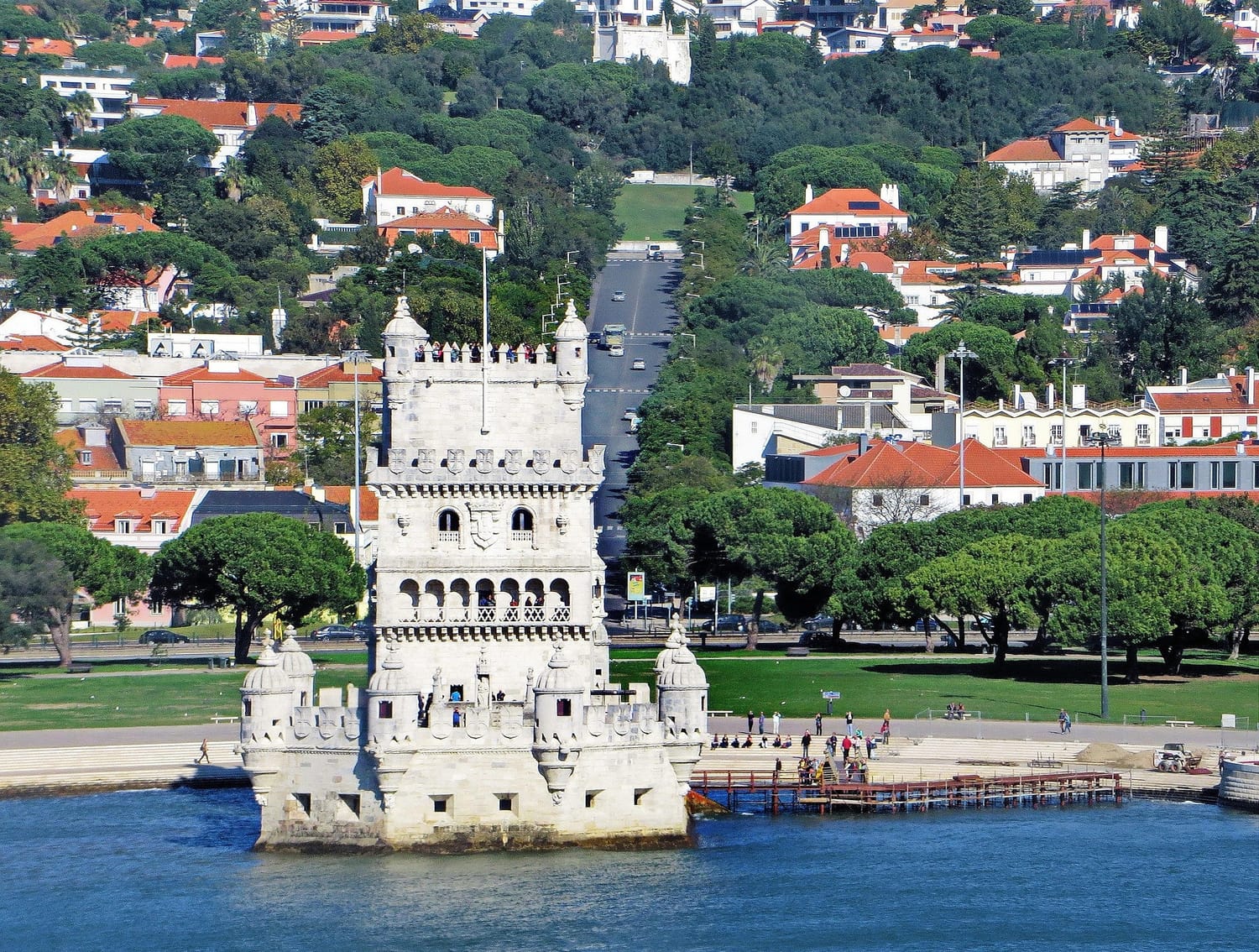
When I first arrived in Lisbon five years ago, the startup scene was already buzzing, but nothing like what I see today. The city has transformed from a charming European capital with tech potential into a full-blown innovation powerhouse that rivals London, Berlin, and Amsterdam. As someone who's built and scaled companies across three continents, I can tell you with absolute certainty: Lisbon isn't just participating in Europe's tech revolution. It's leading it.
The transformation has been nothing short of remarkable. What was once a sleepy Southern European city known primarily for its pastel de nata and stunning architecture has evolved into a magnet for founders, venture capitalists, and tech talent from around the world. The statistics tell part of the story. Venture capital investment in Portuguese startups reached $1.2 billion in 2024, a 400% increase from 2019, but the energy you feel as you walk through the city tells the rest.
The Perfect Storm: Why Lisbon Rose at the Right Time
Lisbon's emergence as a tech hub wasn't accidental. It was the result of several converging factors that created an environment conducive to innovation.
First, the city offered something increasingly rare in the tech world: affordability. While San Francisco rents skyrocketed past $3,500 per month for a one-bedroom apartment and London wasn't far behind, Lisbon offered a comparable quality of life at a fraction of the cost. Even today, with prices having risen considerably, you can still find excellent office space in prime locations for $20-30 per square meter, roughly half what you'd pay in Berlin or Paris.
But cost alone doesn't create an ecosystem. What really accelerated Lisbon's rise was the Portuguese government's strategic decision to attract global talent and investment. The launch of the Tech Visa program in 2019 streamlined the process for startups to hire international talent, while the Startup Visa facilitated the establishment of companies in Portugal by non-EU founders. These weren't just symbolic gestures; they were policy decisions that fundamentally changed the city's trajectory.
The timing proved impeccable. As Brexit created uncertainty in London and other European cities grappled with housing crises and quality-of-life concerns, Lisbon offered stability, sunshine, and a welcoming business environment. The city became the answer to a question many founders were asking. Where can we build a world-class company without sacrificing our quality of life or burning through capital on overhead?
Web Summit and the Ecosystem Effect
The decision by Web Summit to relocate from Dublin to Lisbon in 2016 marked a turning point. What some dismissed as a publicity stunt proved to be a catalyst that supercharged the entire ecosystem.
I attended my first Web Summit in 2018, and even then, the impact was visible. The conference brought 70,000 attendees, hundreds of investors, and global media attention to a city that had been relatively unknown in tech circles. But more importantly, it created a focal point around which the local ecosystem could organize and grow.
The ripple effects were profound. International venture capital firms opened offices in Lisbon. Accelerators and incubators proliferated. Corporate innovation labs at companies such as Mercedes-Benz, Merck, and Siemens have been established. Most importantly, the event created a sense of legitimacy and momentum that attracted more founders, capital, and talent, fueling a virtuous cycle.
Today, Web Summit is just one of dozens of major tech events held in Lisbon each year. The city has become a year-round hub for innovation, not just a once-a-year spectacle.

Ready to make your move to Portugal?
Our comprehensive
'Move to Portugal Masterclass'
This online course covers everything you need to know—from visa applications and tax planning to finding housing and building your local network. Learn from entrepreneurs who've successfully made the transition and avoid costly mistakes.
The Infrastructure That Powers Innovation
What impresses me most about Lisbon's startup ecosystem isn't just the number of companies. It's the quality of the infrastructure supporting them.
The city now boasts world-class coworking spaces and innovation hubs. Second Home, with its stunning tropical plants and thoughtful design, has become iconic. Factory Lisbon offers 6,000 square meters dedicated to early-stage startups. Meanwhile, larger organizations such as Startup Lisboa and Beta-i provide comprehensive support services, from legal guidance to investor introductions.
The talent pipeline has strengthened considerably. Portuguese universities, particularly Instituto Superior Técnico and Nova School of Business and Economics, now produce graduates specifically trained for the startup world. International talent continues to flow in, drawn by the quality of life and increasingly competitive salaries. The average senior developer in Lisbon now commands $55,000-75,000 annually. Still below Silicon Valley rates but competitive with other European hubs and rising steadily.
Perhaps most critically, the capital markets have matured. While early-stage funding was once scarce, Lisbon now has a robust angel investor network and multiple active VC firms. Portugal Ventures, the state-backed fund, has been joined by private firms like Indico Capital Partners and Shilling Capital Partners. International funds, including Sequoia, Index Ventures, and Accel, have all made investments in Portugal.
Success Stories That Prove the Model
The real validation of any startup ecosystem comes from its ability to produce unicorns and successful exits. On this measure, Lisbon has exceeded expectations.
Feedzai, the fraud detection platform, achieved unicorn status in 2021 with a $1.5 billion valuation. Talkdesk, though founded in Portugal before relocating its headquarters to San Francisco, maintains significant operations in Lisbon and reached a $10 billion valuation. Outsystems, the low-code development platform, has raised over $360 million and serves major enterprises globally.
But it's not just about the billion-dollar companies. What excites me more is the ecosystem's depth. The dozens of companies achieving $10-50 million in annual revenue, the successful acquisitions like Uniplaces and Aptoide, and the serial entrepreneurs who've sold companies and are now reinvesting in the next generation.
The sectors are also diversifying. While fintech and software remain strong, I'm seeing impressive companies emerge in climate tech, biotech, and AI. Sword Health, a digital physical therapy platform, has raised over $300 million and works with major US health insurers. Unbabel, using AI for translation, serves companies like Facebook and Microsoft from its Lisbon headquarters.
The Quality of Life Advantage
Here's what the dry statistics and investment figures don't capture: Lisbon offers something increasingly valuable in the always-on, burnout-prone world of startups. The ability to build a great company while actually enjoying your life.
The weather alone is transformative. With over 300 days of sunshine annually and average temperatures ranging from 15°C (59°F) in winter to 28°C (82°F) in summer, the climate supports an outdoor lifestyle that simply isn't possible in London or Stockholm. My team regularly holds walking meetings along the riverfront, and after-work surf sessions in Cascais are common.
The work-life integration extends beyond the weather. Lisbon is walkable and safe, with excellent public transportation. The food scene rivals any European capital. You can find everything from traditional Portuguese cuisine to world-class international restaurants, and the coffee culture means great cafes on every corner. The cost of living, while rising, remains reasonable enough that founders and early employees can actually enjoy city life without constant financial stress.
This quality of life isn't a nice-to-have. It's a competitive advantage. In an industry where burnout is endemic and talent retention is critical, being able to offer your team a genuinely better lifestyle while building ambitious companies is powerful. I've seen it firsthand in our retention rates and in the caliber of people we can attract from larger markets.
Challenges and Growing Pains
To paint an honest picture, Lisbon's startup ecosystem still faces real challenges. The rapid growth that's made the city exciting has also created tensions and constraints.
Housing costs have increased significantly. While still cheaper than London or Paris, rental prices in desirable neighborhoods have doubled since 2017. This creates challenges for recruiting junior talent and risks pricing out the creative workers who helped build the ecosystem. The city needs to address housing supply to maintain its affordability advantage.
The talent pool, while growing, remains smaller than in established hubs. Finding experienced product managers, senior engineers, or executives with scaling experience often requires international recruitment. Language can be a barrier. While younger Portuguese professionals speak excellent English, navigating bureaucracy and certain business situations still requires fluency in Portuguese.
Access to late-stage capital remains a constraint. While seed and Series A funding have become relatively accessible, Portuguese companies often still need to look to London, Paris, or the US for larger Series B and C rounds. This can lead to relocations or complex cross-border structures.
The bureaucracy, while improving, can still frustrate. Company formation is straightforward, but processes like work permits or certain regulatory approvals move more slowly than in some other European countries. The government has made progress, but there's room for improvement.
Unlock the secrets of the world's most successful entrepreneurs with the
Global Wealth Navigator Newsletter
Discover the world's best destinations offering a lower cost of living paired with an enriched quality of life with the Global Wealth Navigator Newsletter. Whether you're a retiree or an entrepreneur, we dive into strategies that open doors to international investments, tax optimizations, and discover the finest destinations offering a superior quality of life. Don't let borders or routine define you; lets find your ideal spot in the world, regardless of your income bracket.

What Makes This Different from Other Tech Hubs
Having worked in San Francisco, Singapore, and now Lisbon, I can identify what makes this ecosystem unique.
First, there's a collaborative rather than cutthroat culture. The community genuinely wants to help each other succeed. Founders share learnings, investors make warm introductions, and established companies mentor newer ones. This might sound naive, but it's real, and it's valuable. The ecosystem is large enough to be vibrant but small enough that reputation matters and cooperation pays dividends.
Second, Lisbon has avoided the monoculture problem. While some hubs are dominated by a single industry or company, Lisbon's ecosystem is genuinely diverse across sectors, company sizes, and founder backgrounds. You'll find bootstrapped lifestyle businesses alongside venture-backed rockets, Portuguese founders alongside immigrants from 50+ countries, and companies targeting local, European, and global markets.
Third, there's a refreshing focus on sustainability, both environmental and business sustainability. The pressure to grow at all costs that defines some ecosystems is tempered here by a culture that values profitability, unit economics, and building companies that last. This might mean fewer rockets but also fewer flameouts.
Finally, the international character makes it special. Lisbon attracts founders and talent who've opted out of other ecosystems specifically because they want something different. These are people who could be in San Francisco or London but chose not to be. That self-selection creates a unique community.
The Next Chapter: Where Lisbon Goes from Here
The momentum is undeniable, but the real question is whether Lisbon can sustain and build on it.
The signs are encouraging. The government continues to refine programs to attract talent and investment. Major tech companies—Google, Amazon, Microsoft—are expanding their presence, creating both employment opportunities and an anchor effect. The university system is producing more and better-trained graduates. The success stories are breeding the next generation of founders and angel investors.
What excites me most is the ambition I see in the next wave of founders. They're not content to build local or regional companies. They're thinking global from day one. They're tackling harder problems in deeper tech. And they're building on the infrastructure and lessons learned from the first wave.
The ecosystem also has the potential to serve as a bridge among Europe, Africa, and Latin America. Portugal's historical connections and language links create unique opportunities for companies serving Lusophone markets. I'm seeing more startups leveraging this positioning, and it could become a defining characteristic.
The challenges I mentioned earlier—housing, talent depth, late-stage capital—are solvable. They require thoughtful policy, continued infrastructure investment, and time. But they're problems of success, not fundamental flaws.
Practical Advice for Founders Considering Lisbon
If you're thinking about establishing your startup in Lisbon, here's what you should know:
Visit first, ideally for at least two weeks. The city sells itself well on Instagram, but you need to experience the reality: the bureaucracy, the pace, the infrastructure. Talk to other founders. Attend events. Walk the neighborhoods. Make sure the lifestyle actually fits before committing.
Understand the visa landscape thoroughly. The Startup Visa and Tech Visa programs are excellent, but they have specific requirements and processing times. Work with a lawyer who specializes in startup immigration. Budget 3-6 months for visa processes. If you're considering the move, our Move to Portugal Masterclass provides comprehensive guidance on navigating visas, understanding tax implications, and establishing your business in Portugal.
Think carefully about your target market. If you're building for the Portuguese market, great. But if you're building for Europe or globally, you'll need to factor in additional costs for travel, in-market presence, and time zone management. Lisbon works well as a headquarters for globally distributed teams, but less well if you need daily face-time in Paris or London.
Build your network before you need it. Start engaging with the ecosystem online. Attend virtual events. Make introductions. The community is welcoming, but like anywhere, warm connections matter. Join founder groups, connect with relevant accelerators, and don't be shy about reaching out.
Budget realistically. Yes, Lisbon is cheaper than London or San Francisco, but it's no longer cheap. Quality office space, experienced talent, and reasonable housing all cost real money. Plan for costs that are 60-70% of what you'd pay in tier-one cities, not the 40-50% that older articles might suggest.
The Verdict: Europe's Most Exciting Tech Hub
Five years into my Lisbon journey, I remain convinced this is Europe's most exciting place to build a company right now. Not because it's perfect, it isn't. Not because it's the easiest, it sometimes isn't. But it offers a unique combination of opportunity, community, and quality of life that's increasingly rare.
The startup boom isn't a bubble or a fad. It's the result of deliberate policy, genuine community building, and hundreds of founders betting their careers on this city. The infrastructure is real, the capital is flowing, and the success stories are accumulating.
More importantly, Lisbon represents a different vision of what a tech hub can be. One that doesn't require sacrificing your health, your relationships, or your sanity. One that values sustainability alongside growth. One that believes you can build world-class companies while actually enjoying the process.
Will Lisbon become the next Silicon Valley? Probably not, and that might be a good thing. But it's becoming something equally valuable: a place where ambitious founders can build global companies while living full, balanced lives. In an industry that too often conflates suffering with success, that's not just refreshing, it's revolutionary.
The question isn't whether Lisbon deserves its reputation as Europe's emerging tech capital. The question is whether you're ready to be part of its next chapter.
Ready to make your move to Portugal?
Our comprehensive
'Move to Portugal Masterclass'
This online course covers everything you need to know—from visa applications and tax planning to finding housing and building your local network. Learn from entrepreneurs who've successfully made the transition and avoid costly mistakes.
Written by Tom Reynolds
Tom left Seattle for Lisbon’s startup-friendly vibe. A tech entrepreneur, he writes about innovation, tax incentives, and digital business in Portugal. His forward-thinking articles appeal to entrepreneurs designing borderless lives and location-independent companies.
📍 From Seattle, now in Lisbon
Tom explores Portugal’s tech scene and lifestyle for digital entrepreneurs. His articles blend innovation with freedom of location.
Read Articles by Tom →
Global Citizen Life
© 2023 Global Citizen Life
All rights reserved