
Why Italians Will Never Drink Cappuccino After 11 am—And Other Food Rules Worth Following
There's a moment that happens in every Italian café around mid-morning. An unsuspecting tourist, jet-lagged and innocent, walks up to the bar and orders a cappuccino with their post-lunch panino. The barista's face doesn't exactly fall; Italians are too polite for that, but there's a flicker, a barely perceptible tightening around the eyes. The other patrons, mid-espresso, pause. The air shifts.
I've been that tourist. And now, after years of living in Bologna, I've become the Italian giving that same subtle headshake when I see it happen to someone else.
Here's what I've learned: Italian food rules aren't arbitrary. They're not about snobbery or making outsiders feel uncomfortable. They're about something deeper. A profound respect for how food makes you feel, for the digestion, for the way certain flavors belong to particular moments in the day. These rules have been refined over centuries, passed down through grandmothers who understood that what you eat and when you eat it affects not just your palate, but your entire well-being.
Moving to Italy taught me that these aren't restrictions. They're invitations to experience food the way it was meant to be experienced.
The Cappuccino Rule: Why Milk Stops at Noon
Let's start with the big one, the rule that confounds every first-time visitor: no cappuccino after 11 am. Or lunch. Or dinner. Ever.
When I first arrived in Bologna, I thought this was madness. Back in Halifax, I'd drink milky coffee at all hours. A latte with dinner? Why not? But my landlady, Signora Ferri, set me straight within my first week.
"Michele," she said, using the Italian version of my name that I'd quickly grown to love, "milk is heavy. It sits in the stomach. You drink this after a meal, and what happens? You feel slow and tired. You cannot digest properly."
She was right, of course. Italians understand that cappuccino, with its luxurious foam and warming milk, is breakfast. It's meant to be drunk in the morning, often with a sweet cornetto, to wake the digestive system gently. The milk provides substance, the coffee offers energy. Together, they're the perfect way to start the day.
After 11 am, Italians switch to espresso. That tiny, perfect shot of concentrated coffee that stimulates rather than weighs down. I've watched men in suits down an espresso in three sips at the bar, pay their euro-twenty, and stride back to work. The whole transaction takes ninety seconds. It's efficient. It's energizing. And crucially, it doesn't interfere with lunch, which is coming in an hour or two.
Now, when I order my morning cappuccino at Bar Senza Nome near my apartment, I savor it differently. I understand that I'm participating in a ritual, drinking something that belongs specifically to this time of day. And honestly? I don't want a cappuccino in the afternoon anymore. My body has learned what Italians have always known: timing matters.
Pasta is Not a Side Dish
This one took me longer to grasp, probably because my entire culinary training in Canada taught me that a meal needs protein as the centerpiece. Pasta was always the supporting act, something you served alongside the chicken or fish.
In Italy, pasta is the primo; the first course. It stands alone in all its glory, and it's never, ever served as a side to a piece of meat.
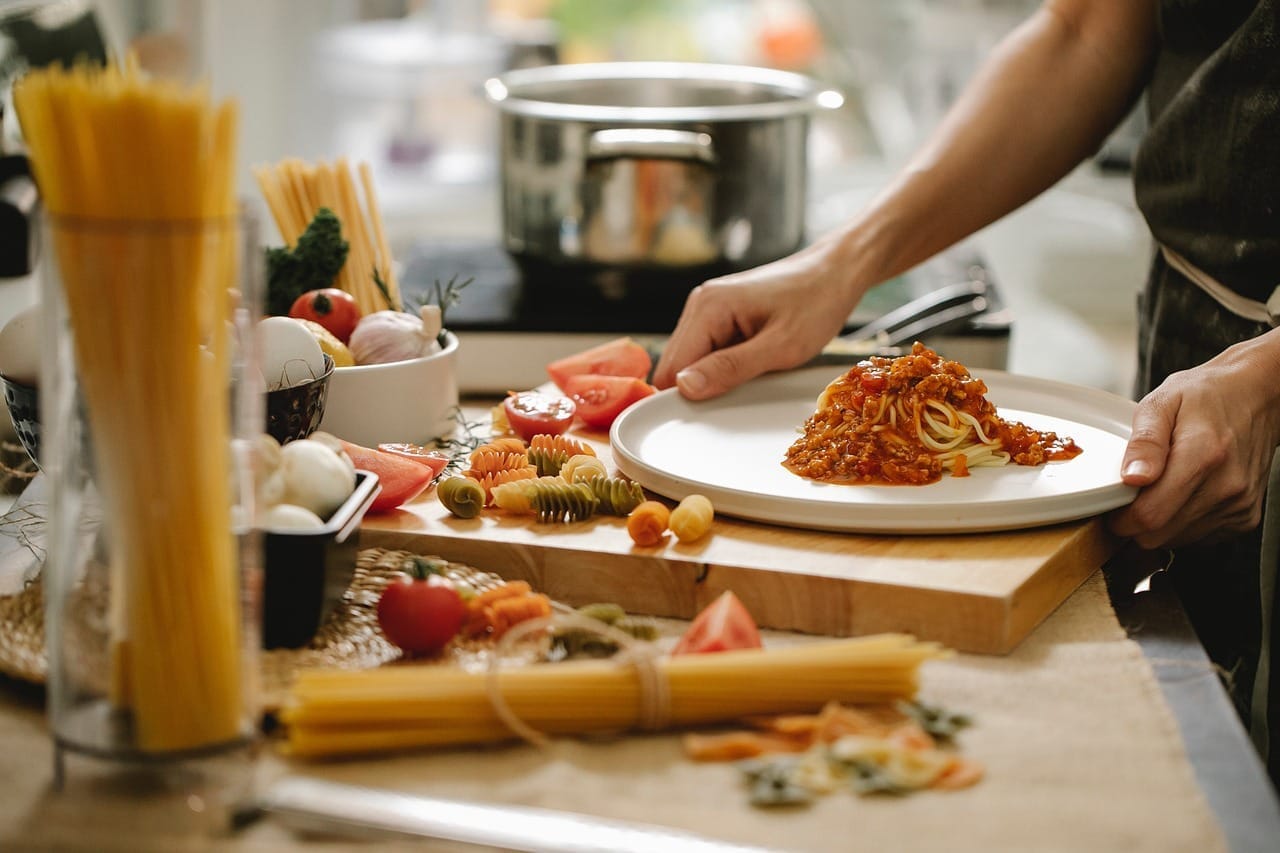
I remember the first time I truly understood this. I was invited to Sunday lunch at Franco's home, one of the regulars at my neighborhood osteria. His wife, Giuliana, had made tagliatelle al ragù. The authentic Bolognese sauce bears almost no resemblance to what we call "Bolognese" back home. She brought out a huge platter of these golden ribbons of fresh pasta, dressed in a meat sauce that had been simmering since dawn.
We ate. We talked. We ate more. When the platter was finally empty, scraped clean, because leaving ragù behind is practically sacrilege, I assumed the main course would arrive. Instead, Giuliana brought out a simple roasted chicken with potatoes and a green salad. Just that. Light, fresh, perfect.
"You see," Franco explained, "the pasta is rich. It fills you. If we eat too much, we feel too heavy. The secondo is lighter, to balance."
It's brilliant when you think about it. The pasta course satisfies your hunger and delivers those complex, layered flavors. The second course provides protein and vegetables, but in moderation. You leave the table satisfied but not stupefied. You can actually move. Maybe even think clearly.
These days, when I cook for myself, I often skip the secondo entirely. A perfect bowl of pasta, truly well-made, with ingredients treated with respect, is a complete meal. And there's something liberating about letting pasta be the star rather than relegating it to the supporting cast.
Ready to make your own move to Italy? Our
online course provides comprehensive guidance on visas, housing, healthcare, schools, and everything else you need to know for a successful family relocation. Learn from those who've done it and avoid costly mistakes.
Cheese and Fish: The Forbidden Pairing
Ask for Parmesan cheese on your seafood pasta in Italy, and you'll get one of two reactions: polite refusal or genuine horror, depending on how traditional your restaurant is.
This rule baffled me initially. As a chef, I'd been trained that cheese enhances everything. Parmesan in particular seemed like a universal improvement. But Italians know better.
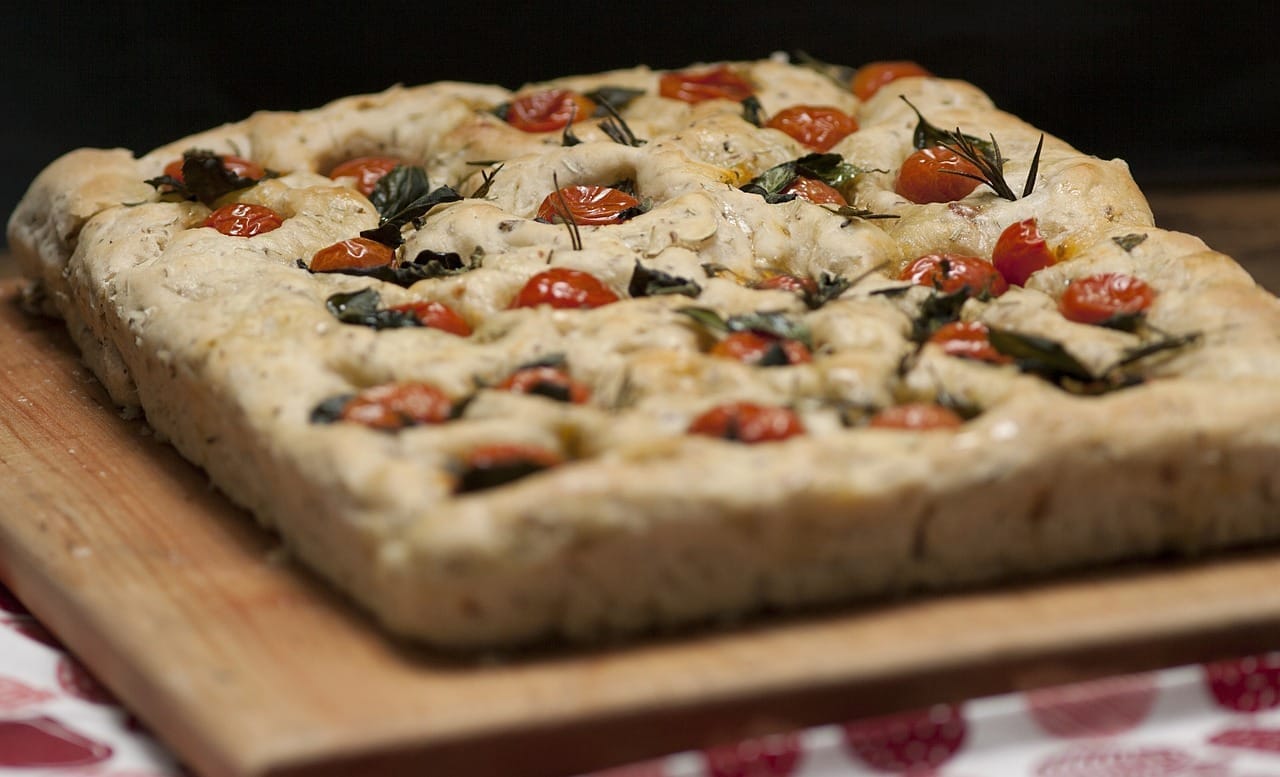
The reasoning is simple but profound: cheese overwhelms the delicate flavor of seafood. Imagine spending $48 per pound on fresh langoustines, cooking them perfectly to preserve their sweet, briny essence, then drowning them in the sharp, salty punch of aged Parmesan.
It's like wearing heavy perfume to a wine tasting.
I learned this lesson at Trattoria da Amerigo, a seafood place in Savigno run by the same family for generations. The spaghetti alle vongole arrived at my table: tiny clams still in their shells, garlic, white wine, parsley, olive oil. That's it. No cream, no butter, certainly no cheese.
I tasted it and understood immediately. Each clam was distinct, each one contributing its own particular flavor to the dish. The garlic was present but not dominant. The wine added acidity. The pasta itself, cooked precisely al dente, provided the perfect vehicle for those delicate flavors.
Adding cheese would have been vandalism.
Now I apply this principle more broadly in my cooking. When an ingredient is excellent, truly excellent, the best thing you can do is get out of its way. Let it speak for itself. Italian cuisine has never been about piling on flavors. It's about showcasing them.
The Order of Things: How to Structure an Italian Meal
Italian meals follow a specific order that's been refined over centuries. It's not random, and it's not meant to torture you with too much food. Each course serves a purpose, preparing your palate and your stomach for what comes next.
Here's the traditional structure:
Aperitivo: A drink and small snacks to awaken the appetite. Usually a Campari spritz or prosecco, with olives, chips, or small bites. This happens before you even sit down to eat, often at a different location entirely.
Antipasto: The starter. Could be cured meats and cheese, bruschetta, grilled vegetables. Small portions that tease your appetite without filling you.
Primo: The first course. Usually pasta, risotto, or soup. This is substantial, but you're not meant to stuff yourself.
Secondo: The second course. Meat or fish, simply prepared, often grilled or roasted.
Contorno: Side dishes, usually vegetables or salad. Served alongside or after the secondo.
Dolce: Dessert. Often something simple: fruit, gelato, or a small pastry.
Caffè: Espresso. Always. Never cappuccino (see above).
Digestivo: A small glass of amaro or grappa to aid digestion and signal the end of the meal.
Now, do Italians eat all these courses every day? Of course not. A typical weeknight dinner might be just primo and a salad, or secondo with vegetables. But on Sunday, for celebrations or when dining out, this structure is faithfully followed.
What strikes me most is how this pacing transforms the act of eating. In North America, we tend to pile everything onto one plate and devour it. The Italian way forces you to slow down. Each course gets its moment. You're not rushing to finish your pasta because the chicken is getting cold—there is no chicken yet. You taste the pasta, you savor it, you discuss it. Then you move on.
Meals become longer, yes, but also richer. Not in calories. Eating this way often means consuming less overall, but in experience. Food becomes social, contemplative, joyful.
The Bread Basket Mystery
Here's something that confused me for months: Why is bread served with meals in Italy, but nobody seems to eat much of it?
In Canada, a bread basket arrives, and we devour it, often before the appetizers show up. We butter it lavishly, sometimes dip it in olive oil and balsamic. The bread basket is an event unto itself.
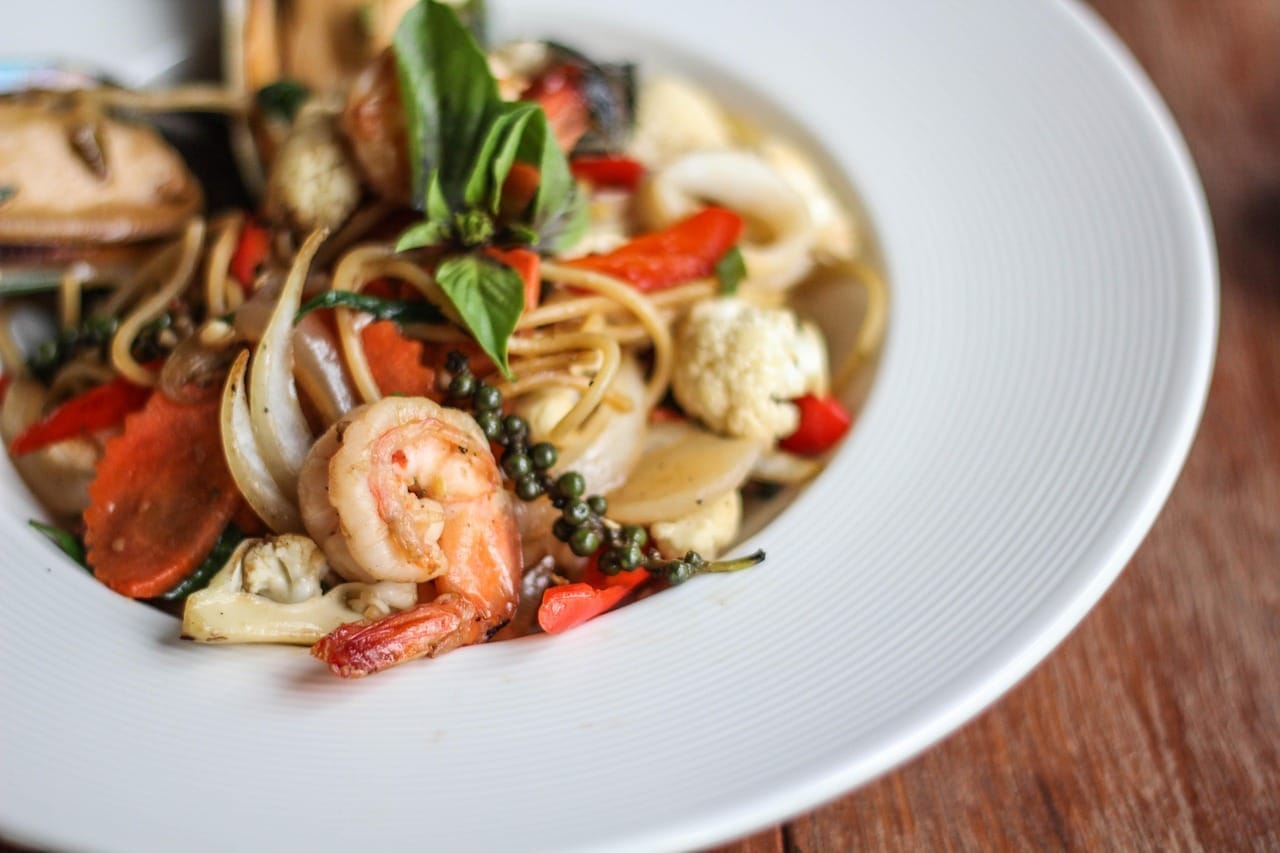
In Italy, bread serves a specific purpose: scarpetta. This beautiful word literally means "little shoe," and it refers to the practice of using bread to mop up the sauce left on your plate. It's the only acceptable way to ensure not a drop of that gorgeous ragù or those precious juices from your roasted meat goes to waste.
But you don't butter it. You don't snack on it between courses. You don't pile it with cheese. The bread is a tool, not a course. It's there to help you savor every last bit of flavor from the food you've been served.
My neighbor, Paolo, a retired engineer with strong opinions about everything, explained it to me this way: "If you eat too much bread, you have no room for the pasta, no space for the secondo. The bread is not the meal. The bread helps you appreciate the meal."
Once I started following this practice, I noticed something interesting. I enjoyed my meals more. By not filling up on bread beforehand, I actually tasted the food I was supposed to be eating. And that final swipe of bread through the sauce, earning a nod of approval from the nonna at the next table, became one of my favorite moments of any meal.
Seasonal Eating: Not Optional
Walk into an Italian home in August and ask what's for dinner, and the answer will almost certainly involve tomatoes, zucchini, eggplant, or peppers. Ask the same question in November, and you'll hear about pumpkin, mushrooms, chestnuts, or braised meats.
This isn't a lifestyle choice or a trendy commitment to eating local. It's simply how Italians eat. Seasonal ingredients aren't a virtue—they're the norm.
My first winter in Bologna, I made the mistake of asking Giuliana for a panzanella recipe, that glorious Tuscan bread salad with tomatoes and cucumbers.
"In December?" She looked at me like I'd asked her to serve Easter eggs at Christmas. "The tomatoes now have no taste. No sun, no flavor. In summer, yes. Now, we eat radicchio."
She was absolutely right. The winter tomatoes in the supermarket looked acceptable, but tasted like damp cardboard. Meanwhile, the radicchio from nearby Treviso, bitter, crisp, perfect for grilling or braising, was at its absolute peak.
Italians shop at markets where seasonal eating isn't a choice, it's what's available. When asparagus appears in spring, everyone eats asparagus. When it disappears, you wait until next year. You don't ship it in from Peru or grow it in hothouses. You eat something else.
This creates a rhythm to the year that I've come to love. Each season brings its own flavors, its own possibilities. I find myself looking forward to things in a way I never did when everything was always available. The first porcini mushrooms of autumn. The arrival of blood oranges in winter. Spring peas are so sweet that you can eat them raw.
There's also something profound about eating this way. You're connected to where you live, to the soil and climate around you. Food isn't just fuel or entertainment—it's a way of being part of a place.
Unlock the secrets of the world's most successful entrepreneurs with the
Global Wealth Navigator Newsletter
Discover the world's best destinations offering a lower cost of living paired with an enriched quality of life with the Global Wealth Navigator Newsletter. Whether you're a retiree or an entrepreneur, we dive into strategies that open doors to international investments, tax optimizations, and discover the finest destinations offering a superior quality of life. Don't let borders or routine define you; lets find your ideal spot in the world, regardless of your income bracket.

The Espresso Rules: Small but Mighty
If cappuccino has rules, espresso has an entire constitution. Here's what I've learned:
First, you drink it at the bar, standing up. Sitting down often doubles the price, and besides, espresso isn't meant to be lingered over. It's a quick shot of energy and pleasure, consumed in three sips: one to taste, one to savor, one to finish.
Second, you don't doctor it unless you're ordering a specific variation. Asking for a shot of vanilla syrup in your espresso would be like asking a Michelin-starred chef for ketchup. The coffee itself is the point—carefully roasted, precisely extracted, meant to be tasted as is.
Third, timing matters. Espresso after a meal aids digestion. Espresso in the afternoon provides a quick energy boost. Espresso late at night is acceptable only if you're genuinely planning to stay up. Italians respect coffee's power and use it accordingly.
I used to drink coffee all day, every day, in enormous American-sized cups. Now I drink three or four small espressos, each one at a specific moment when I need it. And somehow, I'm both more alert and less jittery. The Italians, once again, have figured something out.
Wine With Meals: Not What You Think
Americans romanticize Italian wine culture, imagining everyone drinking expensive Brunello with every meal. The reality is more beautiful and more practical.
Italians drink wine with lunch and dinner, yes. But it's usually simple, local wine, often house wine served in a carafe, costing less than bottled water. Nobody's making a big production about tannins or terroir. The wine is there to complement the food, to aid digestion, to make the meal more pleasurable.
Portions are also much smaller than you'd think. A quarter liter of wine with lunch is standard, about two small glasses. Enough to enhance the meal, not enough to make you useless for the rest of the afternoon.
I've also learned that Italians rarely drink wine without food. Drinking on an empty stomach is seen as vaguely problematic, something only teenagers or foreigners do. Wine belongs with food. It's part of the meal, not separate from it.
This approach has completely changed my relationship with wine. I drink less but enjoy it more. And I've discovered that a simple Sangiovese from a local vineyard, drunk with a bowl of pasta and good company, brings more pleasure than the fanciest bottle consumed alone.
The Beauty of Constraints
Here's what I've learned after years of following Italian food rules: constraints aren't limiting; they're liberating.
In North America, we pride ourselves on freedom and choice. You can have anything, anytime, in any combination. Want a cappuccino at midnight? Sure. Breakfast pizza? Why not. Cheese on everything? Go for it.
But having every option available doesn't necessarily make meals better. It often makes them more confusing, more stressful, and more removed from any sense of tradition or rhythm.
Italian food rules provide structure. They tell you what belongs together and what doesn't, what's appropriate when, and how to pace a meal for maximum enjoyment and minimum discomfort. Rather than restricting pleasure, these rules enhance it by removing the noise of too many options.
When I know cappuccino belongs to morning, I savor my morning cappuccino more. When I know pasta should stand alone, I can genuinely appreciate a perfect cacio e pepe without wondering if I should have ordered protein on the side. When I know asparagus only appears in spring, those few weeks become precious.
These rules also connect you to something larger than yourself. You're not just eating—you're participating in traditions that stretch back centuries, following patterns that countless generations have refined. There's something grounding about that, especially in our fragmented modern world.
What to Actually Follow
If you're planning to move to Italy, or even just visit, here's my advice on which rules to embrace and why:
Start with the cappuccino rule. It's the easiest to follow and the most visible marker of cultural understanding. Order it in the morning, switch to espresso after 11 am. Your barista will appreciate it, and your stomach will thank you.
Respect the pasta as primo. Stop thinking of it as a side dish and let it be the star of its own course. Cook smaller portions, dress it simply, and eat it first. You'll discover flavors you've been missing.
Skip cheese with seafood. Just try it. Order spaghetti alle vongole without asking for Parmesan, and taste what the dish is supposed to be. You might be surprised.
Embrace seasonal eating. Shop at markets, buy what's abundant and cheap (which is what's in season), and plan your meals around that. Your cooking will improve because your ingredients will be better.
The other rules you can adopt gradually. Learn by watching, by eating in trattorias where locals gather, by asking questions. Italians love talking about food and are usually happy to explain their customs to genuinely interested foreigners.
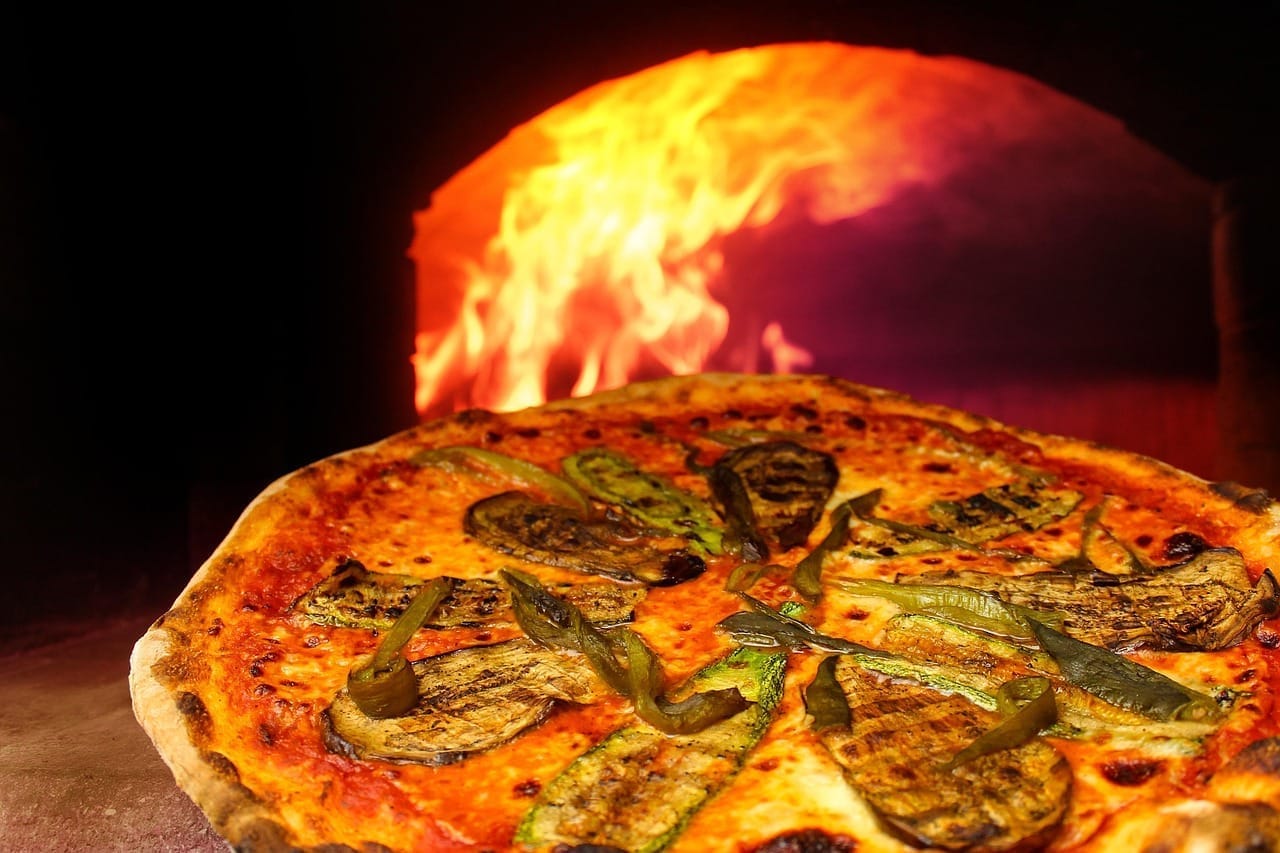
Living the Italian Way
These days, I move through Italian food culture with a comfort that would have been unimaginable when I first arrived. I know which wine to order with which dish. I understand why the restaurant only serves certain things at certain times. I can read a menu and decode what's seasonal, what's traditional, and what's worth ordering.
But more importantly, I've internalized the philosophy behind these rules. I eat seasonally, not because I should, but because I genuinely prefer asparagus in spring and pumpkin in fall. I drink espresso after meals because it helps me digest and gives me energy. I take my time over multi-course dinners because rushing through great food feels like a waste.
People ask me if I miss the freedom of North American food culture, where anything goes. Honestly? No. What I thought was freedom was actually chaos—too many choices, no real guidance, no connection to place or tradition.
Italian food rules give you something better than freedom: they provide you with wisdom. They're the accumulated knowledge of countless cooks, grandmothers, farmers, and eaters who figured out what works, what tastes good, and what makes you feel good. Following these rules isn't about being restricted; it's about being guided toward the best possible experience.
I've learned that when Italians tell you not to put cheese on seafood pasta, they're not being rigid. They're trying to help you taste the dish the way it was meant to be tasted. When they insist on cappuccino only in the morning, they're sharing knowledge about digestion that's been refined over generations.
These rules are love, really. They're Italy's way of sharing its profound understanding of food with anyone willing to listen.
The Gift of Structure
On my last trip back to Canada, I met a friend for coffee at 2 pm. Without thinking, I ordered an espresso. She ordered a caramel macchiato with extra whipped cream.
"Just espresso?" she asked. "Since when are you so austere?"
I tried to explain that it wasn't about austerity—it was about rightness. About understanding that different drinks belong to different moments. That pleasure isn't maximized by piling on everything all the time, but by choosing the right thing for the right moment.
She didn't get it, and that's okay. These lessons can't really be taught in a conversation over coffee. They have to be lived, experienced, felt in your own body as you move through Italian days, seasons, and meals.
But if you're considering making the move to Italy, know this: the food rules that seem arbitrary or restrictive at first will become the framework for some of the best eating experiences of your life. They'll teach you to pay attention, to savor, to trust in traditions that have stood the test of time.
You'll learn that rules in Italian food culture aren't about control—they're about care. Care for ingredients, care for tradition, care for your own well-being, care for the social fabric of shared meals.
And one morning, you'll wake up, make yourself an espresso at 10 am without even thinking about it, and realize you've become Italian in the way that matters most: you've learned to eat like you're meant to live—with pleasure, with intention, with deep respect for the beautiful rituals that make ordinary days extraordinary.
Just remember: no cappuccino after 11 am. Some rules really are sacred.
Ready to embrace Italian food culture yourself? Our Move to Italy Masterclass online course guides you through everything from navigating local markets to understanding regional dining customs, helping you settle into la dolce vita with confidence and cultural awareness.
Ready to make your own move to Italy? Our
online course provides comprehensive guidance on visas, housing, healthcare, schools, and everything else you need to know for a successful family relocation. Learn from those who've done it and avoid costly mistakes.
Written by Michael Greene
Halifax native and retired chef Michael has found home in Bologna. His writing celebrates Italian cuisine and daily pleasures—from market mornings to slow cooking traditions. With sensory detail and heart, he invites readers to savor life through taste and culture.
📍 From Halifax, now in Bologna
Michael’s heartfelt food writing explores markets, cuisine, and life’s flavor in Italy. His sensory stories delight culinary dreamers.
Read Articles by Michael →
Global Citizen Life
© 2023 Global Citizen Life
All rights reserved