
Why I Left Toronto for Plovdiv: A Canadian Teacher's Guide to Retiring in Bulgaria on $2,000 a Month
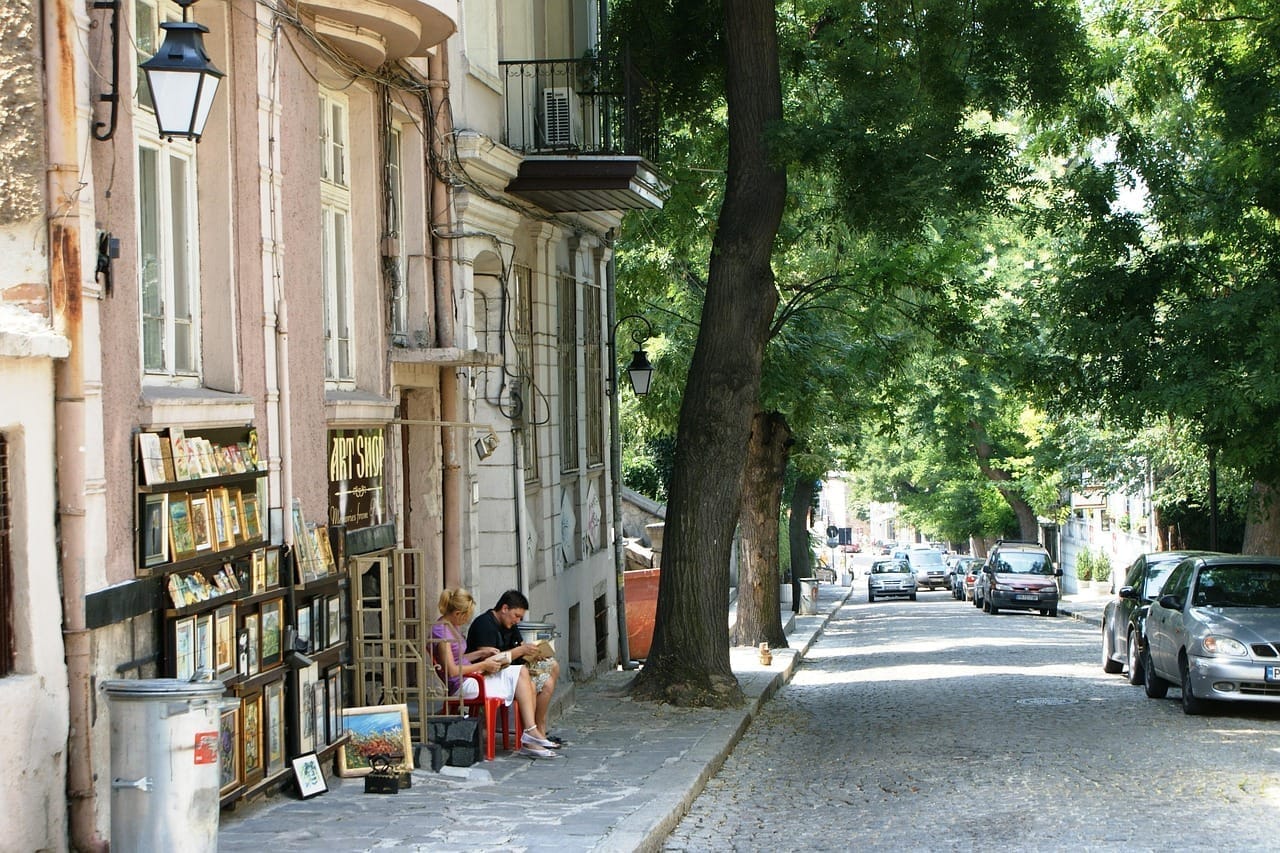
Three years ago, I stood in my Toronto apartment, looking at my latest heating bill—$147 for a single month—and realized something had to change. As a recently retired school teacher with a modest pension, I was watching my savings evaporate while I spent Canadian winters huddled under blankets. I'd spent 30 years teaching history to middle schoolers, and now I wanted to live it, not just read about it from a cold apartment in the suburbs.
That's when I discovered Plovdiv, Bulgaria. Today, I'm writing this from my two-bedroom apartment in the Old Town, where my monthly rent is $520, my heating bill never exceeds $40, and I can walk to a 2,000-year-old Roman amphitheater in five minutes. My total cost of living? Around $2,000 a month, and that includes weekend hiking trips to the Rhodope Mountains and regular dinners out with friends.
If you're a Canadian retiree feeling the financial squeeze back home, or simply dreaming of a more adventurous retirement, let me show you exactly how I made this move and why Bulgaria might be the perfect place for your next chapter.
Why Bulgaria? The Financial Reality Check
Let me be blunt: I couldn't afford the retirement I wanted in Canada. Even after decades of teaching and contributing to my pension, I was looking at a future of careful budgeting, foregone travel, and constant worry about unexpected expenses. The math simply didn't work.
In Toronto, my modest one-bedroom apartment cost $1,800 per month, and that was considered a deal because I'd been there for years. Add in utilities ($200-300 in winter), groceries ($400-500), transportation ($150 for a TTC pass), and basic expenses, and I was spending well over $3,000 monthly before I did anything remotely fun. Travel? A luxury. Dining out? Maybe once a month. Cultural events? I was priced out of the city I'd lived in for decades.
Bulgaria offered a different equation entirely. The country is an EU member with a stable economy, excellent infrastructure in major cities, and a cost of living that's roughly 60-70% lower than in Canada. But it wasn't just about saving money; it was about living better on less.
The $2,000 Monthly Budget Breakdown
Here's exactly what my monthly expenses look like in Plovdiv:
• Rent: $520 (for a spacious 2-bedroom apartment in a desirable neighborhood near the Old Town)
• Utilities: $60-80 (electricity, water, internet, phone—varies by season)
• Groceries: $250-300 (buying fresh produce at local markets, cooking at home most days)
• Dining Out: $150-200 (2-3 restaurant meals per week, including wine)
• Transportation: $30 (monthly public transport pass)
• Health Insurance: $80-100 (private health insurance with good coverage)
• Entertainment & Activities: $100-150 (museums, concerts, gym membership)
• Miscellaneous: $100 (personal care, household items, coffee with friends)
• Travel Fund: $200-300 (weekend trips, hiking excursions, occasional flights within Europe)
Total: Approximately $1,700-$2,000 per month
Compare this to Toronto, where just rent and utilities would have consumed my entire $2,000 budget. In Plovdiv, I'm not just surviving, I'm thriving. I attend classical concerts at the Roman amphitheater, take Bulgarian language classes, hike every weekend, and still have money left over for the occasional flight to Athens or Istanbul.
Why Plovdiv Specifically? A Teacher's Perspective
Bulgaria has several cities that attract expats—Sofia, Varna, Burgas—but I chose Plovdiv for very specific reasons that align with what I valued as a teacher and what I wanted in retirement.
Living History, Not Just Reading About It
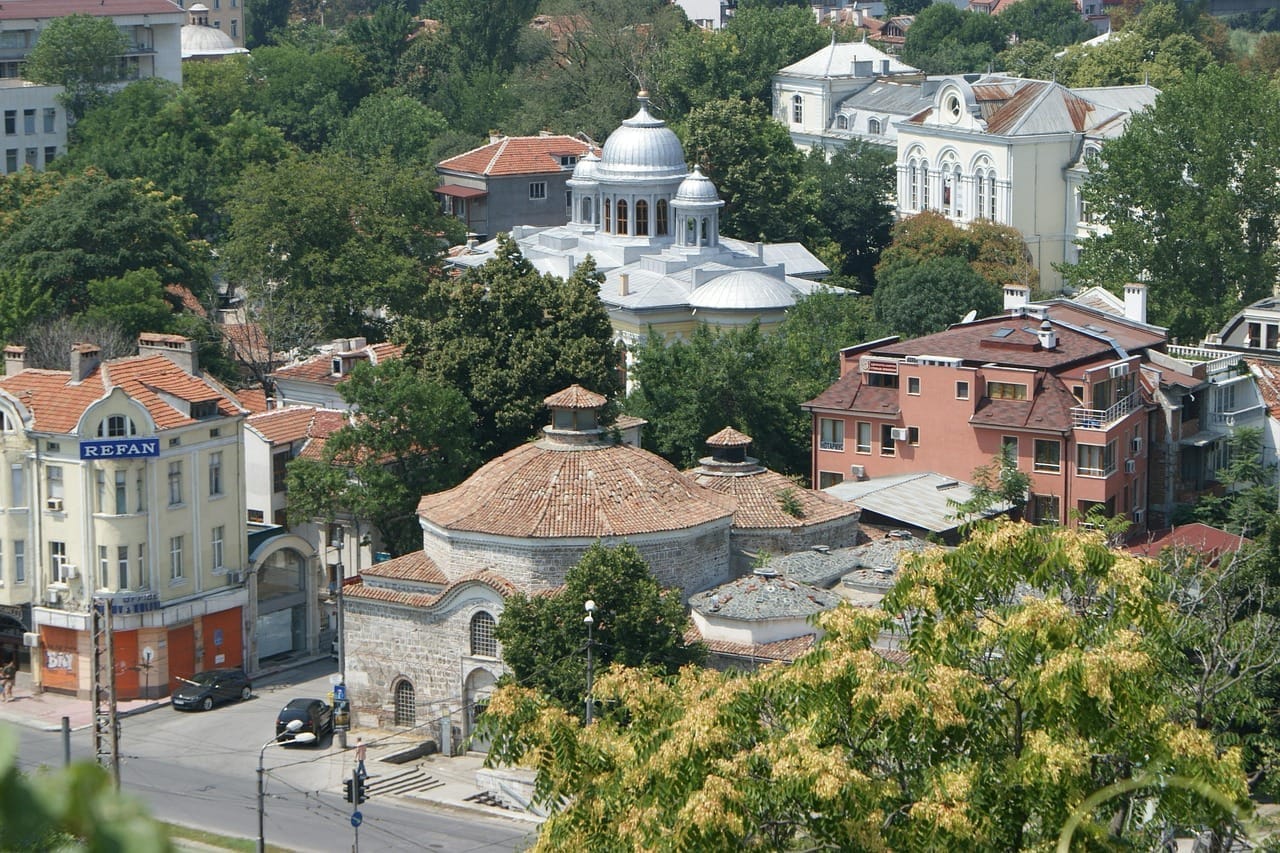
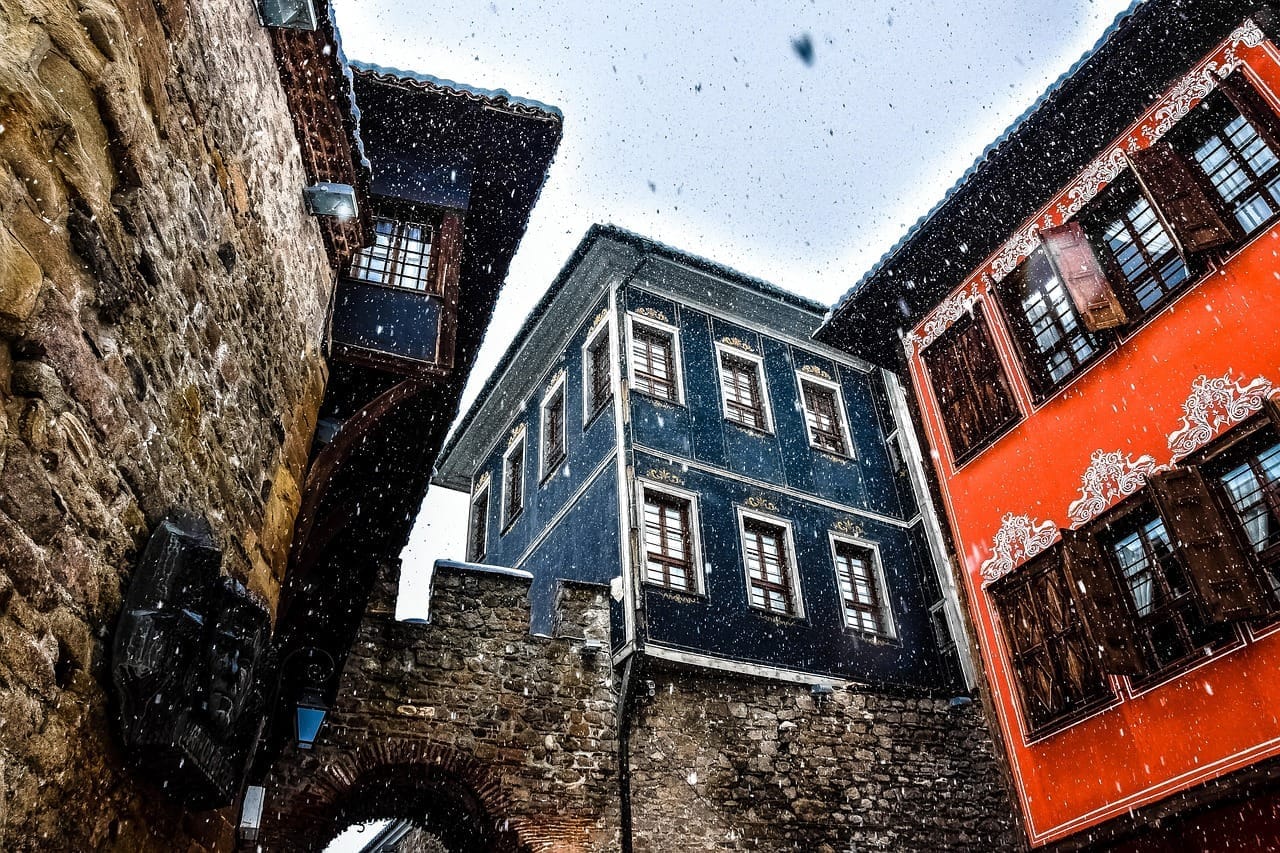
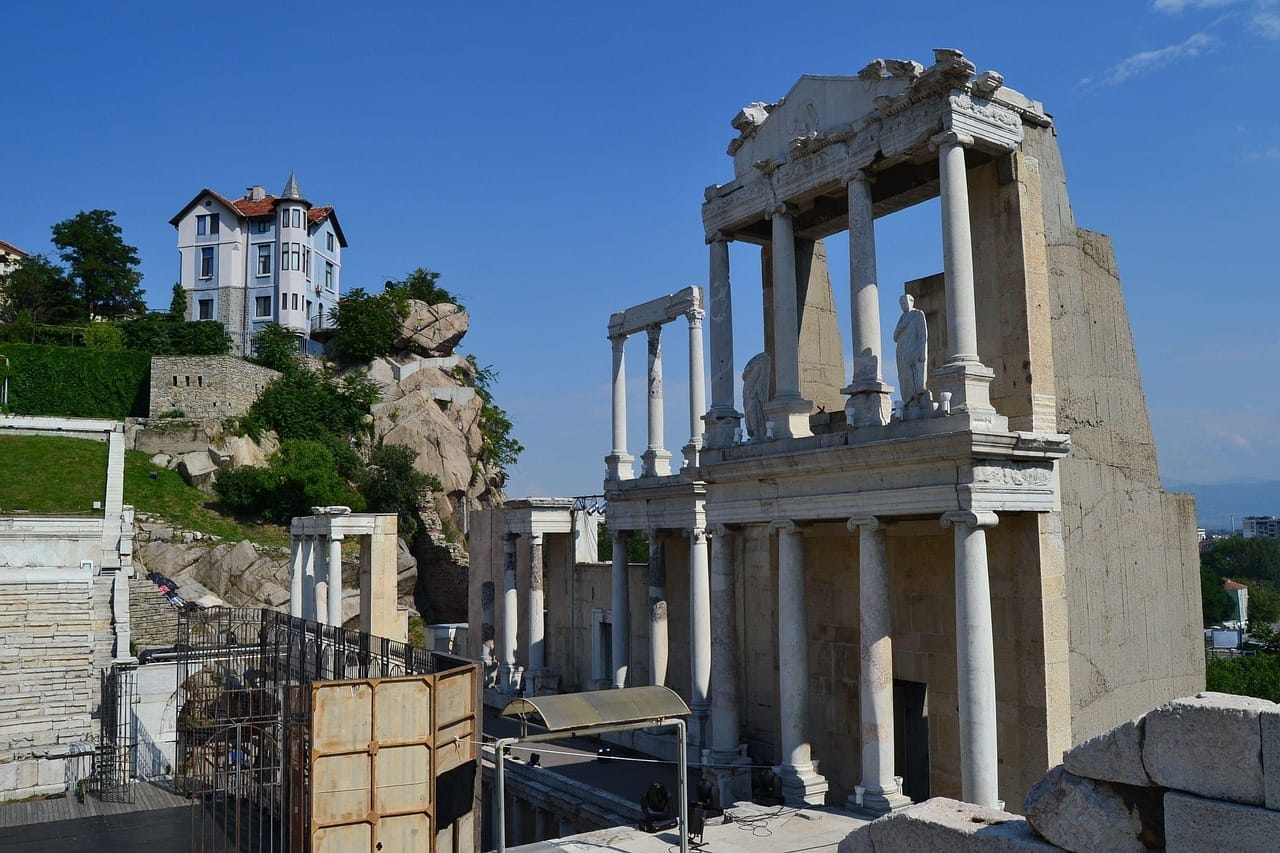
As a history teacher, I'd spent years showing students pictures of ancient civilizations. In Plovdiv, I walk past Roman ruins on my way to buy bread. The city is one of the oldest continuously inhabited cities in Europe, with layers of Thracian, Roman, Byzantine, and Ottoman architecture literally stacked on top of each other. The Old Town is a living museum where I can explore a different historical era each week.
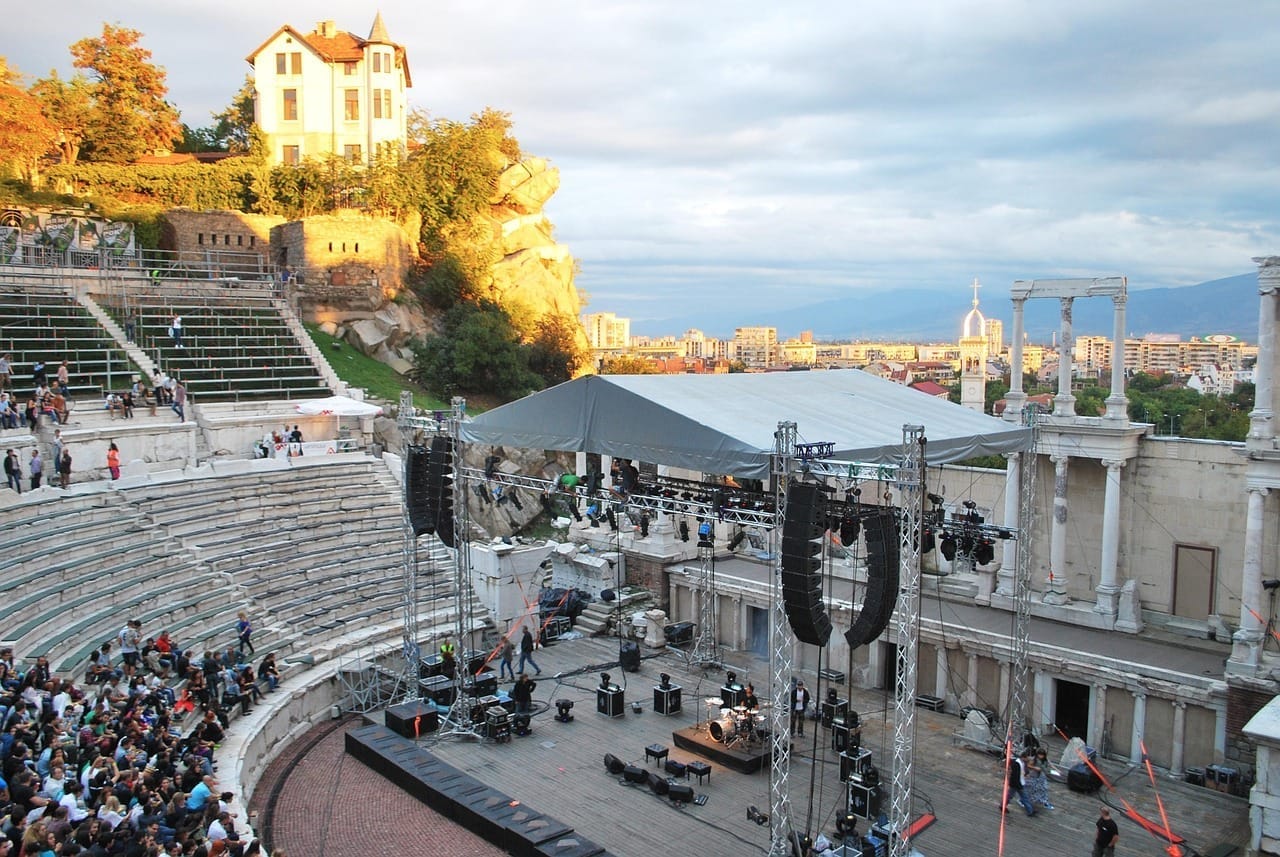
The ancient theater of Philippopolis still hosts concerts and performances. I've watched opera under the stars at a venue that's entertained audiences for nearly 2,000 years. For someone who spent a career trying to make history come alive for students, this is pure magic.
The Perfect Size
Plovdiv has about 350,000 people. It is large enough to have excellent restaurants, cultural venues, universities, and modern amenities, but small enough that you're never more than 20 minutes from nature. I can be hiking in the Rhodope Mountains within 45 minutes, or exploring a quiet village within 30 minutes. After decades in Toronto's sprawl, this balance feels perfect.
The city is also extremely walkable. I sold my car before leaving Canada and haven't needed one since. Everything I need is within walking distance or a short tram ride away. The money I save on car payments, insurance, gas, and parking alone would cover my rent here.
A Growing Expat Community
While Plovdiv isn't overrun with expats like some European destinations, it's home to a growing community of retirees, digital nomads, and international professionals. I've found my people at hiking clubs, language exchange meetups, and volunteer organizations. The mix of locals and internationals creates a welcoming atmosphere without the tourist-trap feeling of some popular expat destinations.
I've also found that Bulgarians are genuinely curious about foreigners who choose to live here long-term, rather than just visit. Once you make an effort to learn some Bulgarian and show a genuine interest in the culture, people are incredibly warm and helpful.
The Practical Side: Visas, Healthcare, and Logistics
The romantic vision of retiring abroad is one thing; the reality of paperwork, healthcare, and logistics is another. Let me walk you through what actually worked for me as a Canadian.
Visa and Residency
As a Canadian, you can enter Bulgaria visa-free for up to 90 days within any 180-day period. This gave me time to explore, find an apartment, and decide if I truly wanted to make the move before committing to residency.
For long-term residency, I applied for a D visa (long-term) based on sufficient financial means. I needed to prove I had enough income or savings to support myself without working in Bulgaria. My teacher's pension, combined with my savings, easily met this requirement. The threshold is quite reasonable, currently around $600-$700 per month, though it can vary.
The application process required patience and persistence. I needed documents translated into Bulgarian by a certified translator, and I spent several days navigating bureaucracy. However, with the help of a local lawyer who specialized in expat residency (cost: $300), the process was manageable. Within three months, I had my one-year residency permit, which I've since renewed annually without issues.
Healthcare: Better and Cheaper
This was my biggest concern before moving. As someone in my 50s, I needed reliable access to healthcare. What I found exceeded my expectations.
Bulgaria has both public and private healthcare systems. As a legal resident, I'm eligible for the public system, but I chose private health insurance for about $100 per month through a local provider. This gives me access to modern private hospitals and clinics with English-speaking doctors, minimal wait times, and excellent care.
To put this in perspective: a doctor's visit costs $20-30 without insurance. Dental work is exceptional and affordable; I recently had a crown done for $300, compared to the $1,200-1,500 I would have paid in Toronto. My annual health check-up, including blood work and scans, cost $150 total.
Many doctors are trained in Western Europe or North America, and medical facilities in Plovdiv are modern and well-equipped. I've had zero issues with healthcare quality, and the affordability means I'm more proactive about preventive care than I ever was in Canada.
Banking and Money
Bulgaria uses the Bulgarian Lev (BGN), which is pegged to the Euro at a fixed rate. The country is expected to adopt the Euro in the coming years, which will make financial planning even easier.
I maintain both my Canadian bank account (for my pension deposits) and a local Bulgarian bank account. Opening a local account was straightforward with my residency permit. I walked into UniCredit Bulbank and, within an hour, had a checking account with a debit card. I transfer money from Canada as needed using Wise (formerly TransferWise), which offers much better exchange rates than traditional banks.
ATMs are everywhere, credit cards are widely accepted in cities (though cash is still king in rural areas), and online banking works perfectly. Everything is electronic or cash.
The Lifestyle: What Daily Life Really Looks Like
Budget breakdowns and visa information are important, but they don't capture what it's actually like to live here. Let me paint you a picture of my typical week.
Weekday Mornings
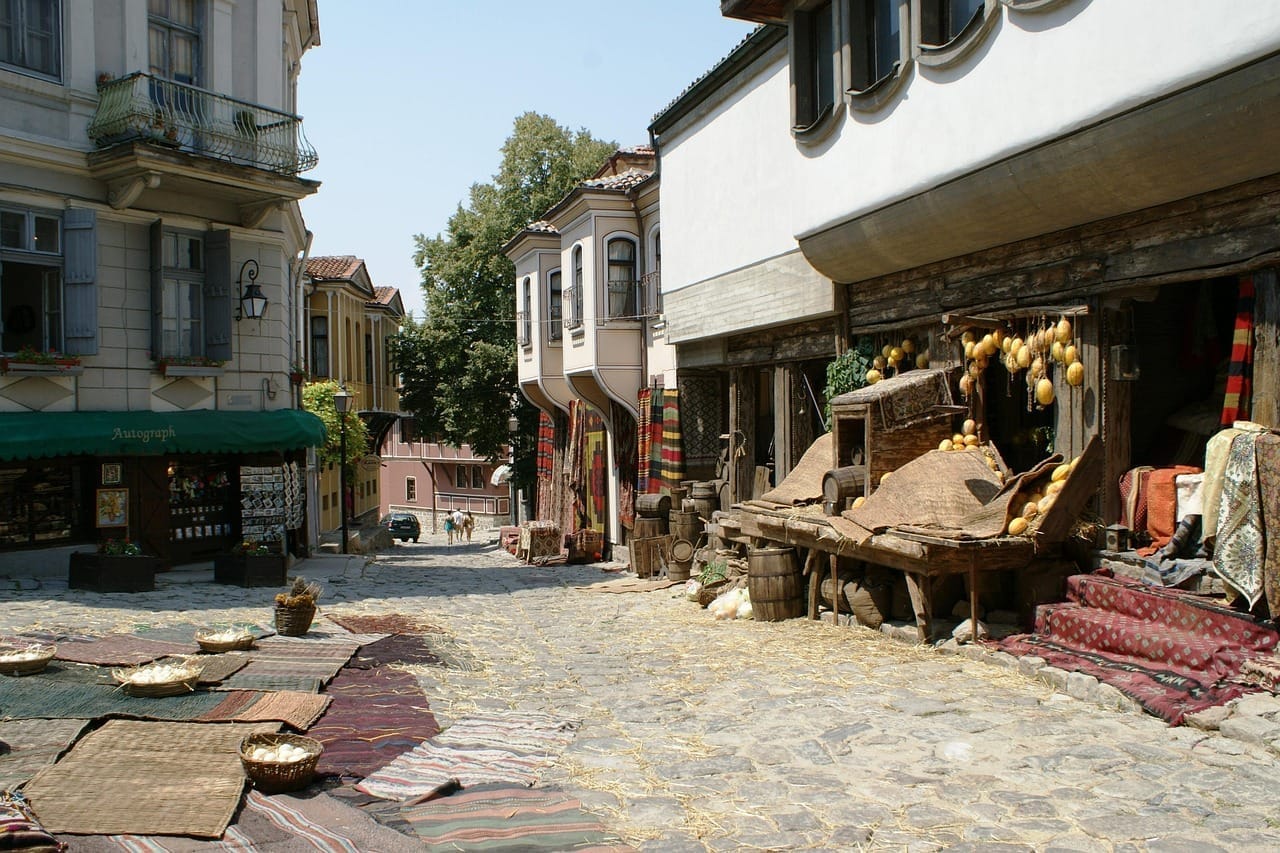
I wake up naturally—no alarm—usually around 7:30 a.m. After coffee on my balcony overlooking the Rhodope Mountains in the distance, I walk to the local market. Fresh tomatoes, cucumbers, peppers, and feta cheese cost about $8 total. The market vendors now know me by name and sometimes slip an extra apple into my bag.
From there, I might stop at a café for a cappuccino ($1.50) and spend an hour reading or chatting with other regulars, a mix of locals and expats. Bulgarian café culture is strong, and people actually talk to each other rather than staying glued to their phones.
Afternoons and Evenings
Three days a week, I attend Bulgarian language classes. After 30 years of teaching English, I'm now the student, and it's humbling and exhilarating. My classmates range from teenagers to retirees, from all over the world. We bond over our collective struggles with Cyrillic and Bulgarian grammar.
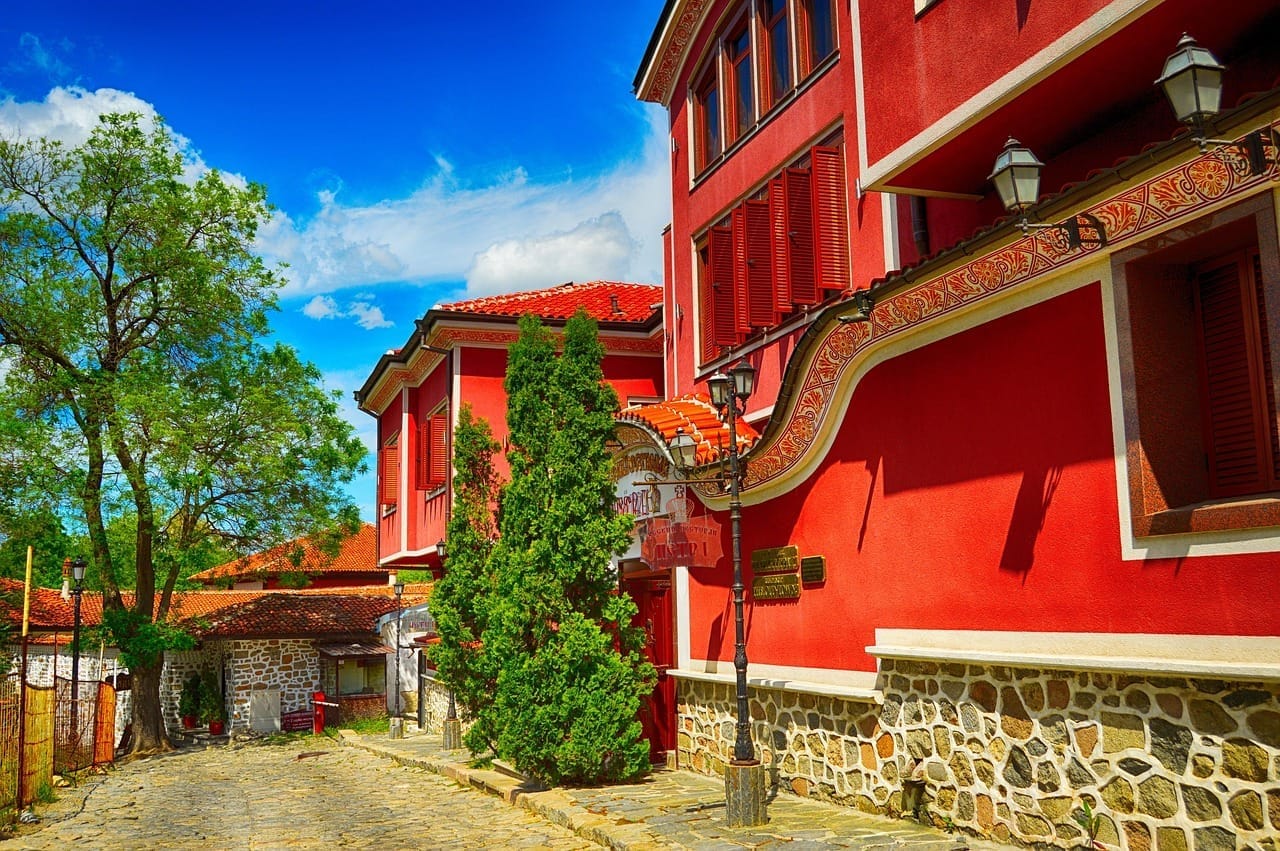
On other afternoons, I explore. Plovdiv's Old Town never gets boring. I've discovered new cobblestone streets, hidden courtyards, and ancient ruins I hadn't noticed before. Museums charge $2-$3 for admission, and many offer free admission on one day per month.
Evenings might mean dinner with friends at a mehana (traditional Bulgarian restaurant), where a complete meal with wine costs $12-15. Or I'll cook at home using ingredients from the market, experimenting with Bulgarian recipes my neighbors have shared. The sense of community here, the way neighbors actually know and help each other, reminds me of the Toronto I remember from decades ago, before everyone became too busy and disconnected.
Weekends: Hiking and History
This is where Plovdiv truly shines for me. Nearly every weekend, I join a hiking group that explores the Rhodope Mountains, the Balkan range, or the Rila Mountains. The trails are well-maintained, the scenery is spectacular, and the mountains are rarely crowded compared to Canadian hiking hotspots.
Some weekends, I take day trips to nearby historical sites. Bachkovo Monastery, Bulgaria's second-largest monastery, is 30 minutes away. The ancient Thracian ruins at Perperikon are about an hour's drive away. I've explored medieval towns, Ottoman bridges, and communist-era monuments. Each trip costs almost nothing, maybe $10 for a bus ticket and $5 for lunch.
The freedom to explore without constantly worrying about costs has changed how I experience life. In Toronto, a weekend getaway meant significant planning and budgeting. Here, I can spontaneously decide to visit the Black Sea coast or spend a weekend in the mountains without financial stress.
The Challenges: Being Honest About Difficulties
I'd be doing you a disservice if I pretended everything was perfect. Moving to Bulgaria at 52 came with real challenges, and you should know about them before making this leap yourself.
The Language Barrier
Bulgarian is a Slavic language using the Cyrillic alphabet. It's not easy for English speakers, especially those of us who are older and whose language-learning skills have gotten rusty. While many younger Bulgarians speak English, especially in cities, you'll encounter situations where language is a barrier: dealing with bureaucracy, seeing doctors outside major hospitals, or shopping in smaller neighborhoods.
I've made progress through consistent classes and practice, but I'm far from fluent after three years. I can handle daily situations, but complex conversations still require patience and sometimes translation apps. This can be frustrating, particularly when you're used to expressing yourself clearly.
My advice: Start learning basic Bulgarian before you arrive, accept that you'll feel like a child sometimes when you can't communicate effectively, and embrace the humility that comes with being a beginner. Locals appreciate the effort you put in, and it opens doors that would otherwise remain closed.
Distance from Family
This is the hardest part. My children are adults with their own lives in Canada, but I'm not there for spontaneous Sunday dinners or last-minute visits with my grandchildren. We video call weekly, and I return to Canada once a year, but it's not the same as being physically present.
Flights from Plovdiv (via Sofia) to Toronto take about 14-16 hours and cost $700-1,200 depending on the season. It's not a trip you make casually. When there's a family emergency or important event, the distance feels enormous.
Before moving, I had serious conversations with my family about what this would mean for our relationships. We've made it work through technology, and they've visited me here, but you need to honestly assess whether you can handle being far from loved ones. For me, the trade-off has been worth it, but this calculation is deeply personal.
Bureaucracy and Cultural Differences
Bulgarian bureaucracy can be Byzantine (pun intended). Government offices have limited hours, documents require apostilles and notarization, and processes that seem simple can take weeks. The legacy of communism means there's still a lot of paperwork and stamp-collecting for even basic administrative tasks.
Customer service also operates differently. The North American expectation that "the customer is always right" doesn't exist here. Store clerks won't necessarily greet you with a smile, and service can feel brusque if you're not used to it. This isn't rudeness, it's just a different cultural norm. Once I adjusted my expectations and learned to appreciate directness over performative friendliness, it bothered me less.
Winter and Air Quality
While Bulgarian winters are milder than Toronto's, Plovdiv still faces air quality issues in winter. Many people still heat with wood, and temperature inversions trap pollution in the valley. On bad days, I stay indoors or limit outdoor activities. The city is working on this issue, but it's a genuine concern if you have respiratory problems.
That said, winters are much shorter and less harsh than what I endured in Canada. Snow is rare in Plovdiv itself, though the mountains get plenty. I can usually walk around comfortably with just a coat, rather than the full winter armor required in Toronto winters.
Is Bulgaria Right for Your Retirement?
After three years of living here, I can tell you that Bulgaria isn't for everyone. But it might be perfect for you if:
• You're tired of spending the majority of your retirement income on basic living expenses
• You want to actually travel and explore rather than just dream about it
• You value history, culture, and outdoor access over familiar conveniences
• You're willing to embrace a slower pace of life and different cultural norms
• You can handle being away from family, or you are prepared to invest in regular visits
• You're comfortable with occasional inconveniences in exchange for significant financial freedom
For me, the decision to move to Plovdiv was life-changing in the best possible way. I'm not wealthy, but I'm living a rich life. I'm learning new things every day, meeting fascinating people from around the world, staying active and healthy, and experiencing a sense of adventure I thought had passed me by.
The $2,000-per-month budget is real. I track every expense, and I'm consistently under budget while living far better than I did on significantly more money in Toronto. But more than the financial savings, it's the quality of life that makes this work. I have time to think, space to breathe, and the freedom to pursue interests that got sidelined during my working years.
Practical Steps to Follow My Path
If you're seriously considering retiring to Bulgaria, here's my recommended approach based on what worked for me:
• Visit first: Spend at least a month exploring different Bulgarian cities. Stay in Plovdiv, Sofia, Varna, and Veliko Tarnovo. See what resonates with you.
• Connect with expats: Join Facebook groups for expats in Bulgaria. Ask questions, attend meetups, and get honest feedback about daily life.
• Test the lifestyle: Rent an apartment for 3-6 months before committing to long-term residency. Live like a local, not a tourist. Shop at markets, use public transport, navigate bureaucracy.
• Get your documents ready: Start gathering birth certificates, pension statements, bank statements, and other documents you'll need for residency applications. Get everything apostilled in Canada before you leave.
• Learn basic Bulgarian: Start with online courses before you arrive. Even knowing the Cyrillic alphabet and basic phrases will make your first months much easier.
• Consider hiring help: A relocation consultant or lawyer who specializes in expat residency can save you months of frustration. The $300-$500 investment is absolutely worth it.
• Plan your finances: Make sure you have at least 6 months of living expenses saved beyond your regular income. Unexpected costs will come up during the transition.
• Keep ties to Canada: Maintain your Canadian bank account and file taxes correctly. Don't burn bridges; you can always change your mind.
Ready to Make Your Move?
Moving abroad is one of the biggest decisions you'll ever make. If you're considering Bulgaria—or anywhere else—for your retirement, our Move Abroad Coaching Program can help you navigate the process with confidence. We'll help you evaluate whether Bulgaria is the right fit, create a realistic budget, and develop a step-by-step plan for your move. Book a call to see if we're a fit to work together and start planning your adventure.
Final Thoughts
Standing in my Plovdiv apartment today, looking at the same mountains I see every morning, I sometimes can't believe this is my life. I'm not special, I'm just a retired teacher who got tired of watching her savings dwindle while missing out on the retirement she'd imagined.
Bulgaria gave me a second chance to design a life I love on a budget I can afford. It won't be right for everyone, but for those willing to embrace change, learn a new culture, and trade familiar comforts for genuine adventure, it might just be perfect.
The best retirement isn't about having the most money; it's about making the money you have work for the life you want. And in Bulgaria, on $2,000 a month, that life is more than possible. It's thriving.
Written By:
Heather McAllister is a Canadian writer and former Toronto school teacher who relocated to Plovdiv, Bulgaria in 2020. At 52, she traded the high cost of living and hectic pace of city life in Canada for a slower, more affordable lifestyle in Bulgaria's cultural heart. When she's not writing about life in the Balkans, Heather can be found exploring Roman ruins, hiking the Rhodope Mountains, or sampling regional wines at local taverns. Her practical insights come from five years of firsthand experience navigating expat life, learning Bulgarian, and building a fulfilling retirement on a teacher's pension.