
Why I Chose Chiang Mai Over Bangkok: A Digital Nomad's Guide to Finding Your Perfect Thai City
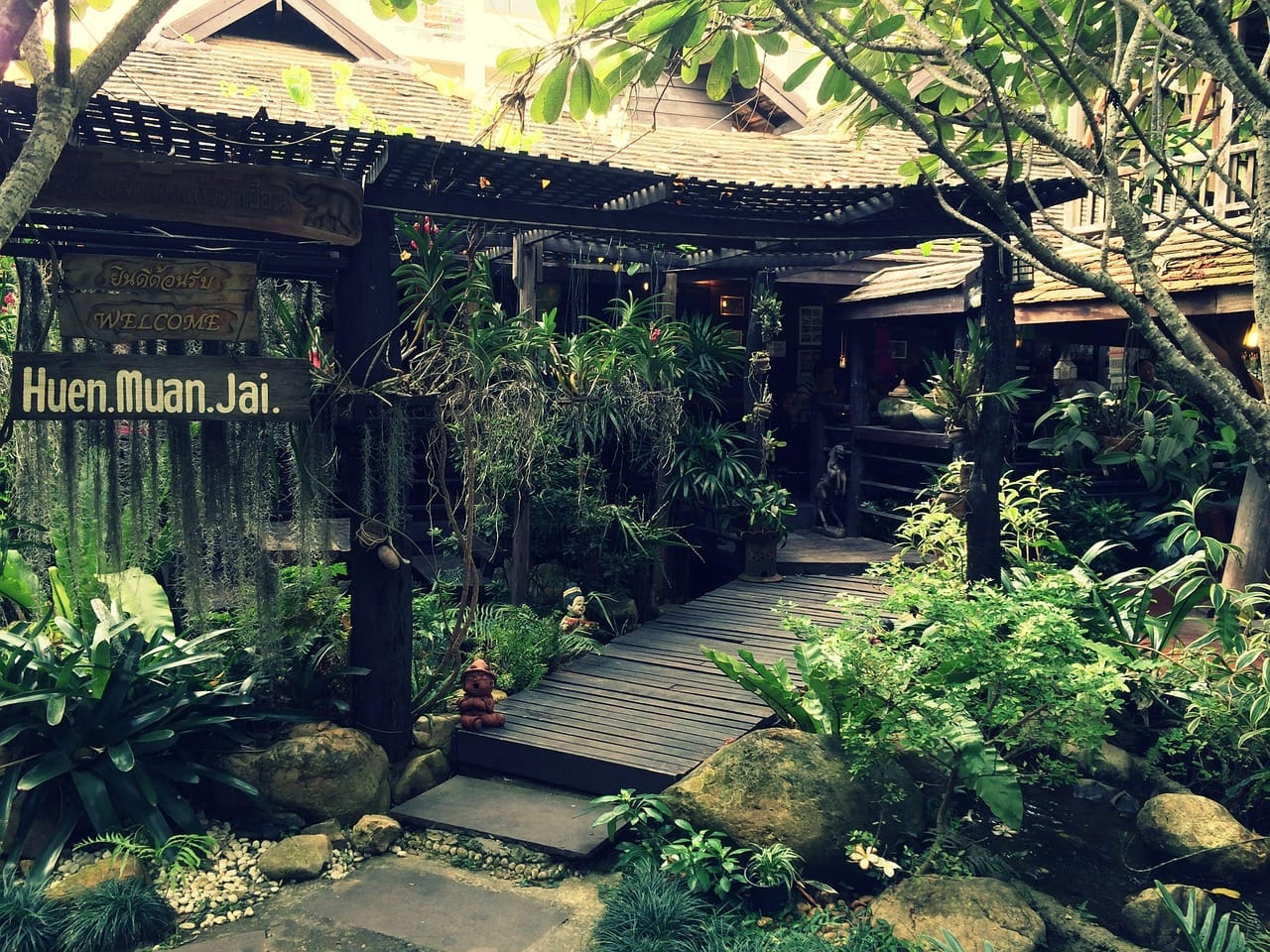
When I first decided to make Thailand my home base, I spent three months bouncing between Bangkok and Chiang Mai, laptop in tow, trying to figure out where I truly belonged. The decision wasn't easy—both cities have their devoted followers, and for good reason. But after countless co-working sessions, weekend market strolls, and late-night journal entries, Chiang Mai won my heart. Here's why this northern gem became my chosen home, and how you can decide which Thai city is right for your digital nomad journey.
The Pace of Life: Breathing Room vs. Constant Buzz
Bangkok's energy is intoxicating. The moment you step out of your apartment, you're swept into a current of humanity: street vendors calling out, BTS trains whooshing overhead, and the perpetual hum of traffic creating a symphony of urban chaos. For some nomads, this is exactly what they crave. The city never sleeps, and neither do the opportunities for networking, entertainment, and spontaneous adventures.
Chiang Mai operates at a different frequency. Mornings here start with the gentle chime of temple bells, not car horns. You can actually hear birds singing in the trees that line the old city moat. When I walk to my favorite coffee shop, I pass the same friendly faces: the woman selling fresh-cut fruit, the monk collecting alms, the elderly couple tending their garden. There's a rhythm here that allows you to breathe, think, and create without feeling like you're missing out on something happening three blocks away.
This slower pace directly impacted my productivity and mental health. In Bangkok, I found myself constantly overstimulated, saying yes to every event and opportunity until I was exhausted. In Chiang Mai, I've learned to be selective, protect my energy, and ultimately focus on building my online business rather than just being busy.
Cost of Living: Stretching Your Digital Nomad Dollar
Let's talk numbers, because they matter when you're funding your own adventure. Bangkok isn't expensive by global standards, but Chiang Mai takes affordability to another level, and I'm not talking about living like a backpacker. I'm talking about genuinely comfortable, even luxurious living at prices that would barely cover rent in most Western cities.
In Bangkok, I was paying around $935 per month for a modern one-bedroom condo in a decent area like Ari or Thonglor. Nothing fancy, just clean and functional. Add in transportation (BTS passes and the occasional Grab), eating out regularly, and co-working space memberships, and my monthly burn rate hovered around $2,200.
Here in Chiang Mai, I have a beautiful two-bedroom apartment with a mountain view, wooden floors, and a balcony where I do yoga every morning for $660 per month. My favorite co-working space, with excellent Wi-Fi and a rooftop garden, costs $110 monthly. I bike everywhere (no transportation costs), eat incredible northern Thai food for $3.30–$5.50 per meal, and still come in under $1,650 per month, including yoga classes, weekend trips, and plenty of massages.
That difference, over $500 per month, isn't pocket change. It's the breathing room to invest in my business, save for travel, or simply work fewer client hours so I can focus on passion projects. When you're building something online, that financial cushion can be the difference between surviving and thriving.
Unlock the secrets of the world's most successful entrepreneurs with the
Global Wealth Navigator Newsletter
Discover the world's best destinations offering a lower cost of living paired with an enriched quality of life with the Global Wealth Navigator Newsletter. Whether you're a retiree or an entrepreneur, we dive into strategies that open doors to international investments, tax optimizations, and discover the finest destinations offering a superior quality of life. Don't let borders or routine define you; lets find your ideal spot in the world, regardless of your income bracket.

Community: Finding Your People
One of my biggest surprises about Chiang Mai was how quickly I found genuine community. In Bangkok, I met plenty of interesting people, but everyone seemed to be passing through, rushing to the next thing. Friendships felt surface-level, built around attending the same networking event rather than shared values or a real connection.
Chiang Mai's digital nomad community is both large enough to be vibrant and small enough to feel like a village. Within my first month, I'd found my crew: other wellness-focused entrepreneurs, creatives who actually wanted to talk about books and ideas rather than just Instagram growth hacks, and people committed to staying put for at least a season rather than hopping to the next destination after two weeks.
The co-working spaces here foster real collaboration. At Punspace, my regular spot, I've formed mastermind groups, found accountability partners, and even collaborated on projects with fellow nomads. There's a Facebook group called 'Chiang Mai Digital Nomads' with over 50,000 members where people ask for everything from tech support to hiking buddies, and actually get helpful responses.
Bangkok has networking events and meetups, sure, but they often feel transactional. Chiang Mai's community has depth. People here are building lives, not just collecting passport stamps.
Weather and Air Quality: The Elephant in the Room
I need to be honest about Chiang Mai's biggest downside: the burning season. From roughly February to April, farmers in northern Thailand and neighboring Myanmar burn crop fields, creating a thick haze that blankets the region. During these months, the air quality can be genuinely terrible, hazardous enough that I wear a mask outdoors and run air purifiers in my apartment 24/7.
Many digital nomads, myself included, leave Chiang Mai during the burning season. I spend those months island-hopping in southern Thailand or exploring neighboring countries. It's not ideal, but it's manageable, and the other nine months of the year more than make up for it.
Bangkok's weather has its own challenges. It's hot year-round, we're talking 30–35°C (86–95°F) with intense humidity that makes you sweat just walking to the corner store. But the air quality is generally better, and you don't have the extreme seasonal variation that Chiang Mai experiences.
For me, Chiang Mai's cool season (November to February) is pure magic. Temperatures drop to 15–25°C (59–77°F), the air is crisp, and you can actually wear layers. Those months alone are worth the sacrifice of the burning season, especially when Bangkok feels like a sauna all year.

Work-Life Balance: Actually Achieving It
This is where Chiang Mai truly shines. In Bangkok, the lines between work and life are constantly blurred. Every coffee meeting could turn into a networking opportunity, every dinner invitation felt vaguely like I should be promoting my business, and the sheer number of events and options created decision fatigue, leaving me exhausted.
Chiang Mai's smaller scale and slower pace make it easier to establish boundaries. I work focused mornings at my co-working space, then actually disconnect in the afternoons. I hike Doi Suthep mountain. I take pottery classes. I spend hours at vegan cafes reading books that have nothing to do with business. I practice yoga without feeling guilty about missing some crucial networking event.
The city's layout supports this lifestyle. Everything is accessible by bike within 20 minutes, so I'm not spending 2 hours a day in traffic as I did in Bangkok. There's abundant nature right on the doorstep: waterfalls, rice paddies, and mountain trails that make weekend adventures easy without elaborate planning.
Bangkok offers more: more restaurants, more shows, more everything. But Chiang Mai offers enough, and enough has become my sweet spot. I've learned that having 50 incredible coffee shops instead of 500 actually makes me happier because I can become a regular somewhere rather than always chasing the next new spot.
Cultural Immersion: Depth vs. Cosmopolitanism
Bangkok is undeniably cosmopolitan. You can find authentic cuisine from virtually any country, attend international film festivals, and exist in an English-speaking bubble if you choose. It's a global city that happens to be in Thailand.
Chiang Mai feels fundamentally Thai. Yes, it has a large expat community and Western amenities, but you can't escape the cultural context. Temples are everywhere, over 300 within the old city alone. Buddhist festivals aren't tourist attractions here; they're living traditions that shut down the entire city. I've been invited to family ceremonies, learned to cook northern Thai dishes from local grandmothers, and picked up conversational Thai simply because fewer people here speak fluent English.
This deeper cultural immersion has enriched my life in unexpected ways. Understanding the rhythm of Buddhist holy days, participating in alms-giving, and learning about the region's unique Lanna heritage. These experiences have given me a sense of rootedness that I never achieved in Bangkok, despite having lived there longer.
If you want to experience Thai culture rather than just exist in Thailand with Western comforts, Chiang Mai provides that opportunity more naturally.

Infrastructure: Practical Considerations
Let's get practical. Bangkok wins on infrastructure, no contest. The BTS and MRT make getting around efficient (when they're not packed during rush hour). You have access to world-class hospitals, international schools, massive shopping malls, and every service you could possibly need. Same-day delivery from virtually any store. The international airport has connections to everywhere.
Chiang Mai's infrastructure is more limited but sufficient for most digital nomad needs. The airport is small but well-connected to major Asian hubs. Healthcare is excellent. I use Chiang Mai Ram Hospital, which has English-speaking doctors and costs a fraction of US prices. Co-working spaces have reliable gigabit internet. The city is easily walkable or bikeable, which I actually prefer to being dependent on public transport.
What Chiang Mai lacks in big-city infrastructure, it compensates for with accessibility and convenience. Need to see a doctor? You'll get an appointment the same day. Want to talk to your landlord about something? They live in the building and speak enough English to communicate. Everything operates on a more human scale.
If you need to travel internationally frequently, Bangkok's Suvarnabhumi Airport and better flight connections might tip the scales. For me, flying out of Chiang Mai for my quarterly trips abroad works fine, and I prefer living here between trips rather than being based in Bangkok just for slightly easier travel logistics.
Making Your Decision: Questions to Ask Yourself
After three years living in Chiang Mai and frequent visits back to Bangkok, I've developed a framework to help other nomads decide between the two cities. Here are the questions that matter most:
Do you thrive on constant stimulation or need quiet to do your best work? If you're someone who gets creative energy from crowds, noise, and endless options, Bangkok might be your place. If you do deep work that requires focus and mental space, Chiang Mai's calmer environment will better serve you.
How important is your monthly budget? Both cities are affordable compared to Western standards, but the $500–700 monthly difference between them is significant. That money can fund your business growth, allow you to work less, or simply give you financial security that reduces stress.
Are you building a lifestyle or collecting experiences? If you want to be somewhere for two months, go to every restaurant, attend every event, and move on, Bangkok's sheer variety will keep you entertained. If you want to build a sustainable life with routines, deeper friendships, and a sense of home, Chiang Mai's community-oriented vibe supports that better.
How sensitive are you to environmental factors? If air quality and weather are non-negotiable for your health and happiness, Bangkok's year-round consistency might matter more than Chiang Mai's dramatic seasonal variations. Conversely, if you love distinct seasons and cooler weather, Chiang Mai's cool season is unbeatable.
Do you need to be near a major international hub? If your work requires frequent international travel, multiple weekly flights, or easy access to regional business centers, Bangkok's connectivity is superior. If you travel quarterly and can plan ahead, Chiang Mai works fine.

The Third Option: Why Not Both?
Here's my actual lifestyle: I'm based in Chiang Mai for 9 months of the year, but I escape to Bangkok or the islands during the burning season. This gives me the best of both worlds: Chiang Mai's community, affordability, and work-life balance for most of the year, with Bangkok's energy and better air quality when I need a change.
Many digital nomads I know follow similar patterns. They base themselves in Chiang Mai during the cool season, spend the burning season exploring Southeast Asia, and pop down to Bangkok for a month here and there when they want urban intensity. Thailand's domestic travel is cheap and easy enough that you don't have to choose permanently.
This flexibility is one of the greatest perks of the digital nomad lifestyle. You're not locked into a year-long lease or committed to one place forever. Try each city for at least a month. Pay attention to how you feel when you wake up, how productive you are during work hours, and whether you're excited or exhausted by your daily environment.
Taking the Leap: How to Get Started
If you're seriously considering making Thailand your base, start with proper preparation. Choosing between cities is important, but so is understanding visa requirements, healthcare options, tax implications, and the practical logistics of building a life abroad.
This is exactly where Global Citizen Life's Moving Abroad Programs can help. Whether you need a one-time strategy call to map out your specific situation or prefer ongoing support through private coaching and consulting, having expert guidance makes the transition smoother and helps you avoid costly mistakes.
I wish I'd had this kind of structured support when I was figuring things out through trial and error. Learning about long-term visa strategies, understanding how to legally run your business while living abroad, and knowing which neighborhoods suit your lifestyle can save months of frustration and expensive missteps.
You can explore their programs and find the level of support that works for you at https://www.globalcitizenlife.org/programs.
Final Thoughts: Trust Your Instincts
I chose Chiang Mai over Bangkok because it aligned with who I am and how I want to live. I value deep work over constant networking. I prefer community over anonymity. I'd rather have a balcony overlooking mountains than be in the middle of the action. I'm willing to deal with the burning season for nine months of affordable paradise.
Your priorities might be completely different. There's no objective 'better' city, only the better city for you, right now, given your goals and preferences.
What I've learned through this journey is that choosing where to live as a digital nomad is as much about self-awareness as it is about city comparison. The process of deciding whether Bangkok's intensity or Chiang Mai's serenity suits you better is actually about deciding what kind of life you want to build.
And here's the beautiful truth: you can experiment. You can try one, then the other, then circle back. You can spend different seasons in different places. You can change your mind as your needs evolve. The beauty of this lifestyle is that your home base doesn't have to be permanent until you find the place that makes you want to stay.
For me, that place is Chiang Mai. The city that taught me to slow down, go deep, and build a life rather than just collecting experiences. Come visit, spend a few weeks, and see if it calls to you, too.
Written by Rachel Greene
Rachel is a wellness influencer and online business owner from the USA, currently living in Chiang Mai, Thailand. After years of chasing the conventional American dream, she traded her 9-to-5 for a life of location independence and personal growth. Through her writing, Rachel shares authentic insights about digital nomad life, soft adventure travel, and building a meaningful life abroad. Her mission is to inspire others to take the leap and create their own version of freedom in Southeast Asia.
Read all our articles about Thailand here.
Global Citizen Life
© 2023 Global Citizen Life
All rights reserved