
Why I Chose Cebu Over Manila for My Philippine Retirement (And You Should Too)
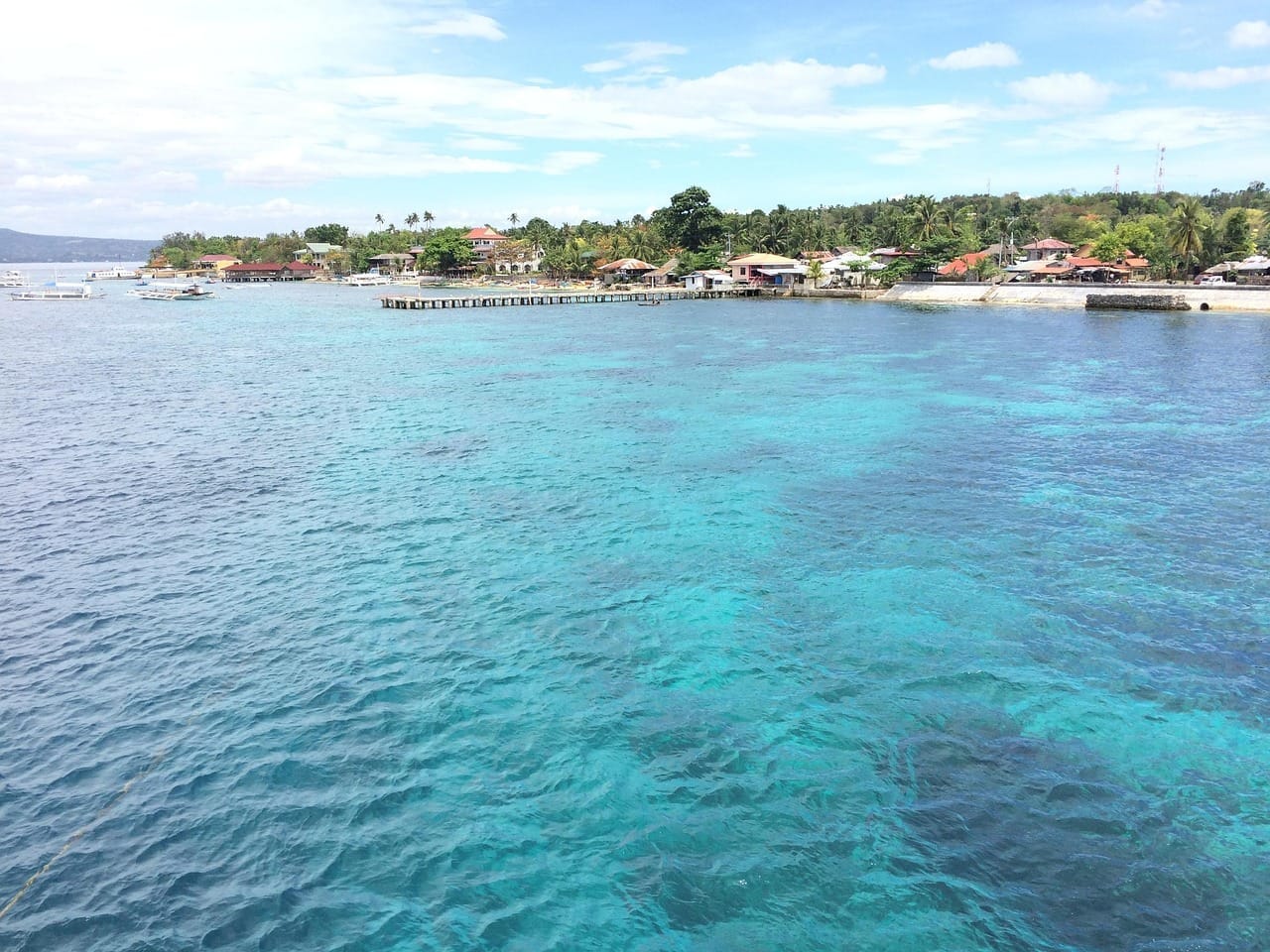
When I began researching my Philippine retirement three years ago, everyone assumed I'd end up in Manila. It's the capital, after all, the hub of everything important in the country. But after several exploratory visits and countless hours of research, I made what some considered an unconventional choice: Cebu City. Now, having lived here for over two years, I can confidently say it was one of the best decisions I've ever made.
As a 54-year-old former engineer from the UK, I had specific requirements for my retirement destination. I needed excellent healthcare, a reasonable cost of living (though not necessarily rock-bottom prices), reliable infrastructure, and a quality of life that would make my retirement years truly enjoyable. Cebu delivered on all counts in ways Manila simply couldn't match.
The Quality of Life Difference
Let me be blunt: Manila's traffic is legendary for all the wrong reasons. During my reconnaissance trips, I spent hours crawling through EDSA traffic, watching my taxi meter tick upward as I moved mere kilometers. In Cebu, while traffic can be heavy, particularly during rush hour, it's manageable. What takes three hours in Manila takes perhaps 45 minutes here, even on the worst days.
This matters more than you might think when you're retired. Medical appointments, social gatherings, grocery shopping, all the daily activities that comprise life, become exhausting ordeals in Manila. In Cebu, I can maintain an active social calendar without the stress of planning my entire day around traffic patterns.
The difference in air quality is equally significant. Manila's pollution levels frequently exceed safe limits, particularly during the dry season. Cebu's coastal location and better urban planning result in noticeably cleaner air. As someone who spent decades in engineering, I appreciate having access to real-time air quality data, and the numbers consistently favor Cebu.
Healthcare: World-Class Without the Capital Premium
Healthcare was non-negotiable for me. At 54, I'm not elderly, but I'm realistic about the need for quality medical care as I age. Cebu's medical facilities rival and in some cases surpass what Manila offers, without the premium prices.
Cebu Doctors' University Hospital, my primary facility, offers internationally accredited care with specialists trained in the US, UK, and Australia. The consultation fees average $55-65 USD, compared to $88-110 USD I'd pay at comparable Manila hospitals. More importantly, I can get same-week appointments with specialists. Try doing that at Manila's top hospitals without paying premium rates.
Chong Hua Hospital and Vicente Sotto Memorial Medical Center provide additional options, ensuring I'm never without quality care. The medical tourism infrastructure here means hospitals are equipped for international standards of service, with English-speaking staff throughout.
For routine care, my monthly health insurance premium runs about $220 USD, roughly 15% less than equivalent coverage would cost in Manila, despite offering the same level of service. The private clinics scattered throughout Cebu's better neighborhoods offer preventive care and routine checkups at remarkably reasonable rates.
Unlock the secrets of the world's most successful entrepreneurs with the
Global Wealth Navigator Newsletter
Discover the world's best destinations offering a lower cost of living paired with an enriched quality of life with the Global Wealth Navigator Newsletter. Whether you're a retiree or an entrepreneur, we dive into strategies that open doors to international investments, tax optimizations, and discover the finest destinations offering a superior quality of life. Don't let borders or routine define you; lets find your ideal spot in the world, regardless of your income bracket.

Cost of Living: Comfortable, Not Cheap
I need to address a common misconception: Cebu isn't dramatically cheaper than Manila if you're maintaining a Western standard of living. What it offers is better value; more quality for your money.
My two-bedroom condominium in a good part of Cebu City costs $935 USD monthly, including building fees and utilities. A comparable unit in Manila's Makati or BGC would cost $1,320- $ 1,650 USD. Both locations offer modern amenities, security, and professional management, but I'm saving $4,620- $ 8,580 USD annually on housing alone.
Dining out follows similar patterns. A nice dinner at a quality restaurant costs $33-44 USD per person in Cebu, versus $44-55 USD in Manila's upscale areas. I'm not eating street food, I'm enjoying proper restaurants with good service, Western menu options when I want them, and wine lists that don't make me wince.
My monthly grocery budget runs about $550 USD, and I shop at Ayala Center Cebu's premium supermarkets, where I can find imported goods when needed. The same shopping list in Manila would cost perhaps $660 USD. These aren't massive savings, but they add up to roughly $1,320 USD annually, enough for several domestic trips or international visits home.
Transportation costs reveal more substantial differences. I don't own a car—don't need one in Cebu. My monthly Grab expenses run about $165 USD, getting me everywhere I need to go comfortably. In Manila, that same budget would barely cover my commute to regular activities, forcing me to either increase spending or deal with public transportation that isn't designed for expat convenience.
Climate and Lifestyle: The Island Advantage
Manila sits in a bowl, trapping heat and humidity. Cebu's coastal geography provides natural ventilation, making the tropical climate more bearable. Yes, it's still hot. Temperatures hover around 27-32°C (81-90°F) year-round, but the constant sea breeze makes a genuine difference to comfort levels.
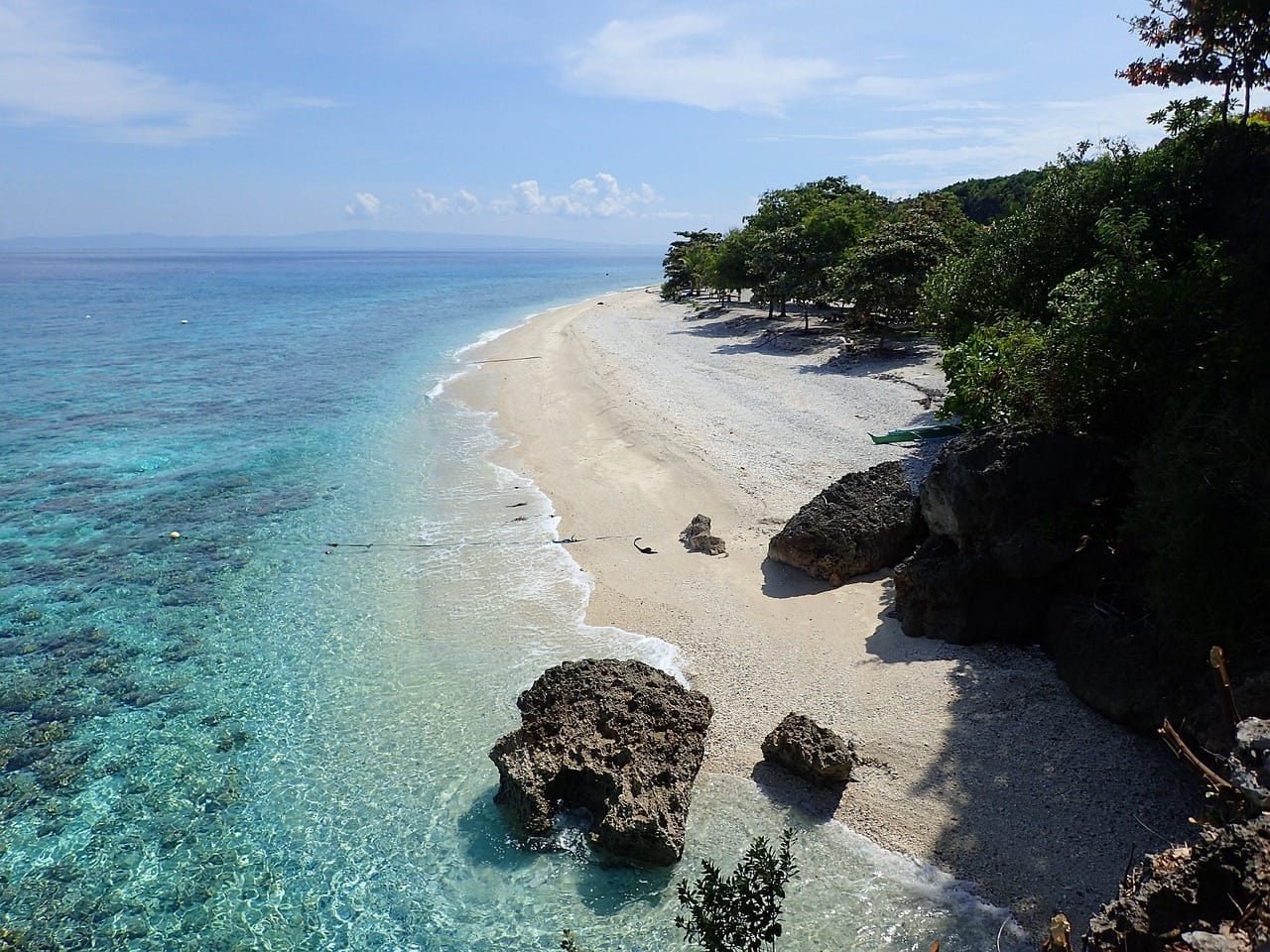
More importantly, weekend escapes are effortless here. I'm 30 minutes from stunning beaches in Mactan, two hours from world-class diving in Moalboal, and three hours from the extraordinary Chocolate Hills of Bohol. Manila requires long flights or brutal bus journeys to access similar attractions.
This accessibility transforms retirement life. Instead of being confined to the city or making major expeditions to access nature, I can maintain an active outdoor lifestyle. I dive monthly, hike regularly in nearby mountains, and explore islands that would require significant planning from Manila.
The Expat Community: Size vs. Integration
Manila has the larger expat population, which some view as an advantage. I see it differently. Cebu's expat community is substantial enough to provide support and social opportunities. I've joined several clubs and regularly meet fellow retirees, but it's small enough that you become part of the local fabric rather than living in an expat bubble.
The integration matters for quality of life. In Manila's expat enclaves, you can live entirely disconnected from Philippine culture, which defeats part of the purpose of international retirement. In Cebu, I've developed genuine friendships with Filipino neighbors, learned about local traditions, and feel connected to my adopted home in ways that would be harder in Manila's more segregated environment.
The expat organizations here are well-established: the Cebu Provincial Retirees Association, various national groups (British, American, Australian clubs), and special interest societies for everything from diving to photography. You'll find community without feeling isolated in a foreign enclave.
Infrastructure and Modern Amenities
Cebu is the Philippines' second city, not a provincial backwater. The infrastructure reflects this status. Mactan-Cebu International Airport offers direct flights to Singapore, Hong Kong, Tokyo, Seoul, and several Middle Eastern hubs, as well as domestic connections throughout the archipelago. I can reach London with one connection, usually through Hong Kong or Dubai.
Shopping options match Western expectations. Ayala Center Cebu and SM City Cebu provide everything from international brands to specialty items. The IT Park area offers coworking spaces, modern cafes with reliable internet, and Western chain restaurants when you're craving familiar food.
Internet connectivity, crucial for staying connected with family and managing affairs back home, is excellent in Cebu's developed areas. I maintain a fiber connection that costs $44 USD per month for 100 Mbps, which is sufficient for video calls, streaming, and my occasional consulting work.
Banking is straightforward with major Philippine banks maintaining full-service branches. International money transfers through services like Wise clear quickly, and ATMs are ubiquitous in developed areas. The banking infrastructure is identical to Manila's; you're not sacrificing convenience.
Climate Considerations: Typhoons and Weather
I need to address the elephant in the room: typhoons. Yes, Cebu lies in the typhoon belt, and yes, we experience storms. However, the island's central location in the archipelago means major typhoons typically track north or south of us. In two years, I've experienced one significant storm requiring preparation and hunkering down. Manila faces similar, if not more frequent, weather disruptions.
The rainy season runs from June through November, but unlike Manila's monsoon-driven deluges, Cebu's rain tends toward afternoon thunderstorms rather than day-long downpours. You learn to plan outdoor activities for mornings and adapt your schedule accordingly.
Modern buildings here are constructed to typhoon-resistant standards. My condominium has weathered storms without incident, and the management company's preparedness protocols inspire confidence. This isn't something to dismiss, but neither is it the deciding factor many fear.
Real Estate and Long-Term Investment
While foreigners can't own land in the Philippines, condominium ownership is straightforward and secure. I initially chose to rent, which I recommend for any new arrival, but you can purchase once you're certain of your location.
Cebu's property market offers better value than Manila's, particularly in up-and-coming areas near IT Park or the South Road Properties development. A quality two-bedroom condominium in a good location costs $165,000-220,000 USD, compared to $275,000-385,000 USD for comparable Manila properties in Makati or BGC.
The rental market is robust, providing exit options if circumstances change. International demand for quality accommodation remains strong, supported by the growing business process outsourcing sector and continued tourism development.
Language and Cultural Adaptation
English proficiency in Cebu is exceptional, even by Philippine standards. Business, healthcare, government services, and everything I need to navigate daily life operate comfortably in English. This isn't Manila's advantage; it's a national characteristic that Cebu shares equally.
The local Cebuano language (distinct from Manila's Tagalog) adds character to the experience. I've learned basic phrases more from courtesy than necessity, but the effort is appreciated by locals and enhances community integration.
Cebuanos' reputation for warmth and hospitality isn't marketing hype; it's genuine. The culture here feels less rushed than Manila, more focused on relationships and community. This aligns better with retirement values than the capital's business-first mentality.
Visa and Residency Considerations
The Special Resident Retiree's Visa (SRRV) process is identical regardless of where you live in the Philippines, but Cebu offers a practical advantage: the main Philippine Retirement Authority office has a satellite location here. I handled my entire application process locally, avoiding trips to Manila.
The SRRV requirements remain unchanged by location: a $50,000 USD deposit (returnable if you cancel residency) or a $10,000 USD deposit plus pension income of $1,500 USD monthly for those 50+. Both options provide legitimate retirement residency, multiple-entry privileges, and simplified processes for long-term living in the Philippines.
The Challenges: Being Honest About Cebu
Cebu isn't perfect, and I'd be dishonest not to mention its challenges. The city faces infrastructure strain from rapid development, and roads are often under construction, causing temporary inconveniences. Water pressure in older buildings can be inconsistent during peak hours.
The public transportation system, while adequate, isn't as developed as Manila's.
Cultural events and international performances are less frequent than in Manila. If you're passionate about theater, major concerts, or international exhibitions, you'll miss some of what the capital offers. However, the accessibility of Manila via a one-hour flight means you can catch major events when they warrant the trip.
Some specialty medical procedures may require Manila referrals, though this is increasingly rare as Cebu's hospitals expand their capabilities. For truly complex cases, international medical tourism to Singapore or Bangkok might be necessary, but this applies equally to Manila residents.
Making the Decision: Is Cebu Right for You?
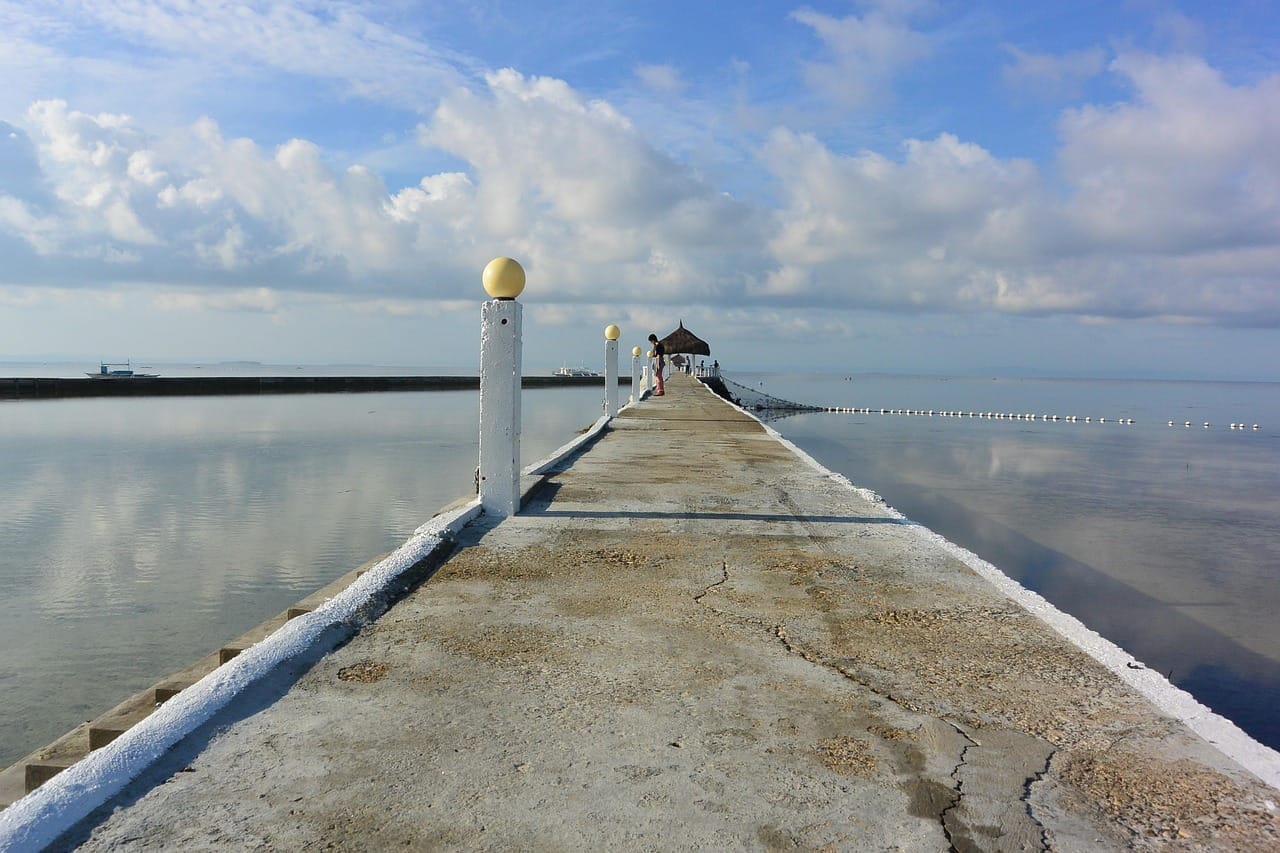
Cebu suits retirees who value quality of life over metropolitan excitement, who appreciate access to nature without sacrificing modern amenities, and who seek integration with local culture rather than expat isolation. If your retirement vision includes easy beach access, manageable traffic, excellent healthcare at reasonable prices, and a genuine sense of community, Cebu delivers.
Manila makes sense if you need to be at the center of Philippine business and diplomatic life, if you require the absolute largest selection of international services, or if you prefer the anonymity and options that come with a megacity. For retirement purposes, however, these advantages rarely outweigh Cebu's quality-of-life benefits.
My recommendation: visit both extensively before deciding. Spend at least four weeks in each location, experience daily life rather than tourist attractions, and honestly assess which feels more like home. For me, Cebu's combination of modern infrastructure, accessible nature, manageable scale, and genuine community made the choice clear.
Planning Your Philippine Retirement Journey
Whether you choose Cebu, Manila, or another Philippine destination, proper planning makes the difference between a successful retirement abroad and a frustrating experience. The complexity of international retirement, from visa processes to healthcare arrangements, financial planning to cultural adaptation, demands more than internet research.
Global Citizen Life offers comprehensive support through three specialized programs designed for prospective retirees. Our one-time strategy calls provide personalized guidance on your specific situation and concerns. The six country-specific Moving Abroad Masterclasses provide detailed, actionable information on moving to popular destinations. For those seeking ongoing support, our private coaching and consulting services guide you through every step of the transition process.
These programs draw on real-world experience from people who've successfully made the transition, addressing the practical challenges that don't appear in official guides but determine whether your retirement abroad succeeds. Learn more about our Moving Abroad Programs at https://www.globalcitizenlife.org/programs.
Final Thoughts
Two years into my Cebu retirement, I have no regrets about choosing this city over Manila. The quality of life, healthcare access, reasonable costs, and genuine community have exceeded my expectations. The warm weather I sought is here year-round, complemented by the friendly culture that makes daily life pleasant.
Could I have been happy in Manila? Possibly. But happiness and optimality are different standards. Cebu offers not just a place to retire, but a place to thrive. A place to maintain an active lifestyle, pursue interests old and new, and build a genuine life rather than simply running out the clock in comfortable exile.
If you're considering Philippine retirement and haven't seriously evaluated Cebu, you may be missing the location that best matches your retirement vision. Don't let Manila's status as the capital blind you to alternatives that might serve you better. Visit, experience, and decide based on what matters for your daily life rather than prestige or assumptions.
The Philippines offers remarkable retirement opportunities. Cebu, for many of us, represents the best this archipelago has to offer foreign retirees seeking warmth, value, and quality in their retirement years.
Written by Andrew Collins
Andrew Collins is a former engineer who traded Manchester's grey skies for Cebu's tropical warmth in 2022. After three decades in engineering, he sought a retirement destination offering quality healthcare, affordable living, and genuine community. Now based in Cebu, Andrew explores the Philippine islands, navigates the expat healthcare system, and shares practical insights for retirees considering Southeast Asia. His analytical background helps him break down the real costs and logistics of island retirement living.
Read all our articles about the Philippines here.
Global Citizen Life
© 2023 Global Citizen Life
All rights reserved