
Why Dubai's Tax-Free Salary Structure Changed My Career Trajectory Forever
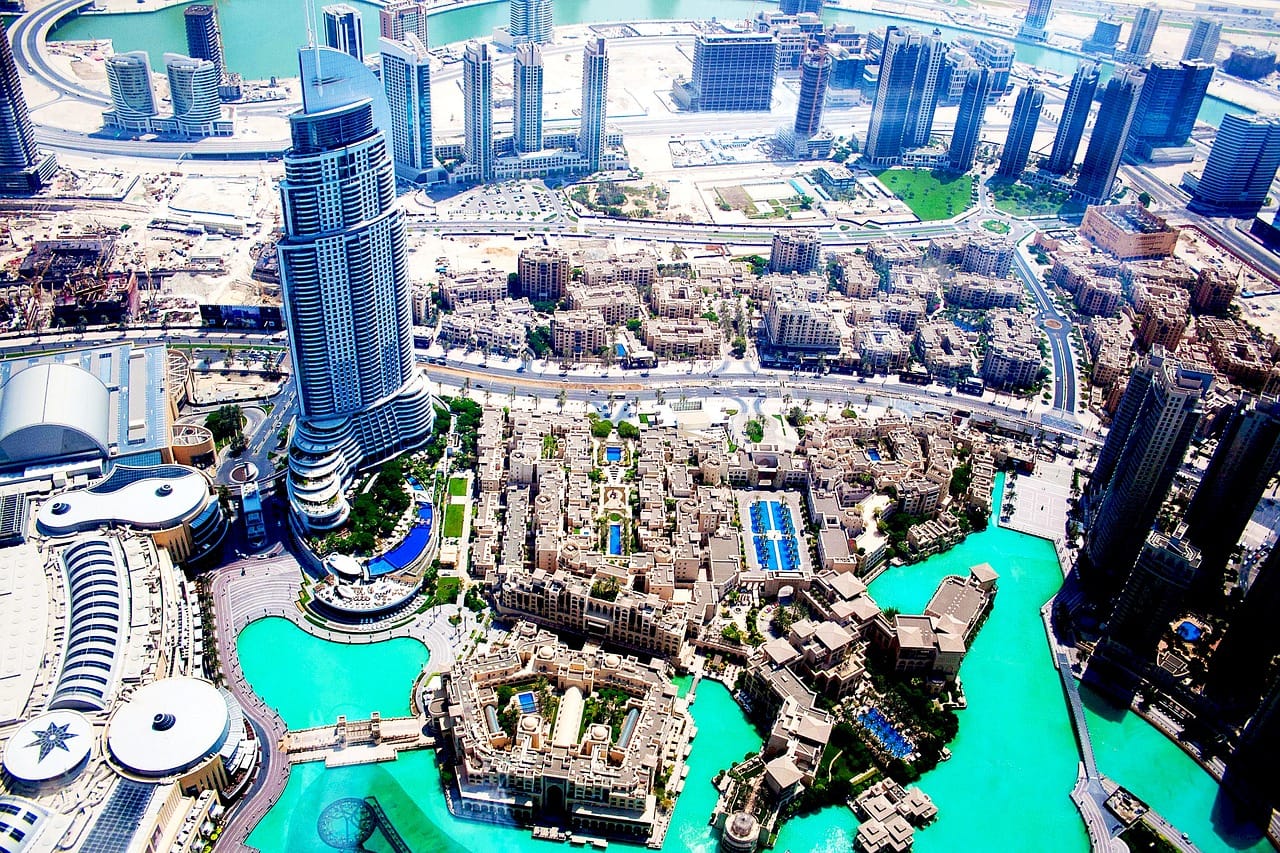
When I first received my job offer in Dubai five years ago, I did what any rational professional would do, I pulled out my calculator. The salary looked competitive, but it was the footnote that made me pause: "tax-free." As a logistics executive from the UK who'd spent two decades watching nearly half my income disappear to HMRC, those two words represented more than just a financial benefit. They represented a fundamental shift in how I could approach my career, my investments, and my future.
Today, as I review my financial position from my Dubai Marina apartment, I can definitively say that Dubai's tax-free salary structure hasn't just improved my finances; it's fundamentally transformed my entire career trajectory. Here's the story of how eliminating income tax changed everything for this British expat, and why it might do the same for you.
The Mathematics That Changed Everything
Let's start with the numbers, because that's where this story truly begins. In the UK, I was earning £85,000 annually as a senior logistics manager, a respectable salary by most standards. After income tax, National Insurance, and other deductions, my take-home pay was approximately £58,000. That's a 32% reduction before a single bill was paid.
My Dubai offer was $135,000 (roughly £105,000 at the time). But here's the crucial difference: that entire amount landed in my bank account. No income tax. No National Insurance contributions. No complex tax codes or year-end surprises from the revenue office. The psychological impact of seeing your full salary deposited monthly cannot be overstated.
But the real revelation came when I calculated the long-term implications. That extra $40,000-$50,000 annually wasn't just spending money; it was capital that could be invested, saved, or deployed strategically. Over five years, we're talking about $200,000-$250,000 in additional retained income. That's not a rounding error; that's a deposit on a second property, a substantial investment portfolio, or the seed capital for a business venture.
Beyond the Paycheck: The Compound Effect
What many professionals fail to consider when evaluating Dubai opportunities is the compound effect of tax-free income. It's not just about the immediate increase in take-home pay. It's about what you can do with that additional capital year after year.
In my first year in Dubai, I invested $30,000 into dividend-yielding stocks and real estate investment trusts. Those investments generated returns that were also untaxed. The following year, I invested the original amount plus the returns, plus another $30,000 from my salary. The snowball effect has been remarkable.
Compare this to my UK scenario, where investment returns are subject to capital gains and dividend taxes. In the UAE, I keep everything. This has allowed me to build an investment portfolio worth over $220,000 in just five years, something that would have taken me perhaps 10-12 years in the UK with equivalent gross income.
The tax-free environment also enabled me to send my two children to premium international schools. Annual fees of $27,500 per child might seem eye-watering, but when you're keeping your full salary, these expenses become manageable without sacrificing investment goals or lifestyle quality. In the UK, paying equivalent private school fees would have required significant financial gymnastics or sacrifice.
Unlock the secrets of the world's most successful entrepreneurs with the
Global Wealth Navigator Newsletter
Discover the world's best destinations offering a lower cost of living paired with an enriched quality of life with the Global Wealth Navigator Newsletter. Whether you're a retiree or an entrepreneur, we dive into strategies that open doors to international investments, tax optimizations, and discover the finest destinations offering a superior quality of life. Don't let borders or routine define you; lets find your ideal spot in the world, regardless of your income bracket.

Career Decisions Without Tax Implications
Perhaps the most liberating aspect of Dubai's tax structure is how it changed my approach to career decisions. In the UK, any salary increase or bonus was immediately diminished by the marginal tax rate. A £10,000 raise might have meant only £6,000 in actual benefit. This created a natural ceiling on ambition. Was the extra effort worth the comparatively modest increase in take-home pay?
In Dubai, every dollar of increased compensation is a dollar I keep. When I was offered a promotion to Regional Director with a $50,000 salary increase, the decision was straightforward. That entire $50,000 would be mine to deploy as I chose. The risk-reward calculation fundamentally changes when taxation isn't absorbing 40-45% of the upside.
This dynamic has also affected how I approach bonuses and performance incentives. My current compensation package includes an annual performance bonus of up to $55,000. In the UK, after tax, that bonus would net me perhaps $30,000. In Dubai, I receive the full amount. This has made me significantly more aggressive in pursuing performance targets because the rewards are proportional to the effort I put in.
The Entrepreneurial Advantage
Dubai's tax-free environment has enabled something I never seriously considered in the UK: side ventures and entrepreneurial projects. With more disposable income and no tax implications on additional earnings, I've launched a logistics consulting practice that serves smaller companies in the region.
This consulting work generates approximately $40,000 in additional revenue annually. In the UK, after tax, that would be $22,000 at most. In Dubai, it's $40,000 that goes directly into a separate investment account. The absence of complex tax calculations, VAT registration requirements below certain thresholds, and corporation tax considerations has made entrepreneurship genuinely accessible.
Moreover, the UAE's free zones offer incredible opportunities for business establishment with single-digit corporate tax, full foreign ownership, and no restrictions on capital repatriation. I've watched colleagues launch tech companies, e-commerce ventures, and professional services firms with minimal administrative burden and maximum financial benefit. The tax environment doesn't just benefit employees; it creates an ecosystem where entrepreneurship flourishes.
Real Estate and Long-Term Wealth Building
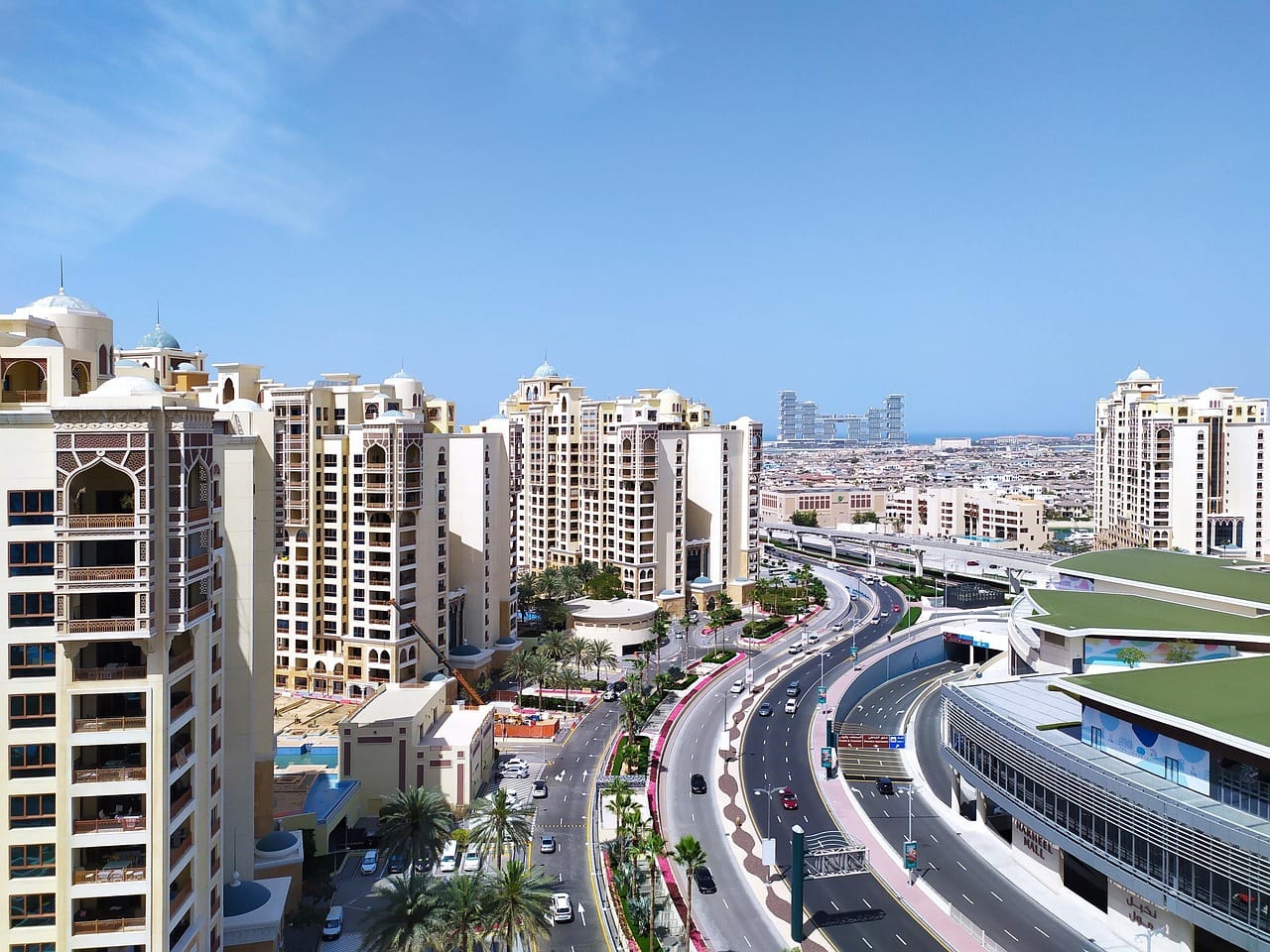
One of the most tangible benefits of retaining full salary has been my ability to invest in real estate. Within two years of arriving in Dubai, I purchased a two-bedroom apartment in Dubai Marina for $550,000. The absence of stamp duty (which would have cost £22,000 in the UK), combined with rental income that isn't subject to income tax, made the investment immediately attractive.
That property now generates $33,000 annually in rental income, income that arrives untaxed. In the UK, I would lose approximately $9,000 of that to income tax, not to mention the complexity of self-assessment tax returns and potential accountancy fees. The property has appreciated to approximately $660,000, and any capital gains upon sale will be untaxed.
Last year, I purchased a second property in Dubai Hills Estate for $825,000, which I'm currently developing as a long-term hold. The financial capacity to acquire multiple properties within a five-year window wouldn't have been feasible under UK tax conditions. The preserved capital from tax-free salary and rental income has accelerated my wealth-building timeline by perhaps a decade.
Quality of Life and Lifestyle Choices
The financial benefits translate directly into lifestyle improvements that extend beyond pure luxury. With higher disposable income, my family enjoys a quality of life that would cost exponentially more in London, or simply wouldn't be achievable at any price point.
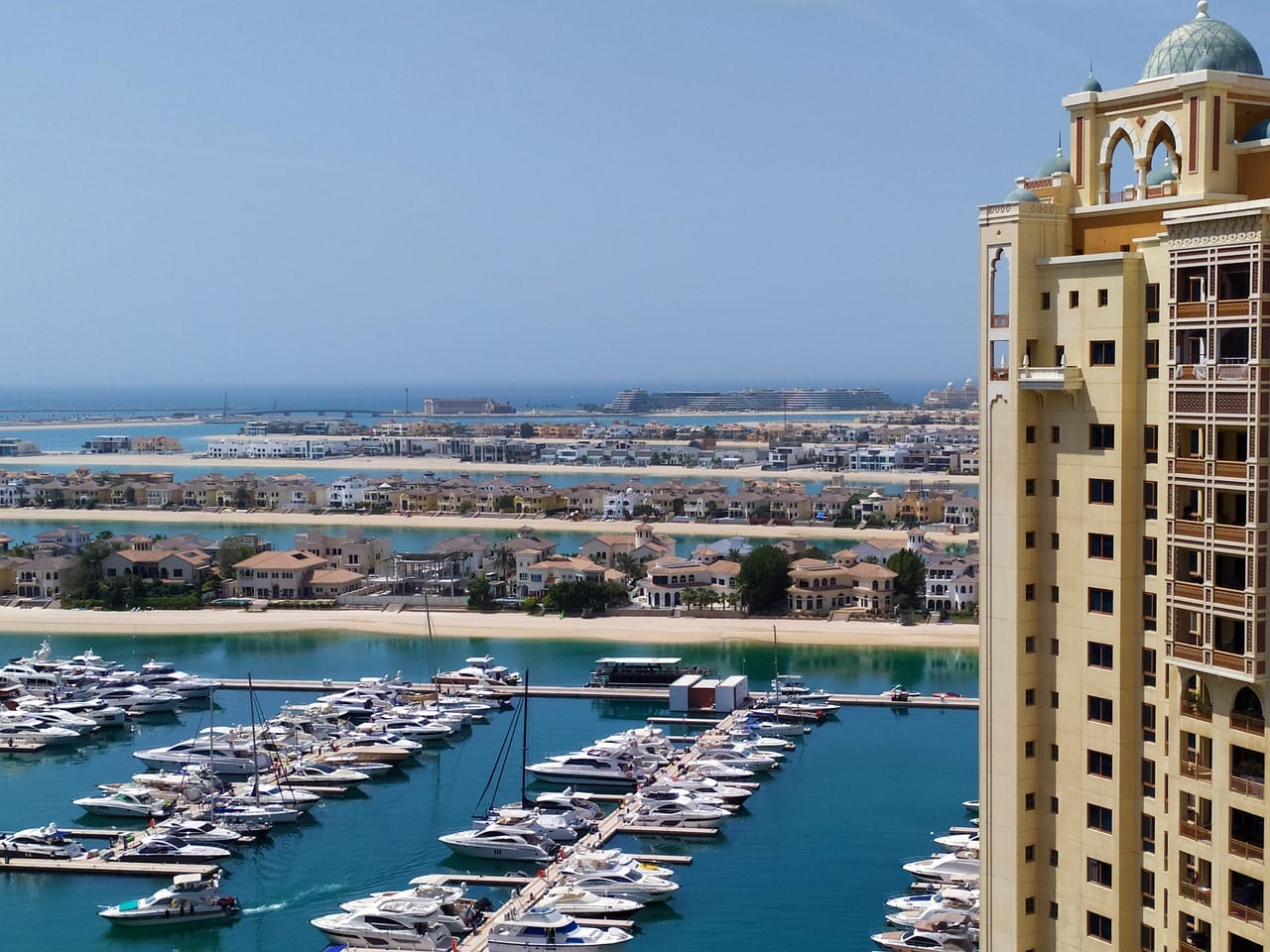
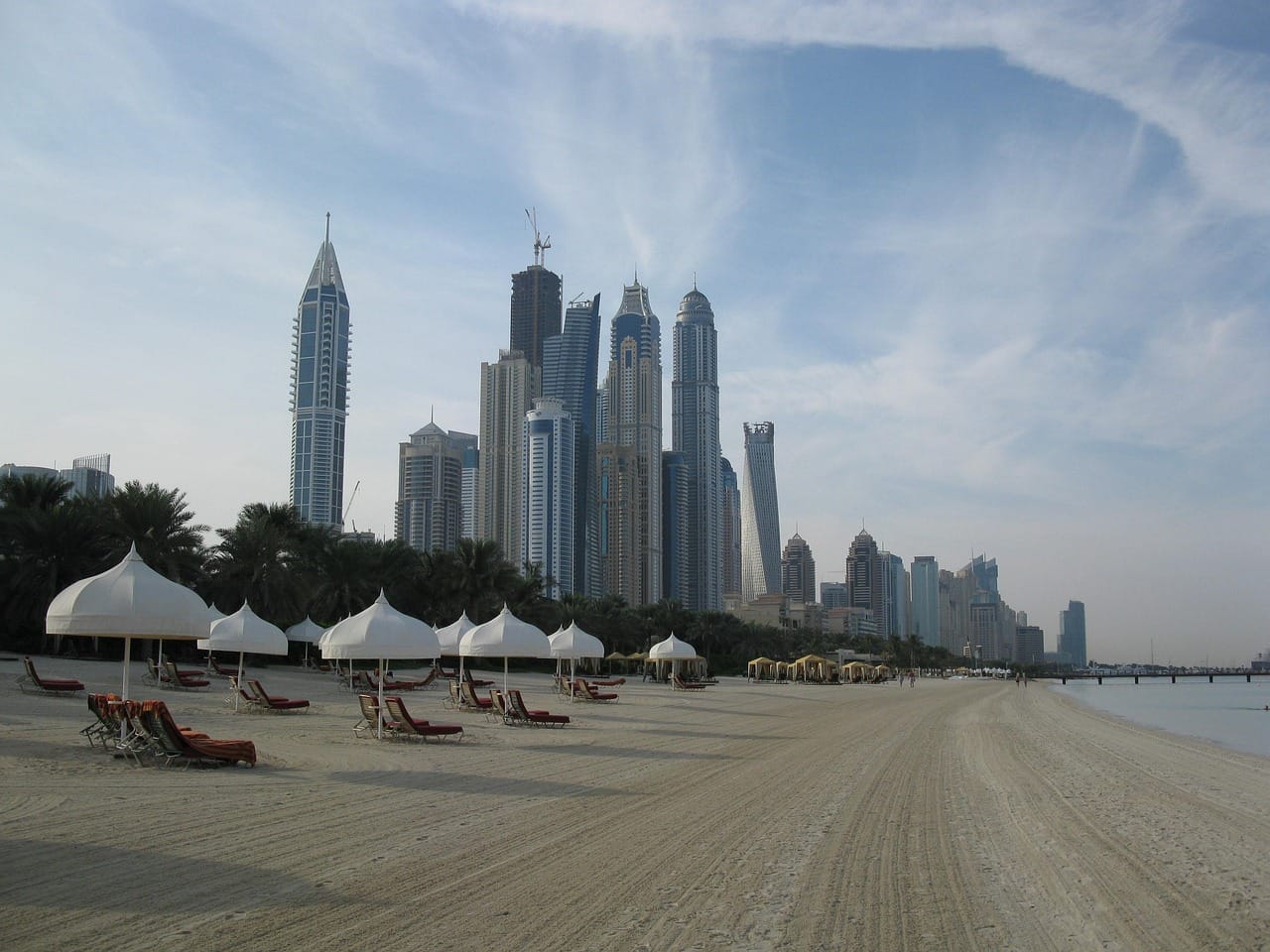
We live in a spacious three-bedroom apartment with floor-to-ceiling windows overlooking the marina. Monthly rent is $4,100, expensive by Dubai standards, but the equivalent property in a comparable London location would easily command £5,000 ($6,400) monthly. The tax savings alone cover the difference and then some.
We dine out multiple times weekly without financial stress. Weekend trips to Musandam, Abu Dhabi, or Oman are regular occurrences. Annual family holidays to the Maldives or Europe are budgeted without anxiety. These aren't extravagances financed by debt; they're sustainable lifestyle choices enabled by keeping more of what I earn.
The psychological benefit of financial breathing room cannot be overstated. In the UK, I was perpetually calculating, compromising, and postponing. In Dubai, I'm strategically deploying capital while maintaining a comfortable lifestyle. The stress reduction alone has been worth the move.
The VAT Reality: Understanding the Full Picture
Transparency demands that I address the introduction of 5% VAT in the UAE in 2018. Yes, this added a consumption tax layer that didn't previously exist. However, the impact is dramatically different from income tax.
First, VAT is consumption-based. You only pay it when you spend, and you control how much you spend. It's fundamentally different from income tax, which takes a percentage of your income regardless of your spending patterns. Many essentials, such as education and healthcare services, remain VAT-exempt or zero-rated.
Second, 5% VAT is modest compared to the UK's 20% standard rate. Even accounting for VAT on all expenditures, my effective tax burden in the UAE remains a fraction of what it was in the UK. The mathematics remain overwhelmingly favorable.
For professionals earning $100,000+, the savings from zero income tax dwarf any VAT costs by orders of magnitude. This is especially true for those who save and invest significant portions of their income. VAT doesn't touch capital that's invested rather than consumed.
Retirement Planning and Long-Term Financial Security
One consideration that initially concerned me was the absence of mandatory pension contributions in the UAE. In the UK, both employers and employees contribute to pension schemes, and tax relief provides some benefit. Would I be disadvantaging my future self by moving to a country without this structure?
The answer, after five years of experience, is an emphatic no. The additional capital I retain through tax-free income more than compensates for the absence of mandatory pension contributions. I've established my own retirement investment strategy, contributing $2,750 monthly to international investment platforms and retirement accounts, substantially more than I could afford to save in the UK.
These contributions are made with post-tax income, which in Dubai means pre-tax income. I'm building retirement wealth faster and with more control over investment decisions than I ever could within the UK pension system. The flexibility to access these funds without age restrictions (with appropriate structuring) provides additional security and options.
Many employers in Dubai also offer end-of-service gratuity benefits. A lump sum payment based on years of service that can amount to several months' salary. My current gratuity entitlement stands at approximately $77,000. This serves as a forced savings mechanism that supplements voluntary retirement contributions.
Professional Growth and Global Networking
An unexpected benefit of Dubai's tax structure is its impact on talent attraction. Because the UAE attracts high-performing professionals from around the world, the networking opportunities are extraordinary. I regularly interact with executives from European multinationals,
Asian conglomerates, and North American firms, all drawn by similar financial incentives.
This concentration of international talent has accelerated my professional development. The colleagues and contacts I've made in Dubai have opened doors to opportunities across the GCC region, Europe, and Asia. The tax structure doesn't just benefit individual bank accounts; it creates a dynamic, ambitious professional ecosystem that elevates everyone's trajectory.
I've participated in logistics optimization projects for clients in Saudi Arabia, consulted for a tech startup in Singapore, and advised a European manufacturing firm on Middle Eastern distribution. All opportunities that emerged from Dubai-based connections. The financial environment attracts professionals who are serious about career progression and wealth building, creating a self-reinforcing cycle of opportunity.
Navigating the Practicalities: What You Need to Know
For professionals considering Dubai, understanding the practical aspects of tax-free income is crucial. First, while there's no personal income tax, you'll need a residence visa sponsored by your employer or through property ownership. Your employer handles this process, typically at their expense, making it administratively straightforward.
Banking is seamless once you have your residence visa and Emirates ID. I opened accounts with multiple banks within my first month. The banking infrastructure is excellent, with sophisticated digital platforms and competitive international transfer rates, both of which are important when moving capital between jurisdictions.
Carefully consider your home country's tax obligations. UK citizens establish tax residency in the UAE relatively easily, avoiding UK tax liabilities (though you'll need to manage the Statutory Residence Test carefully). Americans face different considerations, as US citizens are taxed on worldwide income regardless of residence. Though the Foreign Earned Income Exclusion and foreign tax credits can significantly mitigate this.
Professional advice from tax consultants familiar with the rules in your home country is essential. The cost of proper advice ($1,650-$2,750 for a comprehensive consultation) is trivial compared to the tax savings you'll realize. Don't skimp on this investment.

The Career Acceleration Timeline: Five Years In Perspective
Looking back at my five-year trajectory in Dubai, the financial acceleration is measurable and dramatic. I've built an investment portfolio worth $220,000, acquired two properties worth a combined $1.485 million with significant equity positions, established a consulting practice generating $40,000 annually, and maintained a quality of life that would cost double in London while saving substantially more than I ever could in the UK.
My net worth has increased from approximately $110,000 when I arrived to over $825,000 today. Some of this reflects investment performance and property appreciation, but the foundation is the additional $250,000+ I've retained through tax-free income. That capital has been deployed strategically rather than surrendered to HMRC.
Professionally, I've progressed from Senior Logistics Manager to Regional Director, with compensation increasing from $135,000 to $215,000. In a taxed environment, that progression would be meaningful but incremental. In Dubai, it's been transformational because I keep every dollar of the increase.
Who Benefits Most from Dubai's Tax Structure?
Dubai's tax-free environment benefits all income earners, but the impact is exponentially greater for mid- to high-income professionals. If you're earning $75,000+, the tax savings become life-changing rather than merely helpful. At $150,000+, you could retain an additional $55,000-$77,000 annually compared to high-tax jurisdictions.
Professionals in finance, logistics, technology, engineering, healthcare, and senior management positions find the proposition especially compelling. Those with entrepreneurial ambitions or side ventures benefit from keeping all additional income. Investors and those building long-term wealth appreciate tax-free investment returns.
Conversely, if you're in early career stages earning under $50,000, the benefits exist but may be offset by Dubai's higher cost of living for certain items. The sweet spot is professionals with 5-15 years of experience earning $85,000-$275,000, precisely the demographic Dubai actively recruits and rewards.
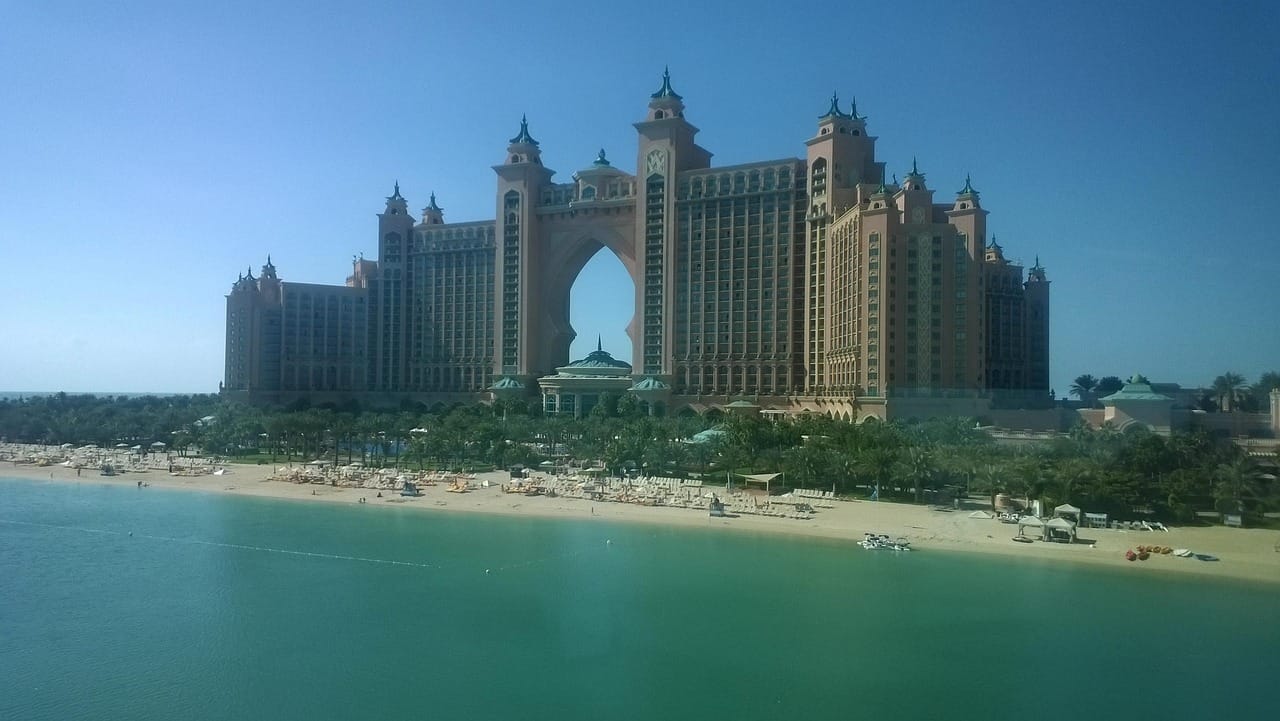
The Psychological Transformation
Beyond the mathematics, Dubai's tax structure catalyzed a psychological transformation I didn't anticipate. In the UK, I operated with a scarcity mindset. Constantly calculating, deferring, and compromising. The tax burden created a ceiling on ambition. Why pursue aggressive career advancement when taxation would consume nearly half the benefit?
In Dubai, I think in terms of abundance and possibility. Every dollar earned is a dollar I control. This shift in mindset has made me more ambitious, more willing to pursue opportunities, and more confident in taking calculated risks. When you keep your full salary, the upside of career progression becomes compelling enough to justify the effort.
This psychological liberation extends to daily life. I don't agonize over spending decisions the way I once did. I'm not reckless, I'm still fundamentally pragmatic, but the constant mental calculation that characterized my UK existence has dissipated. Financial decisions are made based on value and alignment with goals, rather than primarily on tax considerations.
Future Considerations: Corporate Tax and Evolution
Transparency requires addressing the introduction of corporate tax in the UAE (9% on profits above AED 375,000, approximately $102,000). This represents a shift in the UAE's tax philosophy and affects businesses and entrepreneurs.
However, personal income tax remains zero, and the 9% corporate tax rate is significantly lower than the rates in most developed economies (19-35% is typical). For my consulting practice, it means I'll pay some tax on profits, but the burden remains modest compared to the combined UK corporate and personal tax.
The UAE government has repeatedly stated that personal income tax is not on the agenda. The social contract between government and residents has proven durable, and radical changes seem unlikely. However, prospective expats should monitor developments and maintain flexibility in their long-term planning.
Even if tax structures evolve moderately, Dubai's proposition remains compelling. The infrastructure, global connectivity, professional opportunities, and quality of life would justify residence even with modest taxation. The current zero-tax environment is exceptionally favorable, but the broader ecosystem provides enduring value.
Making the Decision: Is Dubai Right for You?
Dubai's tax-free structure is powerful, but it shouldn't be your only consideration. The climate is challenging. Summers are brutal, with temperatures reaching 40-48°C (104-118°F). The culture requires adaptation, particularly around alcohol availability, dress codes in certain contexts, and social norms.
Residence is conditional on employment or property ownership. You can't simply decide to stay indefinitely without ties. This creates a degree of impermanence that some find unsettling. There's no path to citizenship for most expats, meaning you're building wealth without building permanent roots.
However, for career-focused professionals in their 30s-50s who prioritize wealth building, career acceleration, and international experience, Dubai's proposition is extraordinary. The tax structure isn't just a financial benefit. It's an accelerator for ambitious professionals willing to embrace a dynamic, sometimes challenging, but ultimately rewarding environment.
If you're earning $85,000+ in a high-tax jurisdiction, feeling limited by your financial progress despite solid income, or seeking an environment where career advancement translates directly into proportional financial reward, Dubai deserves serious consideration. The question isn't whether the tax savings are meaningful; they demonstrably are. The question is whether you're ready for the broader Dubai experience.
Getting Started: Planning Your Dubai Transition
If Dubai's tax structure has captured your attention, methodical planning is essential. Start by researching roles in your industry: LinkedIn, Michael Page, and Bayt.com are excellent resources. Dubai's job market favors experienced professionals with specialized skills, so highlight your expertise prominently.
Negotiate comprehensively. Dubai packages typically include basic salary plus housing allowance, annual flights home, health insurance, and education allowances if you have children. Housing allowances of $22,000-$33,000 annually are standard for mid-senior positions. Education allowances can reach $27,500 per child. These benefits are tax-free additions to your tax-free salary.
Engage tax advisors before accepting offers. Understanding your home country's tax obligations prevents unpleasant surprises. UK citizens typically establish non-residency cleanly, but timing and documentation matter. Budget $1,650-$2,750 for professional advice; it's essential protection for your tax-free future.
Consider Global Citizen Life's resources for detailed guidance. Their Moving Abroad Programs offer three options: a one-time strategy call for immediate questions, six country-specific Moving Abroad Masterclasses covering everything from visa processes to school selection, and private coaching and consulting for personalized planning. Investment in expert guidance prevents costly mistakes and accelerates your transition.
The Five-Year Verdict: Worth It?
Five years ago, I made a calculation on that Dubai job offer that changed my life. Today, looking at my financial position, professional trajectory, and quality of life, the verdict is unequivocal: Dubai's tax-free salary structure has been transformational.
I've built wealth at a pace that would have been impossible in the UK. I've advanced professionally in an environment that rewards ambition proportionally. I've provided my family with experiences and opportunities that high taxation would have made unattainable. And perhaps most importantly, I've shifted from a scarcity mindset to one of abundance and possibility.
Dubai isn't for everyone. The climate challenges, cultural adjustments, and the lack of permanent residency paths raise legitimate concerns. But for professionals seeking to maximize their earning potential, build substantial wealth during peak career years, and experience life in a dynamic global hub, the tax-free structure isn't just a benefit, it's a catalyst for transformation.
The question I pose to professionals in high-tax jurisdictions is simple: What would you do with an extra $50,000 to $100,000 annually? How would that capital change your retirement timeline, your children's education options, and your entrepreneurial possibilities? In Dubai, you don't have to imagine; you get to keep it and decide.
That's not just a different tax policy. That's a different trajectory entirely.
Written by Jonathan Fraser
Jonathan is a logistics executive from the UK who relocated to Dubai to accelerate his career and expand his global business network. With years of experience navigating the UAE's dynamic business landscape, Jonathan writes about high-performance expat life, strategic career opportunities, and finding the balance between luxury and practical living in the Emirates. His insights help ambitious professionals understand what it truly takes to thrive in one of the world's most competitive and rewarding expat destinations.
Read all our articles about the UAE here.
Global Citizen Life
© 2023 Global Citizen Life
All rights reserved