
Why Costa Rica Is the Ideal Country for Remote Workers Who Value Nature
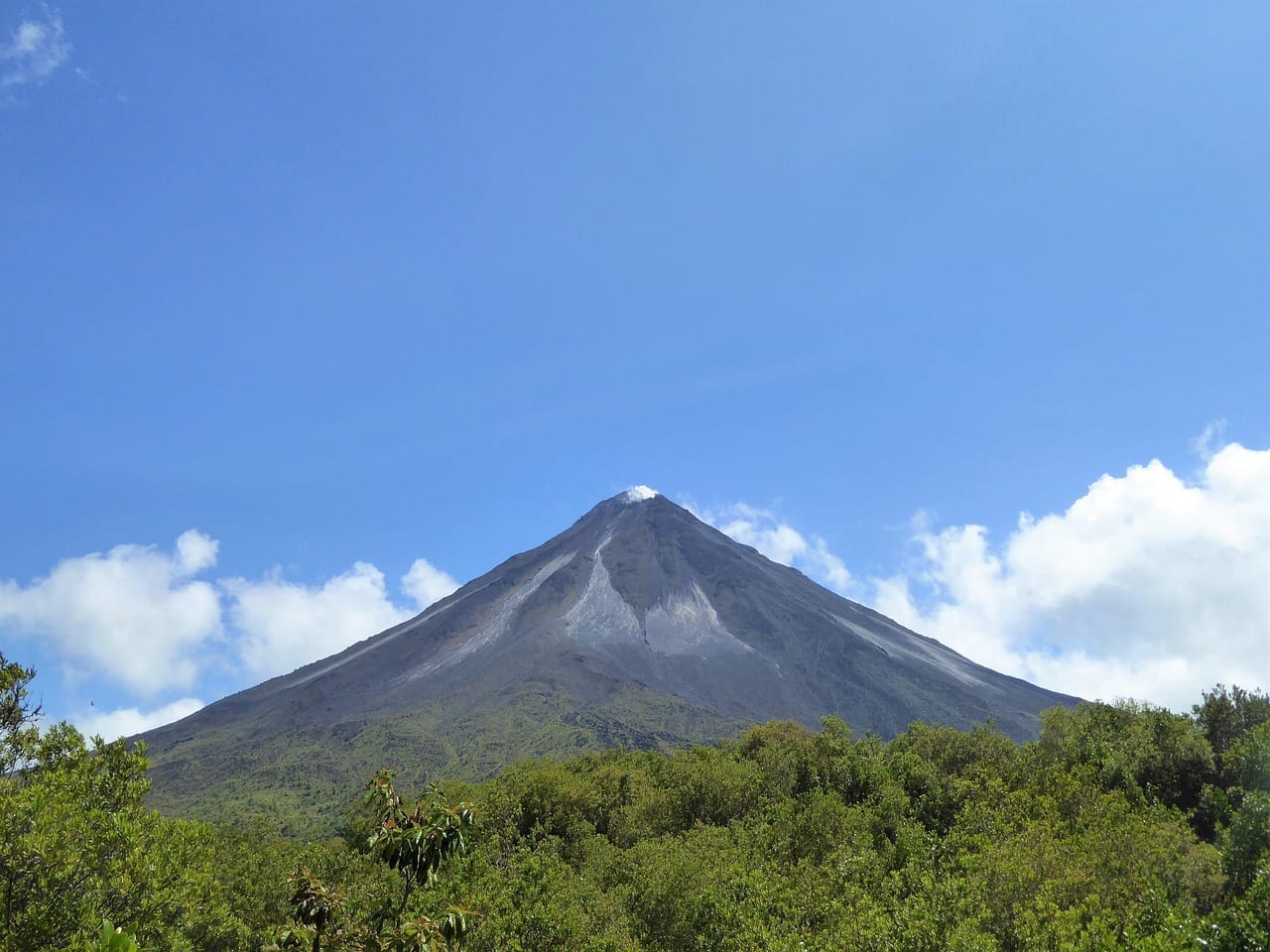
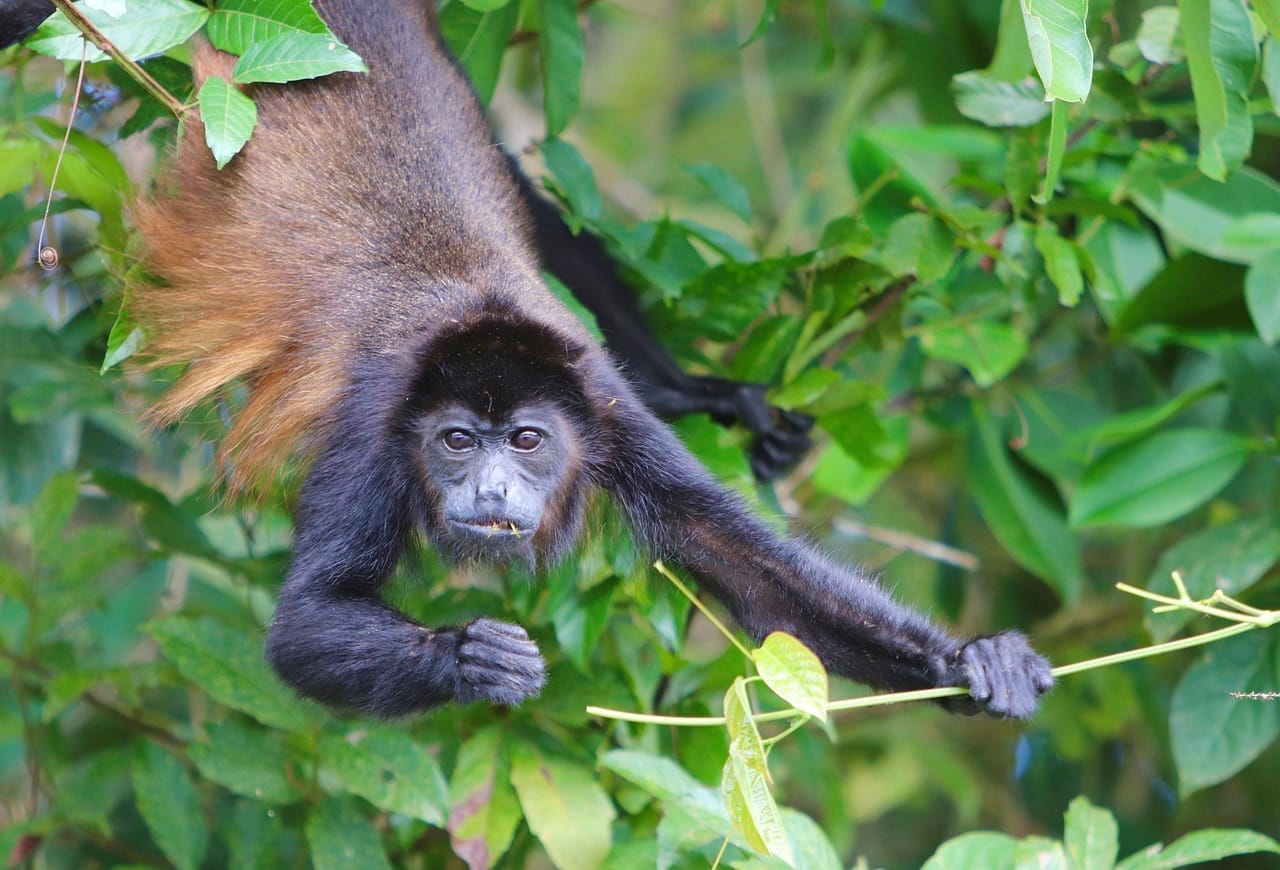
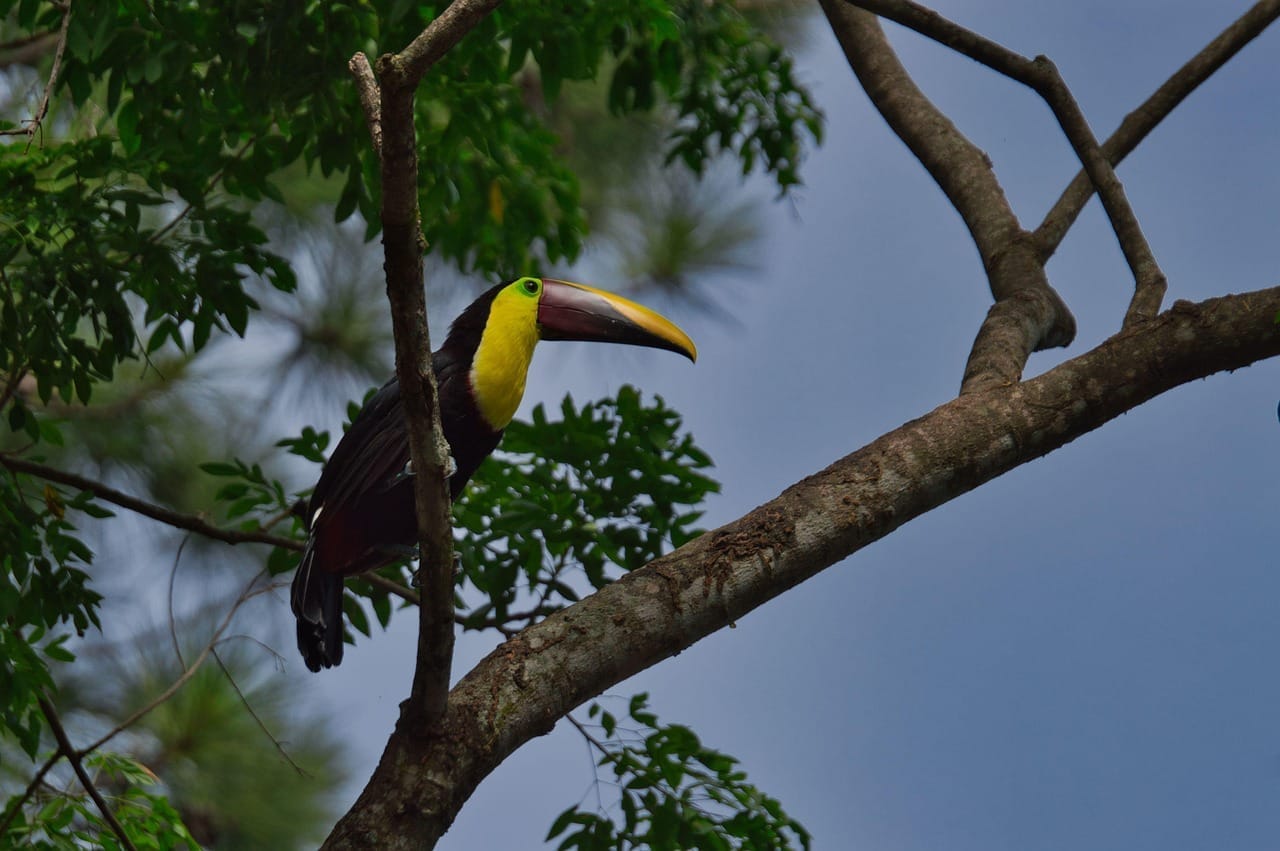
The laptop screen glows softly against the backdrop of emerald rainforest. Behind me, howler monkeys call out their morning greeting while a toucan perches on the terrace railing. My coffee, grown just miles away on the slopes of nearby mountains, steams gently in the cool highland air. This isn't a vacation, this is my office, my daily reality here in Costa Rica's Central Valley.
After two years of remote work in Costa Rica, I've come to understand that this small Central American nation offers something rare: a genuine integration of professional productivity and natural immersion. It's not simply about working from a beautiful location. It's about discovering how nature becomes part of your daily life, enriching both work and life in ways that transform your entire approach to living.
The Natural Infrastructure of Remote Work
Costa Rica has spent decades building something uncommon: a society where environmental consciousness isn't separate from modern development, but foundational to it. This philosophy creates ideal conditions for remote workers seeking more than just a place to open their laptop.
The country generates over 98% of its electricity from renewable sources, primarily hydroelectric, wind, and geothermal power. This isn't abstract policy; it translates into reliable, clean energy powering homes and offices throughout the country. Internet infrastructure has grown alongside this commitment, with fiber-optic networks extending far beyond urban centers into mountain towns and coastal communities.
I work from Atenas, a small highland town forty minutes from the capital. My internet speed consistently exceeds 100 Mbps, sufficient for video calls, cloud applications, and everything remote work demands. Yet outside my window, I watch sloths moving through the trees and hummingbirds visiting the flowering bushes. This combination, solid digital infrastructure within genuinely wild landscapes, defines Costa Rica's unique offering.
Beyond the Digital Divide
Many countries offer either good internet or beautiful nature. Costa Rica provides both, but more importantly, it provides a culture that expects both. This expectation shapes everything from zoning regulations to community development. Buildings integrate green spaces. Towns preserve natural corridors for wildlife. Development happens alongside conservation rather than replacing it.
For remote workers, this means your home becomes part of an ecosystem rather than separate from it. The morning bird chorus isn't background noise. It's seasonal information, telling you about weather patterns, flowering cycles, and the health of your local environment. You begin understanding time differently when nature provides daily markers as reliable as any calendar.
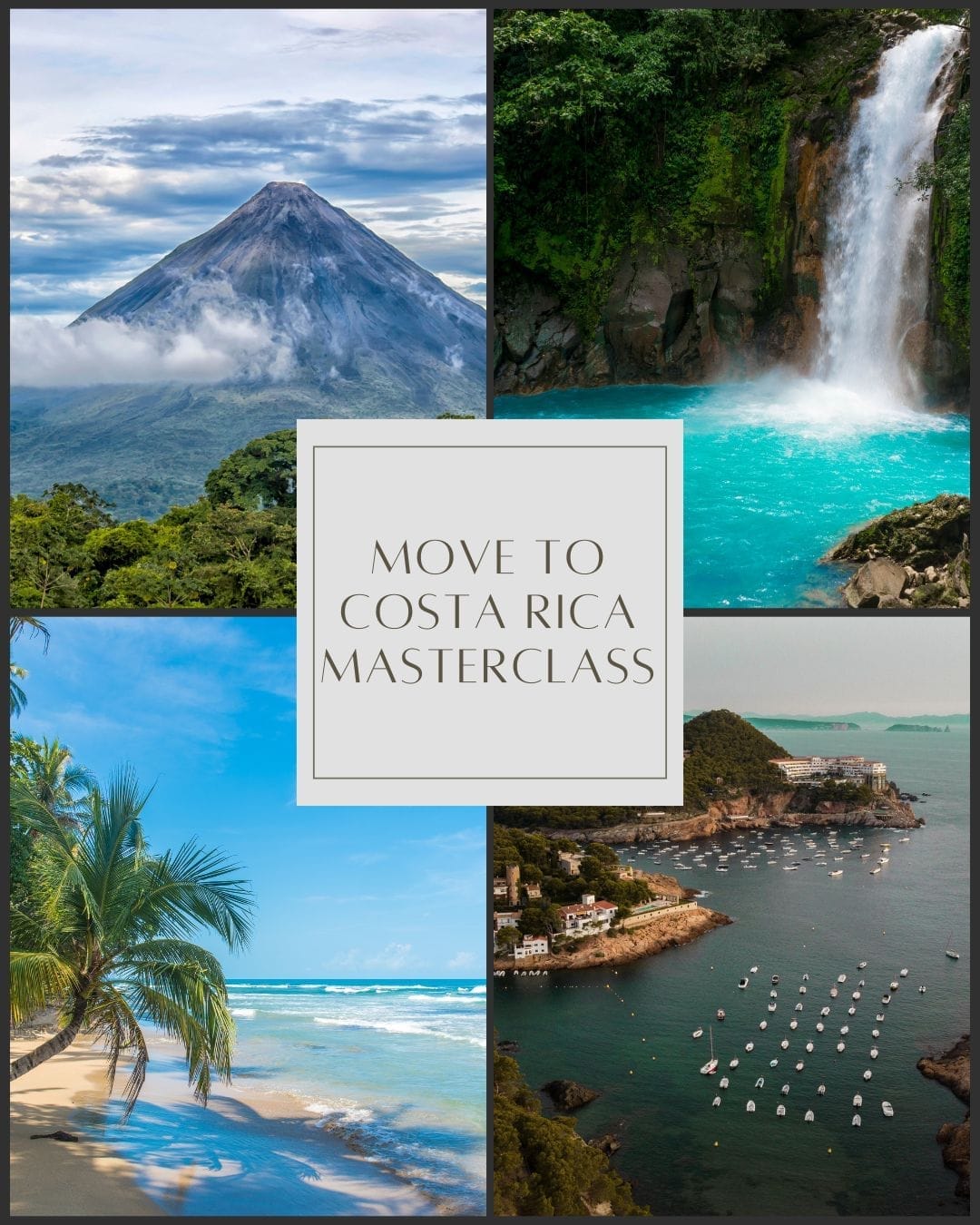
If you're serious about making this life-changing move, our Move to Costa Rica Masterclass online course provides comprehensive guidance on everything from residency requirements and healthcare to finding the perfect community and integrating into local culture, helping you make a smooth and successful transition.
The Practical Benefits of Natural Proximity
Working remotely in a nature-rich environment isn't merely aesthetic. It offers measurable benefits to productivity, health, and mental wellbeing. These aren't theories; they're daily experiences.
Mental Clarity Through Natural Rhythms
The research on nature's impact on cognitive function has been building for decades, but living within it provides education beyond any study. When your morning begins with sunrise over mountain ridges rather than alarm clocks, your body recalibrates to natural circadian rhythms.
When lunch breaks involve walks through forest trails instead of scrolling through phones, your mind processes work challenges differently.
I've found that complex marketing strategies often resolve themselves during afternoon hikes through nearby reserves. The combination of physical movement, natural scenery, and mental space allows different thinking patterns to emerge. Problems that seemed intractable at my desk often clarify themselves within the first kilometer of trail.
This isn't escapism, it's integration. Nature provides what office environments rarely can: genuine mental rest that refreshes rather than distracts. The biodiversity surrounding you creates complexity that your mind can engage with passively, allowing active problem-solving to happen in the background.
Physical Health in a Natural Context
Costa Rica's emphasis on environmental health extends to food systems. Local farmers' markets, called ferias, happen weekly in nearly every town, offering produce grown within miles of where you live. The organic movement here isn't a premium option; it's often simply how farming happens, especially in smaller communities.
My wife and I shop at our local feria every Saturday morning. We know the farmers growing our vegetables, the families producing our coffee, and the people harvesting our fruit. This connection to food sources isn't romantic nostalgia; it's practical nutrition. Fresh produce, harvested the day before you buy it, tastes different and provides different nutritional density than supermarket equivalents.
Beyond food, the climate encourages year-round outdoor activity. Hiking trails, swimming holes, and natural hot springs provide regular physical engagement without gym memberships or structured exercise programs. Movement becomes natural rather than scheduled, integrated into life rather than separate from it.
Climate Considerations for Year-Round Productivity
Costa Rica's location near the equator means consistent daylight year-round. Sunrise is around 5:30 AM, sunset around 6:00 PM, with minimal seasonal variation. This stability helps maintain consistent work schedules regardless of the season.
The climate varies dramatically by elevation and region, allowing you to choose conditions matching your preferences. The Central Valley, where I live, sits at elevations between 3,000 and 4,000 feet, creating spring-like conditions year-round. Temperatures typically range from 18°C to 27°C (65°F to 80°F). I rarely use air conditioning or heating.
Lower elevations and coastal areas run warmer, often 24°C - 35°C (75°F to 95°F), requiring air conditioning during work hours but offering proximity to the beach. Higher mountain regions can drop to 10° (50°F) at night, perfect for those who prefer cooler climates. This variety within a small geographic area means you can test different environments before committing long-term.
Working Through Rainy Season
Costa Rica's rainy season, roughly May through November, shapes life here but doesn't hinder remote work. Rain typically falls in afternoon downpours rather than all-day drizzle. Morning work sessions happen under clear skies. Afternoons might bring thunderstorms that last two hours before clearing into brilliant evenings.
I've learned to structure my day around these patterns. Deep focus work happens mornings. Afternoon rain becomes time for administrative tasks, email, or internal meetings, where occasional thunder in the background reminds colleagues I'm working from somewhere genuinely different. The rhythm becomes predictable, even comforting.
More importantly, the rainy season brings the landscape to life. Forests explode with growth. Waterfalls swell. Wildlife activity peaks. The country reveals its most vibrant self during months many tourists avoid, offering locals and residents the full experience of tropical ecology.
The Economic Equation
The cost of living in Costa Rica requires an honest assessment. It's not the bargain destination some websites suggest, nor is it prohibitively expensive. Understanding the economic landscape helps remote workers make informed decisions.
Housing costs vary dramatically by location. A comfortable two-bedroom house in a highland town like Atenas might rent for $800 - $1,200 per month. Similar accommodations near popular beaches could run $1,500-2,500. San José suburbs typically fall somewhere between. These prices assume unfurnished long-term rentals. Furnished short-term options cost significantly more.
Daily expenses depend heavily on lifestyle choices. Shopping at local markets and eating Tico food keeps costs manageable. Our monthly grocery bill runs around $400-500 for two people eating well. Restaurant meals range from $4 for a casado at a local soda (restaurant) to $20-40 per person at upscale establishments.
Utilities typically cost $100-200 monthly, including electricity, water, and internet. Health insurance through the national system (CAJA) costs approximately 10-11% of declared income for residents, with private insurance options available at higher costs but shorter wait times.
The Value Beyond Dollars
Financial calculations omit crucial factors that affect the quality of life. Costa Rica's social safety net provides universal healthcare, reducing anxiety about medical emergencies. The education system, while imperfect, offers free public options through university level. Crime rates, particularly violent crime, remain low compared to many developing nations.
Perhaps most valuably, the pace of life here actively resists the productivity obsession dominating remote work culture elsewhere. Pura vida, the national motto, isn't merely a greeting. It's a genuine philosophy about prioritizing wellbeing, relationships, and present experience over constant optimization and achievement.
This cultural approach helps remote workers avoid burnout. When your society doesn't equate worth with productivity, when taking time for coffee with neighbors is expected rather than indulgent, when afternoon rain naturally creates breaks in the day, you develop healthier work patterns almost by default.
Unlock the secrets of the world's most successful entrepreneurs with the
Global Wealth Navigator Newsletter
Discover the world's best destinations offering a lower cost of living paired with an enriched quality of life with the Global Wealth Navigator Newsletter. Whether you're a retiree or an entrepreneur, we dive into strategies that open doors to international investments, tax optimizations, and discover the finest destinations offering a superior quality of life. Don't let borders or routine define you; lets find your ideal spot in the world, regardless of your income bracket.

Community Integration for Remote Workers
One concern I hear frequently from prospective expats involves community: how do you build meaningful connections while working remotely in a foreign country? Costa Rica offers multiple pathways, but success requires genuine effort.
The Expat Network
Every region with significant foreign residence has established expat communities. These provide immediate connection points: Facebook groups, regular meetups, and social events. In Atenas, our expat association organizes monthly gatherings, service projects, and cultural activities. This network helps with practical questions (where to find specific products and recommended service providers) while also offering social connections.
However, relying solely on expat circles limits your experience. Learning Spanish, even imperfectly, opens doors to deeper integration with the local community. My Spanish remains far from fluent, but attempting conversation at the feria, with neighbors, at local events creates relationships impossible through English alone.
Coworking Spaces and Professional Networks
Costa Rica's remote work infrastructure includes growing coworking spaces throughout the country. These serve dual purposes: reliable work environments when home internet falters, or you need meeting space, and professional networking opportunities with both local entrepreneurs and fellow remote workers.
I maintain a membership at a local coworking space despite having an excellent home office setup. One day a week, I work from there specifically for the social interaction and professional conversation. This prevents isolation while maintaining the solitude necessary for focused work.
Legal Frameworks and Residency Options
Costa Rica recognizes the reality of remote work and offers several paths to legal residence. Understanding these options helps plan your transition.
Most remote workers begin with tourist status, allowing 180 days per year in-country. This provides time to explore the region, test the lifestyle, and determine whether long-term residence makes sense. Many digital nomads rotate through Central American countries using this approach, never establishing formal residence.
For a longer-term commitment, several residency options are available. Pensionado status requires proving $1,000 monthly income from a permanent pension source. Rentista status requires demonstrating $2,500 monthly income for two years. The new digital nomad visa, established in 2021, offers a one-year renewable residence permit for remote workers earning at least $3,000 per month from foreign sources.
Each category involves paperwork, background checks, and legal fees, typically totaling $3,000-5,000 plus attorney costs. The process takes months, sometimes over a year. However, legal residence provides security, access to the public healthcare system, and the ability to import household goods duty-free.
Tax Considerations
Costa Rica taxes territorial income, money earned from Costa Rican sources. Income generated from foreign clients while living in Costa Rica is theoretically not subject to local taxation. However, tax law remains complex and subject to interpretation. Most remote workers earning from foreign companies operate in a gray area, neither formally taxed nor technically illegal.
This situation may be clarified as more remote workers establish residence. Currently, enforcement remains minimal, but consulting with tax professionals in both your home country and Costa Rica helps ensure compliance and avoid future complications. US citizens, in particular, need guidance, as America taxes worldwide income regardless of residence.
The Conservation Context
What makes Costa Rica unique among developing nations is its sustained commitment to environmental protection. Over 25% of the country exists under protected status: national parks, biological reserves, and wildlife refuges. This isn't recent policy; Costa Rica abolished its military in 1949 and redirected those funds toward education and environmental conservation.
This history created an infrastructure for sustainable living unusual in Latin America. The national park system means accessible wilderness near every population center. Environmental regulations, while imperfectly enforced, establish baseline expectations. Reforestation efforts have actually increased forest cover from 20% in the 1980s to over 50% today, a rare reversal of typical development patterns.
For remote workers valuing nature, this context matters. You're not extracting from a pristine environment; you're participating in an ongoing social project. Your economic contribution through rent, purchases, and taxes helps fund conservation efforts. Your presence in smaller communities provides economic alternatives to deforestation or unsustainable tourism.

Personal Environmental Impact
Living in Costa Rica naturally reduces certain environmental impacts while potentially increasing others. The mild climate eliminates the need for heating and cooling for much of the population. Renewable electricity powers most homes. Public transportation exists, though it remains less developed than in European or Asian countries.
However, Costa Rica imports most consumer goods, increasing the carbon footprint of purchases. Recycling infrastructure exists but operates inconsistently. Plastic reduction efforts are growing but incomplete. Living consciously here requires active choices: shopping at farmers' markets, reducing the use of imported goods, supporting local production, and participating in community conservation efforts.
These choices become easier when surrounded by nature. Seeing wildlife daily reminds you of what's at stake. Understanding your local watershed by hiking through it creates personal investment in its protection. Conservation becomes personal rather than abstract.
Challenges Worth Acknowledging
Honest assessment requires acknowledging Costa Rica's imperfections alongside its strengths. Infrastructure, while improving, still faces challenges. Road quality varies dramatically. Some regions experience water shortages during the dry season. Bureaucracy moves slowly, requiring patience with government processes.
The tourism economy has driven prices upward in popular areas, sometimes creating resentment between locals priced out of their own communities and foreigners who can afford premium prices. This tension requires sensitivity. Acknowledging your economic advantage while respecting local culture and contributing positively to community life.
Healthcare quality in the public system remains excellent, but wait times for non-urgent care are long. Private insurance addresses this, but at costs approaching US rates. Mental health services remain limited, particularly in smaller communities.
The rainy season, while ecologically magnificent, can feel wearing during its peak months. Mold requires constant vigilance. Roads deteriorate. Some days, you simply accept that outdoor plans won't happen. Learning to work with these patterns rather than resisting them becomes essential.
The Integration of Work and Natural Living
After two years of remote work here, what strikes me most isn't the beauty, though beauty abounds, but rather the integration. Work doesn't feel separate from life. Nature isn't something I visit on weekends; it's where I exist daily. Professional productivity doesn't compete with personal wellbeing; the environment supports both.
This morning, I watched a toucan family teaching their fledgling to navigate between trees. The learning process took forty minutes, patient parents, tentative offspring, and gradual mastery. That observation shaped my approach to a client project I'd been forcing. Sometimes growth requires patience rather than pushing.
This is what Costa Rica offers remote workers who value nature: not an escape from work, but a context that improves how you work. Not a vacation that must end, but a sustainable rhythm integrating professional responsibility with genuine living.
Making the Decision
Whether Costa Rica suits you depends on what you prioritize. If you value consistent warm weather over four seasons, abundant nature over urban culture, smaller communities over metropolitan amenities, and sustainable living over maximum convenience, this country deserves serious consideration.
The best approach involves extended visits before committing to residence. Rent short-term in different regions. Experience both dry and rainy seasons. Test your work routine in various settings. Join expat groups, but also venture beyond them. Learn basic Spanish. Shop at local markets. Hike the trails.
Costa Rica reveals itself slowly to those paying attention. The longer you stay, the more layers emerge: ecological complexity, cultural nuance, regional diversity. What initially appears simple becomes endlessly fascinating.
Living the Question
My wife and I don't know if we'll stay here permanently. Some days, we miss aspects of American life, such as delivery convenience, cultural familiarity, and proximity to family. On other days, we cannot imagine returning to the pace and pressure we left behind.
What we've gained here isn't simply a location change. It's a different relationship with time, with nature, with work itself. We've learned that productivity doesn't require constant availability. That professional success doesn't demand sacrificing presence. That wildness and wifi can genuinely coexist.
For remote workers seeking to integrate nature into daily life rather than relegating it to occasional weekends, Costa Rica offers a rare opportunity. The infrastructure exists to work effectively. The environment provides a constant presence. The culture supports balance rather than extremes.
The laptop screen still glows against a rainforest backdrop. But now, two years in, I understand this isn't a contradiction. It's integration, the precise balance many remote workers seek but rarely find. Costa Rica doesn't offer perfection, but it does offer possibility: the chance to work meaningfully while living fully, surrounded by the natural world that sustains both.
Ready to make your move to Costa Rica? Our comprehensive Move to Costa Rica Masterclass provides detailed guidance on residency options, finding housing, navigating healthcare, and building community. Everything you need to transition successfully to remote work in paradise.
If you're serious about making this life-changing move, our Move to Costa Rica Masterclass online course provides comprehensive guidance on everything from residency requirements and healthcare to finding the perfect community and integrating into local culture, helping you make a smooth and successful transition.
Written by Daniel Moore
Hailing from Denver, Daniel and his wife settled in Atenas to live closer to nature. A remote marketing consultant, he writes about eco-conscious living, self-sufficiency, and balancing work with the “Pura Vida” lifestyle. Daniel’s voice offers calm wisdom for professionals seeking sustainable, meaningful change.
📍 From Denver, now in Atenas
Daniel explores eco-living, balance, and the “Pura Vida” philosophy for remote professionals seeking simplicity with purpose.
Read Articles by Daniel →
Global Citizen Life
© 2023 Global Citizen Life
All rights reserved