
Why Belgrade Became My Creative Hub: A Canadian Writer's Guide to Serbia's Startup Capital
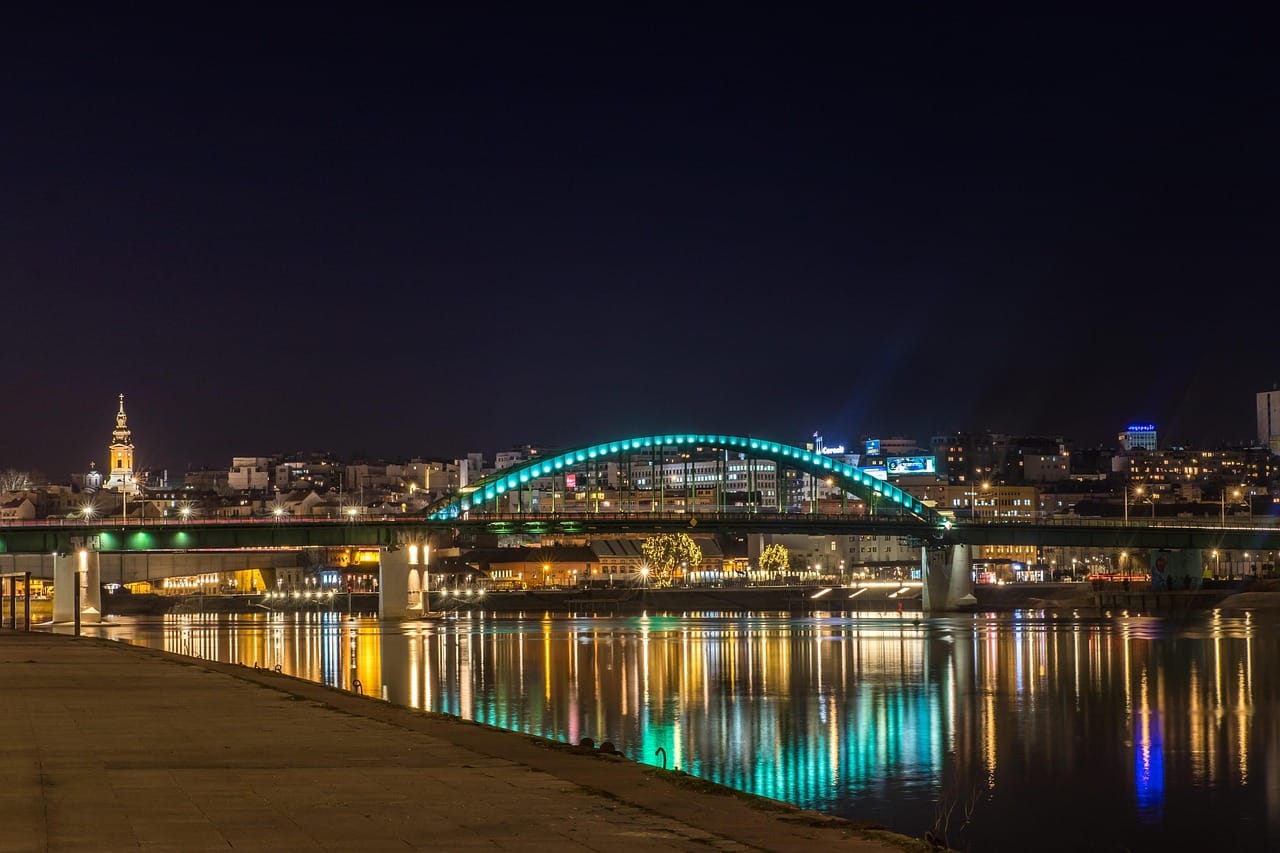
When I left Toronto in 2022, I wasn't fleeing. I was pursuing something. At 32, after nearly a decade in Canada's creative industry, my income stagnated while rent ate up 40% of my pay. Other digital nomads whispered about Belgrade: affordable, creative, well-connected. I didn't expect a city that would reshape how I view work, community, and creative success.
Two years later, I'm still here. Not because I couldn't leave, but because Belgrade has transformed the way I work, connect with others, and define creative success. For creatives looking to elevate their careers, here's why Belgrade might be the catalyst you need.
The Cost of Living That Actually Lets You Live
Let's talk money first, because it matters. In Toronto, I was making decent freelance income, around $5,500 USD monthly, but felt perpetually broke. My studio apartment cost $1,900, groceries ran another $550, and between transit, internet, and basic living expenses, I was left with maybe $1,500 for savings, travel, or actually enjoying life.
In Belgrade, that same income feels like wealth. My spacious one-bedroom apartment in Vračar, one of the city's most desirable neighborhoods, costs $770 monthly. It has high ceilings, original parquet floors, and a balcony overlooking tree-lined streets. Groceries run about $330 per month when I shop at both markets and supermarkets. A meal at a quality restaurant costs $17-22, and excellent coffee is $2.20.
My co-working membership at Impact Hub is $165. Home high-speed internet is $22. A public transit pass is $33, though I mostly walk. Belgrade is extremely walkable for a capital.
Total monthly expenses, including entertainment, health insurance, and occasional splurges: around $2,200. That leaves me with $3,300 for savings, travel, professional development, or reinvesting in my business. For the first time in my adult life, I'm not just surviving, I'm building wealth while doing work I love.
A Creative Scene That's Hungry and Humble
What struck me immediately about Belgrade's creative community was its lack of pretension. In Toronto, every networking event felt like a competition to prove who was busier, more successful, or better connected. Belgrade's creatives are building something together, and they're genuinely interested in collaboration over competition.
The city has a thriving startup ecosystem centered around neighborhoods like Dorćol and Savamala. These aren't polished tech campuses. They're converted warehouses and repurposed buildings where designers, developers, and entrepreneurs actually make things. Places like StartIt Center and the Serbian Innovation Fund actively support early-stage companies with funding, mentorship, and workspace.
I've found more meaningful professional connections in Belgrade's informal coffee meetings than I did at Toronto's carefully orchestrated networking events. There's a willingness to share knowledge, make introductions, and support each other's work that feels refreshingly genuine.
The local tech scene is sophisticated but not saturated. Companies like Nordeus (a mobile gaming company worth hundreds of millions) started here. International companies increasingly use Belgrade as a development hub, bringing Western salaries and global standards to local talent. As a copywriter, I've worked with Serbian startups preparing for international markets, European agencies needing Balkan expertise, and North American companies leveraging the time zone overlap.
Unlock the secrets of the world's most successful entrepreneurs with the
Global Wealth Navigator Newsletter
Discover the world's best destinations offering a lower cost of living paired with an enriched quality of life with the Global Wealth Navigator Newsletter. Whether you're a retiree or an entrepreneur, we dive into strategies that open doors to international investments, tax optimizations, and discover the finest destinations offering a superior quality of life. Don't let borders or routine define you; lets find your ideal spot in the world, regardless of your income bracket.

The Time Zone Sweet Spot
Belgrade operates on Central European Time (CET), which creates an ideal working window for clients across multiple continents. I maintain morning overlap with Toronto (6-hour difference) and afternoon availability for Singapore and Dubai clients (5-6 hours ahead). European clients share my exact schedule, making collaboration seamless.
This time zone positioning means I can realistically serve clients from Vancouver to Dubai without working overnight shifts. My typical workday runs from 9 AM to 5 PM, with occasional early starts for North American calls and late afternoons for Asia-Pacific check-ins. It's manageable, professional, and doesn't require the sleep-schedule gymnastics that digital nomads in Southeast Asia often face when serving Western clients.
Co-Working Spaces That Actually Work
Belgrade's co-working scene exceeds expectations. Impact Hub offers reliable 200 Mbps internet, meeting rooms, standing desks, and a community manager who remembers your name and makes introductions.
Other notable spaces include Smart Office (more corporate, excellent for client meetings), Startit Centar (very tech-focused), and Nova Iskra (design- and creative-oriented). Most offer day passes for around $11-17 if you want to try before committing to a membership.
What makes Belgrade's co-working spaces special isn't the amenities, though they're solid. It's the density of interesting people. On any given day, I might share lunch with a Serbian AI researcher returning from Silicon Valley, a Dutch filmmaker documenting Balkan culture, or a local founder raising funding for an edtech startup. These aren't forced networking situations; they're organic conversations that often lead to collaborations.
The café culture supplements co-working beautifully. Belgrade has hundreds of cafés where you can work for hours on a $2.20 coffee without anyone pressuring you to leave. Many have reliable WiFi and understand the remote work lifestyle. I rotate between co-working days (high productivity, strong community) and café days (creative thinking, lower energy).
English Works (But Serbian Helps)
You can absolutely operate in Belgrade speaking only English. The startup scene, co-working spaces, and international business community predominantly use English. Most Serbians under 40 in Belgrade speak functional to fluent English, especially in professional contexts.
Learning Serbian opens doors. I began with basic phrases and, after two years, now converse comfortably. It’s shown respect for the culture, deepened my understanding of local business practices, and built friendships beyond the expat bubble.
Serbian uses both Cyrillic and Latin scripts interchangeably, which initially seems daunting but becomes manageable quickly. Street signs, menus, and official documents often appear in both scripts. Learning to read Cyrillic has been tremendously useful.
Infrastructure That Supports Remote Work
Belgrade has invested heavily in digital infrastructure. Internet speeds are excellent. My home fiber connection delivers 300 Mbps for $22 monthly. Most cafés and co-working spaces have backup internet, and mobile data is cheap and reliable (I pay $11 monthly for unlimited data with Yettel).
The city is well-connected internationally. Belgrade Nikola Tesla Airport offers direct flights to major European hubs, Middle Eastern cities, and increasingly to North America and Asia. Budget carriers like Wizz Air make European travel incredibly affordable. I've flown to Barcelona for $66 round-trip.
Public transportation is functional if not flashy. The bus and tram network covers the city comprehensively, though vehicles can be aging. I usually walk or use CarGo (Belgrade's car-sharing service) for longer trips. The city is developing metro lines, which should significantly improve mobility by 2028.
The Lifestyle Factor
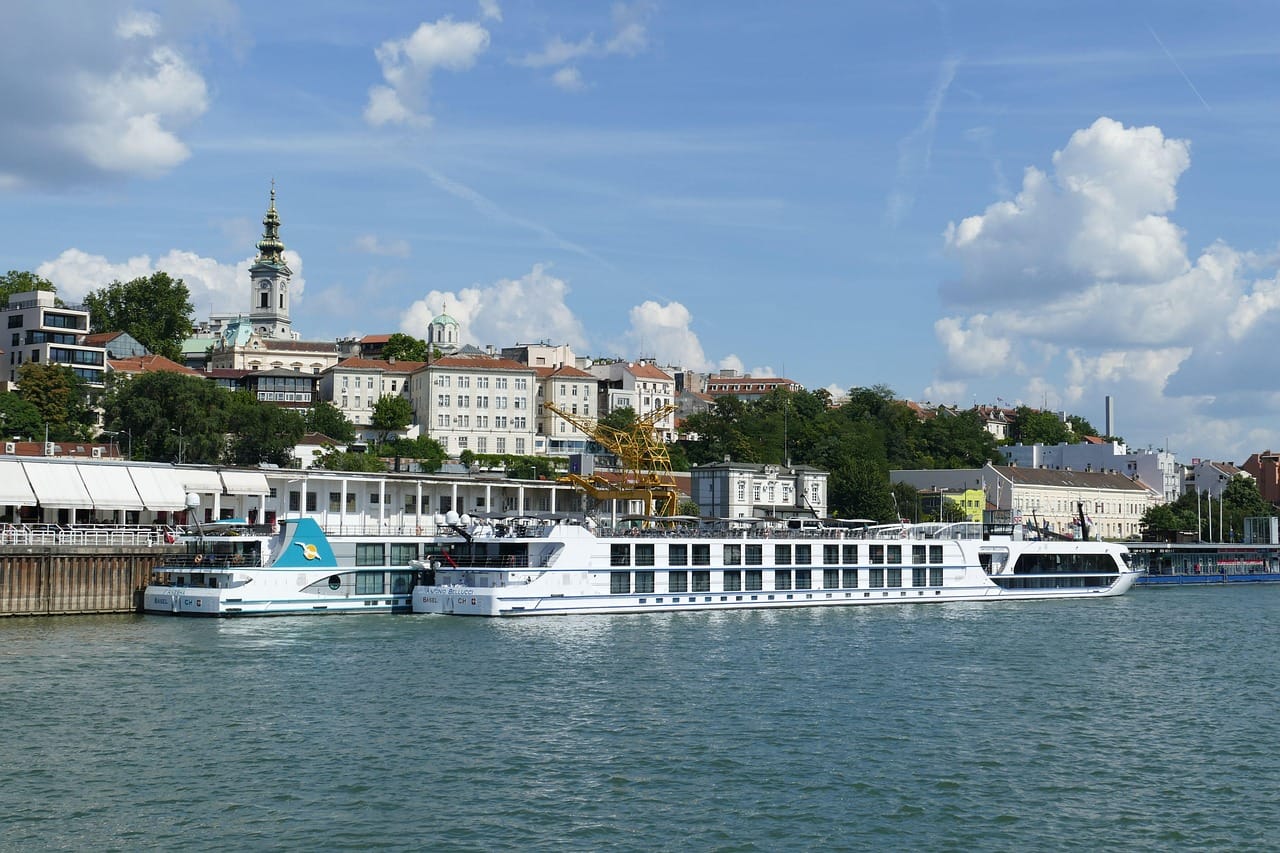
Belgrade isn't trying to be Copenhagen or Barcelona. It's grittier, rougher around the edges, and unapologetically itself. The architecture mixes Austro-Hungarian elegance with communist brutalism and modern glass towers. It works because the city isn't performing for tourists. It's focused on being livable for residents.
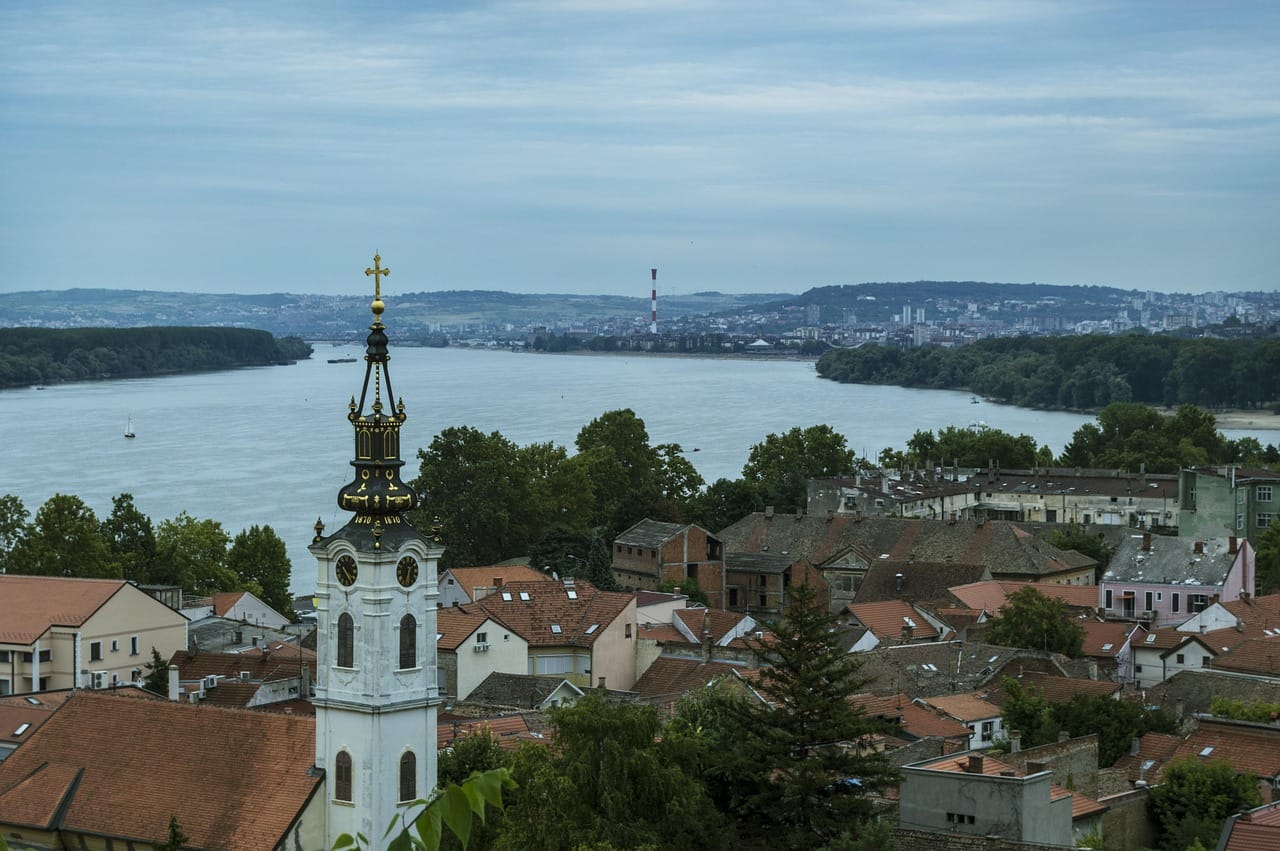
The Danube and Sava rivers create natural gathering spots. Summer brings splavovi (floating river clubs) where locals dance until sunrise. Kalemegdan Park and Fortress offer medieval history, river views, and the city's best sunset spot. Ada Ciganlija, a river island that has become a peninsula, is Belgrade's beach in summer, with swimming, sports facilities, and waterfront restaurants.
The food scene balances traditional Serbian cuisine (expect lots of grilled meat, hearty stews, and excellent bread) with international options. Skadarlija, Belgrade's bohemian quarter, offers traditional restaurants with live music. Dorćol and Savamala have trendy cafés serving third-wave coffee and fusion cuisine.
Seasons are distinct. Summers are hot (25-30°C / 77-86°F) but bearable compared to humid North American summers. Winters can be cold (around 0-5°C / 32-41°F) with occasional snow, though central heating keeps apartments comfortable. Spring and fall are mild and beautiful.
The Visa Situation (It's Easier Than You Think)
Canadians can stay in Serbia visa-free for up to 90 days within a 180-day period. For longer stays, I obtained a temporary residence permit for remote workers, which is straightforward if you have proof of income, health insurance, and accommodation. The permit costs about $110 and must be renewed annually.
Serbia isn't in the EU but has candidate status and maintains favorable relationships with both Western and Eastern powers. This positioning creates interesting opportunities. You're in Europe but with your own currency (Serbian dinar), immigration system, and somewhat lower bureaucratic complexity.
Many remote workers use Serbia as a base while maintaining visa-free access to EU Schengen countries. The proximity to Croatia, Hungary, Montenegro, and Bulgaria makes regional exploration easy and affordable.
The Challenges (Because Everywhere Has Them)
Belgrade isn't perfect. The bureaucracy can be frustrating. Expect long waits at government offices and occasionally confusing procedures. Air quality in winter is poor due to heating practices and geography. The city can feel polluted, especially in December through February.
Customer service standards don't match Western expectations. Things move more slowly, rules change without notice, and the phrase "that's not possible" often means "I don't feel like figuring out how to make it possible." You develop patience and learn to work around systems rather than through them.
Serbia's complex political situation occasionally surfaces in daily life. While Belgrade itself feels safe and cosmopolitan, the country's history and ongoing regional tensions serve as background. As a foreigner, you're generally insulated from these issues, but cultural sensitivity is important.
Is Belgrade Right for Your Creative Career?
Belgrade works best for creatives and remote workers who prioritize financial sustainability, genuine community, and creative focus over pristine infrastructure and Western convenience. If you need everything to work seamlessly, arrive punctually, and meet First World standards, you'll be frustrated.
But if you value authentic experience, affordable excellence, and being part of a creative community that's building something real rather than performing creativity for Instagram, Belgrade might be exactly what your career needs.
The city rewards those who engage with it rather than demanding it conform to them. Learn a few Serbian phrases. Understand the historical context. Support local businesses alongside international chains. Show up consistently at your co-working space. The community will welcome you, the lifestyle will sustain you, and the affordability will give you creative freedom you couldn't access in Western capitals.
Practical Next Steps
If you're considering Belgrade, start with a month-long visit. Book a short-term apartment in Vračar, Dorćol, or Savamala through Booking.com. Get a day pass to Impact Hub or Smart Office. Explore the neighborhood café scene. Attend a startup event or creative meetup (check Facebook groups like "Digital Nomads Belgrade" or "Startit Community").
Come in spring (April-May) or fall (September-October) when the weather is ideal, and the city feels most vibrant. Avoid January-February when air quality is worst, and the city can feel grey and cold.
Bring your skepticism, open mind, and willingness to adapt. Belgrade won't meet every expectation, but it might exceed the ones that actually matter for building a sustainable creative career.
Ready to Make Your Move?
Relocating to a new country for your creative career is exciting, but it's also complex. At Global Citizen Life, we help professionals like you navigate the practical and strategic challenges of moving abroad. Whether you're considering Belgrade or exploring other destinations, our Moving Abroad Programs provide expert guidance tailored to your situation.
We offer three ways to work with us: One-time strategy calls to answer specific questions and develop your personalized roadmap; six country-specific Moving Abroad Masterclasses covering visa requirements, cost of living, healthcare, housing, and cultural integration; and private coaching and consulting for comprehensive, hands-on support throughout your entire relocation journey.
Learn more about our programs at https://www.globalcitizenlife.org/programs
Written by Courtney Singh
Courtney is a Canadian freelance copywriter and digital nomad based in Belgrade, Serbia. At 32, she traded Toronto's high cost of living for Serbia's vibrant creative scene and affordable lifestyle. Courtney specializes in writing about remote work, co-working culture, and the Balkans' emerging startup ecosystem. Her firsthand experience navigating expat life in Serbia provides authentic insights for professionals considering a move to Southeast Europe.
Read all our articles about Serbia here.
Global Citizen Life
© 2023 Global Citizen Life
All rights reserved