
Weekend Getaways from Valencia: 8 Stunning Destinations Under 2 Hours
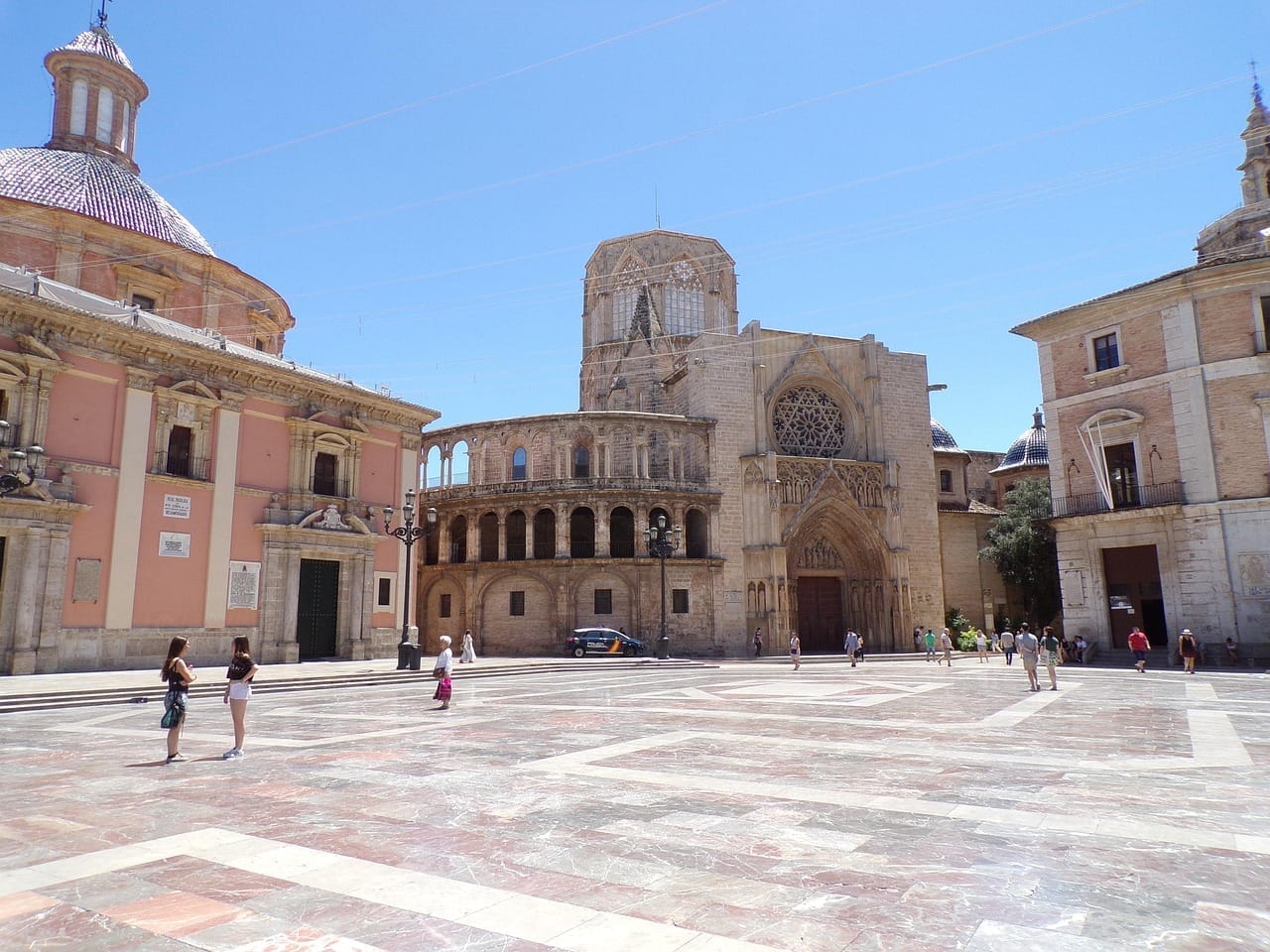
Living in Valencia has transformed how I think about weekend travel. When you're working remotely from one of Spain's most vibrant cities, the world doesn't shrink; it expands. I've learned that proximity isn't measured in kilometers, but in experience quality, and within a two-hour radius of Valencia, you'll find some of the Mediterranean's most compelling destinations.
After three years of calling Valencia home and countless weekend adventures, I've developed a personal map of nearby escapes that feel worlds away from my daily coworking routine. These aren't just tourist destinations. They're places where you can genuinely disconnect, recharge, and return to your Monday morning standup feeling like you've actually been somewhere.
Here are eight destinations that have become my go-to recommendations for fellow remote workers and expats looking to maximize their Spanish experience without sacrificing productivity or breaking the bank.
1. Peñíscola: The Castle by the Sea
Travel Time: 1 hour 20 minutes north
Peñíscola sits on a dramatic rocky peninsula jutting into the Mediterranean, crowned by a 13th-century castle that seems lifted from a fantasy novel. This is where they filmed parts of Game of Thrones, and once you arrive, you'll understand why. The old town's narrow cobbled streets wind upward toward Papa Luna's castle, offering unexpected views at every turn.
What Makes It Special
The authenticity. Unlike some coastal towns that have surrendered entirely to tourism, Peñíscola maintains a lived-in quality. You'll find local fishermen mending nets near the harbor, elderly residents chatting in doorways, and family-run restaurants serving seafood that was swimming that morning. The town has mastered the balance between welcoming visitors and preserving its identity.
The castle itself costs about $4 to enter and rewards you with panoramic coastal views. Walk the fortress walls during golden hour, and you'll see exactly why medieval popes chose this as their residence. Below, two beaches bracket the old town—Norte and Sur—offering distinctly different atmospheres. Norte tends toward families and calm waters, while Sur attracts a younger crowd and water sports enthusiasts.
Practical Details
Drive or take the direct bus from Valencia's Estación de Autobuses. The bus costs around $12-15 each way and drops you near Old Town. Parking in summer can be challenging; arrive early or use the paid lots just outside the historic center. For accommodation, I prefer staying in the old town itself—the atmosphere at night, when day-trippers have left, is magical. Expect to pay $80-120 for a decent apartment or boutique hotel room. I recommend Booking.com for accommodations.
Best for: History enthusiasts, photographers, and anyone needing a complete mental shift from urban life. The castle and old town provide natural boundaries that help you disconnect from work mode.
2. Xàtiva: The City of a Thousand Fountains
Travel Time: 1 hour southwest
Xàtiva doesn't appear on most tourist itineraries, which is precisely what makes it appealing. This historic city, birthplace of two Borgia popes, sprawls across a hillside dominated by an impressive castle complex. Unlike coastal destinations that swell in summer, Xàtiva maintains consistent charm year-round, making it ideal for off-peak weekend visits.
What Makes It Special
The castle, actually two connected fortresses, spans the ridgeline above town. The climb up takes about 30 minutes on foot (or drive if you prefer), but the effort pays dividends. You'll walk through 2,500 years of Iberian, Roman, Moorish, and Christian history, with information panels in multiple languages explaining each period. The views stretch across orchards and mountains toward the Mediterranean.
The town itself rewards wandering. The collegiate church, municipal market, and maze of medieval streets each deserve time. But Xàtiva's defining feature is water; hence the thousand fountains. These range from elaborate baroque affairs to simple neighborhood spouts, all fed by ancient aqueducts. The fountains create a subtle soundtrack throughout the old town.
Practical Details
Take the train from Valencia's Estació del Nord: frequent service, about $5 each way, and a journey time of under an hour. The station sits at the town's base, with the old quarter climbing uphill from there. Comfortable walking shoes are non-negotiable. Castle admission runs around $6. The town has limited overnight accommodation, but several high-quality options are available if you want to stay. Otherwise, it's perfectly manageable as a day trip.
Best for: Remote workers needing historical context and perspective. There's something about walking through centuries of preserved architecture that helps recalibrate your thinking about current projects and challenges.
Ready to make your move to Spain? Our comprehensive
online course provides everything you need to successfully relocate, covering visa applications, finding accommodation, setting up as a remote worker, navigating Spanish bureaucracy, and integrating into local communities. Transform your Spanish dream into reality with expert guidance and practical strategies from experienced expats.
3. Guadalest: Mountain Village with a View
Travel Time: 1 hour 30 minutes south
Guadalest perches impossibly on a rocky outcrop in Alicante province, its castle ruins and white houses appearing to grow from the stone itself. This tiny village draws significant tourist traffic, but visit during the shoulder season or on a weekday, and you'll understand why people make the journey. The setting is genuinely spectacular.
What Makes It Special
Access to the old village comes through a tunnel carved directly through rock, an atmospheric entrance that sets the tone. Once through, you'll find yourself in what feels like a living museum. The Castle of San José crowns the summit, offering 360-degree views of the turquoise reservoir below and the surrounding mountains. Entry costs about $4 and includes access to several small museums.
The village itself contains just 200 permanent residents but supports a dozen museums ranging from medieval torture instruments to vintage motorcycles. These reflect the village's tourist-dependent economy, but they're often quirky and interesting. More compelling is simply walking the narrow streets, photographing doorways, and absorbing the views from various vantage points.
Practical Details
Driving is easiest. Public transport requires multiple connections and significant time. The drive takes you through spectacular mountain scenery along well-maintained roads. Parking near the village costs about $4-5 for the day. The village is small enough to see in 2-3 hours, but combine it with stops at nearby Callosa d'en Sarrià (known for its nispero fruit) or the Algar waterfalls for a full day out.
Best for: Designers and creatives seeking visual inspiration. The dramatic landscape and architectural integration provide natural examples of form meeting function. Bring your camera or sketchbook.
4. Morella: Medieval Time Capsule
Travel Time: 1 hour 45 minutes northwest
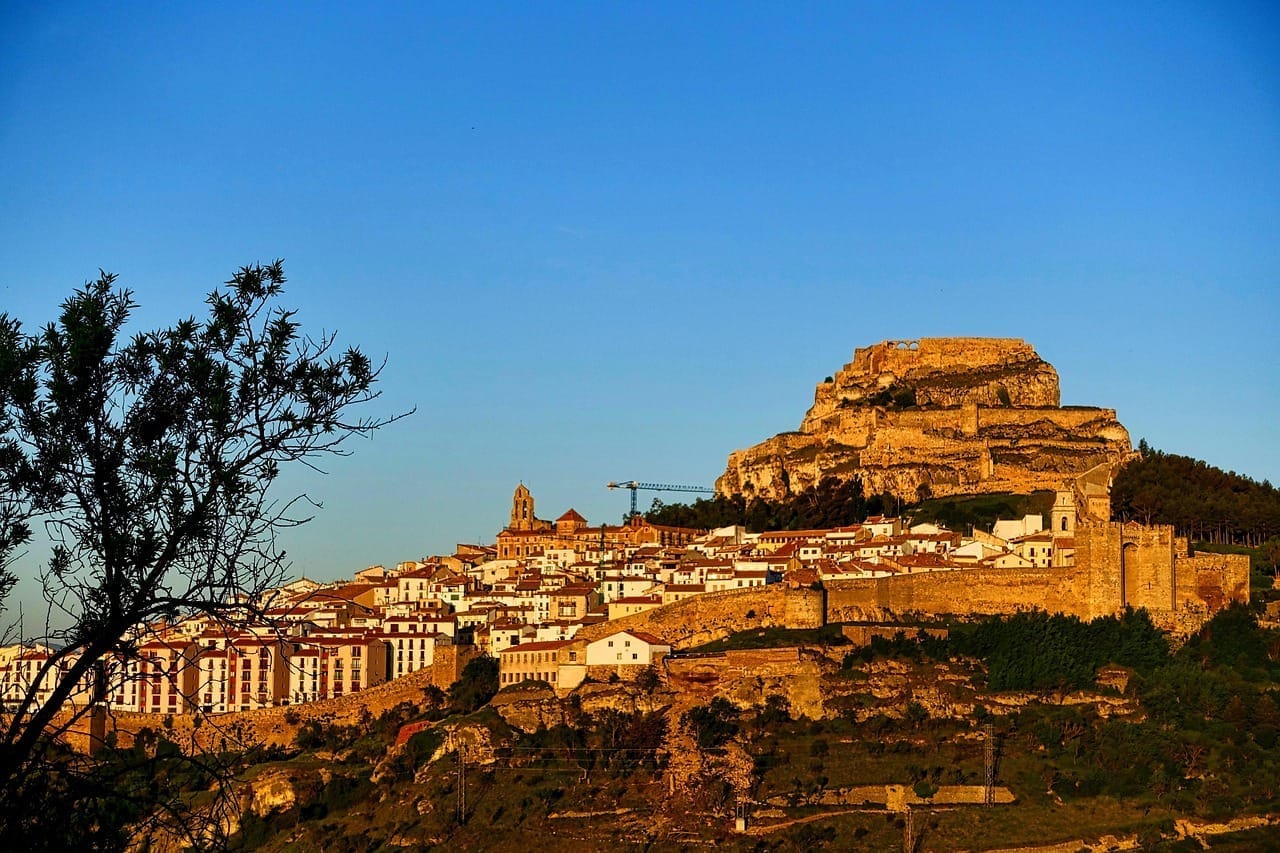
Morella rises from the Maestrazgo mountains like something from a medieval manuscript. It's a perfectly preserved walled town climbing toward a castle on a rocky peak. This is one of Spain's most beautiful villages, and unlike some destinations that earn that designation on technicality alone, Morella genuinely deserves the recognition.
What Makes It Special
The entire old town lies within 14th-century walls that stretch over two kilometers and are punctuated by six gates and fourteen towers. Walking these walls provides both exercise and perspective, literally and figuratively. The town itself seems frozen in time, with Gothic architecture dominating the streetscape and modern intrusions kept tastefully minimal.
The castle requires a steep climb but rewards effort with commanding views across multiple provinces. The basilica of Santa María la Mayor showcases Gothic and Romanesque elements, while the town's various convents and palaces each tell part of Morella's story as a strategic stronghold. But the real pleasure comes from simply wandering: discovering small plazas, archways, and unexpected details in the stonework.
The local cuisine leans hearty and mountain-appropriate: lamb, wild mushrooms, truffles, and robust wines. This isn't beach food. It's sustenance developed for cold winters and hard work, and it's delicious.
Practical Details
Drive or take the bus from Valencia (around $15 each way, but service is limited). The drive itself is worthwhile. The route winds through dramatic mountain landscapes that feel remote despite the relatively short distance from the coast. Morella merits an overnight stay if possible. Several historic buildings have been converted to hotels and offer atmospheric accommodation in the $90-130 range. The town fills on summer weekends; visit during the week for a more contemplative experience.
Best for: Anyone seeking complete disconnection. Morella's mountain location and historical atmosphere create a natural separation from digital life. Perfect for a true reset before tackling a challenging work week.
5. Calpe: The Rock and the Beach
Travel Time: 1 hour 15 minutes south
Calpe is dominated by the Peñón de Ifach, a 332-meter limestone rock jutting dramatically from the coastline. This natural monument, now a protected natural park, defines the town's identity and provides its main draw. While Calpe itself has developed significantly as a tourist destination, the rock maintains its wild character.
What Makes It Special
Climbing the Peñón requires moderate fitness and proper footwear, but it's accessible to most people. The trail begins easily enough, then enters a tunnel through the rock before emerging onto exposed paths climbing to the summit. The views from the top stretch along the entire Costa Blanca, and on clear days, you can see Ibiza. The entire round-trip climb takes 2-3 hours.
Beyond the rock, Calpe offers excellent beaches (particularly Playa de la Fossa), a charming old town with remnants of its fishing village past, and some of the region's best seafood restaurants. The salt flats on the town's northern edge attract flamingos and other waterbirds, providing unexpected nature watching just minutes from the beach.
Practical Details
Take the train to Alicante, then the bus to Calpe, or drive directly (easiest option). The Peñón trail requires advance online reservation during peak season; check the official website. Arrive early in summer as the trail closes once capacity is reached. The climb is free but regulated for environmental protection.
Best for: Remote workers who need physical challenge combined with beach relaxation. Climb the rock in the morning, work from a beachfront café in the afternoon, and watch the sunset with a glass of local wine. This is living abroad done right.
6. Albarracín: Pink Stone and Medieval Perfection
Travel Time: 2 hours northwest (Teruel province)
Albarracín pushes the two-hour limit but earns inclusion through sheer beauty. This pink-hued village in Teruel province is regularly cited as one of Spain's most beautiful, and photographs don't exaggerate. The entire town seems to defy gravity, with houses stacked along a hillside above the Guadalaviar River, all constructed from local pink sandstone that glows at sunrise and sunset.
What Makes It Special
Walking Albarracín's streets feels like moving through a perfectly preserved medieval town, which, essentially, you are. The town's isolation helped protect it from later development, leaving a remarkably coherent architectural legacy. The cathedral, the fortress walls, and the bishops' palace all merit visits, but the real draw is the overall atmosphere.
The surrounding landscape offers excellent hiking, including routes to prehistoric cave paintings. The nearby Pinares de Rodeno protected area combines unique pink stone formations with ancient juniper forests. This is high-quality nature access combined with cultural richness, increasingly rare in tourist-heavy Spain.
Practical Details
Driving is essential. There is no practical public transport. The route from Valencia takes you through varied landscapes, climbing into the mountains of Teruel. Albarracín merits an overnight stay to fully appreciate the pink stone bathed in evening and morning light. Accommodation ranges from basic hostales to boutique hotels, generally $70-120. The town becomes crowded on summer weekends; visit during the week for a more intimate experience.
Best for: UX designers and anyone working in visual fields. The town's organic architecture and natural integration into the landscape provide masterclass examples of thoughtful human settlement. Take your time and observe how the medieval builders solved design challenges without modern tools.
Unlock the secrets of the world's most successful entrepreneurs with the
Global Wealth Navigator Newsletter
Discover the world's best destinations offering a lower cost of living paired with an enriched quality of life with the Global Wealth Navigator Newsletter. Whether you're a retiree or an entrepreneur, we dive into strategies that open doors to international investments, tax optimizations, and discover the finest destinations offering a superior quality of life. Don't let borders or routine define you; lets find your ideal spot in the world, regardless of your income bracket.

7. Altea: White Village by the Sea
Travel Time: 1 hour 20 minutes south
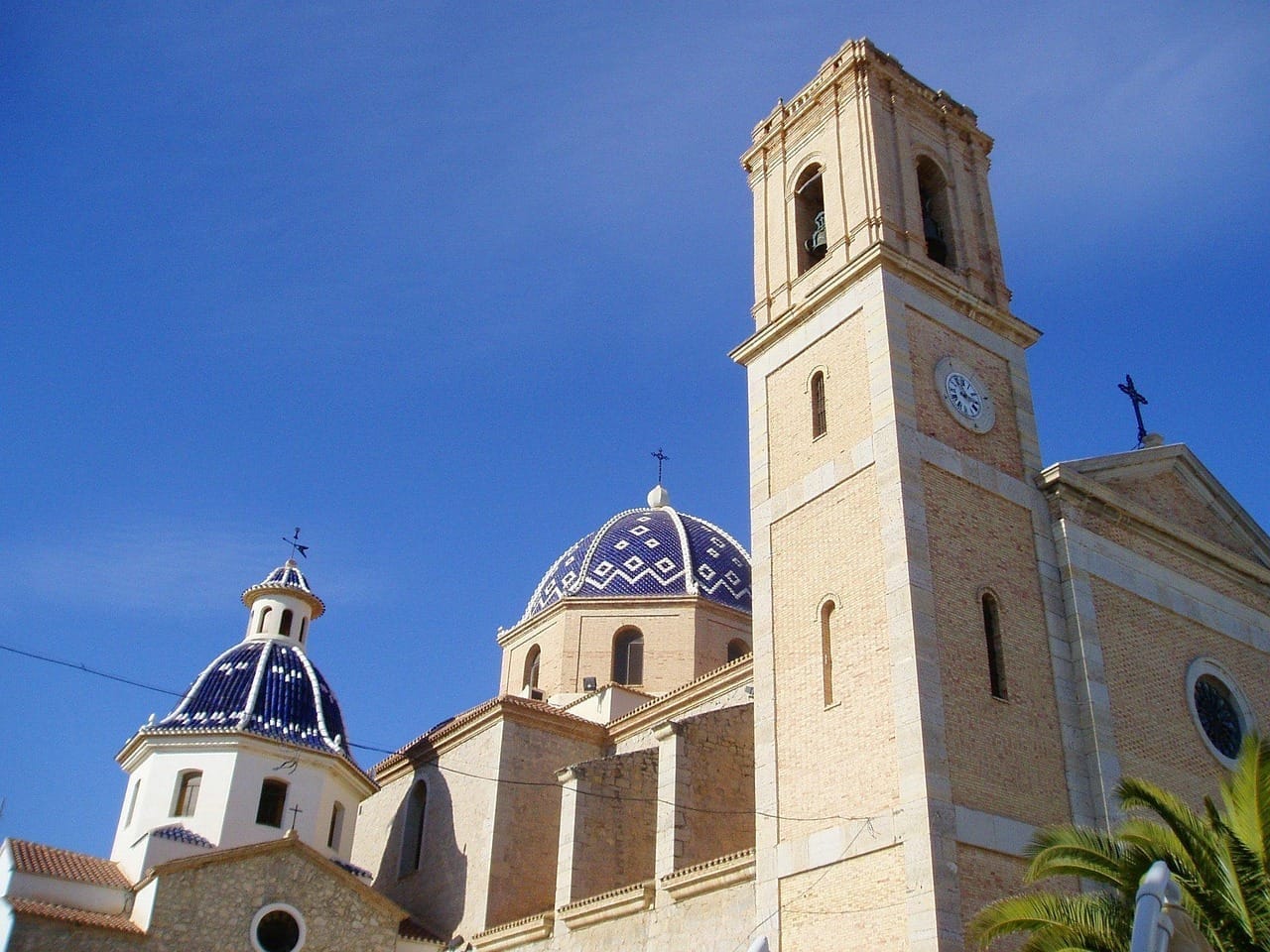
Altea offers everything Calpe provides without the massive rock, which some consider an advantage. This white-washed village cascades down a hillside toward the Mediterranean, its blue-domed church marking the old town's summit. Altea has attracted artists and bohemians for decades, creating a more culturally sophisticated atmosphere than typical coastal resorts.
What Makes It Special
The old town's pedestrian streets wind upward past art galleries, craft shops, and small restaurants. Unlike some preserved historic quarters that feel museumified, Altea's old town maintains genuine life. People actually live here. The church plaza at the summit provides sweeping coastal views and serves as a natural gathering point.
Altea's beaches are pebbly rather than sandy, which means clearer water and fewer crowds than sandy neighbors. The seafront promenade stretches for kilometers and fills with runners, walkers, and cyclists each morning and evening. Several marinas offer sailing options if you want to view the coast from the water.
The town's artistic community creates a rich cultural calendar, gallery openings, craft markets, and live music. This isn't just a beach destination; it's a place where creative professionals have built a community.
Practical Details
Take the train to Alicante and the bus to Altea, or drive directly. The tram from Alicante also reaches Altea, offering a scenic coastal journey. Parking in the old town is limited; use the paid lots near the beach and walk up. Day trips work well, but staying overnight lets you experience the evening atmosphere when day visitors leave. Expect $90-140 for decent accommodation.
Best for: Digital nomads seeking community. Altea attracts remote workers and creative professionals, making it easy to find good coffee, reliable wifi, and interesting conversations. This is a place you could easily work from for a week.
8. Requena: Wine Country Escape
Travel Time: 1 hour west
Requena sits at the heart of Valencia's wine region, surrounded by vineyards producing some of Spain's most interesting wines. While less visually dramatic than coastal or mountain destinations, Requena offers something different: the chance to explore underground wine caves, taste excellent local wines, and experience an authentic working agricultural town.
What Makes It Special
Beneath Requena's streets lies an extensive network of underground passages and caves, many carved centuries ago for wine storage. Several bodegas offer tours of these subterranean spaces, explaining traditional winemaking while you taste their products. It's genuinely fascinating to stand 10 meters underground in chambers carved from soft volcanic tuff, surrounded by aging barrels.
The old town contains well-preserved medieval quarters, a castle, and several churches worth visiting. But Requena's appeal lies more in its working character than in its monuments. This is a real town where wine production matters economically, not just touristically. That authenticity creates a different energy than purpose-built tourist destinations.
Practical Details
Take the train from Valencia (frequent service, under $10 each way) or drive. If planning to visit multiple bodegas and taste wines, public transport makes more sense than driving. Book bodega tours in advance; many require reservations. Tours typically cost $15-25 and include tastings. Several good restaurants serve traditional cuisine paired with local wines. The town makes an easy day trip, but also supports overnight stays if you want to explore the surrounding wine region more thoroughly.
Best for: Remote workers who appreciate good wine and want to better understand their adopted region. Requena provides context for Valencia's agricultural identity and offers a different pace from coastal tourism.
Planning Your Weekend Getaway Strategy
After three years of weekend exploring, I've developed some principles that maximize the return on these short trips:
Consider Your Work Schedule
Beach destinations like Calpe and Altea work well after intense work weeks when you need physical relaxation. Mountain towns like Morella and Albarracín suit times when you need mental space and perspective. Historic cities like Xàtiva and Peñíscola provide cultural stimulation without demanding physical exertion.
Time It Right
Summer weekends bring crowds and heat. Consider shoulder season visits: April, May, September, and October offer excellent weather and fewer tourists. Winter has its own appeal in mountain destinations, with clear views and a completely different atmosphere.
Build in Buffer Time
Don't pack your itinerary too tightly. The value in these trips often comes from unplanned moments, a conversation with a local, an unexpected viewpoint, an extra hour spent watching the sea. Leave space for serendipity.
Mix It Up
Alternate between destination types. Following a beach weekend with a mountain town creates variety and prevents any single type from feeling routine. Your appreciation for each increases when you're not always choosing the same category.
Consider Connectivity Needs
If you absolutely need to stay connected for work, coastal destinations generally offer better mobile coverage and wifi infrastructure than remote mountain towns. Mountain destinations excel when you need to truly disconnect. Be honest about your requirements and choose accordingly.
The Deeper Value of Proximity
These eight destinations represent just a fraction of what's accessible from Valencia within two hours. The region offers dozens more villages, beaches, mountains, and historic sites, each with its own character and appeal. But quantity isn't the point; quality of experience is.
Working remotely from Valencia means you can treat these destinations not as once-in-a-lifetime trips requiring extensive planning, but as regular weekend renewal options. You can visit Altea on a whim Friday afternoon, spend Saturday exploring and Sunday relaxing, and return to work Monday feeling genuinely refreshed. This casual accessibility changes your relationship with travel.
You learn destinations more deeply through repeated visits. The beach you discovered on your third trip to Calpe. The hidden restaurant in Peñíscola that locals recommended. The perfect time to watch the sunset from Guadalest. These accumulate over time, building genuine knowledge rather than tourist-level familiarity.
Living in Valencia has taught me that a good location strategy isn't about being in the absolute center of everything. It's about having quality options within easy reach. These eight destinations prove that Valencia delivers on that promise. Within two hours, you can stand in a medieval castle, climb a limestone rock, walk through pink-stone villages, or taste underground-aged wines.
That's not just convenient. It's transformative for how you experience living abroad. Each weekend becomes an opportunity for a different kind of reset, a new perspective, a reminder of why you chose this life. The proximity makes it sustainable; the quality makes it worthwhile.
Moving to Spain: Build Your Expat Life
Weekend getaways are wonderful, but they're just one aspect of creating a fulfilling life in Spain. From navigating visa requirements to finding the right neighborhood, establishing your remote work setup, and building a social network. There are countless details that determine whether your Spanish experience thrives or merely survives.
Our Move to Spain Masterclass provides comprehensive guidance on every aspect of relocating to and thriving in Spain. You'll learn the practical systems that make Spanish life work smoothly, from healthcare to housing, banking to bureaucracy. The course draws on real experiences from people who've successfully made the transition, providing the kind of detailed, practical knowledge that transforms an overwhelming move into a manageable process.
Final Thoughts
These eight destinations have become fixtures in my life in Valencia. Places I return to regularly and recommend without hesitation. Each offers something different, whether that's dramatic natural beauty, historical depth, cultural richness, or simple relaxation. Together, they demonstrate why Valencia works so well as a base for remote workers and expats.
You don't need to sacrifice your career for lifestyle or settle for tourist-level engagement with your adopted country. With thoughtful location choice and some weekend initiative, you can have both: meaningful work and rich experiences; professional development and personal growth; productivity during the week and genuine exploration on weekends.
Start with one destination that appeals to you. Book accommodation if you want to stay overnight, or simply drive out Saturday morning and return Sunday evening. Pay attention to how the trip makes you feel. Not just the destination itself, but the entire experience of choosing to explore, disconnecting from routine, and returning refreshed.
That feeling, that combination of discovery, renewal, and possibility, is what makes living in Valencia special. The destinations are there. The infrastructure supports easy travel. The only thing missing is your decision to go. These weekend getaways won't plan themselves, but they'll reward every minute you invest in experiencing them.
Welcome to the advantages of living in Valencia. Where weekend adventures are measured not in distance but in impact, and where two hours of travel can deliver experiences worth far more than the time invested.
Ready to make your move to Spain? Our comprehensive
online course provides everything you need to successfully relocate, covering visa applications, finding accommodation, setting up as a remote worker, navigating Spanish bureaucracy, and integrating into local communities. Transform your Spanish dream into reality with expert guidance and practical strategies from experienced expats.
Written by Clara Mitchell
Originally from Toronto, Clara now calls Valencia home. As a UX designer, she blends creativity with logic—her writing reflects that same thoughtful clarity. Clara explores Spain’s modern lifestyle, coworking hubs, and digital nomad opportunities with a focus on living beautifully and efficiently.
📍 From Toronto, now in Valencia
Clara writes about Spain’s modern expat life, coworking culture, and design-focused living. Her style suits professionals seeking productivity and inspiration abroad.
Read Articles by Clara →
Some links on this site may be affiliate links that help keep this site running at no extra cost to you.
Global Citizen Life
© 2023 Global Citizen Life
All rights reserved