
The Weekend I Fell in Love with the Alentejo: A 48-Hour Escape from the Coast
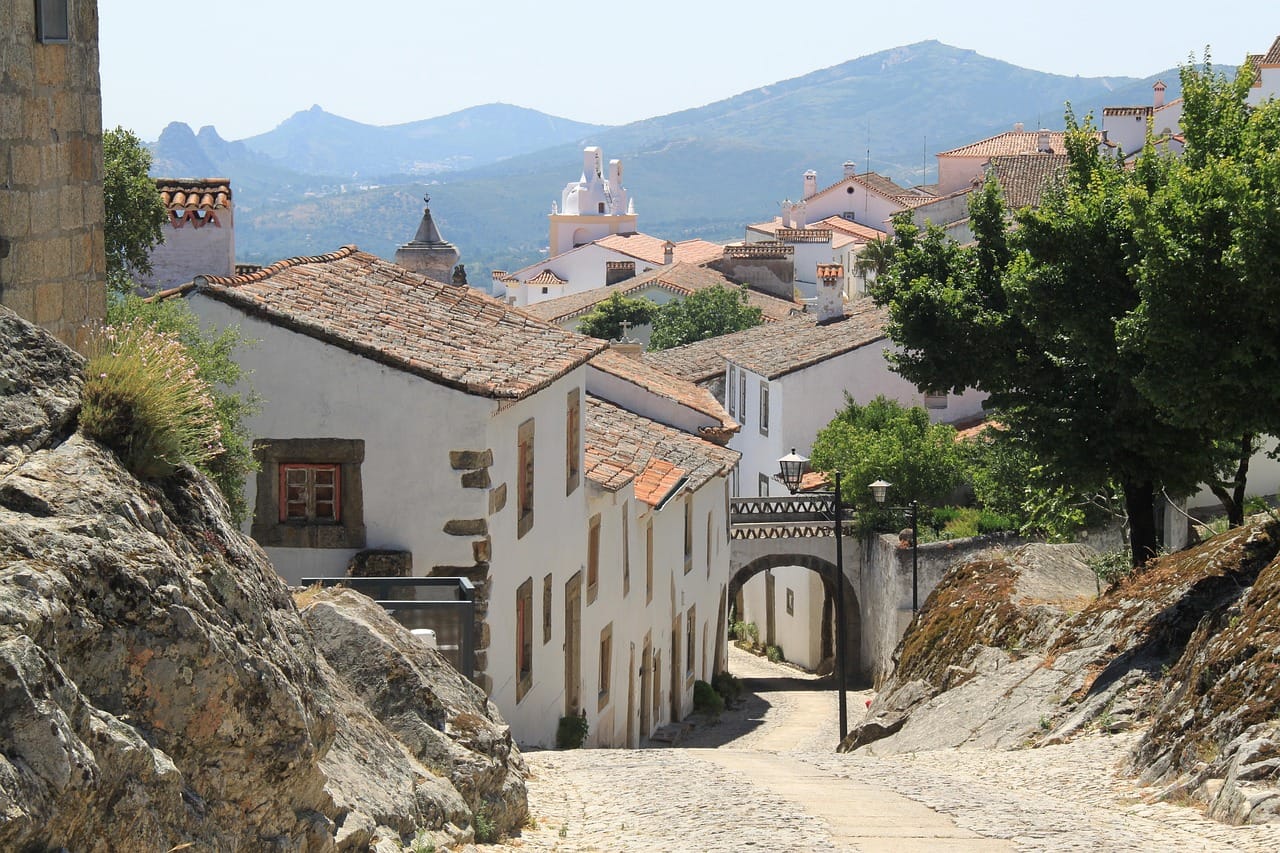
I didn't think I needed a break from the Algarve. My life here in Lagos is sun-soaked and salt-kissed, filled with clifftop sunsets and the kind of coastal rhythm that makes you forget what day it is. But when my friend Sofia suggested we spend a weekend exploring the Alentejo, Portugal's golden heartland just north of here, I said yes without really knowing why.
That 'yes' turned into one of those weekends you replay in your mind for months afterward—the kind that shifts something inside you, that reminds you why you moved abroad in the first place. I fell hard for the Alentejo, and not in the gentle way you fall for a beach town. This was different. Deeper. Earthier.
Here's how 48 hours in Portugal's wildest, most soulful region completely stole my heart.
Friday Evening: Leaving the Coast Behind
We left Lagos around 4 p.m., the coastal highway stretching before us as the Atlantic glittered to our left. But as we turned inland near Aljezur, everything changed. The eucalyptus trees gave way to rolling cork oak forests, their gnarled trunks stripped bare in orange and brown stripes. The light turned amber. The air smelled different—like wild herbs and warm earth instead of salt and seaweed.
"This is the Alentejo," Sofia said, rolling down her window. "Can you feel it?"
I could. It felt vast and unhurried in a way the coast never does. The Algarve hums with tourist energy even in the off-season, but here? Silence. Space. The kind of landscape that makes you want to exhale every bit of tension you didn't know you were holding.
We arrived in Évora just as the sun was setting, the medieval city walls glowing gold against a lavender sky. Our guesthouse was tucked down a narrow cobblestone alley; a converted 16th-century townhouse with terracotta floors and hand-painted azulejos. It cost around $135 per night, which felt like a steal for something so utterly charming.
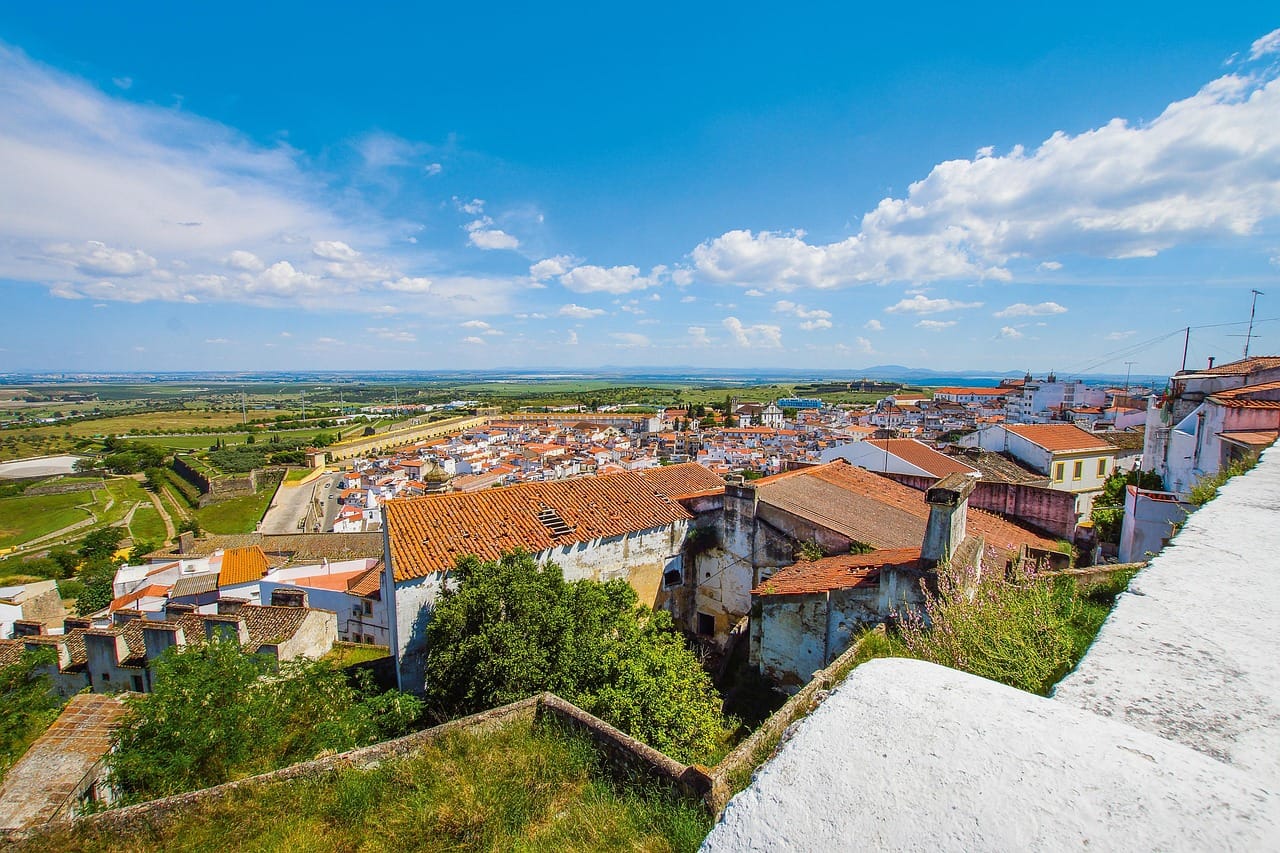
After dropping our bags, we wandered into the heart of the old town. Évora's historic center is a UNESCO World Heritage site, and walking through it at dusk felt like stepping into another century. Whitewashed buildings lined the streets, their yellow trim catching the last rays of light. We passed the Roman Temple of Diana. Yes, actual Roman columns standing casually in the middle of the square, and ended up at a tiny adega (wine tavern) recommended by our host.
Dinner was simple and perfect. Black pork, slow-cooked until it melted on the tongue, served with sautéed wild asparagus and a heap of golden migas—breadcrumbs fried with garlic and olive oil that somehow taste like everything good about Portugal. We drank deep red wine from clay cups, the kind that comes from family-owned vineyards you've never heard of but will never forget. Total bill? Around $55 for two, including wine. I wanted to cry at how good it all was.
Saturday Morning: Market Magic and Medieval Mysteries
We woke to church bells and the scent of fresh bread drifting through our window. Évora's Saturday market was already in full swing when we arrived around 9 a.m., the vendors calling out in rapid-fire Portuguese as locals haggled over produce, cheese, and chouriço.
I'm not usually a morning person, but markets like this wake something up in me. We filled a basket with sheep's cheese wrapped in paper, fat olives marinated in garlic, crusty bread still warm from the oven, and a jar of honey so dark it looked like amber. A woman selling homemade queijadas, sweet cheese tarts, insisted we try one fresh. "Melhor do mundo," she said with absolute certainty. Best in the world.
She wasn't wrong.
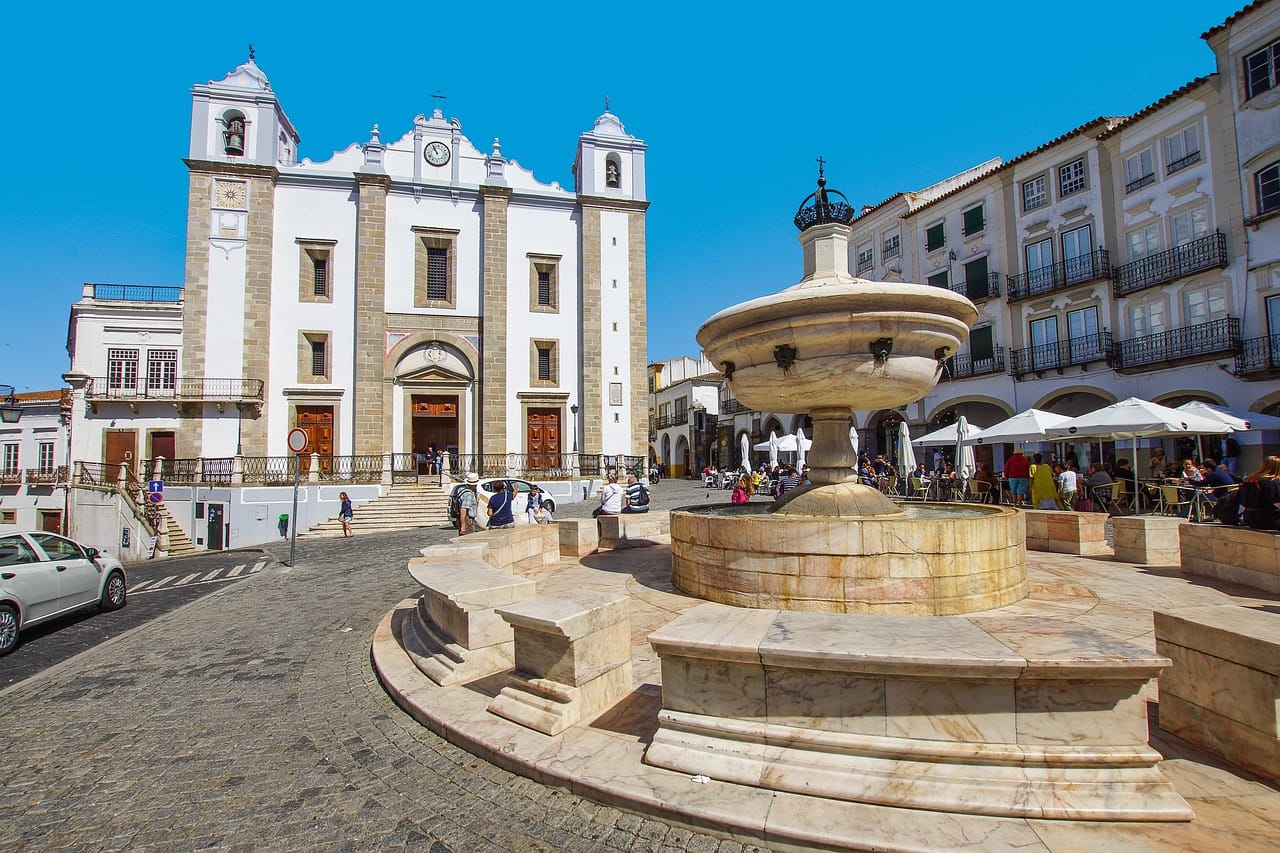
We ate our market haul on a bench in the Praça do Giraldo, the city's main square, watching life unfold around us. Old men sipped espresso at cafe tables. Tourists photographed the intricate marble fountain. A street musician played fado on a beat-up guitar, the melancholy melody drifting through the morning air.
"Should we do the Chapel of Bones?" Sofia asked, licking honey from her fingers.
I raised an eyebrow. "The what now?"
Ten minutes later, we were standing inside the Capela dos Ossos, a small chapel whose walls and pillars are entirely covered with human bones—skulls, femurs, tibias—arranged in haunting geometric patterns. A sign above the entrance reads: "Nós ossos que aqui estamos, pelos vossos esperamos." We bones that are here, wait for yours.
It should have been creepy. And it was a little. But it was also strangely beautiful, a memento mori that made you think about how you're spending your one wild life. I thought about all the weekends I'd wasted scrolling on my phone back in Dublin, all the times I'd said "someday" instead of "now." The Alentejo was reminding me, in its quiet, bone-filled way, that life is short and precious.
Ready to make your move to Portugal?
Our comprehensive
'Move to Portugal Masterclass'
This online course covers everything you need to know—from visa applications and tax planning to finding housing and building your local network. Learn from entrepreneurs who've successfully made the transition and avoid costly mistakes.
Saturday Afternoon: Wine, Cork, and Endless Horizons
After lunch (more black pork, because why mess with perfection), we drove out into the countryside. This is when the Alentejo truly shone.
The landscape here is impossibly cinematic. Endless fields of wheat and sunflowers (dormant in spring, but you could imagine them), interrupted by gnarled olive trees and those iconic cork oaks. The sky seemed bigger somehow, arching overhead in a perfect blue dome. We passed through villages that looked frozen in time; whitewashed houses with blue trim, terracotta roofs, old men sitting in doorways watching the world go by.
Our destination was a small winery near Monsaraz, perched on a hilltop overlooking the Guadiana River and the Spanish border beyond. The tasting room was rustic and unpretentious: rough wooden tables, terracotta tiles, sunlight streaming through dusty windows.
"We make wine the old way," our host explained in accented English. "Nothing fancy. Just grapes, sun, and time."
We tried five different wines, each one better than the last. Deep, bold reds made from local Alicante Bouschet and Aragonez grapes. They tasted like the earth itself. Dark fruit, leather, something wild and untamed. The tasting cost around $18 per person, and we left with three bottles tucked into our trunk.
On the way back, we stopped at a cork forest. Portugal produces most of the world's cork, and the Alentejo is cork country. The trees looked otherworldly, their bare trunks a riot of orange, rust, and brown where the bark had been stripped. Sofia and I walked among them, crunching over fallen leaves, breathing in the resinous scent.
"I could live here," I said, surprising myself.
Sofia laughed. "You say that about everywhere."
"No," I said. "I mean it this time. This feels like home."
Saturday Evening: Monsaraz at Sunset
We drove to Monsaraz as the day began to fade. This medieval hilltop village is one of the Alentejo's crown jewels. A cluster of whitewashed houses encircled by ancient walls, perched high above the plains like something out of a fairy tale.
The village was nearly empty when we arrived. We parked outside the walls and wandered the narrow cobblestone streets, past tiny shops selling handmade crafts and ceramic tiles. Everything was painted white, with blue or yellow trim, the colors so bright they hurt your eyes in the golden-hour light.
We climbed to the castle walls just as the sun began to set. From up there, you could see forever. The Guadiana River snaking silver through the valley, the Alqueva reservoir glittering like scattered diamonds, Spain hazy in the distance. The sky turned pink, then orange, then a deep bruised purple.
"This is why I moved to Portugal," I whispered to Sofia.
She nodded, not looking away from the view. "I know."
Dinner was at a tiny restaurant tucked into the village walls: grilled lamb chops with roasted peppers, açorda (a bread soup thick with garlic and herbs), and more of that impossibly good red wine. The owner brought us shots of medronho, the local firewater made from strawberry tree berries, "on the house." It burned going down, but warmed everything else.
We stayed until the stars came out. The Alentejo has some of the darkest skies in Europe, and that night they were breathtaking: thick with constellations, the Milky Way is a ghostly river overhead. I stood on the castle walls and made a promise to myself: I would come back. Soon.
Sunday Morning: A Slow Goodbye
We took our time leaving the next morning. Breakfast at a pastelaria in Évora: fresh pastéis de nata, galão (coffee with milk), and orange juice squeezed to order. The Sunday crowds were gathering for church, families dressed in their best, grandmothers clutching rosaries.
Before heading back to the coast, we made one last stop: the Almendres Cromlech, a stone circle older than Stonehenge, standing silent in a clearing among cork oaks. There's something primordial about those stones, something that connects you to the people who raised them thousands of years ago. We walked among them quietly, feeling the weight of history.
The drive back to Lagos felt too short. I watched the Alentejo landscape give way to coastal scrubland, the ocean appearing blue and bright on the horizon. Part of me didn't want to go back.
Why the Alentejo Matters for Expats
Here's the thing about the Alentejo that I didn't expect: it's not just a beautiful place to visit. It's a viable place to live.
While coastal towns like Lagos, Cascais, and even Lisbon are seeing rising rents and growing expat communities, the Alentejo remains relatively undiscovered. Property prices are still reasonable. You can find renovated village houses priced from $165,000 to $275,000, or brand-new villas with land from $385,000 to $550,000. Rentals in towns like Évora or Beja run around $770 to $1,100 per month for a comfortable two-bedroom apartment.
The cost of living is lower here than anywhere on the coast. A nice meal at a traditional restaurant rarely costs more than $22 per person. Weekly groceries for two from the market might run $55 to $77. A cappuccino costs $1.10. Wine from local producers is $8 to $11 a bottle and better than anything you'll pay $35 for back home.
But beyond the numbers, there's something else. The Alentejo offers what I think a lot of us are really looking for when we move abroad: authenticity. Real Portuguese life, lived at a human pace. Villages where everyone knows their neighbors. Markets where farmers sell what they grew that week. Restaurants where the owner's mother is in the kitchen making the same recipes her grandmother taught her.
It's not for everyone. The summers are scorching, regularly reaching 38°C to 42°C (100°F to 108°F) in July and August, though the dry heat is more bearable than you'd think. The winters can be surprisingly cold, dropping to 2°C to 5°C (36°F to 41°F) on January mornings. The towns are small and quiet; if you need constant stimulation, you'll go mad.
But if you're looking for space, literal and metaphorical, the Alentejo delivers. Space to breathe, to think, to create. Space to build the kind of life you actually want instead of the one you're supposed to want.
Unlock the secrets of the world's most successful entrepreneurs with the
Global Wealth Navigator Newsletter
Discover the world's best destinations offering a lower cost of living paired with an enriched quality of life with the Global Wealth Navigator Newsletter. Whether you're a retiree or an entrepreneur, we dive into strategies that open doors to international investments, tax optimizations, and discover the finest destinations offering a superior quality of life. Don't let borders or routine define you; lets find your ideal spot in the world, regardless of your income bracket.

Practical Tips for Your Alentejo Weekend
If you're thinking about escaping to the Alentejo for a weekend (and you absolutely should), here are a few things I learned:
Rent a car. Public transport in the Alentejo is limited, and the magic of this region lies in its vast, empty landscapes. You need the freedom to pull over whenever you see a village that looks interesting or a wine sign pointing down a dusty road. Car rentals start around $44 per day.
Stay in Évora as your base. It's centrally located, beautifully preserved, and has the best range of accommodation and restaurants. From here, you can easily day-trip to Monsaraz, the megaliths, wineries, and the coast if you want.
Eat local. Skip the touristy restaurants on the main squares and ask locals where they eat. Look for places with handwritten menus and old men drinking wine at the bar. The food will be better and half the price.
Visit the markets. Every town has a weekly market, usually on Saturday mornings. It's the best way to experience local life and stock up on incredible cheese, bread, olives, and charcuterie for picnics.
Bring layers. Even in summer, mornings and evenings can be cool. In spring and fall, you'll want a light jacket for after sunset.
Slow down. This isn't the place for rushing. The Alentejo rewards those who take their time, who wander without a plan, who let the day unfold naturally. Resist the urge to pack your itinerary. You're not here to check boxes, you're here to feel something.
If you're seriously considering making the move to Portugal, whether to the Alentejo or anywhere else in this beautiful country, check out our Move to Portugal Masterclass. This comprehensive online course walks you through everything from visa options to finding the perfect location for your lifestyle.
What the Alentejo Taught Me
I drove back to Lagos with my heart full and my trunk loaded with wine, cheese, and a jar of honey that I'm rationing like liquid gold. But I also came back with something less tangible: a reminder of why I left my old life behind.
The Alentejo showed me that there's more to Portugal than stunning beaches and pastel de nata. There's depth here. History. Soul. A way of life that values quality over speed, community over convenience, being over doing.
It reminded me that moving abroad isn't just about changing your location. It's about changing your relationship with time, with work, with what matters. It's about finding places that feed your soul instead of draining it.
The Alentejo is that kind of place. Wild and gentle, ancient and alive, empty and full all at once. I fell in love with it in 48 hours, but I know it's the kind of love that deepens over time. I'll be back. Probably sooner than I should be, considering my work deadlines and bank account.
But that's the thing about Portugal, about this whole expat life: it teaches you that some things are worth rearranging your life for. The Alentejo is one of them.
See you on the back roads, under the cork oaks, watching the sunset turn the plains to gold.
Ready to make your move to Portugal?
Our comprehensive
'Move to Portugal Masterclass'
This online course covers everything you need to know—from visa applications and tax planning to finding housing and building your local network. Learn from entrepreneurs who've successfully made the transition and avoid costly mistakes.
Written by Emily O’Hara
Originally from Dublin, Emily lives in the Algarve, where she works as a copywriter and travel vlogger. Her writing captures the sensory beauty of Portugal’s coast—sun, surf, and simplicity. Emily’s content blends visual storytelling with emotional connection, inspiring creative nomads to find their rhythm abroad.
📍 From Dublin, now in Lagos (Algarve)
Emily’s lively, visual storytelling brings Portugal’s coast to life—sunshine, surf, and the joy of remote creativity.
Read Articles by Emily →
Global Citizen Life
© 2023 Global Citizen Life
All rights reserved