
The True Cost of Living in Switzerland: A Family Budget Breakdown for Zurich Expats
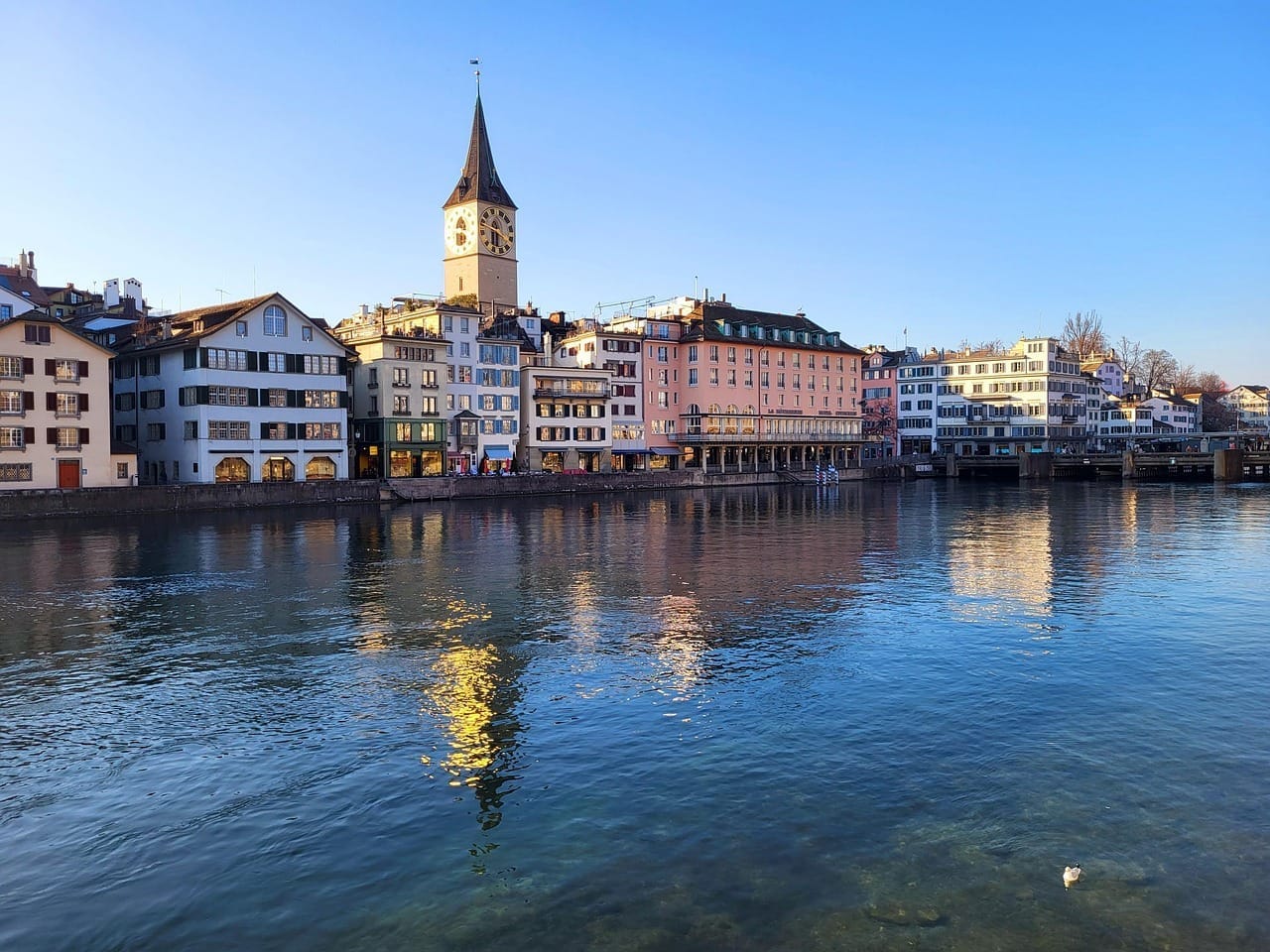
When my family and I relocated from London to Zurich five years ago, I thought I was prepared for Switzerland's reputation as one of the world's most expensive countries. After all, I'd done my research, consulted with colleagues, and received a competitive relocation package from my banking employer. Yet nothing quite prepares you for the reality of Swiss living costs until you're standing in a grocery store, stunned that a basic shopping trip has just cost you $200.
Today, after half a decade of managing our family finances in Zurich, I've gained a comprehensive understanding of what it truly costs to maintain a comfortable, quality lifestyle in Switzerland's financial capital. This isn't about bare-bones survival or finding the cheapest options. It's about realistic budgeting for expat families who want to enjoy everything this remarkable country has to offer while building a secure financial future.
Understanding the Swiss Cost Context
Switzerland consistently ranks among the most expensive countries globally, and Zurich often tops the charts for city living costs. However, this reputation requires nuance. Yes, everything from coffee to childcare costs more here than in most Western cities, but Swiss salaries are proportionally higher, the quality of services is exceptional, and the overall value proposition, particularly for families, is compelling.
The key is understanding that Swiss pricing reflects a fundamentally different economic model. You're paying for quality, reliability, and services that consistently exceed international standards. From public transportation that runs like clockwork to education systems that rank among the world's best, the premium pricing delivers premium results.
Housing Costs: Your Largest Expense
Rental Prices in Zurich
Housing will consume the largest share of your budget in Zurich. For a family of four, expect these monthly rental costs for quality accommodations:
3-bedroom apartment in central Zurich: $3,675–$5,250 per month
3-bedroom apartment in suburban areas (Oerlikon, Altstetten): $2,940–$4,200 per month
4-bedroom house in desirable neighborhoods: $5,775–$8,400+ per month
Parking space (if not included): $210–$420 per month
Our family initially rented a 120-square-meter apartment in Zurich's District 8 for approximately $4,400 monthly. This included a modern kitchen, a balcony with lake views, and access to a shared laundry room—but parking cost an additional $280 per month. After two years, we moved slightly farther from the center to gain more space and reduced our rent to $3,800 while gaining a small garden that our children love.
Additional Housing Expenses
Swiss rentals rarely include utilities. Budget additionally for:
Utilities (electricity, heating, water): $210–$315 per month
Internet and TV package: $105–$157 per month
Building maintenance fees: $105–$210 per month (often included in rent, but verify)
Household insurance (mandatory): $52–$84 per month
Unlock the secrets of the world's most successful entrepreneurs with the
Global Wealth Navigator Newsletter
Discover the world's best destinations offering a lower cost of living paired with an enriched quality of life with the Global Wealth Navigator Newsletter. Whether you're a retiree or an entrepreneur, we dive into strategies that open doors to international investments, tax optimizations, and discover the finest destinations offering a superior quality of life. Don't let borders or routine define you; lets find your ideal spot in the world, regardless of your income bracket.

Health Insurance: Mandatory and Costly
Switzerland requires every resident to have health insurance, and it's one of your most significant monthly expenses. Unlike the UK's NHS or employer-sponsored plans common in the US, Swiss health insurance is purchased individually and paid for out of pocket.
For a family of four, expect monthly premiums of:
Two adults: $840–$1,260 per month combined
Two children: $210–$315 per month combined
Total family health insurance: $1,050–$1,575 per month
Our family pays approximately $1,300 monthly for comprehensive coverage with a moderate deductible. I recommend choosing a higher deductible if you're generally healthy, as it significantly reduces monthly premiums. Additionally, budget for out-of-pocket expenses; even with insurance, you'll pay for prescriptions, dental work, and certain specialist visits.
Grocery Shopping and Food Costs
Food shopping in Switzerland initially shocked me. Quality is impeccable. Swiss standards for dairy, meat, and produce are among the world's highest, but prices reflect this premium quality.
For a family of four eating at home most evenings, expect monthly grocery costs of $1,260–$1,575. This includes:
Fresh produce: $315–$420 per month
Meat, fish, and proteins: $420–$525 per month
Dairy and eggs: $157–$210 per month
Pantry staples, snacks, household items: $368–$420 per month
Shopping strategies matter. We primarily shop at Migros and Coop, Switzerland's main supermarket chains, which offer good value for quality. Aldi and Lidl provide budget options for certain items. We've learned to buy seasonal produce, which costs significantly less, and we occasionally cross into Germany for bulk purchases of non-perishables, perfectly legal and common among Zurich residents.
Dining Out
Restaurant meals are expensive. A casual family dinner at a mid-range restaurant typically costs $157–$210, while a nicer evening out easily reaches $315–$420. We budget approximately $630 monthly for dining out and takeaway, treating ourselves to one restaurant meal weekly and occasional casual lunches.
Transportation Expenses
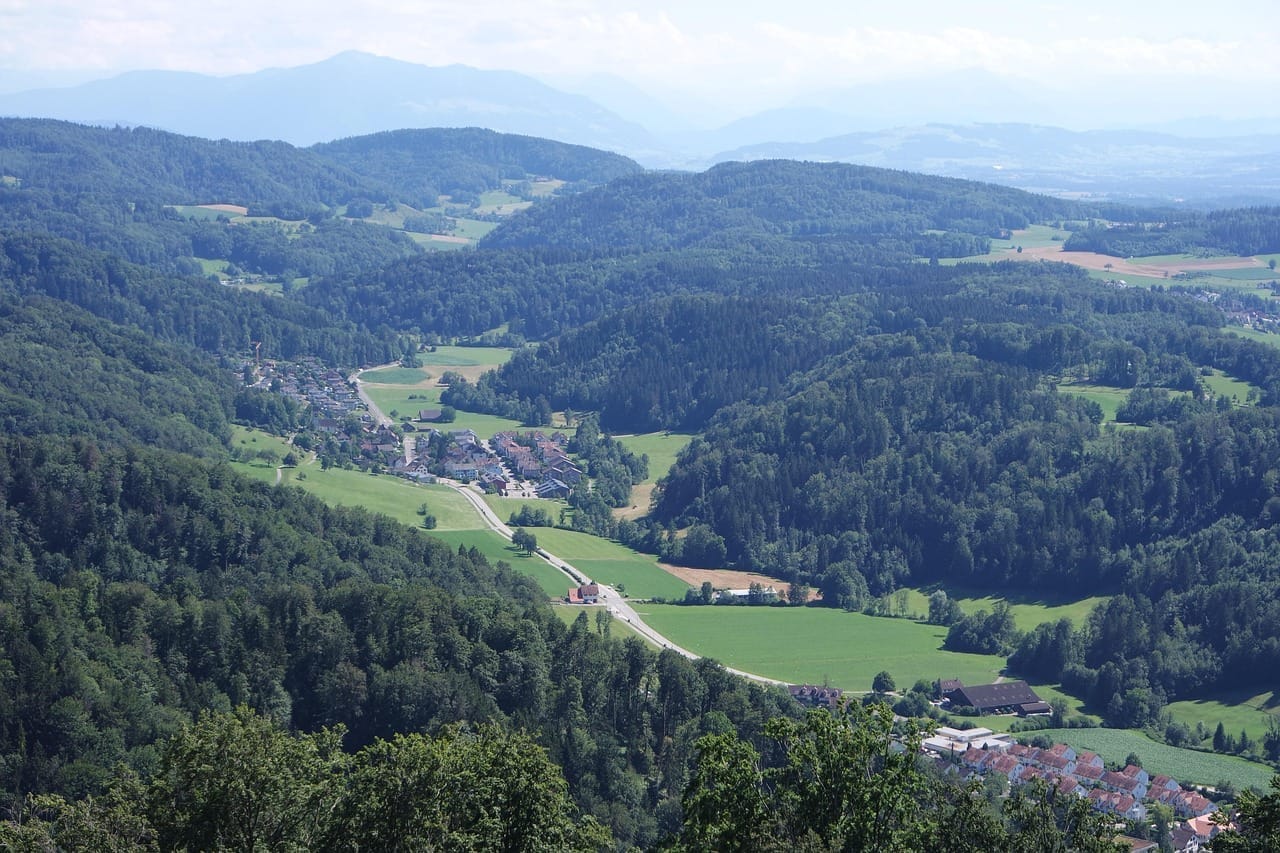
Switzerland's public transportation system is world-class, and many Zurich residents, including our family, rely on it entirely. However, the choice between public transit and car ownership significantly impacts your budget.
Public Transportation
Annual Zurich public transit pass (Zone 110): $945 per adult
Half-fare card (50% discount on all Swiss public transit): $185 annually
GA Travelcard (unlimited travel throughout Switzerland): $3,990 per adult annually
Our family holds annual Zurich transit passes for my wife and me ($1,890 total), while our children travel free until age 16 with a Junior Card. For weekend trips throughout Switzerland, we purchase additional tickets using our half-fare cards. Total annual public transportation cost: approximately $2,625, or $220 monthly.
Car Ownership
If you choose to own a car in Zurich, expect these costs:
Car insurance: $1,050–$2,100 annually
Road tax: $420–$630 annually
Fuel: $210–$315 per month
Parking: $210–$420 per month (if not included in rent)
Maintenance and inspections: $630–$1,050 annually
Total car ownership: approximately $5,775–$8,400 annually, or $480–$700 monthly. For our family, the excellent public transit system made car ownership unnecessary, saving us substantially.
Childcare and Education
Public schools in Switzerland are excellent and free, including materials and most activities. However, if you have pre-school children or prefer international education, costs escalate quickly.
Childcare Costs
Full-time daycare (Kita): $2,625–$3,675 per month per child
Part-time daycare (3 days weekly): $1,575–$2,310 per month per child
After-school care (Hort): $525–$1,050 per month
International Schools
International schools in Zurich charge substantial tuition:
Primary school: $26,250–$36,750 annually per child
Secondary school: $36,750–$47,250 annually per child
Our children attend public Swiss schools, which has proven an excellent decision. They're learning German naturally, receiving high-quality education, and integrating beautifully into Swiss society; all at no tuition cost. We do pay for extracurricular activities, such as music lessons ($157 monthly) and sports clubs ($105 monthly), but these costs are manageable compared to private school tuition.
Related Article: Showcasing Switzerland
Leisure, Entertainment, and Quality of Life
Switzerland offers an extraordinary quality of life, but enjoying it requires budgeting for leisure activities.
Fitness and Recreation
Gym membership: $105–$157 per month
Ski pass (seasonal): $1,260–$1,890 per adult
Swimming pool membership: $315–$525 annually
Cultural Activities
Cinema tickets: $21–$26 per person
Theater or concert tickets: $63–$157 per person
Museum entry: $16–$26 per adult (children often free)
We budget approximately $420 monthly for family entertainment and recreation. This covers weekend outings, occasional cultural events, and activity fees. Switzerland's natural beauty provides countless free or low-cost options: hiking, lake swimming, and mountain walks cost nothing beyond transportation.
Large Call to Action Headline
Switzerland offers an extraordinary quality of life, but enjoying it requires budgeting for leisure activities.
Fitness and Recreation
Gym membership: $105–$157 per month
Ski pass (seasonal): $1,260–$1,890 per adult
Swimming pool membership: $315–$525 annually
Cultural Activities
Cinema tickets: $21–$26 per person
Theater or concert tickets: $63–$157 per person
Museum entry: $16–$26 per adult (children often free)
We budget approximately $420 monthly for family entertainment and recreation. This covers weekend outings, occasional cultural events, and activity fees. Switzerland's natural beauty provides countless free or low-cost options: hiking, lake swimming, and mountain walks cost nothing beyond transportation.
Miscellaneous Expenses
Don't forget to budget for:
Clothing and shoes: $315–$525 monthly for a family
Personal care and grooming: $157–$210 monthly
Mobile phone plans: $52–$105 per line monthly
Household items and replacements: $105–$210 monthly
Pet care (if applicable): $105–$210 monthly
Complete Family Budget: The Full Picture
For a family of four living comfortably in Zurich, here's a realistic monthly budget:
Housing (rent and utilities): $4,200–$5,775
Health insurance: $1,050–$1,575
Groceries and food: $1,260–$1,575
Dining out: $525–$630
Transportation: $220–$700
Childcare/education extras: $0–$525
Entertainment and recreation: $420–$525
Miscellaneous expenses: $630–$945
Total Monthly Budget: $8,305–$12,250
Annual Budget: $99,660–$147,000
This budget assumes public schooling, no car ownership, and moderate lifestyle choices. Add $3,675–$5,250 monthly for car ownership and $2,625–$6,300 monthly for international school tuition per child.

The Hidden Value Proposition
These numbers might seem daunting, but context matters. Swiss salaries typically range from $105,000–$210,000 annually for mid-level professionals in banking and finance, with senior positions commanding significantly more. Tax rates in Zurich are lower than in many Western European countries. Our family pays approximately 15-20% in combined federal, cantonal, and municipal taxes.
Moreover, what you receive for your money is exceptional. Our children attend schools that consistently rank among the world's best. We live in one of the safest cities in the world. Public services function flawlessly. Healthcare quality is outstanding. The natural environment, mountains, lakes, and pristine countryside, is literally on our doorstep.
Five years ago, I worried about whether Switzerland's high costs would strain our finances. Today, I recognize that while we spend more on individual items, our overall quality of life and financial security have increased substantially. We save more, stress less, and enjoy life more than we did in London.
Practical Cost-Saving Strategies
Even with healthy salaries, smart budgeting makes sense:
Shop at Migros, Coop, Aldi, and Lidl rather than specialty stores
Consider suburban living for lower rent while maintaining excellent public transit access
Use public transportation instead of owning a car
Choose higher health insurance deductibles if you're generally healthy
Take advantage of public schools, which offer excellent education at no cost
Embrace free outdoor activities—Switzerland's natural beauty costs nothing to enjoy
Purchase bulk items in neighboring Germany or France (legal and common)
Look for family deals on annual passes and memberships
Planning Your Move to Switzerland
Understanding these costs is crucial, but knowing how to navigate the relocation process, set up your life in Switzerland, and maximize your experience requires comprehensive planning and expert guidance.
At Global Citizen Life, we offer specialized support for families considering a move to Switzerland. Our Moving Abroad Programs offer three tailored options: one-time strategy calls for focused guidance on specific questions; comprehensive, country-specific Moving Abroad Masterclasses covering everything from visas to cultural integration; and private coaching and consulting for personalized support throughout your relocation journey. Whether you're exploring possibilities or actively planning your move, we can help you navigate the financial, practical, and personal aspects of building your life in Switzerland.
Final Thoughts
Switzerland's cost of living is undeniably high, but it's important to view these expenses within the complete picture of Swiss life. High salaries, lower taxes than much of Europe, exceptional public services, world-class education, outstanding healthcare, and incomparable quality of life all contribute to a value proposition that extends far beyond simple price comparisons.
For our family, the move to Zurich has been transformative. Yes, we spend more on groceries and everyday items. But we also save more, live in a safer and cleaner environment, provide better opportunities for our children, and enjoy a work-life balance that would have been impossible in London's frenetic financial sector.
If you're considering a move to Switzerland, enter with realistic expectations about costs but also with confidence that your money buys something genuinely special: a quality of life that few places on Earth can match. With proper planning, smart budgeting, and an understanding of how Swiss systems work, you'll find that Switzerland isn't just expensive, it's worth every franc.
Written by Oliver Grant
Oliver Grant is a British finance executive based in Zurich who relocated from London for career advancement and family stability. With over 20 years in international banking, he writes about Swiss finance, regulations, high-quality living, and the realities of raising a family in one of the world's most expensive yet rewarding countries.
Read all of our articles about Switzerland here.
Global Citizen Life
© 2023 Global Citizen Life
All rights reserved