
The Real Cost of Living in Vietnam for Expat Families: Our Monthly Budget Breakdown in Da Nang
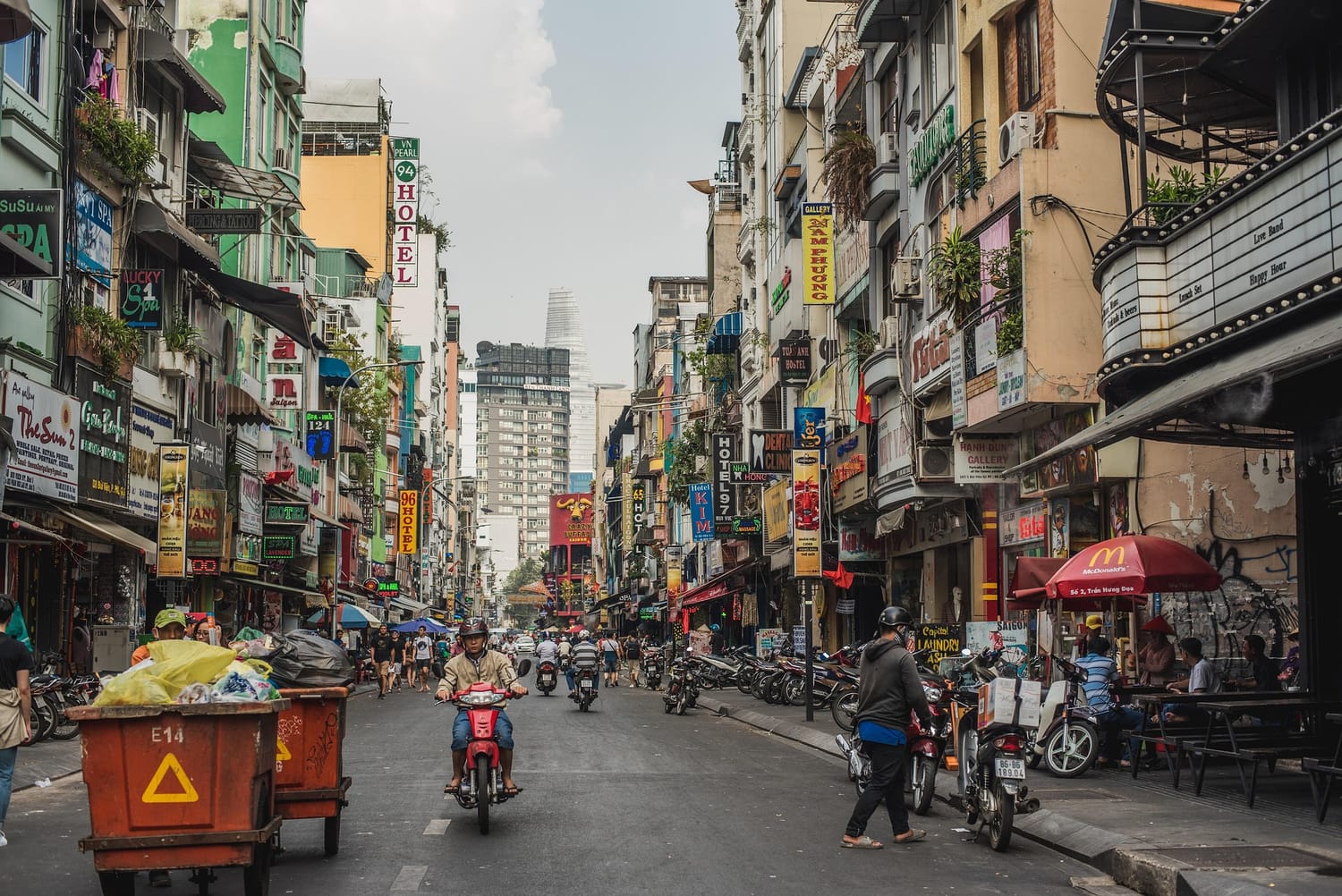
When my family and I first considered moving to Da Nang, Vietnam, the question that kept me awake at night wasn't about culture shock or language barriers. It was the spreadsheet question: Could we actually afford to live here comfortably? Not backpacker-style, not pinching pennies at every turn, but genuinely well, with international schooling for our kids, occasional trips to Hoi An, and dinners out when we didn't feel like cooking.
After two years of tracking every dong spent, I can finally answer that question with real numbers. This isn't a budget for the cheapest possible existence in Vietnam. This is what it costs to live as a professional expat family in Da Nang, with quality of life as a priority, not just survival.
Our Family Setup
Before diving into the numbers, context matters. We're a family of four: two adults and two school-age children. I work remotely as a curriculum developer, which means I need reliable internet and a proper workspace. My partner also works online part-time. We live in a three-bedroom apartment in a newer building near An Thuong Beach, drive a motorbike, and occasionally use ride-sharing apps. We eat a mix of
Vietnamese and Western food, send our kids to an international school, and travel within Vietnam a few times a year.
We're not living like digital nomads in hostels, nor are we replicating an American suburban lifestyle. We're somewhere in the comfortable middle, which I suspect is where most expat families considering Vietnam want to land.
Housing: $880-$1,430 Monthly
Our three-bedroom apartment costs $1,100 per month. It's in a well-maintained building with a small gym, rooftop area, and secure parking. The apartment is fully furnished with modern appliances, air conditioning in every room, and a washing machine. Water and building management fees are included in the rent.
Here's what you can expect at different price points in Da Nang:
$880-$990 per month gets you a decent two-bedroom apartment in residential neighborhoods like Hai Chau or Thanh Khe. You'll likely be in a local-style building, which means less English-speaking management and possibly older fixtures, but perfectly livable.
$1,100-$1,320 per month, where we fall, puts you in newer buildings with expat-friendly amenities. These are typically near the beach areas (An Thuong, My An) or in the newer developments around Pham Van Dong Street. You get elevators, better security, and management that's used to dealing with foreign tenants.
$1,430+ per month gets you luxury or beachfront living. Think serviced apartments, sea views, pools, and prime locations. Some expat families prefer this, especially if they're here on corporate packages or want minimal hassle.
We chose the middle tier because it gave us space for a home office, proximity to international schools, and a landlord who responds to maintenance requests. The peace of mind is worth it.
Utilities and Internet: $88-$132 Monthly
Electricity is our biggest variable utility cost, especially during Vietnam's sweltering summer months. We run air conditioning most evenings and all night in the bedrooms, plus throughout the day in my home office.
Our monthly breakdown:
Electricity: $55-$88 (higher in summer months from April to September)
Internet: $22 for 100 Mbps fiber (we upgraded to $33 for 200 Mbps for better video call quality)
Mobile phones: $11 total for two SIM cards with generous data
Gas for cooking: $5.50
The internet service in Da Nang is excellent. We rarely experience outages, and the speed is more than sufficient for remote work, streaming, and video calls. I've run full-day Zoom workshops without a single glitch.
Unlock the secrets of the world's most successful entrepreneurs with the
Global Wealth Navigator Newsletter
Discover the world's best destinations offering a lower cost of living paired with an enriched quality of life with the Global Wealth Navigator Newsletter. Whether you're a retiree or an entrepreneur, we dive into strategies that open doors to international investments, tax optimizations, and discover the finest destinations offering a superior quality of life. Don't let borders or routine define you; lets find your ideal spot in the world, regardless of your income bracket.

International Schooling: $4,400-$9,900 Monthly
This is the category that shifts Vietnam from 'incredibly cheap' to 'we need to budget carefully.' International school tuition in Da Nang isn't cheap by any measure, and it's the single largest expense for most expat families.
For our two children, we pay approximately $8,800 per month during the school year (which breaks down to about $105,600 annually when you factor in the 10-month school calendar). This includes tuition, meals, and some extracurricular activities at a mid-tier international school following an American curriculum.
Your options in Da Nang:
Vietnamese private schools with English programs: $220-$550 per month per child. These work well for younger children or for those who are comfortable with a bilingual education approach.
Mid-tier international schools: $4,400- $6,600 per child per month. These typically follow British, American, or IB curricula and employ both international and Vietnamese teachers.
Premium international schools: $7,700-$9,900+ per month per child. These have a majority of foreign teaching staff, extensive facilities, and strong university placement records.
Some families homeschool or use online international programs, which can cost $110-$330 per month per child, though this requires a parent to be available for supervision and support.
The school decision is deeply personal. We wanted an American curriculum to ease potential transitions back to the U.S., but many expat families are perfectly happy with other options. The key is being realistic about this cost before moving, as it's non-negotiable for most of us.
Food and Groceries: $550-$770 Monthly
We spend about $660 per month on food, which includes groceries, occasional restaurant meals, and coffee shop work sessions. We cook at home most nights but eat out or order delivery a few times a week.
Groceries ($385 monthly): We shop at a combination of local markets (for fresh produce, meat, and Vietnamese staples) and supermarkets like Lotte Mart or Big C (for Western products, dairy, and household items). Fresh vegetables and fruits are incredibly affordable. A week's worth of produce costs about $11. Meat and seafood are reasonable—quality chicken breast runs about $4.40 per kilogram, and fresh fish $5.50-$7.70 per kilogram, depending on the variety. Where costs add up is in Western groceries. Imported cheese, cereal, pasta sauces, and snack foods can cost two to three times what you'd pay in the U.S.
Dining out and takeout ($220 monthly): Local Vietnamese meals are phenomenally affordable. A family meal at a local restaurant costs $11-$16.50. Pho for breakfast? About $1.65 per bowl. Banh mi sandwiches? $1.10 each. When we crave Western food or nicer dining, prices jump considerably. A pizza dinner for the family at a Western-style restaurant costs $33-$44, while a nice Italian or French meal for four people can be $77-$110.
Coffee and cafes ($55 monthly): Vietnam's cafe culture is one of my favorite aspects of life here. I work from cafes regularly, and a good Vietnamese coffee costs $1.10-$1.65. Western-style lattes at expat-oriented cafes run $2.75-$3.85.
The beauty of food costs in Vietnam is flexibility. We could easily spend half as much if we ate local food exclusively. Conversely, living entirely on imported Western products and upscale restaurants could push this budget to $1,650+ monthly.
Transportation: $55-$88 Monthly
We own a used semi-automatic scooter that we bought for $660. Monthly transportation costs are minimal:
Gasoline: $22 (with regular local driving)
Scooter maintenance: $11 (averaged over the year for basic service)
Grab (ride-sharing) and taxis: $22 (for times when we need a car or don't want to drive in the rain)
Parking fees: $2.75 (occasionally paid parking at malls or beach areas)
Some expat families choose to buy or lease cars, which changes the math considerably. A decent used car costs $11,000-$22,000, and monthly expenses (including parking, gas, insurance, and maintenance) can run $330-$550 or more. We've found a scooter perfectly adequate for Da Nang's size, though we occasionally rent a car for day trips.

Healthcare and Insurance: $165-$275 Monthly
We carry international health insurance that costs approximately $220 per month for our family of four. This provides coverage in Vietnam and for emergency evacuation if needed. The policy covers both public and private hospitals, though we typically use private facilities.
Healthcare in Vietnam is surprisingly affordable if paying out of pocket. A general consultation at a private international clinic costs $22-$33. Dental cleanings run about $33. Common medications are inexpensive, and many are available over the counter without prescriptions.
For routine care and minor issues, we sometimes pay out of pocket rather than use insurance. The costs are low enough that it's not worth the claim paperwork. For serious matters, comprehensive international insurance provides peace of mind.
Household Help: $220-$330 Monthly
This is a category many expat families in Vietnam utilize, though it's optional. We employ a cleaning person who comes twice a week for $110 per month. This includes thorough cleaning of the apartment, doing laundry, and occasionally helping with basic meal prep if we're swamped with work.
Many expat families also hire childcare help, which costs approximately $330-$550 per month for part-time support (20-30 hours per week) or $440-$660 for full-time live-in help. We manage without regular childcare since our kids are school-age and we have flexible work schedules.
Coming from the U.S., where household help was a luxury we never considered affordable, this has been a quality-of-life upgrade that's hard to quantify. It gives me more time for work and family, and reduces household stress considerably.
Entertainment and Activities: $220-$385 Monthly
Our family entertainment budget covers a mix of activities:
Beach and outdoor activities: Free to $44 (rental of beach chairs, occasional water sports)
Movies and entertainment: $22-$33 (movie tickets are about $4.40 each)
Kids' activities and classes: $77-$110 (swimming lessons, martial arts, art classes)
Gym membership: $44 for both adults at a local gym
Weekend trips and excursions: $77-$165 (day trips to Hoi An, Marble Mountains, Ba Na Hills, or nearby beaches)
Da Nang offers excellent value for entertainment. The beaches are free and beautiful. Many museums and cultural sites have minimal or no entrance fees. Kids can take swimming or martial arts classes for a fraction of what they'd cost in the U.S.

Miscellaneous and Contingency: $165-$275 Monthly
This category covers everything else:
Toiletries and household supplies: $44-$66
Clothing: $55-$110 (kids grow fast, and we occasionally need work clothes)
Haircuts and personal care: $22-$33
Gifts and miscellaneous: $44-$66
Visa fees (amortized monthly): Variable depending on visa type
The Complete Monthly Budget Breakdown
Here's our actual monthly spending as a family of four in Da Nang:
Housing: $1,100
Utilities and Internet: $110
International School: $8,800
Food and Groceries: $660
Transportation: $66
Healthcare/Insurance: $220
Household Help: $110
Entertainment: $275
Miscellaneous: $220
Total Monthly: $11,561
Annual estimate: Approximately $138,732
What This Budget Actually Buys
Numbers on a spreadsheet don't tell the whole story. What does $11,561 per month actually provide in terms of quality of life?
We live in a modern, comfortable apartment five minutes from the beach. Our kids receive quality international education that prepares them for university anywhere in the world. We eat well, mixing affordable local cuisine with occasional Western comfort foods. We have help with cleaning, freeing up time for work and family. We maintain our health with good medical care. We explore Vietnam regularly, from weekend trips to Hoi An to longer excursions during school breaks.
We're not wealthy by American standards, but we live very well here. Better, in many ways, than we did in the U.S., on a higher income. The difference is that our money goes further in categories that matter most to us, while we save considerably on things that don't.

How to Reduce Costs (If Needed)
Our budget is comfortable but not minimal. If you needed to reduce expenses, here are realistic ways to do so:
Choose a less expensive school option ($4,400+ in monthly savings): Vietnamese private schools or online international programs significantly reduce education costs. Some families successfully homeschool while working remotely.
Move to a local-style apartment ($220-$330 in monthly savings): Older buildings in local neighborhoods offer much lower rents with less convenience but plenty of livability.
Eat primarily local food ($330-$440 in monthly savings): Vietnamese cuisine is delicious, healthy, and incredibly affordable. If you embrace it fully, food costs drop dramatically.
Skip household help ($110-$330 in monthly savings): Cleaning and childcare are optional luxuries, not necessities.
Reduce entertainment and travel ($110-$220 in monthly savings): Free beaches and parks provide most of what families need for recreation.
With these adjustments, a family could live comfortably in Da Nang for $5,500-$7,700 per month, or even less with more aggressive choices. The trade-offs depend entirely on your priorities and which aspects of comfort you're willing to compromise on.
The Hidden Costs Nobody Talks About
Beyond the monthly budget, there are one-time and occasional costs to factor in:
Initial setup costs ($3,300-$5,500): Rent deposit (usually two months), furniture if your apartment isn't fully furnished, kitchen supplies, bedding, and initial stocking of household goods.
Visa costs and runs: Depending on your visa situation, you may need to do visa runs or pay for extensions and renewals. Budget $220-$660 annually per person.
Flights home: If you plan to visit your home country, international flights are a significant expense. Round-trip tickets to the U.S. during peak season can cost $1,100 to $1,650 per person.
School enrollment fees: International schools typically charge enrollment or annual capital fees of $1,100-$3,300 per child, in addition to tuition.
Unexpected repairs and replacements: Tropical climate is tough on electronics, clothing, and furniture. Budget $550-$1,100 annually for replacements.
Is Vietnam Still Affordable for Expat Families?
The honest answer is: it depends entirely on your education choices.
Without international schooling, Vietnam is extraordinarily affordable for expat families. A childless couple or a family using alternative education methods can live very comfortably on $2,200-$3,300 per month, or even less if willing to live more locally.
With international schooling, Vietnam isn't particularly cheap. Our $11,561 monthly budget is comparable to what we'd spend in many mid-sized American cities—maybe even more than we'd spend in some. The difference is in what we get for that money: better weather, a rich cultural experience, travel opportunities throughout Southeast Asia, and a lifestyle that emphasizes family time and experiences over material consumption.
The equation works financially because I can maintain my U.S.-based income while enjoying lower costs in most categories except education. If you're working a local salary, these numbers would be impossible. But for remote workers, digital nomads, retirees, or those on overseas assignments, Vietnam offers a compelling value proposition.
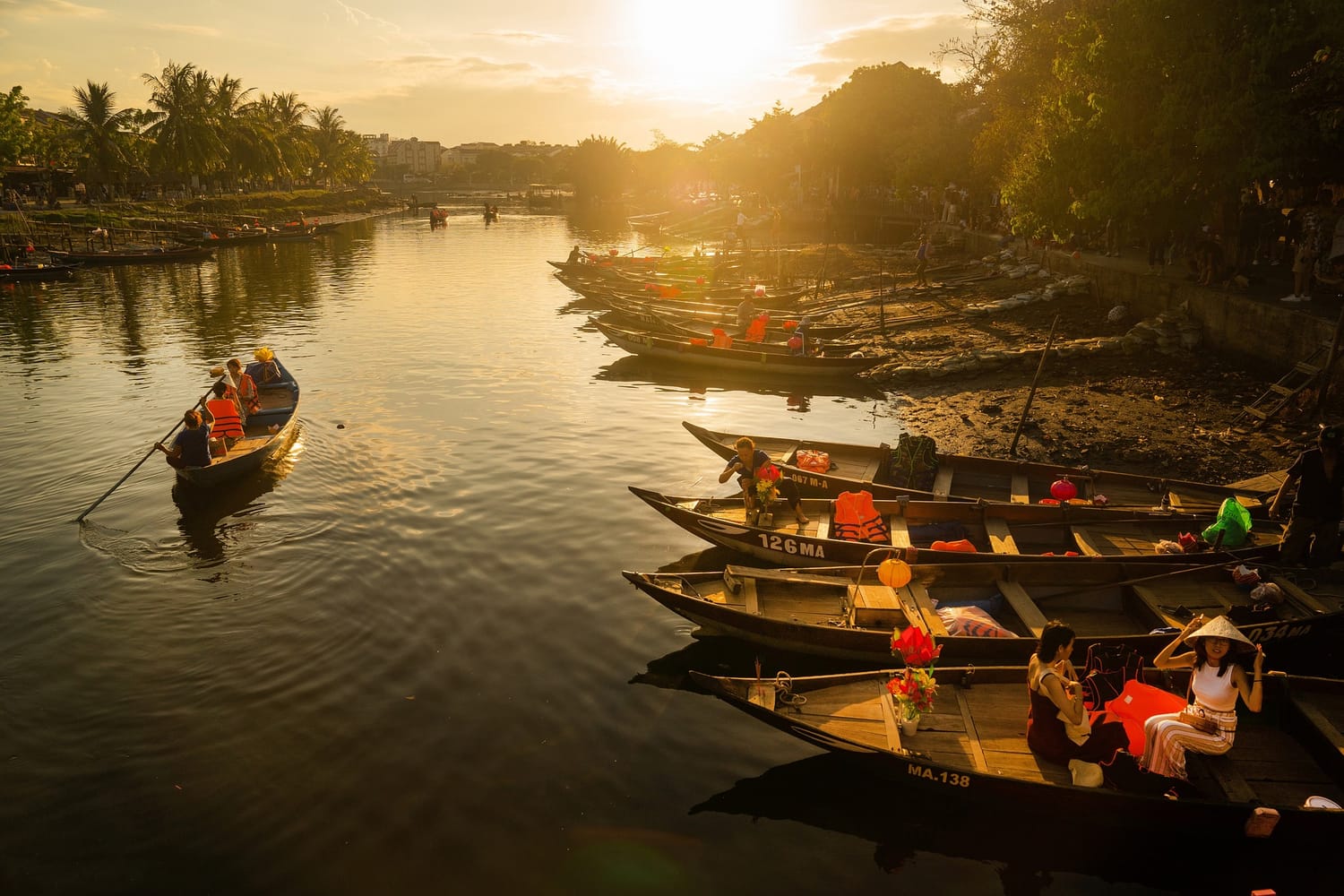
Comparing Da Nang to Other Vietnamese Cities
How does Da Nang stack up cost-wise against Ho Chi Minh City and Hanoi?
Ho Chi Minh City (Saigon) is generally 15-25% more expensive for housing in expat-friendly areas. A comparable apartment in District 2 or Thao Dien might cost $1,320-$1,650. International school options are more numerous but similarly priced. Food and entertainment costs are slightly higher, especially for imported goods and Western dining.
Hanoi has housing and school costs similar to those in HCMC. The main difference lies in lifestyle. Hanoi is more traditional and cultural, with distinct seasons, including a genuinely cold winter that requires heating (which adds to utility costs).
Da Nang offers a sweet spot: lower costs than the major cities, excellent livability with beaches and mountains, improving international school options, and a more relaxed pace of life. For families, especially those working remotely, it's increasingly the preferred choice.
Making the Move: Financial Preparation
If you're seriously considering a move to Vietnam with your family, here's my financial advice based on two years of living it:
Save at least six months of expenses before moving ($69,366 for a budget like ours): This cushion is essential for setup costs, unexpected expenses, and peace of mind while you establish yourself.
Secure remote income before relocating: Local Vietnamese salaries won't support an expat lifestyle with international schooling. You need to maintain foreign income or have substantial savings.
Research schools thoroughly and budget for them first: School choice drives most other decisions: where to live, transportation needs, and overall budget. Visit schools in person before committing, if possible.
Plan for healthcare costs: International insurance is worth it for families. Don't rely solely on local healthcare coverage unless you're very comfortable with the Vietnamese medical system.
Build in travel budget: One of the joys of living in Vietnam is exploring Southeast Asia. Budget for it, or you'll miss out on one of the biggest advantages of being here.
Consider banking and money transfer solutions: Using services like Wise or similar platforms for international transfers can save significant money on fees and exchange rates. We save about $660 annually compared to traditional bank transfers.
Ready to Take the Next Step?
Moving abroad with a family isn't just about crunching numbers. It's about designing a life that aligns with your values and goals. If you're seriously considering Vietnam or another international destination, Global Citizen Life offers comprehensive support to help you navigate the transition.
Our Moving Abroad Programs provide practical guidance tailored to your situation. Choose from a one-time strategy call to clarify your goals and options, country-specific Moving Abroad Masterclasses that dive deep into six key destinations, or private coaching and consulting for personalized support throughout your entire relocation journey. Whether you're in the early research phase or ready to book flights, expert guidance can help prevent costly mistakes and make the transition smoother for your entire family.
Final Thoughts
Two years ago, I was sitting in a windowless office in the United States, looking at my family's budget spreadsheet and feeling trapped. The cost of living was relentless: childcare, housing, healthcare, everything. We were doing fine financially, but not really living the life we wanted.
Today, I work from a cafe overlooking the beach in Da Nang, my kids are thriving in their international school, and we spend our weekends exploring temples, mountains, and ancient towns. Our budget is higher than some expats' in Vietnam, but it buys us something invaluable: a life that feels intentionally chosen rather than default.
Could we live cheaper? Absolutely. Could we spend more? Definitely. There's always a fancier apartment, a more prestigious school, a more expensive restaurant. But this budget, our budget, reflects what matters to us: quality education, comfortable living, good food, meaningful experiences, and the freedom to work remotely while raising our family in a fascinating, welcoming country.
Vietnam isn't the impossibly cheap destination it once was, at least not for expat families using international schools. But it's still a place where your money can buy you a better quality of life than you might achieve spending the same amount in many Western countries. The spreadsheet tells one story. The lived experience tells another, richer one.
If you're considering the move, run the numbers honestly, factor in your non-negotiables, and then ask yourself the real question: What kind of life are you trying to build? For us, Vietnam was the answer. It might be for you, too.
Written by Emily Harper
Emily Harper is an American curriculum developer and expat living in Da Nang, Vietnam. After leaving her corporate education role in the USA, she embraced remote work and relocated to Central Vietnam with her family. Emily specializes in designing English language programs while exploring Vietnamese culture, markets, and family-friendly destinations. Through her writing, she shares practical insights on expat life, international schooling, and the realities of building a fulfilling life abroad in Southeast Asia.
Read all articles about Vietnam here.
Global Citizen Life
© 2023 Global Citizen Life
All rights reserved