
The Mediterranean Diet in Practice: How Crete's Fresh Markets Changed My Health
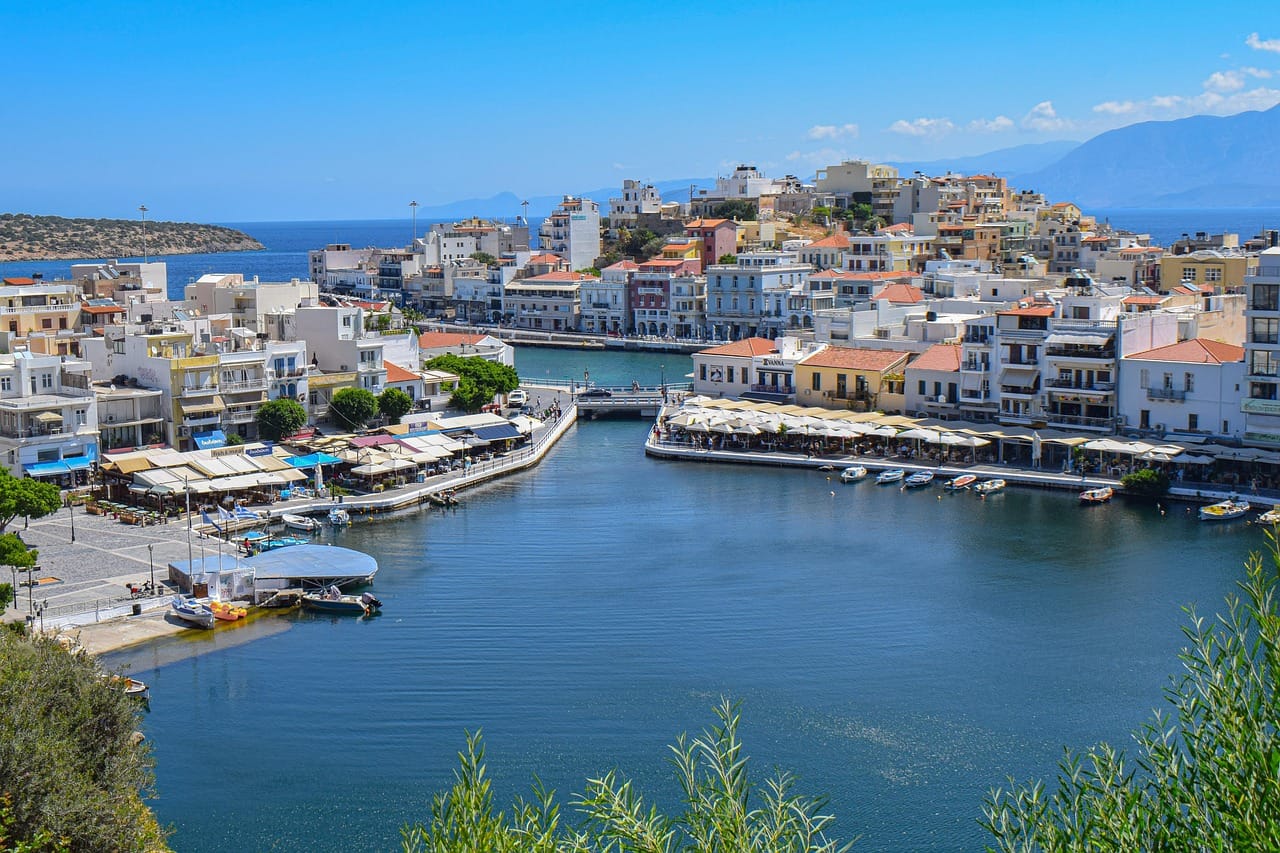
Arriving in Crete at 61, after decades of NHS night shifts and rushed canteen meals, I believed I understood healthy eating. Years spent advising patients about nutrition gave me confidence. But that first visit to a Cretan laiki, watching elderly villagers examine tomatoes like priceless gems, made me realize I knew little about real food.
Twelve months later, my relationship with food has been completely transformed. The Mediterranean diet isn't something I follow. It's simply how I eat now. And the health benefits? They've exceeded anything I experienced in four decades of healthcare. Let me share what I've learned about Crete's fresh markets, traditional foods, and the genuine Mediterranean way of eating that's changed not just my health, but my entire life.
My First Market Morning: A Sensory Revolution
The laiki in my village arrives every Saturday morning, transforming a quiet side street into a vibrant bazaar of color, scent, and sound. That first visit overwhelmed me. Stalls overflowed with vegetables I'd never seen: wild greens called horta, bumpy cucumbers like nothing I'd seen before, tomatoes in shades from deep purple to sunshine yellow. The elderly woman at the produce stand insisted I smell everything before buying. "Mirisi!" she commanded. Smell!
I left that morning with a bag of mystifying purchases: a kilo of tiny, wrinkled olives; a bunch of greens I couldn't name; tomatoes that actually smelled like tomatoes; and a chunk of graviera cheese the vendor cut from a wheel the size of a tractor tire. Total cost? About $12. The same amount in my local Tesco would have bought perhaps two sad organic tomatoes and a small block of cheddar.
My neighbor Eleni, spotting me struggling home with my bags, laughed at my confusion and invited herself over to teach me what to do with them all. That afternoon, I received my first lesson in real Cretan cooking and realized that the Mediterranean diet isn't about recipes, it's about ingredients so good they need almost nothing done to them.
The Weekly Market Rhythm: What I Buy and What It Costs
A year in, my Saturday market routine has become a ritual. I arrive around 8 a.m., when the produce is freshest and the morning is still cool.
Here's what a typical weekly shop looks like now:
Fresh vegetables fill my basket. I spend about $22 on seasonal produce: tomatoes, cucumbers, peppers, summer eggplants, winter greens, and root vegetables. The changing varieties frustrated me at first, but now I enjoy anticipating seasonal arrivals, like the first spring peas.
I buy fruit from Dimitris, who grows citrus in the valley: $11 gets me enough oranges, lemons, and seasonal fruit for the week. In autumn, his pomegranates are the size of softballs. In summer, his peaches drip juice down your chin. This is fruit that tastes like fruit, not like refrigerated water.
Fresh fish comes from the coastal market I visit on Wednesdays. About $18 buys enough for two or three meals: small fish like barbounia (red mullet) or larger ones like tsipoura (sea bream). The fishmonger knows I'm still learning and patiently explains how to cook each type. "Simply," he always says. "Olive oil, lemon, oregano. Nothing more."
Cheese is serious business here. I buy mizithra (soft, like ricotta) and graviera (hard, like a nutty gruyere) from Maria's stall, about $16 weekly. These aren't supermarket cheeses. They're made by her brother-in-law in the mountains from sheep and goat milk. The flavors are complex, grassy, and tangy. A little goes a long way.
My weekly market spending is $75-85. I eat better than I did in England, where I spent much more on supermarket 'fresh' food. The quality difference is staggering. In the UK, I paid extra for organic vegetables that had traveled far. Here, everything is local, seasonal, and mostly organic by default; the old farmers never used chemicals.
Unlock the secrets of the world's most successful entrepreneurs with the
Global Wealth Navigator Newsletter
Discover the world's best destinations offering a lower cost of living paired with an enriched quality of life with the Global Wealth Navigator Newsletter. Whether you're a retiree or an entrepreneur, we dive into strategies that open doors to international investments, tax optimizations, and discover the finest destinations offering a superior quality of life. Don't let borders or routine define you; lets find your ideal spot in the world, regardless of your income bracket.

Traditional Cretan Foods: Beyond Greek Salad
The Mediterranean diet studies that everyone cites? They were done here in Crete. This island has the most extreme version of this way of eating, and it includes foods you won't find in Athens or anywhere else in Greece.
Olive oil is foundational. My neighbor shares what he presses himself, expecting I'll use five liters a month, and I do. Cretans use robust oil for all cooking, breads, and salads, far exceeding the quantities most nutritionists recommend.
Horta (wild greens) were alien to me at first. These bitter, mineral-rich leaves grow wild in the hills, and villagers forage them after rain. Boiled and dressed with lemon and olive oil, they're served at nearly every meal. I've learned to identify several types now, though I still sometimes join the village women on their morning foraging walks to learn more. Free food that's incredibly nutritious? It seemed too good to be true. But horta, along with artichokes, black-eyed peas, and chickpeas, form the vegetable trinity of the Cretan diet.
Dakos has become my lunch staple. This is Cretan bruschetta: a barley rusk (paximadi) softened with water or tomato juice, topped with chopped tomatoes, olive oil, crumbled mizithra cheese, and oregano. Simple, filling, cheap. A meal that costs perhaps $2 and keeps me satisfied for hours. In England, I'd have eaten a £5 sandwich that left me hungry an hour later.
Snails are a delicacy I initially approached with pure nursing-grade skepticism. During the first rains of autumn, villagers emerge with torches to collect them from stone walls. Cooked in tomato sauce with rosemary, or grilled with just olive oil and vinegar, they're earthy and delicious. I've actually started collecting my own. Something I never imagined myself doing.
Legumes appear constantly. Fava (split pea puree), gigantes (giant beans), and black-eyed peas feature several times weekly. These aren't side dishes. They're the main event, usually accompanied by bread, olives, and salad. Meat is present but peripheral. I might eat meat twice a week now, compared to daily in England. Fish is more frequent, but even that's modest, perhaps three times weekly. The protein comes primarily from legumes, cheese, and yogurt.
The Health Changes: What Happened After One Year
I won't pretend I moved to Crete solely for health reasons, but the physical changes over this year have been remarkable enough that I need to document them. The nurse in me demands it.
Most obviously, I've lost 18 pounds without trying. Not through dieting. Through eating proper food in reasonable amounts. The Cretan diet is filling: all that olive oil, fiber from vegetables and legumes, and a complete absence of processed foods means I'm simply satisfied. I don't snack between meals because I'm not hungry. The weight has come off slowly and steadily, and it feels permanent in a way that my previous diet attempts never did.
My blood pressure has dropped significantly. I was borderline high in England. My GP in Heraklion (a former London doctor who retired here himself) attributes this to the combination of diet, reduced stress, and increased walking. I walk everywhere now, including the hilly climb to the market each week, whereas in England I drove to the supermarket.
My cholesterol has completely reversed. I was heading toward statins in the UK. My recent test here showed a big improvement, with improved HDL/LDL ratios. This involves eating olive oil by the cupful, along with nuts and fatty fish, while keeping meat intake low and saturated fat to a minimum. It shouldn't work according to the low-fat dogma I was taught early in my career, yet here we are.
The arthritis in my hands has improved notably. I'd accepted the stiffness and occasional pain as inevitable at my age, especially after years of nursing work. But the anti-inflammatory effects of this diet, all those omega-3s from fish and walnuts, the polyphenols in olive oil, the antioxidants in fresh vegetables, have made a real difference. I can open jars again without wincing.
Most surprisingly, my sleep has transformed. I suffered from poor sleep for years, partly from shift work disruption. Now I sleep seven to eight hours nightly and wake naturally. I suspect this stems from several factors: physical activity, the absence of processed foods, the timing of the evening meal (Cretans eat late but lightly), and, probably, the overall reduction in inflammation.
My skin has changed. This feels vain to mention, but after a year of serious olive oil consumption and Mediterranean vegetables, my skin is noticeably better. Less dry, fewer age spots, more even tone. The aesthetician in Heraklion says it's the antioxidants and healthy fats. I say it's probably the fact I'm eating actual food instead of whatever was in those meal-deal sandwiches.
What the Mediterranean Diet Actually Means: Myths vs. Reality
Having lived it for a year, I can confirm that most people misunderstand what the Mediterranean diet actually is. It's not about pasta primavera, caprese salad, or grilled fish with quinoa. Those are fine foods, but they're not this.
The real Mediterranean diet is seasonal, local, and plant-heavy. Most meals are built around vegetables, legumes, and grains. Meat is a flavoring, not the centerpiece. Fish is eaten regularly, but not at every meal. Cheese and yogurt provide protein and calcium. Fruit is a dessert.
Olive oil is used without fear or restraint. The fear of fat that dominated nutrition advice when I was training? It's irrelevant here. Cretans use 25-30 liters of olive oil per person yearly. They're among the healthiest, longest-lived people on Earth.
Wine is consumed moderately, usually with meals. I now have a small glass with dinner most nights, something I never did in England. This isn't about the alcohol. It's about the ritual, the flavonoids, and the civilized pace of eating.
Nothing is processed. This is perhaps the biggest difference. There are no protein bars, low-fat yogurts, or "healthy" ready meals. Food is food: vegetables, grains, legumes, nuts, fruit, fish, modest amounts of meat, and cheese. If it comes in a package with a nutrition label, it's not really part of this diet.
Meals are social. I eat alone sometimes, but more often I'm sharing food with neighbors. Eleni brings me vegetables from her garden; I make extra dakos and bring them to her. We eat together, slowly, talking. The meal isn't rushed fuel. It's an event. This social aspect matters. The data on Mediterranean diet health benefits can't separate the food from how it's eaten and who it's eaten with.
Market Shopping Practical Tips: What I Wish I'd Known
After a year of market shopping, here's what I've learned that makes it easier:
Go early. The best produce sells out by 10 a.m., and in summer, the heat becomes oppressive. I arrive by 8 a.m., and I'm done within an hour.
Build relationships with vendors. They'll set aside the best items for regulars, tell you when something special is coming next week, and teach you about foods you've never encountered. Maria now saves me fresh mizithra because she knows I come every Saturday. Dimitris alerts me when his first spring strawberries arrive.
Bring your own bags. Markets here are increasingly plastic-free, and anyway, the sturdy cloth bags I bought can carry much more than flimsy plastic ever did. I have three large ones that I wash weekly.
Learn some Greek. Even basic phrases help enormously. "Poso kani?" (How much?), "Efharisto" (Thank you), and "Oreo!" (Beautiful/delicious!) will get you far. Vendors appreciate the effort, and older ones speak little English anyway.
Buy what's abundant and cheap. That's what's in season and at its best. When tomatoes are €1 per kilo, buy lots and make sauce. When zucchini are everywhere, buy them. Fighting seasonality is expensive and pointless.
Don't be afraid of the strange stuff. Those gnarly cucumbers? They're sweeter than English ones. The wrinkled olives? More flavorful than the smooth ones. The weird greens? Probably delicious boiled with lemon. Ask the vendor what to do with things; they love sharing knowledge.
Bring cash. Most market vendors don't take cards. I withdraw €100 each Friday for my weekly shopping, and usually have a bit left over.
The Bigger Picture: Food as Culture, Not Diet
The most profound change over this year isn't what I eat. It's my entire relationship with food. In England, eating was functional: fuel to get through shifts, quick meals between obligations, and convenience above all. Food was a problem to solve efficiently.
Here, food is central to daily life in a way I'd never experienced. Market shopping on Saturday morning isn't a chore. It's where I see friends, catch up on village news, and plan my week. Preparing meals isn't rushed. I actually enjoy the process now, especially when Eleni comes by to show me a new technique. Eating isn't something I do while checking my phone; it's time set aside to properly enjoy food.
This cultural shift matters as much as the nutritional one. The Mediterranean diet works not just because of what's in the food, but because of how people interact with it. The slower pace, the seasonality, the social eating, and the pleasure taken in simple ingredients prepared well. These aren't extras. They're integral.
I watch elderly villagers in their 80s and 90s walking to the market, buying their vegetables, and stopping to chat with everyone. They've eaten this way their entire lives. They haven't counted calories, tracked macros, or followed food trends. They've simply eaten real food, seasonally and socially, with pleasure and without anxiety.
My health improvements: the weight loss, better blood pressure and cholesterol, improved sleep, and arthritis, these weren't achieved through restriction or discipline. They came from abundance: abundant fresh vegetables, abundant olive oil, abundant pleasure in eating. This is sustainable in a way that dieting never was.
Can You Recreate This Elsewhere?
The honest answer is: partially. You can follow Mediterranean diet principles anywhere. More vegetables, more legumes, more olive oil, less processed food, less meat. These changes will benefit you.
But you can't recreate the complete experience without the complete context. The vegetables I buy haven't traveled. They were grown within 20 kilometers of my house and picked yesterday. The olive oil comes from trees I can see from my terrace. The fish was swimming this morning. This level of freshness and locality isn't available in most places, certainly not in British cities.
More importantly, you can't recreate the cultural context. The Mediterranean diet is embedded in a lifestyle of slower rhythms, social eating, walking culture, and food treated as a source of pleasure rather than a problem. These aren't diet components you can add like supplements.
That said, farmers' markets exist throughout the UK and beyond. Shopping there, buying seasonal produce, cooking simple meals with good olive oil, eating more legumes and fish, less meat, and processed food. These changes are achievable anywhere. They'll improve your health even without the Cretan sun and village culture.
But if you have the option to actually move somewhere that lives this way? That experience is the complete package rather than trying to assemble it yourself. I can't recommend it highly enough.
Planning Your Own Mediterranean Move
If reading about the Mediterranean lifestyle and its health benefits has you considering your own move to Greece or elsewhere, you don't have to figure it all out alone. Global Citizen Life offers comprehensive support through our Moving Abroad Programs.
We provide three one-time strategy calls to help you clarify your goals and create an actionable plan for your move abroad. For those focused on specific destinations, our six country-specific Moving Abroad Masterclasses offer deep-dive guidance on everything from visas to healthcare to cultural integration. And if you need more personalized support, our private coaching and consulting services provide tailored advice for your unique situation.
Learn more about our programs at https://www.globalcitizenlife.org/programs.
A Year of Transformation
When I moved to Crete, I expected sunshine and a lower cost of living. What I found was a complete recalibration of how I think about food, health, and daily life. The Mediterranean diet isn't something I adopted; it adopted me, gradually and naturally, through market mornings and neighbors' kitchens and the sheer pleasure of eating tomatoes that taste like tomatoes.
My health improvements are significant and measurable, but they're also almost beside the point. I feel better not just because my blood pressure is down, but because I'm living in a way that makes sense: eating real food, walking everywhere, connecting with people over shared meals. The health benefits follow naturally from a life well-lived, rather than being pursued through discipline and restriction.
At 61, I've discovered that retirement doesn't mean decline. It can mean renaissance. The Mediterranean diet, practiced in its proper context, isn't about adding years to your life (though it might). It's about adding life to your years. And after twelve months of Cretan markets, I can confirm: there's a lot of life to be found in a perfectly ripe tomato, a generous pour of olive oil, and a neighbor who insists on teaching you the right way to boil horta.
The market opens at 7 a.m. tomorrow. I'll be there at eight, as always, wondering what surprises the season has brought this week. That's the Mediterranean diet in practice: constant, delicious, life-affirming surprise.
Written by Laura Stevenson
Laura is a recently retired NHS nurse from the UK who traded the grey skies of Britain for the sun-drenched shores of Crete at age 61. Now settled in a traditional Cretan village, Laura chronicles her Mediterranean journey for Global Citizen Life, sharing practical insights on expat healthcare, retirement living, and embracing the slower pace of Greek village life. Her authentic voice combines decades of healthcare experience with the fresh perspective of someone rediscovering life's simple pleasures: farm-fresh olive oil, warm community connections, and endless blue horizons.
Read all our articles about Greece here.
Global Citizen Life
© 2023 Global Citizen Life
All rights reserved