
The French Art of Slow Living: How Bordeaux Transformed My American Hustle
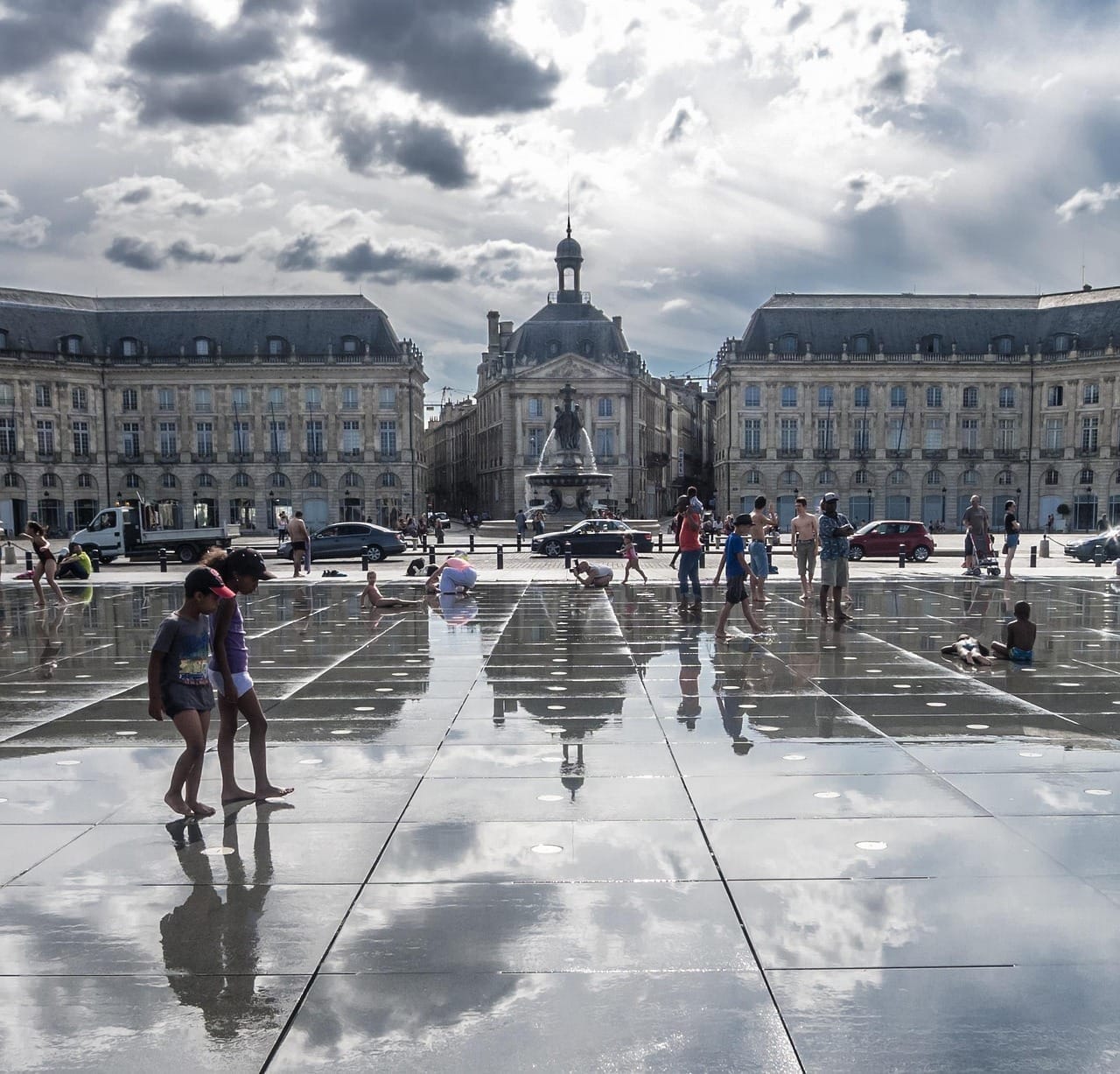
I used to wear my exhaustion like a badge of honor. Back in Boston, I'd juggle client calls during my daughter Emma's piano practice, respond to emails at 11 p.m., and feel guilty if I spent more than twenty minutes over lunch. The American dream, I thought, meant grinding until you couldn't grind anymore, and then finding a way to grind a little harder.
Then we moved to Bordeaux.
Four years into this French chapter, I've learned that slow living isn't about doing less; it's about living more intentionally. It's taken time to unlearn the hustle mentality that defined my thirties, but the transformation has been nothing short of profound. Here's what I've discovered about the French art of slow living, and how it might change your life too.
Understanding Slow Living: More Than Just Moving Slowly
When Americans hear about the French lifestyle, they often picture long lunches and wine-soaked afternoons; pleasant, certainly, but somehow frivolous. That misconception kept me skeptical during our first months in Bordeaux. How could taking longer breaks possibly lead to more productivity? Wouldn't slowing down mean falling behind?
What I've come to understand is that slow living, or "vivre lentement" as my neighbors call it, isn't about moving at a snail's pace. It's a philosophical approach to time itself. The French don't view efficiency as the ultimate goal; instead, they prioritize meaning, connection, and quality over constant motion. This distinction has reshaped how I approach everything from work to parenting to my own sense of self-worth.
Slow living means being fully present in whatever you're doing; whether that's preparing dinner, meeting with a client, or playing with your child. It means resisting the urge to multitask your way through life. Most importantly, it means recognizing that rest isn't something you earn through exhaustion; it's a fundamental human need.
The Morning Ritual: Where Transformation Begins
My transformation started, oddly enough, with breakfast. In Boston, breakfast was a protein bar consumed during my commute or, on generous days, toast eaten over the sink while scanning emails. The meal existed solely as fuel to power through morning meetings.
Here in Bordeaux, breakfast became something entirely different. My first week, I noticed our neighbors on the balcony below, sitting together for what seemed like an impossibly long time. Coffee, bread, conversation; no phones in sight. Initially, I thought they must not have jobs to rush to. Then I realized they both worked full-time at demanding careers; they simply prioritized their morning differently.
I decided to experiment. Instead of jumping straight into work at 7:30 a.m., I started setting my alarm fifteen minutes earlier. Those fifteen minutes became sacred. Time to sit with proper coffee, fresh bread from the boulangerie, and nothing but my own thoughts. No emails. No news alerts. Just presence.
The effect was remarkable. Rather than feeling rushed and reactive all morning, I felt grounded. That calm carried through my entire day, making me more focused during work hours and more present with Emma after school. What seemed like "wasted" time actually gave me back hours of quality attention throughout the day.
Now, four years later, our family breakfast routine has expanded to forty-five minutes on weekdays, longer on weekends. We talk about Emma's upcoming day, plan our week, or simply enjoy companionable silence. My husband, who initially resisted the change, now calls it his favorite part of the day. The American in me occasionally whispers that we should be doing more, achieving more, but I've learned to quiet that voice.
If you're seriously considering a move to France, I encourage you to explore our Move to France Masterclass. This comprehensive online course provides detailed guidance on every aspect of relocating to France, from visa applications and housing searches to cultural integration and community building. Learn from experts and experienced expats who have successfully navigated the journey you're contemplating.
The Sacred Lunch: Reclaiming Midday
If breakfast was my introduction to slow living, lunch became my graduate course. The French approach to midday meals initially baffled me. Businesses close. Shops shutter their doors. For two hours, sometimes longer. The entire city seems to pause and collectively say, "Food matters more than commerce right now."
In America, lunch breaks are shrinking. Many professionals eat at their desks, proud of their dedication and efficiency. I certainly did. A twenty-minute lunch felt generous; often I'd settle for fifteen, considering it a victory if I managed to eat something vaguely nutritious while reviewing documents.
Bordeaux taught me differently. Here, lunch isn't merely a biological necessity. It's a daily celebration of sustenance, community, and rest. Even during busy work periods, I've learned to step away for a proper meal. Sometimes that means going to a restaurant with colleagues, but often it means coming home to prepare something simple yet satisfying.
The first few weeks felt uncomfortable. I'd sit at our dining table, fighting the urge to check my phone or mentally plan afternoon tasks. My American conditioning kept insisting this was wasteful, indulgent, somehow wrong. But gradually, I noticed something shifting. The afternoon fog that used to cloud my thinking in Boston, that post-lunch energy crash, disappeared. Instead of dragging through the last hours of my workday, I approached them with renewed clarity and focus.
Research supports what I experienced anecdotally. Studies have shown that proper lunch breaks improve cognitive function, creativity, and decision-making throughout the afternoon. The French have understood this intuitively for generations. Taking time to eat slowly and genuinely rest isn't laziness. It's strategic self-care that enhances overall productivity and wellbeing.
Now, I fiercely protect my lunch hour. I communicate my boundaries clearly with clients, explaining that I'm unavailable between noon and 2 p.m. Interestingly, this hasn't hurt my business relationships. If anything, international clients respect the boundary, and European ones understand it implicitly. The work still gets done, just with better quality and less burnout.
Work-Life Integration: A Different Kind of Balance
Americans talk about work-life balance as if work and life are opposing forces in constant tension. We try to "balance" them through rigid compartmentalization, drawing sharp lines between professional and personal time. Yet somehow, work always seems to bleed over, colonizing evenings and weekends with its insistent demands.
The French approach is subtly but significantly different. Rather than work-life balance, they practice work-life integration, but with very clear boundaries about when work happens and when it doesn't. There's no shame in leaving the office at 5:30 p.m. or refusing to answer work emails after hours. These aren't signs of lack of commitment; they're signs of healthy boundaries and respect for personal time.
As a remote marketing strategist, my greatest challenge has been creating boundaries when my office is also my home. In Boston, I'd work until 7 or 8 p.m., sometimes later, feeling virtuous about my dedication. My laptop lived on the dining table, always open, always beckoning. Even during family dinners, I'd sneak glances at notifications.
Living in Bordeaux forced me to confront this pattern. When Emma's friends came over, their parents would arrive at exactly 6 p.m. to pick them up, never later. School events started promptly at the stated time. The local shops closed at precise hours and didn't reopen until the next day. The entire culture operated on the assumption that professional obligations had their place, and then they ended, making room for life to unfold.
I implemented what I call "hard stops." Non-negotiable times when work ceases. At 5:30 p.m., I close my laptop and put it away. I don't check email after dinner. Weekends are sacred family time, reserved for exploring Bordeaux's markets, visiting nearby vineyards, or simply being together without the undercurrent of professional anxiety.
The surprising result? My work improved. With limited time available, I became more focused and efficient. I stopped attending meetings that didn't truly need me. I learned to say no to projects that didn't align with my values or expertise. The quality of my output increased because I was no longer operating from a place of chronic exhaustion and resentment.
Moreover, my clients adapted. Once they understood my schedule, they respected it. No one has ever complained about my boundaries; in fact, several have told me they admire my commitment to sustainable work practices. In a world where burnout is epidemic, demonstrating that success doesn't require self-destruction feels almost revolutionary.
The Evening Promenade: Reclaiming Unstructured Time
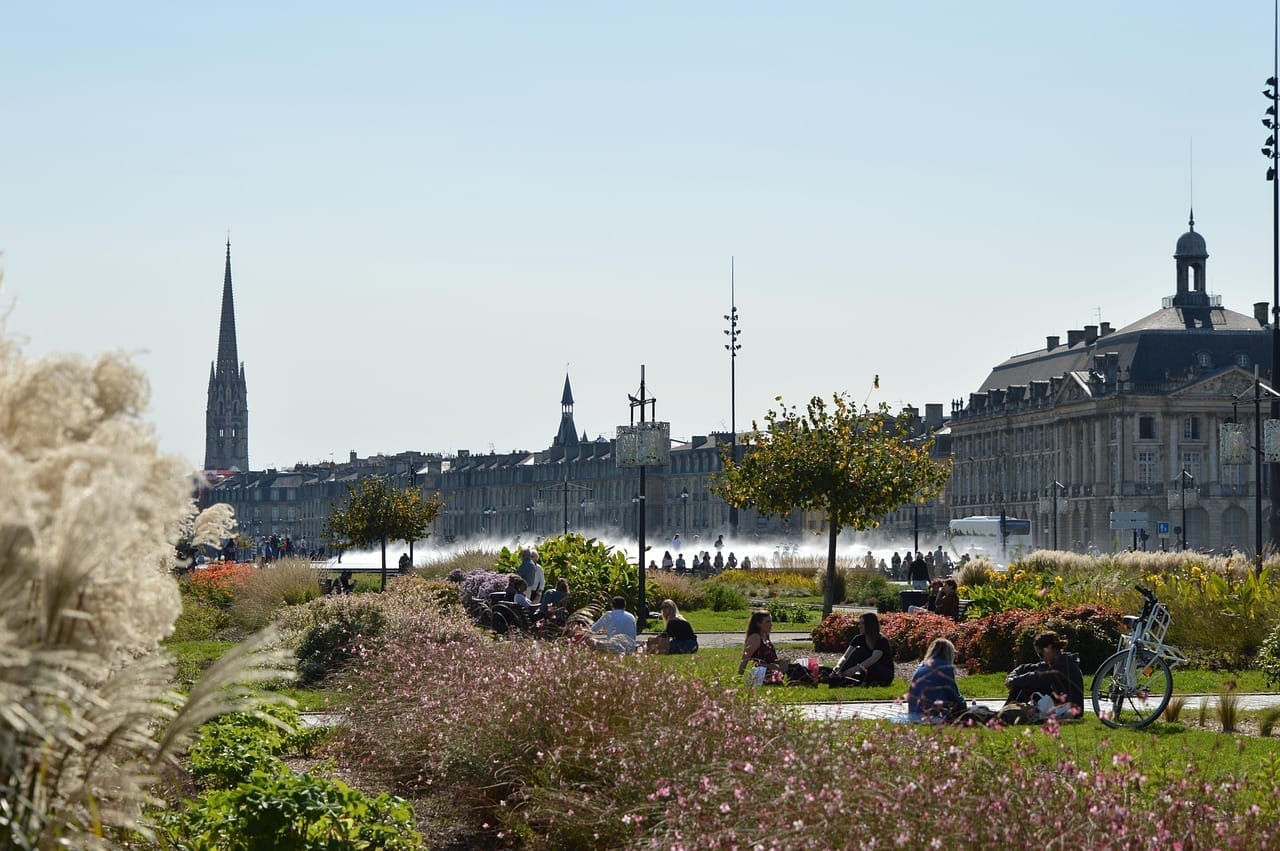
Every evening around 6 p.m., Bordeaux comes alive in a particular way. Families emerge for their evening promenade, a leisurely walk with no particular destination, no fitness goal, no agenda beyond simply being outside together. At first, this custom seemed quaint but unnecessary. Why walk slowly when you could exercise efficiently at the gym?
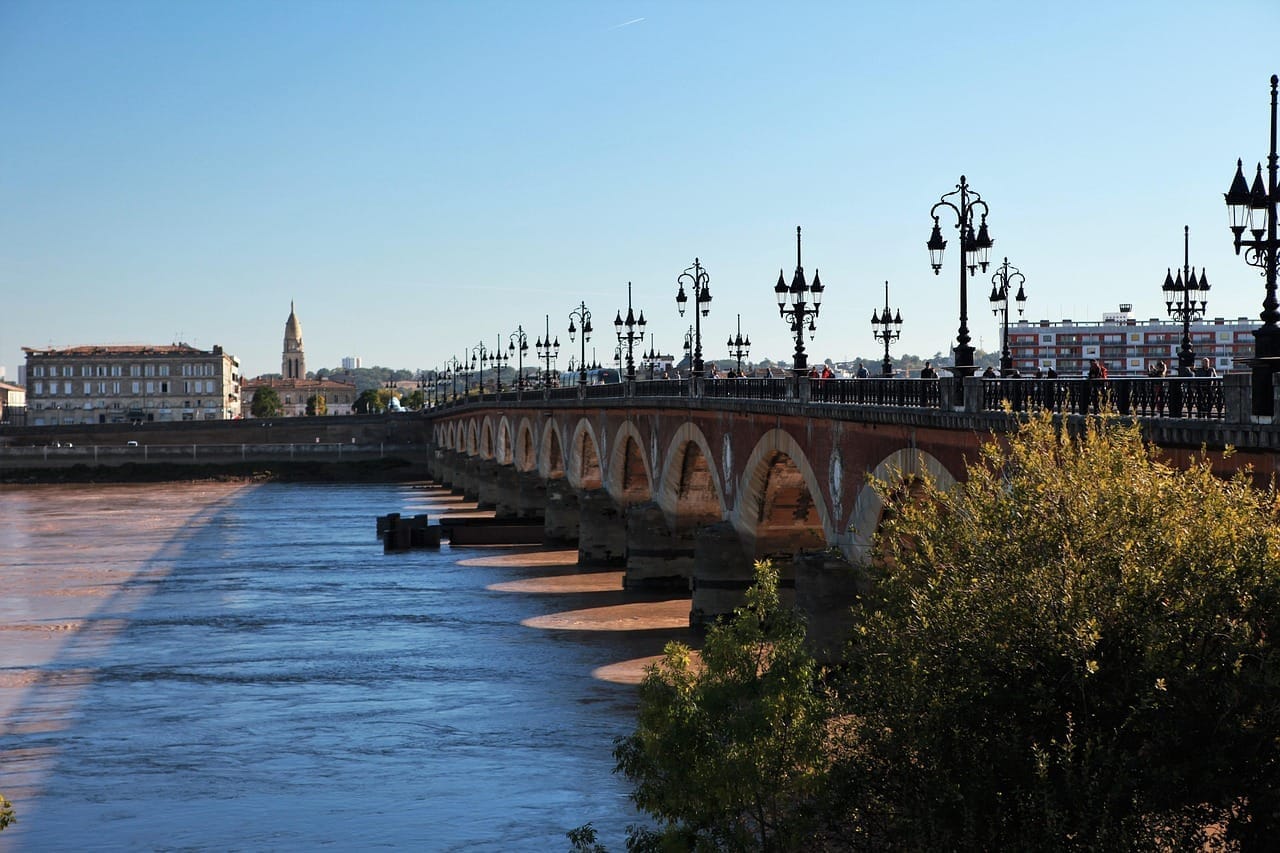
But I noticed something as we began joining these evening walks. Emma, who'd often come home from school and immediately retreat to screens, would chat openly about her day while we strolled along the Garonne River. My husband and I would reconnect, processing our separate workdays without the pressure of "quality time" dinner conversation. We'd notice seasonal changes, the first cherries appearing at market stalls, leaves turning gold in autumn, and spring flowers blooming in window boxes.
The evening promenade isn't about exercise, though we certainly walk. It's about transition. A gentle bridge between the day's obligations and the evening's relaxation. It's unstructured time, that increasingly rare commodity in modern life, when nothing is scheduled and anything might happen. We might stop to chat with neighbors, visit a favorite bookshop, or simply observe the city's movements.
This practice has become sacred to our family. Even in winter, when rain threatens, we bundle up and go. The walk isn't optional or negotiable; it's simply what we do, how we mark the day's end, and prepare for the evening. In doing so, we've reclaimed something I didn't even realize we'd lost: unstructured, unhurried time together without the mediation of screens or schedules.
Mindful Consumption: Quality Over Quantity
Slow living extends beyond time management into how we consume everything from food to entertainment to material goods. The French have mastered an approach to consumption that prioritizes quality over quantity, durability over disposability, and satisfaction over accumulation.
Consider shopping. In America, I'd make weekly trips to large supermarkets, filling my cart with bulk purchases that often went bad before we could consume them. Shopping was a chore to be completed as quickly as possible, preferably while juggling other tasks.
In Bordeaux, shopping transformed into something else entirely. Instead of one overwhelming weekly expedition, we make shorter, more frequent trips to specialized shops. We visit the boulangerie for bread, the fromagerie for cheese, and the local produce market. These aren't mere errands; they're social rituals that connect us to our neighborhood and the seasons.
The butcher knows our preferences. The cheese vendor suggests pairings based on what we're planning for dinner. The market farmer explains which vegetables are at their peak. These interactions slow down the shopping process considerably, but they also enrich it immeasurably. We're not just buying food; we're learning about it, appreciating it, and supporting the people who produce it.
This mindful approach to consumption extends to everything else. Rather than constantly buying new clothes, we invest in fewer, higher-quality pieces that last for years. Instead of accumulating cheap furniture, we save for well-made items that will endure. We've discovered that owning less but valuing it more brings greater satisfaction than constant acquisition ever did.
The financial impact has been interesting. Initially, I worried that buying quality would strain our budget. Instead, we've found we spend less overall because we're not constantly replacing cheap items that break or wear out. The higher upfront cost is offset by longevity and reduced waste. Moreover, we've cut down on impulse purchases by slowing down and considering what we truly need versus what appeals to us momentarily.
Unlock the secrets of the world's most successful entrepreneurs with the
Global Wealth Navigator Newsletter
Discover the world's best destinations offering a lower cost of living paired with an enriched quality of life with the Global Wealth Navigator Newsletter. Whether you're a retiree or an entrepreneur, we dive into strategies that open doors to international investments, tax optimizations, and discover the finest destinations offering a superior quality of life. Don't let borders or routine define you; lets find your ideal spot in the world, regardless of your income bracket.

The Art of Doing Nothing: Embracing Rest
Perhaps the most radical aspect of slow living for this former hustler has been learning to do absolutely nothing without guilt. The French have a wonderful term—"farniente"—that means the sweetness of doing nothing. Not resting to be more productive later. Not recharging your batteries for the following work sprint. Simply being, without purpose or productivity attached.
This concept violated everything I'd internalized about success and worth. In American culture, particularly in achievement-oriented cities like Boston, your value is often measured by how busy you are. If you're not exhausted, you're not trying hard enough. Rest is something you schedule grudgingly, like a necessary evil rather than a fundamental human need.
My first attempts at farniente were uncomfortable. I'd sit in our apartment's small garden with a cup of tea, determined to just be. Within minutes, my mind would flood with things I should be doing. I'd remember emails that needed responses, client proposals that needed drafting, and household tasks that needed completion. The urge to get up and do something productive was almost physical.
But I persisted. I watched our neighbors, successful professionals with demanding careers, spend Sunday afternoons reading in the park, not for professional development but purely for pleasure. I observed how they'd linger over coffee, seemingly content to watch the world go by. Gradually, I learned to sink into stillness, to let my mind wander without immediately converting its wanderings into action items.
Now, after four years of practice, I can truly rest. Sunday mornings are often spent in our garden with coffee and a novel, no agenda beyond enjoying the morning. Some evenings, after Emma's asleep, I simply sit on the balcony watching the sunset paint colors across the sky.
These moments of farniente have become essential to my wellbeing; not despite their lack of productivity, but because of it.
Interestingly, these periods of apparent nothingness often yield my best ideas. Without the pressure to be productive, my mind makes connections it couldn't when frantically multitasking. Creative solutions to work challenges emerge. Insights about parenting or relationships surface. The space created by doing nothing allows something deeper to emerge.
Seasonal Living: Aligning With Natural Rhythms
One of the more subtle shifts in my perspective has been learning to live in accordance with seasonal changes rather than fighting them. In our climate-controlled American existence, seasons were mainly aesthetic; something that changed the view outside but didn't fundamentally alter our routines. We ate strawberries in December and asparagus in August, maintained the same schedule year-round, and generally operated as if the turning of the earth was irrelevant to daily life.
Bordeaux teaches a different relationship with seasons. The market reflects what's actually growing now, not what can be shipped from the other hemisphere. Restaurant menus change with the harvest. Social patterns shift: more indoor gatherings in winter, outdoor activities in summer. Even work rhythms adjust, with the long August vacation period built into everyone's assumptions.
Initially, this seasonal consciousness felt limiting. Why shouldn't I have tomatoes in winter if I want them? But living within seasonal constraints has actually enriched our lives. We anticipate the first asparagus of spring with genuine excitement. Summer stone fruits taste like celebration because we know they're fleeting. The first pumpkins of autumn signal cozy evenings ahead.
This seasonal awareness has extended to my work patterns, too. Rather than maintaining the same pace year-round and burning out periodically, I've learned to work with natural energy cycles. Summer, when Emma's out of school and the city slows down, I take on fewer intensive projects. Fall and spring, when energy naturally peaks, I tackle more ambitious work. Winter, when darkness comes early, I focus on planning and reflection rather than execution.
This isn't laziness or lack of ambition; it's wisdom. By aligning with natural rhythms rather than fighting them, I maintain sustainable energy year-round. The quality of my work remains high because I'm not constantly depleted. My relationships thrive because I'm not perpetually exhausted and irritable.
Social Connection: The Heart of Slow Living
At its core, slow living is about prioritizing human connection over efficiency and productivity. The French excel at this. They'll spend three hours over dinner, not because the meal requires that much time, but because conversation, connection, and presence matter more than what's next on the schedule.
In Boston, our social life consisted mainly of scheduled playdates for Emma and occasional dinners with friends when we could coordinate everyone's packed calendars. These gatherings felt hurried, squeezed between other obligations. We'd arrive precisely on time and leave as soon as politely possible, mindful of babysitters and early morning meetings.
Bordeaux showed us a different way. When neighbors invite you to an apéritif, "6 p.m." means between 6 and 6:30, and the gathering might last until 10 or 11. There's no agenda beyond enjoying each other's company. Conversation meanders from politics to philosophy to gossip to silence. Children play while adults talk; no structured activities or screens are needed.
These open-ended social gatherings initially made me anxious. When would it end? What if we got stuck talking to someone boring? Shouldn't we be doing something more productive? But gradually, I learned to surrender to the flow of the evening, to let conversation unfold naturally without trying to control or optimize it.
The depth of relationships we've built through this slower, more present approach far exceeds what we managed in Boston despite living there far longer. Our neighbors have become genuine friends. We know their children, their struggles, their joys. They know ours. This web of connection provides support and meaning that no amount of professional achievement could match.
Moreover, Emma has learned to navigate social situations without constant parental mediation. She plays with neighborhood children in impromptu games that arise organically. She's learned to entertain herself and others without screens or structured activities. These skills, the ability to be bored, to create your own fun, to connect authentically with others, strike me as increasingly rare and valuable.
The Professional Impact: Slow Living and Career Success
The question I'm asked most frequently by American friends considering a similar lifestyle shift is: "But what about your career? Doesn't slowing down mean falling behind professionally?"
I understand the concern. American culture equates constant hustle with professional success. We're taught that those who work longest and hardest will win. Rest is viewed with suspicion, as if it indicates a lack of commitment or ambition. The fear of slowing down is really a fear of becoming irrelevant, unsuccessful, or poor.
My experience suggests these fears, while understandable, are largely unfounded. Since embracing slow living, my career has actually flourished. My income has increased approximately 30 percent, not despite my new approach but because of it. Clients appreciate working with someone thoughtful, focused, and not constantly frazzled. The quality of my strategic thinking has improved because I'm not perpetually exhausted.
Working fewer hours forced me to be more selective about the projects I took on. I only take on work that genuinely interests me and matches my expertise. This specialization has made me more valuable, not less. I charge higher rates because I deliver better results. The scarcity of my time has paradoxically increased its value.
Moreover, I'm more creative and innovative than I was during my hustle years. Creativity requires space; mental space, temporal space, the space to make unexpected connections. When your calendar is packed, and your mind is racing, creativity suffocates. By building in rest, reflection, and unstructured time, I've created conditions where creativity thrives.
I've also noticed that slow living has made me a better leader and collaborator. Because I'm not operating from chronic stress and exhaustion, I'm more patient with team members. I listen better. I can see the bigger picture rather than getting lost in immediate crises. These soft skills, often dismissed in hustle culture, are crucial for professional success.
The professional world is slowly catching up to what the French have understood for generations: sustainable success requires sustainable practices. Burnout doesn't serve anyone; not employees, not employers, not clients, and certainly not the quality of work being produced. Slow living isn't a luxury or indulgence; it's a prerequisite for long-term excellence.
Practical Steps: Bringing Slow Living Into Your Life
You don't need to move to France to embrace slow living. While the cultural support certainly helps, the principles are portable and adaptable. Here are the practices that made the biggest difference in my transformation:
Start with mornings. Wake up fifteen minutes earlier and spend that time in stillness. No phone, no news, no immediate productivity. Just coffee, tea, or breakfast eaten slowly and mindfully. This single change can shift your entire day's rhythm.
Protect your lunch break. Even if you can't take two hours, take at least thirty minutes away from your desk. Eat real food. If possible, eat with others. Make lunch a genuine break rather than fuel consumed while working.
Create hard stops for work. Choose a time when work ends, not when it's finished, because it's never truly finished, but when you've given it enough of your day. Communicate these boundaries to colleagues and clients. You might be surprised by how readily they're accepted.
Establish an evening ritual to mark the transition from work to rest. This might be a walk, a cup of tea, a few minutes of journaling, or simply sitting outside. The specific activity matters less than the consistent signal that the day's obligations have ended.
Practice doing nothing at least once a week. Sit without purpose. Let your mind wander. Resist the urge to immediately convert rest into productivity. This might be the hardest practice for achievement-oriented Americans, but it's also one of the most transformative.
Slow down consumption. Before buying something, wait. Make shopping trips about connection and awareness rather than mere acquisition. Buy less but buy better. Notice how this shift affects both your budget and your sense of satisfaction.
Seek out unstructured time. In a culture that values efficiency, leaving space for spontaneity and serendipity feels countercultural. Do it anyway. The magic happens in the margins, not the schedule.
Finally, extend yourself grace and patience. Unlearning hustle culture takes time. You'll backslide. You'll feel guilty about resting. You'll catch yourself checking email at 10 p.m. These relapses don't mean failure; they're simply part of the process of change.
The Deeper Shift: Redefining Success and Worth
Underneath all these practical changes lies a more fundamental transformation: a complete reimagining of what constitutes a successful, meaningful life. American culture tends to measure success externally, through income, title, possessions, and achievements. Your worth is determined by what you produce and accumulate. Rest and pleasure are justified only if they serve productivity.
The French approach to slow living suggests a radically different metric: quality of life. Not quality as a reward for hard work, but quality as the point itself. Work serves life, not the other way around. You're worthy because you exist, not because of what you produce. Pleasure and rest aren't indulgences to be earned; they're fundamental components of human flourishing.
This shift has been profound for me. I no longer equate my value with my productivity. I don't feel guilty about time spent with Emma, about hours reading a novel, about evenings doing nothing in particular. These aren't luxuries stolen from more important obligations; they're the very fabric of a well-lived life.
I've also stopped measuring myself against others' external markers of success. Someone else's promotion, larger house, or impressive LinkedIn profile doesn't diminish my life. I'm not in competition with everyone around me, racing to accumulate more. Instead, I'm trying to live well, by my own definition: to be present, connected, and content.
This doesn't mean I lack ambition or goals. I still work hard and care about professional excellence. But the purpose has shifted. I work to support a life I love, not to prove my worth or outpace others. The work itself can be meaningful and satisfying, but it's not the sole source of meaning or satisfaction.
Looking Forward: Slow Living as Resistance
In our current global culture, dominated by social media, constant connectivity, and the relentless demand to do more, be more, and achieve more, slow living feels almost radical. To deliberately slow down, to prioritize presence over productivity, to rest without guilt, to value connection over achievement: these are countercultural acts.
I think of slow living now as a form of gentle resistance. It's a refusal to accept that worth equals productivity, that rest must be earned, that life should be optimized and monetized. It's an insistence that being human, with all our need for rest, connection, beauty, and meaning, is enough.
As I watch Emma grow up with slow living as her norm, I'm hopeful about what this might mean for her generation. She's learning that success doesn't require exhaustion. She sees her parents working hard but also resting well. She's experiencing the richness of deep relationships and unhurried presence. These are gifts I didn't receive in my own childhood, and I'm grateful we can offer them to her.
The future of work, particularly in a post-pandemic world where remote work has blurred boundaries even further, desperately needs the wisdom of slow living. We've seen what happens when everything is urgent, when rest is suspect, when productivity is the only value: burnout, mental health crises, broken relationships, and a pervasive sense that despite all our achievements, something essential is missing.
Slow living offers an alternative vision. It suggests that we can be successful without sacrificing our wellbeing, that we can work hard without working constantly, and that rest, pleasure, and connection aren't luxuries but necessities. It proposes that quality of life isn't something to defer until retirement but something to cultivate daily, starting now.
Final Reflections: The Art of Living Well
Four years ago, I arrived in Bordeaux carrying my American hustle like armor. I was proud of my exhaustion, confident that constant motion meant progress, convinced that slowing down would mean falling behind. I viewed the French approach to life with a mixture of envy and skepticism. It seemed lovely but impractical, indulgent but ultimately unsustainable in our competitive modern world.
I was wrong about nearly everything.
Slow living hasn't made me less successful; it's made me more sustainably successful. It hasn't diminished my ambition; it's focused it on what truly matters. It hasn't made me lazy; it's made me more intentional about how I spend my precious, finite time on this earth.
The art of slow living, of eating breakfast without distraction, of protecting lunch breaks, of establishing hard stops for work, of taking evening promenades, of doing nothing without guilt, of prioritizing connection over achievement, isn't really about speed at all. It's about attention. It's about being fully present in your own life rather than perpetually preparing for some future moment when you'll finally have earned the right to rest and enjoy.
That future moment never comes, by the way. There's always one more deadline, one more achievement, one more thing that must be done before you can finally relax. The treadmill never stops unless you choose to step off.
Bordeaux taught me to step off. To stop deferring life until some imagined future when everything would be perfect and complete. To recognize that this, right now, this ordinary Tuesday morning with coffee and bread and my family, is the good life I'd been working so hard to deserve someday.
I still work hard. I still have ambitions and goals. But they exist within a life, not instead of one. The work serves the living, not the other way around. And on the days when I forget this lesson, when the old hustle mentality creeps back in, Bordeaux is patient with me. The city continues its slow, steady rhythms, shops closing for lunch, neighbors lingering over coffee, markets displaying seasonal produce, reminding me that there's another way.
The French art of slow living isn't really French at all, I've come to realize. It's deeply human. It's what people naturally do when culture supports rather than suppresses their need for rest, connection, beauty, and meaning. France just happens to be a place where these needs are still honored rather than dismissed as weakness or self-indulgence.
You don't need to move to Bordeaux to reclaim this art. You can begin wherever you are, starting tomorrow morning. Wake up fifteen minutes earlier. Sit with your coffee. Notice how the light falls through your window. Be present in your own life. From that simple beginning, everything else can follow.
The transformation won't happen overnight. It's taken me four years, and I'm still learning. But I promise you this: the life waiting on the other side of hustle—the slower, richer, more present life—is worth every uncomfortable moment of change. It's worth the guilt you'll feel when you first start resting. It's worth the professional anxiety when you set boundaries. It's worth the social awkwardness when you choose presence over productivity.
Because ultimately, slow living isn't about doing less. It's about living more; more fully, more intentionally, more humanly. And that, I've discovered, is the only hustle truly worth pursuing.
Ready to fully embrace the French lifestyle? Our comprehensive Move to France Masterclass online course covers everything from visa applications to cultural integration, helping you transition smoothly to your new life of slow living in France.
If you're seriously considering a move to France, I encourage you to explore our Move to France Masterclass. This comprehensive online course provides detailed guidance on every aspect of relocating to France, from visa applications and housing searches to cultural integration and community building. Learn from experts and experienced expats who have successfully navigated the journey you're contemplating.
Written by Natalie Brooks
Boston-born Natalie moved to Bordeaux with her husband and daughter, seeking culture and connection. Her articles celebrate French living—art, parenting, cuisine, and community. She writes with polish and empathy, helping families thrive in their new French homes.
📍 From Boston, now in Bordeaux
Natalie shares her journey of blending family life with French culture—encompassing food, language, and the art of refined living abroad.
Read Articles by Natalie →
Global Citizen Life
© 2023 Global Citizen Life
All rights reserved