
The Best Spanish Cities for Remote Workers: Beyond Barcelona and Madrid
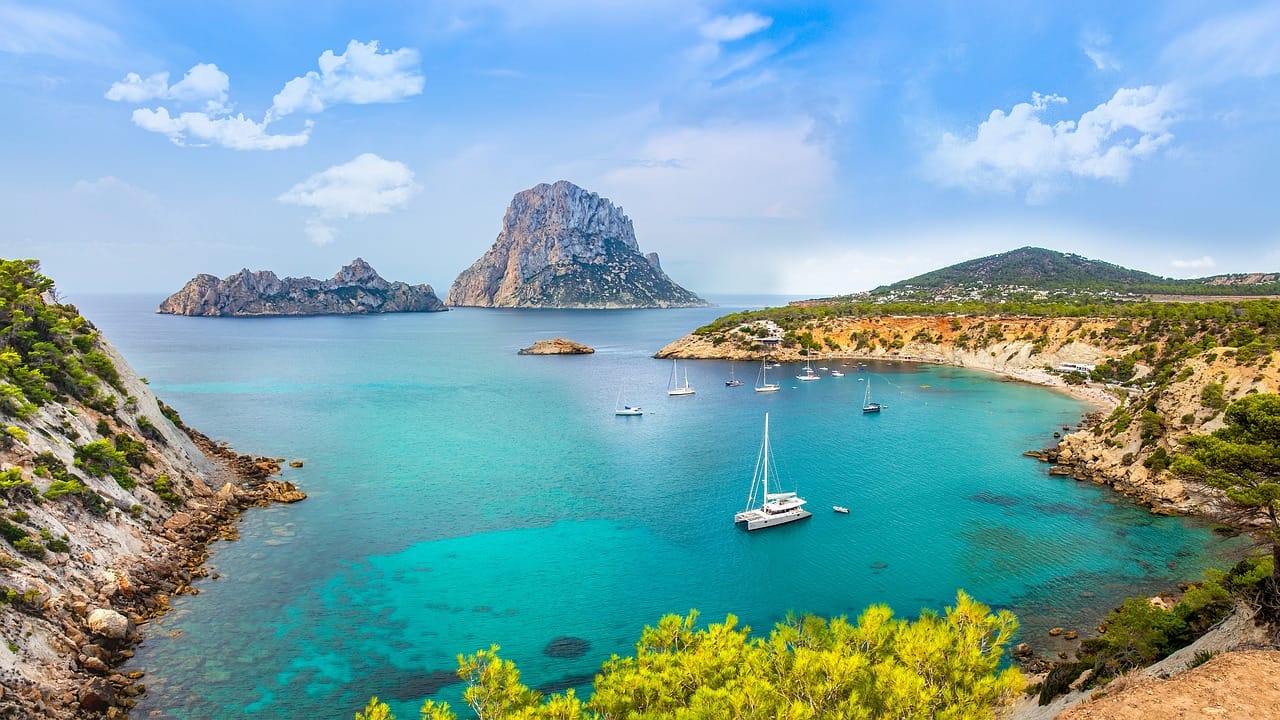
When I first considered moving to Spain as a remote worker, every digital nomad article pointed me toward Barcelona or Madrid. While these cities are undeniably amazing, I quickly discovered that Spain has so much more to offer. As a UX designer who has worked remotely from Valencia for the past three years, I have explored the country extensively and found incredible alternatives that deliver better value, authentic culture, and thriving remote work communities.
Spain has become a magnet for remote workers, and for good reason. The combination of excellent infrastructure, affordable living costs, year-round sunshine, and a welcoming culture creates the perfect environment for location-independent professionals. But you do not need to fight the tourist crowds or pay premium prices in the major hubs. From Mediterranean coastal cities to cultural inland gems, Spain offers a diverse range of options to suit different lifestyles and budgets.
In this article, I will share the best Spanish cities for remote workers that fly under the radar. Whether you prioritize beach access, cultural immersion, cost savings, or a thriving expat community, you will find your perfect match here.
Valencia: The Mediterranean Sweet Spot
I might be biased, but Valencia truly offers the best of everything. This coastal city on Spain's eastern shore combines big-city amenities with a relaxed Mediterranean vibe. At around 800,000 residents, it is large enough to have excellent infrastructure and cultural offerings, but small enough to feel manageable and community-oriented.
Why Remote Workers Love Valencia
The cost of living is significantly lower than in Barcelona or Madrid. You can find a modern one-bedroom apartment in a central neighborhood for between $800 and $1,200 per month, while similar spaces in Barcelona would cost $1,500 or more. The city boasts over 300 days of sunshine annually and sits right on the beach, making it easy to take morning swims before work or evening strolls along the promenade.
Valencia has invested heavily in coworking spaces. You will find excellent options like Vortex Coworking, Wayco, and Impact Hub, each offering high-speed internet, comfortable workspaces, and regular networking events. The remote work community is welcoming and active, with regular meetups for digital nomads and entrepreneurs.
The city strikes a perfect balance between work and life. The beach is accessible by a quick bike ride or metro trip; the historic old town is filled with tapas bars and cultural sites; and the Turia Gardens, a nine-kilometer park built in a former riverbed, provide a green corridor through the entire city for running, cycling, or relaxing.
Practical Considerations: Internet speeds average 100-300 Mbps in most areas, and many apartments now offer fiber optic connections. English is increasingly spoken in coworking spaces and expat-friendly neighborhoods like Ruzafa and El Carmen, though learning Spanish will enhance your experience. The airport offers direct flights to most European capitals, making client visits or weekend getaways convenient.
Seville: Cultural Richness at an Unbeatable Price
Seville, the capital of Andalusia, offers an authentic Spanish experience steeped in history, flamenco, and incredible architecture. This is where you will find the real soul of Spain, far from the international tourist circuits that dominate Barcelona.
The Remote Work Appeal
Seville is remarkably affordable. A spacious apartment in a central location costs between $650 and $1,000 per month, and your daily expenses will be much lower than in coastal cities. A coffee costs around $1.50, and a full menu del día lunch runs about $10 to $15.
The city has seen a surge in coworking spaces catering to remote workers. Spaces such as Second Home Seville, La Farola Cowork, and Workcafé offer professional environments with all the amenities you need. The remote work community is growing steadily, with regular events focused on entrepreneurship and digital skills.
What makes Seville special is its cultural authenticity. Unlike more tourist-heavy cities, Seville maintains its traditional character. You will experience real Spanish culture, from neighborhood festivals to traditional tapas bars where locals outnumber tourists. The city is walkable and bike-friendly, with a comprehensive bike-sharing system.
The Challenges: Summer temperatures regularly exceed 40°C (104°F), making July and August quite intense. Many locals leave the city during these months. However, most buildings have air conditioning, and the Spanish tradition of afternoon siestas makes sense when you experience the heat firsthand. The expat community is smaller than in Valencia or Barcelona, so you will need to make more effort to build your network. The airport is less well-connected than those in larger cities, though you can reach Madrid in 2.5 hours by high-speed train.

Ready to make your move to Spain? Our comprehensive
online course provides everything you need to successfully relocate, covering visa applications, finding accommodation, setting up as a remote worker, navigating Spanish bureaucracy, and integrating into local communities. Transform your Spanish dream into reality with expert guidance and practical strategies from experienced expats.
Málaga: The Digital Nomad Hub of the South
Málaga has rapidly transformed from a beach resort city into one of Spain's top digital nomad destinations. The city has actively courted remote workers and tech companies, creating an ecosystem that specifically caters to location-independent professionals.
Why Málaga Works for Remote Workers
The weather is perhaps the best in mainland Spain. Mild winters with temperatures around 15-20°C (59-68°F) and warm summers moderated by sea breezes create year-round comfort. You will get over 300 days of sunshine annually, which does wonders for productivity and mental health.
The digital nomad infrastructure is excellent. Málaga hosts numerous coworking spaces, including The Living Room, La Noria, and WorkINcompany, many of which offer sea views. The city has fast internet, reliable power, and an abundance of cafés with strong WiFi that welcome remote workers.
The international community is one of the largest outside Barcelona and Madrid. You will find regular meetups, networking events, and social gatherings specifically for remote workers. English is widely spoken in coworking spaces and international neighborhoods. The cost of living is moderate, higher than in Seville but lower than in Barcelona. Expect to pay $900 to $1,300 for a one-bedroom apartment in a good area.
The Beach Lifestyle: Málaga's beaches are easily accessible, and the surrounding Costa del Sol offers dozens of beach towns to explore on weekends. The city balances work and leisure perfectly—you can finish your workday and be on the beach in 15 minutes. The airport is excellent with connections across Europe and beyond, making it ideal for remote workers who travel frequently.
Las Palmas de Gran Canaria: Eternal Spring in the Atlantic
For remote workers seeking the ultimate weather and a truly unique location, Las Palmas de Gran Canaria offers something special. Located in the Canary Islands off the coast of Africa, this city is home to the world's best year-round climate, according to some meteorologists.
The Digital Nomad Paradise
The temperature rarely drops below 18°C (64°F) or rises above 26°C (79°F), creating perfect conditions year-round. While mainland Spain swelters in summer or chills in winter, Las Palmas maintains eternal spring. This consistency is invaluable for establishing a stable work routine.
The city has become a major hub for digital nomads. Coworking spaces such as Soppa de Azul, OneCoWork, and Cowo Las Palmas offer excellent facilities with ocean views. The community is international and welcoming, with regular events and meetups. Las Canteras beach, one of Europe's finest urban beaches, stretches for three kilometers right in the city center.
Costs are reasonable; one-bedroom apartments range from $700 to $1,100 per month. Daily expenses are similar to those in mainland Spain. The city offers a relaxed island lifestyle while maintaining urban amenities and infrastructure.
Important Considerations: Island life is not for everyone. You are quite isolated from mainland Europe, and getting anywhere requires a flight. This can feel limiting for some remote workers. Time zone alignment with European clients is perfect, but you may feel less connected to the continent. The cultural scene is smaller than that of major mainland cities. However, if you value consistent weather, beach access, and a tight-knit remote work community, Las Palmas is hard to beat.
Alicante: Coastal Living on a Budget
Just 90 minutes south of Valencia, Alicante offers a smaller, more affordable alternative with beautiful beaches and excellent weather. This city flies even further under the radar than the others on this list, making it perfect for remote workers who want to avoid digital nomad hotspots.
The Appeal for Remote Workers
Alicante is significantly cheaper than most Spanish coastal cities. Quality apartments cost between $600 and $950 per month, and you can live very comfortably on $1,500 to $2,000 per month, including rent. The city offers over 300 days of sunshine and mild winters, with temperatures rarely dropping below 10°C (50°F).
While the coworking scene is smaller than in Málaga or Valencia, there are quality options, including Colabora Alicante and Regus. Many remote workers also work from the numerous modern cafés with reliable internet. The beaches are excellent, particularly Playa del Postiguet right in the city center.
The city has a manageable population of around 330,000. This creates a more intimate feel while still offering necessary amenities. The airport is well connected to European cities, and the high-speed train reaches Madrid in under three hours.
The Trade-Offs: The international community is smaller, so you will need to be proactive about meeting people. Spanish language skills are more important here, as fewer locals speak English than in larger cities. Cultural activities and nightlife are more limited. However, if you are seeking affordability, beach access, and a quieter lifestyle away from digital nomad crowds, Alicante delivers exceptional value.
Bilbao: The Sophisticated Northern Alternative
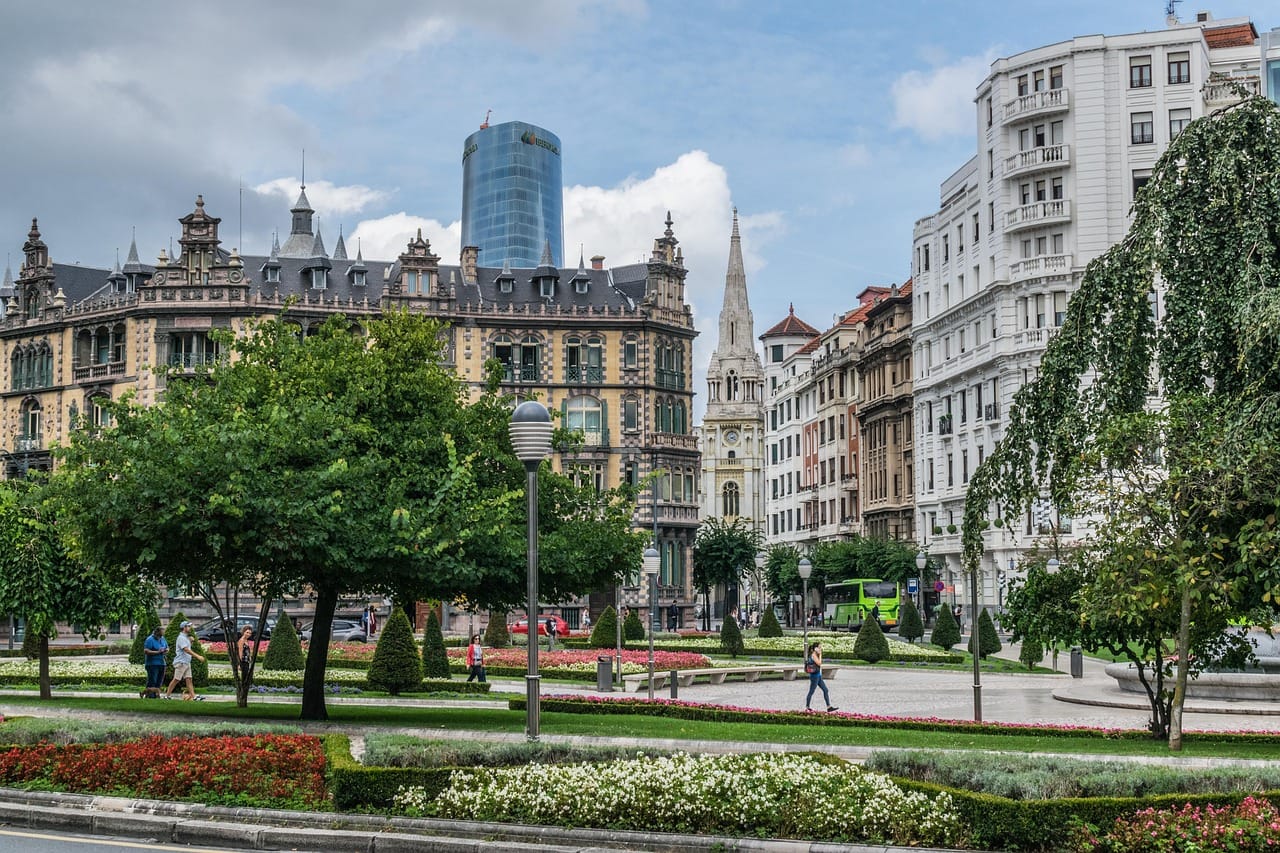
Bilbao represents something completely different from the Mediterranean cities on this list. Located in the Basque Country of northern Spain, this city offers a sophisticated, cosmopolitan atmosphere, a strong cultural identity, and an excellent quality of life.
Why Consider Bilbao
The city has transformed itself over recent decades into a cultural and economic hub. The Guggenheim Museum put Bilbao on the international map, but the city offers much more. The architecture blends historic and ultra-modern; the food scene is world-class, with a vibrant pintxos culture; and the surrounding Basque region is stunning.
For remote workers, Bilbao offers excellent infrastructure, with coworking spaces such as Bilbao Coworking and LaKarma. The city is compact and walkable with efficient public transportation. Internet speeds are excellent, and the business culture is professional and modern.
Costs are moderate, higher than in southern Spain, but still reasonable compared to major European cities. Expect to pay $850 to $1,300 for a one-bedroom apartment. The quality of life is exceptionally high, with excellent healthcare, clean streets, and a strong sense of community.
The Northern Reality: Bilbao's weather is dramatically different from Mediterranean Spain. It rains frequently, summers are mild rather than hot, and winter temperatures hover around 8-14°C (46-57°F). If you love sunshine, this is not your city. However, if you appreciate green landscapes, cooler weather, and sophisticated culture, Bilbao offers a unique Spanish experience. The international community is smaller but educated and professional. This is a city for remote workers who prioritize culture and quality over beach access and party scenes.
Unlock the secrets of the world's most successful entrepreneurs with the
Global Wealth Navigator Newsletter
Discover the world's best destinations offering a lower cost of living paired with an enriched quality of life with the Global Wealth Navigator Newsletter. Whether you're a retiree or an entrepreneur, we dive into strategies that open doors to international investments, tax optimizations, and discover the finest destinations offering a superior quality of life. Don't let borders or routine define you; lets find your ideal spot in the world, regardless of your income bracket.

San Sebastián: Premium Living in Paradise
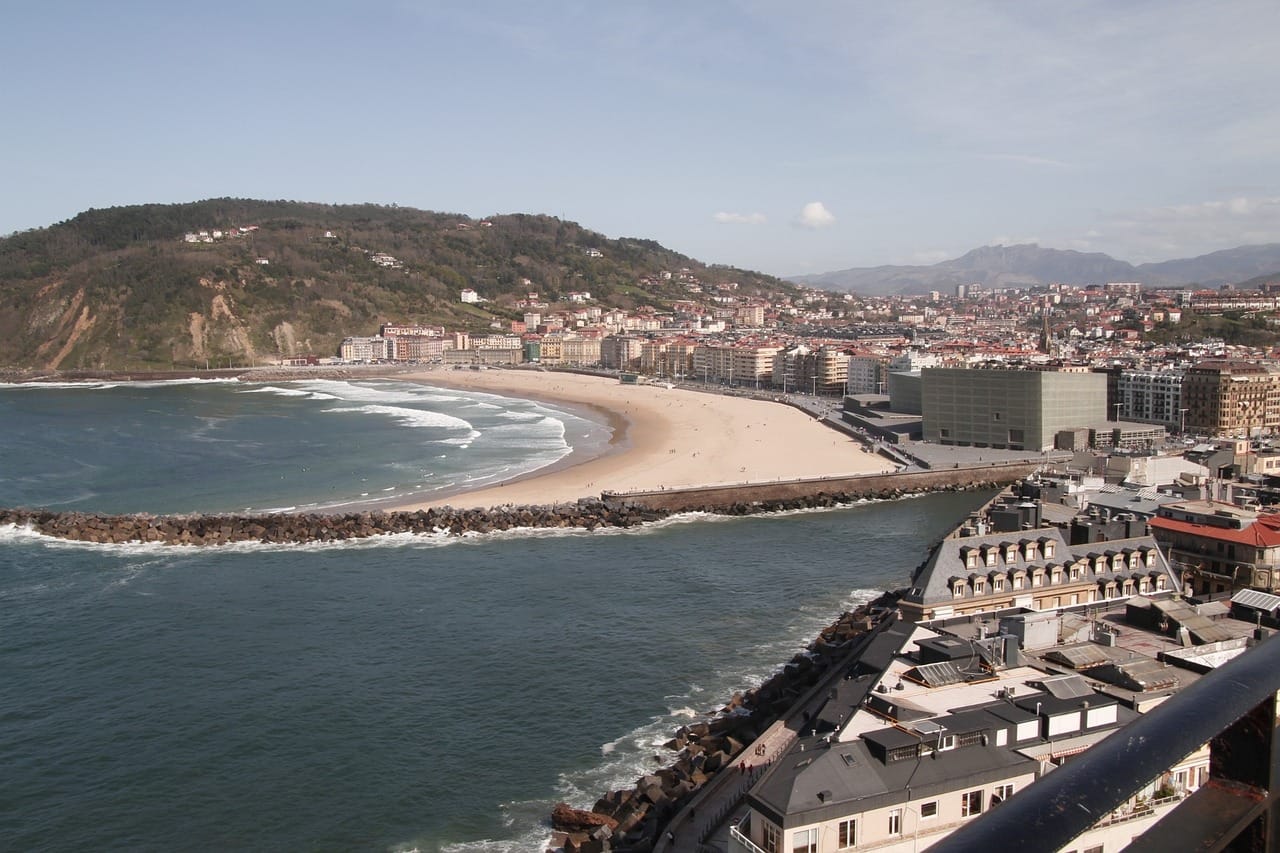
San Sebastián (Donostia in Basque) is widely considered one of Spain's most beautiful cities. With stunning beaches, world-renowned cuisine, and elegant architecture, it attracts remote workers willing to pay premium prices for an exceptional lifestyle.
The Premium Remote Work Destination
The city's La Concha beach is consistently rated among Europe's best urban beaches. The curved bay, surrounded by hills and elegant buildings, creates a postcard-perfect setting. The food scene is unmatched. San Sebastián has more Michelin stars per capita than any other city except Kyoto, and the pintxos bar culture is legendary.
For remote workers, the city offers quality coworking spaces, including BClassifications and Poolco. The size is manageable at around 186,000 residents, creating an intimate feel. The city is safe, clean, and exceptionally well-maintained.
The Cost Reality: San Sebastián is expensive. Apartments in central locations cost $1,200 to $1,800 per month or more. Daily expenses are notably higher than in most Spanish cities. The weather, like Bilbao, features frequent rain and mild temperatures year-round. The international community is smaller and more affluent.
This city makes sense for established remote workers with higher incomes who prioritize quality of life and cultural sophistication over cost savings. If you can afford it, San Sebastián offers one of Europe's finest living experiences.
Practical Considerations for Remote Workers in Spain
Visa Requirements
Spain introduced a Digital Nomad Visa in 2023, making it easier for remote workers to live here legally. The visa requires proof of remote employment or self-employment, minimum income requirements (typically around $2,400 per month), and health insurance. The application process takes several months, so plan ahead.
EU citizens can live and work in Spain without restrictions. Non-EU citizens should thoroughly research visa options. If you are serious about moving to Spain and navigating the visa process, our Move to Spain Masterclass offers comprehensive guidance on visas, paperwork, and settling in.
Internet and Infrastructure
Spain's internet infrastructure is excellent in cities. Fiber-optic connections are widely available, with speeds of 100-600 Mbps standard in most urban areas. Coworking spaces typically offer even faster connections with backup systems.
Power outages are rare in Spanish cities. Mobile data is affordable and reliable, with major carriers such as Movistar, Vodafone, and Orange offering unlimited data plans for around $30 to $50 per month.
Cost of Living Comparison
Here is a rough monthly budget comparison for a single remote worker living comfortably in each city:
Seville and Alicante: $1,500 to $2,200 (rent, food, coworking, entertainment)
Valencia and Las Palmas: $1,800 to $2,500
Málaga and Bilbao: $2,000 to $2,800
San Sebastián: $2,500 to $3,500+
These estimates include rent for a one-bedroom apartment in a good central area, groceries, dining out several times per week, coworking space membership or café work costs, and local transportation.
Healthcare
Spain's healthcare system is excellent. As a legal resident, you can access public healthcare. Many remote workers also purchase private insurance for faster access and English-speaking doctors. Private insurance costs around $50 to $150 per month, depending on coverage and age.
Language Considerations
While you can survive with English in major cities and coworking spaces, learning Spanish significantly improves your experience. Local integration, making Spanish friends, and handling bureaucracy all become much easier. Most cities offer affordable Spanish language schools, and practicing with locals is invaluable.
In Barcelona, you will also encounter Catalan. In Bilbao and San Sebastián, Basque is spoken alongside Spanish. Valencia has its own language, Valenciano. However, Spanish is understood everywhere, and these regional languages add cultural richness rather than creating barriers.
Finding Your Perfect Spanish City
The right city depends on your priorities. Here is my framework for deciding:
Choose Seville if: You want authentic Spanish culture, low costs, and do not mind hot summers or smaller international communities.
Choose Valencia if: You want the best overall balance of beach, city life, affordability, infrastructure, and remote work community.
Choose Málaga if: You prioritize perfect weather, beach lifestyle, and a large international digital nomad community.
Choose Las Palmas if: Year-round perfect weather is your top priority, and you do not mind island isolation.
Choose Alicante if: You want coastal living at the lowest cost with a quieter, less touristy environment.
Choose Bilbao if: You value sophisticated culture, excellent food, and cooler weather over beaches and sunshine.
Choose San Sebastián if: You have a higher budget and want premium quality in every aspect of life.
Testing Before Committing
My strongest recommendation is to test your top choices before committing to a long-term lease or visa application. Spend at least two to four weeks in your top two or three cities. Experience the daily rhythm, work from different coworking spaces, explore neighborhoods, and attend remote worker meetups.
Many of my assumptions changed after spending real time in cities. A place that seems perfect online might not match your personality. Conversely, you might fall in love with a city you barely considered. The only way to know is to live there, even briefly.
Consider visiting during different seasons if possible. Valencia in February feels quite different from Valencia in August. Seville's charm in April might not translate to survival mode in July.
Building Your Life Beyond the Major Hubs
Spain offers incredible opportunities for remote workers willing to look beyond Barcelona and Madrid. Each of these cities brings something unique to the table, from Seville's cultural authenticity to San Sebastián's refined elegance, from Las Palmas's perfect weather to Bilbao's sophisticated atmosphere.
What makes these alternative cities special is not just their lower costs or better weather. They offer something more valuable: the chance to build a real life in Spain rather than floating through as a perpetual tourist. You will integrate into communities, develop local friendships, discover neighborhood spots that tourists never find, and create genuine roots.
The remote work lifestyle is about more than just having good internet and affordable rent. It is about designing a life that aligns with your values and priorities. Spain's diverse cities enable this in ways few countries can match.
Whether you are drawn to the Mediterranean coast, the Atlantic islands, or the green north, whether you prioritize budget, culture, or lifestyle,
Spain has a city waiting for you. The hardest part is choosing just one.
Take your time, do your research, visit in person if possible, and trust your instincts. The right Spanish city will feel like home remarkably quickly. Three years into my Valencia experience, I cannot imagine making any other choice. Your perfect Spanish city is out there waiting for you.
Ready to make your move to Spain? Our comprehensive
online course provides everything you need to successfully relocate, covering visa applications, finding accommodation, setting up as a remote worker, navigating Spanish bureaucracy, and integrating into local communities. Transform your Spanish dream into reality with expert guidance and practical strategies from experienced expats.
Written by Clara Mitchell
Originally from Toronto, Clara now calls Valencia home. As a UX designer, she blends creativity with logic—her writing reflects that same thoughtful clarity. Clara explores Spain’s modern lifestyle, coworking hubs, and digital nomad opportunities with a focus on living beautifully and efficiently.
📍 From Toronto, now in Valencia
Clara writes about Spain’s modern expat life, coworking culture, and design-focused living. Her style suits professionals seeking productivity and inspiration abroad.
Read Articles by Clara →
Global Citizen Life
© 2023 Global Citizen Life
All rights reserved