
The Best Italian Towns for Families Seeking Safety, Community, and Sunshine
When my husband and I decided to raise our two children in Italy, we weren't just looking for beautiful landscapes and good food, though southern Italy certainly delivers on both counts. We needed a place where our kids could run safely through the streets, where neighbours would become like extended family, and where the pace of life would allow us to actually be present as parents. After three years in Lecce, I've learned what makes an Italian town truly family-friendly, and it goes far beyond the tourist brochures.
Choosing the right town for your family is about more than just finding good schools or affordable housing. It's about understanding the rhythm of Italian life, the subtle differences between regions, and what will make your children and you truly thrive. Here's what I've discovered about the best Italian towns for families who want safety, genuine community, and yes, plenty of that Mediterranean sunshine we all dream about.
What Makes a Town Family-Friendly in Italy
Before we dive into specific towns, it's worth understanding what Italian family life actually looks like. Unlike the Anglo-Saxon world, where families often schedule playdates weeks in advance, Italian community life is wonderfully spontaneous. Children still play in piazzas under the watchful eyes of multiple generations. Sunday lunches stretch for hours. School lets out at lunchtime, and families actually go home to eat together.
When evaluating towns, I looked at several key factors. Safety was paramount. Not just low crime rates, but an environment where my children could gradually develop independence. Community integration mattered enormously; we wanted a place where being foreign wouldn't mean being forever outsiders. Educational options needed to be solid, whether we chose state schools or international programmes. And practically speaking, we needed towns with good healthcare, reasonable living costs, and enough infrastructure to support a family without the overwhelming pace of a major city.
The sunshine factor shouldn't be underestimated either. After Edinburgh's grey winters, the psychological impact of reliable sunshine on our family's wellbeing has been profound. Southern Italy typically receives 300 days of sunshine annually, with winter temperatures averaging 10-15°C (50-59°F) and summer temperatures reaching 30-35°C (86-95°F). It's not just about the weather. It's about an outdoor lifestyle where children develop differently when they can safely explore their environment year-round.
Lecce: The Florence of the South
I'll admit my bias here, but Lecce genuinely deserves its spot on this list. This Baroque jewel in Puglia combines small-town safety with enough cultural richness to keep internationally minded families engaged. The historic centre is largely pedestrianized, which means our children learned to navigate their neighbourhood on foot and by bicycle long before they would have in a car-dependent culture.
What won me over was the community. Lecce has enough expat families that you'll find English-speaking playmates, but not so many that you can avoid learning Italian. The local schools are excellent. We chose the state system, and while the transition required patience, our children are now bilingual and deeply integrated into their peer groups. The education system here emphasises critical thinking and creativity more than I expected, though it's certainly different from the British curriculum we left behind.
Practically speaking, a comfortable three-bedroom apartment in a residential area costs around $1,650-$2,200 per month, while families looking to buy can find homes from $330,000-$550,000. Public healthcare is free for residents, and the quality is surprisingly good. We're 15 minutes from incredible beaches, surrounded by olive groves, and the Adriatic coast offers endless weekend adventures. The climate is excellent—mild winters when we rarely need heating, and hot summers tempered by sea breezes.
Ready to make your own move to Italy? Our
online course provides comprehensive guidance on visas, housing, healthcare, schools, and everything else you need to know for a successful family relocation. Learn from those who've done it and avoid costly mistakes.
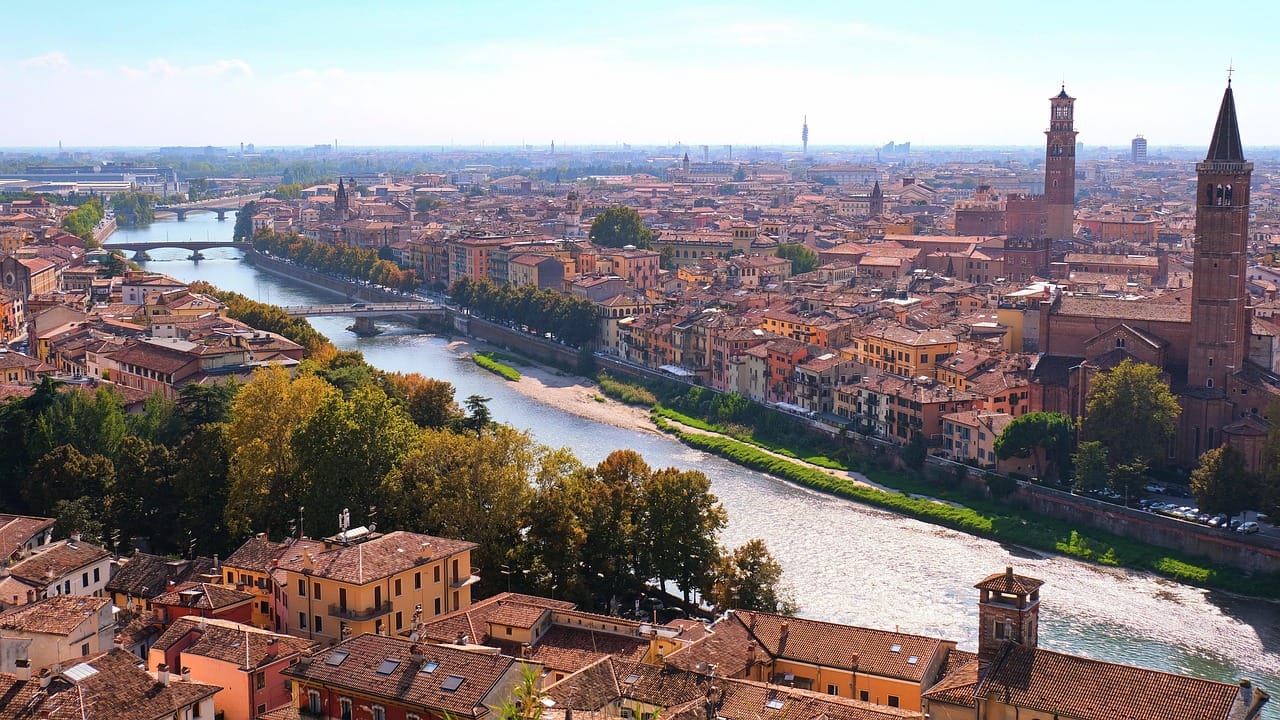
Verona: Culture Meets Family Life
For families seeking the efficiency of northern Italy at a more manageable scale than Milan or Venice, Verona offers an exceptional balance. This is a prosperous city with excellent infrastructure, outstanding schools, and a cultural calendar that rivals much larger centres. The Roman arena hosts world-class opera in summer, but it's also where local children learn to appreciate theatre from a young age.
Verona's schools are particularly strong, with several bilingual programmes and international options that work well for expatriate families. The city is small enough that commutes are manageable. Most families choose locations within cycling distance of schools and work. The historic centre is beautiful and largely traffic-free, providing that same sense of independence for children that we value in Lecce.
The trade-off is cost. Verona is significantly more expensive than southern alternatives, with three-bedroom apartments renting for $2,200- $3,300 per month and purchase prices starting at around $440,000 for family-sized homes. However, salaries are proportionally higher if you're working locally, and the proximity to Lake Garda, the Dolomites, and other northern Italian attractions is wonderful for active families. The climate is more moderate—colder winters, milder summers—which some families prefer to the southern heat.
Bologna: Education and Quality of Life
Bologna consistently ranks among Italy's most liveable cities, and after visiting several times, I understand why. This university town has a progressive, intellectual atmosphere that appeals to families who value education and cultural diversity. The city pioneered many of Italy's best childcare practices, and the early childhood education here is genuinely world-class.
The historic centre, with its famous porticoes, is perfect for families. You can walk for kilometres under covered arcades, keeping children dry in winter rain and shaded in summer heat. The city is compact and extraordinarily bikeable, with dedicated cycle lanes that put most British cities to shame. Public transport is excellent, and the surrounding Emilia-Romagna region offers everything from ski slopes to beach resorts within easy reach.
Housing costs fall between southern affordability and northern premium pricing. Expect to pay $1,870- $2,750 per month for a family apartment, or $385,000- $660,000 to purchase. The city has a strong job market, particularly for professionals and academics, and there's an established international community. Food culture here is exceptional. Bologna is the gastronomic heart of Italy, and watching your children develop sophisticated palates comes naturally when they're surrounded by such culinary excellence.
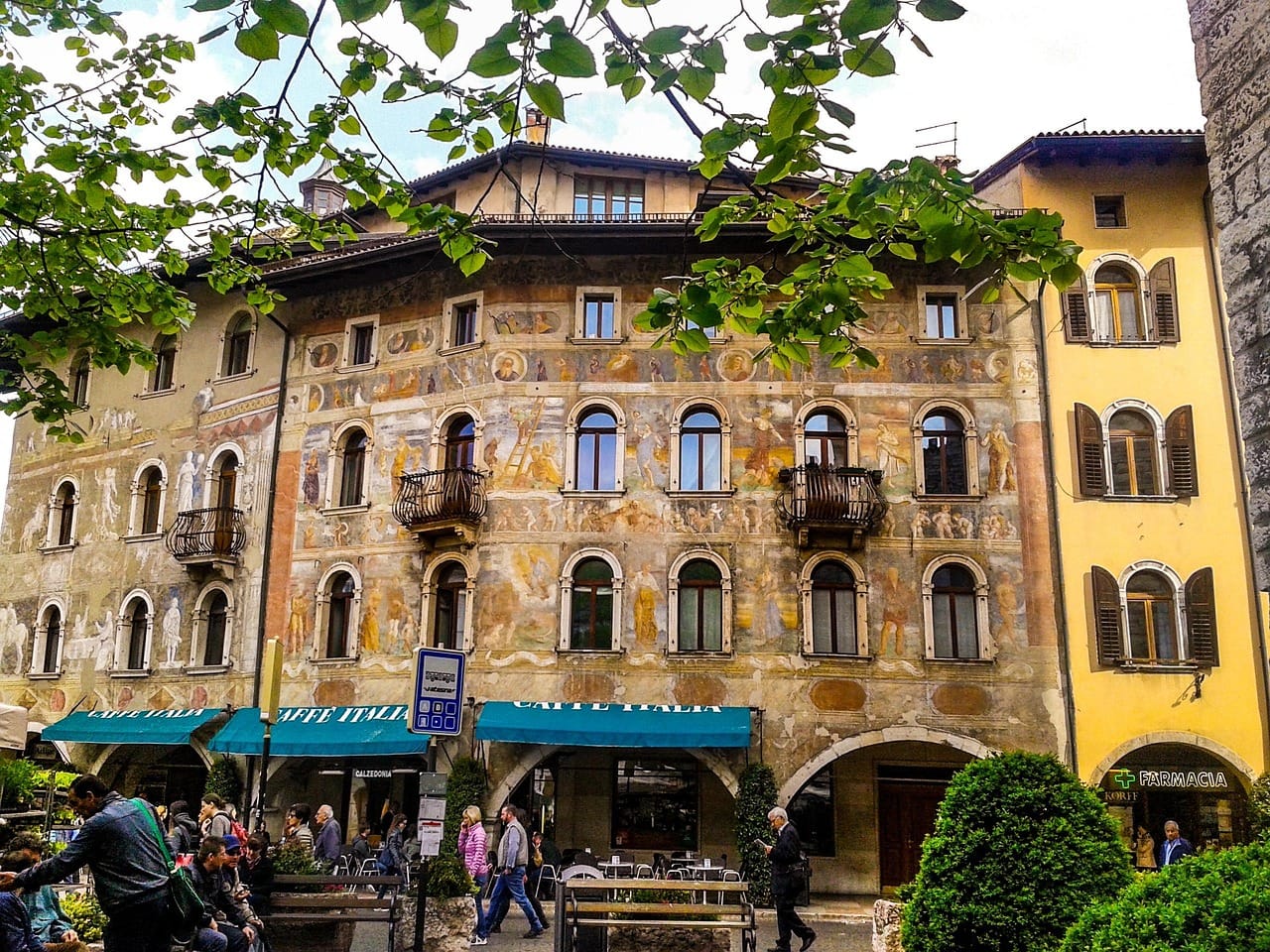
Trento: Mountain Town Excellence
For outdoor-oriented families, Trento in the Trentino-Alto Adige region offers a unique experience. This is where Italian efficiency meets Alpine culture, resulting in what many consider Italy's best-functioning city. The schools are excellent, crime is virtually non-existent, and the natural environment is spectacular.
What sets Trento apart is the lifestyle it enables. Children here grow up skiing in winter, hiking in summer, and developing a relationship with nature that's increasingly rare. The city itself is compact and beautiful, with a charming historic centre and modern amenities. There's a strong sense of civic pride and community involvement that makes integration easier than in more transient cities.
The climate is distinctly different from that of southern Italy. Real winters with snow, cooler summers, and more rainfall. For families accustomed to northern European weather, this might actually feel more comfortable. Costs are moderate, with rentals ranging from $1,760 to $2,420 and purchase prices from $352,000 to $550,000. The job market is strong, particularly in tourism, technology, and education sectors. The region's bilingual nature, Italian and German, means children can grow up trilingual if they also attend international programmes.
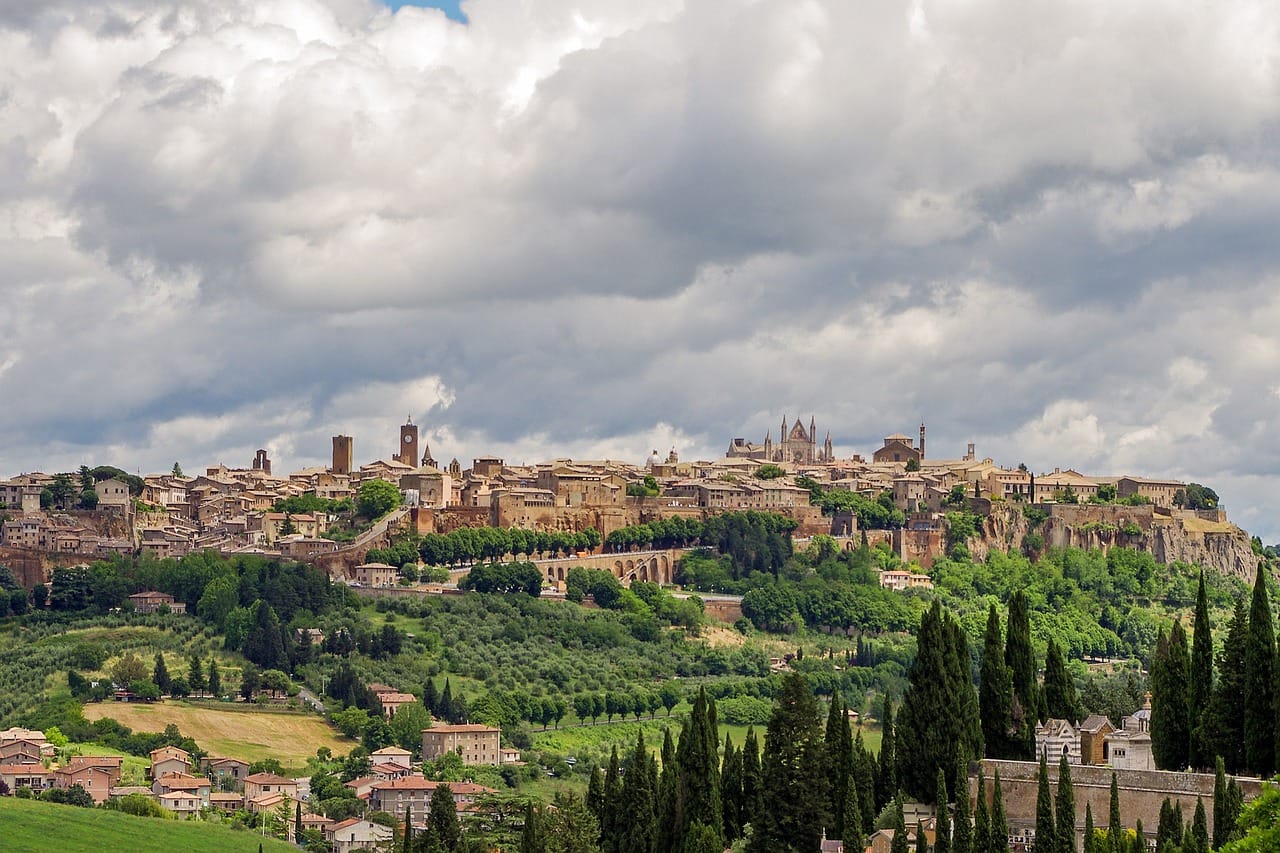
Orvieto: Small-Town Umbrian Charm
Sometimes the best choice for families is a smaller town, and Orvieto in Umbria exemplifies what such a town can offer. Perched dramatically on volcanic rock, this medieval town of about 20,000 people provides genuine small-town life with surprising sophistication. It's close enough to Rome for major airport access and cultural excursions, but far enough away to maintain its own distinct character.
What I love about recommendations like Orvieto is how quickly children become known throughout the community. Teachers, shopkeepers, and neighbours all look out for each other's kids in a way that's become rare in larger cities. The local schools are small but good, and families committed to integration find that children adapt quickly when they're fully immersed in Italian education and social life.
The practical considerations are appealing. Housing costs significantly less than in major cities, with rentals ranging from $1,320 to $1,870 and homes priced from $275,000 to $440,000. The pace of life is genuinely slow, which is either perfect or maddening depending on your temperament. There are no international schools, so you need to commit to Italian education or plan to homeschool using online resources.
The climate is pleasant—hot summers, mild winters—and central Italy's rolling hills and vineyards provide an idyllic backdrop for family life.
Unlock the secrets of the world's most successful entrepreneurs with the
Global Wealth Navigator Newsletter
Discover the world's best destinations offering a lower cost of living paired with an enriched quality of life with the Global Wealth Navigator Newsletter. Whether you're a retiree or an entrepreneur, we dive into strategies that open doors to international investments, tax optimizations, and discover the finest destinations offering a superior quality of life. Don't let borders or routine define you; lets find your ideal spot in the world, regardless of your income bracket.

Cagliari: Island Family Life
Sardinia's capital offers something unique. A proper city with good infrastructure and services, but with the relaxed atmosphere and stunning nature of island life. Cagliari combines Mediterranean climate with a distinctly Sardinian culture that feels both Italian and separate, in the best possible way.
The beaches here are genuinely world-class, and children growing up in Cagliari develop a deep connection to the sea. The local schools are good, and there's a growing international community as more remote workers discover Sardinia. Crime rates are low, the food is exceptional, and the cost of living is moderate. Rentals range from $1,540 to $2,310 per month, with homes priced from $308,000 to $495,000.
The island factor means some compromises. Getting to mainland Italy requires flights or lengthy ferry journeys, which can feel isolating. On the other hand, you're raising your children in one of the Mediterranean's most beautiful environments, with a lifestyle centred around outdoor activities and a tight-knit community. The climate is outstanding year-round—sunshine is virtually guaranteed, and even winter days are often warm enough for outdoor play.
Practical Considerations for Family Relocation
Regardless of which town you choose, some considerations apply universally to families moving to Italy. The school year runs from mid-September to early June, and if you're enrolling children in state schools, you'll need to register several months in advance. Learning Italian isn't optional. Even in towns with international schools, daily life requires at least a functional level of Italian, and children who don't speak the language will struggle socially.
Healthcare registration happens through your local ASL (Azienda Sanitaria Locale) once you have residency. The system works well, but requires patience with bureaucracy. Finding a good pediatrician is crucial. Ask other expat families for recommendations, and don't be afraid to switch if the first one isn't a good fit.
Housing markets vary dramatically by region, but everywhere in Italy, rental contracts are more rigid than in Anglo-Saxon countries. Most landlords prefer long-term tenants, which works well for families planning to settle. Buying property is straightforward but requires patience.
The legal process typically takes 3-6 months, and you'll need a geometra or notaio to guide you through it.
If you're serious about making this move, I cannot recommend our Move to Italy Masterclass enough. It covers everything from navigating the visa process to choosing the right community for your family, with specific modules on children's education and family integration that I wish I'd had access to before our move.
The Emotional Reality of Moving with Children
I'd be dishonest if I didn't acknowledge that relocating with children is emotionally complex. Our kids went through a difficult adjustment period—missing friends, struggling with Italian, and feeling different at school. There were tears, moments of regret, and times when we questioned our decision.
But watching them emerge on the other side has been extraordinary. They are now genuinely bilingual and comfortable in both cultures. They've developed resilience and adaptability that I don't think they would have gained staying in Edinburgh. They have deep friendships with Italian children and understand multiple perspectives in ways that will serve them throughout their lives.
The pace of Italian family life suits us beautifully. Meals are important, family time is sacred, and there's less pressure to fill every moment with structured activities. Our children play more freely, spend more time outdoors, and have greater independence than they would in a British city. The trade-offs—distance from extended family, different educational systems, occasional bureaucratic frustrations—have been worth it for the quality of life we've gained.
Making Your Choice
The best Italian town for your family depends entirely on your priorities. If you value sunshine and affordability with an excellent quality of life, southern towns like Lecce or Cagliari are hard to beat. If educational options and northern European efficiency are priorities, consider Verona, Bologna, or Trento. If you want complete cultural immersion in a genuinely Italian environment, smaller towns like Orvieto offer something precious.
My advice is to visit potential towns multiple times, in different seasons. Talk to other expat families already living there. They'll tell you the things that don't appear in official guides. Trust your instincts about where your children might thrive. Pay attention to the sense of community, the accessibility of nature, and the pace of daily life.
Italy offers families something increasingly rare: a slower pace of life that paradoxically feels richer, communities where children are genuinely valued and protected, and an environment where family bonds naturally strengthen. The safety you're seeking isn't just about crime statistics; it's about raising children in a culture that still prioritises human connection over productivity.
Three years into our Italian adventure, I can say with certainty that this was the right choice for our family. The specific town matters less than the commitment to embrace a different way of life. Choose a place that calls to you, prepare thoroughly, and give yourselves, and especially your children, time to adjust. The rewards are profound.
Ready to make your own move to Italy? Our
online course provides comprehensive guidance on visas, housing, healthcare, schools, and everything else you need to know for a successful family relocation. Learn from those who've done it and avoid costly mistakes.
Written by Rachel McIntyre
From Edinburgh to Lecce, Rachel and her husband are raising two children under the Italian sun. Her articles blend practical guidance with personal stories—covering schooling, housing, and building a family life abroad that feels deeply connected.
📍 From Edinburgh, now in Lecce
Rachel writes for families navigating life abroad—schooling, culture, and finding connection in Italy’s warm southern communities.
Read Articles by Rachel →
Global Citizen Life
© 2023 Global Citizen Life
All rights reserved