
The Best Family-Friendly Day Trips from Lecce: Beaches, Castles, and Hidden Gems
When we first moved to Lecce from Edinburgh, I worried about keeping our two children entertained. Would they miss their Scottish adventures? Would southern Italy offer enough excitement for a curious eight-year-old and her adventurous older brother? Four years later, I can tell you with absolute certainty: Puglia is a family paradise. Our weekends have become treasure hunts through ancient castles, lazy beach days on crystalline shores, and explorations of hidden corners that even some locals have yet to discover.
Living in Lecce puts you at the heart of the Salento peninsula, meaning you're never more than an hour from something extraordinary. The landscape here shifts dramatically: baroque cities give way to wild coastlines, ancient olive groves stretch toward medieval watchtowers, and family-friendly beaches dot both the Adriatic and Ionian coasts. Whether you have a few hours or a full day, there's always an adventure waiting.
Here are our family's favourite day trips from Lecce, tested and approved by two discerning children and their equally enthusiastic parents.
Otranto: Where History Comes Alive
Otranto sits just 45 minutes from Lecce, perched on Italy's easternmost point, where you can gaze across the Adriatic toward Albania on clear days. This small coastal town punches well above its weight in terms of family appeal, combining a stunning medieval old town with accessible beaches and a castle that captures children's imaginations.
The Aragonese Castle
The Aragonese Castle dominates Otranto's harbour, its imposing walls and towers telling stories of sieges and sea battles. Built in the late 15th century under Ferdinand I of Aragon, the castle features bastions, fortifications, and a moat that once protected the town from naval invasions. My children adore exploring its rooms, which now house historical artifacts and rotating exhibitions. The panoramic terraces offer breathtaking views of the Adriatic Sea, and the underground sections add an extra element of mystery, keeping young adventurers engaged.
The visit typically takes about 45 minutes, though families exploring the underground areas and exhibitions should allow at least 1.5 hours. Children under six enter free with their families, and the castle is open daily from 10:00 AM until sunset, making evening visits a magical possibility during summer months.
Otranto Cathedral
Just a three-minute walk from the castle, the Cathedral of Santa Maria Annunziata houses one of Italy's most remarkable treasures: a 12th-century floor mosaic that covers the entire nave, sanctuary, and apse. Consecrated in 1088, this Romanesque cathedral blends Byzantine, early Christian, and Baroque elements into a synthesis that fascinates visitors of all ages. The mosaic, commissioned in 1163, features imagery from various religious traditions, including Hercules and Alexander the Great alongside biblical figures such as Adam and Eve. My children love searching for the different animals and mythological creatures hidden within the intricate design. The crypt beneath the cathedral, supported by dozens of columns, creates an atmospheric space that sparks endless questions about medieval life.
Beach Time
After exploring history, cool off at one of Otranto's family-friendly beaches. Alimini Beach, with its shallow waters, is particularly ideal for families. You can rent deckchairs and umbrellas for relief from the summer heat, and several restaurants and bars face the shore. The beach's gentle waters make it safe for children to splash and play, while parents can relax knowing the seabed slopes gradually.
Gallipoli: The Pearl of the Ionian
About 40 minutes southwest of Lecce, Gallipoli lives up to its Greek name, meaning "beautiful city." This ancient fishing town sits on a small island connected to the mainland by a stone bridge, its car-free old centre a maze of pastel-coloured alleys perfect for family exploration.
Exploring the Old Town
The historic centre, enclosed by mighty fortifications, unfolds as a labyrinth of pretty streets lined with tuff houses, balconies dripping with flowers, and small piazzas where children can run freely. The Basilica di Sant'Agata showcases stunning architecture, while the castle overlooking the harbour sparks the imagination. What I love most about Gallipoli's old town is its walkability and safety: no cars means children can explore without constant hand-holding, and the compact size means little ones won't tire before you've seen the highlights.
Family Beaches Near Gallipoli
Gallipoli's beaches have earned Green Flag recognition for their child-friendly qualities, and several stand out for families. Baia Verde, the most famous beach, stretches for about 4 kilometres with fine white sand, dunes, and a dense pine forest providing natural shade. The shallow sandy seabed makes it ideal for children, and the emerald-green water gradually deepens to cobalt blue offshore.
For something quieter, Padula Bianca offers a Caribbean atmosphere with golden sand and crystal-clear, shallow waters perfect for young swimmers. The natural beauty combined with calm conditions creates a relaxing experience, and the lush pine forest provides welcome shade during the hottest hours. Lido San Giovanni features long stretches of sand with entertainment options for both children and adults. In contrast, Lido Punta Pizzo offers shallow waters suitable for little ones, backed by a pine forest for when the sun gets too intense.
Right in Gallipoli's historic centre, Spiaggia della Purità offers a charming option for a half-day beach visit, followed by lunch in the old town. This 300-metre sandy beach, nestled between ancient bastions, offers surprisingly clear water despite its proximity to the port. The seabed slopes gently, making it ideal for children, and in the morning, the historic walls provide natural shade.
Ready to make your own move to Italy? Our
online course provides comprehensive guidance on visas, housing, healthcare, schools, and everything else you need to know for a successful family relocation. Learn from those who've done it and avoid costly mistakes.
Alberobello: A Fairytale Village
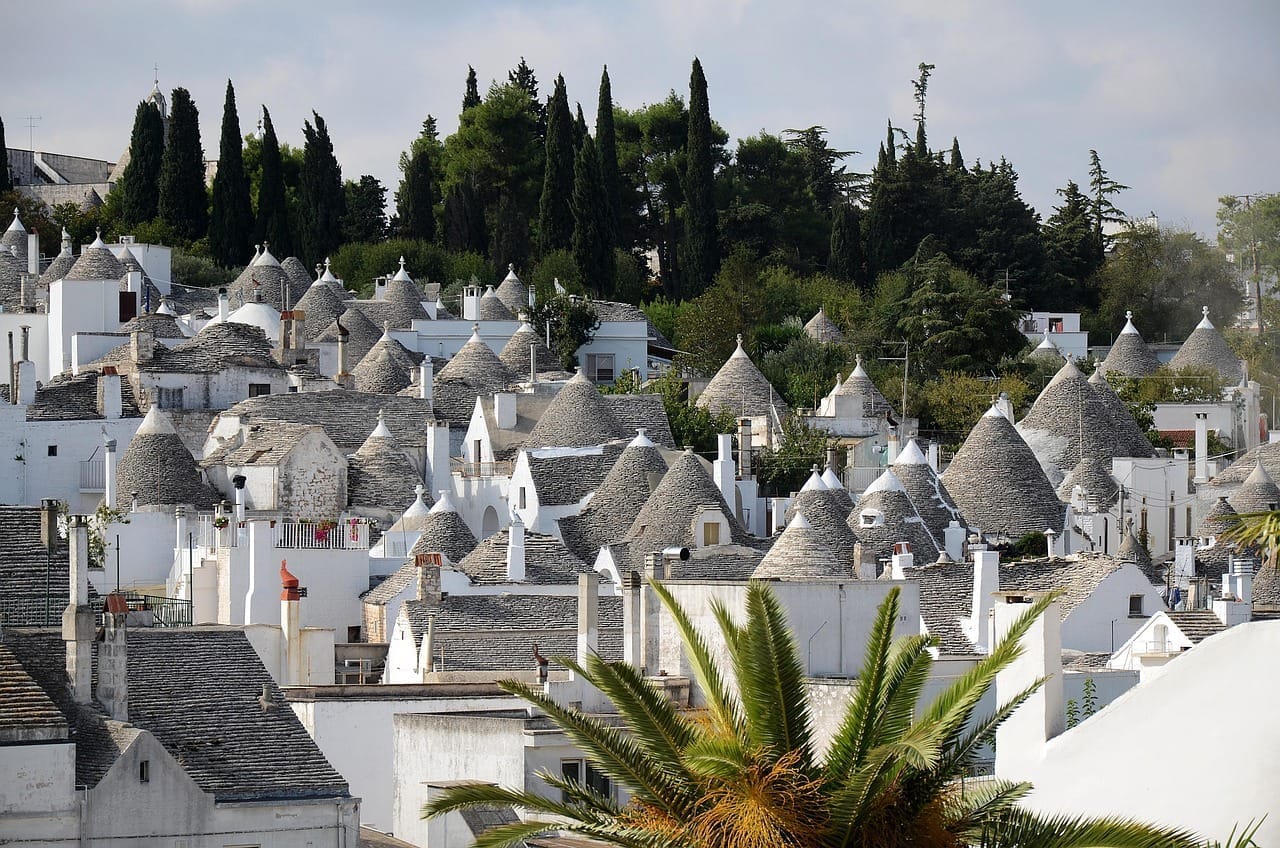
About an hour and fifteen minutes north of Lecce lies one of Italy's most magical places: Alberobello, a UNESCO World Heritage Site famous for its trulli, whitewashed stone dwellings with distinctive conical roofs. My children call it "the gnome village," and honestly, walking through its streets does feel like stepping into a storybook.
Understanding the Trulli
The trulli are remarkable examples of corbelled dry-stone construction, a prehistoric building technique still used in this region. What makes them fascinating for children is the story behind them: local legend says the counts who ruled this area forced residents to build without mortar so they could quickly dismantle their homes whenever tax inspectors visited. This clever bit of tax avoidance inadvertently created an architectural wonder that has survived for centuries.
Today, over 1,500 trulli cluster in the quarters of Rione Monti and Aia Piccola. The roofs bear mystical symbols painted in white ash, and decorative pinnacles top each cone, supposedly to ward off evil. My children love spotting different symbols and making up stories about what each one means.
Making the Most of Your Visit
Rione Monti, the larger and more touristy quarter, houses about 1,030 trulli, many of which have been converted into shops and restaurants. While it can feel crowded in peak season, the atmosphere remains enchanting. For a more authentic experience, venture into Rione Aia Piccola, where 590 trulli remain primarily residential. Here you'll find locals going about their daily lives, and the streets feel more peaceful.
The Museo del Territorio in Casa Pezzola offers a wonderful family experience: fifteen interconnected trulli rooms where tradition and technology combine to showcase the history, customs, and folklore of the area. After exploring, head to Largo Martellotta and climb the stairs to the Belvedere for panoramic views over the entire trulli district.
Thursday brings a huge foodie market to Alberobello, perfect for introducing children to local specialities. And if you're visiting in winter, the trulli take on an extra magical quality, with decorations and Christmas lights creating a true fairy tale atmosphere. Snow occasionally dusts the conical roofs, usually in early January, transforming the town into something from a children's book.
Porto Selvaggio Natural Park: Wild Beauty
For families who love nature and don't mind a bit of walking, Porto Selvaggio Natural Park offers an unforgettable experience about 40 minutes from Lecce. Established in 1980 and expanded in 2006, the park covers over 1,000 hectares of pristine coastline, pine forests, and Mediterranean scrub along the Ionian Sea.
The Adventure of Getting There
Part of Porto Selvaggio's appeal is that it requires a bit of effort to reach the beach. From the parking areas, a 10 to 20-minute walk through dense Aleppo pine forest leads to the crystalline cove below. The path is manageable for children who can walk independently, and the journey itself becomes part of the adventure. The scent of pine needles and Mediterranean herbs fills the air, and the anticipation builds with every step.
What to Expect
The main bay of Porto Selvaggio features a small pebble beach with crystal-clear water, surrounded by low cliffs and caves. The water tends to be refreshingly cool due to natural freshwater springs that flow into the bay. Older children and teenagers will enjoy exploring the rocky outcrops and discovering small pools along the coastline. The seabed is rocky in places, so water shoes are advisable.
The park also holds significant archaeological value. The Grotta del Cavallo contains artifacts dating back 45,000 years to the Neanderthal period, making it a fascinating destination for curious minds. Several hiking trails wind through the park, including easy routes perfect for family outings. The coastal path offers stunning views, though some sections involve rougher terrain.
Important note: Porto Selvaggio has no facilities, bars, or services at the beach. Bring everything you need: water, snacks, sunscreen, towels, and appropriate footwear. This unspoilt quality is precisely what makes it special, but families should come prepared.
Santa Maria di Leuca: Where Two Seas Meet
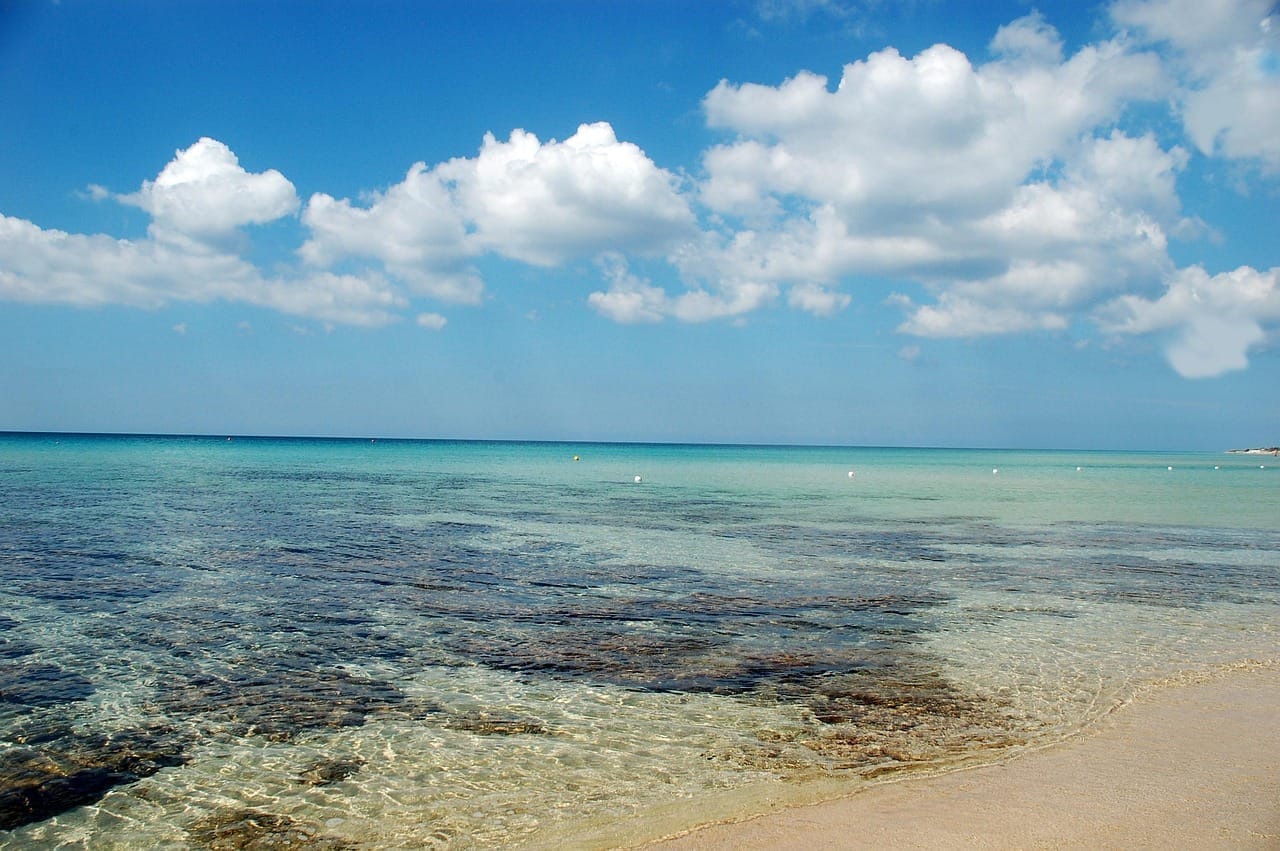
An hour south of Lecce lies Santa Maria di Leuca, the southernmost point of Puglia's heel, where the Adriatic Sea meets the Ionian in a swirl of competing currents. On clear days, you can actually see the dividing line between the two bodies of water, their slightly different blue tones creating a natural wonder that captivates children and adults alike.
The Lighthouse and Basilica
The promontory of Capo di Leuca is crowned by two impressive structures: a 47-metre lighthouse, one of the most important in Italy and the second tallest after Genoa's, and the Basilica of Santa Maria de Finibus Terrae, meaning "at the end of the earth." The basilica, built between 1720 and 1755, stands on the former site of a Greek temple dedicated to the goddess Athena, and legend holds that Saint Peter himself stopped here during his journey to Rome.
A monumental staircase of 284 steps connects the basilica to the port below, creating an impressive descent that children often insist on counting. Nearby, a spectacular waterfall marks the end of the Apulian Aqueduct, though it flows only a few times per year on special occasions.
Cave Explorations by Boat
The coastline around Santa Maria di Leuca features approximately 30 sea caves, many accessible only by boat. Local operators offer family-friendly tours that explore these natural wonders, each with its own character and legend. The Grotta del Diavolo takes its name from the eerie sounds that echo within, while the Grotta del Presepe features stalactite formations resembling a nativity scene. These caves were inhabited during prehistoric times, adding historical significance to their natural beauty.
Beaches for Families
Several sandy beaches near Santa Maria di Leuca cater to families. Pescoluse, often called "the Maldives of Salento," offers stunning white sand and shallow turquoise waters. Torre Vado, Posto Vecchio, and Felloniche are well-equipped, family-friendly beaches perfect for a full day by the sea. The town's own waterfront promenade features elegant 19th-century villas in eclectic styles, from Moorish to Egyptian to neo-Gothic, creating a fascinating architectural stroll.
Practical Tips for Family Day Trips
Getting Around
While some destinations like Otranto and Gallipoli are accessible by the Ferrovie del Sud Est regional train network, having a car dramatically expands your options and flexibility. The trains south of Lecce can be slow due to ongoing signalling upgrades, with journeys to Otranto or Gallipoli taking up to 90 minutes despite relatively short distances. If you're relying on public transport, always double-check schedules at the station itself, as online information can be outdated.
Timing Your Visits
The best months for family day trips in Salento are June and September. You'll enjoy summer weather without the intense crowds that descend in July and especially August. Morning visits to cultural sites help avoid the midday heat, leaving afternoons free for beach time when the water has warmed. If visiting beaches in high season, arrive early to secure good spots, particularly at popular locations like Baia Verde.
What to Pack
Every day-trip bag should include sunscreen, hats, plenty of water, and snacks. For beach visits, water shoes are essential at rocky beaches like Porto Selvaggio. Comfortable walking shoes are helpful on cobblestone streets in historic centres. A light cardigan or wrap is useful for visiting churches, which often require covered shoulders.
Budgeting
Many of Puglia's best family experiences cost little or nothing. Walking through Alberobello's trulli streets, exploring Otranto's old town, and swimming at public beaches are all free. Museum and castle entry fees typically range from $5 to $12 USD for adults, with discounts for children and often free entry for those under six. Beach clubs with umbrellas and sunbeds cost approximately $15-$25 USD per day for a basic setup. Pack picnic lunches to save money and enjoy leisurely meals in scenic spots.
Unlock the secrets of the world's most successful entrepreneurs with the
Global Wealth Navigator Newsletter
Discover the world's best destinations offering a lower cost of living paired with an enriched quality of life with the Global Wealth Navigator Newsletter. Whether you're a retiree or an entrepreneur, we dive into strategies that open doors to international investments, tax optimizations, and discover the finest destinations offering a superior quality of life. Don't let borders or routine define you; lets find your ideal spot in the world, regardless of your income bracket.

Finding Your Own Hidden Gems
These five destinations represent just the beginning of what Salento has to offer families. Every drive through the countryside reveals new possibilities: ancient masserie farmhouses, tiny fishing villages, roadside fruit stands bursting with local figs and prickly pears, and viewpoints that stop you in your tracks.
What I've learned in four years of exploring with my children is that the best adventures often come from saying "yes" to unexpected detours. That unmarked dirt road might lead to a secret beach. That village church might house unexpected treasures. That roadside restaurant with no tourists might serve the best orecchiette you've ever tasted.
Southern Italy rewards curiosity, and travelling with children keeps that sense of wonder alive. They notice things we might overlook: the cat sleeping in a trullo doorway, the fisherman mending his nets, the perfect shell on an otherwise ordinary beach. Through their eyes, every day trip becomes an adventure.
If you're considering a move to Italy with your family, or even just planning an extended visit, Lecce makes an ideal base. The city itself offers endless exploration, but it's the surrounding region that truly makes this place special. Pack the car, fill the water bottles, and set off. The Salento peninsula is waiting to be discovered.
Ready to make Italy your home? Our Move to Italy Masterclass covers everything you need to know about relocating your family to Italy, from visas and residency to schools and healthcare. Learn from expats who've made the journey and get practical guidance for every step of the process.
Ready to make your own move to Italy? Our
online course provides comprehensive guidance on visas, housing, healthcare, schools, and everything else you need to know for a successful family relocation. Learn from those who've done it and avoid costly mistakes.
Written by Rachel McIntyre
From Edinburgh to Lecce, Rachel and her husband are raising two children under the Italian sun. Her articles blend practical guidance with personal stories—covering schooling, housing, and building a family life abroad that feels deeply connected.
📍 From Edinburgh, now in Lecce
Rachel writes for families navigating life abroad—schooling, culture, and finding connection in Italy’s warm southern communities.
Read Articles by Rachel →
Global Citizen Life
© 2023 Global Citizen Life
All rights reserved