
The Algarve in Winter: Why Snowbirds Should Reconsider Their Timeline
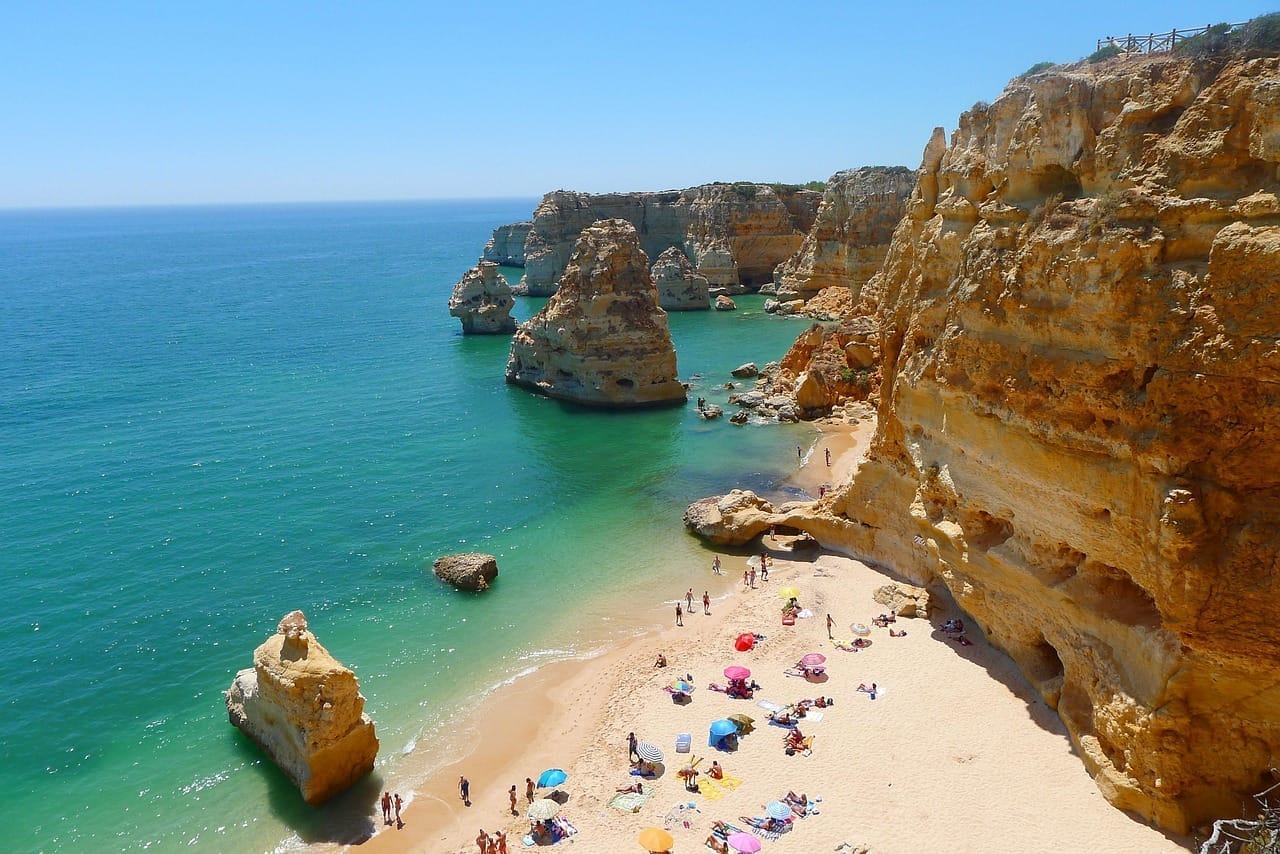
When I first retired and moved to Portugal from Calgary, I assumed the conventional wisdom about the Algarve was gospel. Everyone said winter was the best time to visit: mild temperatures, fewer tourists, lower prices. As a retired engineer who appreciates data-driven decision-making, I planned my first extended stay in the Algarve for January through March.
That was three years ago. Since then, I've spent considerable time in the Algarve across all seasons, and I've come to a conclusion that might surprise traditional snowbirds: winter might not be the optimal time to experience Portugal's southern coast. Let me walk you through my analysis.
Understanding Winter in the Algarve
First, let's establish some baseline data. The Algarve's winter, spanning roughly November through February, features average daytime temperatures between 15°C and 17°C (59°F to 63°F). Coming from Canada, this initially seemed wonderful. No snow shoveling, no ice scraping, no furnace worries.
However, the reality is more nuanced than a simple temperature reading suggests. Winter in the Algarve brings unpredictable weather patterns, increased rainfall, and conditions that can significantly limit the lifestyle many retirees seek when moving to Portugal.
The Temperature Reality Check
While 17°C might sound pleasant on paper, indoor comfort tells a different story. Most Algarve properties weren't designed for heating efficiency. Many homes lack central heating entirely, relying instead on portable electric heaters or inefficient air conditioning units running in reverse.
During my first January in Lagos, I spent approximately $240 per month on electricity, primarily for heating a modest two-bedroom apartment. The stone and tile construction that keeps homes cool in summer becomes a thermal challenge in winter. Morning temperatures inside my apartment frequently dropped to 12°C (54°F) before I fired up the heaters.
The humidity compounds the issue. Coastal winter humidity in the Algarve typically ranges between 75% and 85%. This makes the actual temperature feel several degrees colder than the thermometer indicates. That 15°C afternoon can feel like 10°C when you're sitting on a terrace trying to enjoy your coffee.
The Rain Factor
December through February constitutes the Algarve's rainy season. During this period, the region receives approximately 75% of its annual precipitation. I tracked weather patterns during my winter stays, and here's what I documented:
• December averaged 12 rainy days
• January averaged 10 rainy days
• February averaged 9 rainy days
• March averaged 7 rainy days
These aren't gentle drizzles. Atlantic storm systems can bring sustained rainfall that closes beaches, floods coastal walkways, and makes outdoor activities impractical. I've witnessed several multi-day stretches where venturing outside meant getting thoroughly soaked.
For retirees whose Portugal dream involves daily beach walks, outdoor dining, and golf, winter weather creates significant disruptions. During my January stay, I calculated that weather conditions prevented my preferred outdoor activities on approximately 40% of days.
The Service and Amenity Gap
One aspect that surprised me most about winter in the Algarve was the reduction in services and amenities. The Algarve's economy is heavily dependent on tourism, and many businesses treat winter as an extended off-season.
Restaurant and Business Closures
During my February stay in Tavira, I documented that approximately 35% of restaurants in the historic center were closed for the season. This wasn't a temporary closure for a few days. Many establishments shut down entirely from November through March. The restaurants that remained open often operated on reduced schedules, closing early or taking midweek days off.
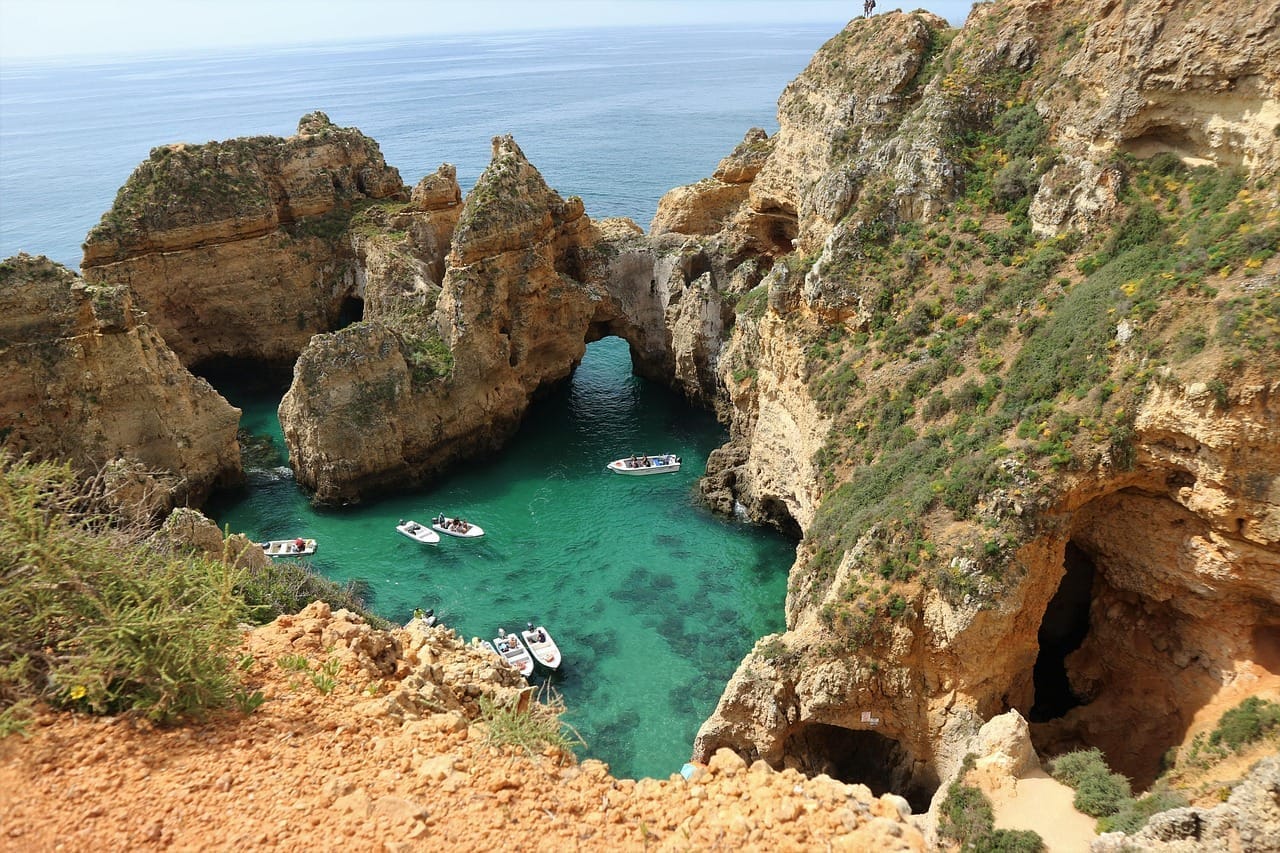
The same pattern affects other services. Tour operators reduce their schedules significantly. Boat trips to beaches and grottos become weather-dependent and infrequent. Water sports rental facilities often close completely. Even some grocery stores in smaller coastal towns reduce their hours.
For someone living in the Algarve year-round, you learn to adapt. You discover which businesses stay open, you adjust your expectations, and you find alternative activities. But for snowbirds arriving for a two or three-month winter escape, the reduced vitality of coastal towns can feel disappointing.
Social and Community Considerations
The winter exodus extends beyond businesses. Many expat residents who maintain homes in the Algarve actually leave during winter, returning to their home countries or traveling elsewhere. The social networks and community groups that thrive during spring through autumn become noticeably quieter.
I'm part of several expat social groups in the Algarve, and attendance at winter gatherings typically drops by 40% to 50% compared to shoulder season months. For retirees seeking social connection and community integration, winter presents fewer opportunities to build relationships.
Unlock the secrets of the world's most successful entrepreneurs with the
Global Wealth Navigator Newsletter
Discover the world's best destinations offering a lower cost of living paired with an enriched quality of life with the Global Wealth Navigator Newsletter. Whether you're a retiree or an entrepreneur, we dive into strategies that open doors to international investments, tax optimizations, and discover the finest destinations offering a superior quality of life. Don't let borders or routine define you; lets find your ideal spot in the world, regardless of your income bracket.

The Alternative Timeline: April Through June and September Through October
After experiencing the Algarve across all seasons, I've concluded that the shoulder seasons, particularly April through June and September through October, offer significantly better conditions for extended stays. Let me break down why an engineer-turned-retiree considers this the optimal window.
April Through June: The Spring Advantage
Spring in the Algarve transforms the region into what I originally imagined when planning my move to Portugal. Temperatures during this period range from 18°C to 25°C (64°F to 77°F), with progressively warmer conditions as summer approaches.
Rainfall drops dramatically. April typically sees about 4 rainy days, May about 3, and June about 1. The Atlantic remains cool but becomes swimmable for most people by late May. More importantly, the humidity decreases, making outdoor activities comfortable throughout the day.
During my April and May stays, I've never needed heating. The mild temperatures mean comfortable sleeping conditions without air conditioning, and outdoor dining remains pleasant well into the evening. My electricity costs during these months average around $80 monthly, a 70% reduction from winter.
The countryside presents another compelling argument for spring timing. The Algarve's winter rains transform the typically brown landscape into a green wonderland. Wildflowers bloom across hillsides, creating spectacular displays that disappear by July. Hiking conditions are optimal, warm enough for comfort but not so hot that exertion becomes uncomfortable.
The Operational Reality of Spring
From a practical standpoint, businesses reopen by April. Restaurants return to full schedules, tour operators run regular departures, and seasonal services resume. The towns and villages regain their energy and vitality.
Critically, spring precedes the peak summer tourist crush. Beach towns remain accessible and enjoyable without the July and August crowds. Restaurants don't require reservations. Beaches offer plenty of space. You get the full Algarve experience without competing with peak-season visitors.
I've calculated that during April and May, I enjoy approximately 85% to 90% of weather-appropriate outdoor activity days, compared to the 60% during winter months. For someone who moved to Portugal partially for outdoor lifestyle benefits, this represents a substantial quality-of-life difference.
September Through October: The Autumn Alternative
If spring doesn't align with your schedule, early autumn offers comparable benefits. September in the Algarve is spectacular. The ocean reaches its warmest temperatures, averaging 20°C to 22°C (68°F to 72°F). Air temperatures remain comfortably warm, typically 23°C to 27°C (73°F to 81°F).
The summer crowds have departed, but businesses maintain full operations through October. Prices drop from peak summer rates without reaching the rock-bottom winter prices. A reasonable trade-off given the vastly improved conditions.
October presents possibly the best combination of factors. Temperatures are slightly cooler than in September, ranging from 19°C to 24°C (66°F to 75°F). Rainfall remains minimal, averaging about 4 days monthly. The summer heat dissipates, making physical activities like hiking and cycling particularly pleasant.
I've tracked my personal activity levels across seasons, and October consistently rates highest. During my October stays, I average 25 to 28 days with outdoor activities, compared to 15 to 18 during winter months.
The Financial Analysis
Many snowbirds choose winter specifically for cost savings. Winter rental rates in the Algarve run approximately 30% to 40% below peak summer prices. However, a comprehensive financial analysis reveals that the actual cost difference between winter and shoulder seasons is smaller than it appears.
Accommodation Costs
Here's a realistic budget comparison for a two-bedroom apartment in a mid-range coastal town like Lagos or Tavira, based on my research and personal experience:
Winter (December-February):
• Monthly rent: $1,440
• Electricity (heating): $240
• Internet: $50
• Water: $35
• Monthly total: $1,765
Spring/Autumn (April-May, September-October):
• Monthly rent: $1,800
• Electricity (minimal): $80
• Internet: $50
• Water: $35
• Monthly total: $1,965
The actual monthly difference amounts to $200, or about $600 across a three-month stay. This calculation doesn't factor in quality-of-life improvements, reduced medical risks from cold and damp conditions, or the value of actually enjoying the outdoor lifestyle that attracted you to Portugal.
Hidden Costs and Savings
The financial equation extends beyond accommodation. During winter, I found myself spending more on indoor entertainment, heating restaurants and cafes to escape the cold in my apartment, and taking occasional domestic flights to warmer regions during particularly dreary stretches.
Spring and autumn enable more cost-effective entertainment. Beach days, hiking, and outdoor activities replace paid indoor alternatives. The improved weather reduces the temptation for expensive escape trips to genuinely warm destinations.
Additionally, shoulder-season timing lets you take advantage of excellent value in neighboring regions. A weekend trip to Seville or a week exploring the Alentejo region becomes more appealing when you're not sacrificing precious sunny days in the Algarve.
Ready to make your move to Portugal?
Our comprehensive
'Move to Portugal Masterclass'
This online course covers everything you need to know—from visa applications and tax planning to finding housing and building your local network. Learn from entrepreneurs who've successfully made the transition and avoid costly mistakes.
Health and Wellness Considerations
At 66, I pay attention to health factors that younger travelers might overlook. The winter Algarve presents several wellness challenges worth considering.
Respiratory and Joint Issues
The combination of high humidity, variable temperatures, and inadequate home heating can aggravate respiratory problems and arthritis. Several expat friends with chronic conditions report increased symptoms during the winter months, despite the supposedly mild climate.
Mold becomes a significant concern in winter rentals. The humidity and temperature fluctuations create ideal conditions for mold growth, particularly in older properties. I've encountered this in multiple winter rentals, requiring air purifiers and dehumidifiers to maintain acceptable air quality.
Activity Levels and Mobility
For retirees prioritizing active lifestyles, winter weather creates barriers to maintaining fitness routines. Walking, cycling, golf, and swimming all become weather-dependent rather than daily certainties.
I tracked my step counts across seasons using a fitness tracker. In winter, the average was 6,800 steps per day, while in spring and autumn, it was 11,200. The difference stems entirely from weather; I'm more willing to go out and explore when conditions are pleasant.
This activity reduction can create a cascade of health impacts. Reduced exercise affects cardiovascular health, joint mobility, and mental wellness. For retirees, maintaining activity levels directly correlates with quality of life and independence.
Practical Implementation Strategies
If I've convinced you to reconsider winter timing, here's how to implement this approach effectively.
Rental Market Timing
The Algarve rental market operates on fairly predictable patterns. For spring stays (April-June), begin searching in January. Landlords start posting spring listings after the New Year, and you'll find the best selection in late January and February.
For autumn stays (September-October), search in June and July. Many landlords know their peak summer bookings by June and can confirm autumn availability. This timing also allows you to negotiate better rates, as landlords prefer securing bookings over leaving properties empty.
I recommend targeting two-month minimum stays. This duration provides sufficient time to settle in and genuinely experience the region while remaining short enough to avoid medium-term rental complications. Most landlords offer better monthly rates for stays exceeding six weeks.
Location Selection
The Algarve extends over 150 kilometers, and microclimates create significant variation. The eastern Algarve (Tavira, Vila Real de Santo António) tends to be slightly warmer but less developed. The central Algarve (Faro, Albufeira, Lagos) offers the best service infrastructure. The western Algarve (Sagres, Lagos) provides a dramatic coastline but more exposure to Atlantic weather systems.
For shoulder season stays, I favor the central corridor. Towns like Lagos, Tavira, and even smaller places like Ferragudo offer excellent infrastructure, beautiful settings, and reliable good weather. They're large enough to provide consistent services but small enough to maintain authentic Portuguese character.
Building Your Algarve Rhythm
Regardless of timing, successful Algarve living requires adapting to Portuguese rhythms. Shops close for lunch (usually 1 PM to 3 PM). Dinner service begins around 7 PM, with locals rarely dining before 8 PM. Sunday mornings are quiet, with many businesses closed.
During shoulder seasons, you can more easily participate in local cultural events. Spring brings religious festivals and processions. Autumn features harvest celebrations and food festivals. These events provide genuine cultural immersion opportunities that enhance the experience beyond simple tourism.
The Year-Round Perspective
After three years of seasonal experimentation, I've settled into a pattern that works well for my retirement lifestyle. I spend April through June in the Algarve, return to Portugal's interior during peak summer heat (July and August), then come back to the coast for September and October.
This approach provides approximately six months of optimal coastal living while avoiding both winter dampness and summer crowds. It also aligns well with exploring other parts of Portugal. Summer in Coimbra or Porto offers pleasant temperatures and excellent cultural activities.
For snowbirds committed to winter escapes, consider splitting time. Perhaps January and February in Spain's Costa del Sol or Canary Islands, followed by March through May in the Algarve. This strategy provides genuine winter warmth when you need it most, then transitions to the Algarve as its prime season begins.
Moving Beyond Marketing to Reality
The marketing narrative around Algarve winters isn't entirely wrong. It's incomplete. Yes, winter temperatures are mild compared to Canada or northern Europe. Yes, you'll encounter sunny days. Yes, costs run lower than peak season.
But these facts don't capture the lived experience. They don't account for damp apartments, closed restaurants, canceled activities, and the general dampening of spirit that comes from weeks of grey skies and rain.
As someone trained to analyze systems and optimize outcomes, I've concluded that the conventional snowbird timeline is suboptimal. The best Algarve experiences occur during shoulder seasons when weather, services, costs, and community vitality align.
If you're planning extended time in Portugal's south coast, I encourage you to question the winter default. Consider whether you're choosing winter timing based on careful analysis or simply following established patterns. The data suggests a different approach might serve you better.
The Algarve remains one of Europe's finest retirement destinations. Its beaches, culture, affordability, and quality of life are genuine. But experiencing these benefits fully requires being there when the region truly shines, and that's not winter.
Ready to Plan Your Move?
If you're serious about retiring to Portugal and want to make informed decisions about timing, locations, and logistics, our Move to Portugal Masterclass provides comprehensive guidance on every aspect of relocating to this beautiful country. From visa requirements to healthcare systems, banking to cultural integration, we cover the practical details that make the difference between a successful move and a frustrating experience.
Ready to make your move to Portugal?
Our comprehensive
'Move to Portugal Masterclass'
This online course covers everything you need to know—from visa applications and tax planning to finding housing and building your local network. Learn from entrepreneurs who've successfully made the transition and avoid costly mistakes.
Greg Howard — The Logical Retiree
Greg, a retired engineer from Calgary, enjoys life in Coimbra. His analytical yet friendly approach helps retirees make smart relocation decisions. From residency to healthcare, Greg’s writing builds trust with readers who value careful planning and stability.
📍 From Calgary, now in Coimbra
Greg writes with clarity and precision, helping readers navigate retirement, healthcare, and residency in Portugal with confidence.
Read Articles by Greg →
Global Citizen Life
© 2023 Global Citizen Life
All rights reserved