
Surviving Your First Estonian Winter: What No One Tells You
When I moved from Vancouver to Tallinn, I thought I knew what cold was. As a child, I'd grown up with Canadian winters, after all. How different could Estonia's winter be? Turns out, very different. It's not just about the temperature. It's about the darkness, the ice, the cultural shift, and the surprising beauty that comes with embracing a Baltic winter.
If you're planning to relocate to Estonia or you've just arrived and are staring down your first winter here, this guide will tell you what the tourism boards won't: the real, practical, and sometimes uncomfortable truths about making it through November to March intact, and maybe even enjoying it.
The Darkness Hits Harder Than the Cold
Everyone talks about Estonian winters being cold, but nobody prepared me for the darkness. In December and January, you can expect sunrise around 9:15 AM and sunset around 3:30 PM. That's less than six and a half hours of daylight, and even that is often obscured by thick clouds.
The psychological impact is real. Seasonal Affective Disorder (SAD) affects a significant portion of people living in Nordic and Baltic countries, and I underestimated how much the lack of sunlight would affect my mood and energy levels during my first winter. I found myself dragging through afternoons, struggling to maintain motivation, and feeling more isolated than I expected.
Here's what helped me combat the winter darkness:
Get outside during daylight hours, even if it's cloudy. Natural light, however dim, is still more beneficial than artificial lighting. I started taking my lunch breaks outside, even if just for a 15-minute walk around the block.
Invest in a light therapy lamp. You can find them at most pharmacies in Tallinn for around $60-120. I use mine for 30 minutes every morning while having coffee and checking emails. It's made a noticeable difference.
Consider vitamin D supplements. After my first brutal January, I got my levels checked and was severely deficient. Most Estonians take vitamin D through the winter months; it's just considered normal here.
Create cozy indoor spaces. Estonians have mastered the art of hygge (though they'd probably use different terminology). Candles, warm lighting, and comfortable spaces become essential. I spent more on creating a warm, inviting home environment than I did on my winter wardrobe, and it was worth every euro.
Winter Gear: What You Actually Need
Canadians are used to cold, but the Estonian winter is a different beast. The Baltic humidity creates a penetrating cold that gets into your bones in a way dry Canadian cold doesn't. Plus, you'll be walking far more here than you probably did back home. Tallinn's public transit is excellent, but you're still covering significant distances on foot.
When temperatures hover between -5°C and -20°C (23°F to -4°F) for months, and you're walking 20-30 minutes daily, proper gear isn't optional; it's essential.
Here's my Estonian winter essentials list:
A quality winter coat. I learned the hard way that my Canadian parka wasn't enough. The constant damp cold required something windproof and water-resistant. I ended up buying a Helly Hansen jacket designed for Nordic conditions for around $360, and it's been worth every cent. Local brands like Baltman also make excellent winter gear for $240-480.
Proper winter boots with good treads. The ice here is relentless. Sidewalks become skating rinks, and you need boots that can handle it. Look for boots with rubber soles designed for icy conditions. Mine have metal studs. They cost about $180 from Sportland, and they've saved me from countless falls.
Merino wool base layers. These aren't optional if you're commuting in winter. They regulate temperature, wick moisture, and don't smell even after multiple wears. A good set costs around $120-180, but you'll wear them daily from November through March.
Quality gloves and a warm hat. I went through three pairs of cheap gloves before investing in proper leather gloves with Thinsulate lining ($72). Your hands and head lose heat quickly, and you'll be outside more than you think.
A scarf or neck warmer. The wind coming off the Baltic Sea cuts right through you. A wool or fleece neck warmer ($24-36) makes a huge difference.
Waterproof winter pants if you plan on doing outdoor activities. The first time I went skiing at Kuutsemäe without proper snow pants, I understood why Estonians looked at me like I was insane.
Total investment for quality winter gear: expect to spend $900-1,440. Yes, it's a significant upfront cost, but this equipment will last you several years and make the difference between surviving winter and enjoying it.
Unlock the secrets of the world's most successful entrepreneurs with the
Global Wealth Navigator Newsletter
Discover the world's best destinations offering a lower cost of living paired with an enriched quality of life with the Global Wealth Navigator Newsletter. Whether you're a retiree or an entrepreneur, we dive into strategies that open doors to international investments, tax optimizations, and discover the finest destinations offering a superior quality of life. Don't let borders or routine define you; lets find your ideal spot in the world, regardless of your income bracket.

The Ice Problem Nobody Mentions
Here's something they don't put in the tourism brochures: Estonian winters are icy. Not just snow, ice. Thick, slippery, unforgiving ice that covers sidewalks, paths, and parking lots from December through March.
The cycle of freezing, thawing, and refreezing creates layers of ice that persist even when temperatures rise slightly. I watched countless people, locals and foreigners alike, wipe out on seemingly innocent-looking pathways during my first winter. I was one of them, twice.
Ice-walking strategies that saved me:
Walk like a penguin. I'm serious. Short steps, slight forward lean, arms out for balance. It looks ridiculous, but it works. Locals do it too; they're just more subtle about it.
Get ice cleats or ice grips. These slip-on attachments ($18-36) fit over your boots and provide traction on ice. Many Estonians carry them in their bags during the winter months. They're especially useful if you're wearing dress shoes for work.
Allow extra time for your commute. What takes 15 minutes in summer can take 25 in winter when you're navigating icy sidewalks. Factor this into your schedule.
Learn to recognize black ice. That dark, wet-looking patch on the sidewalk? It's probably ice. The seemingly clear path? Also potentially ice. When in doubt, test it carefully before committing your weight.
Pay attention to where locals walk. They know which routes are gritted and maintained better. Follow the crowd, especially in unfamiliar areas.
Heating Costs Will Shock You
This was my rudest awakening. Estonian apartments often have individual heating meters, and you pay for what you use. My first winter heating bill in a modest 50-square-meter apartment in Tallinn's Kalamaja neighborhood? Nearly $240 per month in January and February, compared to around $60-72 in September and October.
Many Estonian buildings, especially older Soviet-era constructions, have poor insulation. The beautiful historic buildings in the Old Town are particularly bad. Some foreigners report heating bills exceeding $360-480 per month in peak winter.
Ways to manage heating costs:
Ask about building insulation and average winter heating costs before renting. Some landlords will share previous tenants' bills. This information is gold.
Invest in heavy curtains or thermal blinds. They make a surprising difference. I spent about $180 on proper curtains and saw my heating bill drop by roughly 15%.
Seal windows and doors. You can buy foam sealing strips at any hardware store for $12-24. Even newer buildings can have drafts.
Heat strategically. Close doors to rooms you're not using. I started heating just my bedroom and living space during the day, opening everything up only in the evenings.
Dress warmly indoors. Estonians generally keep their homes cooler than North Americans expect; around 19-21°C (66-70°F) rather than 22-24°C (72-75°F). Embrace layers and warm socks at home.
Consider newer buildings if heating costs matter to you. Buildings constructed after 2000 typically have much better insulation and more efficient heating systems.
The Social Hibernation Is Real
Estonian culture tends toward the reserved, even in summer. In winter, social opportunities can feel like they evaporate entirely. People hunker down. Outdoor events disappear. The casual encounters that help you build a social network, running into acquaintances at cafés, and striking up conversations at parks, become rare.
For expats, especially those of us who relocated during spring or summer and haven't yet built a solid friend group, the first winter can be intensely isolating. You're dealing with darkness, cold, and a culture that's already more introverted than most Western countries, all at once.
How I combated winter isolation:
Join indoor activities before winter hits. I joined a climbing gym in October and a language exchange meetup group in November. Having scheduled social activities became crucial during the darkest months.
Embrace sauna culture. Saunas are huge in Estonia, and they're a social activity. Many apartment buildings have communal saunas, gyms offer sauna facilities, and public saunas exist throughout Tallinn. A sauna session followed by conversation became my weekly social anchor. Plus, the heat is incredibly therapeutic during cold months.
Find expat communities. InterNations, Facebook groups for expats in Estonia, and Tallinn Digital Nomads all host events. While I try to integrate into the local culture, having connections with people facing similar challenges has proven invaluable.
Coworking spaces become social hubs in winter. Even if you work remotely, consider a coworking membership ($180-360/month). Places like Lift99 or Spring Hub aren't just workspaces, they're communities. The daily interactions with other professionals kept me sane during January and February.
Don't underestimate the power of regular video calls with friends and family back home. Schedule them. Make them non-negotiable. Staying connected to your support network matters more in winter.
Winter Activities: Finding the Joy
Here's the truth they don't always tell you: Estonian winter can be absolutely magical if you embrace it rather than merely endure it. The Estonians who seem happiest through winter are those who've learned to find activities they genuinely enjoy.
Cross-country skiing is massive here. Estonia has extensive trail networks that are incredibly well-maintained. Nõmme-Mustamäe skiing tracks right in Tallinn are free and lit for evening skiing. Equipment rental runs about $18-24 per day, or you can buy used skis for around $120-180.
Ice skating in Tallinn's Old Town is a tourist activity, but locals do it too. The rink operates from late November through early March, and evening sessions with lights and music create a genuinely enchanting atmosphere. Entry is about $7-9.
Ice swimming, or "avantouinti," is popular among a dedicated subset of Estonians. I thought they were insane until I tried it. The rush is incredible, and the warmth you feel afterward is unlike anything else. Kalev Spa offers beginner-friendly ice swimming sessions with sauna access for about $18-24.
Winter hiking in places like Lahemaa National Park or Aegviidu is stunning. The frozen landscapes, the silence, the crisp air, it's meditation in motion. Just make sure you're properly equipped and tell someone where you're going.
Christmas markets and winter festivals run through December and into January. Tallinn's Christmas market is world-famous, but smaller local markets in neighborhoods like Kalamaja and Kristiine offer more authentic, less touristy experiences.
Indoor climbing, swimming pools, and sports facilities are heated and comfortable. I spent many January evenings at the Kalev Sport climbing wall, which became a regular part of my routine.
Food and Vitamin Considerations
Estonian winter cuisine is hearty, warm, and designed to get you through the cold months. Black bread, soups, stews, and root vegetables dominate. While delicious, this diet can leave you deficient in certain nutrients if you're not careful.
Fresh produce becomes more expensive and less varied in winter. A head of lettuce that costs $1.20 in summer might cost $2.40 in January. Local produce is limited to root vegetables and preserved items.
My nutritional survival strategy:
Supplement vitamin D religiously. Most doctors recommend 2,000-4,000 IU daily during the winter months. You can get supplements at any pharmacy for around $12-18 for a three-month supply.
Invest in frozen vegetables and berries. They're picked at peak ripeness and frozen immediately, often more nutritious than "fresh" produce that's been transported long distances. They're also significantly cheaper.
Embrace fermented foods. Sauerkraut, pickles, and kefir are Estonian staples and provide probiotics that support immune health during cold and flu season.
Try traditional Estonian winter dishes. Verivorst (blood sausage), hapukapsas (sauerkraut), and kartulisalat (potato salad) might sound heavy, but they're designed for these conditions. Locals have survived Estonian winters for centuries on this food.
Make soup regularly. I started a Sunday soup tradition, making a huge pot that would last several days. It's economical, nutritious, and having hot food readily available when you come home from the cold is a game-changer.
Don't forget omega-3s. Fish is readily available and relatively affordable in Estonia. Räim (Baltic herring) is inexpensive and packed with nutrients.
Transportation Challenges
Tallinn's public transportation is excellent. It's free for residents with a registered address, efficient, and generally reliable. But winter adds complications.
Buses and trams can run late during heavy snow. The city generally clears major routes well, but severe weather can cause delays. Build buffer time into important appointments.
Cycling, which I relied on heavily in summer, becomes treacherous or impossible. Some hardy Estonians continue to cycle year-round with studded tires, but as a newcomer, I didn't feel comfortable trying it. Budget for more public transport or taxis during the winter months.
If you have a car, winter tires are legally required from December 1st through March 1st (or whenever conditions require them). Swapping tires costs around $36-60, and storing your summer tires runs about $60-96 for the season. Many people use Bolt or Uber instead of dealing with car ownership in winter.
Walking becomes your most reliable mode of transportation, which underscores the importance of proper winter boots. I walk 30-45 minutes daily, even in the depths of winter, and it's only possible because I invested in the right equipment.
The Mental Game: Mindset Matters
The hardest part of my first Estonian winter wasn't any single physical challenge; it was the mental endurance required. January and February felt endless. The novelty of snow had worn off, spring seemed impossibly far away, and the daily grind of bundling up, navigating ice, and returning home in the dark had become exhausting.
What got me through:
Having something to look forward to. I planned a trip to Southern Europe in February. Just a long weekend, but knowing I had sunshine and warmth on the horizon helped immensely. Many Estonians do this; there's a reason flights to Spain and Portugal are packed in winter.
Maintaining routines. When daylight is scarce, structure becomes crucial. I maintained regular exercise, work hours, and social activities even when I didn't feel like it.
Reframing winter as an experience rather than an obstacle. Instead of "surviving" winter, I started thinking of it as "experiencing authentic Estonian life." This shift in perspective made a real difference.
Acknowledging difficult days without catastrophizing. Some days just suck. The ice, the darkness, the cold. It's okay to admit it's hard. But one bad day doesn't define the entire winter.
Connecting with other expats who were going through the same thing. Knowing I wasn't alone in finding winter challenging was oddly comforting.
The Unexpected Upsides
Despite everything I've described, my first Estonian winter taught me things I wouldn't trade for anything. The experience forced me to slow down, to appreciate small comforts, to find beauty in stillness and silence.
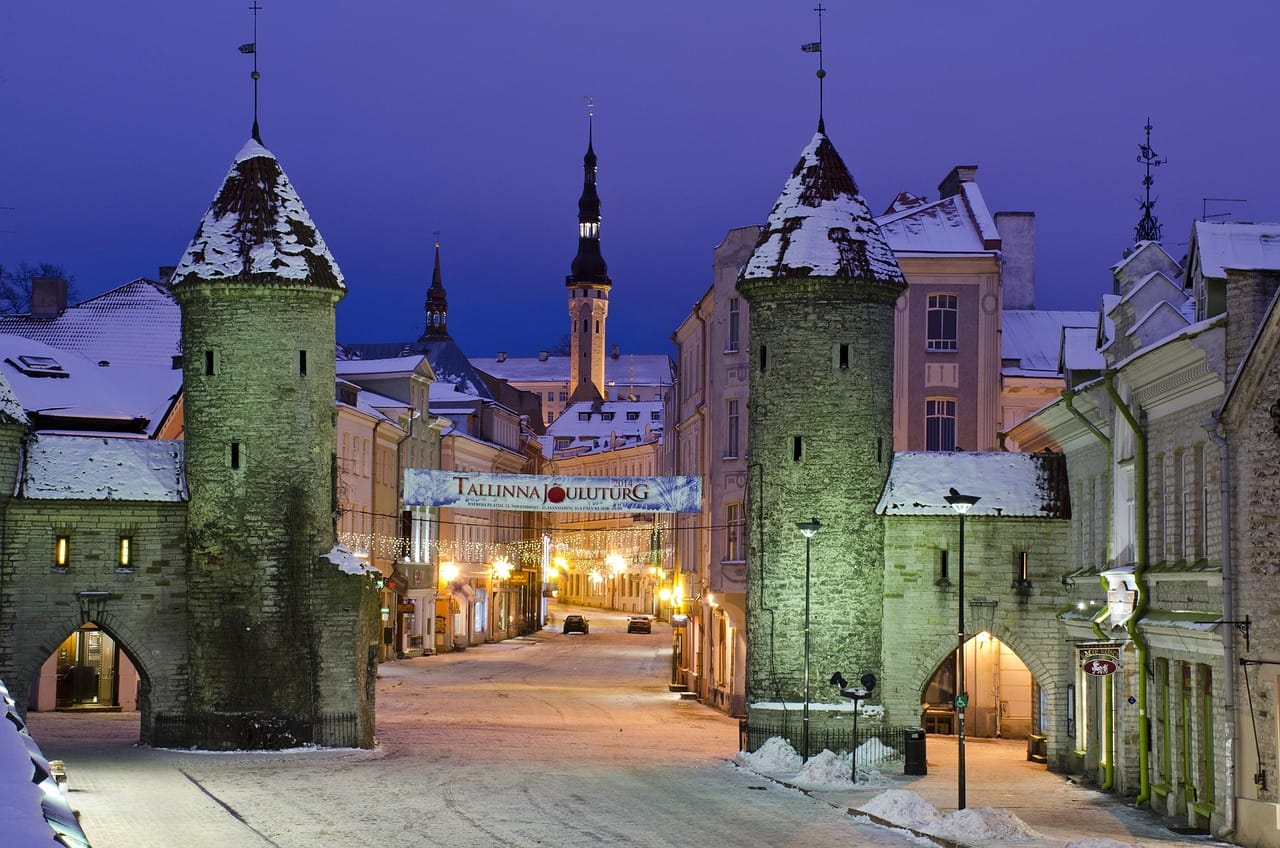
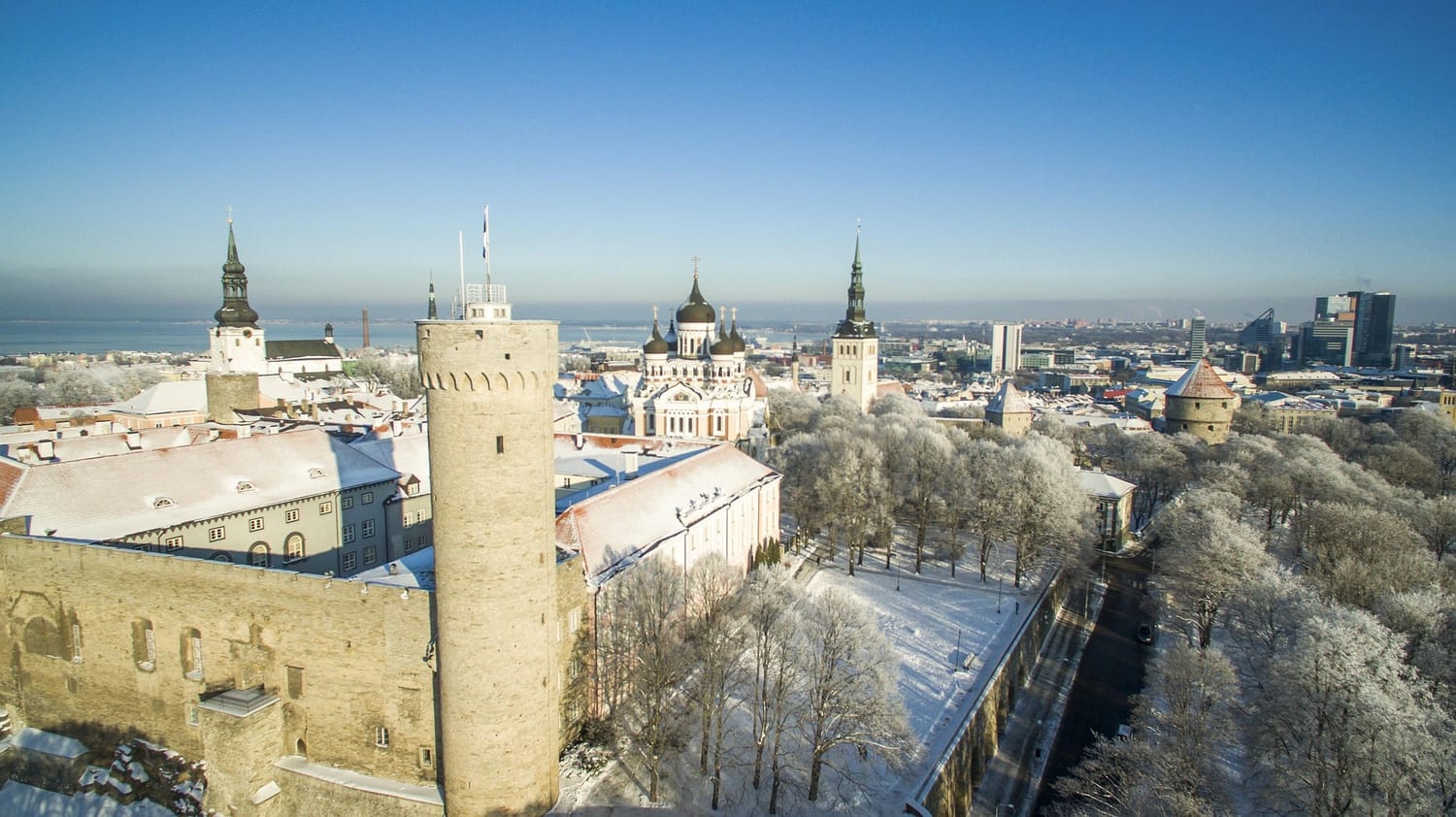
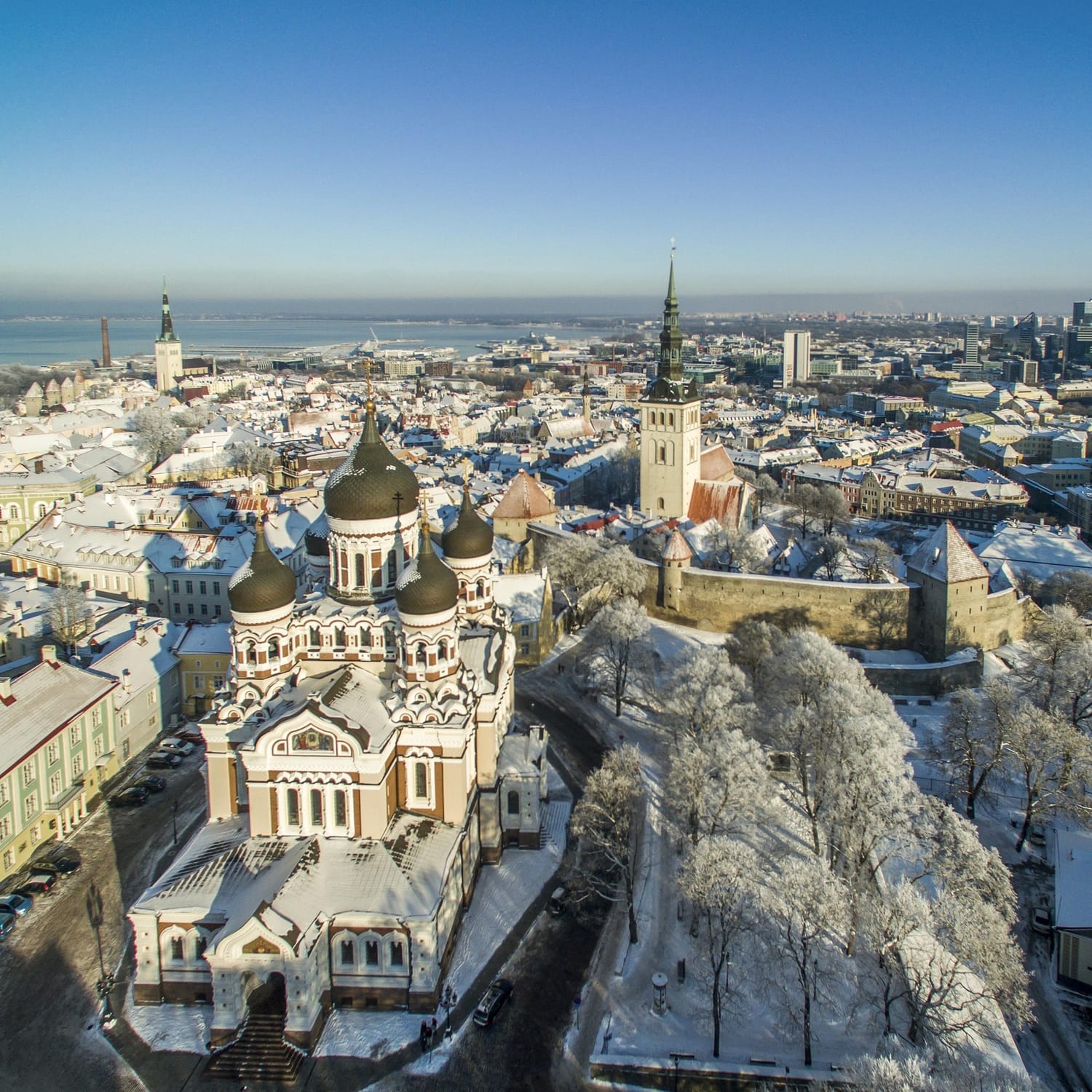
There's something about fresh snow in Tallinn's Old Town at night, the medieval architecture dusted white under street lamps, that takes your breath away. The frozen Baltic Sea creates otherworldly landscapes. The profound quiet of a winter forest is unlike anything I'd experienced in my previous life.
I learned that I'm more adaptable than I thought. I discovered activities I genuinely love (cross-country skiing has become a passion). I built deeper friendships through shared challenges than I might have in easier conditions.
And when spring finally arrived, when the first real sunshine hit in late March, when ice melted, and buds appeared, I appreciated it in a way I never had before. You can't truly understand the Nordic spring without first experiencing the Nordic winter.
Practical Preparation Checklist
Before your first Estonian winter hits, take care of these essentials:
Get your winter gear sorted by October. Don't wait until December when selection is limited and prices are higher.
Have your living situation optimized for heating efficiency. Check insulation, seal drafts, and invest in curtains.
Build your social network before winter isolation sets in. Join groups, make connections, establish routines.
Stock up on vitamin D supplements and consider getting your levels tested.
Research winter activities that interest you and try a few before deep winter hits.
Set up a light therapy lamp in your home or workspace.
Budget for increased heating costs and adjusted transportation methods.
Consider planning a winter escape for January or February, even just a long weekend somewhere sunny.
Mentally prepare for the reality that winter is long, five months at minimum, and that's okay.
Getting Additional Support
If you're considering relocating to Estonia or navigating the practical challenges of expat life, you don't have to figure everything out alone. Global Citizen Life offers programs designed to help people make informed decisions about moving abroad and to transition successfully to life in a new country.
They offer one-time strategy calls to help you clarify your goals and create a personalized action plan for your move. Their country-specific Moving Abroad Masterclasses provide detailed information about living abroad, covering everything from visas to cost of living to cultural adaptation. For those needing more comprehensive support, private coaching and consulting services offer ongoing guidance throughout your relocation journey.
You can learn more about their programs here.
Final Thoughts
Surviving your first Estonian winter is about preparation, adaptation, and mindset. Yes, it's dark. Yes, it's cold. Yes, the ice is treacherous, and heating bills are shocking. But it's also beautiful, character-building, and ultimately manageable once you know what you're dealing with.
The Estonians have not just survived but thrived in these conditions for centuries. With proper equipment, realistic expectations, and a willingness to embrace rather than merely endure the season, you can too.
I won't lie and say winter is easy. But I will say it's worth experiencing, and that making it through your first Estonian winter intact feels like a genuine accomplishment. You'll emerge tougher, more appreciative of spring, and with stories that your friends back home will struggle to believe.
Welcome to the Estonian winter. Bundle up, invest in good boots, and remember: summer will come again. Eventually.
Written by Markus Bell.
Markus is a Canadian software engineer who traded Vancouver's rain for Tallinn's digital innovation. After relocating to Estonia in search of a tech-forward lifestyle, affordable living, and straightforward residency options, he discovered a vibrant Baltic hub that exceeded expectations. Now based in Tallinn, Markus writes about digital nomad life, Estonian culture, and the practicalities of building a life in one of Europe's most connected countries.
Read all our articles about Estonia here.
Global Citizen Life
© 2023 Global Citizen Life
All rights reserved