
Skiing in Gudauri: Why This Georgian Resort Beats the Alps for Remote Workers
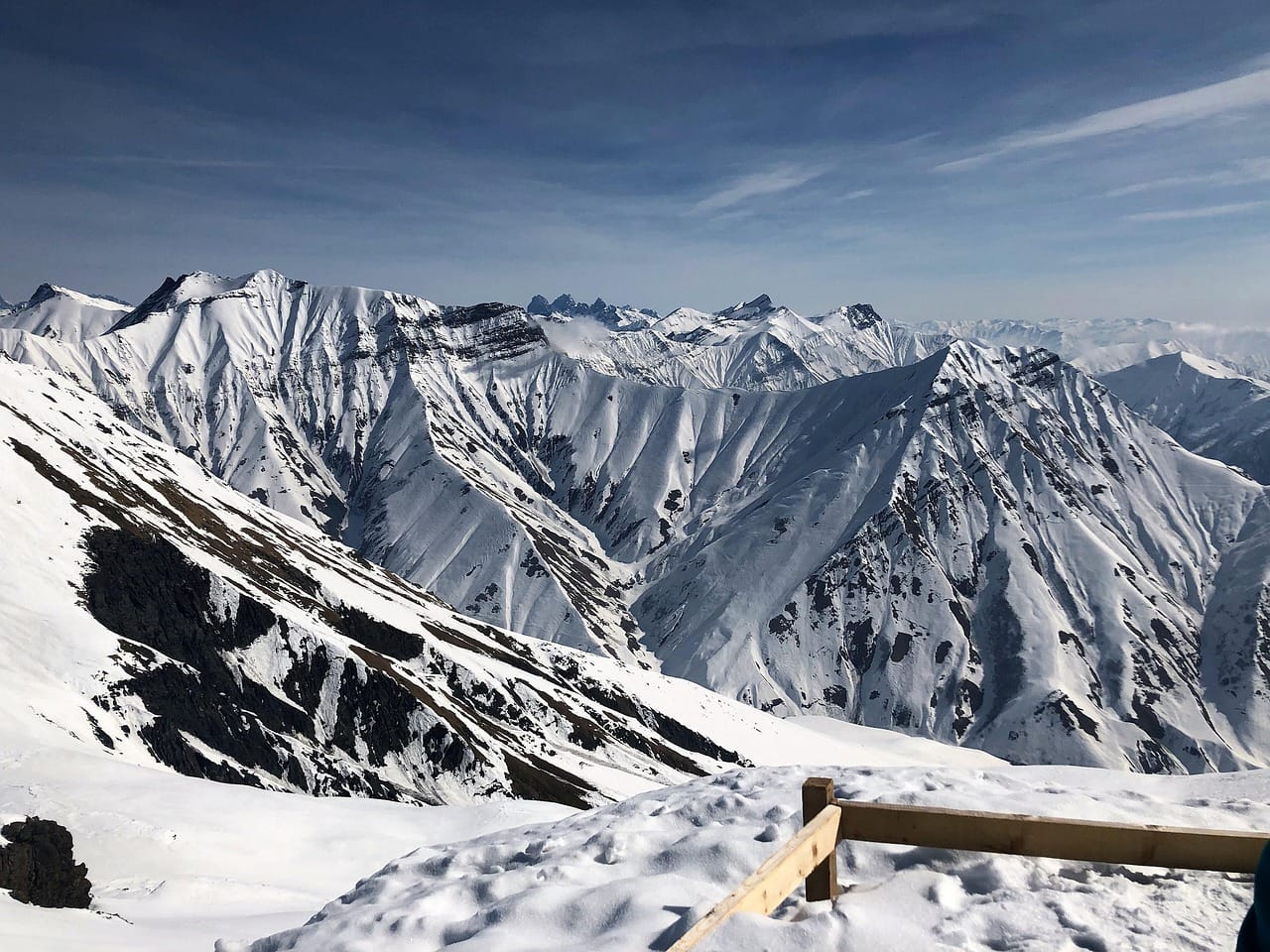
When I first heard about Gudauri, I thought someone was joking. A ski resort in Georgia? The country sandwiched between Russia and Turkey? But after spending three winters splitting my time between my laptop and the slopes here, I can tell you this with absolute certainty: Gudauri has fundamentally changed how I think about the winter remote work experience.
The Alps are stunning. Everyone knows that. But they're also expensive, crowded, and increasingly catering to weekend warriors rather than location-independent professionals who need reliable infrastructure alongside world-class skiing. Gudauri offers something different: legitimate powder, modern facilities, blazing-fast internet, and costs that won't demolish your monthly budget. This isn't some hidden gem that sacrifices quality for price. It's a legitimate ski destination that also offers incredible value.
Let me show exactly why Gudauri—more than the Alps—now attracts remote workers and digital nomads who want real skiing without compromising their professional ambitions. Here’s what makes it stand out as the ultimate winter base for those unwilling to choose between work and passion.
The Numbers That Matter
Before we get into the lifestyle aspects, let's talk practicalities. I know you're wondering about costs because that's probably what brought you here.
A modern one-bedroom apartment in Gudauri during ski season runs $880 to $1,320 per month. Most of these apartments come fully furnished with high-speed internet, mountain views, and access to building amenities. Many buildings have been constructed within the last decade, so you're not sacrificing quality for price.
A season ski pass costs around $550. Let that sink in. In the Alps, you're looking at $1,100 to $2,200 for comparable access. The Gudauri pass gives you unlimited access to 57 kilometers of marked runs, modern gondolas, and terrain that rivals anything in Europe for variety and snow quality.
Daily lift tickets run about $33 to $44, depending on the season. Equipment rental is $22 to $33 per day for quality gear. These aren't basement prices for worn-out equipment—this is legitimate pricing for modern facilities and well-maintained gear.
Dining out costs $11 to $22 for a solid meal at a mid-range restaurant. A cappuccino runs about $2.20 to $3.30. Groceries for a week, buying quality ingredients and cooking most meals at home, typically cost around $55 to $77. You can live well here without the constant mental math of Alpine pricing.
The Skiing Is Legitimate
Let's address the elephant in the room: Is the skiing actually good, or is this just a cheap alternative for people who can't afford the Alps?
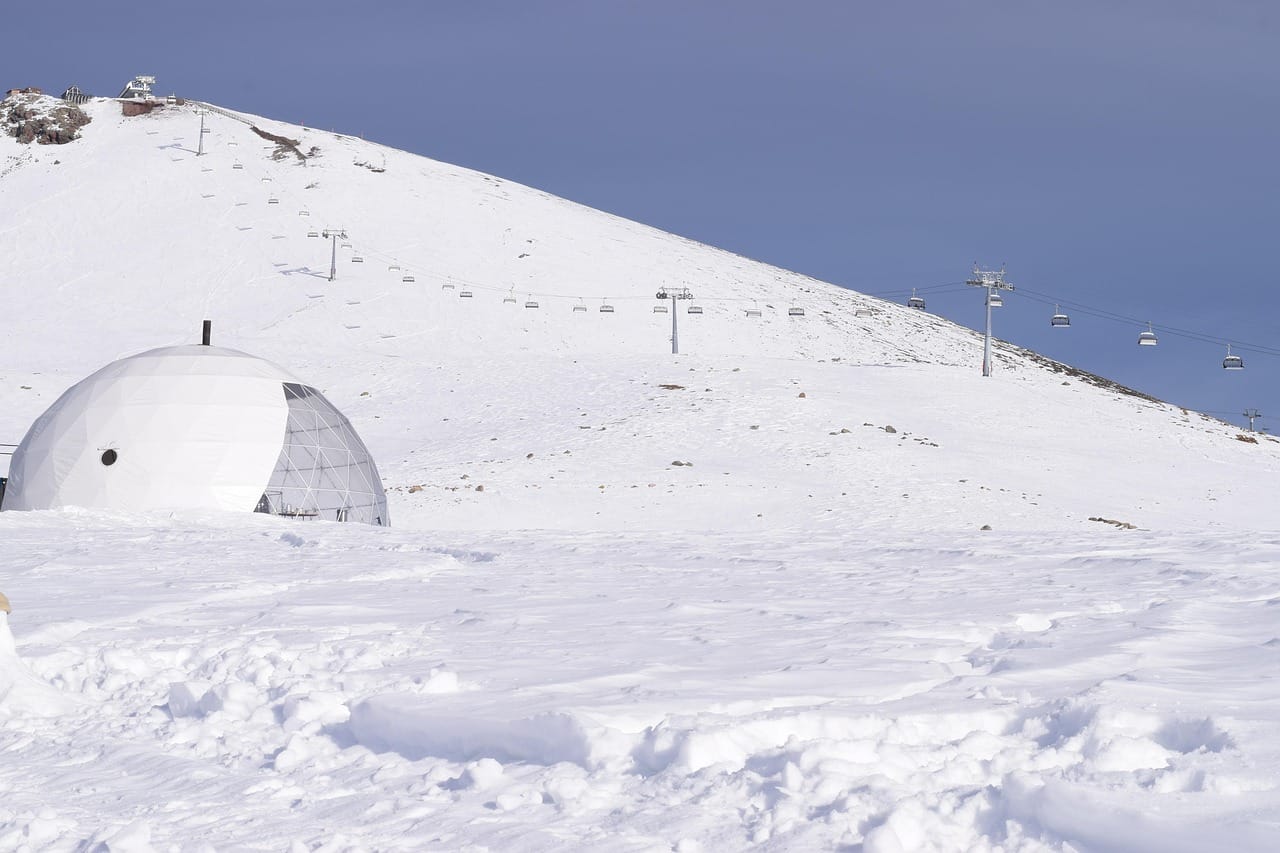
Gudauri sits at 2,196 meters above sea level, with skiing reaching up to 3,279 meters. The resort has invested heavily in modern infrastructure over the past decade. You're not dealing with ancient chairlifts and sketchy T-bars. Gudauri has modern gondolas and high-speed lifts that efficiently handle the crowds.
The terrain offers genuine variety. You've got wide groomed runs perfect for carving on your lunch break, challenging steeps for when you want to push yourself, and extensive off-piste terrain for powder days. The resort faces north, ensuring excellent snow preservation throughout the season. Temperatures range from -5°C to -15°C (23°F to 5°F) during peak season, cold enough to keep the snow dry and powdery.
The season runs from December through April, with the best conditions in January and February. Snow reliability is excellent. Gudauri's elevation and aspect ensure consistent snowfall, and the snow sticks around.
Heliskiing is available here at a fraction of Alpine prices. A day of heliskiing in Gudauri costs around $440 to $660, compared to $880 to $1,320 in the Alps. The terrain is vast, the snow is incredible, and the experience rivals anything in Europe.
Unlock the secrets of the world's most successful entrepreneurs with the
Global Wealth Navigator Newsletter
Discover the world's best destinations offering a lower cost of living paired with an enriched quality of life with the Global Wealth Navigator Newsletter. Whether you're a retiree or an entrepreneur, we dive into strategies that open doors to international investments, tax optimizations, and discover the finest destinations offering a superior quality of life. Don't let borders or routine define you; lets find your ideal spot in the world, regardless of your income bracket.

The Remote Work Reality
Here's where Gudauri truly differentiates itself from the typical ski bum experience. This isn't about scraping by while ski patrolling or working in a restaurant. Gudauri has become a legitimate hub for remote workers who maintain their professional careers while enjoying incredible skiing.
Internet connectivity is excellent. I regularly pull 50-100 Mbps in my apartment, which is more than enough for video calls, large file transfers, and everything else my work requires. Most modern apartment buildings have fiber internet, and co-working spaces in the area offer backup connectivity if you need redundancy.
The time zone (GMT+4) works surprisingly well for both European and Asian clients. You're four hours ahead of London, which means your morning is quiet focus time before Europe wakes up. You can ski from the first lift at 9:00 AM until 1:00 PM, grab lunch, and be at your desk by 2:00 PM for afternoon European calls. For US clients, you've got your mornings clear, and evening calls are doable if necessary.
The power is stable. This matters more than people realize. I've had exactly two power outages in three winters, both resolved within an hour. That's better reliability than I experienced in many Western European cities.
The community of remote workers here is substantial and growing. You'll find developers, designers, consultants, traders, and entrepreneurs from across Europe and North America. There's a shared understanding that everyone is here to work seriously while taking advantage of the location. Evening meetups happen organically, but there's no pressure to socialize if you need to focus.
Daily Life in Gudauri
My typical day starts early. I'm at my desk by 6:00 AM for focused work before the slopes open. By 9:00 AM, I'm on the lift. Gudauri's compact layout means you're never more than a five-minute walk from the gondola, which is a massive quality-of-life improvement over sprawling Alpine resorts where you need shuttle buses.
I ski until early afternoon, usually getting 15-20 runs in before heading home for lunch and afternoon work. The slopes are uncrowded during weekdays. I can make multiple runs without waiting in lift lines, which maximizes my skiing time during work breaks.
The food situation is better than you might expect. Yes, traditional Georgian cuisine dominates, but you'll also find Italian restaurants, burger joints, and a few Asian options. Grocery stores stock familiar Western products alongside Georgian items. You won't find the variety of Paris or London, but you're not living on khachapuri alone (though Georgian cheese bread is genuinely delicious).
Evening life is quieter than Alpine party towns, which is exactly what I want after a day of skiing and work. There are bars and restaurants serving excellent Georgian wine, featuring occasional live music, and offering plenty of opportunities to socialize. But this isn't Val d'Isère. If you're looking for nightclubs and constant party energy, this isn't your place.
Beyond Gudauri: Exploring the Caucasus
One major advantage of basing in Gudauri is the access to the broader region. Tbilisi, Georgia's capital, is just two hours away via the dramatic Georgian Military Highway. The drive itself is spectacular, and having a major city nearby provides essential variety during a long winter.
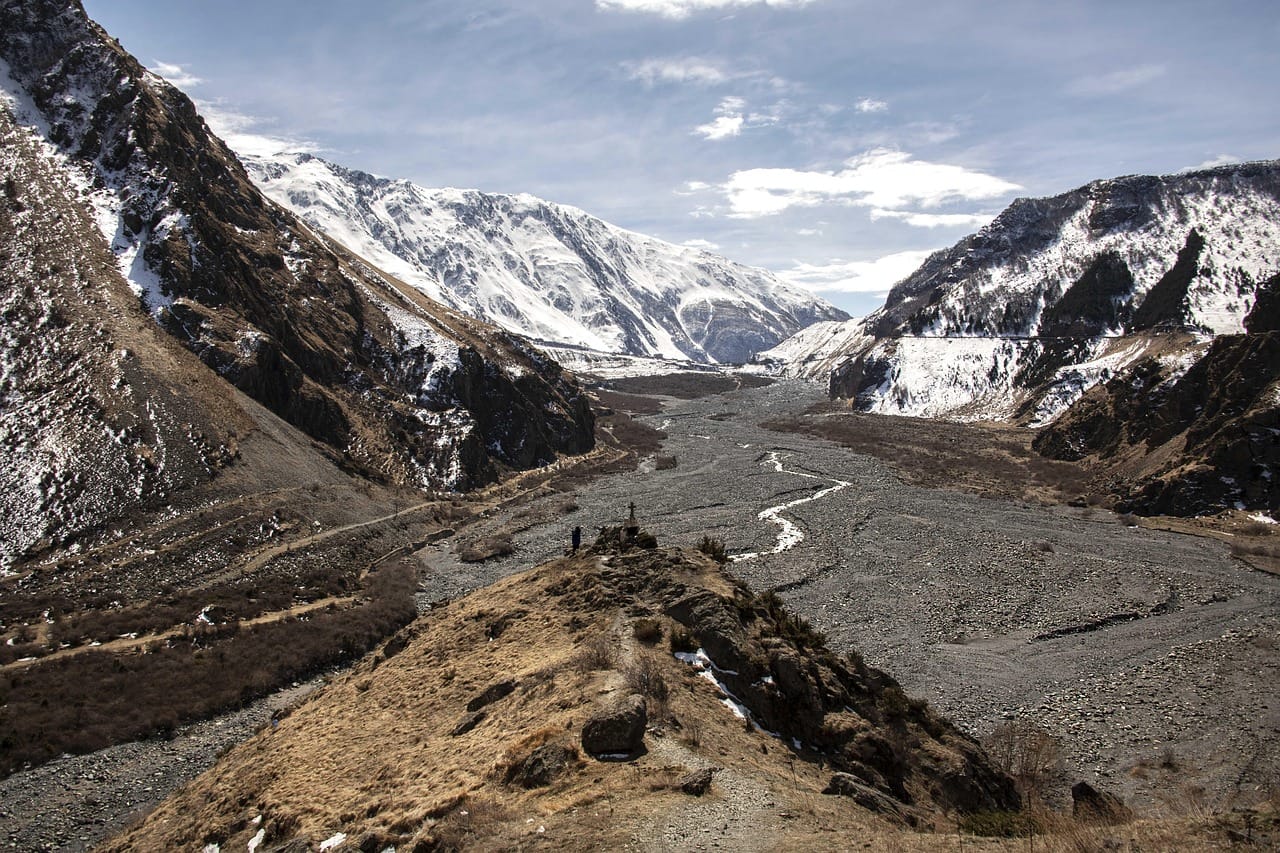
Kazbegi (Stepantsminda) is 45 minutes north, offering different terrain and the iconic Gergeti Trinity Church with its dramatic mountain backdrop. Other ski resorts like Bakuriani and Mestia are accessible for weekend trips, each offering different terrain and atmospheres.
The Svaneti region, while requiring more travel time, offers some of the most dramatic mountain scenery in the Caucasus. Ancient stone towers dot villages that seem frozen in time. It's the kind of place that makes you remember why you chose this lifestyle in the first place.
Practical Considerations and Challenges
Let's be realistic about the challenges. Gudauri is not Western Europe. The infrastructure is modern, but services operate differently. Customer service doesn't always meet Western expectations. Things take longer. You need patience and flexibility.
The language barrier is real. Very few locals speak fluent English. Most younger people in tourism speak enough English for basic communication, but complex conversations require gestures, translation apps, and patience. I've found that learning basic Georgian phrases goes a long way in building goodwill.
Banking and financial services work differently. Setting up a local bank account as a foreigner is possible, but bureaucratic. Most remote workers operate using international cards and services like Wise for money transfers. ATMs are available in Gudauri, though cash is still more widely used than in Western Europe.
Healthcare facilities in Gudauri itself are basic. Serious medical issues require transport to Tbilisi. Comprehensive travel insurance is non-negotiable. The ski patrol is competent, but this isn't Switzerland. Advanced medical facilities are hours away.
Apartment hunting requires being on the ground. Most landlords don't list on international platforms. The system works through local connections, Facebook groups, and word of mouth. Budget 3-5 days of actually being in Gudauri to secure a good apartment for the season.
Visa Situation for Remote Workers
Georgia's visa-free entry allows citizens of 95 countries to stay for up to one year without a visa. This includes the United States, Canada, European Union countries, the United Kingdom, Australia, and many others. You literally just show up, get stamped in at the airport, and can legally stay for 365 days.
For remote workers, this is revolutionary. No visa runs. No 90-day limits. No proof of income or employment. Georgia recognized early that remote workers represent an ideal demographic: people with international income who contribute to the local economy without taking local jobs.
The tax situation is equally straightforward. If you're not receiving Georgian-sourced income, you're generally not subject to Georgian taxes. As always, consult with a tax professional about your specific situation, but the default framework is remarkably simple compared to most countries.
Who This Is Really For
Gudauri isn't for everyone, and I want to be clear about who will thrive here versus who will be disappointed.
This is ideal for: remote workers who want legitimate skiing without European pricing, digital nomads seeking a winter base that combines work and play, experienced travelers who can handle infrastructure differences, skiers who prioritize snow quality and terrain over luxury amenities, and people who appreciate authentic experiences over polished tourism.
This is not ideal for: luxury seekers expecting five-star service, people who need extensive English-speaking environments, those uncomfortable with developing-country infrastructure, beginners who want extensive ski schools with perfect English instruction, and anyone who expects Western Europe in every aspect.
The remote workers who succeed here are adaptable, patient, and genuinely interested in experiencing a different culture rather than recreating their home environment abroad. If you approach Gudauri with curiosity rather than expecting it to be Switzerland at discount prices, you'll have an incredible experience.
Why Gudauri Beats the Alps (for Remote Workers)
The Alps offer world-class skiing. Nobody disputes that. But for remote workers, the Alps pose several significant challenges that Gudauri elegantly solves.
Cost is the obvious difference. Three months in Gudauri costs less than one month in Chamonix or Zermatt. That's not an exaggeration. The financial difference is so dramatic that you could ski Gudauri for an entire winter and use your savings for summer adventures in Europe.
Crowds matter more than people realize. Alpine resorts are packed during holidays and weekends. Lift lines stretch, slopes get tracked out quickly, and the experience degrades significantly. Gudauri's weekdays are remarkably quiet. You can lap runs repeatedly without fighting crowds, which is exactly what you want when you're maximizing limited skiing time around work.
The remote work infrastructure in Gudauri is, counterintuitively, better than many Alpine towns. Traditional ski towns weren't built with remote workers in mind. The internet can be spotty, apartments are geared toward tourists rather than professionals, and there's an underlying tension between tourism and long-term professional living.
Gudauri developed more recently, with remote workers as a key demographic. The infrastructure reflects this. Apartments come with proper desks and reliable internet because landlords know that's who's renting for months at a time.
The community aspect is different, too. In the Alps, you're surrounded by vacationers who are there for a week of indulgence before returning to normal life. In Gudauri, you're surrounded by people who are building location-independent lives. The conversations, connections, and mutual understanding are fundamentally different.
Getting Started: Your First Season in Gudauri
If you're convinced and ready to plan your first Gudauri season, here's the practical path forward.
Timing: Arrive in late November or early December to secure the best apartments before peak season. January and February offer the best skiing, but also the highest prices and the most competition for housing. March and April provide excellent value as prices drop, but snow remains good.
Flight logistics: Fly into Tbilisi's Shota Rustaveli International Airport. Direct flights are available from many European cities, with connections available from nearly anywhere. From the airport, you can take a marshrutka (shared minibus) or private transfer directly to Gudauri. The drive takes about two hours via the Georgian Military Highway.
Accommodation strategy: Book a short-term Airbnb for your first week while apartment hunting on the ground. Join Facebook groups like "Gudauri Community" and "Digital Nomads Georgia" before arriving. Ask questions, make connections, and let people know you're looking. Most seasonal rentals happen through personal connections rather than formal listings.
Essential gear: Bring your own boots if possible; rental boots are serviceable but not ideal for daily skiing. Skis and poles can be rented easily. Bring layers for cold-weather skiing and a good-quality jacket. Electronics and work equipment should come with you; buying tech in Georgia is possible but more expensive than in Western markets.
Banking setup: Open a Wise account before arriving for easy currency conversion. Bring some cash (USD or EUR) to exchange for Georgian lari on arrival. Credit cards work at major establishments, but cash is still king for many transactions.
Planning a move to Georgia, whether for ski season or long-term? Global Citizen Life offers comprehensive Moving Abroad Programs designed to help you navigate the complexities of international relocation. Choose from three options: a one-time strategy call to get personalized guidance on your specific situation, six country-specific Moving Abroad Masterclasses covering everything from visas to banking, or private coaching and consulting for hands-on support throughout your transition. These programs provide the frameworks, connections, and confidence you need to make your move successful. Learn more at https://www.globalcitizenlife.org/programs
The Bigger Picture
Gudauri represents something larger than just affordable skiing. It's a demonstration that the traditional assumptions about work, travel, and lifestyle design are increasingly obsolete.
Twenty years ago, choosing between career advancement and following your passions was binary. You worked in expensive cities where the opportunities existed, and you took skiing vacations when time and money permitted. That framework no longer applies.
Remote work has broken the geographic constraints of career building. You can maintain professional momentum while living in places that were previously only accessible through vacation time. Gudauri is one manifestation of this shift. A place where you can work professionally, ski daily, live affordably, and build a genuine community with others pursuing similar paths.
The infrastructure will continue improving. The community will keep growing. More remote workers will discover what early adopters already know: you don't need to sacrifice skiing for your career, and you don't need to sacrifice your career for skiing.
The Alps will always be there, and they'll always be beautiful. But for remote workers building location-independent lives, Gudauri offers something the Alps increasingly cannot: the complete package of excellent skiing, genuine affordability, reliable work infrastructure, and a community of people who understand exactly what you're trying to build.
Three winters in, I haven't looked back. The powder is deep, the internet is fast, and the monthly costs leave room to actually live rather than just survive. That's the Gudauri difference.
See you on the slopes.
Written by Daniel Brooks
Daniel Brooks is a former Silicon Valley developer who traded California's tech scene for Tbilisi's emerging entrepreneurial landscape. After years of navigating corporate politics and sky-high living costs, he relocated to Georgia in search of creative freedom, favorable tax policies, and a better quality of life. Now based in the Caucasus region, Daniel writes about building businesses abroad, optimizing lifestyle costs, and discovering Georgia's hidden gems. His perspective combines tech-world pragmatism with the adventurous spirit of someone who chose a different path.
Read all our articles about Georgia here.
Global Citizen Life
© 2023 Global Citizen Life
All rights reserved