
Serbian Winter Magic: Celebrating Slava, New Year's, and Orthodox Christmas as an Expat
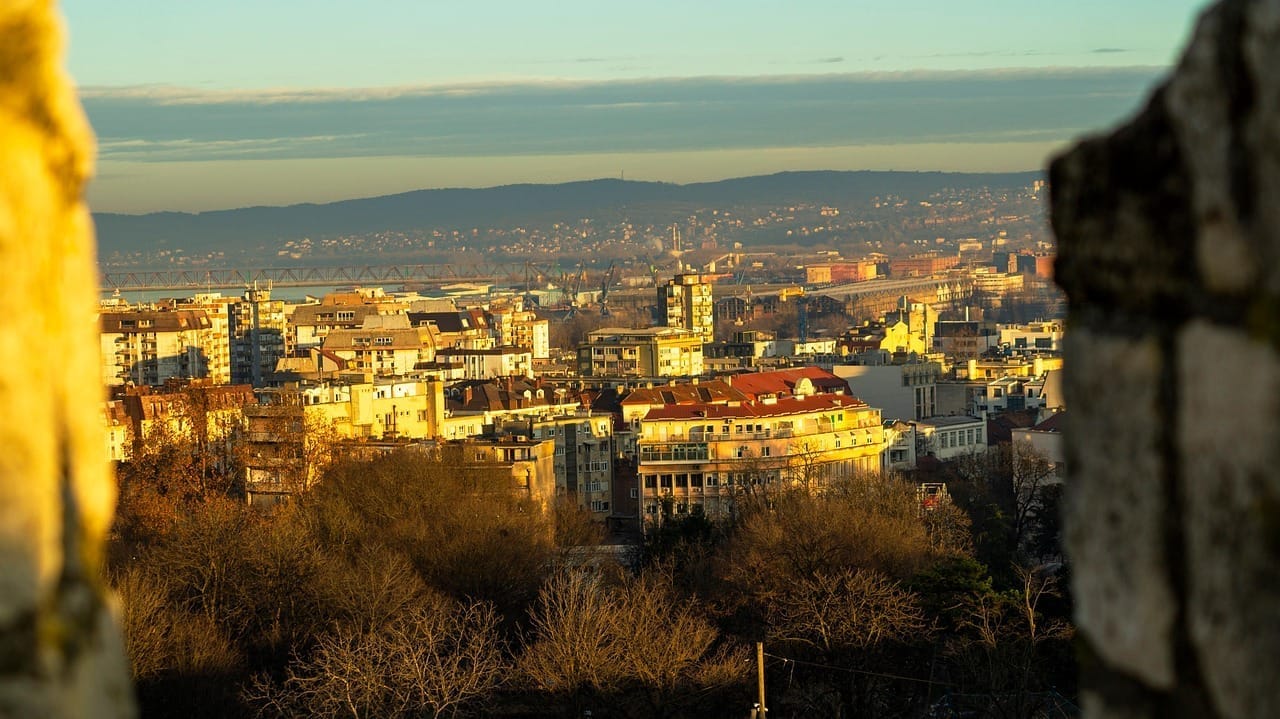
When I first moved to Belgrade from Toronto two winters ago, I thought I understood cold weather. After all, I'd survived countless Canadian blizzards and ice storms. But I had no idea I was about to experience something far more magical than frozen landscapes: I was about to discover Serbian winter traditions that would completely transform how I celebrate the season.
Serbia's winter isn't just about bundled coats and steaming cups of rakija, though there's plenty of both. It's a season steeped in centuries-old traditions, religious celebrations, and a warmth of hospitality that makes the cold months feel like the coziest time of year. From the mystical family tradition of Slava to the double-dose of New Year's celebrations to Orthodox Christmas in January, Serbian winter offers expats a cultural immersion unlike anywhere else in Europe.
If you're considering making Serbia your home, understanding these winter traditions will give you invaluable insight into the heart of Serbian culture. Here's everything you need to know about celebrating Serbian winter as an expat.
Understanding Slava: Serbia's Most Sacred Tradition
Before I moved to Belgrade, I'd never heard of Slava. Now, it's one of my favorite aspects of Serbian culture, even though, as a non-Orthodox Christian, I observe as a respectful guest rather than a participant.
Slava, which means "celebration" in Serbian, is a family's patron saint day. Each Serbian family has inherited a specific saint from their paternal lineage, and they celebrate that saint's feast day every year with an elaborate ritual and gathering. It's recognized by UNESCO as intangible cultural heritage, and it's absolutely unique to Serbian Orthodox tradition.
What Happens During Slava
The celebration centers around three sacred items: slavski kolač (a specially decorated bread), žito (boiled wheat with sugar and ground walnuts), and red wine. A priest often visits to bless the home and food, cutting a cross into the bread and pouring wine over it.
What moved me most during my first Slava invitation was the sense of obligation and honor. Serbs believe that Slava must be celebrated every year, no matter what. My neighbor Marko told me his grandmother continued hosting Slava even during the difficult 1990s, when food was scarce. "We had almost nothing," he said, "but we still had Slava."
The feast itself is legendary. Expect tables groaning under roasted meats, sarma (stuffed cabbage rolls), various salads, cheese, ajvar, and countless other dishes. As an expat, being invited to Slava is a profound honor. Many Slavas occur during winter months: Saint Nicholas (December 19), Saint Stephen (January 9), and Saint John the Baptist (January 20) are among the most common.
Slava Etiquette for Expats
If you're invited to Slava, dress nicely but not overly formal. Bring a gift, typically wine, rakija, chocolates, or flowers. Don't bring an even number of flowers, as that's reserved for funerals. When you arrive, you'll kiss the slavski kolač three times and make a wish. Don't worry if you're not Orthodox; hosts are incredibly welcoming to foreigners and will guide you through everything.
Come prepared to eat. And then eat more. Refusing food can be seen as impolite. Pace yourself, because the offerings will be relentless and generous. Also, expect to stay for several hours. Slava isn't a quick dinner party; it's an all-day or all-evening affair.
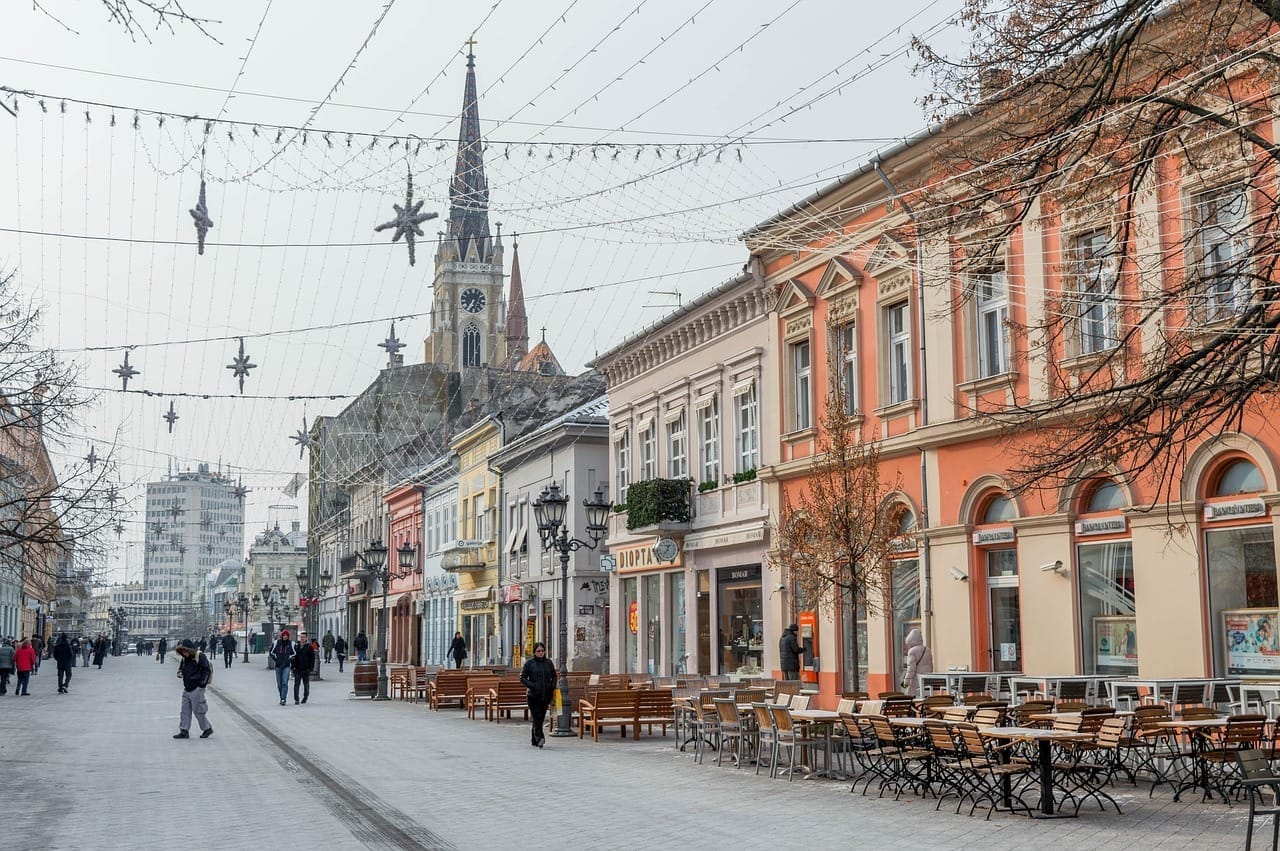
New Year's Eve: Serbia's Biggest Celebration
If you thought your hometown knew how to celebrate New Year's Eve, wait until you experience it in Serbia. Here, Nova Godina isn't just important; it's THE most important holiday of the year, surpassing even Christmas in terms of celebration intensity.
The festivities begin in late December and continue through the first week of January. Belgrade transforms into a winter wonderland with Christmas markets, ice skating rinks, elaborate light displays, and outdoor concerts. Republic Square becomes the epicenter of celebration, with massive crowds gathering for the countdown and fireworks.
Where to Celebrate in Belgrade
My first New Year's in Belgrade, I made the rookie mistake of not making restaurant reservations. Every decent venue was booked weeks in advance. Now I know better. If you want to celebrate at a restaurant or club, book in early December. Expect to pay between $100 and $300 per person for a New Year's Eve dinner package, which typically includes unlimited food, drinks, and live music.
For a more budget-friendly experience, join the massive public celebration in Republic Square or along Knez Mihailova Street. The city organizes free concerts, and the atmosphere is electric. Bring champagne, dress warmly, and prepare for crowds. The fireworks display at midnight is spectacular, launched from multiple points across the city.
Belgrade's splavovi (river rafts converted into clubs) offer unique New Year's parties. These floating venues along the Danube and Sava rivers host elaborate celebrations with incredible views of the city's fireworks. Expect to pay around $120-$180 for entry with an open bar.
New Year's Traditions to Know
Serbs take their New Year's traditions seriously. Most families gather for a massive dinner on New Year's Eve, similar to what North Americans might do for Thanksgiving. The table is laden with roasted meats (especially pork), salads, appetizers, and desserts. Drinking continues well into the early morning hours.
One tradition that amused me is the belief that whatever you're doing at midnight on New Year's Eve, you'll do all year. So Serbs make sure they're eating, drinking, and surrounded by money (they literally hold cash in their hands at midnight) to ensure abundance in the coming year.
New Year's Day itself is often quiet, as everyone recovers from the previous night's festivities. But the celebration isn't over. Many Serbs continue celebrating throughout the first week of January, meeting friends for coffee or rakija and exchanging New Year's greetings.
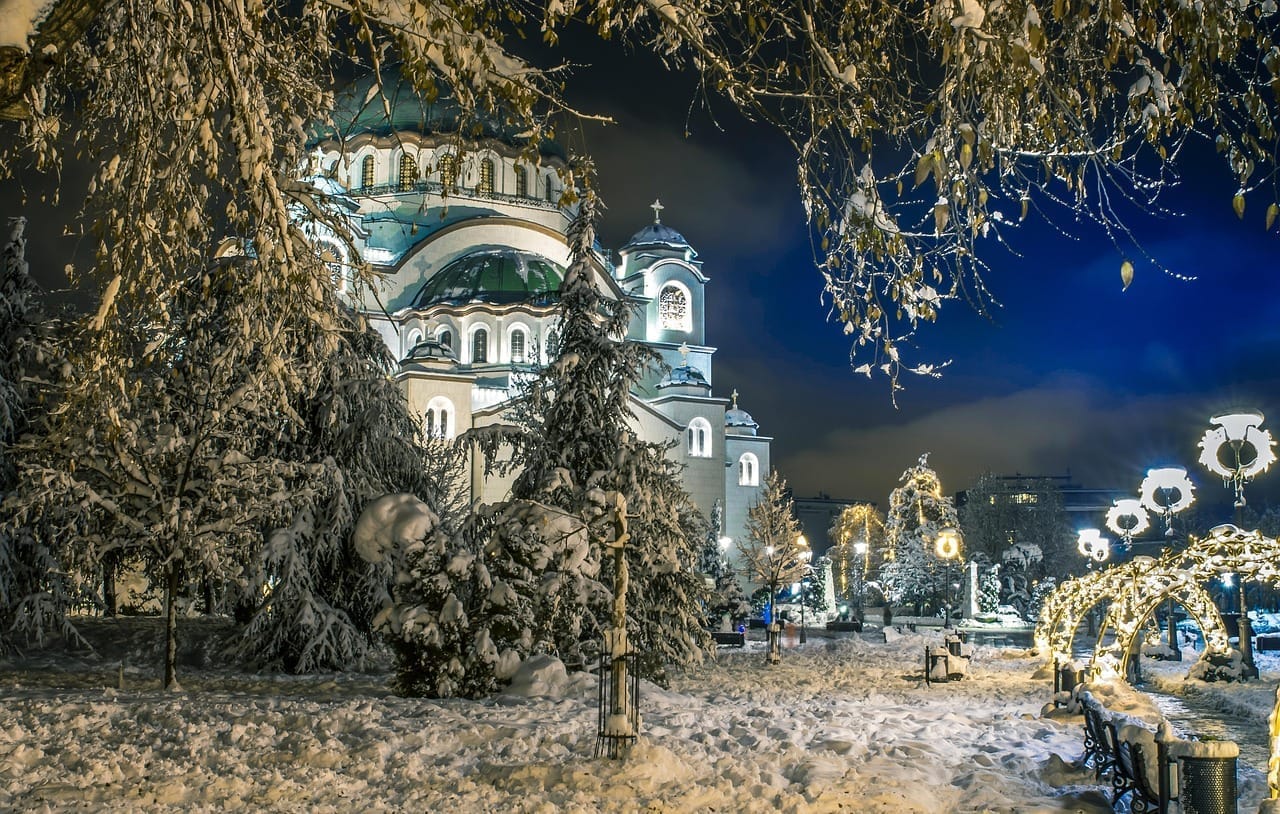
Orthodox Christmas: A January Surprise
Coming from Canada, where Christmas on December 25 is sacred and immovable, I found Orthodox Christmas on January 7 delightfully disorienting. Serbia celebrates Christmas according to the Julian calendar, so the holiday falls 13 days after Western Christmas.
This creates an interesting dynamic for expats. You can celebrate Western Christmas with your international friends in late December, then experience Orthodox Christmas in early January. It's like getting two Christmases, though the Serbian version is considerably more religious and traditional.
Orthodox Christmas Eve: Badnje Veče
The celebration begins on January 6 with Badnje Veče (Christmas Eve). This is when things get really interesting. In the morning, families cut down a badnjak, a young oak tree, which they bring home and burn in the fireplace. In Belgrade, where most people live in apartments without fireplaces, you'll see ceremonial badnjak burning at churches and public spaces.
The evening includes a strictly vegetarian feast, as Orthodox tradition requires fasting from meat and dairy. Expect dishes like prebranac (baked beans), roasted peppers, fresh bread, and fish. At midnight, the fast breaks, and families attend Christmas liturgy at church, which can last several hours into the early morning.
Walking through Belgrade on Badnje Veče is magical. The smell of burning oak fills the air, church bells ring throughout the city, and you can feel the anticipation. Even as a non-Orthodox observer, I find it deeply moving.
Christmas Day Traditions
Orthodox Christmas Day itself is quieter than New Year's but still special. Families gather for a massive lunch featuring roasted pork (pečenje), sarma, various salads, and desserts. There's less gift-giving than in the Western Christmas; that happens during New Year's instead.
One tradition I love is the položajnik, or "first-footer." The first person to enter your home on Christmas morning brings luck for the year. Some families arrange for a child to be their položajnik, showering them with sweets and coins. The položajnik scatters grain around the house while saying "Christ is born!" (Hristos se rodi!), to which the family responds, "Truly He is born!" (Vaistinu se rodi!).
As an expat, you might be invited to be someone's položajnik, which is a significant honor. I served as a položajnik for my Serbian friend Jelena last year, and it remains one of my most cherished memories in Belgrade.
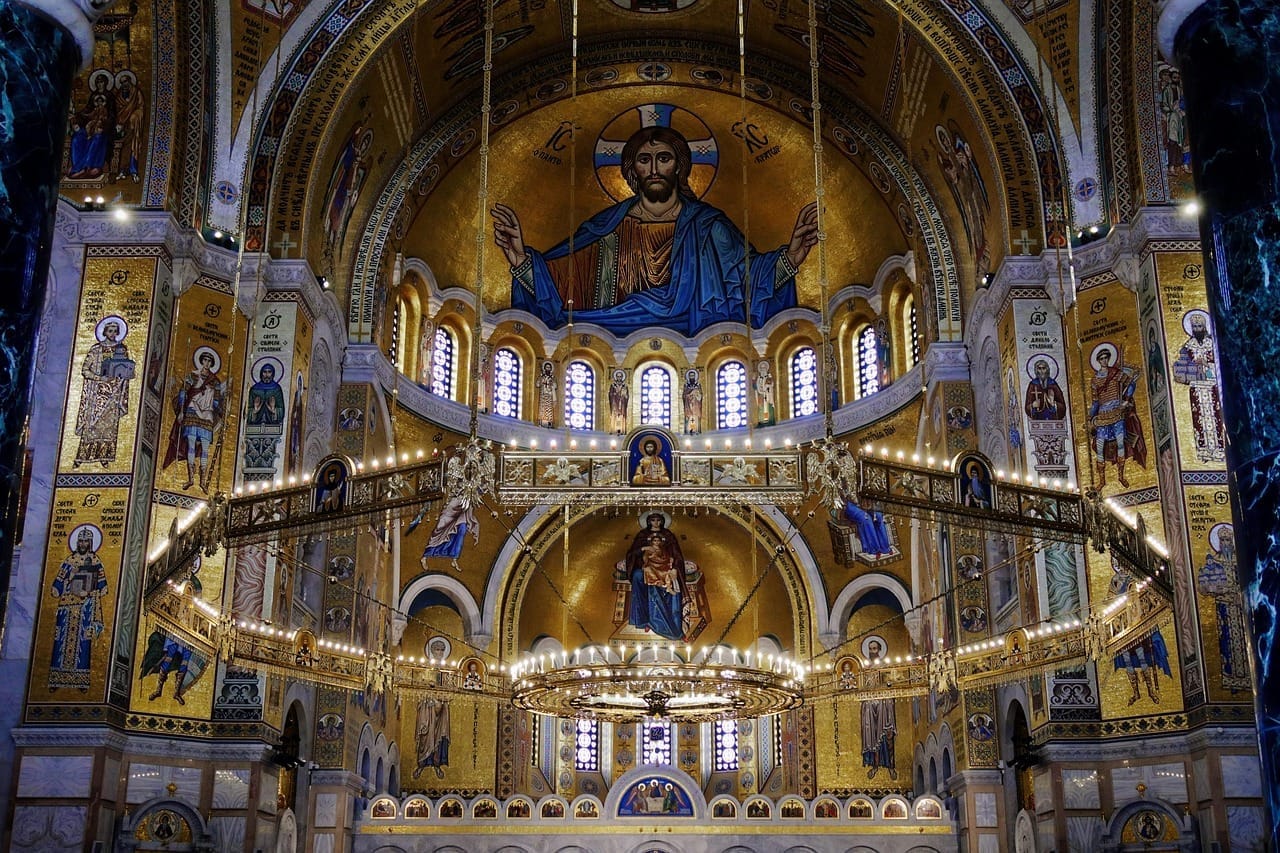
Related Article: Unveiling Serbia
The Festive Season Timeline: A Complete Overview
Understanding the flow of Serbian winter celebrations helps you plan your own schedule and make the most of this magical season. Here's how it typically unfolds:
Late December brings the start of New Year's preparations. Christmas markets open, the city decorates with lights, and restaurants begin taking New Year's Eve reservations. December 25 passes relatively quietly, though international communities might gather for Western Christmas celebrations.
New Year's Eve (December 31) is the pinnacle. The entire country seems to pause for this celebration. Everything is booked, everyone is celebrating, and the energy is incredible. New Year's Day sees a quiet recovery, though some hardy souls continue the party.
January 6 brings Badnje Veče and the start of Orthodox Christmas. The city takes on a more solemn, spiritual atmosphere. January 7 is Orthodox Christmas itself, with family gatherings and traditional meals. Many businesses close for both days.
Then, just when you think the celebrations are over, January 13-14 brings Serbian New Year (Nova Godina po starom kalendaru), celebrating the New Year according to the Julian calendar. It's less intense than December 31 but still involves gatherings, meals, and fireworks.
Throughout this entire period, various Slavas occur as families celebrate their patron saints. You might receive multiple Slava invitations, each one a window into authentic Serbian family life.
Winter Food and Drink: Staying Warm the Serbian Way
Serbian winter cuisine deserves its own article, but I'd be remiss not to mention the incredible food and drink that accompany these celebrations. This is hearty, warming fare designed for cold weather and long gatherings.
Sarma tops the winter menu. These cabbage rolls, stuffed with meat and rice and slowly cooked for hours, appear at every major celebration. My Serbian friends debate whose grandmother makes the best sarma with the intensity of religious scholars debating theology.
Roasted pork (pečenje) is another winter staple. Entire pigs are roasted on spits for major celebrations, and the smell alone is enough to make you forget any dietary restrictions. Expect to pay around $20-$30 per kilogram for high-quality, restaurant-prepared roasted pork during the holiday season.
Then there's rakija, Serbia's beloved fruit brandy. Winter means homemade rakija appears at every gathering, and refusing it can be seen as impolite. I've learned to keep a glass in hand but sip very slowly. Rakija ranges from smooth and sippable to paint-thinner strong, depending on the maker's skill and generosity with the fermentation process.
Hot beverages also dominate winter. Kuvano vino (mulled wine) appears at Christmas markets, filling the air with the scent of cinnamon and cloves. A cup costs around $3-$4 at markets. Turkish coffee remains the social drink of choice, consumed in countless cafes where Belgraders gather to escape the cold.
Winter desserts include tufahije (poached apples stuffed with walnuts), various types of baklava, and krofne (Serbian doughnuts), which appear at every New Year's celebration. Be prepared to indulge; winter in Serbia is not the time for dieting.
Practical Tips for Expats Navigating Serbian Winter
After two winters in Belgrade, I've learned several practical lessons that will help other expats navigate the season more smoothly.
First, book everything early. If you want to celebrate New Year's Eve at a restaurant, reserve by early December. Good venues sell out fast.
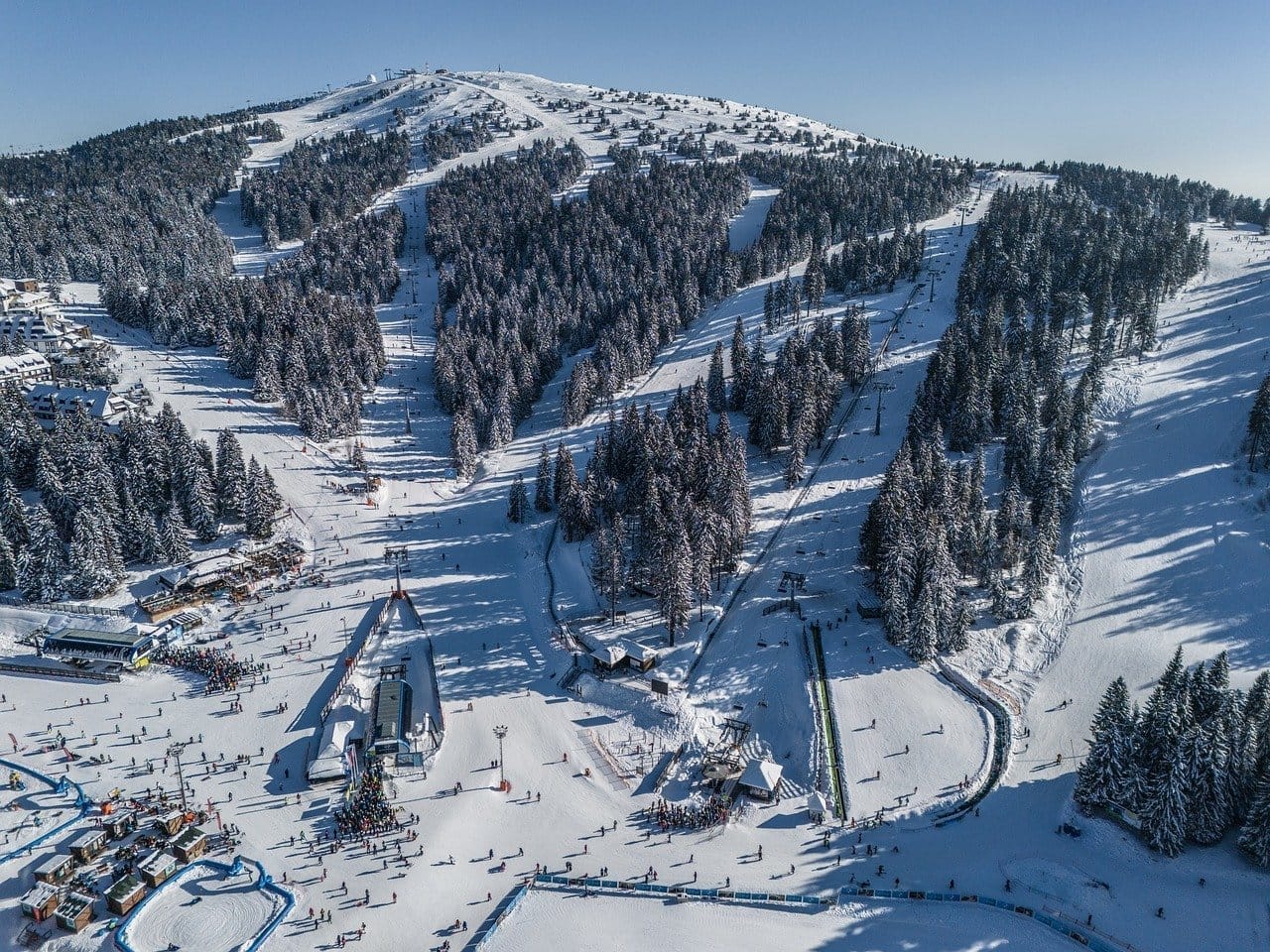
Similarly, if you're traveling within Serbia during the holiday period, book accommodation well in advance. Popular mountain destinations like Kopaonik and Zlatibor fill up quickly.
Expect business closures. Many shops, restaurants, and services close for several days around January 6-7 for Orthodox Christmas. Stock up on groceries beforehand if you're not celebrating with Serbian friends. Banks and government offices also close, so plan accordingly.
Budget appropriately for winter celebrations. Between gifts, dining out, and activities, you could easily spend $600-$1,000 throughout the holiday season, depending on how much you participate. New Year's Eve alone can cost $120-$300 if you're celebrating at a venue.
Dress for the weather but also for celebration. Serbian winters are cold, with temperatures often dropping below freezing, but people still dress up for events. Invest in a good winter coat that looks presentable for parties. Women typically wear heels even in the snow, though I've given up that particular tradition.
Learn basic holiday greetings. "Srećna Nova Godina" (Happy New Year) and "Hristos se rodi" (Christ is born) with the response "Vaistinu se rodi" (Truly He is born) will be appreciated. People will be patient with your pronunciation and thrilled that you're making the effort.
Don't feel pressured to participate in every tradition. As an expat, you're welcome to observe and participate as much or as little as you feel comfortable with. Serbs are remarkably welcoming to foreigners and understand that not everyone shares their religious or cultural traditions.
The Emotional Impact: Why Serbian Winter Matters
I want to be honest about something that took me by surprise: how emotionally significant Serbian winter traditions became to me. Coming from a country where holidays increasingly feel commercialized and rushed, there's something profoundly moving about Serbia's approach to celebration.
The emphasis on family, tradition, and religious meaning creates a depth that Western celebrations often lack. When I attended my first Slava and watched a priest bless the home while the family stood in reverent silence, I felt connected to something ancient and meaningful. When I joined thousands of Belgraders in Republic Square at midnight on New Year's Eve, I felt part of a community in a way I rarely had back home.
Serbian winter also taught me about resilience and joy. These celebrations are born of a culture that has endured incredible hardships. The insistence on gathering, feasting, and celebrating no matter what feels both defiant and beautiful. It's a reminder that community and tradition matter, especially during the darkest, coldest months.
As an expat, participating in these traditions has deepened my integration into Serbian life more than any language class or cultural guidebook could. These celebrations are when Serbs open their homes and hearts, and being welcomed into that space is a privilege I don't take lightly.
Making the Move: Resources for Your Serbian Journey
If reading about Serbian winter traditions has sparked your interest in relocating to Serbia, you're not alone. More expats are discovering what I found: that Serbia offers an affordable, culturally rich lifestyle that's hard to match elsewhere in Europe.
Making an international move requires careful planning, and that's where Global Citizen Life can help. They offer comprehensive Moving Abroad Programs designed specifically for people like us who want to relocate with confidence.
Their services include one-time strategy calls for those just starting to explore their options, country-specific Moving Abroad Masterclasses, and private coaching and consulting for personalized guidance. Whether you're still in the research phase or ready to book your one-way ticket, having expert support makes the transition significantly smoother.
You can explore their programs here. As someone who made the move without this kind of structured support, I can tell you that having guidance through the bureaucratic maze of residence permits, finding housing, and integrating into local life would have saved me months of stress.
Winter as a Window into the Serbian Soul
When I reflect on my time in Serbia, winter stands out as the season when I truly understood what drew me here. The cold months reveal something essential about Serbian culture: its depth, its warmth despite the weather, its commitment to tradition and community.
Yes, the celebrations involve copious amounts of food and rakija. Yes, the season can be overwhelming with its succession of holidays and traditions. But underneath all that is something rare in our modern world: a genuine, lived connection to culture, history, and each other.
For expats willing to embrace it, Serbian winter offers not just a series of interesting experiences but an invitation into a way of life that values belonging, celebration, and human connection above efficiency and convenience. That's a winter worth moving for.
So when you find yourself at your first Slava, watching the priest bless the home as snow falls outside, or standing in Republic Square at midnight on New Year's Eve surrounded by thousands of celebrating Belgraders, or serving as someone's Christmas Day položajnik, remember: you're not just observing traditions. You're being welcomed into the heart of Serbian winter magic. And trust me, there's nowhere else quite like it.
Written by Courtney Singh
Courtney Singh is a Canadian freelance copywriter and digital nomad based in Belgrade, Serbia. At 32, she traded Toronto's high cost of living for Serbia's vibrant creative scene and affordable lifestyle. Courtney specializes in writing about remote work, co-working culture, and the Balkans' emerging startup ecosystem. Her firsthand experience navigating expat life in Serbia provides authentic insights for professionals considering a move to Southeast Europe.
Read all our articles about Serbia here.
Global Citizen Life
© 2023 Global Citizen Life
All rights reserved