
Remote Work Paradise: Why Da Nang Became My Digital Nomad Base After Leaving Corporate America
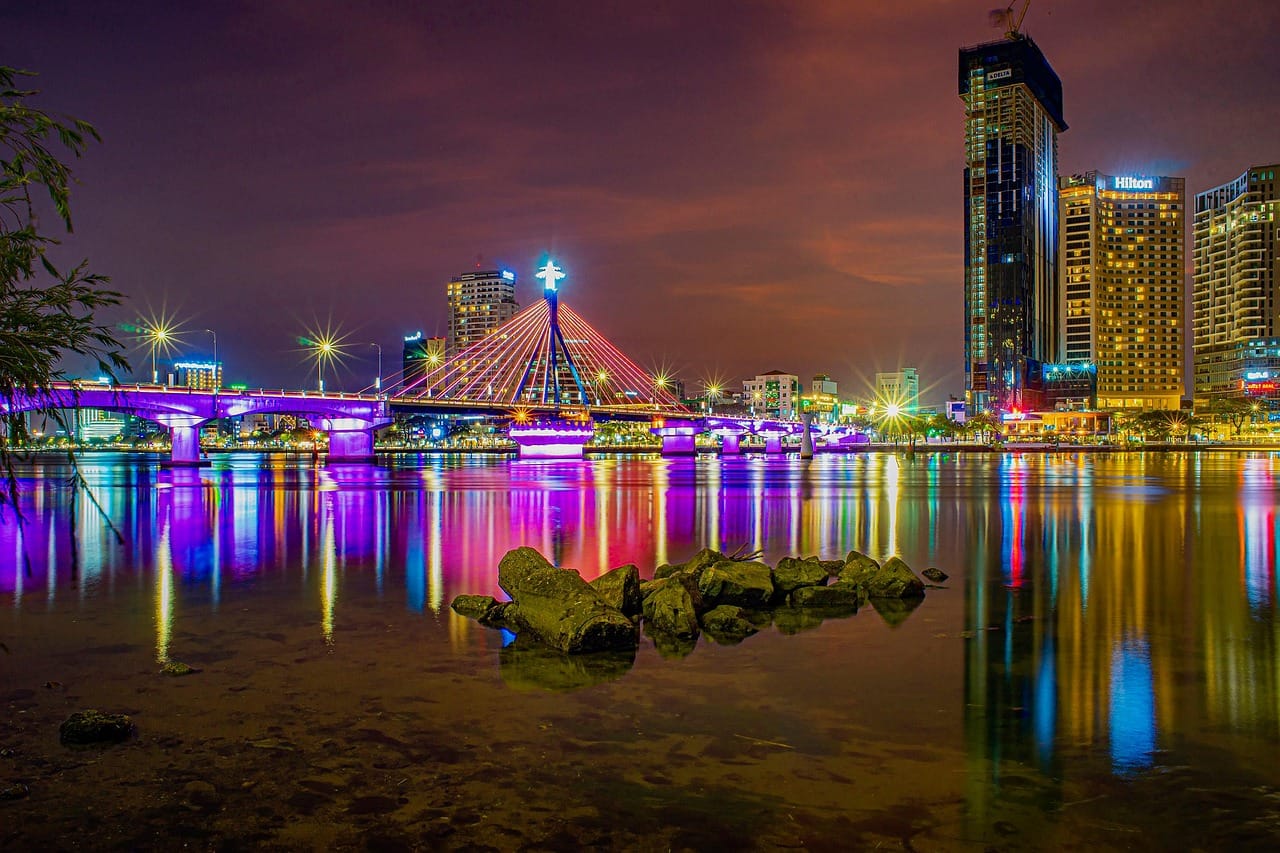
When I handed in my resignation at my corporate job in Seattle three years ago, my colleagues thought I was crazy. "You're giving up a six-figure salary to work remotely from Vietnam?" they asked, concern etched on their faces. Today, as I sit in my sunlit apartment overlooking the Han River in Da Nang, sipping Vietnamese coffee, watching the morning light dance across the water, I can confidently say it was the best decision of my life.
Da Nang wasn't on my radar initially. Like most Americans contemplating the digital nomad lifestyle, I'd heard about Bali, Chiang Mai, and maybe Ho Chi Minh City. But after spending just two weeks here on an exploratory trip, I knew I'd found something special. A city that balanced modern infrastructure with authentic Vietnamese culture, offered an exceptional quality of life at a fraction of Western costs, and provided the perfect environment for remote work and family life.
The Corporate Burnout That Changed Everything
My breaking point came during yet another 14-hour workday, staring at spreadsheets in a gray cubicle while the Seattle rain pelted the windows. I was a curriculum developer for a major education company, earning well but feeling increasingly disconnected from the work that once excited me.
The pandemic forced everyone to work remotely, and suddenly I realized my job didn't require me to be in Seattle at all. That realization was both liberating and terrifying. If I could work from my spare bedroom, why not work from somewhere with better weather, lower costs, and more adventure? The seed was planted. I'd negotiated a fully remote position, sold most of my possessions, and booked a one-way ticket to Southeast Asia.
Why Da Nang Rose Above the Competition
I spent three months bouncing between Thailand, Indonesia, and Vietnam before settling in Da Nang. Each destination had its merits, but Da Nang offered a unique combination that kept drawing me back. The city sits perfectly between Hanoi and Ho Chi Minh City, offering a middle ground. Less chaotic than the south, less formal than the north, and blessed with some of Vietnam's most spectacular coastline.
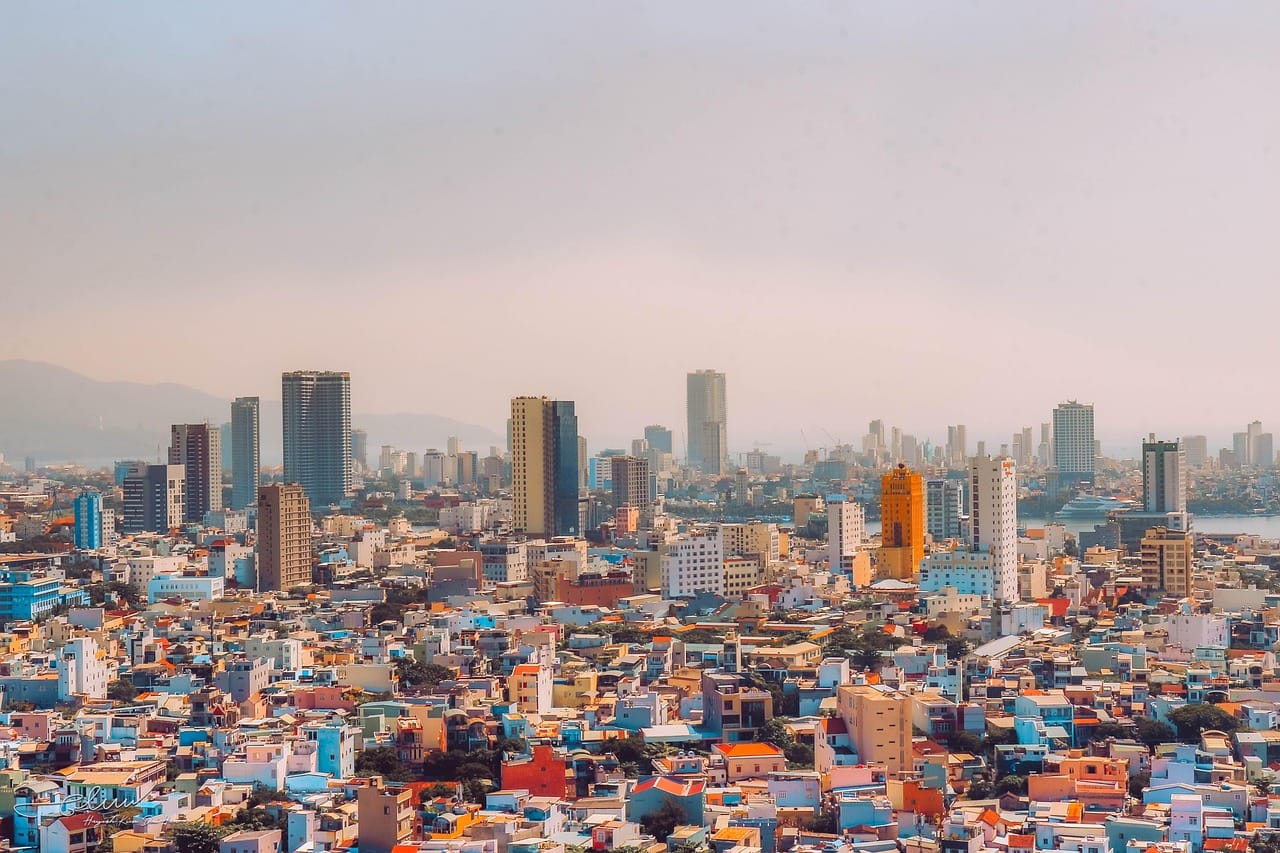
The first thing that struck me was the infrastructure. Da Nang is Vietnam's third-largest city, with a population of around 1.2 million, but it feels remarkably manageable. The streets are wider than those in other Vietnamese cities, traffic is more orderly, and the city has clearly invested in becoming a hub for business and tourism. The airport is modern and just a 15-minute drive from most neighborhoods. The internet, which is critically important to my work, is consistently fast and reliable.
But what sealed the deal was the expat community. Da Nang has attracted a growing population of remote workers, entrepreneurs, and families who've chosen this as their base. Unlike some digital nomad hotspots that can feel transient and disconnected, Da Nang offers a genuine community. Within my first month, I'd connected with other remote workers through co-working spaces and expat groups, finding people who understood the unique challenges and rewards of this lifestyle.
Unlock the secrets of the world's most successful entrepreneurs with the
Global Wealth Navigator Newsletter
Discover the world's best destinations offering a lower cost of living paired with an enriched quality of life with the Global Wealth Navigator Newsletter. Whether you're a retiree or an entrepreneur, we dive into strategies that open doors to international investments, tax optimizations, and discover the finest destinations offering a superior quality of life. Don't let borders or routine define you; lets find your ideal spot in the world, regardless of your income bracket.

Setting Up My Remote Work Life
Creating a functional remote work setup in Da Nang was surprisingly straightforward. My first apartment was a modern two-bedroom unit in An Thuong, the beach neighborhood, costing $880 per month: fully furnished with air conditioning, high-speed internet, and a stunning view.
For comparison, my Seattle studio had cost $1,980, and that was considered a deal.
I quickly established a routine that would have been impossible in my corporate life. My workday typically starts at 7:30 AM, which aligns with the US East Coast afternoon hours. I work from my apartment or one of several excellent co-working spaces around the city. Enouvo Space and Vietcetera are my favorites; professional environments with fast WiFi, comfortable desks, meeting rooms, and that crucial element for remote workers: other people doing focused work.
The cost of co-working in Da Nang is remarkably reasonable. A dedicated desk runs about $165 per month, while hot-desking costs around $88 per month. Many spaces offer day passes for $11 if you want flexibility. Compare that to Seattle, where co-working memberships easily exceeded $440 per month.
Internet connectivity was my biggest concern before moving, but it turned out to be completely unfounded. My apartment has fiber optic internet with speeds regularly exceeding 100 Mbps for $22 per month. I've never missed a video conference or deadline due to connectivity issues. I keep a backup 4G hotspot with Viettel, Vietnam's main carrier, which costs $11 per month for 10GB of data. Perfect insurance for the rare outage.
The Financial Reality of Da Nang Living
Let me be transparent about costs, because this was crucial to my decision. I'm not living on a shoestring budget. I'm maintaining a comfortable, quality lifestyle that allows me to save significantly more than I could in the US. Here's my realistic monthly breakdown:
Housing: $880 for a two-bedroom apartment in a desirable neighborhood with amenities. You could spend less ($550-$660 for simpler places) or more ($1,650+ for luxury), but I've found my current place offers excellent value. It includes a gym, swimming pool, and 24-hour security.
Food: $550 per month. This includes a mix of eating out and cooking at home. Vietnamese food is incredibly affordable and delicious. A bowl of pho costs $2.75, while a full meal at a local restaurant runs $5.50-$8.80. Western food costs more ($13-$22 per meal), but it's there when you crave it. Groceries from local markets are cheap; imported goods from supermarkets like Big C or Lotte Mart are pricier but still reasonable.
Transportation: $110 per month. I rent a scooter for $88 monthly; it is essential for getting around efficiently. Gas costs about $22 per month with regular use. Grab (Southeast Asia's Uber equivalent) is dirt cheap for occasional taxi rides. Most trips around the city cost $2.20 to $4.40.
Utilities: $88 per month. This covers electricity (which is significant due to air conditioning in the hot months), water, and building fees. During the cooler months (November through March), this drops to around $55.
Healthcare: $165 per month for international health insurance through Pacific Cross. I've used both local hospitals and the international clinic, and care quality has been excellent. Routine doctor visits without insurance cost $22-$44, and even complex procedures are a fraction of US costs.
Entertainment and lifestyle: $330 per month. This covers gym memberships, beach clubs, weekend trips, coffee shops, and social activities. Da Nang offers excellent value for lifestyle expenses. A gym membership costs $33-$55 per month, craft cocktails are $5.50-$8.80, and monthly yoga packages run around $66.
Total monthly expenses: approximately $2,123. In Seattle, my bare-bones lifestyle costs over $4,180 per month, even with significant compromises. Here in Da Nang, I'm living well, saving aggressively, and still have money left for travel and investments.
The Climate and Lifestyle Advantages
Da Nang's climate deserves its own section because it fundamentally changed my quality of life. After years of Seattle's endless gray drizzle, the sunshine here feels therapeutic. The city enjoys a tropical climate with distinct seasons—hot and dry from February to July, rainy from August to January, with the heaviest rains in October and November.
Peak summer temperatures reach 35-37°C (95-99°F), which sounds intense but is manageable with air conditioning and the ocean breeze. The winter months are genuinely lovely. Temperatures hover around 20-25°C (68-77°F), perfect for outdoor activities without the oppressive heat. Unlike some Southeast Asian cities, Da Nang has real seasons, which I appreciate.
The beaches are spectacular and incredibly accessible. My Khe Beach, consistently ranked among Asia's most beautiful beaches, is a five-minute scooter ride from my apartment. I start many mornings with a swim or beach walk before beginning work. It is something that would have been unthinkable in my corporate life. The beach culture here is active and social, with volleyball games, yoga classes, and beach clubs creating a vibrant scene.
The work-life balance improvement is dramatic. In Seattle, I'd typically work 9-6 or later, commute in traffic, and have little energy for anything else. Now, I finish work by 4 PM local time (early morning in the US), and I have the entire afternoon and evening free. I've taken up surfing, joined a running club, and have time to actually pursue hobbies and friendships. This lifestyle alignment was exactly what I needed.
Building Community as an Expat
One of my biggest fears about moving abroad was loneliness. I'm naturally introverted, and the idea of building a social network from scratch in a foreign country felt daunting. But Da Nang's expat community is remarkably welcoming and well-organized.
I found my initial connections through Da Nang Expats, a Facebook group with over 25,000 members. It's a resource for everything from apartment hunting to restaurant recommendations to finding other remote workers. The group organizes regular meetups, and I've met some of my closest friends at these casual gatherings.
The expat community here is diverse: remote workers, English teachers, entrepreneurs, retirees, and families. Unlike some digital nomad hubs that skew young and transient, Da Nang attracts people seeking a more stable base. Many expats here have been in the city for years, creating continuity and deeper relationships.
I've also made efforts to connect with the local Vietnamese community. I take Vietnamese language lessons twice a week (about $13 per hour with a private tutor), which has been invaluable for daily life and helped me make local friends. While English is widely spoken in expat areas, learning Vietnamese shows respect and opens doors to more authentic experiences.

Challenges and Honest Realities
I'd be dishonest if I painted this lifestyle as perfect. There are genuine challenges that anyone considering a similar move should understand.
The visa situation requires planning. As an American, I can stay in Vietnam for 90 days on an e-visa, but long-term residency requires either a work permit (if employed by a Vietnamese company) or doing regular visa runs. I've solved this by leaving Vietnam every 3 months and visiting nearby countries like Thailand, Cambodia, or the Philippines. While these trips add travel costs, they've become opportunities for exploration rather than frustrations.
The language barrier, while manageable, does create friction. Simple tasks like setting up utilities or dealing with landlord issues can become complicated. I've learned to bring Vietnamese-speaking friends for important matters, and translation apps have improved dramatically. But there are moments of isolation and frustration when you can't communicate effectively.
Healthcare quality is good for routine matters, but serious medical issues would likely require travel to Bangkok or Singapore for specialized treatment. This reality is something every expat needs to consider and plan for with appropriate insurance coverage.
The time zone difference with the US can be challenging. While I've structured my work schedule to align with East Coast hours, I often work when friends and family are asleep. Video calls home happen late at night or early morning, and there's an inherent loneliness to being out of sync with your home culture.
Culturally, Vietnam is quite different from the US. The concept of personal space is different, bureaucracy can be Byzantine, and Western individualism sometimes clashes with Vietnamese collectivism. These differences are fascinating and enriching, but they require patience and cultural sensitivity to navigate successfully.
The Professional Impact
Moving to Vietnam hasn't hurt my career; if anything, it's enhanced it. Being in Asia has given me perspective on global education trends and exposed me to different teaching methodologies. I've been able to incorporate insights from Vietnamese education systems into my curriculum development work, making my materials more internationally relevant.
The remote work lifestyle has also made me more disciplined and productive. Without the structure of an office, I've had to develop strong self-management skills. I've created routines, set boundaries, and learned to separate work from personal life even when both happen in the same space. These skills have made me a more valuable employee.
I've also picked up freelance curriculum development clients specifically because of my international experience. Educational institutions interested in global perspectives seek out consultants with firsthand cross-cultural experience. My Da Nang base has become a professional asset rather than a liability.
Making the Transition Successfully
For anyone considering a similar move, here's what I wish I'd known before starting:
Visit first. Don't move permanently without spending at least a month in your target city. Da Nang looked perfect online, but I needed to experience the heat, traffic, and daily rhythms before committing. That exploratory trip saved me from choosing somewhere that wouldn't have worked long-term.
Build a financial cushion. I saved six months of expenses before moving, which gave me security while I figured out banking, found an apartment, and established routines. The stress of money worries would have made the transition much harder.
Secure your remote work situation before moving. I negotiated my remote work arrangement while still in Seattle, ensuring I had a stable income and clearly defined work expectations. Trying to figure out employment while adjusting to a new country would have been overwhelming.
Start learning the language immediately. Even basic Vietnamese has made my life significantly easier and more enjoyable. It shows respect, helps with daily tasks, and opens up friendships that wouldn't exist otherwise.
Connect with the expat community early. Those Facebook groups, co-working spaces, and meetups provided my initial social network and practical advice. Don't try to figure everything out alone; the expat community is there to help.
Looking Forward
Three years in, I have no plans to return to the US full-time. Da Nang has become home in a way I didn't expect. I've built a life here; a community, routines, favorite coffee shops, trusted mechanics for my scooter, and deep friendships.
I still visit the US occasionally to see family and friends, but those visits increasingly feel like trips away from home rather than going home. My sense of belonging has shifted, and Da Nang now represents stability while the US feels like the place I left behind.
The decision to leave corporate America and embrace remote work in Vietnam was daunting, but it's delivered everything I hoped for: financial freedom, better work-life balance, exposure to a fascinating culture, and the space to figure out what I actually want from life. For anyone feeling trapped in the corporate grind and curious about alternatives, I can say with certainty: there are other ways to live and work, and they might be more accessible than you think.
Planning Your Move to Vietnam
If this article has sparked your interest in moving abroad and making a place like Da Nang your remote work base, you don't have to figure it all out alone. At Global Citizen Life, we help people successfully transition to life abroad through our comprehensive Moving Abroad Programs.
We offer three distinct options tailored to different needs and stages of your journey:
Our one-time strategy calls provide focused guidance on your specific situation—whether you're narrowing down destination options, figuring out visa strategies, or need advice on remote work logistics. These sessions give you expert input when you need it most.
For those who've chosen their destination, our six country-specific Moving Abroad Masterclasses provide deep-dive information on making your move successfully. These comprehensive courses cover everything from visa requirements to housing searches, banking, healthcare, community building, and the emotional aspects of international relocation.
If you want personalized, hands-on support throughout your entire journey, our private coaching and consulting services provide ongoing guidance tailored to your unique circumstances. We'll work with you through every step of the process, from initial planning through your first months in your new home.
Learn more about our Moving Abroad Programs at https://www.globalcitizenlife.org/programs. Your Da Nang adventure, or whatever international destination calls to you, could be closer than you think.
Written by Emily Harper
Emily is an American curriculum developer and expat living in Da Nang, Vietnam. After leaving her corporate education role in the USA, she embraced remote work and relocated to Central Vietnam with her family. Emily specializes in designing English language programs while exploring Vietnamese culture, markets, and family-friendly destinations. Through her writing, she shares practical insights on expat life, international schooling, and the realities of building a fulfilling life abroad in Southeast Asia.
Read all articles about Vietnam here.
Global Citizen Life
© 2023 Global Citizen Life
All rights reserved