
Raising Teenagers in Poland: International Schools, Social Life, and Cultural Adaptation
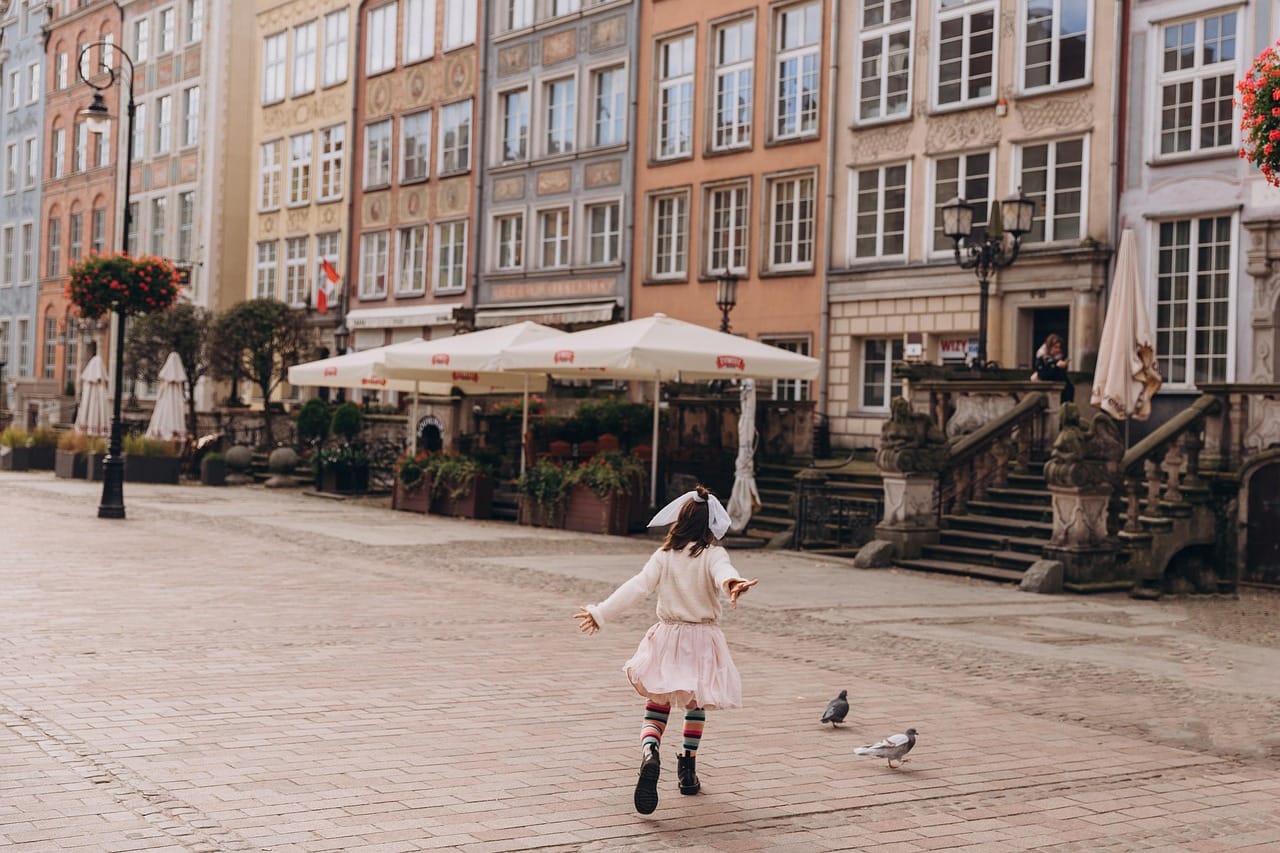
When my family moved to Warsaw in 2019, my main worry wasn’t about work or finding a place to live. I was most concerned about helping my two teenagers adjust and thrive in a new country. Moving abroad with teenagers is very different from relocating with younger kids or as a couple. Teenagers are at a stage where they’re figuring out who they are, keeping up with friends, and planning for their futures. Taking them away from what they know means you need to plan carefully, offer steady support, and really understand what Poland can offer them during these important years.
After five years of raising teenagers in Poland, I've witnessed firsthand how this dynamic Central European nation provides an exceptional environment for expatriate families. From world-class international schools to a vibrant social scene and opportunities for cultural growth, Poland offers teenagers a unique blend of European sophistication and authentic cultural experiences. This article draws on my personal journey and conversations with dozens of expatriate parents to provide a comprehensive guide to raising teenagers in Poland.
The International School Landscape in Poland
Over the past decade, international schools in Poland have grown quickly, especially in Warsaw, Kraków, and Wrocław. These schools are set up for families who move around the world, so your teenagers can keep up with their studies and move easily into university programs anywhere.
Major international schools in Poland typically offer the International Baccalaureate (IB) Diploma Programme, British A-Levels, or American high school diplomas. The American School of Warsaw, British School Warsaw, and International School of Kraków are among the most established institutions. Annual tuition ranges from $22,000 to $38,500, depending on grade level and program. Corporate relocation packages often partially or fully cover these costs.
What impressed me most about these schools was their genuine international character. My daughter's class included students from 28 different nationalities, creating a multicultural environment that prepared her far better for university life than her previous school ever could. The diversity extends beyond superficial multiculturalism. Students genuinely engage with different perspectives, languages, and cultural approaches to problem-solving.
The academic standards are rigorous. International schools in Poland consistently achieve strong IB results, with average scores often exceeding global averages. Teachers typically come from the UK, the US, Canada, and Australia, bringing international teaching experience and high expectations. Class sizes are manageable, usually between 15 and 20 students, allowing for personalized attention that's increasingly rare in many Western school systems.
Beyond academics, these schools offer extensive extracurricular programs. My son participated in Model United Nations conferences across Europe, joined the robotics team that competed internationally, and played on the varsity basketball team. These opportunities weren't peripheral additions. They were integral to the school culture, with dedicated facilities and professional coaching that rivaled what we'd experienced in London.
Many families are surprised by the waiting lists at popular international schools in Warsaw. Some grades can have waiting times of 12 to 18 months. I suggest reaching out to schools as soon as you get a job offer, even before you decide to move. Some schools give priority to families who are already in Poland, so it’s important to stay in touch with admissions offices.
Social Integration and Teenage Social Life
The social adjustment process for teenagers differs significantly from that of adults. While we parents can bond over work projects and shared professional challenges, teenagers need peer connections, social activities, and spaces where they can simply be themselves without the constant awareness of being 'the new kid.'
For most expat teenagers, international schools are where they make friends. Because many students come and go, some schools have 20-30% new students each year, so your teenagers won’t be the only newcomers. This constant change makes the schools open and welcoming, which helped my kids settle in quickly. Within a few weeks, they were already going to birthday parties, weekend get-togethers, and study groups.
Warsaw's social scene for teenagers extends far beyond school boundaries. The city has enthusiastically embraced café culture, with numerous teen-friendly establishments in neighborhoods like Mokotów, Śródmieście, and Żoliborz, where young people gather for coffee, study sessions, and socializing. Unlike many Western cities, where teenagers rely on constant parental transportation, Warsaw's excellent public transportation system grants them independence while maintaining safety.
The city offers exceptional recreational facilities that teenagers actually want to use. Modern climbing gyms like Bemowo Climbing Centre, trampoline parks, escape rooms, and sports complexes offer contemporary entertainment. Shopping centers like Galeria Mokotów and Westfield Arkadia serve as social hubs, though I encourage parents to prioritize cultural attractions over mere consumerism.
What surprised me most was how welcoming Polish teenagers can be toward expatriate peers, particularly those making genuine efforts to learn the language. My daughter joined a local volleyball club where she was initially the only non-Polish member. Within months, she'd formed friendships that enriched her understanding of Polish culture in ways school never could. These cross-cultural friendships required patience and Polish-language skills, but they proved invaluable to authentic cultural integration.
Poland's central European location offers teenagers incredible travel opportunities. Weekend trips to Berlin, Prague, Vienna, or Kraków are affordable and accessible. Many international schools organize educational trips throughout the year, and budget airlines make spontaneous getaways surprisingly feasible. These experiences broadened my children's perspectives in ways that living in a single country never could.
Unlock the secrets of the world's most successful entrepreneurs with the
Global Wealth Navigator Newsletter
Discover the world's best destinations offering a lower cost of living paired with an enriched quality of life with the Global Wealth Navigator Newsletter. Whether you're a retiree or an entrepreneur, we dive into strategies that open doors to international investments, tax optimizations, and discover the finest destinations offering a superior quality of life. Don't let borders or routine define you; lets find your ideal spot in the world, regardless of your income bracket.

Cultural Adaptation and Language Learning
Cultural adaptation for teenagers involves navigating questions about identity that adults typically don't face with the same intensity. Your teenagers are simultaneously developing their sense of self while adjusting to a new cultural context, which can create both challenges and extraordinary growth opportunities.
Polish culture values education, respect for authority, and formal social interactions. Aspects that can initially feel foreign to teenagers from more casual Western backgrounds. Polish teenagers typically address teachers formally, maintain clearer boundaries between peer and authority relationships, and demonstrate more reserved behavior in structured settings. These cultural norms don't stifle individuality; rather, they exist alongside vibrant youth culture, creative expression, and passionate engagement with contemporary issues.
Learning Polish represents perhaps the most significant cultural adaptation challenge and opportunity. While English proficiency among young Poles in major cities is excellent, meaningful cultural integration requires proficiency in Polish. Most international schools offer Polish language classes, though the intensity varies considerably. I strongly recommend supplementing school instruction with private tutoring, particularly during the first year.
Expect to invest $55- $88 per hour for high-quality Polish tutoring. This investment pays dividends in cultural access, local friendships, and your teenagers' ability to navigate Polish spaces independently. My son achieved conversational fluency within 18 months through twice-weekly tutoring sessions and deliberate practice with Polish friends. His language skills opened doors to local sports clubs, Polish cinema, and conversations with our neighbors that would otherwise have been impossible.
Polish history and cultural identity run deep, and teenagers who engage seriously with this heritage gain profound insights into European history, resilience, and cultural pride. Warsaw itself serves as a living history lesson, from the meticulously reconstructed Old Town (a UNESCO World Heritage site rebuilt after near-total destruction in World War II) to the Museum of the Warsaw Uprising and POLIN Museum of the History of Polish Jews. These aren't dusty historical artifacts; they're vibrant spaces where Polish teenagers themselves engage with their heritage.
Encourage your teenagers to participate in Polish cultural events. The annual Chopin Piano Competition, contemporary art exhibitions at Zachęta National Gallery, and concerts at the Philharmonic provide accessible entry points to Polish high culture. Street festivals, local markets, and neighborhood events offer informal cultural immersion that balances the structured school environment.
Mental Health and Emotional Support
Relocating during adolescence can trigger significant emotional challenges, even when the move ultimately proves beneficial. Teenagers may experience grief over lost friendships, anxiety about fitting in, identity confusion as they navigate multiple cultural contexts, and stress from academic adjustments.
Warsaw offers excellent English-speaking mental health support. International schools typically employ counselors familiar with third-culture kid issues, and private practitioners specializing in expatriate families are readily available. Expect to pay $110 to $165 per session for quality psychological support. Many corporate health insurance plans cover mental health services, though it's essential to verify coverage details before relocation.
I cannot overemphasize the importance of maintaining open communication about emotional challenges. My daughter experienced a difficult adjustment period during her first six months, feeling disconnected from friends back home while struggling to form new relationships. Regular family check-ins, validation of her feelings, and professional support helped her navigate this transition successfully.
She later identified this challenging period as crucial to her personal growth and resilience.
Support your teenagers in maintaining connections with friends from your previous location. Regular video calls, social media interaction, and planned visits help preserve important relationships while they build new ones. These enduring friendships provide continuity and reassurance during the adjustment period.
Practical Considerations for Teenage Life in Poland
Beyond schools and social integration, several practical matters significantly impact the quality of life in Poland. Understanding these details helps you support your teenagers effectively from day one.
Transportation independence is crucial for teenagers. Warsaw's public transportation system is safe, efficient, and teenager-friendly. Monthly student passes cost approximately $22 and grant unlimited access to buses, trams, and the metro. Teaching your teenagers to navigate the system confidently provides them independence while easing your logistical burden. The Jakdojade app makes journey planning straightforward, and English signage is increasingly common.
Healthcare access is excellent. Private healthcare providers such as Luxmed, Medicover, and Enel-Med operate English-speaking clinics across Warsaw and other major cities. Typical family plans cost $165-$275 per month and provide comprehensive coverage, including dental and specialist care. Emergency services function efficiently, and pharmacies are ubiquitous. I recommend establishing relationships with primary care providers shortly after arrival rather than waiting for health issues to emerge.
Technology and connectivity fully meet Western standards. High-speed internet is reliable and affordable. Mobile phone plans cost $22-$44 per month and include generous data allowances. Your teenagers will have no difficulty staying connected with friends back home or streaming their favorite content.
Safety is generally excellent in Polish cities. While normal urban precautions apply, Warsaw, Kraków, and other major cities have low rates of violent crime. I feel comfortable with my teenagers navigating the city independently. Something I wouldn't have allowed in certain London neighborhoods. That said, ensuring your teenagers understand basic safety practices and stay aware of their surroundings is important.
Part-time work opportunities exist but aren't as prevalent as in some Western countries. International school students rarely work during term time due to academic demands, but summer internships and volunteer opportunities through school programs provide valuable experience. Some teenagers find informal tutoring opportunities teaching English to younger Polish students, earning approximately $22-$33 per hour.
University Preparation and Future Planning
International schools in Poland excel at university preparation, with dedicated counselors guiding students through the application process to institutions worldwide. Universities in the UK, the US, Canada, the Netherlands, and other European countries actively recruit from Polish international schools, recognizing the quality of the education they provide.
The IB Diploma Programme, offered by most international schools, is widely respected by universities globally. My daughter's IB preparation exceeded that of her British A-Level peers, particularly in developing research skills, critical thinking, and time management. University counselors at these schools understand the nuances of different university systems and can provide tailored guidance whether your teenager aspires to Oxford, MIT, or emerging European programs.
Poland itself offers exceptional university options that many expatriate families overlook. The University of Warsaw, Jagiellonian University in Kraków, and Warsaw School of Economics provide world-class education at a fraction of Western costs. An increasing number of programs are taught entirely in English, including business, international relations, medicine, and engineering. Annual tuition for English-language programs typically ranges from $3,300 to $5,500, an extraordinary value for internationally recognized degrees.
Several of my daughter's classmates chose to remain in Poland for university, attracted by the combination of academic quality, affordable cost of living, and the opportunity to continue building the life they'd established. This option deserves serious consideration, particularly for families open to longer-term European residence.
Seasonal Considerations and Year-Round Activities
Poland experiences distinct seasons that shape teenage life in different ways throughout the year. Understanding these patterns helps you plan activities and support your teenagers through seasonal variations.
Winters in Poland are cold and dark, with temperatures between -5°C and 2°C (23°F to 36°F) and not much daylight. This can be tough for teenagers used to milder weather. But Polish culture makes the most of winter. Ice skating rinks pop up in city squares, ski trips to nearby mountains are affordable, and cozy cafés become popular hangouts. Buying good winter gear—like boots, warm coats, and layers—really helps teenagers stay active all winter.
In spring and summer, Polish cities come alive outdoors. Parks are full, outdoor concerts and festivals are everywhere on weekends, and long daylight hours (with sunset around 9:30 PM in June) mean there’s lots to do. The Vistula boulevards in Warsaw are popular spots for teenagers to meet, bike, and enjoy the river. Summer camps and language programs run in July and August, giving teenagers plenty to do while school is out.
Year-round sports and outdoor activities include climbing gyms, swimming pools, tennis facilities, martial arts studios, and dance schools. Green spaces are abundant even in city centers: Łazienki Park in Warsaw, Planty Park encircling Kraków's Old Town, and numerous smaller parks provide accessible outdoor recreation. My son took up kayaking on the Vistula River during the summer months, an activity that would never have occurred to us before moving to Poland.
Building a Support Network
Your family's support network extends far beyond your immediate household. Cultivating connections with other expatriate families, school communities, and local resources creates the foundation for successful teenage adjustment.
International school parent associations provide immediate access to families navigating similar challenges. These aren't just social committees. They're vital support networks where parents share recommendations, coordinate transportation, arrange playdates, and provide mutual support during difficult moments. I found these connections invaluable during my first year, when practical questions about healthcare providers, activity clubs, and neighborhood safety required local knowledge I simply didn't possess.
Online expatriate communities supplement in-person networks. Facebook groups like 'Expats in Warsaw,' 'British Expats in Poland,' and various nationality-specific groups provide forums for questions, recommendations, and occasional commiseration. While maintaining healthy skepticism about online advice, these platforms are useful for practical matters such as finding English-speaking orthodontists or identifying suitable activities for teenagers.
Consider connecting with Polish families as well. Workplace colleagues, neighbors, and parents of your teenagers' Polish friends can provide insights into local culture, traditions, and opportunities that expatriate networks might overlook. These relationships enrich your family's cultural understanding while demonstrating to your teenagers the value of cross-cultural friendship.
Common Challenges and How to Address Them
Despite Poland's many advantages for expatriate families, challenges inevitably arise. Anticipating common difficulties and developing strategies to address them helps minimize disruption and emotional distress.
Homesickness affects most teenagers during the first six to twelve months. The intensity varies, but expect periods when your teenagers express longing for familiar places, friends, and cultural touchstones. Validate these feelings rather than dismissing them with platitudes about adventure and opportunity. Maintain routines from your previous home where possible, celebrate familiar holidays and traditions, and facilitate regular contact with friends back home. Simultaneously, encourage engagement with Polish life. Balanced integration rather than complete cultural replacement.
Academic transitions can prove challenging, particularly if curriculum differences exist between your previous school system and the chosen international school. Some students struggle with the demands of the IB Programme, while others find new schools less challenging than expected. Regular communication with teachers, early identification of academic gaps, and supplementary tutoring when necessary prevent minor issues from becoming serious problems. Most international schools offer learning support services. Don't hesitate to utilize them.
Cultural misunderstandings occur regularly during the adjustment period. Polish communication styles, social norms, and cultural references may initially confuse teenagers. For example, Polish teenagers often demonstrate more formality with adults and less overt enthusiasm in first meetings; behavior that my children initially misinterpreted as unfriendliness. Cultural briefings before arrival, ongoing discussions about observed differences, and patience as understanding develops all facilitate smoother cultural adjustment.
Identity questions frequently emerge for teenagers living abroad. They may feel neither fully part of their passport culture nor Polish culture, existing in a liminal space that can be unsettling. This 'third-culture kid' experience is increasingly common in our globalized world, and international schools have developed resources to support students as they navigate questions of identity. Embrace this complexity rather than forcing simple cultural categorization. Many teenagers eventually recognize this multicultural identity as a strength rather than a problem.
Expert Support for Your Family's Move to Poland
Relocating with teenagers requires careful planning, cultural sensitivity, and practical knowledge that extends far beyond logistical arrangements. Global Citizen Life offers comprehensive Moving Abroad Programs specifically designed to support families navigating international relocation.
We offer three tailored program options. Our one-time strategy calls provide focused guidance on specific challenges you're facing, from school selection to cultural adaptation strategies. For families seeking comprehensive preparation, our six country-specific Moving Abroad Masterclasses cover everything from visa requirements to building social networks in your destination country. For personalized support throughout your relocation journey, private coaching and consulting services provide ongoing guidance tailored to your family's unique situation and challenges.
These programs draw on extensive expatriate experience and professional expertise, helping families avoid common pitfalls while maximizing the opportunities that international living offers. Whether you're considering Poland or another destination, expert guidance can transform a stressful transition into an enriching family adventure.
The Transformative Power of Raising Teenagers Abroad
Five years into our Polish adventure, I can confidently say that relocating with teenagers was one of the best decisions our family ever made. The experience has profoundly shaped my children. They've developed resilience, cultural awareness, language skills, and a global perspective that will serve them throughout their lives.
Poland specifically offers an exceptional environment for expatriate teenagers. The combination of excellent international schools, an affordable cost of living, safe cities, a vibrant cultural scene, and a central European location creates unique opportunities for growth and exploration. While challenges certainly exist, the support systems available through schools, expatriate communities, and local resources help families navigate difficulties successfully.
My children are now preparing for university, and they reflect on their Polish years with genuine appreciation. They've formed friendships spanning continents, discovered passions through activities they'd never have encountered elsewhere, and developed independence and confidence that come from successfully navigating a new culture. They speak Polish, understand Central European history and politics, and carry experiences that have fundamentally shaped who they are becoming.
If you're considering relocating to Poland with teenagers, approach the decision with realistic expectations, thorough preparation, and openness to the transformative potential of international living. The challenges are real, but so are the rewards. Your family's Polish chapter could become the defining experience of your teenagers' formative years; an adventure that shapes their futures in ways you cannot yet imagine.
Written By Rebecca Holloway
Rebecca is a UK-born HR professional who relocated to Warsaw with her family in 2019. With over 20 years of international corporate experience, she navigates the complexities of expat life while raising two teenagers in Poland's vibrant capital. Rebecca specializes in helping professionals transition smoothly into Polish work culture and urban living. Her practical insights stem from firsthand experience managing corporate relocations, adapting to the Central European lifestyle, and building a fulfilling expat community in one of Europe's most dynamic cities.
Read all our articles about Poland here.
Global Citizen Life
© 2023 Global Citizen Life
All rights reserved