
Quality of Life in Switzerland: Why Zurich Ranks Among the World's Most Livable Cities
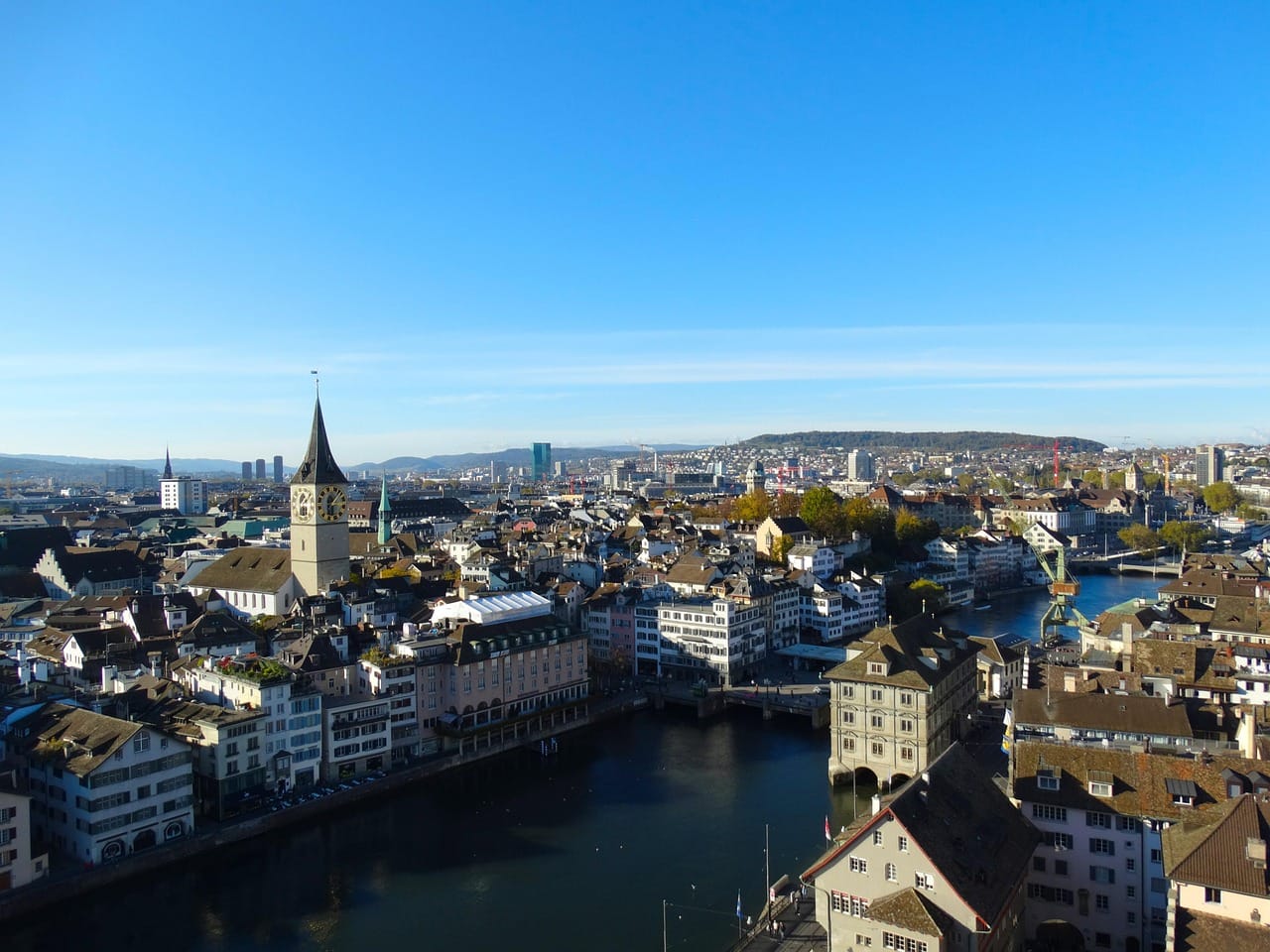
When I first relocated from London to Zurich five years ago, I knew Switzerland had an excellent reputation for quality of life. What I didn't fully appreciate was just how comprehensively this country delivers on that promise. From pristine natural environments and exceptional infrastructure to political stability and world-class healthcare, Switzerland—and Zurich in particular—has consistently earned its place among the globe's most livable cities.
Year after year, Zurich appears at or near the top of global livability rankings. The Mercer Quality of Living Survey, the Economist Intelligence Unit's Global Liveability Index, and Monocle's Quality of Life Survey all rank Zurich among the best cities in the world to call home. But what exactly makes this Alpine nation, and its largest city, so exceptional? Let's explore the factors that contribute to Switzerland's outstanding quality of life.
Safety and Political Stability: The Foundation of Quality Living
Switzerland's legendary neutrality and strong democracy ensure remarkable stability. Crime is exceptionally low compared to other major financial centers. In Zurich, I routinely walk through the city center late at night without concern. Something I was far more cautious about in London.
The political system, with its unique direct democracy model, gives citizens unprecedented control over policy decisions through regular referendums. This participatory governance creates a sense of stability and predictability that's increasingly rare in today's volatile geopolitical landscape. For families relocating from abroad, this translates into a secure environment where children can grow up with remarkable freedom and independence.
The Global Peace Index consistently ranks Switzerland among the world’s most peaceful countries. This is not just statistical comfort, it’s a reality you experience daily. Emergency services are efficient and reliable, corruption is minimal, and the rule of law is strict. These fundamentals support the overall quality of life.
World-Class Healthcare System
Switzerland’s healthcare ranks among the world’s best. Mandatory insurance ensures universal coverage, high care standards, and minimal wait times. Unlike the UK’s NHS, Swiss healthcare delivers rapid access to specialists and advanced treatments.
Health insurance is not cheap. Expect to pay between $420 and $630 per month for an individual, with higher premiums in urban cantons like Zurich. Family coverage can easily cost $1,575 to $2,100 per month. However, the quality of care justifies the expense. Appointments are readily available, facilities are modern and immaculately maintained, and medical professionals are highly trained and proficient in English.
I was especially impressed by Switzerland’s focus on preventive care. Regular screenings, wellness programs, and an emphasis on work-life balance support Switzerland’s high life expectancy of about 84 years. The healthcare philosophy prioritizes quality of life at every age, not just longevity.
Unlock the secrets of the world's most successful entrepreneurs with the
Global Wealth Navigator Newsletter
Discover the world's best destinations offering a lower cost of living paired with an enriched quality of life with the Global Wealth Navigator Newsletter. Whether you're a retiree or an entrepreneur, we dive into strategies that open doors to international investments, tax optimizations, and discover the finest destinations offering a superior quality of life. Don't let borders or routine define you; lets find your ideal spot in the world, regardless of your income bracket.

Exceptional Education Opportunities
For expatriate families, education is often a primary concern when relocating. Switzerland excels on this front with both its public education system and exceptional international schools. The Swiss public system is rigorous and highly regarded, with instruction in the local language, German in Zurich's case, though many schools offer bilingual programs.
International schools in Zurich serve the city's diverse expatriate community. The Zurich International School, Inter-Community School Zurich, and International School of Zug and Luzern (ISZL) offer curricula like the International Baccalaureate, British A-Levels, and American high school diplomas. These institutions provide quality education but come at a premium. Annual tuition ranges from $26,250 to $42,000, depending on grade level and school.
Switzerland's vocational education and training (VET) system is world-renowned, offering students practical pathways into careers that don't require university degrees. This dual education system, combining classroom learning with apprenticeships, produces highly skilled professionals and contributes to Switzerland's remarkably low youth unemployment rate.
Higher education institutions like ETH Zurich (Swiss Federal Institute of Technology) and the University of Zurich consistently rank among Europe's top universities. The combination of academic excellence, multilingual education, and strong industry connections creates exceptional opportunities for students at all levels.
Infrastructure That Actually Works
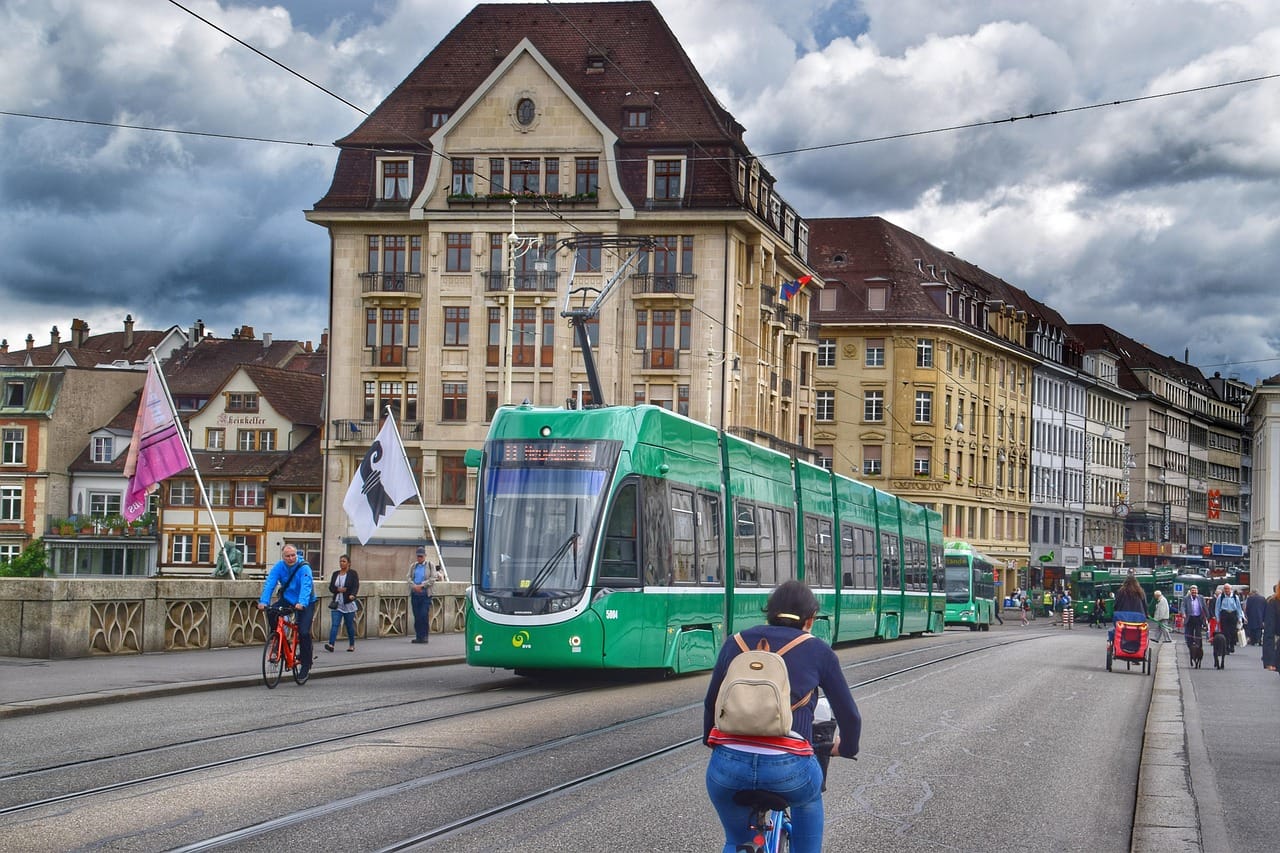
One of Switzerland's most noticeable advantages is its exceptional infrastructure. The public transportation system is a marvel of precision and efficiency, with trains, trams, and buses running with remarkable punctuality, truly living up to the Swiss reputation for timeliness.
Zurich's public transport network is comprehensive and well integrated, with services including trams, buses, trains, and some lake boats. A monthly travel pass for all zones in Zurich costs approximately $89 and grants unlimited use across these modes. The entire country is linked by an efficient rail network, making car ownership optional, a benefit given Zurich's limited parking and frequent traffic congestion in the city center.
Switzerland also excels technologically. High-speed internet and fiber optic connections are ubiquitous in cities, and mobile coverage is strong even in rural or mountainous areas. This nationwide connectivity supports flexible work and day-to-day communication, contributing to a high quality of life.
The city’s physical infrastructure, including roads, bridges, and utilities, is kept in excellent condition through regular maintenance. Public spaces are not only clean but also thoughtfully designed for accessibility. Essential services, such as waste collection and recycling, run efficiently. While each item might seem minor, its combined effect greatly improves daily living.
Unparalleled Access to Nature
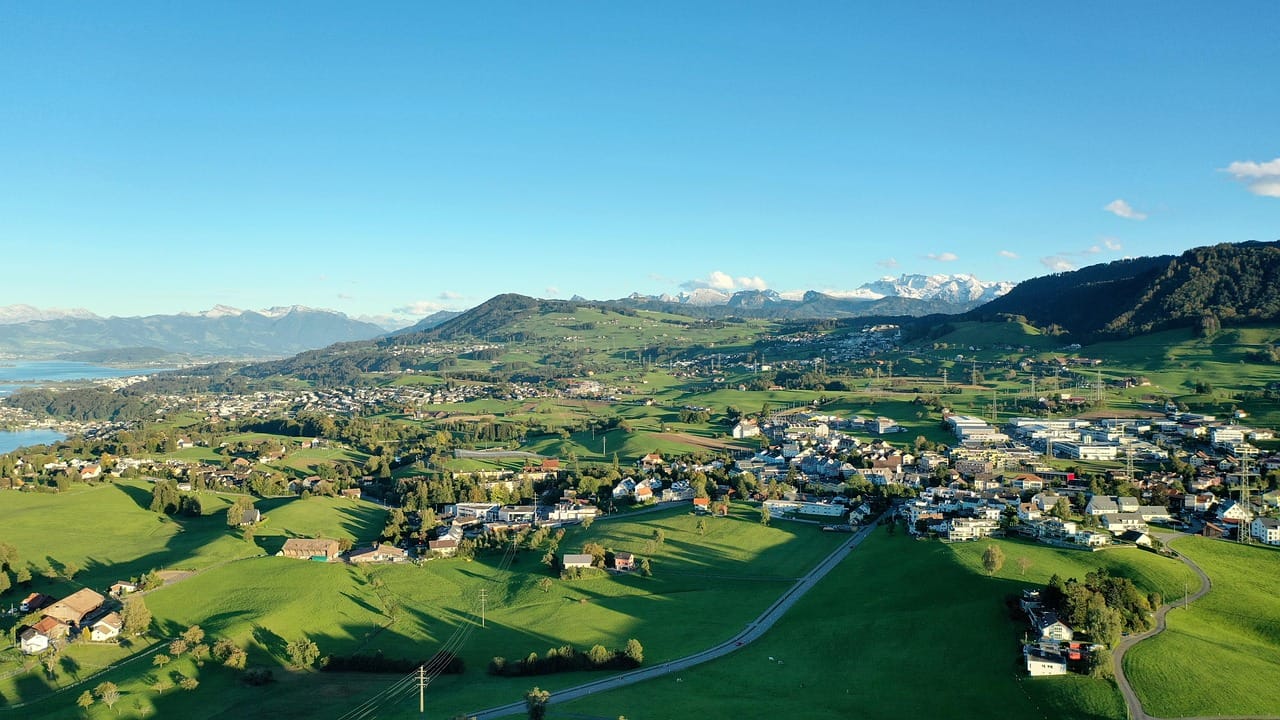
Switzerland's natural environment is perhaps its most iconic asset. Mountains, lakes, and forests are not distant weekend destinations; they're an integral part of daily life. In Zurich, you can swim in the pristine Limmat River during lunch breaks, cycle along the Zürichsee waterfront, or reach hiking trails within 30 minutes of the city center.
The Swiss take environmental stewardship seriously. Air and water quality are exceptional by global standards. Zurich's tap water comes directly from the lake and is of such high quality that many residents prefer it to bottled water. The commitment to sustainability is evident in everything from extensive recycling programs to investment in renewable energy and green spaces.
Weekend adventures are remarkably accessible. World-class skiing is typically less than 90 minutes away. Mountain hiking trails are meticulously maintained and well-marked. Cycling routes connect cities and traverse stunning landscapes. This proximity to nature contributes significantly to both physical and mental wellbeing. Swiss residents genuinely incorporate outdoor activities into their regular routines rather than treating them as occasional escapes.
Work-Life Balance and Employment Quality
Switzerland's approach to work-life balance represents a stark contrast to the intense work culture I experienced in London's financial sector. While Swiss professionals certainly work hard and maintain high standards, there's a cultural respect for personal time that feels refreshingly civilized.
The standard working week is typically 41.5 to 42 hours, with most employees entitled to at least 4 weeks of paid vacation annually (5 weeks for workers under 20 years old). Many employers offer five or even six weeks as standard. Public holidays vary by canton, but typically add 10-12 days of additional leave per year.
Salaries are among the highest globally, particularly in sectors like finance, pharmaceuticals, and technology. The average annual salary in Zurich exceeds $105,000, with senior roles in banking and consulting commanding significantly more. These high incomes offset Switzerland's elevated cost of living, enabling a comfortable lifestyle with discretionary spending on travel, dining, and cultural activities.
Employment protections are robust, though less rigid than in some European countries. The labor market values expertise and performance, creating a meritocratic environment that rewards skilled professionals. Unemployment remains low, typically hovering around 2-3%, and professional development opportunities are abundant.
Rich Cultural Scene and International Community
Zurich offers a surprisingly vibrant cultural scene for a city of just 450,000 people. World-class museums, theaters, concert halls, and galleries provide year-round programming. The Kunsthaus Zurich houses one of Europe's most important art collections. The Zurich Opera
House and Tonhalle Orchestra deliver performances of international caliber. The city's many festivals, from Sechseläuten in spring to the Street Parade in summer, create community connection and celebration.
The dining scene has evolved remarkably in recent years. While traditional Swiss cuisine remains popular, the city now offers excellent international restaurants reflecting its diverse population. Zurich has earned multiple Michelin stars across various establishments, though outstanding meals are also available at more modest price points. A dinner for two at a mid-range restaurant typically costs $105-$157, while fine dining can easily exceed $315.
The international community in Zurich is substantial and well-integrated. Approximately 30% of residents are foreign nationals, creating a cosmopolitan atmosphere with English widely spoken, particularly in professional contexts. Expatriate networks are active and welcoming, making the transition to Swiss life considerably easier for newcomers.
The Price of Excellence: Understanding Swiss Living Costs
Transparency demands acknowledging that Switzerland's exceptional quality of life comes at a high financial cost. Zurich consistently ranks among the world's most expensive cities, and daily expenses reflect this.
Housing represents the largest expense for most residents. A one-bedroom apartment in Zurich's city center costs approximately $2,520-$3,150 monthly, while a three-bedroom family apartment ranges from $4,200 to $5,880. Purchasing property requires substantial capital. Expect to pay upwards of $1.26 million for a modest two-bedroom apartment in desirable areas.
Groceries and dining out are notably expensive. A weekly shop for a family of four easily costs $262- $315. Restaurant meals, transportation, insurance, and utilities all carry premium price tags. A family of four should budget at least $7,350- $8,925 per month for comfortable living, excluding housing costs.
However, these costs must be evaluated against Swiss salaries, which are proportionally higher than those in most other countries. The tax system is also relatively favorable compared to other European nations, particularly for higher earners. Many expatriates find that despite the sticker shock of individual expenses, their overall financial position improves in Switzerland due to the combination of high salaries, moderate taxation, and forced savings through the pension system.
Not Everything is Perfect: Challenges to Consider
Despite its many advantages, Switzerland isn't paradise. Prospective residents should understand the challenges. Integration can be difficult, particularly for those not learning the local language. While English suffices for professional and basic transactions, genuine social integration, especially in German-speaking regions, requires language proficiency.
The Swiss can initially seem reserved or distant compared to more openly friendly cultures. Building genuine friendships often requires time and persistence. The social culture emphasizes privacy and formality, which some expatriates find isolating, particularly in the early months of relocation.
Switzerland's consensus-driven political culture and respect for tradition can mean slower adaptation to change than in more dynamic societies. Banking regulations, immigration policies, and rental markets can feel bureaucratic and inflexible. Opening a bank account, securing an apartment, or navigating healthcare administration requires patience and attention to detail.
The high cost of living creates pressure that not everyone finds worthwhile. Some expatriates, particularly those without children or with different lifestyle priorities, find better value in cities with lower costs and more vibrant nightlife or cultural scenes. Switzerland excels at providing stability, safety, and natural beauty. But those seeking cutting-edge cultural dynamism or diverse entertainment options might find Zurich somewhat conservative.
The Comprehensive Package: Why Zurich Works
What makes Zurich exceptional isn't any single element. It's the comprehensive integration of multiple factors that, individually, might be found elsewhere but, together, create something unique. Safety, healthcare, education, infrastructure, nature, culture, and opportunity combine to produce an environment where quality of life isn't just high but sustainable over the long term.
The Swiss approach emphasizes long-term thinking and systemic excellence over short-term optimization. Infrastructure investments, environmental protections, educational standards, and healthcare provisions are all designed for sustainable quality rather than immediate cost minimization. This creates resilience and reliability that becomes increasingly valuable over time.
For families, Zurich offers something increasingly rare: an environment where children can grow up with both security and opportunity, where education is excellent, where nature is accessible, and where the future feels stable. For professionals, it provides challenging work with fair compensation, career development, and the possibility of genuine work-life balance.
The question isn't whether Zurich ranks among the world's most livable cities; the consistent top rankings from multiple independent assessments confirm that reality. The more relevant question is whether this particular combination of advantages aligns with your priorities and whether the associated costs, both financial and cultural, represent an acceptable trade-off for your circumstances.
Planning Your Move to Switzerland
Relocating to Switzerland requires careful planning and strategic preparation. At Global Citizen Life, we offer comprehensive Moving Abroad Programs designed to help you navigate this transition successfully. Whether you're considering Switzerland or comparing multiple destinations, our programs provide the guidance you need.
Our services include one-time strategy calls for targeted advice on specific questions, six country-specific Moving Abroad Masterclasses covering everything from visa requirements to cultural integration, and private coaching and consulting for personalized relocation planning. Learn more about how we can support your international relocation at https://www.globalcitizenlife.org/programs.
Is Switzerland Right for You?
After five years in Zurich, I can confidently say that Switzerland lives up to its reputation for an exceptional quality of life. The combination of safety, efficiency, natural beauty, and opportunity creates a living environment that's difficult to match elsewhere. The high costs are real, and the cultural adjustment requires effort, but for those who value stability, healthcare excellence, educational quality, and access to nature, Switzerland offers something genuinely special.
Zurich's consistent top rankings in global livability indices reflect measurable realities: low crime, excellent healthcare, outstanding education, efficient infrastructure, and environmental quality. These aren't marketing claims but daily experiences that shape how life feels in practical terms.
Whether Switzerland is "worth it" depends entirely on what you're seeking. If you prioritize systemic excellence, long-term stability, and comprehensive quality across multiple dimensions of life, and if you have the financial resources to access it, Switzerland delivers extraordinarily well. It's not for everyone, but for those it suits, there are few better places to build a life.
Written by Oliver Grant
Oliver Grant is a British finance executive based in Zurich who relocated from London for career advancement and family stability. With over 20 years in international banking, he writes about Swiss finance, regulations, high-quality living, and the realities of raising a family in one of the world's most expensive yet rewarding countries.
Read all our articles about Switzerland here.
Global Citizen Life
© 2023 Global Citizen Life
All rights reserved