
Portugal's Top 10 Expat Destinations

Portugal has emerged as Europe's most sought-after expat destination, attracting over 700,000 foreign residents with its winning combination of affordable living, stunning beaches, rich history, delicious cuisine, and welcoming culture. This Atlantic-facing nation on the Iberian Peninsula offers 300+ days of sunshine annually, a safe and stable environment, excellent healthcare, and a quality of life that rivals—and often surpasses—other Western European countries at a fraction of the cost.
What makes Portugal particularly compelling for expats is the exceptional value proposition within the European Union. You can enjoy Mediterranean climate, world-class wine, fresh seafood, and charming historic cities while spending 30-50% less than in France, Spain, or Italy. Portugal's Golden Visa and D7 Passive Income Visa programs have made residency accessible to retirees and remote workers, while the former Non-Habitual Resident tax regime (now replaced with new incentives) continues to attract digital nomads and professionals. Add political stability, low crime rates, English proficiency among younger generations, and stunning natural beauty from dramatic coastlines to rolling vineyards, and it's clear why Portugal consistently tops "best places to retire" and "best expat destinations" rankings.
This guide explores the top 10 destinations where expats are building new lives in Portugal, from cosmopolitan Lisbon to peaceful Alentejo villages and sun-soaked Algarve beaches. Whether you're seeking urban culture, coastal tranquility, or countryside charm, you'll find your perfect Portuguese home among these diverse locations.
What to Consider When Choosing Where to Live in Portugal
Understanding key factors will guide your decision on where to settle in Portugal. The cost of living varies significantly across the country, with Lisbon and Porto commanding higher prices due to their popularity and tourism, while interior regions and smaller cities offer exceptional value. Monthly living expenses typically range from €1,200 to €2,500, depending on location and lifestyle, which is still considerably less than in most Western European countries. The Algarve falls somewhere in the middle—more expensive than interior Portugal but cheaper than major cities.
Portugal offers several residency pathways for expats. The D7 Passive Income Visa is suitable for retirees and remote workers who must provide proof of a stable monthly income of approximately €820 (equivalent to Portugal's minimum wage). The Golden Visa requires an investment of € 500,000 or more in qualifying investments, offering a pathway to citizenship. The new Digital Nomad Visa, introduced in 2022, enables remote workers to reside in Portugal while working for foreign employers. EU citizens enjoy freedom of movement. The application process can be lengthy, but it is straightforward with proper documentation, and many use legal assistance to navigate bureaucracy.
Climate varies considerably despite Portugal's small size. The Algarve experiences over 300 days of sunshine, characterized by hot, dry summers and mild winters. Lisbon and Porto experience more rainfall, especially from October to March, with Porto being significantly wetter and cooler. Interior regions, such as Alentejo, experience hot summers and cold winters. The Atlantic coast maintains moderate temperatures year-round but can be windy. Understanding these differences is crucial for satisfaction.
Healthcare in Portugal is excellent, with both public SNS (Serviço Nacional de Saúde) and private systems. The public system offers comprehensive coverage to residents at a minimal cost, although wait times exist for non-urgent procedures. Private healthcare is affordable by international standards, with doctor visits costing €50-100 and comprehensive insurance ranging from €50 to € 150 per month. Many doctors speak English, especially in expat-heavy areas.
Language considerations are essential. English is widely spoken in Lisbon, Porto, and the Algarve, especially among younger people and in tourist areas. Learning Portuguese can significantly enhance your experience and is essential for navigating bureaucracy, accessing healthcare, and building meaningful relationships. Portuguese can be challenging to learn, but locals appreciate the effort. Smaller towns and interior regions require a higher level of proficiency in the Portuguese language.
Infrastructure quality is generally good, with modern highways connecting major cities. Internet speeds have improved dramatically with the widespread availability of fiber optic technology, making Portugal a popular destination for digital nomads. Public transportation is excellent in Lisbon and Porto, but it is limited in rural areas, where cars become necessary.
Ready to Make Your Move?
Before diving into our top destinations, consider accelerating your transition to Portugal with expert guidance. Our Moving to Portugal Masterclass is a comprehensive online course covering everything from visa applications and finding housing to opening bank accounts, navigating healthcare, understanding cultural differences, and building your new life. Learn from expats who've successfully made the move and avoid common mistakes that can cost time and money. Whether you're retiring, working remotely, or seeking adventure, this course provides the roadmap you need for a smooth transition to your new home in Portugal.
Lisbon

Lisbon captivates expats with its perfect blend of old-world charm and modern vitality, offering historic neighborhoods, vibrant culture, excellent food scene, and cosmopolitan atmosphere on Portugal's stunning Atlantic coast. This hilly capital delivers big-city energy with Mediterranean warmth at costs still reasonable compared to other major European capitals.
Why Expats Love It: Lisbon offers the complete urban package—world-class museums, cutting-edge restaurants, thriving nightlife in Bairro Alto, trendy LX Factory, beautiful miradouros (viewpoints) that provide panoramic vistas, and historic neighborhoods like Alfama, where Fado music echoes through narrow streets. The startup and tech scene has exploded, attracting young professionals and entrepreneurs. Excellent public transportation, including metro, trams, and buses, makes car ownership unnecessary. The location enables weekend trips to beaches, Sintra's fairytale palaces, and wine regions. The international community and English proficiency make integration effortless.
Cost of Living: High for Portugal but moderate by European standards. One-bedroom apartments in central neighborhoods, such as Chiado or Príncipe Real, cost €1,200-€2,000 per month, while areas further from the center offer prices between €800-€1,200. Dining out ranges from €10 to €15 at traditional taverns to €25 to €40 at upscale restaurants. Groceries are moderate. Public transport is affordable at €40 per month for unlimited travel. Budget: €2,000-€2,800 monthly, excluding rent, for comfortable living.
Lifestyle & Activities: Daily life blends café culture, market shopping, riverside walks along the Tagus, and evening passeios (strolls) through historic neighborhoods. The food scene is exceptional, from fresh seafood to Michelin-starred innovation. Museums like MAAT and Gulbenkian showcase art and culture. The nightlife spans Fado houses to electronic music clubs. Tram 28 remains an iconic transportation through the old quarters. Weekend escapes include Cascais beaches, Sintra mountains, and the medieval town of Óbidos. The startup scene creates entrepreneurial energy.
Expat Community: Tremendous and diverse, including digital nomads, retirees, entrepreneurs, and young professionals from across Europe, North America, and Brazil. Numerous coworking spaces, international schools, and expat groups facilitate integration. English is widely spoken.
Practical Information: Lisbon Airport offers extensive connections to Europe and the world. Excellent fiber-optic internet is available throughout most areas. English is common, especially among younger people and in international businesses. The city's hills can be challenging, but trams and elevadores (funiculars) help navigation.
Best suited for: digital nomads and entrepreneurs, foodies and culture enthusiasts, young professionals seeking the startup scene, those seeking a cosmopolitan lifestyle with Portuguese charm, and expats prioritizing urban energy and an international community.
Porto

Porto delivers an authentic Portuguese character, featuring stunning architecture, world-renowned port wine, riverside charm, and creative energy, making it Portugal's second city. This northern metropolis offers big-city culture at lower costs than Lisbon while maintaining its traditional soul and less tourist saturation.
Why Expats Love It: Porto offers an exceptional quality-to-cost ratio, featuring a beautiful historic center (a UNESCO World Heritage site), a dramatic Douro River setting crossed by iconic bridges, a renowned food scene, and proximity to the Douro Valley wine country. The city maintains a more authentic Portuguese character than Lisbon, with less international influence. The Ribeira riverfront, Livraria Lello bookshop, Serralves Museum, and port wine cellars in Vila Nova de Gaia contribute to the cultural richness. The growing tech scene and universities attract younger demographics. The cooler, rainier climate suits those preferring distinct seasons.
Cost of Living: Moderate and excellent value. One-bedroom apartments in desirable areas, such as Ribeira or Cedofeita, cost between €800 and €1,300 per month, with suburban options ranging from €600 to €900. Dining at traditional restaurants costs €8-€12, upscale spots €20-€30. Groceries are affordable. Budget €1,600-€2,300 monthly, excluding rent, for comfortable living—significantly less than in Lisbon.
Lifestyle & Activities: Life revolves around riverside cafés, traditional markets, and exploring historic neighborhoods with azulejo-tiled buildings. The food scene in Portugal emphasizes Francesinha sandwiches, fresh fish, and traditional Portuguese cuisine. Port wine tastings in Gaia cellars are tourist staples that locals also enjoy. Weekend trips explore Douro Valley vineyards, Costa Nova beach houses, and Aveiro canals. The nightlife centers on student areas and riverside bars. The Atlantic beaches require 20-30 minutes to reach, but they offer dramatic scenery.
Expat Community: Growing rapidly with digital nomads, retirees, and students attracted by lower costs and authentic character. Smaller than Lisbon but increasingly organized with coworking spaces and expat meetups. Less English is spoken here than in Lisbon; knowledge of Portuguese is helpful.
Practical Info: Porto Airport offers good European connections and some international flights. Excellent internet infrastructure. English is moderately common, especially among younger people. Public transportation includes metro, buses, and historic trams. The climate is cooler and wetter than that of southern Portugal, with significant winter rainfall.
Best for: Budget-conscious expats, wine enthusiasts, those seeking an authentic Portuguese experience, digital nomads seeking value, foodies, and individuals who prefer a cooler climate and less tourist influence.
Algarve (Lagos, Tavira, Albufeira)
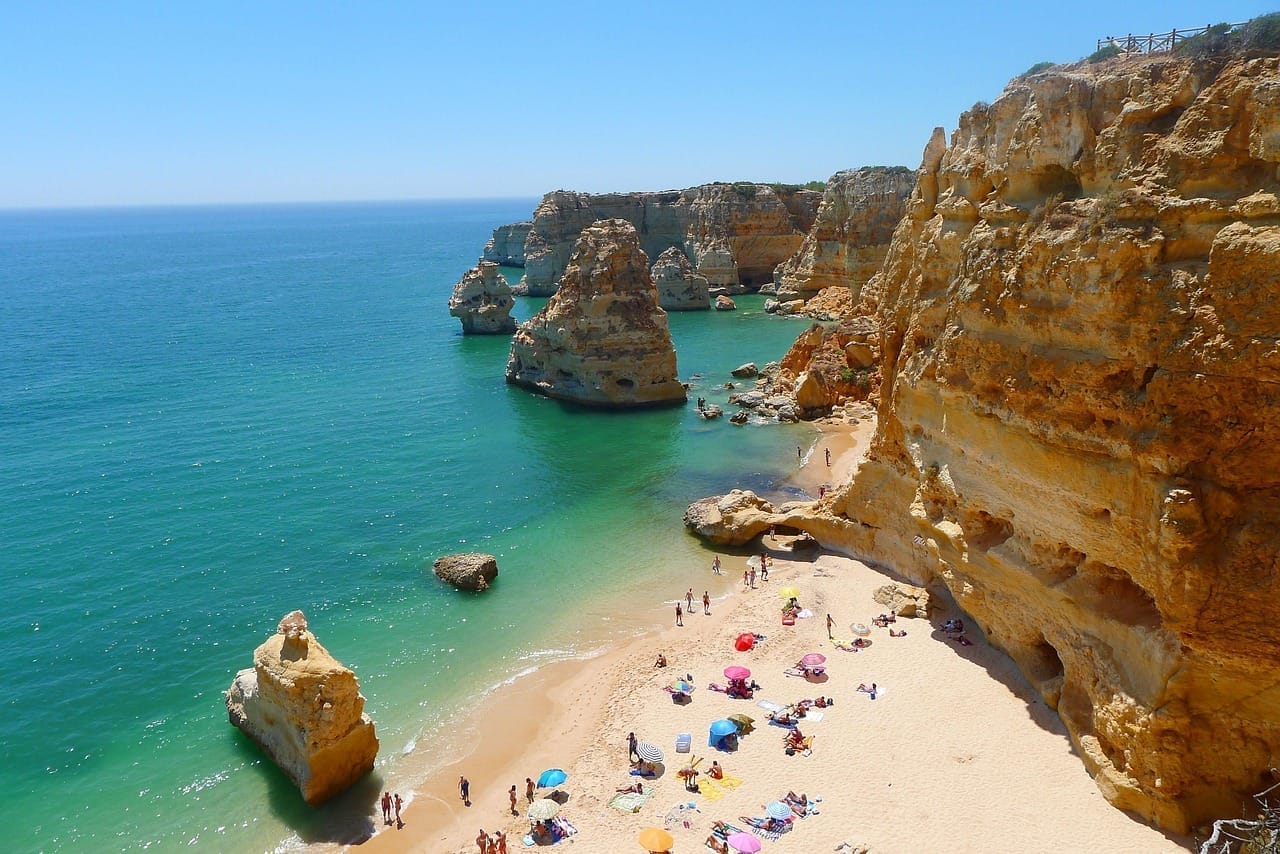
The Algarve region offers Portugal's renowned golden beaches, dramatic cliffs, over 300 days of sunshine, and well-established expat infrastructure along the southern coast. While diverse, three towns exemplify the region's offerings: Lagos for its youthful energy and surfing, Tavira for its authentic charm, and Albufeira for its beaches and vibrant nightlife.
Why Expats Love It: The Algarve provides endless sunshine, stunning coastline with golden cliffs and hidden coves, warm ocean temperatures, excellent golf courses, and the largest concentration of English-speaking services in Portugal. Lagos offers a vibrant surf culture, a historic old town, and proximity to a dramatic western coast. Tavira maintains an authentic Portuguese character with the Roman bridge, salt pans, and nearby island beaches. Albufeira offers a lively beach scene and vibrant nightlife. The entire region caters extensively to foreign residents and retirees. Winter temperatures remain mild, rarely dropping below 15°C (59°F).
Cost of Living: Moderate to high for Portugal. One-bedroom apartments cost €700-€1,200 in Lagos or Tavira, €800-€1,400 in Albufeira, with prices varying by season and proximity to the beach. Dining ranges from €10 to €15 at Portuguese restaurants to €20 to €35 at tourist spots. Groceries are moderate. Budget €1,800-€2,500 monthly, excluding rent. Coastal areas command a premium, while the inland Algarve offers better value for money.
Lifestyle & Activities: Beach life is dominated by activities such as swimming, surfing, stand-up paddleboarding, and boat tours. Golf attracts enthusiasts with dozens of world-class courses. Coastal walks along dramatic cliffs offer stunning views. The food scene emphasizes fresh seafood and cataplana stews. Historic towns offer a rich culture, while beach bars and clubs provide vibrant nightlife. Day trips explore inland villages, markets, and the western region of Sagres. The lifestyle is decidedly resort-oriented in summer, quieter in winter.
Expat Community: Extremely large, predominantly British and German retirees, with growing numbers of remote workers. English is very widely spoken—more so than anywhere else in Portugal. Extensive expat services, international schools, and social clubs exist. Some areas feel quite British.
Practical Info: Faro Airport offers extensive European connections and some international flights. Excellent internet throughout most areas. English is extremely common. Cars are recommended for exploring, though towns have adequate local services. Summer brings crowds and higher prices; winter is peaceful, but some businesses close for the season.
Best suited for: sun seekers and beach lovers, golf enthusiasts, British expats seeking an English-speaking community, retirees seeking warmth and established infrastructure, and those prioritizing weather over cultural immersion.
Cascais

Cascais offers sophisticated coastal living just 30 minutes from Lisbon, combining beautiful beaches, elegant architecture, a marina lifestyle, and an upscale atmosphere in a historic fishing village transformed into a resort town. This cosmopolitan destination attracts affluent expatriates seeking proximity to the beach with access to urban amenities.
Why Expats Love It: Cascais offers the best of both worlds—stunning Atlantic beaches, Lisbon's culture, and an airport that's easily accessible. The town maintains an elegant character, featuring Belle Époque architecture, cobbled streets, and a rich history of royal palaces. The marina hosts superyachts and waterfront dining. Excellent international schools attract families. The clifftop Boca do Inferno and nearby Guincho Beach offer dramatic Atlantic scenery. The bike path to Lisbon enables coastal cycling. The town feels safe, clean, and well-maintained with a strong expat community.
Cost of Living: High—among Portugal's most expensive locations. One-bedroom apartments cost €1,200-€1,800, with luxury options significantly more. Dining ranges from €15 to €20 at casual spots to €35 to €50 at upscale restaurants. Groceries are expensive. Budget: €2,500-€3,500 monthly, excluding rent, for comfortable living. The premium reflects the location and lifestyle.
Lifestyle & Activities: Beach days, water sports including surfing at Guincho, marina walks, and cycling the coastal path fill leisure time. The town center offers shopping, cafés, and restaurants. Cultural events, concerts, and festivals occur regularly. Golf courses dot the Cascais-Estoril coast. Day trips easily reach Sintra's palaces, Cabo da Roca (Europe's westernmost point), and Lisbon's attractions. The social scene is sophisticated with yacht clubs and upscale venues. The lifestyle emphasizes quality and refinement.
Expat Community: Large and affluent, attracting successful professionals, retirees with means, and families prioritizing education and safety. Numerous international schools, including St. Julian's School and the United Lisbon International School, are located in the area. English is widely spoken.
Practical Info: Train connections to Lisbon run frequently (30-40 minutes). Lisbon Airport is 30 minutes by car. Excellent internet infrastructure. English is very common. The area is Portugal's wealthiest, reflected in prices and atmosphere.
Best For: Affluent expats and families, those wanting a beach lifestyle near a significant city, golf enthusiasts, families prioritizing international schools, and people seeking sophisticated coastal living.
Coimbra

Coimbra, home to one of Europe's oldest universities, offers authentic Portuguese living with youthful energy, historic beauty, and affordable costs in central Portugal. This cultured city attracts expats seeking an intellectual atmosphere, a traditional character, and a central location without tourist crowds.
Why Expats Love It: Coimbra combines rich history with student vitality, creating a dynamic yet affordable environment. The university, founded in 1290, offers a stunning Baroque library and traditions, such as black-caped students singing fado. The medieval old town perches on a hill overlooking the Mondego River. Living costs are significantly lower than in Lisbon or Porto while maintaining excellent infrastructure, healthcare, and services. The central location enables easy exploration of Portugal. The authentic atmosphere provides genuine Portuguese immersion with a growing but manageable expat presence.
Cost of Living: Affordable. One-bedroom apartments cost between €500 and €800 in the center and between €400 and €600 outside the center. Dining at traditional restaurants costs €7-€10, upscale spots €15-€20. Groceries are inexpensive. Budget €1,300-€1,800 monthly, excluding rent, for comfortable living—among Portugal's best value for a significant city.
Lifestyle & Activities: The university significantly influences the city's character with its student cafés, bookshops, and cultural events. The historic center offers beautiful architecture, narrow streets, and traditional shops. Fado ao Centro presents intimate fado performances. Parks along the river offer opportunities for walking and cycling. Museums showcase art and history. Day trips take you to Aveiro's canals, Buçaco Forest, beach towns, and the Serra da Estrela mountains. The nightlife is student-focused but diverse. The pace strikes a balance between energy and traditional rhythms.
Expat Community: Small but growing, primarily attracted by affordability, culture, and central location. The university brings international students and researchers. Less established expat infrastructure means more Portuguese immersion. English is less common in major cities; knowledge of Portuguese is helpful.
Practical Information: There is no international airport; Lisbon and Porto are 90 minutes and 60 minutes away, respectively. Good train and bus connections. Adequate internet infrastructure. English is moderately spoken, especially among students and younger people. The hilly terrain requires good walking fitness.
Best for: Budget-conscious expats, culture and history enthusiasts, those seeking an authentic Portuguese experience, academics and students, and individuals looking for a central location to explore Portugal.
Madeira (Funchal)
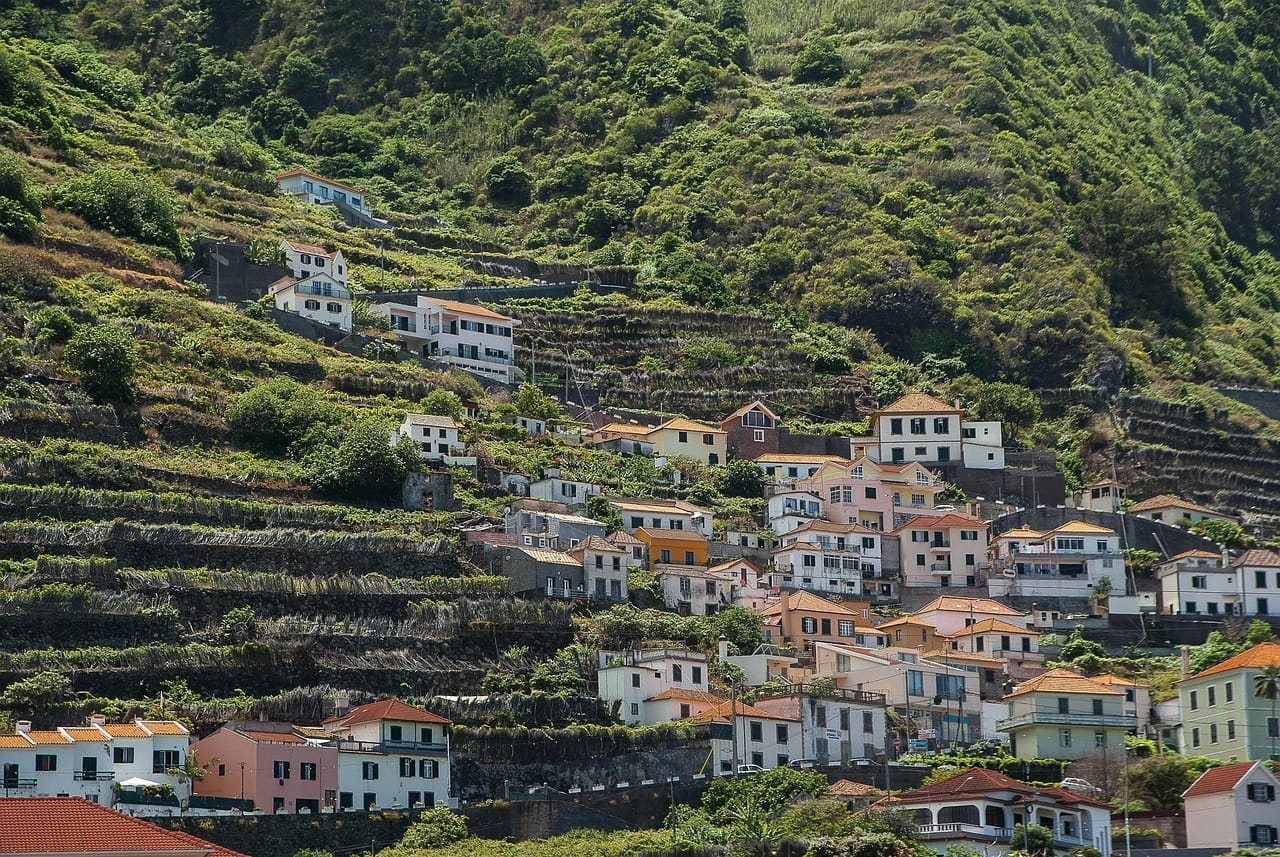
Madeira, Portugal's stunning Atlantic archipelago, offers a year-round spring climate, dramatic mountain and ocean scenery, a safe environment, and a unique island lifestyle. Funchal, the capital, offers urban amenities alongside natural beauty, creating an exceptional quality of life.
Why Expats Love It: Madeira delivers a perfect climate with temperatures rarely below 16°C (61°F) or above 26°C (79°F), earning "Island of Eternal Spring" status. The volcanic island features spectacular levada walking trails, lush forests, dramatic cliffs plunging to the ocean, and botanical gardens. Funchal offers sophisticated dining, cultural attractions, a marina, and cable cars that transport visitors to mountain villages. The autonomous region provides tax incentives to businesses and select residents. Safety is exceptional with virtually no violent crime. The Portuguese lifestyle combines with island tranquility. Fresh seafood, Madeira wine, and espetada (beef skewers) are defining features of the cuisine.
Cost of Living: Moderate. One-bedroom apartments in Funchal cost between €700 and €1,100, with options outside the center ranging from €600 to €900 per month. Dining ranges from €10 to €15 at traditional restaurants to €20 to €30 at upscale establishments. Groceries are slightly more expensive than on the mainland due to the island's location, but they are still reasonable. Budget €1,700-€2,400 monthly, excluding rent.
Lifestyle & Activities: Hiking the levadas (irrigation channels) through mountains and forests is a quintessential Madeira activity. Swimming in natural pools, whale watching, dolphin tours, and coastal walks provide ocean experiences. The New Year's Eve fireworks display is world-famous. Cultural events, markets, and festivals celebrate Madeira traditions. Botanical gardens showcase exotic plants that thrive in their respective climates. Day trips explore mountain villages, viewpoints, and the island's diverse microclimates. The pace is relaxed and safe.
Expat Community: Growing significantly, particularly among digital nomads and retirees attracted by climate, safety, and tax incentives. A mix of European nationalities. English is increasingly common in Funchal. Coworking spaces have opened, supporting remote workers.
Practical Info: Funchal Airport offers flights to mainland Portugal and European cities. Good internet infrastructure, including fiber-optic connections, in urban areas, supports remote work. English is moderately common and improving. Island living means limited mainland access—flights required. Some find the island too small over time.
Best For: Digital nomads seeking a perfect year-round climate, retirees prioritizing safety and weather, nature lovers and hikers, those seeking tax advantages, and people wanting an island lifestyle with European standards.
Braga

Braga, one of Portugal's oldest cities, combines Roman heritage, religious significance, Baroque architecture, and youthful energy from a large student population in northern Portugal. This affordable city attracts expats seeking authentic culture, history, and quality of life away from tourist paths.
Why Expats Love It: Braga offers exceptional value, boasting a stunning historic center that features elaborate churches, traditional squares, and Baroque architecture. The surrounding area features the Bom Jesus do Monte sanctuary, with its monumental stairway, and the ancient Citânia de Briteiros Celtic settlement. Living costs are among the lowest in Portugal, while infrastructure and services are modern. The university brings vitality and cultural events. The location, near Porto (40 minutes away) and the Spanish border, enables easy exploration. The authentic Portuguese atmosphere provides genuine immersion with minimal tourist influence.
Cost of Living: Very affordable. One-bedroom apartments cost €450-€700 in the center, with prices even lower outside. Dining at restaurants costs €7-€10, with student-friendly options being more affordable. Groceries are inexpensive. Budget €1,200-€1,700 monthly, excluding rent, for comfortable living—exceptional value.
Lifestyle & Activities: The historic center features pedestrian-friendly streets, charming cafés, and traditional shops. Religious processions and festivals showcase Braga's spiritual heritage. The nightlife scene caters to students, offering a variety of bars and clubs. Day trips include Peneda-Gerês National Park for hiking, Porto for its culture, and Viana do Castelo for its beaches. Markets sell local produce and crafts. The pace is slower than in big cities, with an emphasis on tradition and community. The cultural scene includes museums, theater, and concerts.
Expat Community: Small and nascent, primarily attracted by affordability and authenticity. The university brings international students. Very limited English; knowledge of Portuguese is essential for integration. A limited established expat infrastructure means self-sufficiency is required.
Practical Info: Porto Airport is 45 minutes away. Good bus and train connections. Adequate internet infrastructure. English is limited outside the university context; Portuguese is necessary. The climate is similar to Porto's, cooler and wetter than that of southern Portugal. Rain is common from October to March.
Best For: Budget-conscious expats, history and architecture enthusiasts, those seeking authentic Portuguese immersion, academics, and adventurous expats willing to embrace a limited English environment.
Évora (Alentejo)
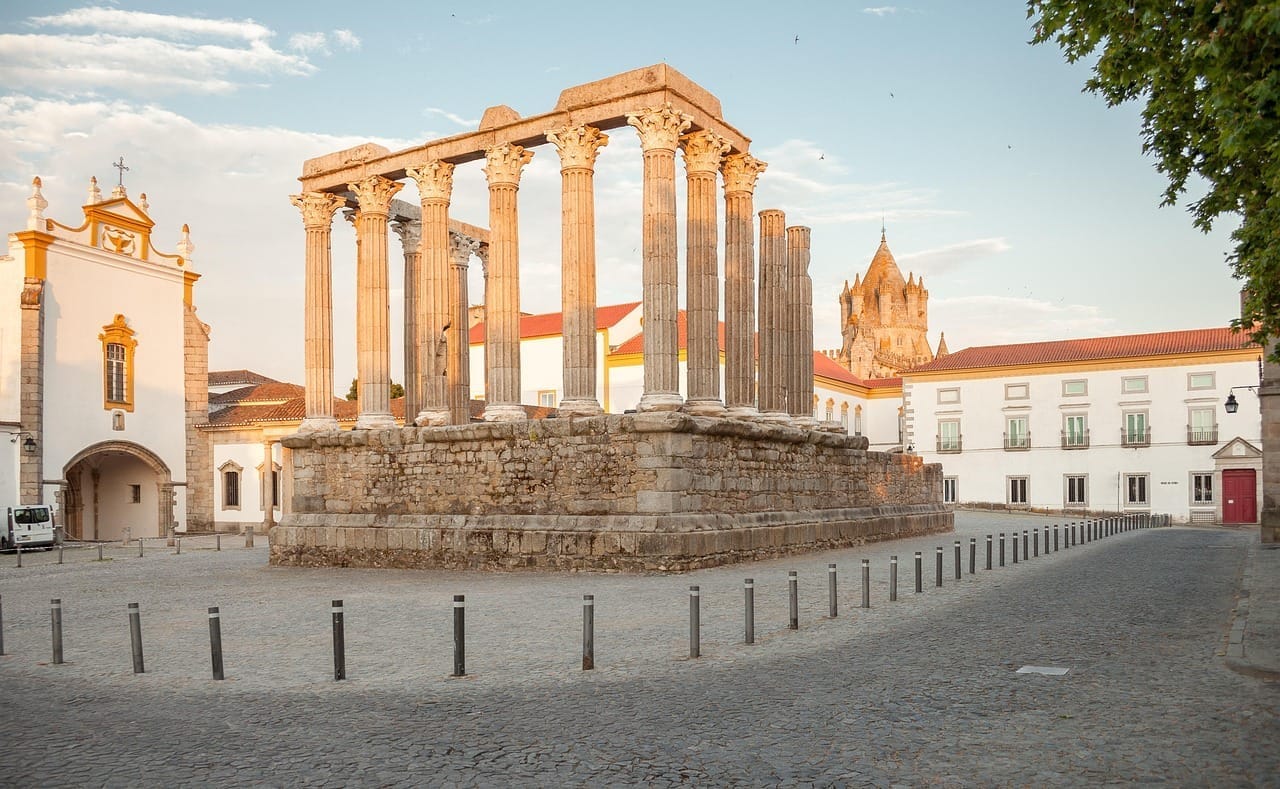
Évora, a UNESCO World Heritage city located in Portugal's Alentejo region, offers a unique blend of medieval charm, Roman ruins, cork forests, wine estates, and peaceful countryside living. This historic gem attracts expats seeking an authentic rural experience in Portugal, with its rich cultural heritage.
Why Expats Love It: Évora offers a genuine Portuguese countryside experience, featuring a stunning walled medieval city with a Roman temple, a Gothic cathedral, and a university housed in historic buildings. The surrounding Alentejo region boasts rolling golden plains, cork oak forests, vineyards that produce excellent wines, and whitewashed villages. Living costs are very low while the quality of life is high. The area maintains a traditional agricultural character, with an emphasis on local products, including wine, olive oil, cheese, and pork. The slower pace and authentic atmosphere appeal to those seeking escape from modern tourism. The climate is hot and dry in the summer, and cold in the winter.
Cost of Living: Very affordable. Apartments in Évora cost between €400 and €650 per month. Dining at traditional restaurants costs between €8 and €12 per person. Groceries are generally inexpensive, especially when it comes to local products. Budget: €1,200-€1,600 monthly, excluding rent, for comfortable living. Rural properties and farmhouses offer incredible value for purchase.
Lifestyle & Activities: Life revolves around the historic center's squares, markets, and traditional shops. Wine tasting at local quintas (estates), exploring megalithic sites, visiting cork factories, and discovering whitewashed villages fill weekends. The food emphasizes hearty Alentejo cuisine, featuring açorda (a bread soup), black pork, and robust cheeses. Cultural events, concerts in historic venues, and traditional festivals celebrate local heritage. The pace is decidedly slow and rural. The area requires car ownership for practical living.
Expat Community: Very small, attracting individuals seeking an authentic rural Portuguese experience. Growing interest from remote workers and those purchasing renovation properties. Almost no English spoken; Portuguese essential. Little expat infrastructure requires self-sufficiency and integration.
Practical Info: Lisbon is 90 minutes by car or bus. No airport; regional access is limited. Internet infrastructure is adequate in Évora, variable in rural areas—research is essential before committing. Almost no English; Portuguese is necessary for daily life. The location is genuinely rural with traditional character and corresponding limitations.
Best suited for: Those seeking an authentic rural Portuguese experience, wine and food enthusiasts, history lovers, remote workers with flexible connectivity, property investors, and adventurous expats who appreciate countryside living and cultural immersion.
Nazaré

Nazaré, famous for its record-breaking big wave surfing, offers a traditional fishing village character, stunning beaches, and authentic Portuguese coastal living, located north of Lisbon. This unique town attracts expats seeking a beach lifestyle without resort atmosphere.
Why Expats Love It: Nazaré maintains a genuine Portuguese fishing culture with women wearing traditional seven-petticoat skirts, fresh fish markets, and colorful boats on the beach. The dramatic Sítio clifftop district offers stunning ocean views, accessible by a funicular. Winter brings enormous waves, some reaching 100 feet or more, which attract big wave surfers worldwide and create spectacular viewing opportunities. Summer offers family-friendly beaches, calm waters, and a traditional seaside atmosphere. The town remains authentically Portuguese, with manageable tourism and lower prices than those in the Algarve. The proximity to Lisbon (approximately 90 minutes) allows for easy access to the city while maintaining coastal tranquility.
Cost of Living: Affordable. One-bedroom apartments cost between €500 and €800, depending on the view and location. Dining at traditional restaurants costs €8-€12, and seafood specialties are reasonably priced. Groceries are moderate. Budget €1,400-€2,000 per month, excluding rent, for comfortable living.
Lifestyle & Activities: Beach days, watching fishing boats, and exploring the clifftop Sítio dominate daily life. The autumn/winter big wave season attracts international attention, with viewing from the lighthouse offering a thrilling spectacle. Swimming and bodyboarding in summer provide recreation. The fish market offers an incredible variety and freshness. Traditional festivals celebrate fishing heritage. Day trips take you to medieval Óbidos, Alcobaça, and Batalha monasteries (UNESCO sites), as well as other Silver Coast towns. The nightlife is low-key and local. The lifestyle emphasizes tradition and a connection to the ocean.
Expat Community: Small and growing slowly, attracting those seeking authentic coastal Portugal. A mix of retirees and some remote workers. Limited English; Portuguese helpful for integration. Minimal expat infrastructure requires self-sufficiency.
Practical Info: Lisbon Airport is 90 minutes by car or bus. Limited English outside the tourism season. Adequate internet is available in town, but research specific properties. The area is less developed than the Algarve, with corresponding character and limitations. Summer brings crowds; winter is quiet and dramatic.
Best For: Beach lovers seeking authenticity over resorts, big wave surfing enthusiasts and spectators, those wanting traditional Portuguese coastal culture, budget-conscious expats, and people seeking escape from tourist-heavy destinations.
Azores (São Miguel)

The Azores, Portugal's remote Atlantic archipelago, offers dramatic volcanic landscapes, hot springs, crater lakes, whale-watching opportunities, and an adventurous island lifestyle. São Miguel, the largest island, offers a unique blend of infrastructure and natural wonders, creating an exceptional expat experience.
Why Expats Love It: The Azores offer stunning natural beauty, featuring volcanic calderas with turquoise lakes, geothermal hot springs, dramatic coastlines, lush green pastures, and endemic species. The islands offer a range of outdoor adventures, including hiking, whale watching, diving, canyoning, and exploring volcanic caves. The climate is mild year-round, although it is often rainy and windy. The autonomous region provides tax incentives for businesses. The Portuguese lifestyle, combined with island character, creates tight-knit communities. Ponta Delgada, the capital of São Miguel, offers a range of necessary amenities and services. The remote location attracts those seeking escape and immersion in nature.
Cost of Living: Moderate. One-bedroom apartments in Ponta Delgada cost between €600 and €950. Dining ranges from €9 to €14 at local spots to €18 to €25 at upscale establishments. Groceries are slightly expensive due to the island's location. Budget €1,500-€2,100 monthly, excluding rent.
Lifestyle & Activities: Outdoor activities dominate, including hiking to crater lakes, soaking in thermal pools, whale and dolphin watching, exploring tea and pineapple plantations, and taking coastal walks. The islands offer canyoning, diving, and surfing. The food scene emphasizes local specialties, such as cozido, cooked underground using volcanic heat. Cultural events and festivals in the Azores celebrate the rich traditions of the region. The pace is slow and nature-focused. Inter-island travel enables exploring the archipelago's diversity. The remote location creates adventure and isolation simultaneously.
Expat Community: Small and adventurous, attracting nature lovers and those seeking remote island life. Growing interest from digital nomads and remote workers seeking unique locations. Limited English; Portuguese helpful. Minimal expat infrastructure requires self-reliance.
Practical Info: João Paulo II Airport on São Miguel offers flights to mainland Portugal, other islands, and limited international destinations. Internet infrastructure has improved, supporting remote work in towns, though it varies in rural areas. English is limited; Portuguese is useful. Island living means the mainland requires flights. The weather is unpredictable and often rainy. Not for everyone, it requires embracing isolation and island limitations.
Best suited for: Nature enthusiasts and adventure seekers, digital nomads seeking a remote and unique location, whale watchers and outdoor enthusiasts, those seeking tax advantages, and individuals looking for a genuine island lifestyle with European standards.
Quick Comparison Table
City/Region
Cost of Living
Best For
Climate
Lisbon
High
Urban lifestyle, culture, startups
Mild, some winter rain
Porto
Moderate
Authentic culture, wine lovers, budget
Cool, rainy winters
Algarve
Moderate-High
Sun seekers, retirees, golfers
Hot summers, mild winters
Cascais
Very High
Affluent families, beach lifestyle
Mild year-round
Coimbra
Low
Budget-conscious, culture lovers
Mild, some winter rain
Madeira
Moderate
Digital nomads
Year-round spring
Braga
Very Low
Budget travelers, history buffs
Cool, rainy winters
Évora
Very Low
Rural life, wine enthusiasts
Hot summers, cold winters
Nazaré
Low-Moderate
Beach lovers, traditional culture
Mild, Atlantic winds
Azores
Moderate
Nature lovers, adventure seekers
Mild, rainy, unpredictable
Frequently Asked Questions
What is the cheapest expat destination in Portugal?
Braga and Évora offer Portugal's lowest living costs, with comfortable monthly budgets possible from €1,200 to €1,700, excluding rent. Braga provides northern city living with historic beauty, student energy, and proximity to Porto at an exceptional value. Évora offers an authentic Alentejo countryside experience, complete with medieval charm and access to the local wine country. Both require Portuguese language skills and cultural adaptation, but reward with genuine experiences and significant savings. Coimbra also offers excellent value with slightly more English availability. Interior regions generally cost less than coastal areas while maintaining quality infrastructure.
Where do most expats live in Portugal?
Lisbon and the surrounding areas, including Cascais, host the largest expat population due to cosmopolitan lifestyle, job opportunities, international schools, and airport access. The Algarve region, particularly Lagos, Tavira, and the surrounding areas, has the second-largest concentration, dominated by British and German retirees who are attracted by the sunshine and the established English-speaking infrastructure. Porto attracts growing numbers seeking an authentic Portuguese experience at lower costs. Madeira has experienced significant growth among digital nomads and retirees in recent years. These areas offer established expat communities, English-speaking services, and easier integration for those with limited Portuguese.
What is the best city in Portugal for English speakers?
The Algarve region, particularly Lagos and its surrounding coastal towns, offers the most English-friendly environment, with a large British expat population and extensive English-speaking services. You can live comfortably with a minimal understanding of Portuguese, although learning the language is encouraged. Lisbon and Cascais also have strong English availability, especially in international business contexts and among younger people. Learning Portuguese significantly enhances your experience throughout Portugal and is essential for navigating bureaucracy, accessing healthcare beyond tourist areas, and building meaningful local relationships. Even in English-heavy areas, Portuguese opens doors to authentic experiences and a deeper cultural connection.
Can I work remotely from Portugal?
Yes, Portugal actively welcomes digital nomads and remote workers. The Digital Nomad Visa (D8), launched in 2022, enables non-EU remote workers to reside in Portugal while working for foreign employers, provided they can demonstrate a monthly income of approximately €3,280 (equivalent to four times Portugal's minimum wage) from remote work or freelancing. EU citizens can work remotely freely. Portugal offers excellent internet infrastructure, with fiber optic connections widely available in cities and most towns, making it one of Europe's top destinations for remote workers. Lisbon, Porto, Madeira, and increasingly the Algarve host numerous coworking spaces and digital nomad communities. Tax incentives for particular new residents add financial appeal.
Which city in Portugal has the best weather?
The Algarve enjoys Portugal's sunniest weather, with over 300 days of sunshine, hot, dry summers (25-35°C/77-95°F), and mild winters (15-20°C/59-68°F), accompanied by minimal rainfall. Madeira offers arguably the best year-round climate, with "eternal spring" temperatures (16-26°C/61-79°F) throughout the year and a beautiful consistency, although occasional rain showers may occur. Lisbon enjoys a balanced Mediterranean climate, characterized by warm summers and mild winters, although it experiences more rainfall from October to March. Porto and northern Portugal are generally cooler and significantly wetter, especially from November to February. The interior of Alentejo experiences hot summers and genuinely cold winters. Consider your temperature and rainfall preferences carefully, as Portugal's climate varies considerably despite its small size.
Is Portugal safe for expats?
Portugal is considered one of the safest countries in Europe, due to its low violent crime rates. Most expat destinations are highly secure, with crime primarily involving pickpocketing and petty theft in tourist areas rather than violent incidents. Lisbon and Porto have higher rates of property crime compared to smaller cities, but they remain relatively safe by international standards. Political stability is strong, with an established democracy and a welcoming attitude toward foreigners. Healthcare is excellent and accessible. Natural hazards are minimal, though earthquakes occasionally occur (Portugal sits on fault lines). Most expats report feeling safer than in their home countries. Standard urban awareness—securing homes, not displaying wealth, avoiding sketchy areas late at night—ensures security. The combination of low crime rates, political stability, and high-quality infrastructure makes Portugal an exceptionally safe destination for expats.
The Portuguese Lifestyle

Portugal offers exceptional expat destinations for every lifestyle, from Lisbon's cosmopolitan energy to Algarve's golden beaches, Porto's authentic character to Madeira's perfect climate, and Alentejo's peaceful countryside to the Azores' volcanic drama. Whether you're drawn to urban culture, coastal living, historic towns, or remote islands, you'll find a place where European quality meets Mediterranean warmth at costs significantly lower than most Western European countries.
The key to success is matching your priorities with the correct location. Sun seekers find paradise in the Algarve or Madeira. Culture enthusiasts thrive in Lisbon, Porto, or Coimbra. Budget-conscious expats discover incredible value in Braga or Évora. Digital nomads appreciate Lisbon's startup scene or Madeira's tax incentives. Each destination delivers the fundamental Portuguese qualities that attract expats worldwide: safety, excellent healthcare, delicious food and wine, welcoming people, and that special quality of life that makes every day feel like a vacation.
Ready to make your move to Portugal? Our Moving to Portugal Masterclass is a comprehensive online course covering everything from visa applications and finding housing to opening bank accounts, navigating healthcare, understanding cultural differences, and building your new life. Learn from expats who've successfully made the move and avoid common mistakes that can cost time and money. Whether you're retiring, working remotely, or seeking adventure, this course provides the roadmap you need for a smooth transition to your new home in Portugal. Your Portuguese adventure awaits—bem-vindo a Portugal!
Global Citizen Life
© 2023 Global Citizen Life
All rights reserved