
Panama's Dry Season vs. Green Season: What Expats Need to Know
When I first moved to Boquete five years ago, I thought I understood the concept of tropical seasons. After all, I'd done my research, read the guidebooks, and knew that Panama had a 'dry season' and a 'rainy season.' What I didn't understand was how profoundly these seasons would shape my daily life, my household decisions, and even my choice of activities. The reality is far more nuanced than 'sunny' versus 'wet,' and understanding these seasonal patterns is crucial for anyone planning to make Panama their home.
Today, I'm sharing what I've learned through lived experience about Panama's dry and green seasons. From practical considerations, like when to schedule home maintenance, to less obvious aspects, like how the seasons affect community life and even your mood.
Understanding Panama's Two Seasons
Panama operates on a two-season calendar that differs significantly from the four-season cycle most North Americans are familiar with. Instead of spring, summer, fall, and winter, you have the dry season (verano) and the green season (invierno), though calling it winter is misleading since temperatures remain fairly constant year-round.
The dry season typically runs from mid-December through April, while the green season spans from May through November. However, these dates aren't absolute. Climate patterns can shift the transitions by weeks, and microclimates throughout the country experience these seasons differently. Here in Boquete, our elevation gives us a notably different experience than someone living at sea level in Panama City or on the Caribbean coast.
The Dry Season: What to Expect
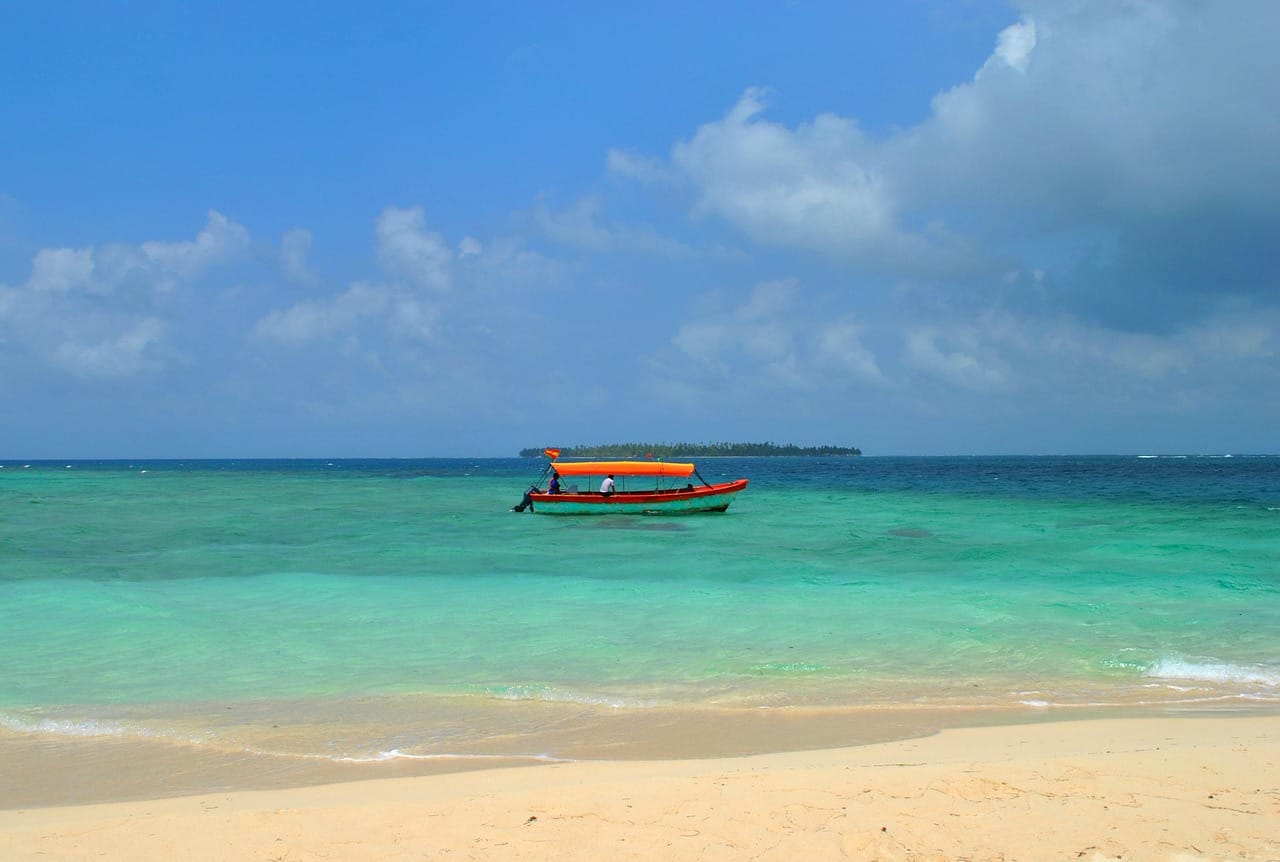
The dry season is what draws many tourists and new expats to Panama. This is when you'll experience the postcard-perfect weather: brilliant blue skies, warm sunshine, and minimal rainfall. In lowland areas like Panama City and the Pacific beaches, daytime temperatures hover around 32°C (90°F), with humidity levels that can still be substantial but feel more manageable without daily rain.
Up here in Boquete, our dry season is genuinely delightful. Daytime temperatures settle around 24-26°C (75-79°F), dropping to a comfortable 15-18°C (59-64°F) at night. The skies are reliably clear, perfect for the valley views that make this region famous. This is prime hiking weather, and you'll find the trails packed with both expats and Panamanian visitors.
However, the dry season brings challenges that aren't immediately obvious. Dust becomes a constant companion, particularly if you live on or near unpaved roads. I quickly learned to keep windows closed during the day and to dust surfaces multiple times a week. Water availability can become a concern in some areas, especially toward the end of the dry season, from March to April. While Boquete's water infrastructure is generally reliable, I've experienced brief water restrictions during particularly dry years.
The dry season is also when Panama's tourism industry peaks. In Boquete, this means restaurants are busier, property rental prices are rising, and finding short-term accommodations is more competitive. For expats, this influx brings energy and social opportunities, but it also means sharing your adopted home with significantly more visitors. Popular spots like the Tuesday Market and local coffee tours can feel crowded compared to the quieter green season months.
Unlock the secrets of the world's most successful entrepreneurs with the
Global Wealth Navigator Newsletter
Discover the world's best destinations offering a lower cost of living paired with an enriched quality of life with the Global Wealth Navigator Newsletter. Whether you're a retiree or an entrepreneur, we dive into strategies that open doors to international investments, tax optimizations, and discover the finest destinations offering a superior quality of life. Don't let borders or routine define you; lets find your ideal spot in the world, regardless of your income bracket.

The Green Season: Beyond the Rain
I've grown to prefer the green season, though it took time to appreciate it. Many newcomers hear 'rainy season' and imagine months of dreary, constant downpours. The reality is far more pleasant and predictable than that scenario suggests.
During the green season, most days follow a reliable pattern: mornings start bright and clear, clouds build through the afternoon, and rain arrives in the late afternoon or evening. These aren't typically all-day rains. Instead, you get heavy downpours lasting one to three hours, followed by clearing skies. In Boquete, I can usually plan morning activities outdoors and be home before the afternoon rains arrive.
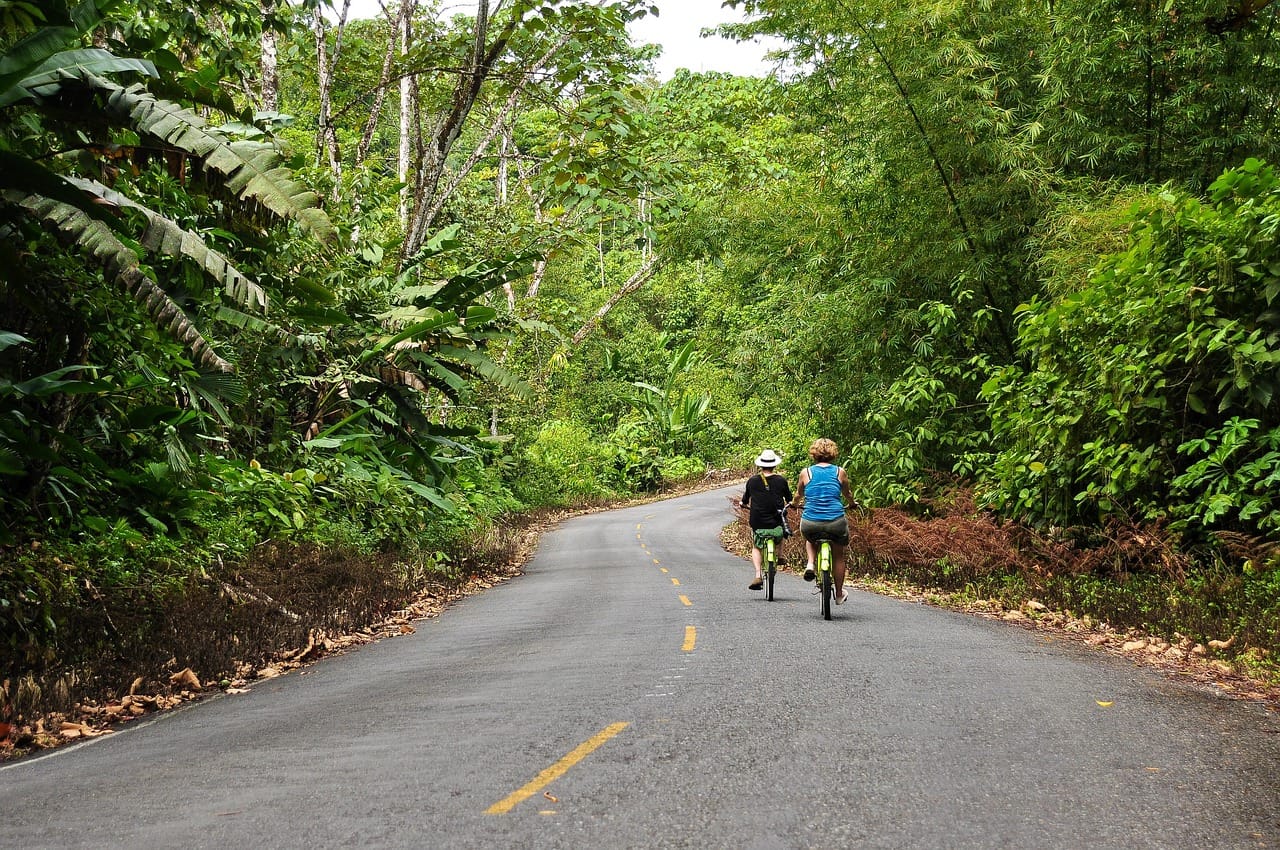
The green season transforms the landscape dramatically. Everything becomes lush and vibrant, hence the preference for calling it the 'green season' rather than the rainy season. Gardens flourish without constant watering, rivers run full, and the surrounding mountains take on deeper shades of green. For photographers and nature lovers, this season offers spectacular opportunities.
Temperatures during the green season remain comfortable. In coastal areas, the rain provides relief from the heat, though humidity increases noticeably. In Boquete, we maintain our pleasant highland climate, though daytime temperatures may be a few degrees cooler than in the dry season, around 22-24°C (72-75°F).
The challenges of the green season require adaptation. Mold and mildew become constant adversaries. I run dehumidifiers in closets and regularly air out stored items. Outdoor plans require flexibility; you learn to embrace the afternoon rain rather than resent it. Roads in some areas can become muddy or experience occasional washouts, though main roads are generally well-maintained.
Regional Variations: Why Location Matters
One of Panama's most remarkable features is how dramatically weather patterns vary across relatively short distances. Understanding these microclimates is essential when choosing where to live.
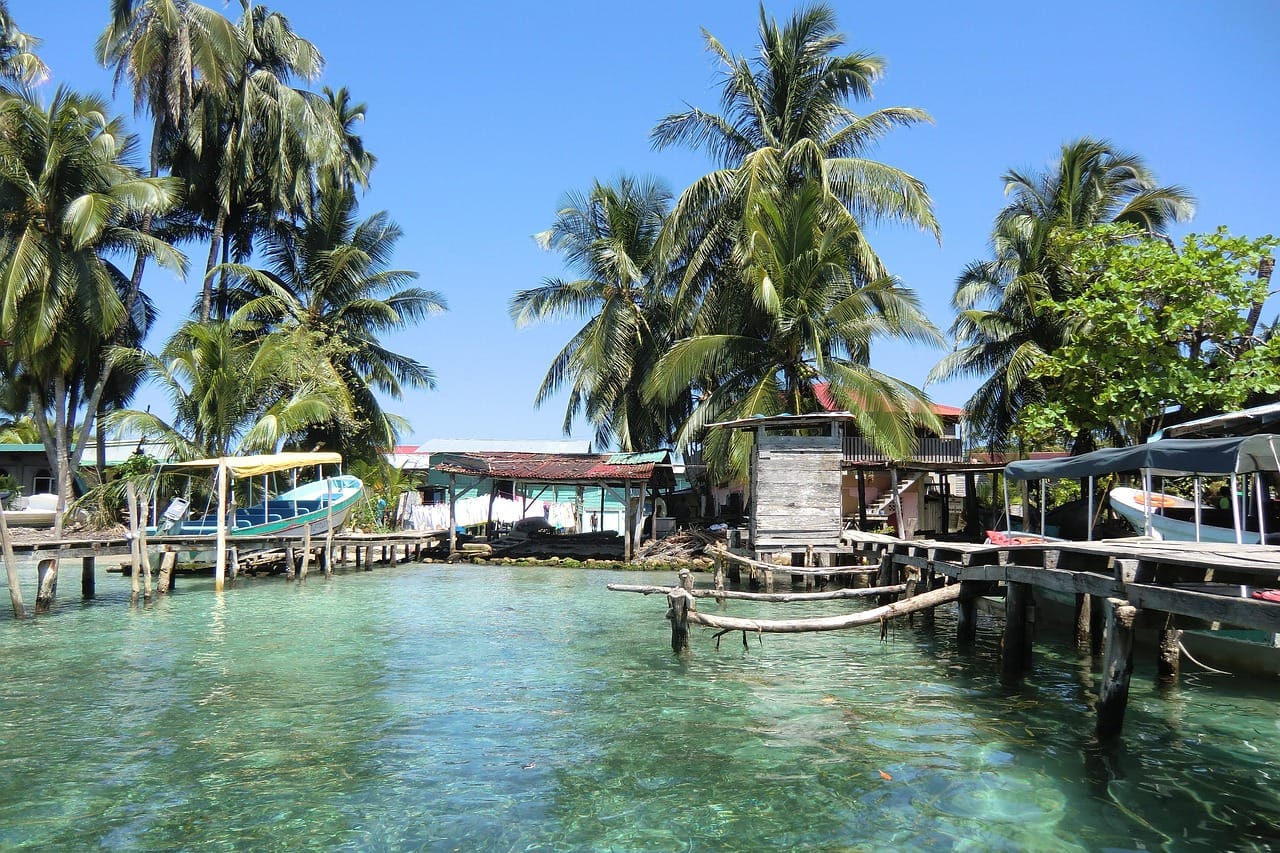
The Caribbean coast experiences significantly more rainfall than the Pacific side. Sometimes receiving rain even during the 'dry' season. Bocas del Toro, popular with expats seeking a beach lifestyle, receives over 3,000mm of rain annually, compared to Panama City's approximately 1,900mm. However, the Caribbean rain often comes in shorter bursts, and the lush tropical environment appeals to those who embrace the wetter climate.
The Azuero Peninsula, on the Pacific side, experiences pronounced dry seasons and is actually one of Panama's driest regions. Expats living in places like Pedasí or Las Tablas enjoy extended periods of sunshine but must contend with brown, parched landscapes during the height of the dry season.
Highland areas like Boquete, El Valle, and the Volcán region experience milder temperatures year-round and more moderate rainfall patterns. We get substantial rain during the green season, but rarely the intense humidity of lowland areas. The trade-off is that we experience more morning fog and occasional cool temperatures that require long sleeves, something rarely needed at sea level.
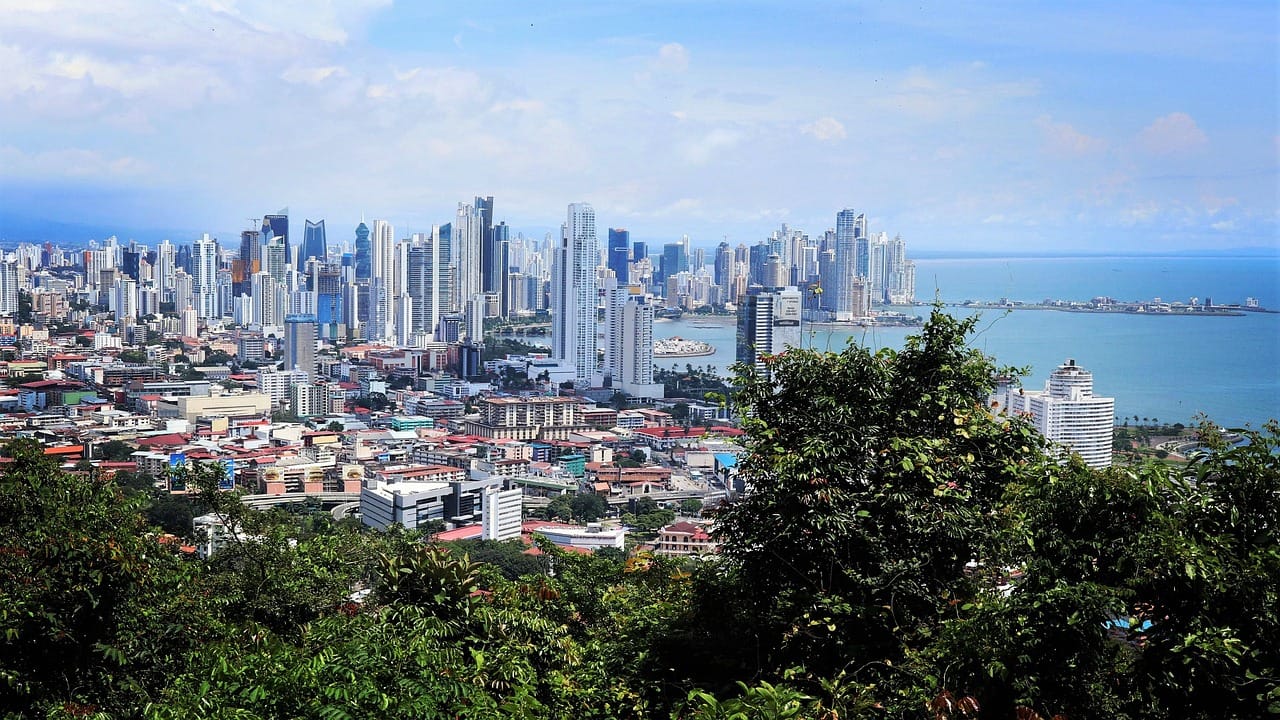
Panama City itself has distinct microclimates. The city experiences the full force of dry and green seasons, but neighborhoods can vary. Areas near the water tend to be slightly cooler and breezier, while inland sections can feel notably hotter and more humid.
Practical Considerations for Daily Life
Understanding the seasons helps you make smarter decisions about everything from home construction to social planning. Here's what I've learned through experience:
Housing and maintenance require seasonal awareness. If you're building or renovating, schedule major projects for the dry season. Concrete cures better, paint adheres more reliably, and construction materials stay dry. I learned this the hard way during my first year when I tried to repaint my exterior walls in July. The paint job looked fine initially, but the constant moisture caused issues within months.
Your home design should account for both seasons. Good ventilation is crucial year-round, but particularly during the green season to combat humidity. Many expat homes include covered outdoor spaces that let you enjoy the garden even on afternoon rains. I've added strategic roof overhangs and guttering systems that handle heavy downpours effectively.
Wardrobe planning differs from temperate climates. You don't need to change your clothing seasonally, but you do need rain gear during the green season: a good umbrella, a waterproof jacket, and appropriate footwear are essential. I keep a 'rain bag' near my door with these items plus a small towel. In the dry season, I focus on sun protection, keeping wide-brimmed hats and sunscreen readily available.
Garden planning becomes more intuitive once you understand the seasons. During the green season, virtually anything grows with minimal effort. The challenge is often controlling growth rather than encouraging it. In the dry season, gardens require consistent watering, and certain plants struggle without irrigation systems. I've learned to plant water-intensive vegetables during the green season and drought-tolerant varieties for harvests in the dry season.
Health and Wellness Through the Seasons
The seasons affect health in ways that surprised me initially. During the dry season, respiratory issues can flare up due to dust and lower humidity. I've noticed more expats dealing with allergies during January through April. Staying hydrated is crucial, especially in lowland areas where heat and sun exposure are higher.
The green season brings its own health considerations. Mosquito populations increase with standing water, making dengue prevention more important. I use mosquito repellent religiously and eliminate any standing water around my property. Higher humidity can affect people with respiratory conditions, though the more moderate temperatures often provide relief from dry-season heat.
Seasonal affective disorder rarely appears in Panama's consistent tropical light, but the predictability can create its own adjustment for expats accustomed to dramatic seasonal changes. Some newcomers report missing the progression of fall foliage or the renewal of spring. I've learned to find seasonal markers in other ways: the blooming cycles of different plants, the return of migratory birds, and the changing rhythms of community life.
Social and Cultural Aspects of the Seasons
Panama's social calendar revolves around these seasons in ways that become more apparent over time. Major festivals and celebrations cluster in the dry season when outdoor events are reliably pleasant. Carnival, Panama's biggest celebration, always falls in February or March, right in the heart of dry season.
The expat community in Boquete follows seasonal patterns, too. Dry season brings the largest influx of visitors, including 'snowbirds' who maintain homes here but split their time between North America. This creates a vibrant social season with more organized events, meetups, and activities. The green season feels quieter but more intimate. It's when the year-round expat community really bonds.
Local Panamanians have adapted their lives to these seasons over generations. You'll notice businesses adjust their hours, farmers time their planting and harvesting, and even social visiting patterns change. Learning to flow with these rhythms rather than fight them helps you integrate more smoothly into your new community.
Financial Implications of Seasonal Living
The seasons impact your budget in ways you might not anticipate. Utility costs fluctuate. Air conditioning use (if you have it) drops during the green season rains but increases during the dry season heat. In highland areas like Boquete, I rarely use AC, but I do notice higher electricity bills during the green season when dehumidifiers run constantly.
Water bills can vary, especially if you maintain a garden. During the dry season, I spend approximately $50-$70 per month on water for household use and garden irrigation. In the green season, bills drop to around $30-$40 as rain covers most irrigation needs.
Seasonal pricing affects various services and goods. Fresh produce costs less during peak growing seasons. Tourism-dependent services, from restaurants to tour operators, may offer discounts during the slower green season months. Rental properties often command premium rates during the dry season, which matters if you're renting out a room or a separate unit.
Home maintenance budgets should account for seasonal needs. I allocate roughly $800-$1,100 annually for seasonal maintenance: pre-green-season gutter cleaning and drainage checks, dry-season exterior painting touch-ups, and ongoing mold-prevention supplies. These costs are higher initially as you establish systems, but become more predictable over time.
Making the Most of Both Seasons
Rather than viewing one season as 'better' than the other, I've learned to appreciate what each offers. The dry season is perfect for ambitious outdoor projects, extensive travel within Panama, and hosting visitors from abroad. I schedule major hiking trips, beach excursions, and any significant property improvements during these months.
The green season has become my time for different pursuits. I read more, work on indoor projects, and enjoy the cooler temperatures for baking and cooking. The afternoon rains create a natural rhythm to the day: productive mornings, leisurely rain-watching afternoons with a good book, and pleasant evenings after the storms clear.
Photography opportunities shift with the seasons. Dry season offers crisp landscape shots and reliable sunset colors. The green season brings dramatic storm clouds, lush foliage, and those magical moments when the sun breaks through the rain, creating rainbows over the valley.
When to Visit Before Moving
I strongly recommend experiencing both seasons before committing to a move. Many prospective expats visit during the dry season, fall in love with the perfect weather, and then struggle when they encounter their first green season as residents. Coming during May or October gives you a realistic preview of the rain patterns and helps you assess whether you can embrace this climate year-round.
If you can only visit once, choose the season opposite to what you imagine you'll prefer. Love sunny weather? Visit during the green season to see if you can handle the rain. Prefer cooler, misty days? Visit during the dry season to experience the heat and sun intensity. This approach helps you make a more informed decision.
Timing Your Move
If you're planning a move to Panama, timing it around the seasons can make your transition smoother. Many expats prefer arriving at the start of the dry season (December or January). This gives you several months of favorable weather to settle in, find permanent housing, and establish routines before your first green season as a resident.
However, arriving during the green season has advantages too. Housing availability is better, prices can be lower, and the expat community is less overwhelmed with newcomers, meaning you might get more personalized attention and assistance. Plus, you face the 'hardest' season first. If you can handle it, you know you'll love the dry season.
For residency applications and paperwork, timing matters less since these processes happen year-round. However, if you need to make multiple trips for appointments or document collection, scheduling these during the dry season can be more pleasant and reduce weather-related delays.
Support for Your Panama Journey
Understanding Panama's seasons is just one piece of the expat puzzle. At Global Citizen Life, we offer comprehensive support for those considering or planning a move to Panama. Our Moving Abroad Programs include three options for one-time strategy calls, six country-specific Moving Abroad Masterclasses, and private coaching and consulting tailored to your specific situation.
Whether you're researching climates, navigating residency requirements, or planning your logistics, having experienced guidance makes the transition significantly smoother. We understand the practical realities of expat life because we're living it ourselves.
Final Thoughts
After five years in Boquete, I've come to see Panama's two seasons not as obstacles to overcome but as rhythms to embrace. The predictability is actually comforting. I know what to expect and can plan accordingly. The lack of harsh winters means year-round outdoor access, and the green season rains keep everything lush and vibrant.
What matters most isn't which season you prefer, but whether you can genuinely appreciate both. Panama offers incredible lifestyle advantages for expats, but the climate is part of the package. Understanding these seasonal patterns before you move helps ensure you're choosing a home where you'll thrive year-round, not just during the picture-perfect dry season months.
The best advice I can offer? Visit during both seasons, if possible, talk to expats who've lived through multiple annual cycles, and be honest with yourself about your climate preferences. Panama's seasons are manageable and even delightful once you understand and adapt to them, but only if they align with what you're genuinely seeking in your expat life.
Written by Lisa Thompson
Lisa Thompson is a Canadian who has made Boquete, Panama, her home. Drawing from her own expat journey, she writes about retirement living, Panama's diverse microclimates, community integration, and navigating residency options. Her practical insights help aspiring expats understand what life in Panama truly offers beyond the brochures.
Read all our articles about Panama here.
Global Citizen Life
© 2023 Global Citizen Life
All rights reserved