
Navigating Turkey's Healthcare System: How I Found Better Care Than Back in Canada

When I first told my friends back in Ottawa that I was retiring to Turkey, the most common question wasn't about the beaches or the cost of living, it was about healthcare. "What if you get sick?" they'd ask, worry creasing their faces. "What about your medications? Can you even get decent medical care there?"
Three years into my life in Antalya, I can confidently say that Turkey's healthcare system has exceeded my expectations in ways I never imagined. Not only have I received excellent medical care, but the experience has been more efficient, more personal, and in many ways superior to what I experienced during my decades in Canada's system.
Let me walk you through what I've learned about navigating Turkey's healthcare landscape as a foreign retiree.
Understanding Turkey's Healthcare System
Turkey operates a dual healthcare system that includes both public and private facilities. The public system is managed by SGK (Sosyal Güvenlik Kurumu), Turkey's social security institution. The private healthcare sector is robust, modern, and surprisingly affordable by North American standards.
For foreigners like myself, there are several pathways to accessing healthcare in Turkey. If you hold a residence permit, you can participate in the SGK public system. This gives you access to public hospitals and a network of contracted private facilities. Alternatively, many expats opt for private health insurance, which typically costs $110 to $440 per month, depending on age and coverage level.
I chose to combine both approaches. I'm enrolled in SGK for comprehensive coverage, and I maintain a supplemental private insurance policy that costs about $165 per month. This combination ensures I have access to both public and private facilities without worrying about coverage gaps.
The Quality of Medical Care
This is where Turkey truly shines. Many Turkish doctors have trained internationally, and the country has invested heavily in medical infrastructure over the past two decades. Antalya alone has several Joint Commission International (JCI) accredited hospitals, the gold standard for international healthcare quality.
My cardiologist completed his fellowship at Johns Hopkins. He speaks fluent English, and his clinic is equipped with technology that's more advanced than what I saw at my former doctor's office in Ottawa. When I needed an echocardiogram last year, I was in and out within 45 minutes, with the results in hand. In Canada, the same procedure would have meant a three-month wait and a separate appointment to review results.
The diagnostic facilities here are exceptional. MRI and CT scans that would take months to schedule in Canada can often be arranged within days. Blood work is typically processed within 24 hours, and many clinics offer same-day results for urgent tests.
Unlock the secrets of the world's most successful entrepreneurs with the
Global Wealth Navigator Newsletter
Discover the world's best destinations offering a lower cost of living paired with an enriched quality of life with the Global Wealth Navigator Newsletter. Whether you're a retiree or an entrepreneur, we dive into strategies that open doors to international investments, tax optimizations, and discover the finest destinations offering a superior quality of life. Don't let borders or routine define you; lets find your ideal spot in the world, regardless of your income bracket.

Wait Times: A Stark Contrast
If there's one aspect of Turkey's healthcare system that impresses me most, it's the minimal wait times. In Canada, I'd grown accustomed to waiting months for specialist appointments and elective procedures. Here in Turkey, the pace is dramatically different.
When I needed to see an orthopedic surgeon about a knee issue, I called on a Monday morning and had an appointment for Wednesday afternoon. In private clinics, same-day or next-day appointments are standard. Even in the public system, wait times are measured in weeks rather than months.
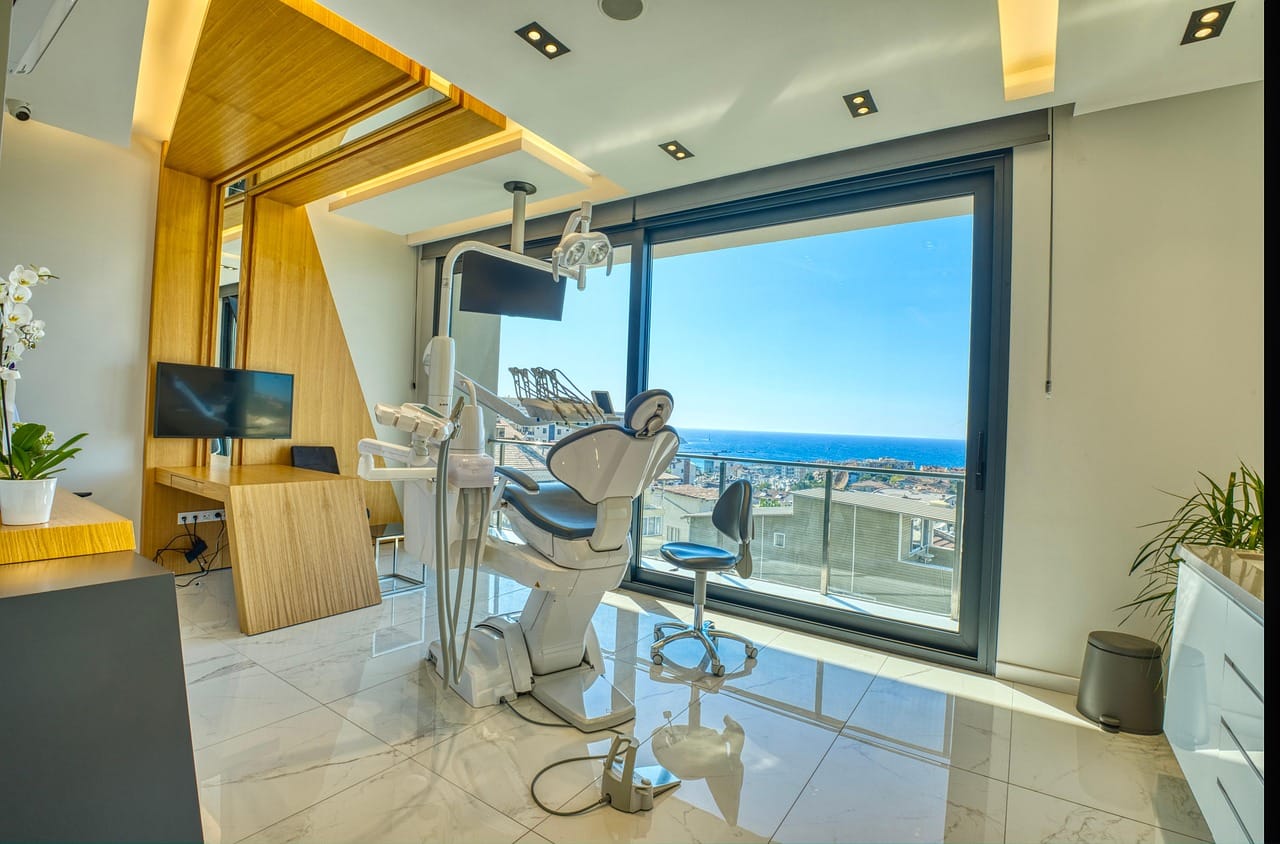
Last spring, a friend visiting from Vancouver developed a severe tooth abscess. We walked into a private dental clinic at 9 AM without an appointment. By 10:30 AM, she'd seen the dentist, received antibiotics, and had a follow-up appointment scheduled for the next day. She was stunned. Back home, she would have waited hours in an emergency room or days to see her regular dentist.
The Cost Factor
Healthcare costs in Turkey are a fraction of what you'd pay in the United States, and even compared to Canada's "free" system (which we all know isn't truly free given our tax contributions), the value is remarkable.
A general practitioner visit at a private clinic costs around $44 to $66. Specialist consultations range from $77 to $165. An MRI that would cost over $2,200 in the U.S. runs about $330 to $440 here. Even complex procedures are surprisingly affordable.
My friend John had cataract surgery at a private hospital in Antalya last year. The total cost, including the premium intraocular lens, all follow-up appointments, and medications, was $1,980 per eye. In the U.S., the same procedure would have cost more than $4,400 per eye, even with insurance.
Prescription medications are also notably cheaper. My blood pressure medication, which costs me $77 monthly in Canada even with provincial coverage, costs just $19 here. Many common medications are available over the counter, and pharmacists are knowledgeable and helpful.
The Personal Touch
One unexpected benefit of Turkey's healthcare system is the level of personal attention you receive. Doctors typically spend 20 to 30 minutes with each patient, not the rushed 7-minute appointments I'd become accustomed to in Canada.
My primary care physician, Dr. Ayşe Demir, gave me her mobile number and encouraged me to WhatsApp her with any concerns between appointments. When I messaged her about a medication question one evening, she responded within an hour. This kind of accessibility was unthinkable in my previous healthcare experience.
Hospital stays are equally impressive. Private rooms are standard, not a luxury upgrade. When I had minor surgery last year, my room was spacious and clean, meals were actually palatable, and nurses checked on me regularly without making me feel like I was inconveniencing them.
Navigating the Language Barrier
I won't pretend that language isn't occasionally a challenge. My Turkish is basic at best. I can order at restaurants and handle daily transactions, but medical terminology is another matter entirely.
However, this has proven less problematic than I initially feared. Most private hospitals and clinics in major cities like Antalya, Istanbul, and Ankara have English-speaking staff. Many doctors, particularly specialists, speak excellent English. Some facilities even employ medical translators specifically to assist foreign patients.
For situations where language could be a barrier, I've learned to prepare. I keep a folder with my medical history translated into Turkish, and I use a translation app on my phone when necessary. The Turkish healthcare professionals I've encountered are patient and accommodating, often going out of their way to ensure I understand my care plan.
Dental and Vision Care
Turkey has become a global destination for dental tourism, and after my experiences here, I understand why. The quality of dental care is exceptional, and the costs are remarkably low.
A routine cleaning and checkup costs about $44 to $55. When I needed a crown, the procedure cost $330 for a high-quality porcelain crown that would have run $1,320 or more in Canada. Implants, which can cost more than $4,400 each in North America, cost around $770 to $1,100 here.
Vision care is similarly affordable. My annual eye exam costs $33, and when I needed new progressive lenses, the total bill, including frames, was $198. My previous glasses in Canada cost nearly $660.
Emergency Care and Ambulance Services
I haven't personally needed emergency services, but I've heard positive reports from other expats who have. Turkey's emergency medical services (112) are efficient and well-equipped. Ambulances are modern and staffed with trained paramedics.
A fellow Canadian in my apartment complex suffered a heart attack last year. The ambulance arrived within 10 minutes, and he was stabilized and transported to the nearest hospital. The care he received was exemplary, and his total out-of-pocket cost after insurance was minimal.
Emergency room visits at private hospitals typically cost $110 to $165 for non-residents, though this is waived if you're enrolled in SGK or have private insurance. Even without insurance, these costs are reasonable compared to the thousands you might face in the United States.
Challenges and Considerations
While my experience has been overwhelmingly positive, it's important to acknowledge some challenges. The public hospital system, while adequate, can be more crowded and bureaucratic than private facilities. If you choose to rely solely on public healthcare, expect some of the inconveniences that come with any government-run system.
Medical record systems aren't always integrated, so you may need to physically carry test results and reports between facilities. I've started keeping digital copies of all my medical documents in a cloud storage folder for easy access.
For those with complex or rare medical conditions, you'll want to research whether specialists in your area of concern are available in your chosen Turkish city. While major cities offer excellent specialist care, smaller towns may have limited resources.
Insurance Options for Expats
Choosing the right insurance can feel overwhelming, but there are several solid options for retirees in Turkey. SGK coverage is comprehensive and affordable if you have a residence permit. The application process is straightforward, though you'll need to gather documentation, including your residence permit, passport, and proof of address.
Private insurance companies such as Allianz, AXA, and Acibadem Sigorta offer policies tailored for expats. Premiums vary by age, pre-existing conditions, and coverage level, but most retirees find plans in the $165 to $385 monthly range that provide excellent coverage.
Some expats also maintain international health insurance policies, such as Insured Nomads, which can provide coverage both in Turkey and when traveling. These policies are pricier, but offer the peace of mind of global coverage.
Preventive Care and Wellness
Turkey's healthcare system places appropriate emphasis on preventive care. Annual checkups are thorough and affordable. My yearly comprehensive health screening, which includes blood work, EKG, chest X-ray, and various other tests, costs about $220 at a private hospital.
Wellness services like physiotherapy, which I use regularly for my knee issues, are both accessible and affordable. A physiotherapy session costs around $33 to $44, compared to $88 or more in Canada. My insurance covers most of these visits, making it easy for me to proactively maintain my health.
The Turkish approach to healthcare also embraces traditional hammam (Turkish bath) culture, which many locals view as therapeutic. While this isn't "medical" care per se, the emphasis on wellness and prevention is refreshing.
Medical Tourism and Quality Certifications
Turkey welcomes over half a million medical tourists annually, seeking everything from cosmetic surgery to complex cardiac procedures.
This international attention has driven quality improvements across the system.
When choosing facilities, look for JCI accreditation or ISO certifications. These international quality standards ensure that hospitals meet rigorous safety and care protocols. Antalya has multiple JCI-accredited hospitals, and I've found that checking for these certifications is an easy way to identify top-tier facilities.
Practical Tips for Navigating the System
Based on my three years of experience, here are my recommendations for fellow expats: First, establish care with a primary physician soon after arriving. Having a trusted doctor who knows your medical history is invaluable. Second, keep copies of all your medical records, preferably in both English and Turkish. Third, don't hesitate to seek second opinions; doctors here are generally not offended by this practice.
Learn the locations of nearby hospitals and clinics before you need them. I have the addresses and phone numbers of my preferred hospital, my doctor's clinic, and the nearest 24-hour pharmacy saved in my phone.
Finally, consider joining expat forums and Facebook groups for your area. These communities are invaluable sources of doctor recommendations, insurance advice, and practical healthcare tips.
The Bigger Picture
Access to healthcare was genuinely one of my biggest concerns before moving to Turkey. I'd spent my entire adult life in Canada's system, and despite its flaws, it was familiar. The unknown felt risky, especially at 62.
Three years later, I can honestly say that healthcare is now one of the reasons I'm confident in my decision to retire here. The combination of quality, accessibility, and affordability has exceeded my expectations. I receive better, more attentive care than I did in Canada, at a fraction of the effective cost.
This doesn't mean Turkey's system is perfect—no healthcare system is. But for retirees seeking quality medical care without the astronomical costs or interminable wait times found in many Western countries, Turkey offers a compelling option.
Ready to Take the Next Step?
If you're considering a move to Turkey or another country abroad, the logistics can feel overwhelming. That's where Global Citizen Life's Moving Abroad Programs can help. We offer three flexible options to support your international relocation journey.
Start with a one-time strategy call to get personalized advice on your specific situation. If you're looking for deeper guidance, our six country-specific Moving Abroad Masterclasses provide comprehensive information on residency, healthcare, housing, and lifestyle considerations.
For those who want hands-on support throughout their transition, our private coaching and consulting services offer customized guidance every step of the way.
Learn more about these programs at https://www.globalcitizenlife.org/programs.
Final Thoughts
Healthcare shouldn't be a barrier to living your best retirement years abroad. In Turkey, I've discovered a system that not only meets my medical needs but enhances my quality of life. From the warm Mediterranean sun that helps my arthritis to the excellent medical care that keeps me healthy, every aspect of my healthcare experience here has been positive.
If you're on the fence about retiring abroad because of healthcare concerns, I encourage you to research Turkey's options thoroughly. Talk to expats already living here. Visit potential cities and tour their medical facilities. What you'll likely discover, as I did, is that quality healthcare is available in places you might not have initially considered.
My life in Antalya is richer and healthier than I imagined possible. The healthcare system is a significant part of why I feel confident and comfortable in my decision to make Turkey my home.
Written by Neil Patterson
Neil is a retired Canadian government employee who traded cold winters for Mediterranean sunshine when he moved to Antalya, Turkey. Drawing on his experience navigating residency, healthcare, and daily life on the Turkish coast, Neil shares practical insights to help others discover the affordable, vibrant retirement lifestyle he's found by the sea. When he's not writing, you'll find him exploring local markets or relaxing on Antalya's beautiful beaches.
Read all our articles about Turkey here.
Global Citizen Life
© 2023 Global Citizen Life
All rights reserved