
Navigating the Spanish School System as a Single Parent: What I Wish I'd Known
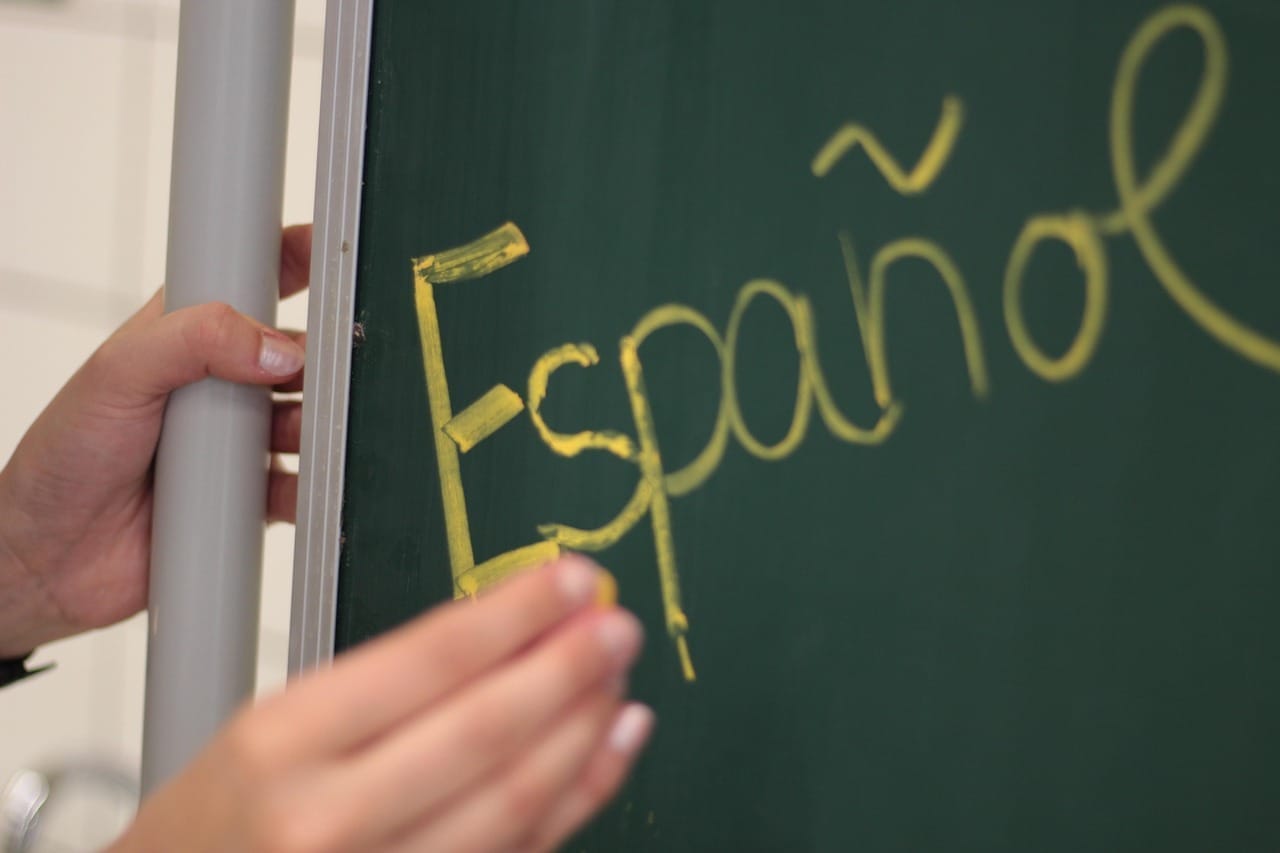
When I moved to Seville with my son four years ago, I thought I had everything figured out. I'd researched neighborhoods, found our flat, and even lined up my first online teaching clients. What I hadn't adequately prepared for? The labyrinth that is the Spanish education system.
As a single parent navigating this journey without a partner to share the decision-making (or the queue-standing), I learned some lessons the hard way. Here's what I wish someone had told me before we made the leap.
Understanding the Three Types of Schools
Spain has three main types of schools, and understanding the differences is crucial before you even start looking at specific institutions.
Public Schools (Colegios Públicos)
These are completely free and funded by the government. The quality of education is generally excellent, and they follow the Spanish national curriculum. My son attends a public school, and I've been genuinely impressed by the teachers' dedication and the resources available.
The catch? Admissions are based on a points system that prioritizes proximity to the school. If you don't live within the catchment area, getting a spot can be challenging. Also, everything is conducted in Spanish (or the local language, such as Catalan in Catalonia), which can be daunting at first but is brilliant for language acquisition.
Expect to budget:
• $0 for tuition
• $45-$115 monthly for school meals
• $230-$350 annually for books and supplies
• $115-$230 monthly for after-school care (if needed)
Semi-Private Schools (Colegios Concertados)
These schools are privately owned but receive government funding, making them a middle ground between public and fully private options. They charge modest fees and often have religious affiliations (typically Catholic).
The education follows the Spanish curriculum, but with smaller class sizes than most public schools. Many expat families choose this option as a stepping stone, particularly if they're concerned about the language barrier but want their children to integrate into Spanish culture.
Expect to budget:
• $115-$350 monthly tuition
• $60-$115 monthly for meals
• $350-$575 annually for materials and activities
Private International Schools (Colegios Privados)
These schools follow international curricula like the British, American, or International Baccalaureate systems. They're taught primarily in English and cater heavily to expat families.
While they provide continuity if you're planning to move again and ease the language transition, they're significantly more expensive and can create a bubble that limits cultural integration.
Expect to budget:
• $690-$1,840 monthly tuition (depending on age)
• $1,150-$2,875 registration and enrollment fees
• $575-$920 annually for uniforms, books, and activities
• $230-$575 monthly for transport (if required)
The Application Process: Start Earlier Than You Think
One of my biggest mistakes was underestimating how early I needed to start the enrollment process. For public and semi-private schools, the application period typically runs from March to April for the following September. Miss that window, and you're looking at a year's wait or scrambling for whatever spots might be available.
Ready to make your move to Spain? Our comprehensive
online course provides everything you need to successfully relocate, covering visa applications, finding accommodation, setting up as a remote worker, navigating Spanish bureaucracy, and integrating into local communities. Transform your Spanish dream into reality with expert guidance and practical strategies from experienced expats.
The Points System for Public Schools
Public school admissions operate on a points-based system that can feel frustratingly opaque at first. Points are awarded for:
• Living within the school's catchment area (this is huge – usually 30 points)
• Having siblings already at the school (15 points)
• Parents working near the school (10 points)
• Family income level (10 points for lower income families)
• Large family status (15 points for three or more children)
As a single parent, I was surprised to learn that single-parent families receive additional consideration, though this varies by region. In Andalusia, single-parent status can add points or move you up the waitlist. Check your specific autonomous community's regulations, as they differ across Spain.
Pro tip: Choose your apartment or home location strategically if school choice matters to you. I specifically chose our neighborhood in Seville to be within walking distance of two excellent public schools, which gave us options and ensured we had enough points for admission.
Required Documents
Gather these documents early because obtaining some can take weeks:
• Your child's birth certificate (apostilled and translated into Spanish)
• NIE (foreigner identification number) for both you and your child
• Empadronamiento (municipal registration proving residence)
• Vaccination records (also translated)
• Proof of address (rental contract or utility bill)
• Previous school records, if applicable
The translation requirement caught me off guard. Official translations aren't cheap (expect to pay around $115-$170 per document), but they're mandatory for enrollment.
The Language Question: Sink or Swim?
This was my biggest anxiety before enrolling my son in a Spanish public school. He knew perhaps twenty words of Spanish when we arrived, and I worried constantly about him falling behind academically or feeling isolated.
The reality? Children are remarkably adaptable. Within three months, he was communicating with his classmates. Within six months, he was dreaming in Spanish. Within a year, he was correcting my grammar.
I won't sugarcoat it; those first few months were challenging. Here's what helped:
Preparation Before Arrival
Start Spanish lessons before you move. Even basic vocabulary gives children confidence and makes those first weeks less overwhelming. We used apps like Duolingo and watched Spanish children's shows together for three months before relocating.
Support During Transition
Most public schools offer additional language support for non-Spanish speakers, though resources vary. My son's school offered three hours of intensive Spanish instruction per week during the first term. Some schools have more extensive programs; others offer less. Ask about this during your school visits.
I also hired a private tutor for the first six months (at around $28 per hour, twice weekly), which significantly accelerated his progress. As a single parent managing work and parenting alone, that investment gave me peace of mind during a stressful transition period.
The Social Integration Factor
Language learning happens fastest through play. Encourage playdates, sign up for local sports teams or activities, and say yes to birthday party invitations even when your child can barely communicate. The playground was my son's best Spanish teacher.
Spanish children tend to be welcoming and patient with language learners. The culture here is generally warm toward foreigners making an effort to integrate. Parents at our school went out of their way to help us feel included, translating school notices and inviting us to local events.
School Hours and the Juggling Act
Spanish school schedules can be a shock if you're coming from the UK or the US. Public schools typically run from 9:00 AM to 2:00 PM, with children coming home for lunch. Yes, you read that right – 2:00 PM.
For working single parents, this schedule initially seems impossible to navigate. Here's how I made it work:
Comedor (School Dining Hall)
Most schools offer a comedor service where children stay for a hot meal and supervised recreation until 4:00 PM. This costs around $60- $115 per month, depending on your income. It's a lifesaver for working parents.
The meals are typically nutritious and varied. My son eats vegetables at school that he'd never touch at home. The dining hall also provides additional Spanish immersion and social time.
After-School Activities (Extraescolares)
Schools offer various after-school activities from 4:00 to 6:00 PM – everything from football and basketball to robotics and English classes. These typically cost $35-$60 per activity, per month.
Between comedor and extraescolares, you can extend school coverage until 6:00 PM, which makes remote work or flexible employment much more feasible. I schedule my online teaching clients during school hours and use the extended time for lesson planning and administrative work.
School Holidays: The Reality Check
Spanish schools have generous holiday schedules. Beyond summer break (typically late June through early September), expect:
• Two weeks at Christmas
• One to two weeks at Easter (Semana Santa)
• Local festival days (varies by city)
• Various long weekends (puentes)
Many schools and municipalities offer holiday camps (campamentos) during breaks, typically costing $170-$345 per week. These camps saved me during those first summer months when I was still building my client base and couldn't afford extended time off.
Building a support network of other parents for childcare exchanges is invaluable. Spanish culture is family-oriented, and once you establish friendships, people are genuinely helpful about sharing school pickups or having your child over during work emergencies.
Unlock the secrets of the world's most successful entrepreneurs with the
Global Wealth Navigator Newsletter
Discover the world's best destinations offering a lower cost of living paired with an enriched quality of life with the Global Wealth Navigator Newsletter. Whether you're a retiree or an entrepreneur, we dive into strategies that open doors to international investments, tax optimizations, and discover the finest destinations offering a superior quality of life. Don't let borders or routine define you; lets find your ideal spot in the world, regardless of your income bracket.

Understanding the Spanish Curriculum
The Spanish education system is divided into stages, and understanding these helps you navigate your child's academic journey.
Educación Infantil (3-6 años)
This is preschool, and while not mandatory, it's nearly universal. The focus is on play-based learning, social development, and early literacy. Classes are taught entirely in Spanish (or the regional language), making it an excellent time for language acquisition if you're moving with young children.
Educación Primaria (6-12 años)
Primary education introduces more structured learning with subjects including Spanish language, mathematics, natural sciences, social sciences, physical education, and arts. Foreign language instruction (usually English) begins in first grade.
The curriculum here is solid and comparable to British or American standards. Where I've noticed differences: less emphasis on creative writing and more on rote learning in younger years, though this is gradually changing. Math instruction is excellent, and by fourth grade, my son was tackling concepts that seemed advanced compared to his UK peers.
ESO - Educación Secundaria Obligatoria (12-16 años)
Secondary education becomes more rigorous with specialized subjects. Students who successfully complete ESO receive their Graduate in Secondary Education certificate, which is essential for continuing to Bachillerato (similar to A-levels or high school).
Assessment and Homework
Spanish schools generally assign less homework than British or American schools in the primary years, which was a pleasant surprise. Assessment is continuous rather than focused on standardized testing, though this varies by school and region.
Report cards are issued three times a year, and parent-teacher conferences are held regularly. Even with the language barrier, teachers have been accommodating about communicating in basic English or using translation apps for important discussions.
Special Education and Additional Needs
Spain's special education system operates differently from that in the UK or the US. Public schools have special education teachers (profesores de pedagogía terapéutica) and speech therapists available, though resources may be limited compared to those in dedicated special education schools.
If your child has specific learning needs, discuss these thoroughly with the school before enrollment. Some schools are better equipped than others, and you'll want to ensure they can provide appropriate support.
For children with significant needs, specialized schools (colegios de educación especial) exist, though spaces are limited. International schools often have more robust special education programs, but at substantially higher cost.
Private therapy and tutoring services are widely available in larger cities. Expect to pay $35-$69 per session for educational psychologists or learning specialists.
Parent Involvement and School Culture
Spanish schools expect significant parent involvement, but it manifests differently than in English-speaking countries. There's less emphasis on classroom volunteering and more on community and social events.
The AMPA (Parent Association)
Every school has an AMPA that organizes events, fundraisers, and after-school activities. Joining the AMPA is an excellent way to meet other parents and integrate into the school community. Annual membership typically costs $23-$46.
As a single parent, I initially hesitated to get involved, feeling like I had no spare time. But the connections I made through the AMPA became my support network in Seville. These parents helped with school pickups when I had important client calls, explained Spanish cultural traditions, and invited us to family gatherings.
Communication Expectations
Schools communicate primarily through physical notices (circulares) sent home with children, though digital platforms are becoming more common. Many schools now use apps like ClassDojo or Additio for announcements and messages.
WhatsApp groups are ubiquitous; expect to join at least one parent group per class. These can be overwhelming with constant messages, but they're invaluable for clarifying school information and organizing playdates.
Language tip: If your Spanish isn't fluent yet, don't be embarrassed to ask for clarification or use translation apps for school communications. Parents understand you're making an effort and are generally supportive.
Making the Choice: What Worked for Us
Choosing a public Spanish school was the right decision for our family, though it might not be for everyone. The financial savings were significant, crucial for a single parent establishing a business. The language immersion accelerated our integration into Seville life. And the school community became our extended family.
That said, the transition wasn't easy. There were tears, both his and mine. There were moments I questioned whether I'd made the right choice. But looking back now, watching my son chat effortlessly with Spanish friends and seeing how confident he's become in navigating two cultures, I wouldn't change our path.
Questions to Ask Yourself
Before deciding on a school type:
• How long do you plan to stay in Spain? If it's temporary (1-2 years), an international school might make the transition back easier. If it's long-term, Spanish school integration becomes more valuable.
• What's your budget? Be realistic about what you can sustain long-term, especially accounting for potential income fluctuations as a single parent.
• How important is maintaining English as the primary language? Spanish schools will make Spanish the dominant language; international schools will maintain English.
• What's your child's personality? Some children thrive on the challenge of language immersion; others need more gradual transitions.
• What support systems do you have? Without a partner, you'll need reliable backup for school pickups, illness days, and emergencies.
Practical Tips for Single Parent Success
Navigating the school system solo requires extra planning and resilience. Here's what helped me:
1. Choose your location strategically
Live within walking distance or within easy reach of public transport to your chosen school. School runs dominate your daily schedule, and proximity reduces stress enormously.
2. Build your village immediately
Attend every school event, say yes to coffee invitations, and join the AMPA. Your fellow parents will become your emergency contacts and support system.
3. Embrace flexible work
Remote teaching works brilliantly with Spanish school schedules. I teach early mornings and late afternoons/evenings, leaving middle hours for school-related tasks.
4. Budget for unexpected costs
School trips, costume days, gift contributions for teachers, small costs add up. Keep a buffer of $115-$170 monthly for school-related extras.
5. Learn the language alongside your child
This helps you understand their school experience and communicate with teachers. I took evening Spanish classes at a local language school ($170 monthly) for our first year.
6. Don't compare
Your child's educational journey will look different from their peers back home, and that's fine. Focus on their growth and happiness rather than curriculum benchmarks.
The Bigger Picture
Four years in, I can honestly say that navigating the Spanish school system was one of the more challenging aspects of our move – and one of the most rewarding. My son isn't just bilingual; he's bicultural. He understands siesta timing is sacred, knows that shoe sizes work differently here, and can explain the rules of fútbol better than I ever could.
The Spanish education system, particularly public schools, offers excellent value and quality. It requires patience, flexibility, and a willingness to embrace uncertainty, qualities that, as single parents, we've likely already developed in abundance.
Yes, there will be moments of frustration with bureaucracy. Yes, there will be school notices you can't quite decipher. Yes, there will be days you wonder if you've made your child's life unnecessarily complicated. But there will also be moments of pride watching them confidently navigate two languages and cultures, building resilience and adaptability that will serve them throughout life.
The Spanish education system welcomed us, challenged us, and ultimately gave my son a foundation I couldn't have provided anywhere else. And isn't that what we want most for our children?
Ready to Take the Next Step?
If you're considering moving to Spain with children, our Move to Spain Masterclass covers everything from choosing the right location for your family to navigating residency requirements and building your new life. Learn from expats who've successfully made the transition and get practical guidance on making Spain your home.
Ready to make your move to Spain? Our comprehensive
online course provides everything you need to successfully relocate, covering visa applications, finding accommodation, setting up as a remote worker, navigating Spanish bureaucracy, and integrating into local communities. Transform your Spanish dream into reality with expert guidance and practical strategies from experienced expats.
Written by Hannah Porter
Bristol native Hannah is an online English teacher raising her son in Seville. Her writing captures the real challenges and triumphs of single-parent expat life. With warmth and humor, she guides readers through education options, cultural adaptation, and the beauty of bold choices.
📍 From Bristol, now in Seville
Hannah writes from the heart about single parenting abroad, exploring education, culture, and building community in a new country.
Read Articles by Hannah →
Global Citizen Life
© 2023 Global Citizen Life
All rights reserved