
Navigating the Philippines During Monsoon Season: What This British Expat Learned About Weather Patterns
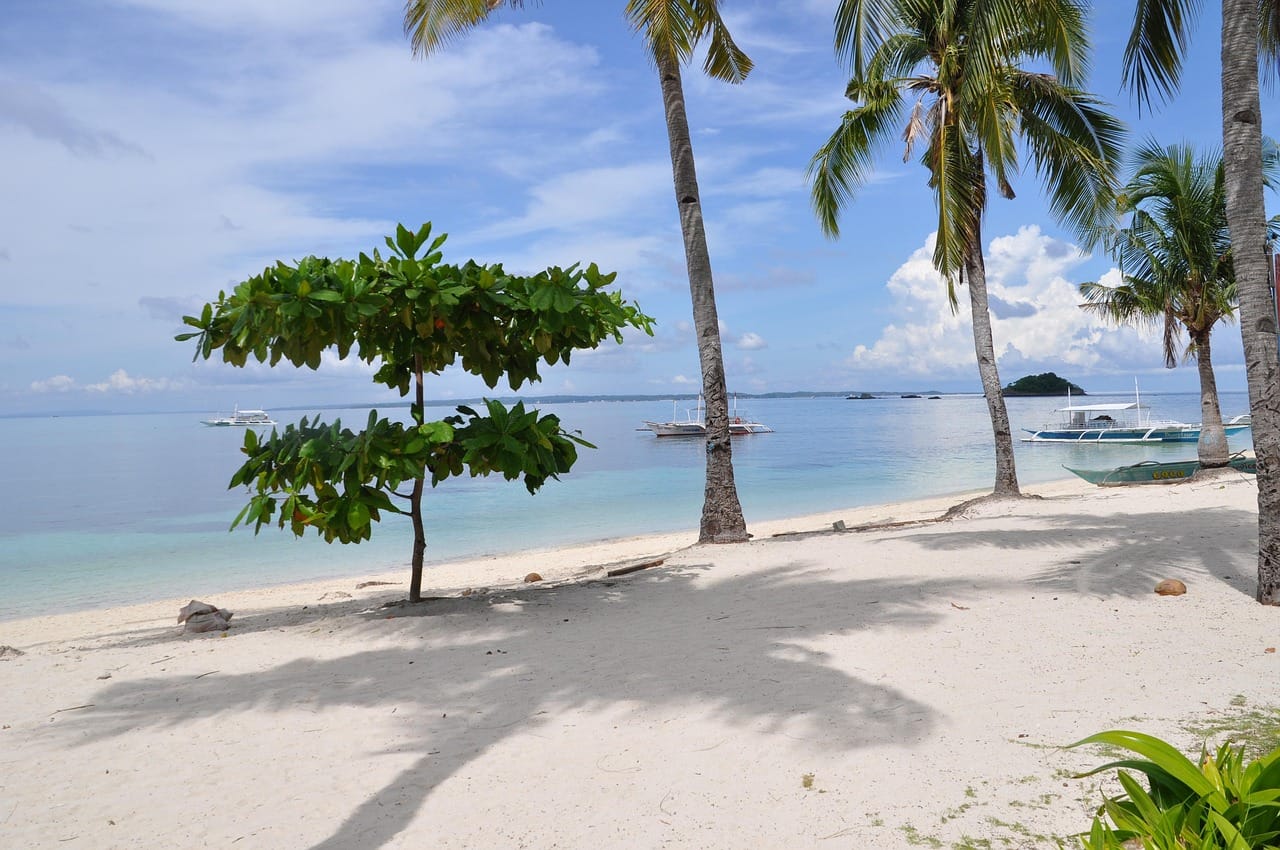
When I left Manchester for Cebu in 2022, I thought I'd left unpredictable weather behind. After all, the Philippines is tropical: warm year-round, with sunshine and blue skies, right? Well, not quite. What I didn't fully appreciate before moving here was the significance of the monsoon season and how dramatically it shapes life on these islands.
During my first year in Cebu, I learned that understanding the Philippines' weather patterns isn't just about knowing when to carry an umbrella. It affects everything from travel plans and healthcare access to property maintenance and daily routines. For British expats accustomed to drizzle rather than downpours, the monsoon season requires a complete recalibration of expectations.
Understanding the Two Monsoon Seasons
The Philippines experiences two distinct monsoon patterns, which initially confused me. There's the southwest monsoon (locally called 'habagat'), which typically runs from May to October, and the northeast monsoon ('amihan'), from November to April.
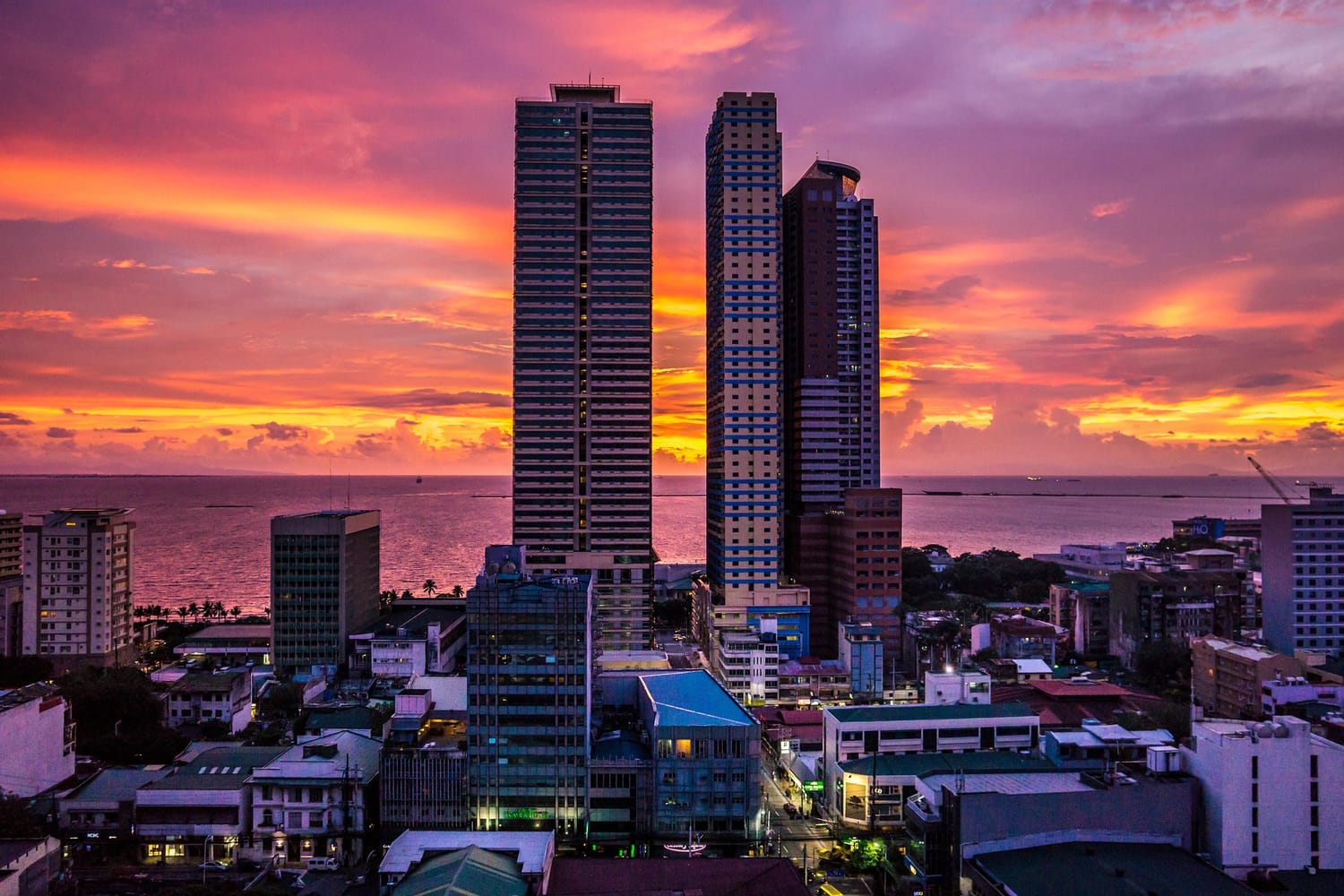
The habagat brings the heavy rains most people associate with monsoon season. During this period, the western sides of the islands receive the brunt of the rainfall, whilst the eastern sides often enjoy relatively drier conditions. This geographical quirk is why Cebu, situated on the eastern side of the Visayas, experiences less intense monsoon rainfall than Manila or Palawan.
The amihan, conversely, is the 'dry' monsoon, bringing cooler temperatures (relatively speaking) and less rainfall. Temperatures during this period range from 24°C to 31°C (75°F to 88°F), compared to the hotter 26°C to 34°C (79°F to 93°F) during the wet season.
What surprised me most was that 'monsoon season' doesn't mean constant rain. Even during peak habagat months, you'll often have glorious sunny mornings followed by afternoon downpours. It's not like British drizzle that lasts all day. When it rains here, it really rains, but it's usually intense and relatively short-lived.
The Reality of Typhoon Season
Typhoon season overlaps with the southwest monsoon, peaking between June and November. This was the aspect of Philippine weather that required the most adjustment for me. The UK gets storms, certainly, but not tropical cyclones with sustained winds exceeding 200 kilometres per hour.
The Philippines lies in one of the world's most active typhoon zones, averaging 20 typhoons annually, with about eight to nine making landfall. However, and this is crucial for anyone considering relocation, the impact varies dramatically by location.
Northern Luzon, particularly the Cagayan Valley and Bicol Region, bears the brunt of most typhoons. The Visayas, where I'm based, sees fewer direct hits, though we're certainly not immune. Mindanao, in the south, rarely experiences typhoons at all. A significant consideration for retirees is prioritising weather stability.
During my first typhoon warning in Cebu, I'll admit I was anxious. The local news showed dramatic footage of other regions being battered, and weather apps lit up with red warnings. However, what we experienced was heavy rain and moderately strong winds. Serious enough to stay indoors, but far from the catastrophic scenes I'd been imagining.
The key lesson? Location matters enormously. Research historical typhoon patterns for your specific area before choosing where to settle.
Unlock the secrets of the world's most successful entrepreneurs with the
Global Wealth Navigator Newsletter
Discover the world's best destinations offering a lower cost of living paired with an enriched quality of life with the Global Wealth Navigator Newsletter. Whether you're a retiree or an entrepreneur, we dive into strategies that open doors to international investments, tax optimizations, and discover the finest destinations offering a superior quality of life. Don't let borders or routine define you; lets find your ideal spot in the world, regardless of your income bracket.

Practical Impacts on Daily Life
The monsoon season affects daily life in ways that weren't immediately obvious to me. Transportation is the most notable. During heavy rains, flooding can make roads impassable, even in cities like Cebu. I've learned to check weather forecasts before planning any journey, and I avoid scheduling important appointments during known flood-prone hours (typically mid-afternoon during monsoon season).
Ferry services between islands frequently get cancelled during rough weather. This became especially relevant when I was planning a trip to Bohol and had to delay it by two days due to rough seas. For island-hopping or any inter-island travel, building flexibility into your schedule during the monsoon months is essential.
Power outages are another reality. During severe weather, electricity can be interrupted, sometimes for several hours. I invested in a high-quality power bank (about $55) and a portable fan (about $33), both of which have proven invaluable. Many expats also purchase small generators, which range from $440 to $1,100 depending on capacity.
Internet connectivity can also suffer during storms. As someone who relies on a stable internet connection to stay connected with family back in the UK, I found this frustrating at first. I now maintain two internet providers, one fibre connection and one mobile data backup, costing a combined $66 monthly. Redundancy is worth the investment when you're dependent on connectivity.
Healthcare Considerations During Monsoon Season
For retirees, healthcare access during severe weather is a legitimate concern. During my research before moving, this was one of my primary questions: what happens if you need medical attention during a typhoon?
The reality is that major hospitals in cities like Cebu, Manila, and Davao remain operational during all but the most extreme weather events. However, getting to them can be challenging. I've positioned myself within a 15-minute drive of Cebu Doctors' University Hospital, one of the city's best private facilities. During normal conditions, it's convenient. During heavy flooding, that 15 minutes could extend to 45 minutes or become completely impassable.
I've learned to stock a comprehensive medical kit that could sustain me through a few days of being housebound. This includes prescription medications (I maintain a two-month supply), basic first aid supplies, and over-the-counter remedies for common ailments. The kit costs approximately $165 to assemble, but it provides peace of mind.
For those with chronic conditions that require regular monitoring, scheduling appointments outside the peak monsoon months, when possible, is advisable. My cardiologist in Cebu has been flexible about arranging check-ups during the dry season, reducing the risk of weather-related appointment cancellations.
Dengue fever is another health consideration during monsoon season. Standing water from heavy rains creates ideal mosquito breeding grounds, and dengue cases spike during and immediately after the wet season. I use mosquito repellent religiously (about $11 a month), ensure my accommodation has proper screens, and have eliminated any potential water-collection points around my property. The cost of prevention is minimal compared to the misery and potential severity of dengue.
Property and Accommodation Considerations
Choosing appropriate accommodation is critical for weathering monsoon season comfortably. When I first arrived in Cebu, I rented a ground-floor flat that seemed perfect, until the first serious rainfall. Water seeped under the door, and I spent an evening frantically moving belongings to higher ground.
I now rent a second-floor unit in a well-maintained building, paying about $880 a month for a two-bedroom flat. The elevation eliminates flooding concerns, and the building has a robust drainage system. A detail I now scrutinise carefully when viewing properties.
Window quality matters more than you might expect. Single-pane windows with poor seals can let in significant water during wind-driven rain. Quality double-glazed or well-sealed windows cost more but prevent water damage and provide better insulation. When negotiating my current lease, I had the landlord upgrade the bedroom windows, splitting the $330 cost.
Humidity during monsoon season is oppressive, regularly exceeding 80%. Without proper ventilation and dehumidification, mould becomes a serious problem. I run a dehumidifier constantly during the wet months, adding approximately $22 to my monthly electricity bill, but it's essential for preventing mould on clothes, furniture, and walls.
For those considering purchasing property, elevation and drainage should be top priorities. Developments on higher ground command premium prices for good reason. In flood-prone areas, property values can drop significantly, and insurance premiums increase. It's worth paying 15-20% more for a property with excellent drainage and minimal flood history.
Financial and Insurance Implications
Weather-related risks carry financial implications that caught me off guard at first. Standard property insurance in the Philippines often has weather-related exclusions or substantial deductibles for typhoon damage. Comprehensive coverage that includes typhoon and flood protection costs approximately $550-$880 annually for contents insurance on a modestly furnished two-bedroom flat.
I learned this the hard way when a leak during a heavy rainstorm damaged my laptop and other electronics. My basic insurance didn't cover it, resulting in a $770 replacement cost. I've since upgraded to comprehensive coverage.
Travel insurance is another consideration. If you're planning trips during monsoon season, ensure your policy covers weather-related cancellations and delays. I've had two ferry bookings cancelled due to rough seas, and my travel insurance ($220 annually for comprehensive coverage) reimbursed the rebooking costs.
Building an emergency fund specifically for weather-related contingencies is wise. I maintain approximately $2,200 in readily accessible savings for unexpected weather-related expenses: generator fuel, extended hotel stays if my flat becomes uninhabitable, emergency supplies, or last-minute travel changes.
Social and Community Aspects
One of the more positive aspects of monsoon season has been experiencing Filipino community spirit during challenging weather. During a particularly severe storm last year, neighbours checked on each other, shared food when power outages made cooking difficult, and collectively cleared blocked drains in our street.
This communal approach to weathering storms (literally and figuratively) contrasts markedly with the more individualistic British approach. I've built stronger relationships with neighbours through shared monsoon experiences than through months of casual greetings.
Local expat groups on Facebook become particularly active during weather events, sharing real-time updates on conditions, road closures, and which establishments remain open. These networks have proven invaluable for navigating severe weather safely.
The Filipino attitude towards monsoon season is notably pragmatic and resilient. Rather than panic or excessive complaining (which, I admit, would be my British instinct), locals simply prepare adequately and adapt their routines. There's much to learn from this approach.
Preparation and Essential Supplies
Through trial and error, I've developed a monsoon preparation routine that begins in early May, before the wet season intensifies. Here's what
I've learned is essential:
Water storage is critical. During severe typhoons, the water supply can be interrupted. I maintain five-gallon water containers (about $22 for three) that I keep filled and refresh monthly. This provides drinking water and basic washing needs for several days.
Non-perishable food stocks should include items that don't require cooking if power and gas are unavailable. I stock canned goods, crackers, peanut butter, and instant noodles, approximately $110 worth of supplies that I rotate through to prevent expiration.
Lighting during power outages is essential. I have several LED torches ($33 for a set of three high-quality units), battery-powered lanterns ($44), and an ample supply of batteries ($22 per month during the monsoon season). Candles are traditional but risky in wooden structures.
Cash is often overlooked. During power outages, ATMs and card machines don't function. I keep approximately $440 in small bills at home. It is enough for emergency purchases, transport, or unexpected needs.
Important documents should be stored in waterproof containers. I use sealed plastic document boxes ($17 each) for passports, visa documents, property agreements, and insurance papers. Digital backups stored in cloud services offer an extra layer of security.
The Unexpected Benefits
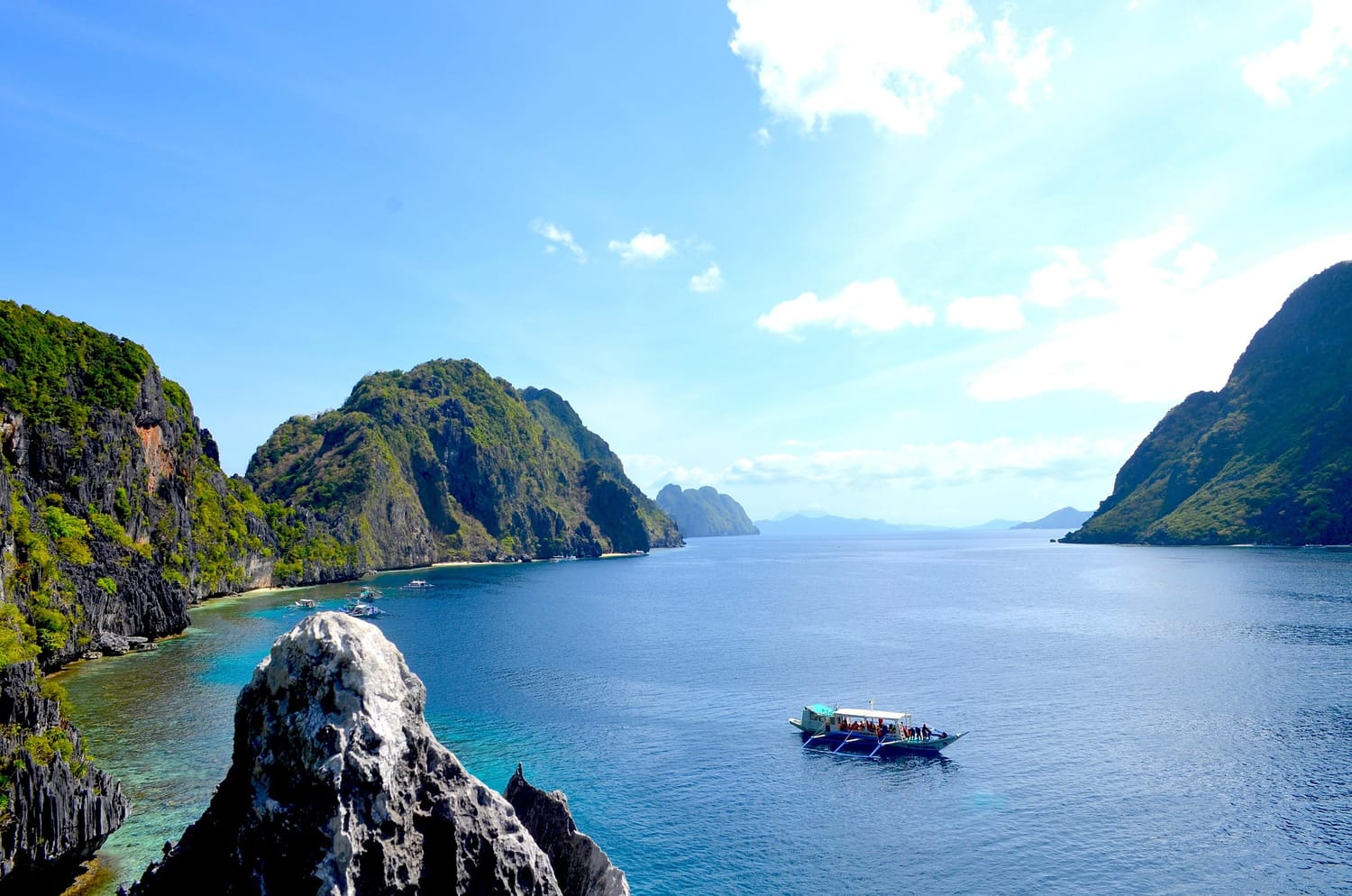
Whilst monsoon season presents challenges, it's not without its benefits. The rainfall keeps the islands lush and green, maintaining the tropical beauty that attracted me here in the first place. The cooler temperatures during rain are a welcome relief from the intense heat of the dry season.
Tourist areas become notably quieter during monsoon months, offering opportunities to explore popular destinations without crowds. Discounts at hotels and resorts during the wet season can be substantial. I've found savings of 30-40% compared to peak season rates.
The dramatic afternoon thunderstorms have a beauty of their own. Watching lightning illuminate the sea from my balcony has become one of my unexpected pleasures of island life. There's something primal and awe-inspiring about tropical storms when you're safely sheltered.
Monsoon season has also taught me patience and adaptability, qualities that serve well in expat life generally. Learning to work with the weather rather than against it, accepting that plans may need to change, and finding contentment during extended periods indoors have all been valuable lessons.
Regional Variations Worth Considering
If monsoon weather is a significant concern for your retirement plans, choosing a location in the Philippines is crucial. Palawan's western coast receives heavy monsoon rainfall, whilst its eastern side remains relatively dry. The Visayas generally experience moderate rainfall, with Cebu particularly well-positioned to avoid the worst of both monsoons.
Mindanao, particularly Davao, experiences minimal typhoon activity and more evenly distributed rainfall throughout the year. For retirees prioritising weather stability, Davao deserves serious consideration, though it sacrifices some of the dramatic tropical scenery of more mountainous islands.
Metro Manila, whilst offering excellent healthcare and infrastructure, sits in a typhoon pathway and experiences significant flooding during monsoon season. The trade-off between amenities and weather exposure is something each person must weigh according to their priorities.
I chose Cebu as a middle ground. It has adequate infrastructure and healthcare, moderate weather compared to Manila or Northern Luzon, and enough tropical character to feel distinctly different from the UK. Two years in, I believe it was the right choice for my circumstances.
Adapting Your Expectations
Perhaps the most important lesson I've learned about monsoon season is the need to recalibrate expectations. Coming from the UK, where rain is frequent but rarely dramatic, the Philippine monsoons require a fundamentally different mindset.
This isn't weather to fight against or merely endure, it's a natural cycle that shapes life on these islands. Filipinos have lived with monsoons for generations, and there's wisdom in their approach: prepare thoroughly, remain flexible, support your community, and find beauty in the storms.
The monsoon season also serves as a useful reminder that retiring abroad isn't about finding paradise. It's about finding a place where the trade-offs align with your priorities. Yes, June through November brings heavy rain and occasional typhoon anxiety. But it also brings affordable living, a warm community, accessible healthcare, and the kind of adventure that comes from genuinely experiencing a different culture and climate.
Planning Your Move with Global Citizen Life
Understanding weather patterns is just one aspect of planning a successful move to the Philippines. If you're considering relocating, whether to Cebu, Davao, Manila, or another Philippine location, Global Citizen Life offers comprehensive resources to guide your transition.
Their Moving Abroad Programs include three options for one-time strategy calls to help clarify your plans, six country-specific Moving Abroad Masterclasses covering everything from visa requirements to healthcare systems, and private coaching and consulting for personalised guidance through the relocation process.
These resources can help you navigate not just weather considerations, but the full spectrum of practical, financial, and logistical details that determine whether an international move succeeds or struggles.
Final Thoughts
Two years into my Philippine retirement, monsoon season no longer intimidates me. I've learned to read weather patterns, prepare adequately, and even appreciate the dramatic beauty of tropical storms. The annual rhythm of dry and wet seasons now feels natural rather than threatening.
Would I prefer year-round sunshine? Perhaps. But the monsoons are part of the package that includes affordable, high-quality living in a warm, welcoming culture. They're certainly a challenge to prepare for, but not an obstacle to a successful retirement here.
For British expats considering the Philippines, my advice is this: research thoroughly, choose your location wisely, prepare comprehensively, and approach monsoon season with pragmatic respect rather than fear. The weather patterns here are dramatic, yes. But they're also predictable, manageable, and ultimately just one more fascinating aspect of island life in Southeast Asia.
Written by Andrew Collins
Andrew is a former engineer who traded Manchester's grey skies for Cebu's tropical warmth in 2022. After three decades in engineering, he sought a retirement destination offering quality healthcare, affordable living, and genuine community. Now based in Cebu, Andrew explores the Philippine islands, navigates the expat healthcare system, and shares practical insights for retirees considering Southeast Asia. His analytical background helps him break down the real costs and logistics of island retirement living.
Read all our articles about the Philippines here.
Global Citizen Life
© 2023 Global Citizen Life
All rights reserved