
Navigating Italian Healthcare with Kids: What Every Expat Parent Needs to Know
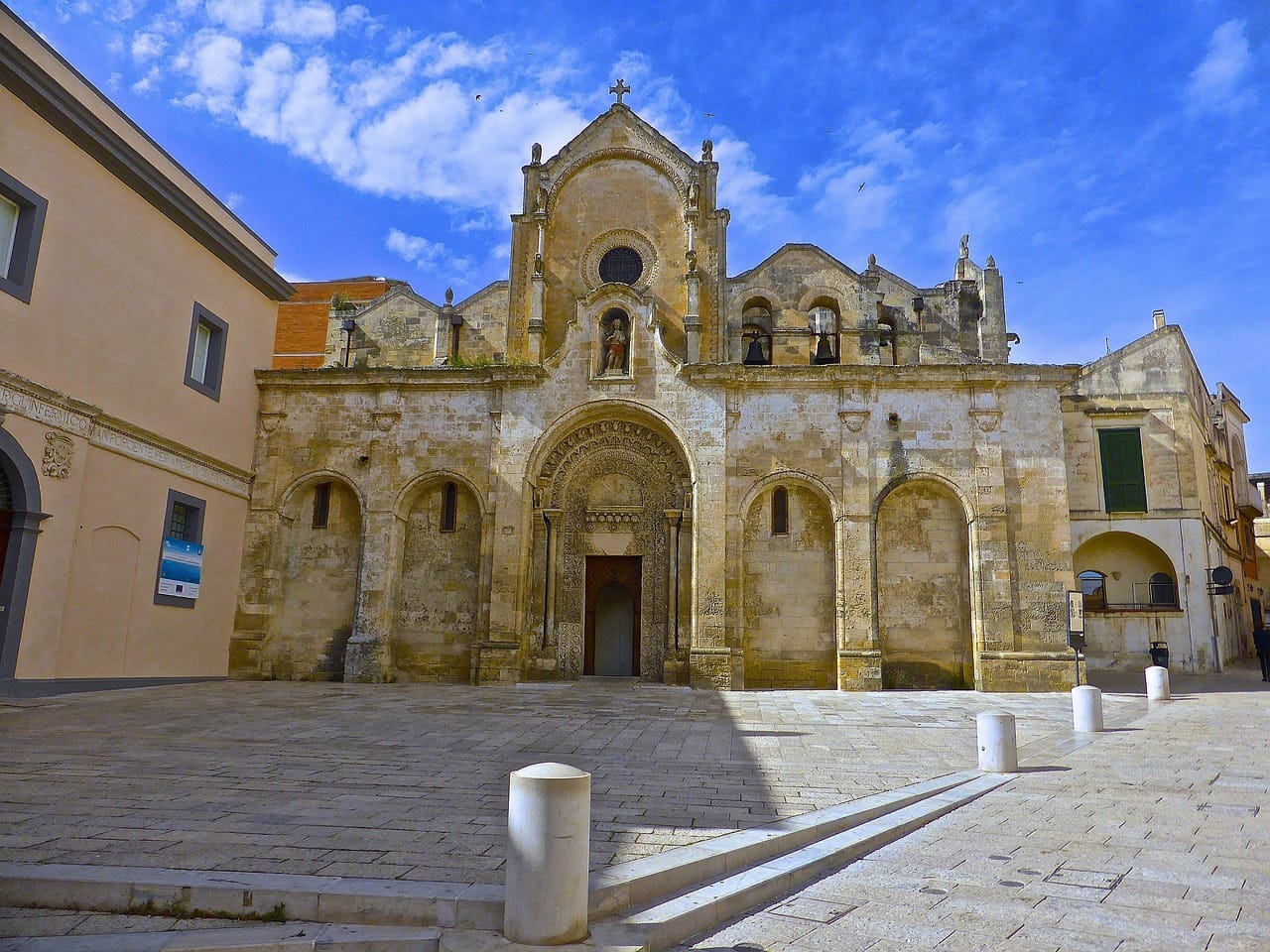
When my husband and I decided to move our family from Edinburgh to Lecce, one of my biggest concerns was healthcare. Specifically, how we'd navigate the Italian system with two children in tow. Would we find good pediatricians? Could we communicate effectively in medical situations? What if there was an emergency?
Three years into our Italian adventure, I can tell you that Italy's healthcare system is not only excellent but surprisingly family-friendly once you understand how it works. Yes, there's a learning curve, and yes, there are cultural differences, but the quality of care we've received has been outstanding, and often more accessible than what we had back in Scotland.
Here's everything I wish I'd known about navigating Italian healthcare with children before we moved.
Understanding Italy's Healthcare System: The Basics for Families
Italy's Servizio Sanitario Nazionale (SSN) is a public healthcare system that provides comprehensive coverage to residents, including expat families with proper residency status. Once you're registered, your children receive the same healthcare rights as Italian children, including access to pediatricians, vaccinations, specialist care, and emergency services.
The system is primarily funded through taxes, which means there are minimal out-of-pocket costs for most services. You'll pay a small co-payment (called a ticket) for some specialist visits and diagnostic tests, but routine pediatric care is essentially free.
The key to accessing this care? Getting registered with your local ASL (Azienda Sanitaria Locale), the regional health authority. This should be one of your first priorities after establishing residency.
Registering Your Family: A Step-by-Step Guide
Within eight days of arriving in Italy and obtaining your residency permit, you'll need to register with your local ASL. This process felt daunting at first, but it's actually quite straightforward. Here's what you'll need to bring:
Your passport and permesso di soggiorno (residence permit) for each family member
Your certificato di residenza (certificate of residence) proving your Italian address
Your codice fiscale (tax code) for each family member, you'll get this from the Agenzia delle Entrate
Birth certificates for your children (with official translations if they're not in Italian)
Once registered, you'll receive your tessera sanitaria (health card) for each family member within a few weeks. This card is your golden ticket to the Italian healthcare system. Your children will also be assigned a pediatrician. More on choosing one shortly.
If you're working in Italy and paying into the system through your employer, the registration process is even simpler. Your employer may handle much of the paperwork for you.

Ready to make your own move to Italy? Our
online course provides comprehensive guidance on visas, housing, healthcare, schools, and everything else you need to know for a successful family relocation. Learn from those who've done it and avoid costly mistakes.
Finding the Right Pediatrician: Your Child's Medical Home Base
In Italy, children under 14 must have a pediatra di famiglia (family pediatrician) rather than a general practitioner. This doctor will be your primary point of contact for all your children's health needs, from routine check-ups to sick visits to referrals for specialists.
When you register with the ASL, you'll receive a list of pediatricians in your area who are accepting new patients. Here's what I recommend when making your choice:
Ask other expat parents for recommendations. Our WhatsApp groups were invaluable for finding English-speaking pediatricians. Look for pediatricians with flexible appointment scheduling. Some offer online booking systems, which is incredibly convenient. Consider proximity.
You'll be making regular visits, so having a pediatrician within walking or a short drive is practical. Don't be afraid to ask about language capabilities during your first visit. Many pediatricians in larger cities and tourist areas speak at least some English.
Our pediatrician, Dr. Martina, has been wonderful. While her English isn't perfect and my Italian is still improving, we manage beautifully with a mix of both languages, hand gestures, and the occasional Google Translate session. She's patient, thorough, and genuinely invested in our children's wellbeing.
Day-to-Day Healthcare: What to Expect
Italian pediatric care differs from what we experienced in the UK in a few key ways. Appointments are typically longer and more thorough than I was used to. Dr. Martina spends at least 20 minutes with each child, even for routine check-ups. There's a strong emphasis on preventive care and natural remedies when appropriate. Italians are more conservative about prescribing antibiotics, which I've come to appreciate.
Pediatricians often have both scheduled appointment hours and open consultation times for quick questions or minor concerns. This flexibility has been incredibly helpful, especially during those weeks when everyone in the house seems to catch something different.
Home visits are also more common in Italy than in many other countries. When our youngest had a high fever at 11 PM, Dr. Martina came to our house to examine her. This level of personalized care still amazes me.
Vaccinations and Preventive Care: Staying on Schedule
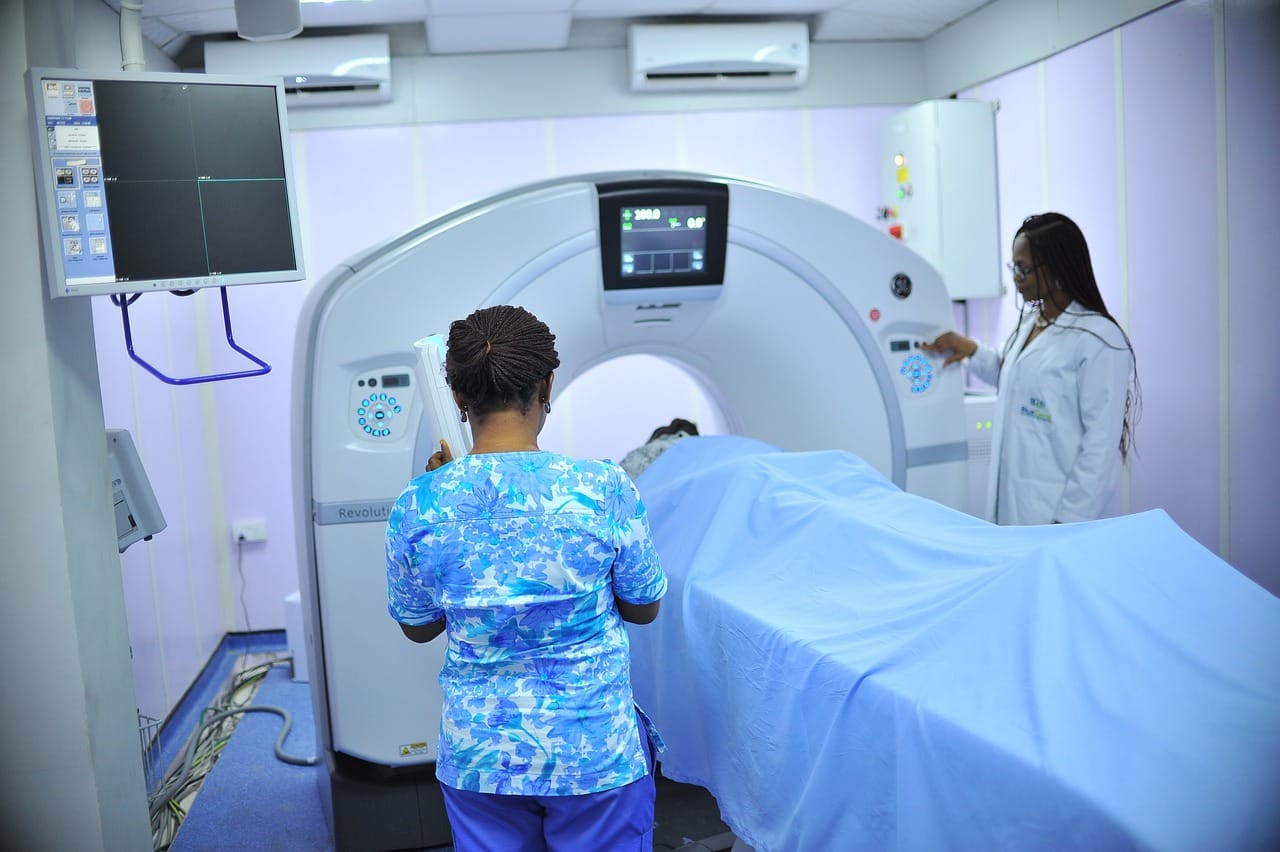
Italy takes childhood vaccinations seriously. Several vaccines are mandatory for school enrollment, including those for diphtheria, tetanus, pertussis, polio, hepatitis B, Haemophilus influenzae type B, measles, mumps, rubella, and varicella (chickenpox).
If your children were vaccinated in your home country, bring their vaccination records with you (officially translated if not in Italian). Your pediatrician will review them and determine what additional vaccines are needed to meet Italian requirements. In our case, our kids needed a few boosters and the varicella vaccine, which wasn't standard in Scotland when they were younger.
Vaccinations are administered at local vaccination centers (centri vaccinali), typically separate from your pediatrician's office. You'll receive appointment reminders, and the service is completely free. The staff we encountered were professional and excellent with nervous children; they even had stickers and small toys to reward brave kids.
Emergency Care: When Your Child Needs Immediate Help
Knowing how to access emergency care is crucial for any parent. In Italy, you have several options depending on the severity of the situation.
For true emergencies, call 118; Italy's equivalent of 911. This is a free service that will dispatch an ambulance. The operators often speak English, especially in larger cities. For urgent but non-life-threatening situations, visit the Pronto Soccorso (emergency room) at your nearest hospital. Wait times can be long for non-urgent cases, as patients are triaged by severity.
Many cities also have Guardia Medica, after-hours medical services that operate when regular doctor offices are closed (typically evenings, weekends, and holidays). This is perfect for situations that need attention but aren't true emergencies, like a suspected ear infection on Sunday morning.
We've used the Pronto Soccorso twice. Once when our son split his chin open on the playground and once when our daughter had what we feared was appendicitis (thankfully, it wasn't). Both times, despite the language barrier and initial confusion about the system, the care was excellent and completely free.
Unlock the secrets of the world's most successful entrepreneurs with the
Global Wealth Navigator Newsletter
Discover the world's best destinations offering a lower cost of living paired with an enriched quality of life with the Global Wealth Navigator Newsletter. Whether you're a retiree or an entrepreneur, we dive into strategies that open doors to international investments, tax optimizations, and discover the finest destinations offering a superior quality of life. Don't let borders or routine define you; lets find your ideal spot in the world, regardless of your income bracket.

Specialists and Diagnostic Tests: Navigating Referrals
If your child needs specialist care, whether from an allergist, orthopedist, or another specialist, your pediatrician will provide a referral (called an impegnativa). This referral allows you to book an appointment through the SSN at a significantly reduced cost.
The catch? Wait times for non-urgent specialist appointments can be long—sometimes several weeks or even months. You have two options here. You can wait for the SSN appointment and pay only a small co-payment (usually $33 to $88, depending on the service). Alternatively, you can see the same specialist privately (a libera professione or in a private clinic), typically within days, but at full private rates (usually $165 to $440 for a consultation).
When our daughter needed to see an allergist, we opted for a private appointment to get answers quickly. The specialist was excellent, and while we paid out of pocket (about $220 for the consultation and testing), it was worth it for our peace of mind.
Diagnostic tests like blood work, X-rays, and ultrasounds work similarly. Your pediatrician provides a referral, you book through the SSN (with potential wait times), or you go private for faster service.
Pharmacies: Your Healthcare Partners
Italian pharmacies (farmacie) are much more than places to fill prescriptions. They're healthcare resources in their own right. Pharmacists in Italy are highly trained and can provide advice on minor ailments, recommend over-the-counter treatments, and even administer some basic healthcare services.
I can't tell you how many times our local pharmacist has helped us navigate a child's fever, rash, or upset stomach, often saving us a trip to the pediatrician. They'll also explain how to administer medications and answer questions about dosages, all with impressive patience despite our imperfect Italian.
Pharmacies operate on a rotating schedule, ensuring at least one farmacia di turno is open 24/7 in each area. The schedule is posted outside every pharmacy and available online. This has been a lifesaver during middle-of-the-night illness crises.
One cultural note: Italians are less likely to reach for medication at the first sign of symptoms. Don't be surprised if your pediatrician recommends rest, hydration, and monitoring before prescribing medicine. This conservative approach has actually helped our family develop a healthier relationship with medication.
Common Childhood Illnesses: What to Expect in Italy
Children will be children anywhere in the world, which means they'll catch colds, stomach bugs, and all the usual childhood ailments, regardless of what country you're in. However, a few things are handled differently in Italy.
Head lice (pidocchi) are taken very seriously in Italian schools. If there's an outbreak, expect thorough checks and treatment protocols. Schools are also vigilant about infectious diseases. If your child has a contagious illness, you'll need a certificato di riammissione (re-admission certificate) from your pediatrician before they can return to school.
The concept of colpo d'aria (a strike of air) is uniquely Italian. Many Italians believe that drafts and temperature changes cause illness, which is why you'll see children bundled up even when it seems quite warm to us. Your pediatrician might even advise keeping children out of drafts; it's a cultural belief deeply ingrained in Italian medical practice.
Dental and Vision Care: Beyond the Pediatrician
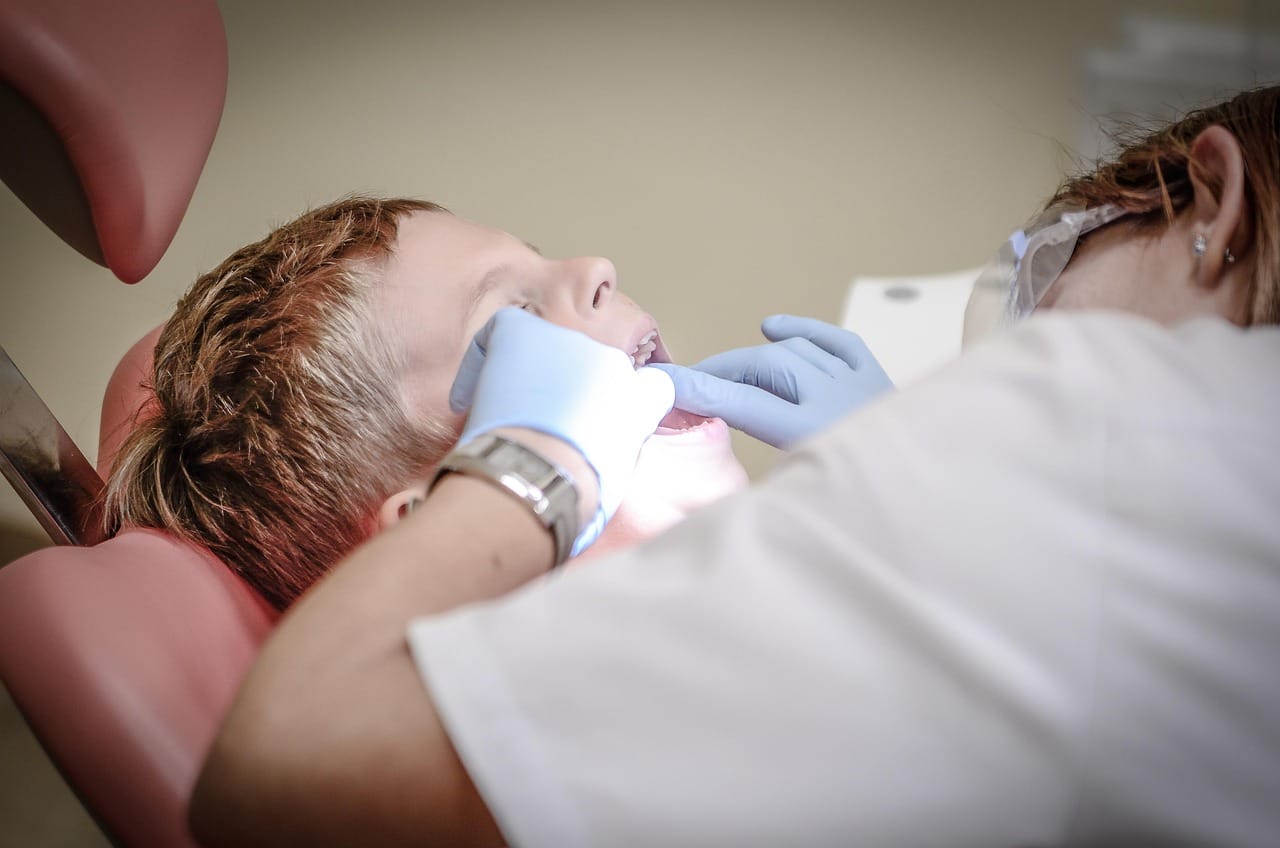
One significant difference from some countries: pediatric dental and vision care are not automatically covered by the SSN. While emergency dental treatment is covered, routine dental care and orthodontics are typically paid out of pocket.
Dental visits generally cost between $66 and $165 for a cleaning and check-up, while orthodontic treatments range from $2,200 to $7,700, depending on complexity. Vision tests are more affordable, typically $44 to $110, while glasses cost $165 to $550, depending on the prescription and frames you choose.
Many expat families opt for private health insurance to cover these costs and reduce wait times for specialist care. We pay about $1,430 per year for supplemental family coverage that includes dental, vision, and faster access to specialists.
Mental Health and Developmental Support: Available Resources
Italy provides comprehensive developmental and mental health support for children through the SSN, though services and wait times vary by region. The neuropsichiatria infantile departments at local health centers offer evaluation and treatment for developmental delays, learning disabilities, autism spectrum disorders, and mental health concerns.
If your child has special educational needs, they're entitled to support in Italian schools. The system includes support teachers (insegnanti di sostegno) who work with children who have certified learning differences or disabilities. Schools are generally inclusive, with supported children learning alongside their peers.
Finding English-speaking psychologists or therapists for children can be more challenging, especially outside major cities. However, international schools and expat communities often maintain lists of bilingual practitioners. Online therapy has also become more common, allowing your child to connect with English-speaking therapists if needed.
Overcoming Language Barriers: Practical Communication Strategies
I won't sugarcoat it: language barriers are probably the biggest challenge when navigating Italian healthcare with children. However, they're far from insurmountable, and they become easier over time.
Here's what has helped us. Learn key medical vocabulary in Italian. Even basic terms for symptoms, fever (febbre), cough (tosse), stomach ache (mal di pancia), rash (eruzione cutanea), make a huge difference. Use translation apps during appointments. Google Translate's camera feature can translate prescription instructions and medical documents in real time.
Bring written summaries of your child's medical history in Italian. We had ours professionally translated and now carry copies to every first appointment with a new doctor. Ask your pediatrician to write things down. I often request written instructions for medications or care plans, which I can translate carefully at home.
Consider taking an Italian course with a medical focus. Some language schools offer specialized medical Italian classes designed for healthcare situations. Children adapt quickly. Our kids picked up medical Italian faster than we did, and now they can explain their symptoms better than I can translate them.
Most importantly, don't let language anxiety prevent you from seeking care when your child needs it. Healthcare providers are used to working with non-Italian speakers, especially in areas with expat communities. They'll work with you to ensure your child gets proper care.

Managing Medical Records: Keeping Track Across Borders
Before moving to Italy, make sure to obtain complete medical records for each child, including vaccination histories, any chronic conditions or allergies, surgical histories, and any ongoing treatments or medications. Have these translated into Italian by a certified translator, it's worth the investment (typically $110 to $220 depending on length).
In Italy, the Fascicolo Sanitario Elettronico (FSE) is a digital health record system being implemented across regions. Once activated, it allows you to access your family's medical records, test results, and prescriptions online. Implementation varies by region, so check with your local ASL about availability in your area.
I maintain both physical and digital copies of all our children's important medical documents, organized by child and by year. This has proven invaluable when seeing new specialists or needing to reference past treatments.
Private Health Insurance: Is It Worth It?
While the SSN provides excellent care, many expat families choose to supplement with private health insurance. Here's why we decided it was worth it for our family. Private insurance significantly reduces wait times for specialist appointments and diagnostic tests. It covers dental and vision care, which aren't fully included in the SSN. It provides access to private clinics and hospitals, which may have more English-speaking staff. It often includes coverage for medical evacuations or treatment in other countries if needed.
Annual premiums for family coverage typically range from $1,100 to $3,300, depending on coverage level and whether you include dental and vision. We pay about $1,430 for comprehensive family coverage, and it's given us peace of mind, especially for those first few years when we were still learning the system.
That said, plenty of expat families rely entirely on the SSN and are completely satisfied. The decision depends on your family's needs, health history, and comfort level with potential language barriers and wait times.
Healthcare Costs: What to Budget For
One of the most pleasant surprises about Italian healthcare is how affordable it is, even when paying out of pocket. Here's a realistic budget of what you might spend annually per child, including both SSN co-payments and occasional private services:
Routine pediatric care through SSN: Free. Specialist visits (if using SSN): $33 to $88 per visit, typically one to three times per year. Private specialist consultations when needed: $165 to $440, maybe once or twice per year. Diagnostic tests with SSN: $22-$66 per test. Prescription medications with SSN: Minimal co-pays, usually under $11 per prescription. Dental check-ups and cleanings: $66 to $165 twice per year.
Vision check-ups: $44-$110 annually. Over-the-counter medications and pharmacy visits: $110-$330 per year.
For our family of four, we spend approximately $1,650 to $2,200 annually on all healthcare costs, including private insurance, which is considerably less than what we paid for significantly less comprehensive coverage in the UK.
Schools and Healthcare: What Parents Need to Know
Italian schools have specific health requirements and protocols that differ from what many expat families are used to. Understanding these will help you navigate the school year more smoothly.
First, proof of vaccination is mandatory for school enrollment. You'll need to provide documentation that your children have received all required vaccines. If vaccinations were completed abroad, make sure you have official translations of the records.
Schools maintain strict policies about illness. If your child has a fever, vomiting, or certain contagious conditions, they cannot attend school. For illnesses lasting more than five days (three days for younger children), you'll need a re-admission certificate from your pediatrician confirming they're healthy enough to return.
If your child needs medication during school hours, you'll need to provide written authorization from your pediatrician and follow specific protocols for storage and administration. Generally, children are not allowed to keep medication with them.
School nurses are less common in Italy than in some other countries. If your child has a health emergency at school, staff will call you immediately and, if necessary, call an ambulance.
Seasonal Considerations: Climate and Health in Italy
Italy's climate can affect children's health in ways you might not expect if you're coming from a different climate zone. Here in southern Italy, we deal with hot summers, with temperatures regularly reaching 35 to 40 degrees Celsius (95 to 104 degrees Fahrenheit). Heat-related illness is a real concern, and our pediatrician emphasizes hydration and limiting outdoor activities during peak heat hours.
Seasonal allergies can be intense, particularly in spring when olive trees and various grasses pollinate. If your children have allergies, stock up on antihistamines and consider seeing an allergist early in your time here.
Mosquitoes are prevalent in many parts of Italy, especially near water and during warm months. While serious mosquito-borne illness is rare, the bites can be irritating. We use mosquito nets on windows and natural repellents.
Winter brings cold and flu season, much like anywhere else. The flu vaccine is recommended and available free through the SSN for young children and at-risk groups.
Preparing for Your Move: Healthcare Checklist
Before you move to Italy with children, take these important steps to prepare for healthcare. Schedule final check-ups with your current pediatrician and any specialists. Request complete medical records, including detailed vaccination histories. Have medical records professionally translated into Italian. Stock up on any regular medications your children take and bring at least a three-month supply while you transition. Research pediatricians in your destination city and consider joining expat parent groups to get recommendations.
Learn basic medical Italian vocabulary before you arrive. Register with your local ASL as soon as you have residency documentation. Schedule initial appointments with your assigned pediatrician within the first month. Locate your nearest hospital emergency room and 24-hour pharmacy. Consider whether private insurance would give you peace of mind during the transition.
If you're planning your move to Italy and want comprehensive guidance on healthcare, education, housing, and cultural integration, our Move to Italy Masterclass online course provides in-depth information and practical strategies for families making this life-changing transition.
Embracing Italian Healthcare
Three years into our Italian life, I can honestly say that healthcare was not the challenge I feared it would be. Yes, there were learning curves. Yes, there were moments of confusion and frustration, particularly in those early days when my Italian consisted of little more than "ciao" and "grazie."
But what we've gained is a healthcare system that treats children holistically, emphasizes prevention, and provides excellent care at a fraction of what we'd pay elsewhere. Our children have thrived here, not just despite the different healthcare system but, in many ways, because of it.
The pediatricians truly care. The pharmacists go above and beyond. The emergency care is prompt and professional. And slowly but surely, navigating it all has become second nature.
If you're considering moving to Italy with children, don't let healthcare concerns hold you back. With some preparation, patience, and willingness to embrace a different system, you'll find that Italian healthcare can actually be one of the best aspects of your expat experience. Your children will be well cared for, and you might even find yourself appreciating the Italian approach to health and wellness more than you expected.
And when your child comes home from school speaking Italian to the pharmacist better than you can, you'll know you've truly arrived in your new home.
Ready to make your own move to Italy? Our
online course provides comprehensive guidance on visas, housing, healthcare, schools, and everything else you need to know for a successful family relocation. Learn from those who've done it and avoid costly mistakes.
Written by Rachel McIntyre
From Edinburgh to Lecce, Rachel and her husband are raising two children under the Italian sun. Her articles blend practical guidance with personal stories—covering schooling, housing, and building a family life abroad that feels deeply connected.
📍 From Edinburgh, now in Lecce
Rachel writes for families navigating life abroad—schooling, culture, and finding connection in Italy’s warm southern communities.
Read Articles by Rachel →
Global Citizen Life
© 2023 Global Citizen Life
All rights reserved