
Moving to Malta as a Tech Professional: What I Wish I'd Known Before Relocating to Valletta
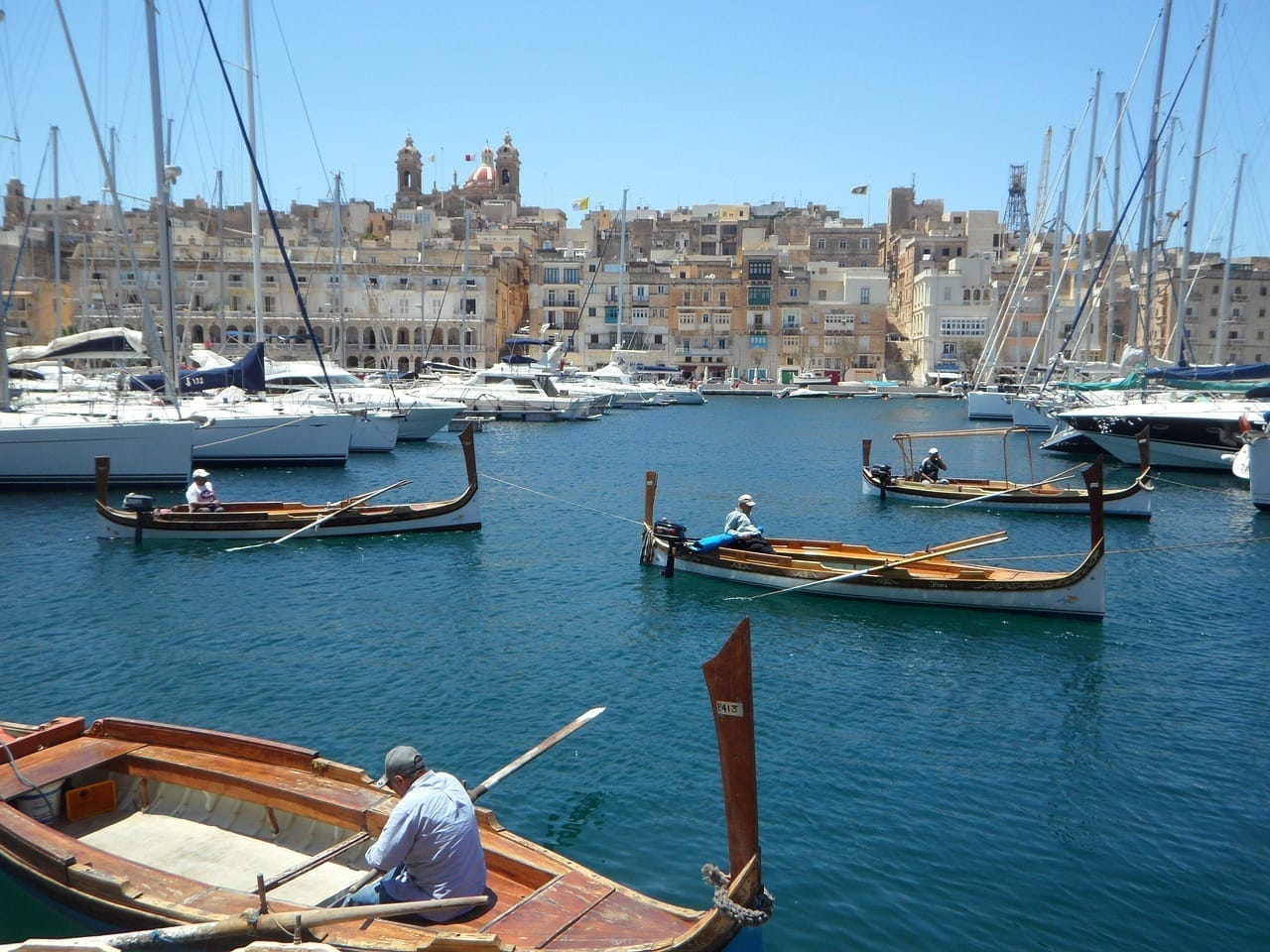
When I received the job offer from a gaming company in Valletta three years ago, I was excited about the opportunity but completely unprepared for what moving to Malta would actually entail. As a Canadian tech professional who had spent my entire career in North America, the prospect of relocating to a tiny Mediterranean island seemed both thrilling and overwhelming. Now that I've successfully navigated the move and established myself in Malta's booming tech scene, I want to share the insights I wish someone had given me before I packed my bags.
Understanding Malta's Tech Ecosystem
Malta has quietly become one of Europe's most dynamic tech hubs, particularly for gaming, fintech, and blockchain companies. The island hosts over 250 gaming companies alone, making it the iGaming capital of Europe. When I arrived, I was surprised to discover that this tiny nation of just over 500,000 people punches well above its weight in the technology sector.
The tech sector here is genuinely international. In my office in Valletta, I work alongside colleagues from over 20 different countries. English is one of Malta's official languages, which makes the transition incredibly smooth for North American professionals. Unlike other European tech hubs where language barriers can slow integration, you'll find that virtually everyone in Malta's business community speaks fluent English.
The government has created attractive incentives for tech companies, including favorable tax structures and residency programs. This has attracted major players such as Betsson, Kindred Group, and numerous blockchain startups. For tech professionals, this means a competitive job market with salaries that, while not matching Silicon Valley, offer excellent value when combined with Malta's lower cost of living and favorable tax rates.
The Visa and Residency Process
This was my biggest source of anxiety before moving, and frankly, it turned out to be more bureaucratic than I expected. Malta offers several visa options for tech professionals, but most employers will sponsor you through the Single Permit, which combines your work permit and residence permit.
The timeline can be frustratingly long, typically taking three to four months from application to approval. My advice: start the process as soon as you accept your job offer. You'll need police clearance certificates from every country where you've lived for more than six months in the past decade, authenticated copies of your educational certificates, proof of health insurance, and a signed employment contract.
One crucial detail I wish I'd known: get multiple certified copies of everything. Malta's bureaucracy loves paperwork, and you'll need original certified documents for your residence permit, opening bank accounts, and registering with the tax authorities. Having extras saved me multiple trips to the Canadian embassy.
Malta also offers an attractive option for highly skilled workers, the Malta Residence Programme, as well as various other schemes for high-net-worth individuals and remote workers. If you're planning to work remotely for a non-Maltese company, consider the Nomad Residence Permit, launched in recent years and specifically designed for digital nomads.
Finding Accommodation in Valletta and Beyond
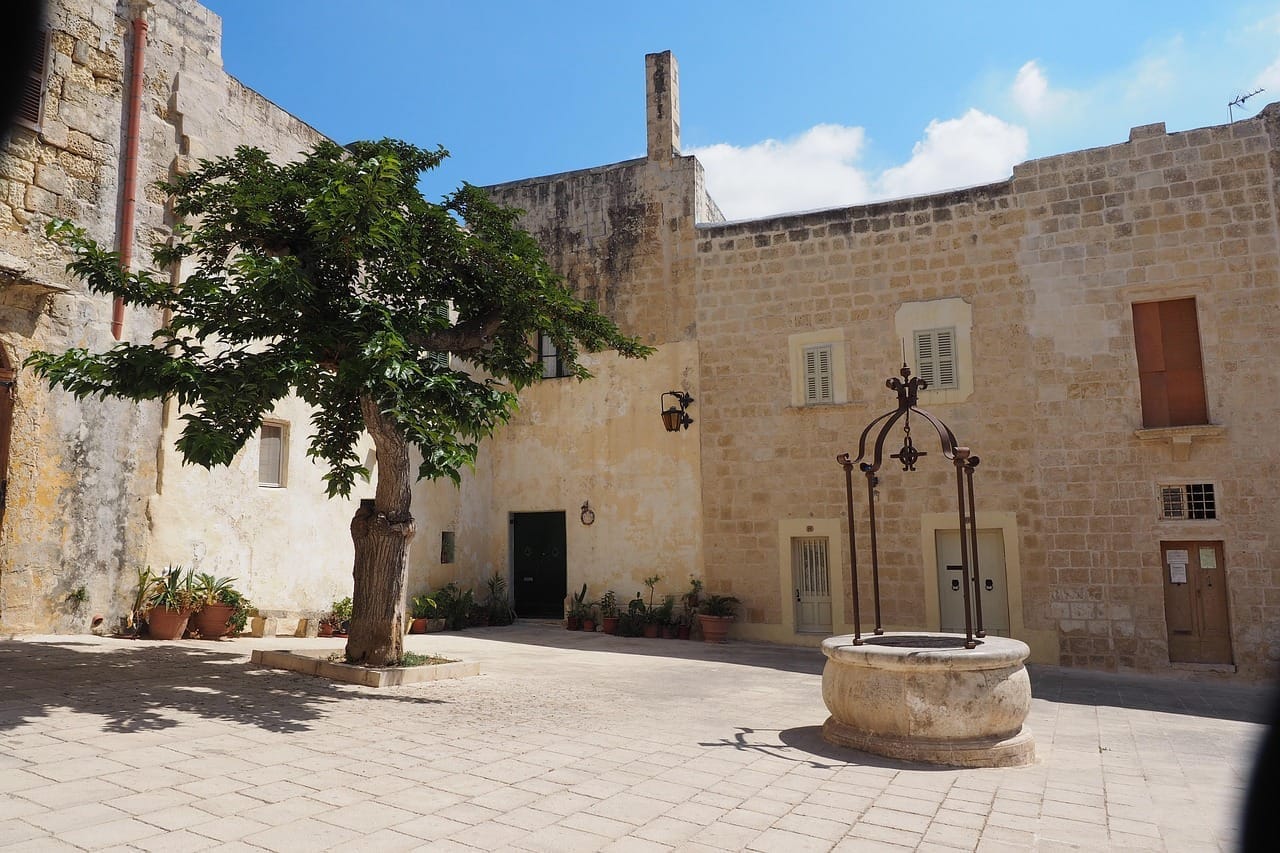
The housing market in Malta is tight, competitive, and significantly more expensive than I anticipated. In Valletta proper, expect to pay around $1,650 to $2,200 per month for a decent one-bedroom apartment. Two-bedroom apartments can easily reach $2,500 to $3,300 per month, particularly in sought-after areas like Sliema, St. Julian's, and Gzira.
I initially made the mistake of trying to secure an apartment from Canada. Don't do this. The rental market moves fast, and landlords prefer meeting potential tenants in person. I recommend booking a short-term rental or hotel for your first two weeks and apartment hunting once you arrive. Many tech professionals stay in Airbnbs initially while searching for permanent accommodation.
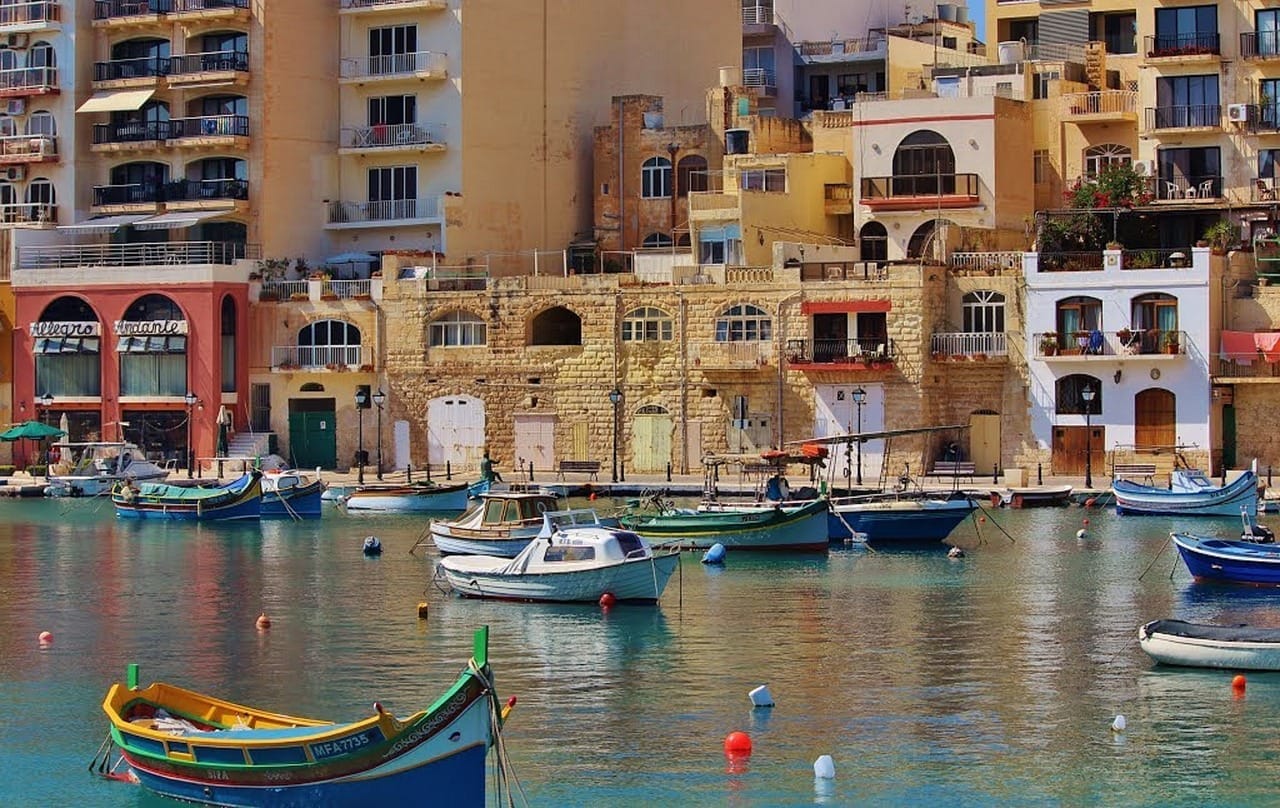
Consider looking beyond the obvious expat areas. Towns like Msida, Birkirkara, and Mosta offer more affordable options while remaining well connected to tech hubs. I eventually settled in Sliema, which provides a good balance of walkability, amenities, and proximity to Valletta, though I pay a premium for the location.
Be prepared for rental quirks: many apartments don't include washing machines or other appliances, air conditioning is essential but significantly increases electricity costs in summer, and older buildings may have noise and insulation issues. Always inspect properties carefully and clarify what's included in the rent.
The True Cost of Living
Malta markets itself as an affordable Mediterranean destination, and compared to London or Zurich, it certainly is. But it's not the bargain I expected. Here's what I actually spend monthly:
Rent for my one-bedroom apartment in Sliema runs $1,980 per month. Utilities add another $165 in winter, jumping to $275 in summer when air conditioning becomes non-negotiable. The internet is reliable and costs around $44 monthly for a good connection.
Groceries cost approximately $440 to $550 per month for one person, assuming you cook most meals at home. Imported products are expensive, but local produce, fresh fish, and Mediterranean staples are reasonably priced. Shopping at local markets rather than expat-focused supermarkets helps keep costs down.
Dining out is where expenses can escalate quickly. A decent restaurant meal costs $33 to $55 per person, while a casual lunch might run $13 to $18 per person. Coffee culture is big here, and your daily cappuccino will cost around $2.75. Many tech professionals spend $440 to $660 monthly on dining and entertainment.
Transportation deserves special mention. Malta's public bus system is extensive and cheap, with tickets costing just $1.50 for a two-hour ticket or $29 for a monthly pass. However, buses can be unreliable and crowded during rush hour. Many expats eventually buy cars, but parking is a nightmare in urban areas, and the island's tiny size means traffic congestion is a daily reality. I've opted for a combination of buses, walking, and the occasional Bolt or eCabs ride, spending roughly $110 monthly on transportation.
Banking and Financial Setup
Opening a bank account in Malta requires patience and paperwork. The major banks include Bank of Valletta, HSBC Malta, and APS Bank. You'll need your residence permit, employment contract, proof of address (a challenge if you're in temporary accommodation), and various other documents.
The process took me nearly three weeks and multiple bank visits. Some banks have minimum balance requirements or monthly fees, so shop around. HSBC is popular with expats because it offers international banking services and English-speaking staff who understand expat needs.
Malta uses the euro, which simplifies things if you're moving from within the Eurozone, but requires currency exchange considerations for North Americans. I maintain both my Canadian and Maltese bank accounts and use services like Wise for international transfers to avoid excessive fees.
Understanding Malta's tax system is crucial. As a resident, you'll pay income tax on a progressive scale, but Malta's flat rate tax scheme and other provisions can significantly reduce your tax burden compared to other European countries. I strongly recommend consulting with a local tax advisor in your first year to optimize your situation.
Healthcare and Insurance
Malta has both public and private healthcare systems. The public system is free for residents, but it can have long waiting times for non-emergency care. Most tech professionals, including myself, opt for private health insurance, which costs between $110 and $220 per month depending on coverage level and age.
Private healthcare in Malta is excellent and affordable compared to North American standards. A general practitioner visit costs around $33 to $44, while specialist consultations run $66 to $110. Many employers include private health insurance as part of their benefits package, so clarify this before negotiating your salary.
Pharmacies are well-stocked and conveniently located throughout the islands. Prescription medications are generally less expensive than in North America, though some specific brands may not be available. Bring a supply of any essential medications and obtain prescriptions from a local doctor to ensure continuity of care.
Building Your Professional Network
Malta's tech community is surprisingly tight-knit and welcoming. Within my first month, I attended several networking events and quickly realized that the expat professional scene is active and accessible. The Malta Digital Innovation Authority hosts regular events, and organizations like the Malta Gaming Authority sponsor industry gatherings.
Meetup groups are incredibly valuable for making both professional and social connections. The Malta Tech Meetup and various gaming industry groups meet regularly, offering chances to connect with people who understand the challenges of relocating for tech work. Many lasting friendships and professional opportunities emerge from these gatherings.
LinkedIn is actively used in Malta's professional community, perhaps even more so than in North America. Don't hesitate to reach out to other tech professionals for coffee meetings. The community is small enough that people genuinely want to help newcomers succeed.
Co-working spaces like The Trident Park, SOHO Offices, and Ikimasho have become hubs for the tech community. Even if your company provides office space, attending occasional coworking events can significantly expand your network. Many spaces offer free trial days or guest passes for events.
Adapting to Island Life
The adjustment to island life involves more than logistics. Malta is small, measuring just 122 square miles. You can drive from one end to the other in under an hour, though traffic often makes this longer. This size is both charming and occasionally claustrophobic.
Weekends take on a different rhythm than in large North American cities. Instead of having endless entertainment options, you become intimately familiar with the island's beaches, historic sites, and restaurants. I've learned to appreciate this enforced simplicity, but it requires adjustment if you're used to metropolitan variety.
The climate is Mediterranean, with hot, dry summers and mild, wet winters. Summer temperatures regularly exceed 90°F (32°C), and the humidity can be intense. Air conditioning is essential but expensive. Winters are mild compared to Canada, rarely dropping below 50°F (10°C), but buildings are often poorly insulated and lack central heating, making them feel colder than the temperature suggests.
Malta's social culture differs significantly from North American norms. Things move more slowly, bureaucracy is more entrenched, and the concept of 'island time' is real. Learning to adjust your expectations around service speed and administrative efficiency will preserve your sanity.
Language and Cultural Integration
While English is an official language and virtually everyone speaks it fluently, Maltese remains the primary language for locals. You'll encounter Maltese constantly in signage, casual conversation, and official documents. Learning basic Maltese phrases helps with integration and is genuinely appreciated by locals.
The Maltese people are friendly and welcoming to foreigners, particularly those who show genuine interest in the culture. However, truly integrating into local social circles takes time and effort. The expat community, while supportive, can become a bubble. I've made a conscious effort to attend local festivals, learn about Maltese history, and frequent neighborhood establishments to build connections beyond the expat scene.
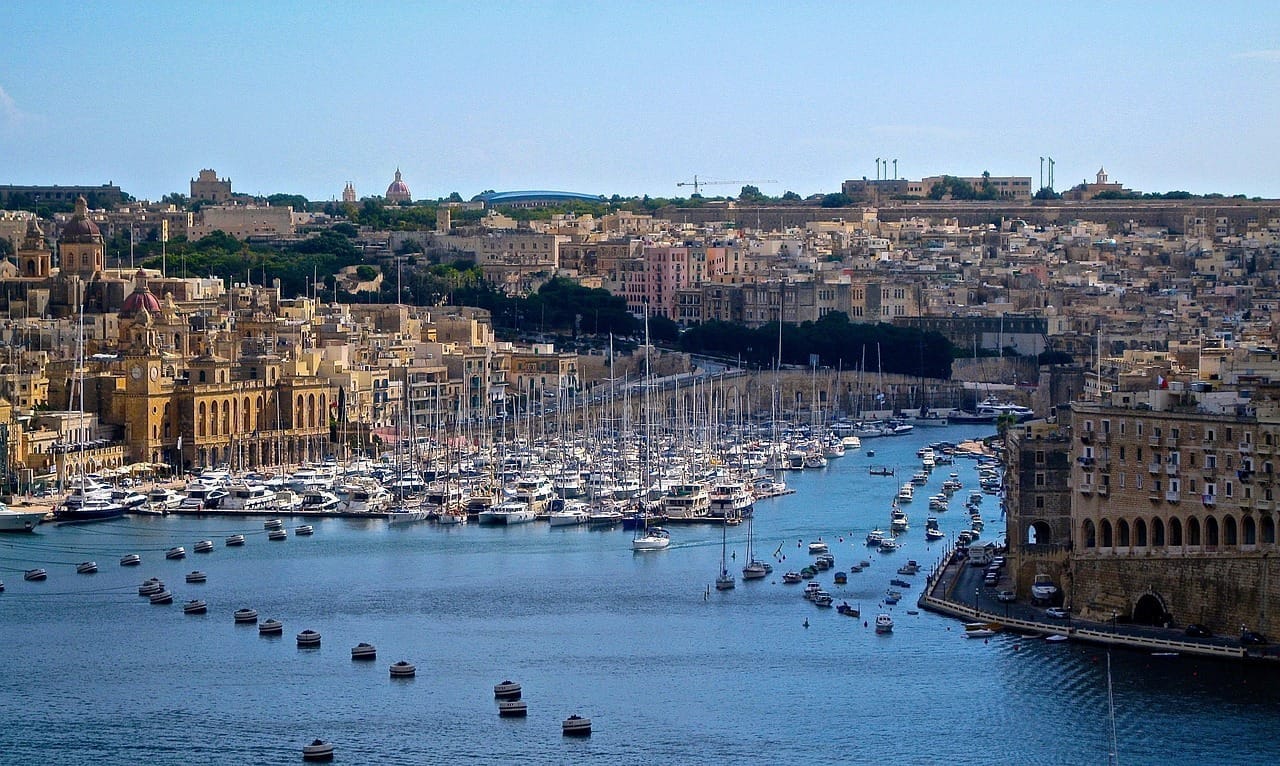
Religion plays a more prominent role in Maltese society than in modern Canada. The vast majority of Maltese are Catholic, and religious holidays are significant national events. Churches dominate every town's skyline, and feast days bring communities together in elaborate celebrations. Understanding and respecting this cultural cornerstone helps navigate social situations.
Managing Homesickness and Maintaining Connections
Homesickness hit harder than I expected, particularly during the first winter when Canadian holidays felt distant and disconnected. Malta's location makes it relatively easy to reach mainland Europe, which offers welcome weekend escape options, but returning to Canada involves expensive flights and significant travel time.
I've found that maintaining regular video calls with family and friends, rather than waiting for 'special occasions,' helps bridge the distance. The seven-hour time difference with Eastern Canada requires intentional scheduling, but consistent communication makes the separation more manageable.
Building a life in Malta means creating new traditions and finding your community. The expat network becomes an extended family, celebrating holidays together and supporting each other through the challenges of living abroad. I've learned to embrace this new phase while maintaining meaningful connections to home.
Career Growth and Professional Development
Malta's tech sector is growing rapidly, but it remains smaller than major hubs like London or Berlin. This has implications for career progression. Opportunities exist, particularly in gaming, fintech, and blockchain, but the talent pool is limited, which can mean taking on broader responsibilities than you might in a larger market.
I've found this to be largely positive. The small market means professionals often wear multiple hats, gaining diverse experience quickly. Leadership opportunities arise sooner, and your network connects you directly to decision-makers. However, if you're highly specialized in a niche area, opportunities may be limited.
Remote work has become more accepted post-pandemic, and Malta's time zone (Central European Time) positions you well for working with companies across Europe and Africa, and for overlapping with North American business hours. Several tech professionals I know work remotely for companies based elsewhere while enjoying Malta's lifestyle and tax benefits.
Education and Family Considerations
While I moved to Malta as a single professional, many of my colleagues relocated with families. Malta offers a variety of international schools, including those offering British, American, and European curricula. Tuition ranges from $6,600 to $16,500 annually, depending on the school and grade level.
The public school system is free and follows a British-style curriculum with instruction in both English and Maltese. Many expat families choose this route, particularly for younger children, finding that it aids cultural integration.
Childcare costs are significantly lower than in North America, with quality daycare costing $440 to $880 per month. Nannies and au pairs are common, and the warm climate means children can enjoy outdoor activities year-round.
Weekend Escapes and Travel Opportunities
One of Malta's greatest advantages is its position in the Mediterranean. Sicily is a 90-minute ferry ride away, and flights to mainland Europe are abundant and affordable. Weekend trips to Rome, Barcelona, Athens, or dozens of other destinations cost less than flying between Canadian provinces.
Budget airlines like Ryanair and Wizz Air operate extensive routes from Malta International Airport. I've explored more of Europe in three years here than I did in two decades in Canada, with weekend trips costing as little as $110 for flights and accommodation combined.
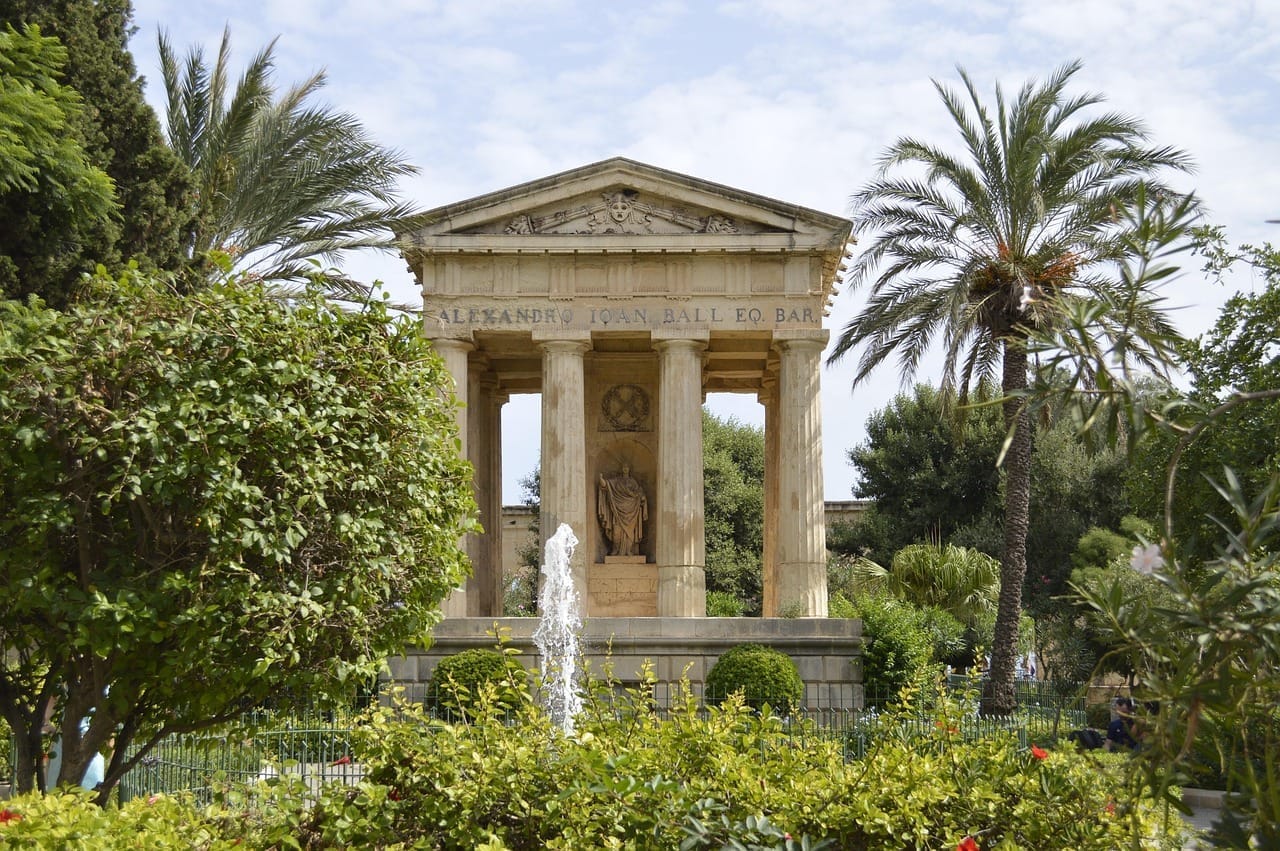
The island itself offers constant discoveries. Gozo, Malta's sister island, provides a peaceful weekend escape with stunning landscapes and a slower pace. Comino, with its famous Blue Lagoon, is perfect for day trips. The historical sites, from Mdina's medieval streets to Valletta's Baroque architecture, never lose their appeal.
Practical Technology Considerations
As a tech professional, I had specific concerns about infrastructure. Malta's internet is generally reliable, with fiber connections available in most urban areas offering speeds up to 1 Gbps. I pay around $44 per month for a 500 Mbps connection that handles video calls, large file transfers, and streaming without issues.
Mobile coverage is excellent across the islands. Providers like GO, Vodafone Malta, and Melita offer competitive plans with unlimited data for around $22 to $33 monthly. EU roaming regulations mean these plans work throughout Europe without additional charges.
Time zone considerations matter for tech professionals. Malta is GMT+1, which means you're seven hours ahead of Toronto and nine hours ahead of Vancouver. This affects communication with North American teams but aligns well with European business hours. I've adjusted my schedule to overlap with key meetings, typically starting my workday slightly later to catch colleagues in Canada who work evenings.
The Decision to Stay or Leave
After three years in Malta, I often reflect on whether the move was the right decision. The honest answer is: it depends on what you value. If career progression in a massive tech ecosystem is your priority, Malta won't compete with Silicon Valley or London. If you're seeking work-life balance, a Mediterranean lifestyle, tax advantages, and a vibrant international community in a compact, beautiful setting, Malta excels.
I've found professional fulfillment, made lasting friendships, and gained perspectives I never would have developed staying in Canada. The challenges, from bureaucracy to occasional island fever, are real but manageable. Malta has become home in ways I didn't anticipate when I first accepted that job offer.
For tech professionals considering the move, my advice is simple: approach it with open eyes and realistic expectations. Research thoroughly, prepare financially for initial setup costs, and be ready to embrace both the advantages and frustrations of island life. The opportunity to live and work in one of Europe's most dynamic tech hubs while enjoying Mediterranean weather and culture is unique.
Resources for Making Your Move
Planning an international relocation can feel overwhelming, but you don't have to navigate it alone. Whether you're considering Malta or exploring other destinations, having expert guidance makes an enormous difference in ensuring a smooth transition.
Global Citizen Life offers comprehensive support for professionals planning their move abroad. Their Moving Abroad Programs include one-time strategy calls to help clarify your options, six country-specific Moving Abroad Masterclasses covering everything from visas to housing, and private coaching and consulting services for personalized guidance throughout your relocation journey. These resources would have saved me months of confusion and countless mistakes during my own move to Malta.
Final Thoughts
Moving to Malta as a tech professional has been one of the most rewarding decisions of my career. The combination of a thriving industry, Mediterranean lifestyle, and international community creates opportunities that simply don't exist elsewhere. Yes, there are frustrations, from bureaucratic hurdles to the limitations of island life. But three years in, I'm still discovering new beaches, making meaningful connections, and finding professional challenges that push me to grow.
If you're considering the move, start planning early, save more than you think you'll need, and mentally prepare for both incredible highs and occasional frustrations. Malta won't be perfect, but for the right person, it offers a lifestyle and career opportunity worth pursuing.
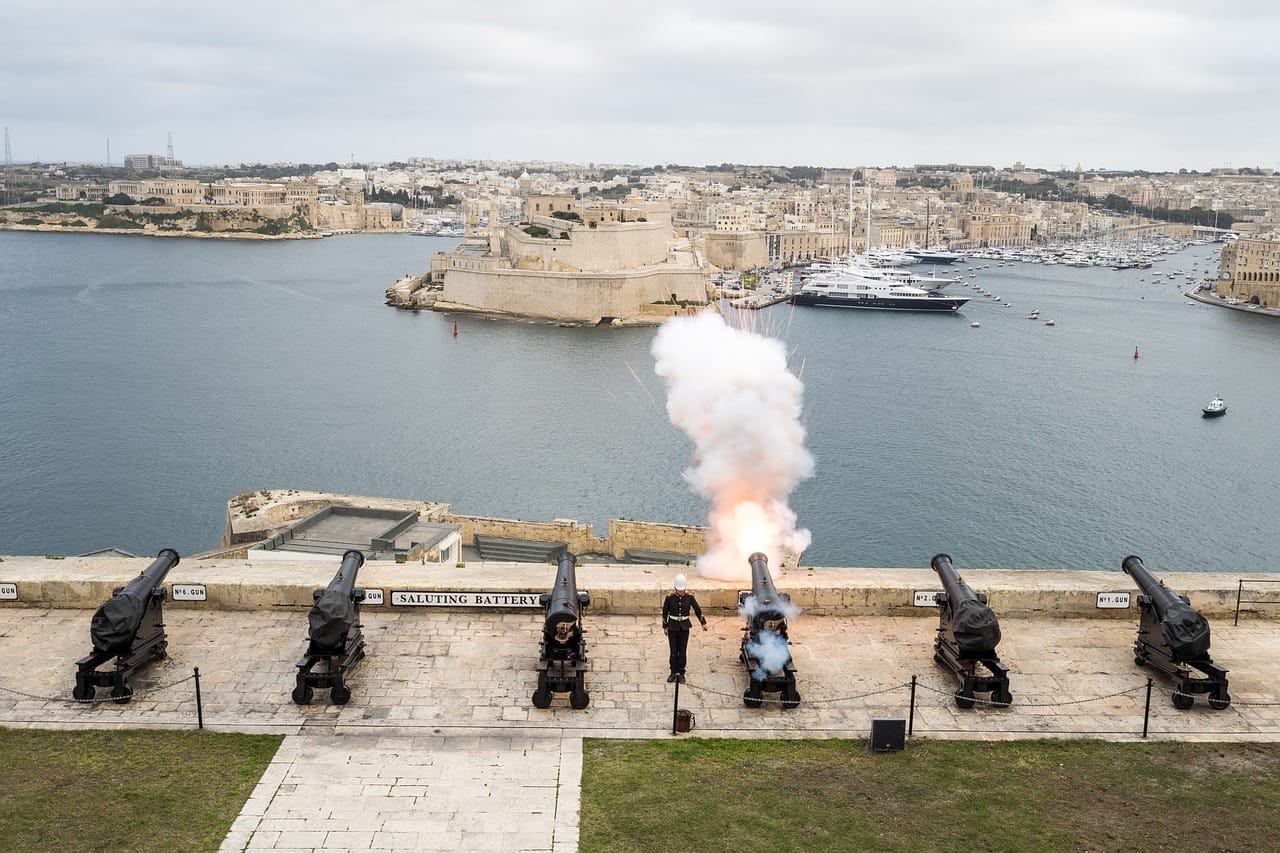
The tech sector continues to grow, the community remains welcoming, and the Mediterranean sun still shines reliably. Three years ago, I took a leap into the unknown. Today, I'm writing this from my apartment in Sliema, looking out at the harbor, and feeling grateful I made that choice.
Written by Jeff Wright
Jeff Wright is a 47-year-old gaming industry professional from Canada who relocated to Valletta, Malta, to pursue career opportunities in the Mediterranean's growing tech sector. With over two decades of experience in the gaming industry, Jeff now works for one of Malta's leading iGaming companies while exploring and writing about expat life, professional networking, and the unique opportunities that Malta offers to international tech professionals. When he's not working or writing, Jeff enjoys diving in Malta's crystal-clear waters, exploring the island's historic sites, and discovering hidden beaches away from the tourist crowds.
Global Citizen Life
© 2023 Global Citizen Life
All rights reserved