
Monsoon Season Reality Check: What November to February Actually Feels Like in Penang
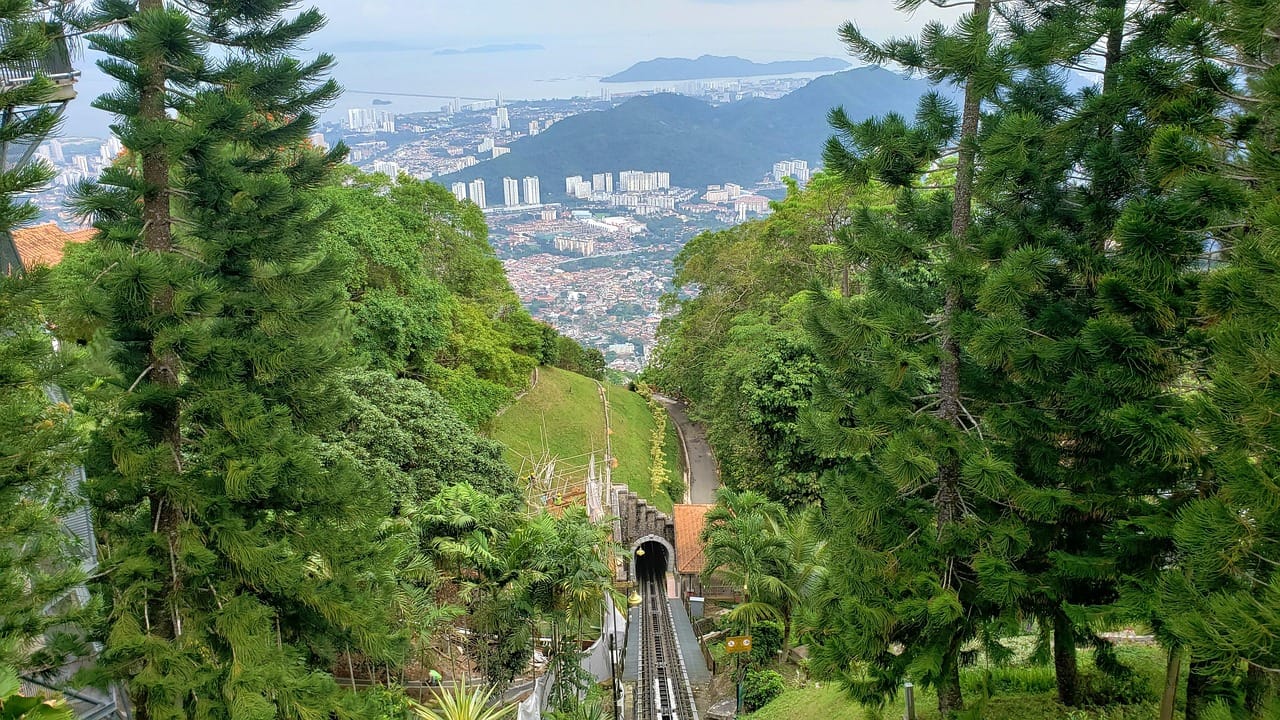
When I first researched moving to Penang, the phrase "monsoon season" conjured images of non-stop torrential rain, flooded streets, and being trapped indoors for months. The reality? It's nothing like that. After living through three monsoon seasons in George Town, I've learned that November through February brings some of the most livable weather you'll experience in Malaysia, if you know what to expect and how to prepare.
The monsoon season has a bad reputation on expat forums, but much of the anxiety stems from misconceptions. Yes, it rains more frequently. Yes, you'll need to adjust your routine. But life continues normally, the island remains beautiful, and honestly, the cooler temperatures are a welcome break from the relentless heat of the dry season.
Understanding Penang's Northeast Monsoon
The northeast monsoon primarily affects Penang's east coast, including George Town and other populated areas. Unlike the southwest monsoon (May-September) that hits the west coast harder, the northeast monsoon brings more consistent rainfall but rarely the catastrophic flooding you might fear.
Here's what the pattern typically looks like: November starts with occasional heavy downpours, usually in the afternoon or evening. By December and January, you're looking at rain most days, but it's rarely all-day rain. The typical pattern involves morning sunshine, afternoon clouds, and evening storms that last anywhere from 30 minutes to three hours. February begins tapering off, with longer dry spells between rain events.
Temperature-wise, you'll see readings between 24-30°C (75-86°F), compared to the 26-33°C (79-91°F) you get during the dry season. The difference might seem minimal on paper, but the reduced humidity and frequent cloud cover make it feel significantly more comfortable. I actually sleep better during monsoon months without cranking the air conditioning as high.
The Daily Reality of Monsoon Living
My typical monsoon day starts with checking the weather radar on my phone; not to cancel plans, but to time them better. If I need to run errands in George Town, I'll aim for morning hours when it's usually dry. The heavy rains typically roll in between 2 and 6 PM, so I plan my indoor activities around that window.
I keep a compact umbrella in my bag at all times, rain shoes near the door, and a light rain jacket in the car. These aren't theoretical preparations; I use them regularly. But I've never had to cancel dinner plans, miss a healthcare appointment, or skip a social event because of monsoon rains. You get wet occasionally if you're caught between shelter points, but the rain is warm, and you dry quickly.
The biggest adjustment for newcomers is learning to be flexible. If you're the type who needs every minute scheduled, monsoon season will frustrate you. But if you can roll with occasional delays, your grab driver takes a longer route to avoid a flooded street, or your beach day shifts to an indoor museum visit, you'll find the rhythm quite manageable.
One unexpected benefit: the rain keeps the intense tropical heat at bay. Instead of stepping outside into a wall of humidity at 9 AM, you get pleasant, breezy mornings. My outdoor walks, which I'd avoid during the midday heat of the dry season, have become enjoyable again. The botanical gardens, the promenades, and even the street food markets feel more comfortable.
Unlock the secrets of the world's most successful entrepreneurs with the
Global Wealth Navigator Newsletter
Discover the world's best destinations offering a lower cost of living paired with an enriched quality of life with the Global Wealth Navigator Newsletter. Whether you're a retiree or an entrepreneur, we dive into strategies that open doors to international investments, tax optimizations, and discover the finest destinations offering a superior quality of life. Don't let borders or routine define you; lets find your ideal spot in the world, regardless of your income bracket.

Housing Considerations and Flooding Realities
When house-hunting in Penang, monsoon preparedness should be a factor in your decision, but it shouldn't trigger panic. Certain areas do flood more readily than others, and knowing this upfront prevents nasty surprises.
Lower-lying areas in George Town, particularly around Prangin, Brick Kiln Road, and parts of Macalister Road, can experience street flooding during heavy rains. We're talking ankle-deep water that recedes within hours, not the devastating floods that make international news in other parts of Asia. My apartment in upper Gurney Drive has never flooded, but I've had friends in ground-floor units in certain areas deal with water seeping into parking garages.
If you're looking at ground-floor units, ask the landlord directly about flooding history. Check if the unit has raised thresholds at doorways, a good sign that the building was designed with water management in mind. Look at the storm drains outside; if they're well-maintained and clear of debris, that's another positive sign.
For condos and apartments above ground level, flooding is essentially a non-issue. The main concerns become wind noise (get used to it), potential minor leaks around older windows (landlords usually address this quickly), and occasionally being unable to use the building's pool or outdoor facilities during heavy storms.
Budget-wise, expect to spend around $1,320 to $2,200 per month for a comfortable two-bedroom condo in areas less prone to flooding. You can find cheaper options for around $880-$1,100, but these often come with trade-offs in location or building maintenance that might make monsoon season more challenging.
Impact on Daily Activities and Transportation
Transportation during the monsoon season requires some adjustments but remains reliable. Grab and traditional taxis run normally, though you might experience surge pricing during heavy downpours when everyone's requesting rides simultaneously. I've found that if I'm flexible by 15-20 minutes, I can usually avoid the surge periods.
The Rapid Penang bus system continues operating, but delays are common. A route that normally takes 25 minutes might stretch to 40 minutes during heavy rain. If you rely on buses for work or appointments, build in extra buffer time during the monsoon months.
For those with cars, the main challenge is reduced visibility during downpours and occasional temporary road closures in flood-prone areas.
The local Waze community is active about reporting flooded streets, so I always check before heading out. I've also learned to avoid underground parking areas in certain parts of George Town during particularly heavy rain. It's not worth the risk of getting trapped if the water rises.
Outdoor activities obviously take a hit, but not as severely as you might think. Beach days shift to mornings or require flexibility. My kids' soccer practice occasionally moves indoors to an air-conditioned facility. The hiking trails at Penang Hill are beautiful during the monsoon season, lush and green, with dramatic fog, though you need proper footwear and should check weather forecasts carefully.
Indoor entertainment options in Penang are solid. Shopping malls like Gurney Plaza and Queensbay Mall see increased traffic during the monsoon season. The art galleries, museums, and cultural centers in George Town make excellent rainy-day destinations. We've developed a rotation of favorite indoor spots that actually makes monsoon season feel special rather than restrictive.
Food Culture During the Wet Season
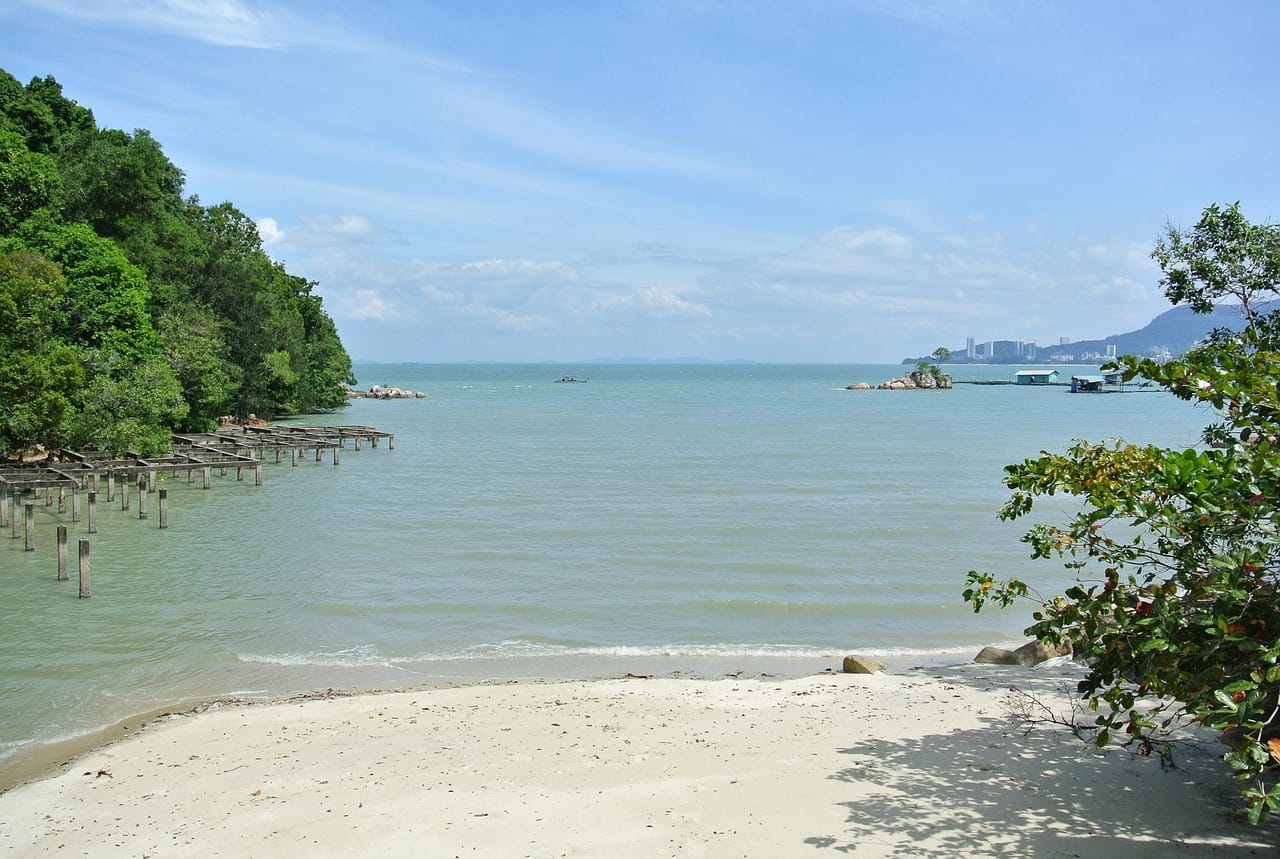
One aspect I hadn't anticipated: how monsoon season affects Penang's food scene. Street food, the island's culinary backbone, doesn't shut down; it adapts. Open-air hawker centers often have tarps and awnings that vendors use to shelter from the rain. Some stalls might close early if rain is particularly heavy, but I've rarely found my favorite spots completely unavailable.
Covered hawker centers like Red Garden, New Lane, and the Sia Boey Urban Archaeological Park become even more popular during monsoon months. These indoor-outdoor hybrids offer protection from rain while maintaining that authentic hawker atmosphere. Expect them to be busier than usual during typical rain hours (4-7 PM).
Interestingly, monsoon season brings certain dishes to prominence. Hot noodle soups, curry laksa, and other warm comfort foods seem more appealing when the weather's cooler and damp. Local restaurants often promote these dishes more heavily during this period. I've also noticed that fresh vegetable prices can fluctuate more during weeks with heavy rain, as local suppliers adjust to weather-affected harvests.
Food delivery services become absolutely essential. GrabFood and Foodpanda see heavy use during the monsoon season, and I recommend downloading both apps. Delivery times can be longer during rain, and having both services means you have backup options if one experiences delays. Budget around $11-$22 per meal for delivery, including fees; about 10-15% more than pre-pandemic pricing.
Health and Wellness During Monsoon Months
As a healthcare consultant, I'm acutely aware of the health implications of the monsoon season in tropical climates. The increased standing water does elevate mosquito populations, making dengue fever more prevalent. I use mosquito repellent more consistently during these months and ensure all window screens are intact and in good condition.
Penang's healthcare system remains fully functional during monsoon season. I've had routine check-ups and dental appointments during heavy rain periods without issues. Private hospitals such as Adventist, Gleneagles, and Loh Guan Lye are operating normally. The main consideration is allowing extra travel time to reach appointments.
Mold and mildew become more aggressive during the humid monsoon months. I run a dehumidifier in our bedroom and closets, which costs around $220-$330 for a good unit. The monthly electricity cost increase is approximately $22 to $33, but it's worth it to protect clothes, books, and electronics. I also wipe down bathroom surfaces more frequently with anti-fungal cleaners.
Mental health deserves attention during monsoon season. Some people find that the reduced sunlight affects their mood. I've combated this by ensuring my home has excellent lighting, maintaining my exercise routine (shifting to gyms and indoor pools), and being intentional about social connections. The expatriate community in Penang is well aware of this and organizes more indoor social events during monsoon months.
Practical Tips for Monsoon Season Success
After three years of monsoon seasons, I've developed a routine that makes this period actually enjoyable. Here's what works:
Invest in quality rain gear. Not the cheap plastic ponchos that rip after two uses, but a proper umbrella ($22-$33), waterproof jacket ($55-$88), and decent rain shoes ($44-$66). These items pay for themselves in comfort and functionality. I particularly recommend shoes with a good grip. Penang's wet marble and tile floors become surprisingly slippery.
Create waterproof storage for important documents and electronics. I use sealed plastic containers for passports, MM2H documentation, and medical records. My laptop bag is waterproof, and I keep important electronics away from windows where wind-driven rain might penetrate.
Stock your pantry with extra non-perishables. Not because you'll be trapped indoors, but because running out to the grocery store during a heavy downpour is unpleasant. I keep a two-week supply of basics on hand, which also helps during holidays when shops might be closed.
Develop a collection of indoor hobbies and activities. I took up cooking more complex Malaysian dishes, started a reading challenge, and joined an indoor climbing gym. These aren't purely monsoon activities, but having engaging indoor options makes the rainy days feel less limiting.
Build flexibility into your schedule. If you absolutely must be somewhere at a specific time, leave 30-50% earlier during monsoon season. Otherwise, embrace the Malaysian concept of 'rubber time'. Things happen when they happen, and stressing about rain delays doesn't change anything.
The Financial Reality of Monsoon Season
The monsoon season does affect your budget, though not drastically. Electricity bills increase when dehumidifiers, air conditioners, and fans are used more frequently. My monthly bill goes from around $66 during the dry season to approximately $88-$110 during the peak monsoon months. If you're in a smaller apartment and are mindful about electricity use, you might see increases of only $22-$33.
Transportation costs can edge upward if you're taking more Grab rides to avoid getting soaked. If you normally walk or bike and switch to ride-sharing during monsoon season, budget an extra $110-$165 monthly. However, I've found that with good rain gear and timing, I can maintain most of my walking routines.
Food delivery fees add up if you order in more often. An extra $5.50-$8.80 in fees and tips per order means that if you're ordering three times a week instead of eating out, you're saving $66-$105 a month. The trade-off is you're saving on restaurant dining, so it might balance out.
Entertainment is shifting more toward paid indoor activities: movies, mall dining, and indoor recreation centers. Where you might have spent a Sunday at the free beach, you're now spending $22-$44 for indoor activities. Over a month, this could add $88-$176 to your budget.
Realistically, I budget an extra $330-$440 per month during monsoon season to cover these small increases. It's not financially devastating, but it's enough to factor into your annual budget if you're planning to move to Penang.
When Monsoon Season Is Actually Better
Counterintuitively, there are aspects of Penang life that improve during monsoon season. The cooler temperatures make outdoor activities during dry periods more pleasant. I can walk my kids to school in the morning without arriving drenched in sweat. The midday heat that makes the dry season unbearable becomes manageable.
Tourist crowds thin out significantly. Popular sites like Penang Hill, Kek Lok Si Temple, and the street art areas in George Town are noticeably less congested. Restaurant wait times decrease. Beach areas, when the weather's clear, offer a more local, peaceful experience. If you prefer Penang with fewer crowds, monsoon season delivers.
Some rental properties offer better deals during monsoon season since it's considered off-peak. When I renewed my lease during December, I negotiated a slightly better rate than I could have during peak dry season. It's not a massive difference, maybe 5-10%, but worth mentioning to landlords.
The natural environment becomes spectacularly beautiful. Everything's green and lush. Waterfalls that are mere trickles during dry season become impressive cascades. The air quality improves as rain washes away dust and pollution. The dramatic storm clouds and occasional lightning displays are genuinely gorgeous if you appreciate natural phenomena.
For those working remotely, monsoon season can enhance productivity. The rain creates a cozy, focused atmosphere. You're less tempted to skip work for beach days. The white noise of rain is excellent for concentration. I've found that my most productive work periods occur during the monsoon months.
Making the Cultural Adjustment
Perhaps the most important aspect of success during the monsoon season is mental adjustment. Coming from a Western context where rain often means canceling plans and staying inside, I had to learn that life in Southeast Asia continues regardless of the weather. Locals don't stop living because it's raining, and you shouldn't either.
I've watched Malaysian parents walk their kids to school in pouring rain without apparent concern. I've seen hawkers continue cooking while rain pounds their canopy roofs. I've attended outdoor events where organizers simply acknowledge the rain and carry on. This cultural resilience to weather is something to embrace rather than resist.
The expat community in Penang provides excellent support during monsoon season, especially for newcomers experiencing it for the first time. Join local Facebook groups, and you'll find endless tips, recommendations for weather-proof activities, and moral support from others who've adapted successfully. The monthly expat meetups often have larger attendance during monsoon months as people seek indoor social opportunities.
For families with children, monsoon season requires helping kids adjust expectations while finding new ways to have fun. My children initially complained about not being able to play outside as much, but we've turned rainy days into cooking projects, indoor treasure hunts, and movie marathons. The international schools in Penang are experienced with monsoon season and have excellent indoor facilities for physical education and recess.
The Bottom Line on Monsoon Season
After three years in Penang, I can honestly say monsoon season is not the dealbreaker some people fear. It's a trade-off. More rain and a need for flexibility in exchange for cooler temperatures, fewer crowds, and a different but equally valid rhythm of life.
If you're considering the MM2H visa and Penang as your base, don't let monsoon season scare you away. Come visit during November through February and experience it firsthand. You might be surprised to find, as I did, that monsoon season has its own charm and benefits that make it a perfectly livable, even an enjoyable time of year.
The key is preparation, flexibility, and adjusting your expectations from temperate-climate norms to tropical-climate reality. With the right mindset and practical arrangements, the monsoon season becomes just another aspect of Malaysian life rather than an obstacle to overcome.
Would I choose to arrive in Penang for the first time during peak monsoon season? Probably not, arriving during the dry season gives you time to learn the area before the weather adds complexity. But would I avoid Penang entirely because of monsoon season? Absolutely not. It's four months out of twelve, and with the information I've shared here, you'll be well-prepared to handle it successfully.
Moving Abroad Programs
If you're seriously considering relocating to Malaysia or another country, Global Citizen Life offers comprehensive support through our Moving Abroad Programs. We provide three options for one-time strategy calls to help you clarify your relocation goals; six country-specific Moving Abroad Masterclasses that dive deep into visa requirements, housing, healthcare, and practical integration; and private coaching and consulting for personalized guidance throughout your transition. Whether you're just starting to explore the possibility or ready to make concrete plans, our programs help you navigate the complexities of international relocation with confidence.
Written by Patricia Nguyen
Patricia Nguyen is a healthcare consultant from the USA who relocated to Penang, Malaysia, in search of affordable living, excellent medical care, and cultural diversity. At 49, she successfully navigated the MM2H visa process and now raises her multicultural family in George Town. Patricia shares practical insights on expat life, Malaysian food culture, healthcare systems, and family integration. Her articles help aspiring expats make informed decisions about relocating to Malaysia.
Read all our articles about Malaysia here.
Global Citizen Life
© 2023 Global Citizen Life
All rights reserved