
Mexico’s Top 10 Expat Destinations

México has become one of the world's fastest-growing expat destinations, attracting over 1.6 million foreign residents with its winning combination of affordable living, warm weather, proximity to the United States and Canada, and rich cultural heritage. From colonial mountain towns to Caribbean beach paradises and cosmopolitan cities, México offers diverse destinations where your money stretches further while the quality of life often exceeds what you'd find back home.
What makes México particularly appealing for expats is the incredible value proposition. Healthcare costs a fraction of U.S. prices while maintaining high quality standards, especially in major cities with world-class hospitals. The cost of living can be 40-60% lower than in North America or Europe, allowing retirees to live comfortably on modest pensions and remote workers to save significantly while enjoying an enviable lifestyle. Add year-round sunshine in most regions, delicious cuisine, friendly locals, and relatively straightforward residency options, and it's clear why México tops many "best places to retire" and "best expat destinations" lists.
This guide explores the top 10 destinations where expats are building new lives in México, from bustling beachside resorts to tranquil highland retreats and vibrant cultural capitals. Whether you're seeking adventure, relaxation, community, or affordability, you'll find your ideal Mexican home among these diverse locations.
What to Consider When Choosing Where to Live in México
Understanding key factors will help you choose the right Mexican destination for your expat journey. The cost of living varies dramatically across the country, with popular expat havens like Playa del Carmen and San Miguel de Allende commanding higher prices due to high demand. Smaller cities and towns offer exceptional value. Monthly living expenses range from $1,200 USD in budget-friendly locations to $2,500-$ 3,000 in premium destinations, which is still significantly less than comparable lifestyles in the U.S. or Canada.
México offers several visa options for expats. Temporary residency requires proof of a monthly income of approximately $2,700 USD or savings of $45,000 USD, whereas permanent residency requires a monthly income of about $4,500 USD or savings of $180,000 USD. These amounts are subject to change; please verify the current requirements. Many expats start on tourist visas (180 days) while exploring options. The relatively accessible residency process compared to many countries makes México attractive for long-term relocation.
Climate considerations are crucial since México spans tropical, desert, and temperate zones. Coastal areas offer beach living with heat and humidity, while highland cities like San Miguel de Allende and Guanajuato provide spring-like weather year-round. The rainy season (roughly June-October) affects different regions variably, with Pacific coast areas receiving more rainfall than the Caribbean side.
Healthcare quality in México surprises many expats, with excellent private hospitals in major cities offering care at 30-50% of U.S. costs. Many doctors are trained in the U.S. or Europe, and English-speaking medical staff are common in expat-heavy areas. Most expats use a combination of travel insurance, Mexican private insurance (affordable), and pay-as-you-go for routine care.
Language barriers exist, but their severity varies by location. Popular expat destinations have substantial English-speaking populations and services, making it possible to get by without Spanish, though learning the language dramatically improves your experience and integration. Smaller towns and cities require a higher level of Spanish proficiency for daily life.
Safety concerns often arise, but most expat destinations are quite safe with lower crime rates than many U.S. cities. Researching specific neighborhoods, following local advice, and using common sense typically ensures security. The expat community in each location can provide current, accurate safety information.
Ready to Make Your Move?
Before diving into our top destinations, consider accelerating your transition to México with expert guidance. Our Moving to México Masterclass is a comprehensive online course covering everything from visa applications and finding housing to opening bank accounts, navigating healthcare, understanding cultural differences, and building your new life. Learn from expats who've successfully made the move and avoid common mistakes that can cost time and money. Whether you're retiring, working remotely, or seeking adventure, this course provides the roadmap you need for a smooth transition to your new home in México.
San Miguel de Allende
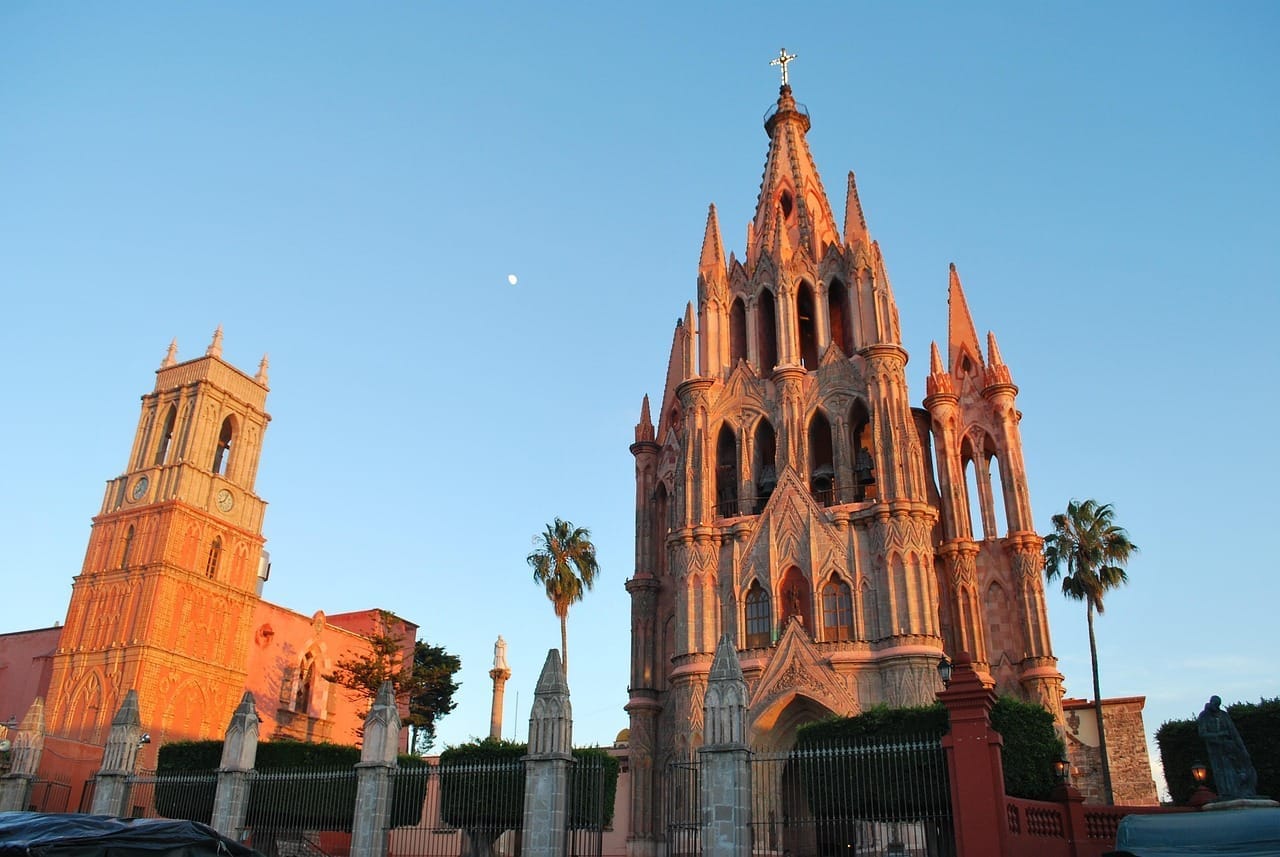
San Miguel de Allende consistently ranks among the world's best cities, captivating expats with its stunning colonial architecture, thriving arts scene, and perfect spring-like climate. This UNESCO World Heritage site in central México's highlands offers sophisticated cultural amenities within a walkable, beautiful historic center that feels both authentically Mexican and internationally cosmopolitan.
Why Expats Love It: San Miguel boasts one of México's largest and most established expat communities, making integration easy with numerous English-speaking services, clubs, and social groups. The arts scene is extraordinary, featuring galleries, music venues, film festivals, and creative workshops. The temperate climate at 6,200 feet elevation means no air conditioning or heating is needed year-round. Excellent restaurants span traditional Mexican to international fusion, and the city's beauty provides daily inspiration.
Cost of Living: Higher than most Mexican cities due to popularity. One-bedroom apartments in the centro cost $800-$1,400 per month, with options outside the historic center ranging from $600-$1,000. Dining out ranges from $8 to $15 at casual spots to $25 to $40 at upscale restaurants. Groceries are moderately to highly priced, with imported items being expensive, but local markets are affordable. Monthly expenses average $2,000-$2,800, excluding rent, for a comfortable living standard.
Lifestyle & Activities: The historic center's cobblestone streets, baroque churches, and colorful buildings create an enchanting setting for daily life. Weekly English-language theater, gallery openings, concerts, and festivals keep calendars full. The expat community organizes volunteer work, book clubs, hiking groups, and social events. Nearby hot springs, wine country in Querétaro, and colonial cities provide weekend escapes. The culinary scene rivals that of major cities, featuring innovative chefs and traditional Mexican cuisine.
Expat Community: Very large and active, predominantly American and Canadian retirees, but increasingly younger remote workers. Abundant resources include English-language publications, expat meet-ups, and specialized services. The community is welcoming, though some areas can feel quite American.
Practical Info: Leon/Guanajuato airport is 90 minutes away with domestic and limited international flights; México City is 3.5 hours by car. English is widely spoken in the centro. High-speed fiber-optic internet is available throughout most areas, making it excellent for remote work.
Best For: Retirees seeking culture and community, artists and creatives, those looking for an extensive English-speaking expat network, individuals who prioritize beautiful surroundings and pleasant weather, and those willing to pay a premium for established amenities.
Playa del Carmen

Playa del Carmen offers the ultimate Caribbean beach lifestyle with modern amenities, an international atmosphere, and easy access to ancient Mayan sites. Located on the Riviera Maya between Cancún and Tulum, "Playa" attracts expats seeking sun, sand, and a more cosmopolitan beach-town experience than traditional coastal villages offer.
Why Expats Love It: Year-round beach weather, crystal-clear Caribbean waters, and white sand beaches minutes from home create an enviable lifestyle. The town offers excellent restaurants spanning all cuisines, lively nightlife, international grocery stores, and good healthcare facilities. The location provides easy access to cenotes, Mayan ruins such as Tulum and Chichén Itzá, and Cozumel Island. The international atmosphere means English is widely spoken and services cater to foreign residents.
Cost of Living: Higher due to tourism and desirability. One-bedroom apartments range from $800 to $1,500 monthly, depending on proximity to the beach and amenities, with newer condos commanding premium prices. Many buildings include pools and gyms. Dining out costs $10- $20 at casual places, and more at tourist spots. Groceries are expensive, as many items are imported. Budget: $2,200-$3,000 monthly, excluding rent, for comfortable living.
Lifestyle & Activities: Beach clubs, water sports, snorkeling, diving, and fishing are the dominant activities. Fifth Avenue (Quinta Avenida) offers a mix of shopping, dining, and people-watching. The expat community organizes activities from yoga to Spanish lessons. Day trips explore underground cenotes, ecological parks like Xcaret, and ancient ruins. The nightlife scene is vibrant with beach bars, clubs, and live music. The rapid development means constant change and growth.
Expat Community: Large and diverse, including American, Canadian, European, and South American expats. A mix of retirees, remote workers, digital nomads, and those working in the tourism industry. Numerous expat groups and meet-ups exist.
Practical Information: Cancún International Airport is located 45 minutes north and offers extensive international flights. English is extremely common. High-speed internet is reliable in most areas. The ferry to Cozumel runs frequently for island escapes.
Best for: Beach lovers, divers, and water sports enthusiasts; those seeking an international atmosphere; digital nomads looking for a coastal lifestyle with good infrastructure; and individuals who prioritize modern amenities over authentic Mexican culture.
México City (CDMX)

México City offers big-city excitement, world-class culture, excellent food, and surprising affordability in Latin America's largest metropolis. This sprawling capital, home to nearly 22 million people, offers urban amenities, job opportunities, and cultural experiences that rival those of any global city, while maintaining a distinctly Mexican character and significantly lower costs compared to comparable cities worldwide.
Why Expats Love It: CDMX boasts extraordinary museums, including the National Anthropology Museum and Frida Kahlo Museum, cutting-edge restaurants earning international acclaim, vibrant neighborhoods each with unique character, and endless cultural events. The city offers the best job market in México for those seeking local employment, as well as coworking spaces and digital nomad infrastructure. Public transportation, including the metro and Metrobus, is extensive and affordable. Diverse neighborhoods mean finding your ideal community, whether you're looking for trendy Roma, upscale Polanco, or artistic Coyoacán.
Cost of Living: Affordable for a significant world capital. One-bedroom apartments in popular expat neighborhoods, such as Roma or Condesa, cost $700-$1,300 per month, with budget options available in other safe areas for $500-$800. Street food is incredibly cheap ($2-5 per meal) while upscale dining costs $20-$40. Public transport is nearly free. Budget: $1,500-$2,500 monthly, excluding rent, depending on lifestyle.
Lifestyle & Activities: The food scene is phenomenal, from street tacos to Michelin-quality restaurants. World-class museums, galleries, theaters, and concert venues offer an endless array of cultural options. Weekend trips reach Teotihuacan pyramids, Puebla's colonial charm, or Cuernavaca's eternal spring. Each neighborhood offers a distinct character: hipster cafes in Roma, luxury shopping in Polanco, and historic sites in Centro. The altitude (7,350 feet) provides mild, spring-like weather year-round.
Expat Community: Large and diverse, attracting younger professionals, digital nomads, artists, and entrepreneurs more than retirees. English-language meet-ups, coworking spaces, and expat resources are plentiful. The community is more integrated with Mexican life than in some traditional expat havens.
Practical Info: México City International Airport (and the new Felipe Ángeles Airport) offer extensive international connections. English is common in expat neighborhoods and international businesses. Excellent fiber-optic internet is available throughout most areas. The metro system is efficient, though crowded.
Best for: Young professionals and digital nomads, culture and food enthusiasts, those seeking career opportunities, individuals who thrive in big cities, and expats looking for a deep immersion in Mexican culture with international amenities.
Puerto Vallarta

Puerto Vallarta combines stunning natural beauty, established expat infrastructure, and welcoming local culture on México's Pacific coast. This Banderas Bay destination offers the beach lifestyle with a mountain backdrop, colonial charm in the Zona Romantica, and modern amenities that make transitioning from the U.S. or Canada seamless.
Why Expats Love It: PV offers the complete package, featuring beautiful beaches, lush jungle mountains, excellent restaurants, good healthcare with English-speaking doctors, direct flights to major U.S. and Canadian cities, and a large, welcoming expat community. The Malecón (seaside promenade) offers iconic Mexican charm, featuring bronze sculptures, street performers, and spectacular sunsets. The city feels safer and more authentic than some other Mexican beach destinations while still offering all necessary amenities.
Cost of Living: Moderate to high for México. One-bedroom apartments range from $700 to $1,200 in popular areas like Zona Romantica or Versailles, with options farther from the beach starting at $500 to $700. Dining out costs $8-$15 at local spots, $20-$35 at tourist restaurants. Groceries are reasonably priced at local markets, but pricier at Walmart or other chains. Budget $1,800-$2,500 monthly, excluding rent.
Lifestyle & Activities: Beach activities, whale watching (December to March), sport fishing, and water sports fill leisure time. The art scene features galleries and Art Walk every Wednesday in high season. The food scene spans from traditional Mexican to international cuisines. Day trips explore nearby beach towns, such as Sayulita, or mountain villages. The gay-friendly Zona Romantica has vibrant nightlife. Marina Vallarta offers golf and upscale living. Hiking, zip-lining, and nature tours in the Sierra Madre provide adventure.
Expat Community: Very large, predominantly American and Canadian, with well-established infrastructure including clubs, volunteer organizations, and social groups. The community is friendly and inclusive, making it easy to integrate without losing the authentic Mexican cultural experience.
Practical Info: Puerto Vallarta International Airport offers direct flights to major U.S. and Canadian cities, making it convenient for frequent travelers and those maintaining ties back home. English is widely spoken. Reliable high-speed internet is available throughout most areas.
Best For: Retirees seeking a beach lifestyle with good infrastructure, LGBT+ expats (a very welcoming community), those wanting easy access to the U.S./Canada, beach and outdoor enthusiasts, and individuals seeking a balance between expat amenities and Mexican culture.
Guadalajara
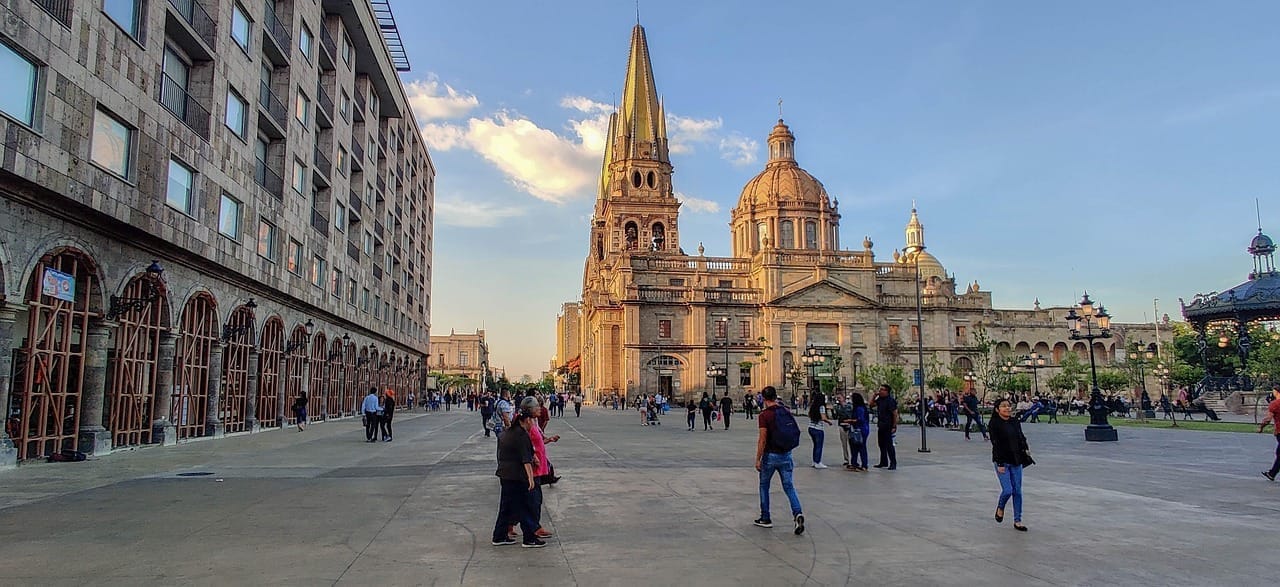
Guadalajara, México's second-largest city, offers big-city amenities with a more manageable size, lower costs than México City, a pleasant climate, and rich cultural traditions. This cosmopolitan city in Jalisco state offers an excellent quality of life, a growing expat community, and an authentic Mexican experience without feeling overwhelmed by foreign residents.
Why Expats Love It: Guadalajara seamlessly blends urban conveniences with authentic Mexican charm, offering excellent restaurants, shopping, healthcare, and diverse cultural institutions. The city is the birthplace of mariachi music, tequila, and charreada (a traditional Mexican rodeo), providing deep cultural roots. The eternal spring climate at an elevation of 5,100 feet ensures comfortable temperatures year-round. The cost of living is significantly lower than in comparable cities, while infrastructure and services are modern. Nearby Lake Chapala hosts México's largest expat community for those wanting a more international atmosphere.
Cost of Living: Affordable for a major city. One-bedroom apartments in popular neighborhoods like Providencia or Chapultepec cost $600-$1,000 monthly, with budget areas offering $400-$600. Dining out costs $7-$12 at local restaurants, $15-$25 at upscale spots. Groceries are inexpensive. Budget: $1,300-$1,900 monthly, excluding rent, for comfortable living.
Lifestyle & Activities: The historic center features a cathedral, Teatro Degollado, and plazas perfect for people-watching. Trendy neighborhoods like Chapultepec and Lafayette offer hip cafes, bars, and restaurants. Tlaquepaque and Tonala provide artisan shopping for pottery, glass, and crafts. Professional soccer matches at Chivas Stadium are cultural experiences. Tequila town is an hour away for distillery tours. The food scene showcases Jaliscan specialties, such as tortas ahogadas and birria. Weekend trips take you to Pacific beaches, colonial towns, and mountain villages.
Expat Community: Moderate size and growing, with a younger demographic than traditional retirement destinations. The expat infrastructure is less established than in San Miguel or Puerto Vallarta, but resources are increasing. Lake Chapala (30 minutes south) offers a larger, retirement-focused expat community if desired.
Practical Information: Guadalajara International Airport offers domestic flights and is expanding its international connections to U.S. cities. English is less common than in tourist areas; knowledge of Spanish is beneficial. Excellent internet infrastructure throughout most areas. Public transportation includes light rail and bus systems.
Best for: Digital nomads and remote workers seeking an urban environment; those looking for an authentic Mexican experience with modern amenities; budget-conscious expats; individuals who prefer less foreigner-saturated destinations; and those seeking a milder climate.
Mérida (Yucatán)

Mérida, the capital of Yucatán state, attracts expats with its colonial beauty, rich Mayan culture, safety, affordability, and proximity to the Caribbean beaches. This historic city offers authentic Mexican living with excellent infrastructure, making it ideal for those seeking cultural immersion without sacrificing modern conveniences.
Why Expats Love It: Mérida is consistently ranked among México's safest cities, with a strong community spirit and welcoming locals. The colonial center features beautiful architecture, plazas perfect for evening paseos (strolls), and free cultural events, including concerts and folk dances. The cost of living is lower than in major expat destinations, while the quality of life remains high. The location offers access to Mayan ruins, including Chichén Itzá and Uxmal, as well as Caribbean beaches, cenotes, and colonial towns. The distinct Yucatecan culture and cuisine add a unique flavor.
Cost of Living: Affordable. One-bedroom apartments in the centro cost $500-$900 monthly, with newer areas offering $600-$1,000. Local restaurants serve excellent meals for $5 to $10, while upscale dining costs $15 to $25. Groceries are inexpensive at local markets. Budget: $1,400- $2,000 monthly, excluding rent, for comfortable living.
Lifestyle & Activities: The city comes alive in the evening when locals fill the plazas for music, dance, and socializing. Paseo de Montejo, the city's grand boulevard, features French-influenced mansions and Sunday bike rides. Weekly events include art walks, concerts, and traditional Yucatecan festivals. The food scene showcases unique Yucatecan dishes such as cochinita pibil, sopa de lima, and papadzules. Weekend trips reach Celestún's flamingos, Progreso beach, cenotes, and archaeological sites. The slower pace emphasizes community and tradition.
Expat Community: Growing rapidly, with a mixture of retirees and remote workers primarily from the U.S., Canada, and Europe. Less established than San Miguel or Playa, but increasingly organized, with meet-ups and expat resources. The community is more integrated with local life than in some traditional expat havens.
Practical Information: Mérida International Airport offers domestic flights and is expanding its international connections. Cancún airport is 3.5 hours away for broader international access. English is less common than in tourist destinations; basic Spanish is helpful. Good internet infrastructure throughout the city. The climate is consistently hot and humid throughout the year, particularly from May to September.
Best For: Budget-conscious expats, culture and history enthusiasts, those seeking safety and authenticity, retirees wanting lower costs without isolation, and people interested in Mayan culture and archaeology.
Tulum

Tulum embodies the bohemian beach lifestyle, with Caribbean beauty, cenotes, Mayan ruins, and a wellness culture. This rapidly developing destination on the Riviera Maya attracts expats seeking a more natural and eco-conscious beach experience than Playa del Carmen offers, although recent growth has significantly transformed it.
Why Expats Love It: Stunning white-sand beaches meet turquoise waters, creating postcard-perfect settings. The town emphasizes wellness with yoga retreats, healthy restaurants, holistic therapies, and spiritual practices. Mayan ruins overlook the ocean, providing constant reminders of ancient culture. Cenotes (limestone sinkholes) offer swimming in crystal-clear fresh water. The bohemian atmosphere attracts artists, digital nomads, and conscious travelers. Biosphere reserves protect the jungle and wildlife. The town maintains a more natural, less developed feel than other beach destinations, despite its rapid growth.
Cost of Living: High and rising rapidly. One-bedroom apartments cost $1,000-$1,800 per month, with many options quite basic despite the high prices. Dining is expensive ($12-$25 at most restaurants) due to the high volume of tourism. Groceries are expensive and have a limited selection. Transportation costs add up because the town is spread between the beach zone and the pueblo. Budget $2,500-$3,500 monthly, excluding rent, making it among México's most expensive expat destinations.
Lifestyle & Activities: Beach clubs offer day passes for access to their amenities. Cenote swimming and snorkeling are popular activities. The yoga and wellness scene is extensive, featuring retreats, classes, and various healing practices. The food scene emphasizes healthy, organic, and international fusion cuisine. The electronic music scene and nightlife attract younger crowds. Nearby Sian Ka'an Biosphere Reserve offers nature tours. The rapidly changing landscape means constant new openings but also concerns about overdevelopment and environmental impact.
Expat Community: Younger demographic—digital nomads, yoga instructors, wellness practitioners, restaurant owners, and artists. Less traditional expat infrastructure but strong international presence. The transient nature means the community can feel less stable than established destinations.
Practical Information: Cancún Airport is located 90 minutes north. English is widely spoken. The Internet has improved significantly, with fiber-optic networks becoming increasingly available; however, power outages and infrastructure challenges persist. Transportation requires a car, a bike, or expensive taxis since the town is spread out. Water is supplied by trucks; there is no municipal water system.
Best suited for: Digital nomads and wellness practitioners, yoga enthusiasts, eco-conscious travelers, younger expats seeking a bohemian lifestyle, and those who prioritize natural beauty over affordability or infrastructure.
Oaxaca City

Oaxaca City captivates expats with its rich indigenous culture, world-renowned cuisine, vibrant artistic traditions, stunning colonial architecture, and authentic Mexican experience. This UNESCO World Heritage city in southern México offers rich cultural immersion at affordable prices, attracting those seeking a deeper connection to Mexican traditions.
Why Expats Love It: Oaxaca boasts México's best food scene, featuring seven regional moles, tlayudas, mezcal bars, and innovative restaurants. The indigenous Zapotec and Mixtec cultures remain vibrant through textiles, pottery, wood carvings, and markets. Nearby archaeological sites, such as Monte Albán, showcase ancient civilizations. The colonial centro features beautiful churches, plazas, and colorful buildings. Major festivals, including Day of the Dead and Guelaguetza, showcase spectacular traditions. The city maintains an authentic character with a growing but still manageable expat presence. The temperate climate at an elevation of 5,100 feet provides year-round comfort.
Cost of Living: Affordable. One-bedroom apartments in the centro cost $500-$800 per month, while those outside the centro cost $350-$600 per month. Dining at local restaurants costs $5-$10, while upscale spots are $15-$25. Street food is delicious and cheap. Groceries are inexpensive at markets. Budget: $1,200-$1,700 monthly, excluding rent, for comfortable living.
Lifestyle & Activities: Daily life revolves around markets, plazas, and cultural events. The Zócalo (main square) hosts concerts, protests, celebrations, and daily life. Artisan markets sell textiles, pottery, and crafts directly from makers. Cooking classes teach traditional Oaxacan cuisine. Mezcal tastings and distillery tours explore the regional spirit. Day trips take you to mountain villages, archaeological sites, coastal beaches in Puerto Escondido, and natural wonders like Hierve el Agua. The arts scene includes galleries, museums, and folk art. The pace is relaxed and community-oriented.
Expat Community: Growing but still relatively small compared to major destinations. Mix of artists, writers, foodies, and those seeking cultural immersion. A less established expat infrastructure means greater integration with local life. Spanish knowledge is more important here than in major tourist areas.
Practical Info: Oaxaca International Airport offers domestic flights and limited international connections; México City is 6 hours by car or 45 minutes by flight. English is less common outside tourist areas; Spanish is beneficial. The internet infrastructure in the city is adequate, with fiber optic available in some areas. Earthquakes occur occasionally in this seismic region.
Best for: Foodies and culinary enthusiasts, artists and craftspeople, culture seekers seeking an authentic Mexican experience, budget-conscious expats, those interested in indigenous cultures, and individuals who value tradition over modern infrastructure.
Lake Chapala (Ajijic/Chapala)
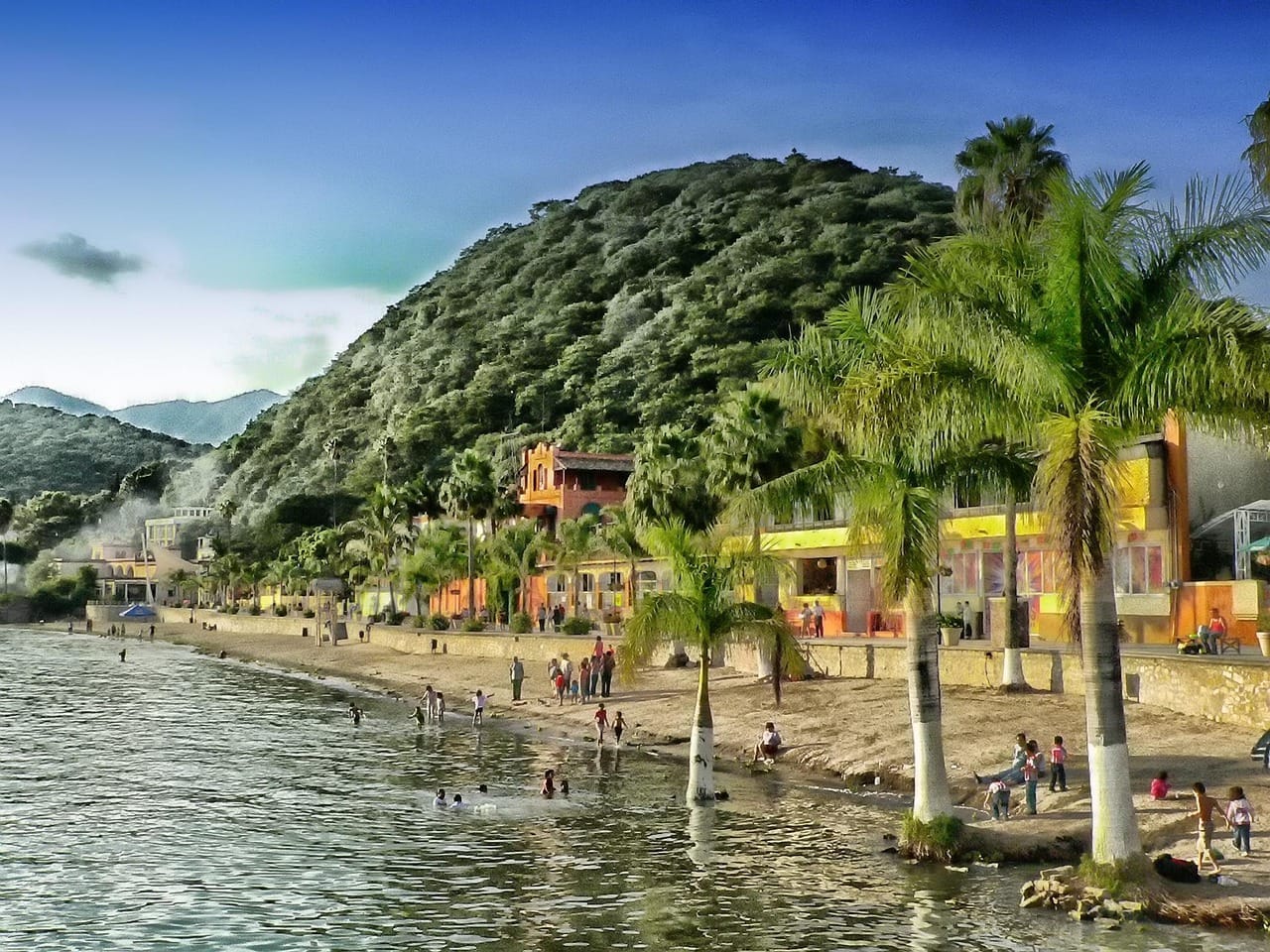
The Lake Chapala area, particularly the town of Ajijic, hosts México's largest and oldest expat community. Located 30 minutes south of Guadalajara, this lakeside region attracts primarily retirees with its perfect year-round climate, affordable living, comprehensive expat infrastructure, and stunning mountain and lake views.
Why Expats Love It: Chapala boasts spring-like weather year-round, at an elevation of 5,000 feet—characterized by warm days, cool nights, and no need for heating or air conditioning. The massive established expat community means everything caters to foreign residents, with English-speaking doctors, dentists, and lawyers, as well as services. Numerous clubs, volunteer organizations, cultural groups, and social events facilitate seamless integration. The cost of living is lower than in major expat destinations, while proximity to Guadalajara provides urban amenities. The artistic community and beautiful natural setting add appeal.
Cost of Living: Affordable with excellent value. One-bedroom apartments or small houses typically cost $500-$900 per month, and many expats own their own homes. Dining out ranges from $6 to $10 at Mexican restaurants to $12 to $20 at expat-oriented spots. Groceries are inexpensive, with options ranging from traditional markets to familiar chains. Healthcare is excellent and cheap. Budget: $1,400- $2,000 monthly, excluding rent, for comfortable living.
Lifestyle & Activities: The expat community organizes numerous activities, including art classes, book clubs, hiking groups, volunteer work, theater productions, concerts, and social gatherings. Ajijic's art galleries and studios showcase local and expat artists. Lakeside walks offer opportunities for exercise and socializing. The mountains offer hiking with spectacular views. Guadalajara's cultural attractions, shopping, and restaurants are easily accessible. The pace is relaxed and retirement-focused. Weekly tianguis (markets) sell a wide range of items, from fresh produce to crafts.
Expat Community: Extremely large—estimated 15,000+ primarily American and Canadian retirees. The extensive infrastructure means an immediate community, but some areas feel more American than Mexican. Numerous English-language publications, expat-run businesses, and organizations are available.
Practical Information: Guadalajara Airport is 45 minutes away, offering good connections to the U.S. English is extremely common; many expats speak minimal Spanish. Excellent internet throughout most areas. Uber and local taxis provide transportation. Most services cater to English speakers.
Best For: Retirees seeking a large, established expat community, those wanting English-speaking services and social opportunities, budget-conscious retirees, and individuals prioritizing perfect weather, as well as those seeking an instant community without learning Spanish.
Querétaro
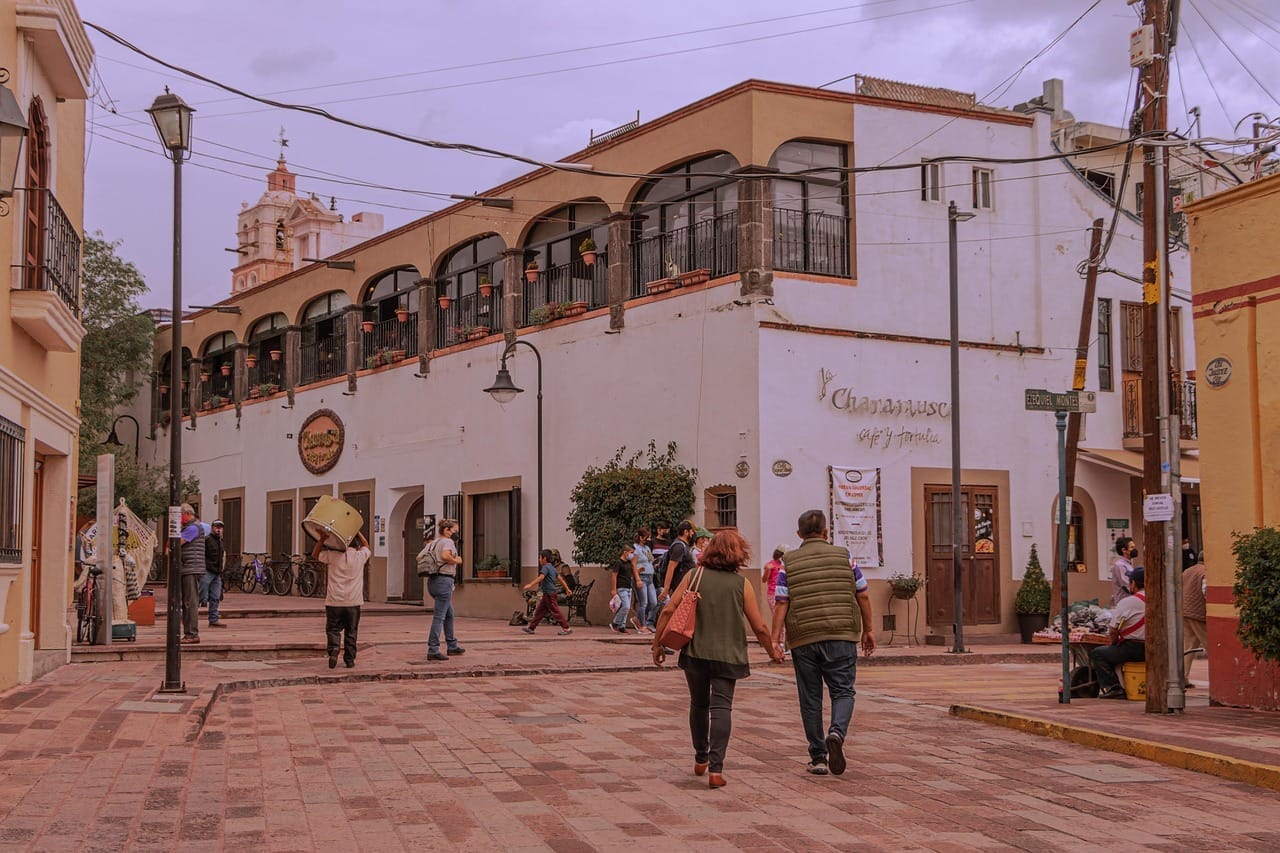
Querétaro represents México's best-kept secret for expats—a prosperous, safe, and beautiful colonial city with excellent infrastructure, lower costs, and an authentic Mexican character, free from tourist crowds. This UNESCO World Heritage city, located north of México City, attracts expats seeking a high quality of life, safety, and growing access to the wine region.
Why Expats Love It: Querétaro consistently ranks among México's safest cities, with low crime and a strong economy driven by aerospace, automotive, and tech industries. The beautifully preserved colonial centro features aqueducts, churches, plazas, and pedestrian-friendly streets. The climate at an elevation of 6,000 feet provides comfortable temperatures year-round. The growing wine and cheese region draws food enthusiasts. The city maintains its authentic Mexican culture with relatively few foreign residents, making it appealing to those seeking immersion. Modern infrastructure, quality healthcare, and urban amenities rival those of larger cities.
Cost of Living: Moderate and excellent value. One-bedroom apartments in the centro cost $550-$900 monthly, with newer areas offering $600-$1,000. Dining at local spots costs $7-$12; at upscale restaurants, the cost ranges from $15-$25. Groceries are affordable with excellent markets and supermarkets. Budget: $1,400- $2,000 monthly, excluding rent, for comfortable living.
Lifestyle & Activities: The historic center offers evening paseos through plazas with cafes, street vendors, and cultural events. Museums, theaters, and galleries provide cultural enrichment. The growing restaurant scene features a diverse range of traditional Mexican and international cuisines. Weekend trips explore nearby wine country in Bernal and Tequisquiapan, the magical town of Bernal with its enormous rock monolith, colonial towns, and natural areas. The city is clean, orderly, and efficiently run. San Miguel de Allende is 45 minutes away from the art and expat scene.
Expat Community: Small but growing, with a mixture of retirees and professionals working in local industries. A less established expat infrastructure means greater integration with Mexican life and better Spanish practice. The community is friendly but requires more initiative to connect.
Practical Info: Querétaro International Airport offers domestic flights and limited international connections; México City airport is 2.5 hours by car. English is less common than in major expat destinations; Spanish is a helpful alternative. Excellent internet infrastructure throughout the city. Public transportation includes buses, although many expats prefer to use cars.
Best for: Expats seeking safety and a high quality of life, wine and food enthusiasts, digital nomads looking for a less touristy destination, those preferring an authentic Mexican experience, budget-conscious expats, and individuals who value cleanliness and order.
Quick Comparison Table
City/Region
Cost of Living
Best For
Climate
San Miguel de Allende
High
Culture lovers, retirees, artists
Spring-like year-round
Playa del Carmen
High
Beach lovers, digital nomads
Hot tropical, humid
Mexico City
Moderate
Young professionals, foodies, culture seekers
Mild year-round
Puerto Vallarta
Moderate-High
Beach retirees, LGBT+ community
Hot tropical, humid
Mérida
Low-Moderate
Budget-conscious, history buffs, safety seekers
Hot and humid
Guadalajara
Low-Moderate
Urban lifestyle seekers, digital nomads
Spring-like year-round
Tulum
Very High
Wellness enthusiasts, digital nomads, bohemians
Hot tropical, humid
Oaxaca
Low
Foodies, culture seekers, artists
Mild year-round
Lake Chapala
Low-Moderate
Retirees seeking community, perfect weather
Spring-like year-round
Querétaro
Moderate
Safety-conscious, wine lovers, authenticity seekers
Mild year-round
Frequently Asked Questions
What is the most affordable expat destination in México?
Oaxaca City and Mérida offer the lowest living costs among desirable expat destinations, with comfortable monthly budgets possible from $1,200 to $1,700, excluding rent. Both cities provide rich cultural experiences, safety, good amenities, and authentic Mexican living. Smaller towns and cities throughout México can be even cheaper, but these two offer the best combination of affordability and quality of life with adequate infrastructure for expats. Lake Chapala also offers excellent value, particularly for retirees, with monthly costs ranging from $1,400 to $2,000, all-inclusive.
Where do most expats live in México?
Lake Chapala area hosts México's largest expat community, with over 15,000 primarily American and Canadian retirees. San Miguel de Allende has the second-largest concentration, followed by Puerto Vallarta, Playa del Carmen, and México City. These destinations offer established expat infrastructure, English-speaking services, and easy integration. However, expats are increasingly discovering secondary cities like Mérida, Guadalajara, and Querétaro, seeking better value, less crowded expat scenes, and more authentic Mexican experiences.
What is the best city in México for English speakers?
San Miguel de Allende, Lake Chapala, and Playa del Carmen offer the most English-friendly environments, with extensive expat communities, English-speaking services, and the ability to live comfortably with minimal Spanish proficiency. San Miguel has perhaps the most comprehensive English-language infrastructure, including publications, clubs, and cultural events. However, learning Spanish significantly enhances your Mexican experience, regardless of location, and is essential for navigating bureaucracy, handling emergencies, and fostering relationships with locals.
Can I work remotely from México?
Yes, México introduced a temporary residency visa for remote workers in 2022, allowing you to live in México while working for foreign employers. Requirements include proving a monthly income of around $2,700 USD or savings of approximately $45,000 USD. Many digital nomads also use tourist visas (180 days), though technically, you shouldn't work on these. Internet infrastructure in major cities and popular expat destinations generally supports remote work well, with fiber optic increasingly available. México City, Playa del Carmen, Guadalajara, and Puerto Vallarta are particularly popular among remote workers due to their coworking spaces, reliable internet, and thriving digital nomad communities.
Which city in México has the best weather?
Lake Chapala, San Miguel de Allende, Guadalajara, and Querétaro offer arguably the best weather, with spring-like temperatures year-round, thanks to their highland elevations (5,000-6,200 feet). Expect daytime temperatures to range from 70-85°F, cool evenings, minimal rainfall outside the summer months, and no need for heating or air conditioning. If you prefer beach weather, Puerto Vallarta offers warm temperatures year-round with less humidity than Caribbean coast destinations. Mérida is hot and humid but consistent, while México City can be chilly at night due to its 7,350-foot elevation.
Is México safe for expats?
Safety varies significantly by location, but most popular expat destinations are generally quite safe, with crime rates lower than those in many U.S. cities. Mérida, Querétaro, San Miguel de Allende, and Lake Chapala consistently rank among México's safest cities. Expats living in established communities report feeling very secure when following common-sense precautions, such as avoiding sketchy areas at night, not flashing wealth, and staying informed about local conditions. Most crime affecting expats involves petty theft rather than violent crime. The key is researching specific neighborhoods, connecting with existing expat communities for current information, and applying the same urban awareness you would anywhere.
The Global Citizen Lifestyle In Mexico

México offers exceptional expat destinations for every lifestyle and budget, from colonial mountain gems to Caribbean beach paradises and sophisticated urban centers. Whether you're drawn to San Miguel's art scene, Playa del Carmen's beaches, México City's cosmopolitan culture, or Lake Chapala's perfect weather and instant community, you'll find a place where your money stretches further while quality of life often improves.
The key to success is matching your priorities with the correct location. Beach lovers will thrive in Puerto Vallarta or Playa del Carmen, while culture seekers find their home in Oaxaca or San Miguel de Allende. Budget-conscious expats discover incredible value in Mérida or Lake Chapala, and digital nomads appreciate the urban infrastructure of México City or Guadalajara. Each destination embodies the fundamental Mexican qualities that attract expats worldwide: warm hospitality, delicious food, rich traditions, and a focus on enjoying life.
Ready to make your move? Consider enrolling in our Moving to México Masterclass to navigate the transition smoothly with expert guidance on visas, housing, healthcare, and cultural integration. Begin by visiting your top choices, connecting with local expat communities through Facebook groups or forums, and immersing yourself in daily life in each location. Your perfect Mexican adventure awaits—¡ Bienvenidos a México!
Global Citizen Life
© 2023 Global Citizen Life
All rights reserved