
Medellín's Digital Nomad Scene: Where Innovation Meets Eternal Spring
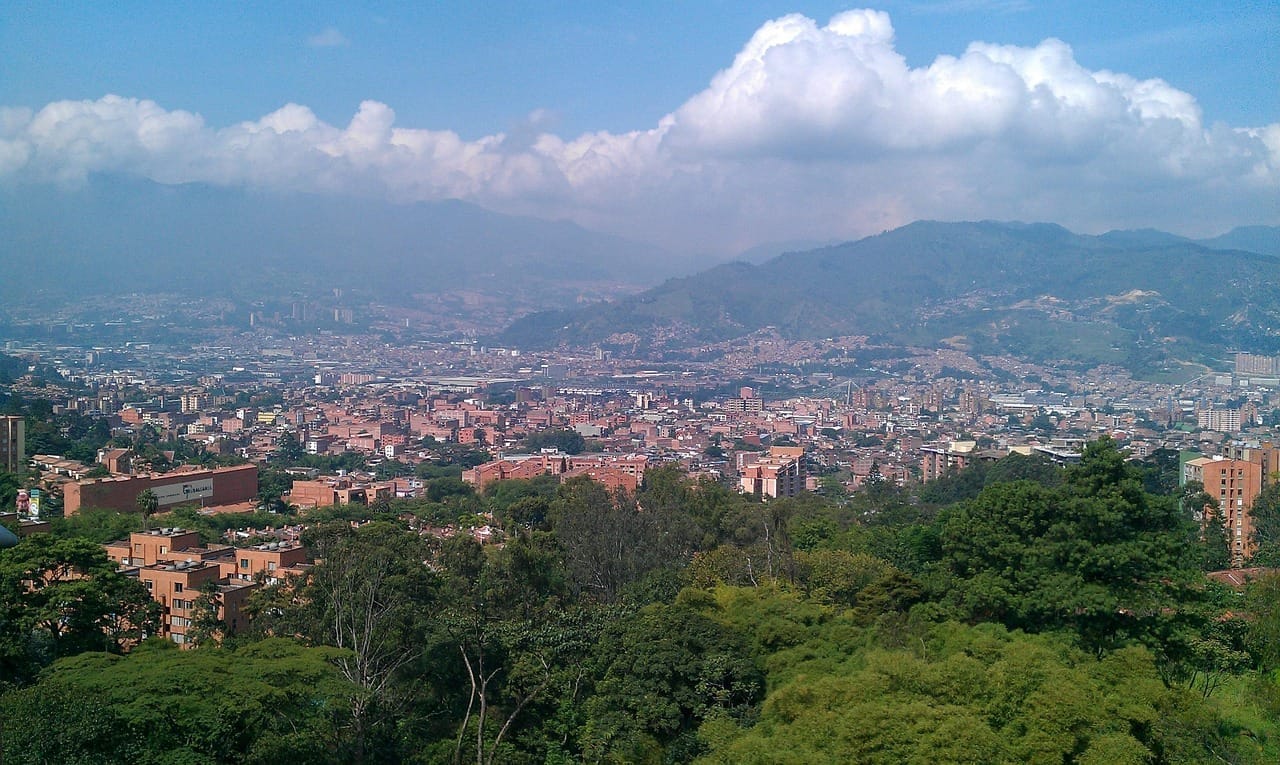
When I relocated from the United States to Medellín two years ago, I was searching for more than just a change of scenery. As a cybersecurity consultant running my practice remotely, I needed a city that could support my technical requirements while offering the lifestyle and climate that had become increasingly important to me. What I discovered in Colombia's second-largest city exceeded every expectation, and today I'm part of a thriving digital nomad ecosystem that's reshaping how remote professionals think about their location independence.
The Perfect Storm: Why Medellín Became a Digital Nomad Hub
Medellín's transformation into one of Latin America's premier digital nomad destinations wasn't accidental. The city's nickname, 'City of Eternal Spring,' hints at one of its most compelling features: year-round temperatures between 60-80°F (15-27°C). But the climate is just the beginning of what makes this metropolitan area of 2.5 million people so attractive to remote workers.
The cost of living remains exceptionally reasonable for Western professionals. While prices have increased with the influx of international residents, you can still live comfortably here for $2,300-$3,450 per month, including a modern apartment in a desirable neighborhood, coworking membership, regular dining out, and weekend activities. For context, that's roughly one-third of what the same lifestyle would cost in major U.S. cities.
More importantly, Medellín has intentionally cultivated its innovation ecosystem. The city government's commitment to digital infrastructure, combined with a growing startup scene and established tech presence, creates an environment where digital nomads aren't just tolerated—they're actively welcomed and integrated into the professional community.
The Infrastructure That Makes It Work
Internet Connectivity: The Backbone of Remote Work
Let's address what matters most to any digital nomad: internet reliability. In the neighborhoods where most remote workers settle—El Poblado, Laureles, and Envigado—fiber optic connections are standard. I'm currently paying $57 monthly for 300 Mbps symmetric fiber from UNE, one of Colombia's major providers. In two years, I've experienced fewer than five hours of total downtime.
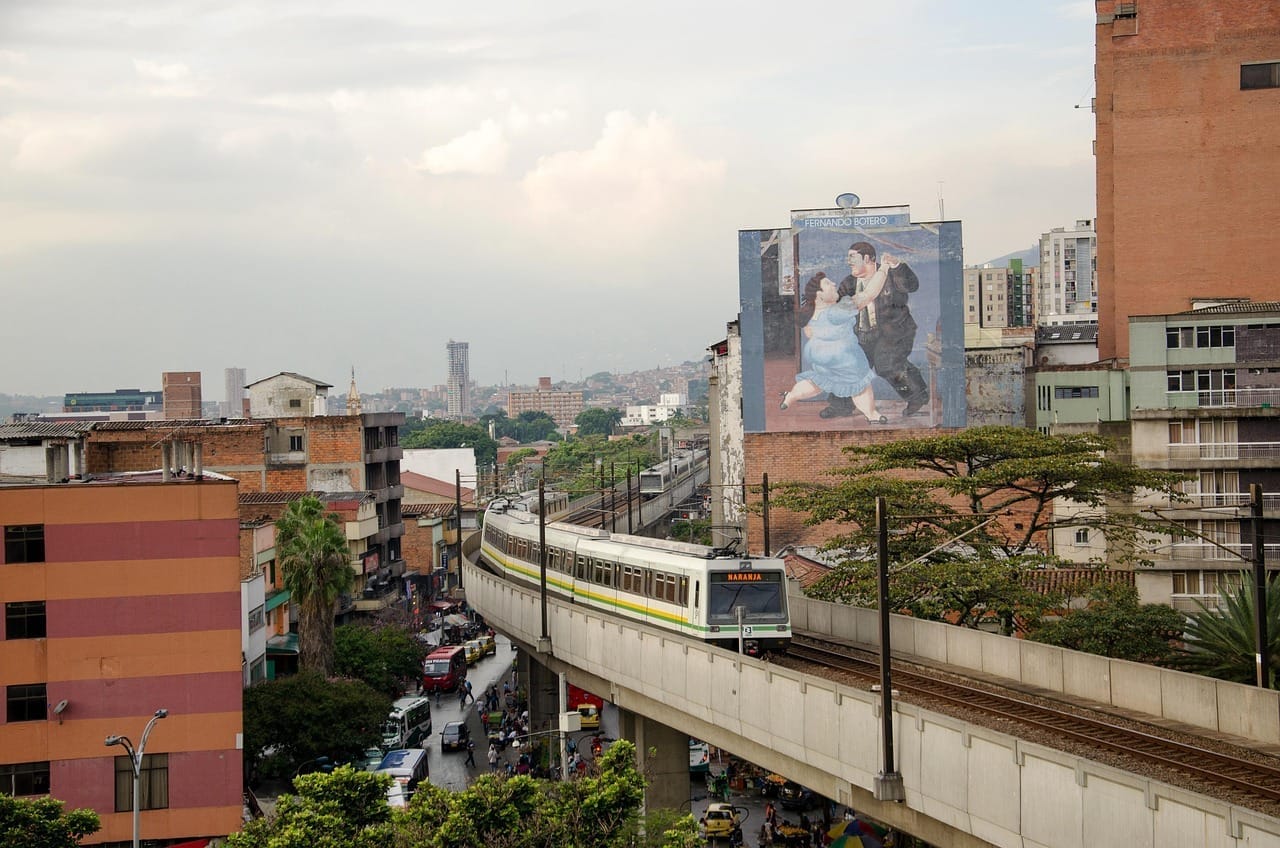
For critical work moments, I maintain a backup 5G connection with Claro, which costs $34 per month for unlimited data. This redundancy has proven invaluable during the rare infrastructure maintenance windows. The mobile networks in Medellín are robust. I regularly conduct video calls on the Metro without dropping calls.
Most modern apartment buildings in expat-heavy neighborhoods are pre-wired for multiple ISPs, and landlords understand that reliable internet is non-negotiable for international tenants. When apartment-hunting, it's standard practice to test the internet speed before signing a lease.
Coworking Spaces: More Than Just Desks
The Medellín coworking scene is sophisticated and diverse. Selina in El Poblado offers day passes for $23 and monthly memberships starting at $172, combining workspace with social events and a built-in travel community. For those seeking a more professional environment, AtomHouse Ventures in Poblado caters specifically to tech entrepreneurs and offers memberships for around $230 per month, including meeting rooms, podcast studios, and regular networking events.
I personally work from Atom House three days a week and from my apartment the rest of the time. What distinguishes Medellín's coworking spaces from those in other cities is their intentional community-building. These aren't just shared offices—they're innovation hubs where local entrepreneurs, international consultants, and venture-backed startups collaborate regularly.
La Comarca in Laureles takes a different approach, combining a coworking space, a café, and a cultural venue. Their $195 monthly membership includes all the standard amenities plus access to their extensive calendar of workshops, Spanish exchange sessions, and professional development events. The networking value alone justifies the investment.
The Digital Nomad Neighborhoods
El Poblado: The Expat Epicenter
El Poblado is where most digital nomads start their Medellín journey, and for good reason. This affluent neighborhood offers the highest concentration of English-speaking services, international restaurants, and modern amenities. The Parque Lleras area buzzes with cafés full of laptop workers during the day and transforms into the city's premier nightlife district after dark.
Expect to pay $920-$1,380 monthly for a furnished one-bedroom apartment in Poblado, with newer buildings commanding premium prices. The neighborhood's walkability is exceptional; you can access coworking spaces, grocery stores, gyms, and dozens of restaurants without needing transportation.
The concentration of expats has led to the development of supporting infrastructure: English-speaking doctors, international-friendly banking services, shipping companies that handle overseas packages, and real estate agents specializing in short-term rentals for remote workers. While some longtime residents complain about gentrification, the neighborhood has undeniably become optimized for international remote workers.
Laureles: The Local Alternative
Laureles represents the middle ground between tourist-focused Poblado and truly local neighborhoods. This traditional middle-class area has attracted a growing number of digital nomads seeking a more authentic Colombian experience without sacrificing amenities. The neighborhood centers on two parallel avenues lined with cafés, restaurants, and shops catering to locals and internationals alike.
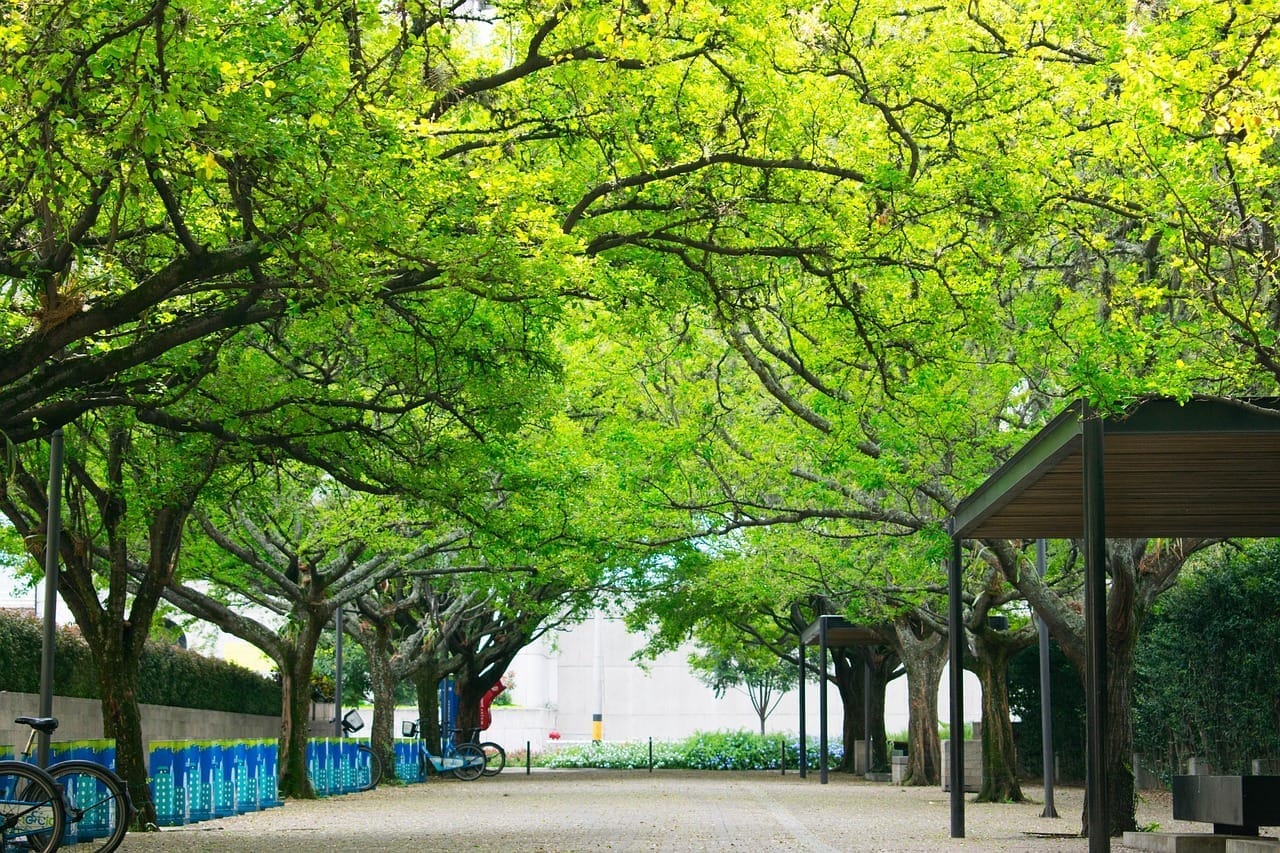
Rent in Laureles runs $690-$1,150 monthly for comparable apartments to Poblado, offering significant savings while maintaining quality infrastructure. The neighborhood's layout, a traditional grid with wide sidewalks and abundant green spaces, makes it ideal for those who prefer a more residential feel while remaining close to the action.
What I appreciate most about Laureles is the balance. You'll find digital nomads working from cafés, but you're just as likely to sit next to Colombian families and local professionals. The neighborhood has embraced international residents without losing its identity, creating a more sustainable integration than the rapid transformation seen in parts of Poblado.
Envigado: The Emerging Option
Envigado, technically a separate municipality that blends seamlessly with southern Medellín, has emerged as a favorite among digital nomads seeking lower costs and a more relaxed pace. Connected to the city center by Metro, Envigado offers modern apartments starting at $575 monthly while maintaining excellent internet infrastructure and a growing number of remote-work-friendly cafés. The town center's colonial architecture and weekly food market provide cultural authenticity often missing in more expat-heavy areas.
Related Article - Discovering Colombia
Related Article - Colombia's Top Ten Expat Destinations
The Innovation Ecosystem
What sets Medellín apart from many digital nomad destinations is its legitimate tech and innovation sector. This isn't just a cheap place to work remotely; it's a city with its own thriving startup ecosystem, established tech companies, and government investment in digital infrastructure.
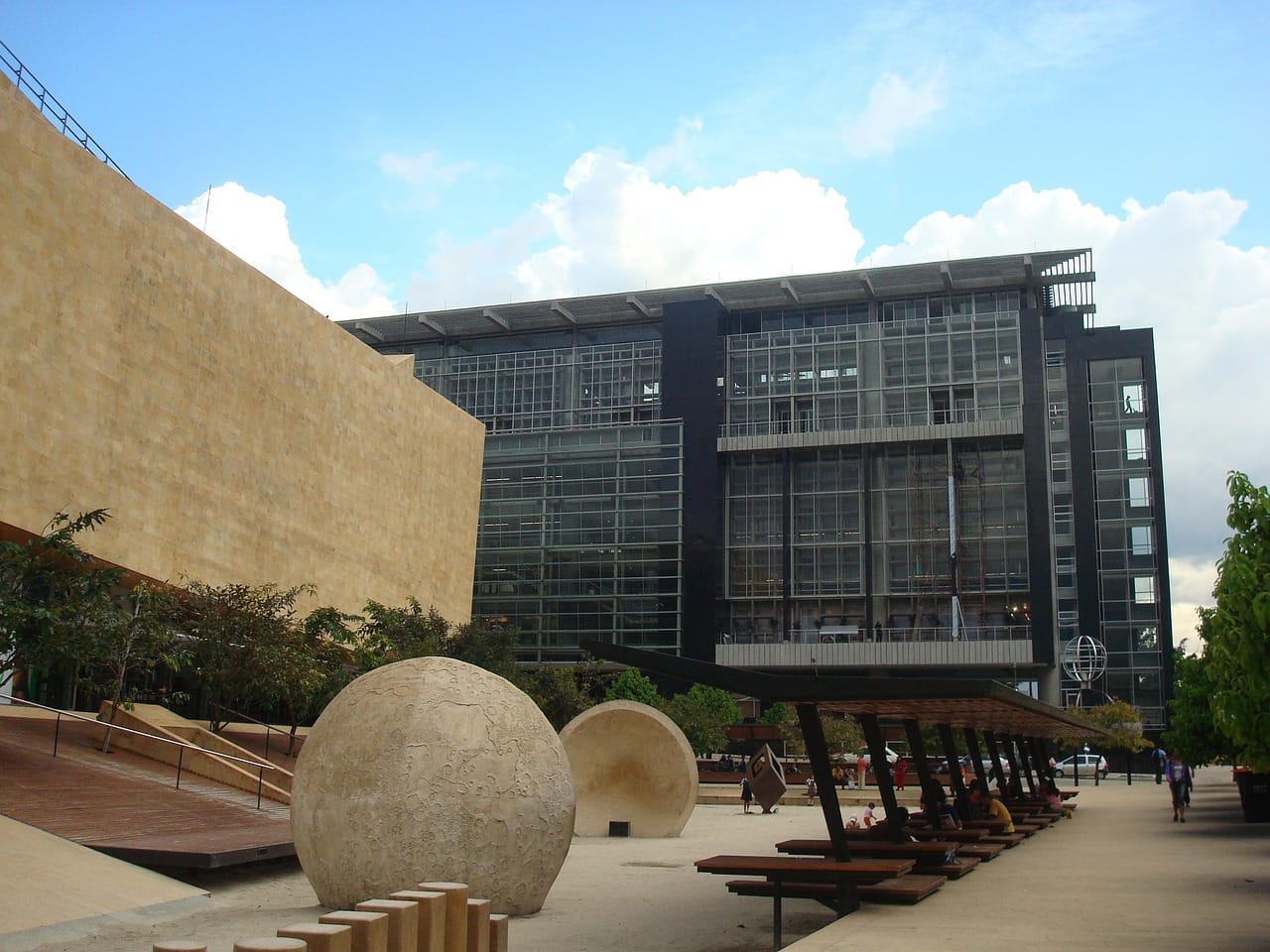
Ruta N, a government-funded innovation hub in the city's northern part, reflects the city's commitment to becoming a regional tech leader. While primarily focused on local startups, Ruta N regularly hosts events, workshops, and networking sessions that welcome international participants. I've attended several cybersecurity conferences there that rivaled similar events in U.S. cities for content quality and professional networking opportunities.
The presence of companies like Bancolombia's innovation lab, Rappi's regional headquarters, and numerous software development agencies creates opportunities for collaboration and even local employment for foreign residents with work authorization. Several digital nomads I know have transitioned from pure remote work to hybrid arrangements with Colombian companies, attracted by the opportunity to be part of Latin America's growing tech scene.
The startup ecosystem also means regular meetups, pitch events, and professional development opportunities. Whether your interest is fintech, e-commerce, software development, or digital marketing, you'll find communities of practice that blend local entrepreneurs with international talent.
The Community and Culture
Perhaps Medellín's greatest asset for digital nomads is its social scene. The rise in remote work has spawned dozens of regular meetups, from language exchanges to hiking groups to professional networking events. Facebook groups like 'Medellín Digital Nomads' and 'Expats in Medellín' have tens of thousands of members and serve as resources for everything from apartment recommendations to business connections.
The city's famous paisa culture, characterized by warmth, hospitality, and strong social bonds, extends to international residents who make an effort to integrate. Learning Spanish is strongly encouraged and will dramatically improve your experience. While you can get by with English in expat areas, making Colombian friends and understanding local culture requires language skills.
What I've found remarkable is how the local community has largely welcomed the influx of digital nomads, despite understandable concerns about rising costs. Many paisas recognize the economic benefits while also hoping foreigners will contribute positively to the city beyond just consumption. Supporting local businesses, learning the language, and respecting cultural norms go a long way toward building goodwill.
The Practical Realities
Visa Considerations
Most digital nomads start with the tourist entry stamp, which allows 90 days in Colombia with a possible 90-day extension. For longer stays, the Visitor Visa Type V is the most common option, allowing multiple entries over a two-year period. The application process has improved significantly, and while bureaucratic, it's manageable with proper documentation. Budget around $287 for the visa plus associated document authentication costs.
Colombia recently introduced a digital nomad visa designed specifically for remote workers, though uptake has been slow as many find the visitor visa sufficient for their needs. The digital nomad visa requires proof of income (minimum $755 monthly), employment or business ownership, and costs around $200. Processing times have ranged from two weeks to three months based on recent experiences in the community.
Safety Considerations
Medellín's reputation is complicated by outdated perceptions and real security concerns common to any large Latin American city. The neighborhoods where digital nomads live and work, El Poblado, Laureles, and Envigado, are statistically safe by international standards. I walk to dinner at 10 PM regularly without concern and haven't experienced any security incidents in two years.
That said, awareness is essential. Petty theft targets tourists and obvious foreigners in crowded areas. Use ride-sharing apps rather than street taxis, especially at night. Don't flash expensive electronics or jewelry. Keep a low profile, and exercise the same precautions you would in any major city.
The city has invested heavily in security infrastructure, with extensive camera networks and visible police presence in expat areas. The transformation from its violent past is real and ongoing, though challenges remain in certain neighborhoods that you're unlikely to visit as a digital nomad anyway.
Healthcare and Services
Healthcare quality in Medellín is excellent, particularly in private institutions. A doctor's visit costs $35-$57 without insurance, and even complex procedures are a fraction of U.S. costs. International health insurance is recommended for serious incidents, but many digital nomads find the local healthcare system affordable enough to pay out of pocket for routine care. Several hospitals in Poblado have English-speaking staff and cater specifically to international patients.
The Year-Round Experience
Medellín's eternal spring climate eliminates the seasonality that defines many destinations. There's no need to escape winter or summer; every month offers comfortable temperatures and a mix of sunny and rainy days. This consistency is ideal for remote workers who need reliable conditions year-round without weather-related disruptions to internet service or daily routines.
The city's calendar is punctuated by cultural events that provide structure and excitement to the digital nomad lifestyle. The Feria de las Flores in August transforms the city into a celebration of paisa culture with parades, concerts, and traditional events. December's Christmas lighting displays are world-renowned and draw visitors from across Latin America. Throughout the year, the city hosts concerts, food festivals, and sporting events that rival those in much larger metropolitan areas.
Weekend escape options abound. Guatapé, the colorful lakeside town famous for El Peñol rock, is a two-hour bus ride away. The coffee region (Zona Cafetera) is ideal for a three-day trip. Caribbean beaches in Cartagena and Santa Marta are a short flight away. This accessibility to diverse landscapes and experiences while maintaining a home base is part of Medellín's appeal. You get the stability of a single location with easy access to a variety.
The Financial Reality
Let's talk numbers. Here's a realistic monthly budget for a comfortable digital nomad lifestyle in Medellín:
Furnished one-bedroom apartment in Poblado or Laureles: $920-$1,150
Coworking space membership: $172-$230
Internet and utilities: $92
Mobile phone plan: $34
Food and dining (mix of cooking and restaurants): $460-$575
Transportation (Metro, Uber, occasional taxis): $115
Gym membership: $57
Entertainment and activities: $230-$345
Miscellaneous: $115
Total: $2,195-$3,133 monthly
This budget assumes a quality lifestyle without extreme frugality. You're eating well, maintaining fitness, enjoying the city's social scene, and living in a desirable neighborhood with modern amenities. You can certainly spend less, or much more if you prefer luxury apartments, premium dining, and frequent weekend trips.

The Challenges and Considerations
Medellín isn't perfect, and it's important to address the challenges honestly. Air quality can be problematic during certain months, particularly March and April, when reduced rainfall and geographic factors trap pollution in the valley. Allergy sufferers may struggle during these periods.
The city's rapid growth has strained its infrastructure in some areas. Traffic congestion has worsened considerably in the past five years, though the Metro system provides relief for those who live near stations. Construction noise is constant in developing neighborhoods as new high-rises compete for space.
The digital nomad boom has created tensions around gentrification and rising costs. Long-term residents face displacement as landlords prefer short-term rentals to international tenants willing to pay premium prices. Being aware of these dynamics and making conscious choices about how you participate in the local economy is part of being a responsible international resident.
Banking can be challenging for foreigners without proper visa status. Opening a local bank account requires specific documentation, and many digital nomads rely on international services like Wise and international credit cards throughout their stay. This works fine for most purposes, but can complicate certain transactions.
Why It Works
After two years in Medellín, I can identify exactly why this city succeeds as a digital nomad hub, even as others have failed. It's not just one factor. It's the combination of reliable infrastructure, affordable but high-quality lifestyle, genuine cultural richness, and a growing community that creates network effects.
The infrastructure supports professional remote work without compromise. You're not sacrificing internet reliability or workspace quality for affordability; you're getting both. The cost savings compared to Western cities are substantial enough to fund exploration, investment, or simply a higher quality of life than would be possible earning the same income elsewhere.
Beyond the practical considerations, Medellín offers something harder to quantify: it feels like a real city with its own identity, economy, and culture, existing independently of tourism and digital nomads. You're not living in a constructed expat bubble. You're participating in a dynamic urban environment with its own trajectory and story. That authenticity makes long-term stays more sustainable and rewarding than in destinations that exist primarily to service foreign visitors.
The innovation ecosystem means you're not isolated from professional development and networking opportunities. Whether you're looking to expand your business, find clients, collaborate on projects, or simply maintain connections with others in your industry, Medellín provides those opportunities in ways that purely tourist destinations cannot.
Making the Move
If you're considering Medellín as your digital nomad base, I recommend starting with a three-month trial. Book a furnished apartment for the first month while you explore neighborhoods and establish your routines. Join the Facebook groups before you arrive to get current recommendations and connect with others who have recently moved.
Invest time in learning Spanish before arrival, even a basic conversational ability will dramatically improve your experience and integration. Consider taking classes during your first month to accelerate the learning process and meet others in similar situations.
Come with realistic expectations about what Medellín offers and what it doesn't. This is a large Latin American city with all the complexity that entails, not a beach paradise or sanitized expat enclave. The reward for embracing that complexity is a rich, affordable lifestyle in one of the continent's most dynamic cities.
The Bottom Line
Medellín has earned its position as one of the world's top digital nomad destinations through a combination of practical advantages and intangible appeal. The infrastructure supports professional remote work, the costs allow for a quality lifestyle, and the city itself offers enough culture, innovation, and community to sustain long-term residence without monotony.
For those willing to embrace a real city with real challenges alongside its considerable advantages, Medellín represents an exceptional option for location-independent professionals. The eternal spring climate is wonderful, but what makes people stay is the complete package: a place where you can work effectively, live well, and be part of something larger than the digital nomad scene itself.
Two years in, I have no plans to leave. That stability, the sense that this is a place worth building a life in, not just passing through, is perhaps Medellín's greatest endorsement.
Unlock the secrets of the world's most successful entrepreneurs with the
Global Wealth Navigator Newsletter
Discover the world's best destinations offering a lower cost of living paired with an enriched quality of life with the Global Wealth Navigator Newsletter. Whether you're a retiree or an entrepreneur, we dive into strategies that open doors to international investments, tax optimizations, and discover the finest destinations offering a superior quality of life. Don't let borders or routine define you; lets find your ideal spot in the world, regardless of your income bracket.

Written by Kevin Martin
A cybersecurity consultant who moved to Medellín for climate, affordability, and lifestyle. He focuses on remote work infrastructure, innovation, and safety realities.
Read all our articles about Colombia here.
Global Citizen Life
© 2023 Global Citizen Life
All rights reserved