
Living on $2,000 a Month in San Miguel de Allende: A Creative's Budget Breakdown
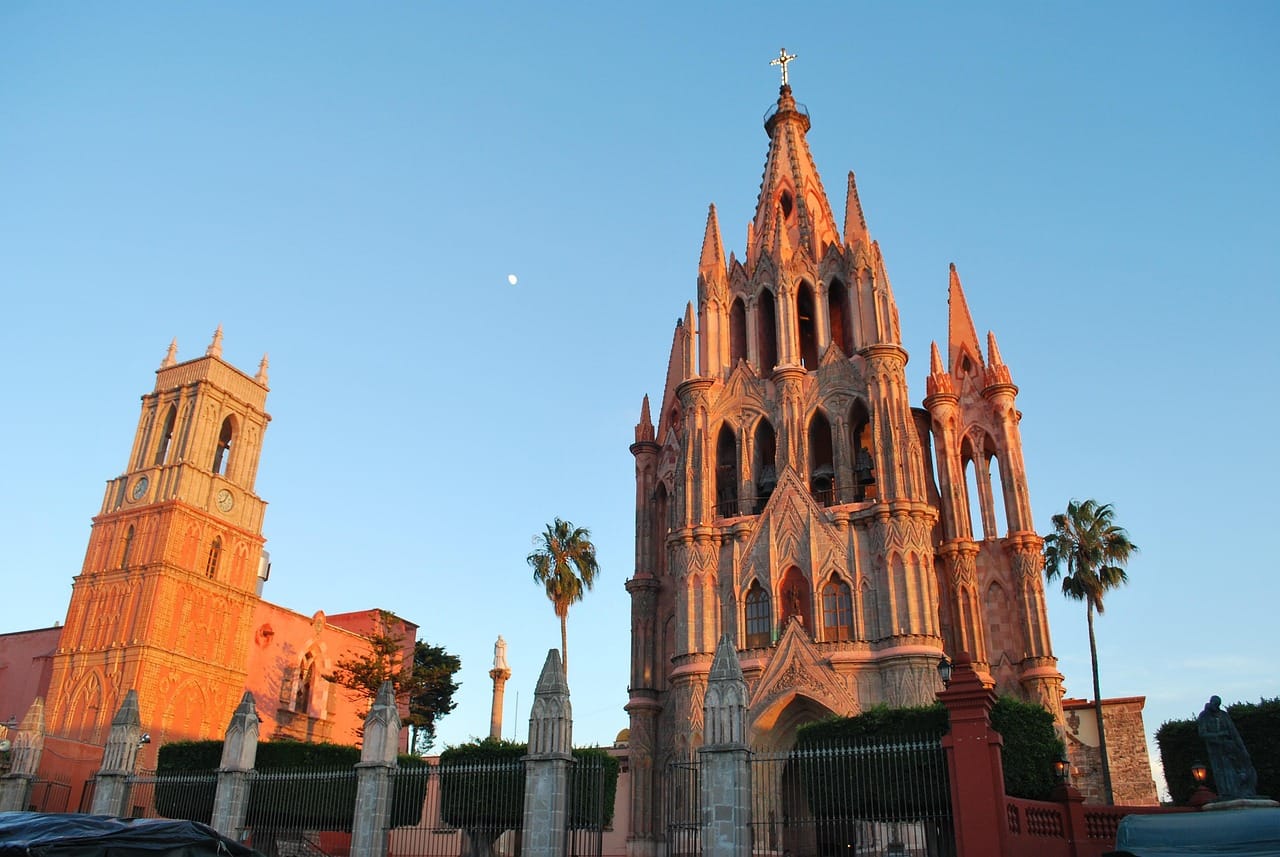
The late-afternoon light filters through my studio window, painting everything in a golden hue that seems to exist only in the Mexican highlands. Outside, church bells ring from three different directions, and somewhere down the cobblestone street, a vendor calls out the day's offerings of fresh tamales. This is my daily soundtrack in San Miguel de Allende, and remarkably, it costs me just $2,000 a month to live this creative dream.
When I first arrived in this UNESCO World Heritage city two years ago, I was skeptical that I could maintain my quality of life on this budget. I'd left Austin with its soaring rents and traffic-clogged highways, trading them for colonial architecture, thriving art galleries, and a pace of life that actually allows for creativity to flourish. Today, I'm not just surviving on $2,000 a month, I'm thriving. Let me show you exactly how.
Housing: Your Colonial Canvas ($700-$900)
My one-bedroom apartment sits in a restored colonial building just a ten-minute walk from the Jardín, San Miguel's vibrant central plaza. For $850 a month, I have high ceilings with original wooden beams, terracotta floors that stay cool even in summer, and a rooftop terrace where
I've watched countless sunsets paint the Parroquia pink and gold.
The rental market here offers an incredible variety. If you're willing to live a bit further from Centro, in neighborhoods like San Antonio or Guadalupe, you can find charming one-bedrooms starting around $700. These areas have their own authentic appeal, with fewer tourists and more local flavor. You'll find families gathering in the plazas, neighborhood mercados bursting with produce, and that genuine Mexican community life that many expats crave.
For those seeking something more upscale, perhaps with a garden courtyard or panoramic views of the city, expect to invest $1,200 to $1,500 monthly. But here's what makes San Miguel special: even the most affordable apartments often come with architectural details you'd pay premium prices for elsewhere. Arched doorways, tiled fountains, and wrought-iron details are standard features, not luxury upgrades.
Pro tip: Most leases include property maintenance and sometimes even wifi. My landlord handles everything from plumbing to the twice-monthly deep clean of common areas. It's a level of service that transforms your monthly rent from mere housing into genuine peace of mind.
Utilities: Surprisingly Simple ($60-$90)
Coming from Texas, where summer electricity bills could hit $200, San Miguel's utility costs feel almost quaint. My monthly expenses average around $75, broken down roughly as follows:
Electricity costs about $30-40 per month. San Miguel's climate is remarkably temperate—averaging 18-20°C (64-68°F) year-round—so there are no air conditioning or heating bills. I use a small space heater during December and January evenings, but even then, my usage barely registers.
Water costs about $15 a month, including purified water delivered to my door every two weeks. Gas for cooking and hot water adds another $20-25. Internet service, which I consider essential for my work as a travel writer, costs $30 for a reliable high-speed connection. I stream content, conduct video calls, and upload photo-heavy articles without issue.
Cell phone service is remarkably affordable. I pay $25 monthly for unlimited data, calls, and texts throughout Mexico, plus international texting. The coverage is excellent throughout the city and reliable even in the surrounding villages.
If you're serious about making this life-changing move, our
online course provides comprehensive guidance on everything from residency requirements and healthcare to finding the perfect community and integrating into local culture, helping you make a smooth and successful transition.
Groceries and Dining: A Feast for the Senses ($350-$450)
Tuesday and Saturday mornings, I walk to the Tianguis market, a sensory explosion of color, scent, and sound. Pyramids of mangoes glow orange in the morning sun. Fresh cilantro perfumes the air. Vendors call out prices in rapid-fire Spanish while abuelitas inspect tomatoes with the expertise of sommeliers choosing wine.
This is where I do most of my grocery shopping, and it's transformed not just my budget but my entire relationship with food. For $50-60 weekly, I come home with bags overflowing with produce: avocados the size of softballs, strawberries that actually taste like strawberries, and vegetables so fresh they still have morning dew clinging to them.
My monthly grocery budget breaks down roughly like this:
Fresh produce from the Tianguis: $100-120. This includes seasonal fruits, vegetables, fresh herbs, and those incredible flowers I can't resist adding to my kitchen table. Local dairy, eggs, and cheese from small producers: $40-50. The queso fresco here spoils you for any grocery store version. Pantry staples from La Comer or Mega supermarkets: $80-100. This covers items like olive oil, coffee, whole grains, and imported specialty items I occasionally crave. Artisan bread from local panaderías: $30. Why buy packaged bread when you can get warm, crusty bolillos for a few pesos?
For dining out, I budget $150-200 a month, though San Miguel makes it easy to spend more or less depending on your mood. A comida corrida (daily set menu) at a local comedor runs $5-7 and includes soup, main course, rice, beans, tortillas, and agua fresca. These aren't tourist traps. They're where locals eat, and the food is authentic, hearty, and delicious.
Mid-range restaurants cluster around $15-25 per person for a full dinner with drinks. The city's burgeoning food scene offers everything from elevated Mexican cuisine to excellent Italian, Asian fusion, and farm-to-table concepts. I save my splurges for places like Aperi or The Restaurant at Hotel Matilda, where $40-50 buys you an unforgettable culinary experience.
Weekend breakfasts have become my ritual indulgence. For $10-12, I'll spend a leisurely morning at a café, sipping oat milk lattes while working on articles, surrounded by flowering courtyards and the hum of Spanish conversations. This isn't just breakfast. It's creative fuel, social connection, and cultural immersion rolled into one.
Transportation: Where Walking is a Pleasure ($50-$80)
One of San Miguel's greatest gifts is its walkability. The colonial centro is compact enough that I can reach most destinations on foot, and unlike many cities, walking here is genuinely pleasurable. The architecture alone, baroque churches, colonial mansions, and hidden courtyards make every errand feel like a gallery tour.
When I do need motorized transport, options are abundant and affordable. Local buses cost about $0.50 per ride and connect the entire city. They're reliable and frequent, offering a window into daily Mexican life. Taxis average $3-5 for city trips, while Uber operates here with similar rates. For monthly transportation, including occasional taxis and bus rides, I rarely spend more than $60.
Many expats invest in bicycles, and the city has been gradually improving its bike infrastructure. You can purchase a decent bike for $150-250, and once you have it, much of your transportation becomes free. I see cyclists everywhere, pedaling to markets, galleries, and cafés, their bike baskets overflowing with flowers and fresh produce.
For out-of-town adventures, bus service to nearby cities is excellent and remarkably cheap. A first-class bus to Querétaro costs around $10, to Guanajuato $12, and even to Mexico City just $35. These comfortable buses feature reclining seats, bathrooms, and sometimes even wifi, making weekend getaways both accessible and affordable.
Healthcare: Quality and Affordability Combined ($80-$120)
Mexican healthcare initially surprised me with its quality-to-cost ratio. I maintain an international insurance policy that costs $95 per month and provides coverage throughout Mexico and emergency care worldwide. This isn't strictly necessary if you're healthy. Many expats self-insure, but it gives me peace of mind in case of unexpected situations.
Out-of-pocket costs remain remarkably reasonable. A doctor's visit runs $30-50. Dental cleanings cost around $35. Prescription medications, purchased at any of the numerous pharmacies dotting the city, typically cost 60-80% less than U.S. prices. My monthly prescriptions, which cost $150 in Austin, run me $40 here.
San Miguel has several excellent private hospitals and clinics, many staffed by doctors who trained in the United States or Europe. The level of care is professional, appointments are punctual, and you'll rarely encounter the bureaucratic nightmares common in U.S. healthcare. Plus, many doctors make house calls. A practice I thought had died decades ago.
Alternative healthcare options abound here. Yoga studios offer unlimited monthly passes for $60-80. Massage therapists charge $35-45 for an excellent hour-long session. Acupuncture, chiropractors, and holistic healers all practice here at rates that make regular self-care genuinely affordable rather than a luxury reserved for special occasions.
Culture and Entertainment: Living the Creative Life ($120-$180)
This is where San Miguel truly distinguishes itself. The city pulses with cultural offerings that would cost hundreds of dollars monthly elsewhere, yet here they're either free or remarkably affordable.
Art gallery openings happen almost nightly, complete with wine and conversation with artists. These events are free and provide endless inspiration for my photography and writing. The Fábrica La Aurora, a converted textile factory now housing dozens of galleries and studios, offers free admission to world-class contemporary art. I spend Sunday mornings there, wandering through exhibitions that would headline major museums in other cities.
Live music fills the city every night. The Jardín hosts free concerts ranging from traditional mariachi to jazz quartets. Restaurants and bars feature musicians for the cost of a drink or two. Cover charges, when they exist, rarely exceed $5-10. Last month alone, I heard a classical guitar recital in a baroque church, salsa dancing at a neighborhood plaza, and an indie-folk concert at a rooftop bar. Total spent: $15.
Cultural festivals occur constantly. The city erupts in celebration, with everything from Day of the Dead to the Jazz Festival to the Film Festival; most events are free or low-cost. These aren't token tourist offerings but genuine cultural expressions that locals participate in with enthusiasm.
For structured learning, prices remain accessible. Language schools offer free conversation exchange programs; you help someone practice English while they help you practice Spanish. Dance classes run $8-12 per session. Art workshops at places like Instituto Allende cost $150-250 for multi-week courses in everything from painting to jewelry making to creative writing.
My monthly culture budget typically includes: a few drinks at concerts or events ($30-40), one art workshop or class ($40-50), books and magazines from Biblioteca Pública ($20-30), and occasional movie tickets at the English-language cinema ($30-40 for 3-4 films). This budget keeps me constantly engaged, learning, and inspired.
Unlock the secrets of the world's most successful entrepreneurs with the
Global Wealth Navigator Newsletter
Discover the world's best destinations offering a lower cost of living paired with an enriched quality of life with the Global Wealth Navigator Newsletter. Whether you're a retiree or an entrepreneur, we dive into strategies that open doors to international investments, tax optimizations, and discover the finest destinations offering a superior quality of life. Don't let borders or routine define you; lets find your ideal spot in the world, regardless of your income bracket.

Household and Personal Care ($100-$150)
The remaining pieces of my budget cover the practical necessities that keep daily life running smoothly. Household supplies—cleaning products, toiletries, and sundries—cost about $50-70 per month. Mexican brands work perfectly well and cost considerably less than imported alternatives, though you can find most international brands if you prefer.
Personal care services are both excellent and affordable. My haircut costs $15 at a stylish salon that serves espresso while you wait. A manicure runs $12, and I've found a skilled colorist who charges $50 for highlights that would cost $200 in Austin. Men typically pay $8-12 for haircuts.
Laundry service exists on nearly every block. They'll wash, dry, and fold your clothes for about $1.50 per kilo (roughly 2.2 pounds). For $30-40 monthly, I never have to think about laundry. This frees up time and mental energy for work and creative pursuits, making it one of my favorite budget allocations.
Miscellaneous and Buffer ($100-$150)
I always maintain a miscellaneous category for unexpected expenses and spontaneous opportunities. This covers everything from replacing a broken coffee maker to joining friends for an impromptu weekend trip to the hot springs at La Gruta. This buffer has saved me from budget stress countless times and allows for the kind of spontaneity that makes life in Mexico so rich.
Emergency expenses remain surprisingly rare. Items simply last longer here. The dry climate means clothes don't mildew, electronics don't corrode, and even fresh food keeps well. The slower pace of life means less wear and tear on everything from shoes to nerves.
The Complete Monthly Breakdown
Housing: $850
Utilities (electricity, water, gas, internet, phone): $75
Groceries: $250
Dining out: $175
Transportation: $60
Healthcare/Insurance: $95
Culture and Entertainment: $150
Household and Personal Care: $120
Miscellaneous/Buffer: $125
Total: $1,900
This leaves me with roughly $100 a month for savings or splurges, which I typically use for travel to other parts of Mexico, professional development courses, or camera gear for my photography work.
The Intangible Returns
Numbers tell only part of the story. What this budget really buys is freedom. Freedom from financial stress, from long commutes, from the pressure to constantly hustle. It buys time to write in cafés, to wander through markets with my camera, to take afternoon siestas when creativity wanes, to say yes to last-minute invitations.
It buys community. Living on $2,000 a month means shopping at local markets, eating at neighborhood restaurants, and using local services.
All of which integrate you into the fabric of Mexican life rather than insulating you in an expat bubble. My favorite taco vendor knows my order. The woman at the Tianguis saves the ripest mangoes for me. The pharmacist remembers my prescriptions. These connections create a sense of belonging that no amount of money can buy.
Most importantly, this budget buys the mental space for creativity to flourish. Without the constant anxiety about money, I've written more in two years than I did in five years in Austin. My photography has evolved from a hobby to a genuine artistic practice. I've learned to salsa dance, improved my Spanish from barely functional to conversationally fluent, and developed a meditation practice I actually maintain.
Practical Considerations for Your Move
Before you start packing, consider a few realities. This budget works for someone with my lifestyle—single, no car, minimal shopping for material goods, moderate alcohol consumption. If you're a couple, budget $2,800- $ 3,200 for a comparable quality of life. Families should calculate $3,500-4,000, depending on the number and ages of children.
Not included in this budget: visa costs (temporary residence visa costs around $400-500 initially), flights home (budget $350-500 for round-trip tickets to most U.S. cities), U.S. health insurance if you maintain it, storage unit costs if you keep things stateside, or initial setup costs for furnishing an apartment.
San Miguel's popularity has driven some price increases over the past decade. It's more expensive than smaller Mexican cities like Guanajuato or Oaxaca, though still dramatically cheaper than comparable artistic communities in the U.S. or Europe. The trade-off for these higher costs is superior infrastructure, excellent international dining, world-class galleries, and a large, established expat community that makes transition easier.
Seasonal variations affect both costs and experience. November through April brings perfect weather and cultural festivals, but also higher rents and larger crowds. May through October sees afternoon rain showers, fewer tourists, and occasionally better rental deals. I prefer the quiet season. The city feels more authentically Mexican, and those afternoon rains make everything smell like wet earth and blooming flowers.
Making It Work: Tips from Two Years of Experience
Learn Spanish. Even basic conversational ability immediately reduces costs. You'll shop where locals shop, negotiate as locals negotiate, and access services expats never discover. My language skills have saved me hundreds of dollars and opened countless doors.
Shop seasonally at the Tianguis. Strawberries cost pennies when they're in season, ridiculous amounts when they're not. Let the seasons guide your cooking, and you'll eat better while spending less.
Walk everywhere possible. This saves money while immersing you in neighborhood rhythms you'd miss in a car or taxi. I've discovered hidden courtyards, hole-in-the-wall eateries, and secret viewpoints simply by walking with curiosity rather than a destination in mind.
Join community activities. Free or low-cost groups exist for everything from writing to hiking to bird-watching. These provide social connection and entertainment while keeping costs to a minimum.
Resist lifestyle inflation. San Miguel makes it easy to spend $3,000 or $4,000 a month if you frequent upscale restaurants, shop at imported-goods stores, and maintain U.S. consumption patterns. The sweet spot lies in embracing Mexican culture while maintaining enough familiar comforts to feel at home.
Are you ready to transform your life and make the move to Mexico? Our comprehensive Move to Mexico Masterclass provides everything you need to navigate the transition with confidence, from visa applications to finding housing to building community in your new home.
The Real Cost of Not Making the Move
As I write this, evening light streams through my window, illuminating dust motes dancing in the air scented with jasmine from the courtyard below. In thirty minutes, I'll walk to a gallery opening where I'll sip wine, admire art, and practice my Spanish with new friends. Later, I might grab street tacos for dinner, their cost so negligible I don't even track it.
This life costs me $2,000 a month. In Austin, I was spending $3,500 monthly just to maintain a basic existence, and I was miserable. Stressed, creatively blocked, disconnected from community and meaning. The question isn't whether you can afford to move to San Miguel de Allende. The question is whether you can afford not to.
Because some costs can't be calculated in dollars. The cost of deferred dreams, suppressed creativity, and a community sacrificed to career advancement. The cost of years spent in traffic, in fluorescent-lit offices, in the relentless pursuit of more that never quite satisfies.
San Miguel offers a different equation entirely. Here, $2,000 buys not just survival but flourishing; a life rich in beauty, culture, community, and creative possibility. The numbers work, but more importantly, the life works. And that, I've discovered, is truly priceless.
If you're serious about making this life-changing move, our
online course provides comprehensive guidance on everything from residency requirements and healthcare to finding the perfect community and integrating into local culture, helping you make a smooth and successful transition.
Written by Jessica Taylor
Originally from Austin, Texas, Jessica traded city lights for the cobblestone charm of San Miguel de Allende. A travel writer and photographer, she captures Mexico’s vibrant colors and stories through her lens. Jessica’s work celebrates creativity, connection, and the freedom of solo living abroad. She inspires readers to explore beyond the obvious and embrace life as an adventure of their own making.
📍 From Austin, now in San Miguel de Allende
Jessica writes about culture, color, and creativity in Mexico’s artistic heart. A photographer and travel writer, she inspires readers to embrace adventure and live vibrantly.
Read Articles by Jessica →
Global Citizen Life
© 2023 Global Citizen Life
All rights reserved