
Life Lessons I Learned After Moving to Mexico in My Sixties
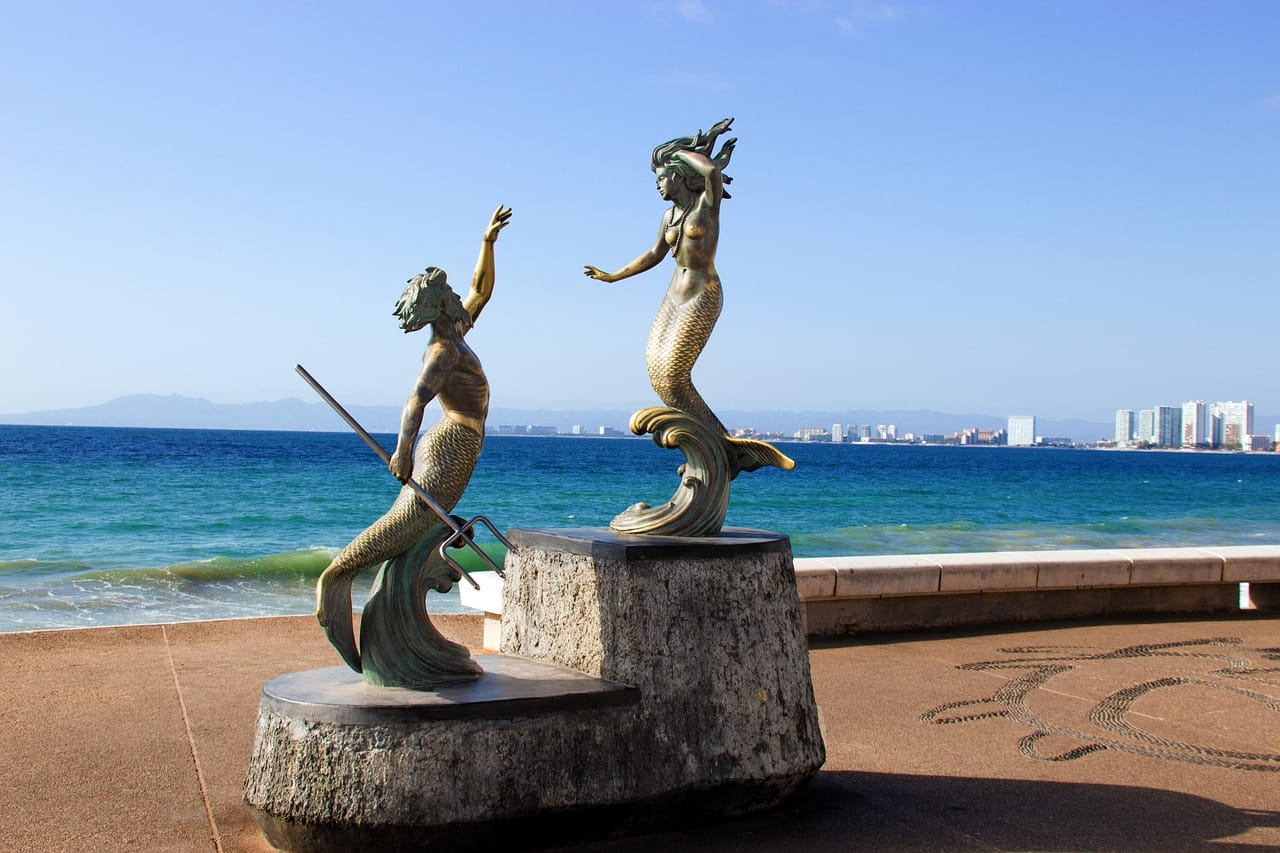
When I left Manchester for Puerto Vallarta at sixty-two, my friends thought I was having a midlife crisis; a bit late, I told them with a smile. My husband had passed two years earlier, my teaching career had come to a natural close, and England's grey skies seemed to mirror the heaviness I felt inside. I wasn't running away from grief; I was walking toward something I couldn't quite name yet. Mexico, with its warmth and colour and gentle chaos, called to me in a way I hadn't expected.
Now, as I sit on my balcony watching the sun paint the bay in shades of amber and rose, I can tell you that moving abroad in my sixties wasn't a crisis. It was an awakening. The lessons I've learned here have reshaped not just how I live, but who I am. If you're contemplating a similar leap, perhaps my reflections will offer you both courage and clarity.
You're Never Too Old to Become a Beginner Again
I spent forty years as a teacher, a position of authority and competence. In Mexico, I became a student again: of language, of culture, of a completely different way of moving through the world. And honestly? It was humbling. Also liberating.
My Spanish lessons took me back to being the confused learner rather than the patient instructor. I mispronounced words, confused verb tenses, and once accidentally told my neighbour I was "embarazada" (pregnant) when I meant "avergonzada" (embarrassed). She laughed so hard she had to sit down. But that vulnerability, that willingness to stumble and laugh at myself, opened doors that competence never could.
Being a beginner again teaches you patience with yourself. It reminds you that growth doesn't end at any particular age. Every time I successfully order coffee in Spanish or navigate a conversation at the market, I feel a spark of pride that's somehow deeper than the professional achievements I've ever had. It's personal. It's proof that I can still grow.
Community Isn't Found. It's Built, Slowly and With Intention
In Manchester, I had decades of relationships: colleagues, neighbours, the barista who knew my order. Moving to Puerto Vallarta meant starting from nothing, and I won't pretend that it wasn't lonely at first. I'd sit in cafés watching groups of friends laugh together, wondering if I'd made a terrible mistake.
But community here doesn't happen by accident. It happens through showing up. I joined a book club at the local library, started volunteering at an English-Spanish language exchange, and began attending the weekly expat coffee mornings. Each time felt slightly awkward, like being the new girl at school. But gradually, faces became familiar. Small talk deepened into a real conversation. Acquaintances became friends.
What surprised me most was the mix of people I've grown close to. There's María, my Mexican neighbour who brings me tamales and patiently corrects my Spanish. There's Jack and Linda, fellow retirees from Canada who introduced me to hiking the coastal trails. There's Eduardo, a young artist who teaches me about Day of the Dead traditions while I help him with his English essays. This tapestry of ages, backgrounds, and perspectives has enriched my life in ways my old, comfortable circle never could.
The lesson? Community requires consistent, genuine effort. But the reward, a web of connection that holds you through both joy and difficulty, is worth every slightly uncomfortable first conversation.
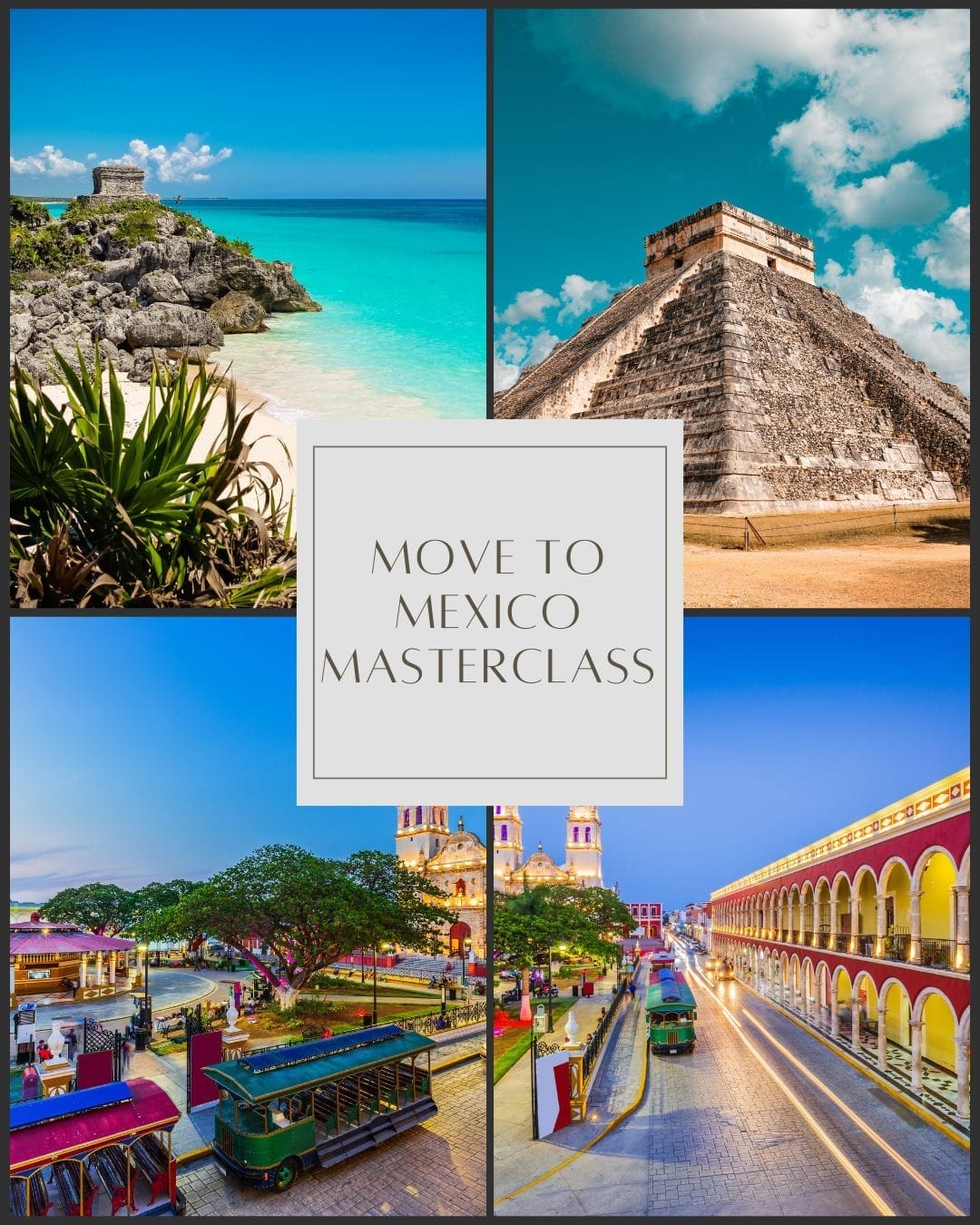
If you're serious about making this life-changing move, our
online course provides comprehensive guidance on everything from residency requirements and healthcare to finding the perfect community and integrating into local culture, helping you make a smooth and successful transition.
Simplicity Is a Choice, Not a Sacrifice
I came to Mexico with two suitcases. Everything else, forty years of accumulated possessions, I sold, donated, or left with my daughter. At first, this felt like a loss. Where was my favourite reading chair? My collection of ceramic teapots? The photograph albums I'd so carefully maintained?
But here's what I discovered: all that "stuff" had been weighing me down without my realising it. My apartment in Puerto Vallarta is small, just a one-bedroom with a balcony that catches the morning light. I have exactly what I need: comfortable furniture, a few beloved books, a good coffee maker, and space to breathe. The absence of clutter has created room for something more valuable: presence.
My days here follow a simpler rhythm. Morning coffee watching the sunrise. A walk along the malecón. Time to write, read, or simply sit. Lunch with friends. An afternoon swim. Dinner at home or at one of the local taquerías, where the owner greets me by name. There's no rushing, no endless to-do list, no keeping up with anyone. Just the quiet satisfaction of a day well-lived.
This simplicity isn't about deprivation, it's about clarity. When you strip away the excess, what remains is what truly matters: health, relationships, purpose, beauty, peace. I have less than I did in England, but somehow I have more of what counts.
Resilience Grows Through Small, Daily Challenges
Living in a foreign country presents constant tiny obstacles. The internet goes out, and the technician only speaks Spanish. The power cuts out during a thunderstorm. You can't find familiar ingredients at the market. The bank has procedures different from what you're used to. Your landlord's concept of "mañana" is decidedly flexible.
Each of these situations used to deeply frustrate me. I'm a planner, an organiser, someone who likes things to work properly. But Mexico has taught me something vital: resilience isn't developed through dramatic challenges. It's built through navigating everyday inconveniences with patience and creativity.
Now, when something goes wrong, and it will, I've learned to pause, breathe, and find another way. The internet's down. Perfect time for a walk. Can't find cheddar cheese? Discover the local queso Oaxaca instead. Language barrier with the plumber? A combination of gestures, Google Translate, and humour usually gets us through.
These small adaptations have made me stronger than any crisis ever could. I've learned I can handle uncertainty, solve problems creatively, and find joy even when things don't go according to plan. At sixty-three, I'm more resilient than I was at forty. Not because life is easier, but because I've stopped expecting it to be.
Healthcare Abroad Can Be Excellent and Affordable
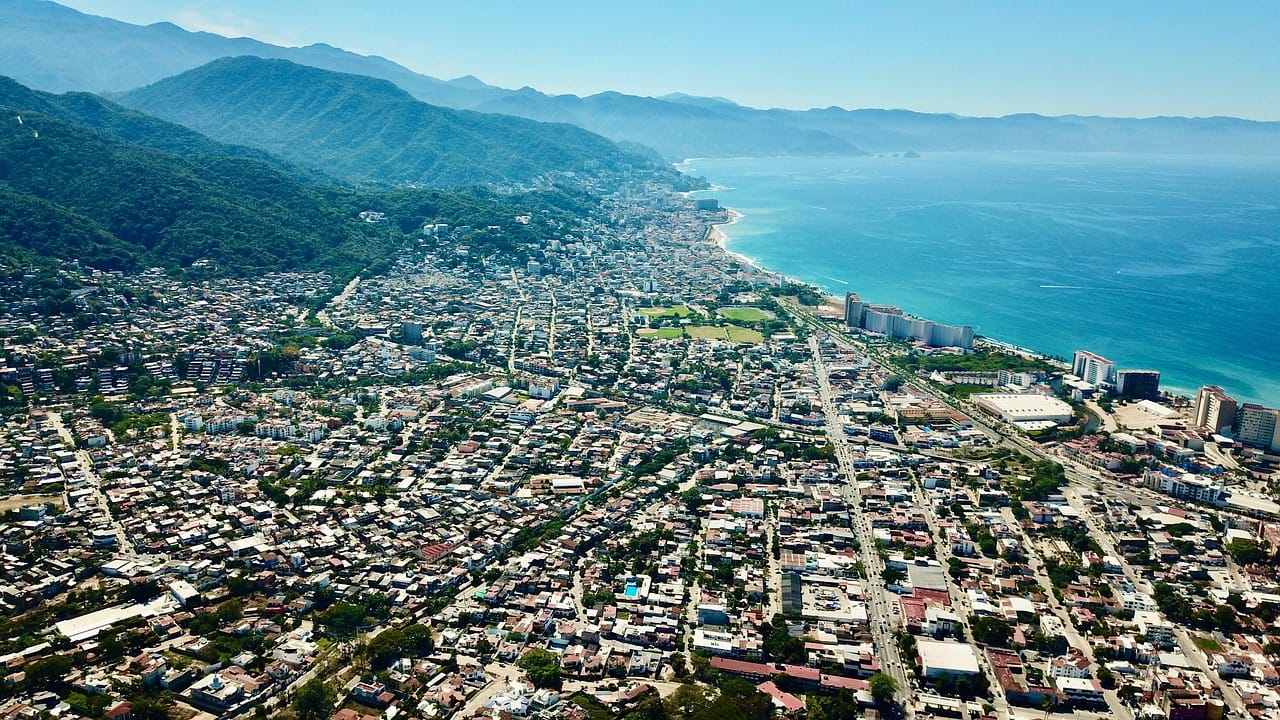
One of the biggest fears people express about retiring abroad is healthcare. I understand, it worried me too. But my experience with Mexican healthcare has been surprisingly positive and significantly less expensive than what I was used to in the UK.
I use a combination of public IMSS insurance (the national healthcare system, which costs around $4,800 USD annually for my age group) and private care when I want more choice in specialists or shorter wait times. A private doctor's consultation typically runs $40-60 USD, compared to the long NHS wait times I'd grown accustomed to. Prescription medications cost a fraction of UK prices; my blood pressure medication costs about $15 USD per month.
Last year, I needed a minor surgical procedure. At a private hospital in Puerto Vallarta, the total cost, including surgeon, anesthesiologist, hospital stay, and follow-up appointments, was $3,600 USD. The care was excellent, the facility modern, and my surgeon had trained at Johns Hopkins. The experience taught me that quality healthcare doesn't require a First World price tag.
That said, having comprehensive health insurance is essential. I maintain both my IMSS coverage and a private international policy that covers emergencies and medical evacuation if needed. The peace of mind is worth every penny.
Purpose Doesn't Retire When You Do
Retirement can feel like an identity crisis. For four decades, I was "Lena the teacher." Who was I without a classroom, without students, without that sense of contributing something meaningful to the world?
Moving to Mexico forced me to answer that question. At first, I tried to simply relax: read books, take long walks, enjoy my "freedom." But within months, I felt restless. Purposeless. Retirement, I realised, isn't about stopping. It's about redirecting your energy toward what truly matters to you.
I started small. I began tutoring local students in English, not for money but for connection. I started this blog to share my experiences with others considering similar moves. I volunteered at the library, organising their English-language collection. I joined a community garden project where expats and locals work together growing vegetables for a local food bank.
These activities don't define me the way teaching once did, and that's actually wonderful. My purpose now is more flexible, more diverse, more aligned with who I'm becoming rather than who I was. I contribute without the weight of professional obligation. I make a difference without carrying the burden of being essential. It's a lighter, freer way to matter.
Unlock the secrets of the world's most successful entrepreneurs with the
Global Wealth Navigator Newsletter
Discover the world's best destinations offering a lower cost of living paired with an enriched quality of life with the Global Wealth Navigator Newsletter. Whether you're a retiree or an entrepreneur, we dive into strategies that open doors to international investments, tax optimizations, and discover the finest destinations offering a superior quality of life. Don't let borders or routine define you; lets find your ideal spot in the world, regardless of your income bracket.

Different Cultures Offer Different Perspectives on Aging
One of the most profound shifts I've experienced in Mexico is how aging is perceived. In the UK, I often felt invisible after a certain age: dismissed, overlooked, seen as past my prime. Here, it's different.
Mexican culture deeply respects elders. I'm "Señora Lena" to the young people in my neighbourhood, a title that carries genuine regard rather than diminishment. My opinions are sought, my experience valued. When I speak, even in broken Spanish, people listen attentively rather than finishing my sentences or speaking over me.
This shift in how I'm perceived has changed how I perceive myself. I stand taller. I speak more freely. I take up space without apologizing. At sixty-three, I'm not trying to hide my age or pretend to be younger. I'm actually proud of the years I've lived and the wisdom they've brought.
The lesson here isn't that Mexican culture is perfect. It has its own challenges and contradictions. But experiencing a different cultural attitude toward aging has freed me from internalised ageism I didn't even realise I carried. It's reminded me that how we age is partly cultural, and we have more agency in that process than we might think.
Joy Is Available in Every Moment, If You're Present to Notice It
Perhaps the most important lesson Mexico has taught me is about joy. Not happiness, that fleeting emotion that depends on circumstances. But joy, that deeper contentment that comes from being fully alive to the present moment.
In my old life, I was always planning, preparing, worrying about the future, or ruminating on the past. Even pleasant moments were tinged with anxiety about what came next. Here, the pace of life has slowed enough that I can actually inhabit my own experience.
I notice things now. The way morning light catches the bougainvillea on my balcony. The sound of children laughing in the street below. The taste of fresh mango from the market is sweet, sticky, and perfect. The warmth of the sun on my shoulders during my afternoon walk. These aren't exceptional moments. They're ordinary. But when you pay attention, ordinary becomes extraordinary.
This presence has taught me that joy isn't something you achieve or earn. It's something you allow. It's already here, woven into the fabric of daily life, waiting to be noticed. Moving to Mexico created the space for this awareness, but the practice of presence is something I could have cultivated anywhere. I just needed to slow down enough to try.
Grief Transforms but Never Truly Ends
I came to Mexico partly to escape grief. My husband's death had left a hole in my life that Manchester seemed to make larger. I thought distance might heal it.
What I've learned is that grief doesn't disappear; it transforms. I still miss him. I still have moments where I turn to share something and remember he's gone. But the sharp edges have softened. The weight has lightened. Grief has become part of my story rather than the whole story.
Mexico gave me something unexpected: permission to rebuild. Not to replace what I lost, but to create something new alongside it. My life here honours my past while embracing my present. I can carry love for my husband while also being open to new friendships, new experiences, and new possibilities.
The Day of the Dead celebrations here have been particularly healing. The Mexican approach to death, acknowledging it, honouring it, integrating it into life rather than hiding from it, has given me a framework for holding both loss and joy simultaneously. They're not opposites. They're companions.
The Best Time to Start Is Now
People often ask if I wish I'd moved to Mexico sooner. Honestly? No. I came at exactly the right time; when I was ready, when I needed it, when my life circumstances allowed for it. But I also know that waiting for the "perfect" moment is just fear in disguise.
If you're reading this and thinking about making a similar move, let me save you some time: you'll never feel completely ready. There will always be reasons to wait: financial concerns, family obligations, fear of the unknown. But those reasons will still be there next year, and the year after that.
Moving to Mexico in my sixties has taught me that age is both more and less significant than we think. Yes, practical considerations exist: healthcare, finances, and physical capability. But the core question isn't "Am I too old?" It's "What do I want the rest of my life to look like?"
For me, the answer was sunshine, sea breezes, community, purpose, simplicity, and the daily practice of being fully alive. Mexico offered all of that, but the real change happened inside me. The willingness to try, to fail, to learn, to grow, to begin again.
Practical Wisdom for Potential Movers
While the emotional and philosophical lessons have been profound, I'd be remiss not to share some practical wisdom I've gathered:
Start with an extended visit. I spent three months in Puerto Vallarta before committing to the move. That trial period helped me understand the reality beyond the holiday fantasy. Rent an apartment, shop at local markets, and navigate daily life. Tourism and living are entirely different experiences.
Budget realistically. My monthly expenses in Puerto Vallarta run approximately $2,400-3,000 USD, including rent ($1,200 for a one-bedroom near the beach), utilities ($120), food ($600), healthcare ($200-400), and discretionary spending ($400-600). This is comfortable middle-class living, not bare-bones survival. Coastal tourist towns cost more than inland cities, but offer established expat communities and better infrastructure.
Learn the language—slowly and imperfectly. You don't need fluency before moving, but commitment to learning Spanish will dramatically improve your experience. I take lessons twice a week ($180 USD per month) and practice daily. My Spanish remains far from perfect, but effort matters more than perfection. Mexicans appreciate when you try.
Understand residency requirements. I entered on a tourist visa initially, then applied for temporary residency (which requires proving a monthly income of approximately $2,400 USD or savings of around $48,000 USD). After four years, you can apply for permanent residency. The process involves paperwork and patience, but it's manageable, especially with help from a local immigration lawyer ($600-1,200 USD for the entire process).
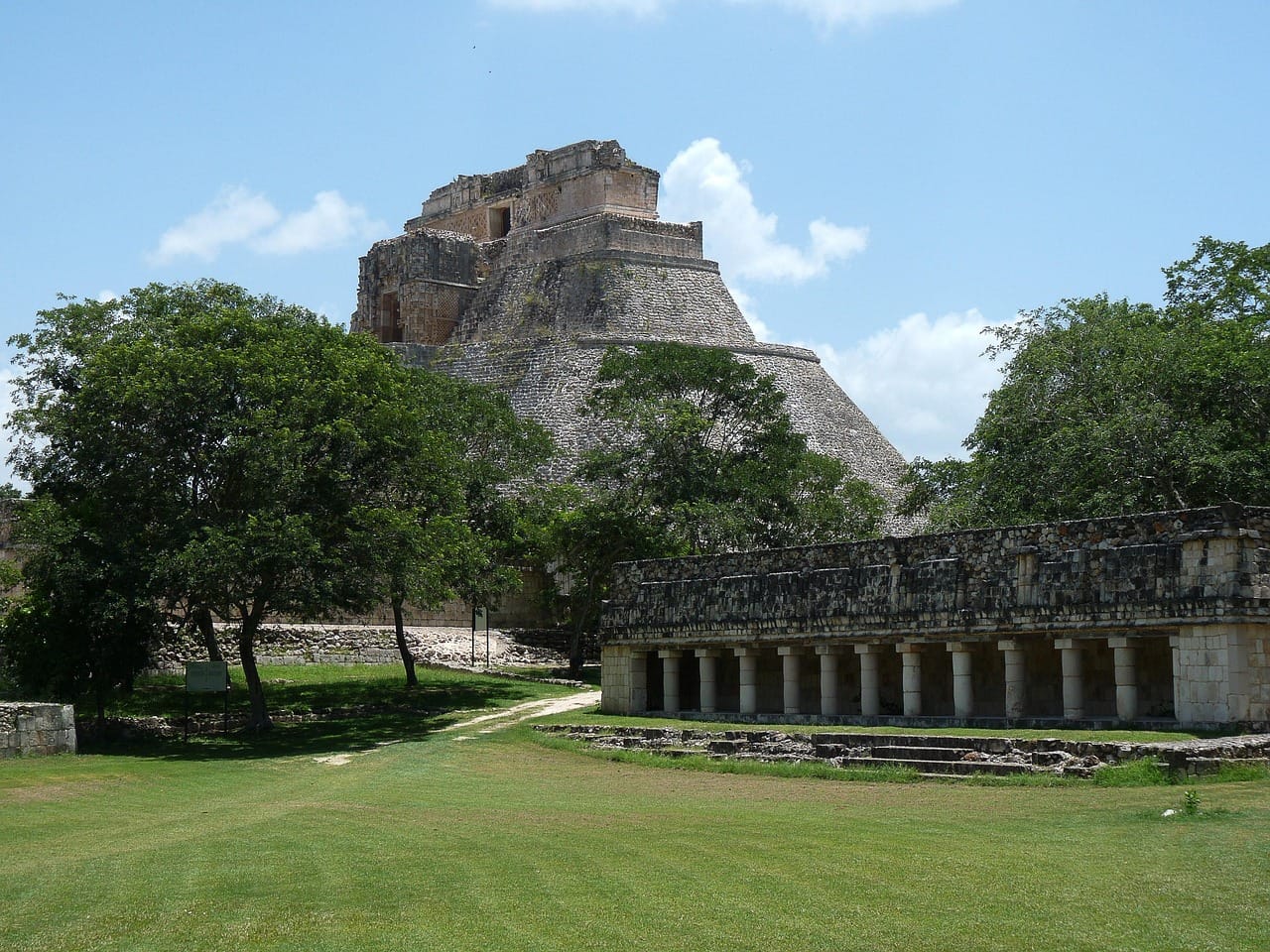
Choose your location carefully. Mexico is vast and diverse. Puerto Vallarta offers beach living, an established expat community, good healthcare, and an international airport. But it might not be your ideal. Visit multiple locations: San Miguel de Allende, Mérida, Playa del Carmen, Oaxaca, and Ajijic before deciding. Each has a distinct character, climate, cost, and culture.
If you're seriously considering a move to Mexico, our comprehensive Move to Mexico Masterclass provides step-by-step guidance on everything from choosing the right location and navigating visa requirements to understanding healthcare options and building your new community.
Final Thoughts
As I write this, the sun is setting over Banderas Bay, painting the sky in colours that, after two years, still take my breath away. Tomorrow I'll wake up and start again: coffee, sunrise, whatever the day brings. It's an ordinary life, really. But it's mine, chosen consciously, lived deliberately.
Moving to Mexico in my sixties wasn't about running away or finding paradise. It was about giving myself permission to want more from life. More joy, more connection, more growth, more presence, more aliveness. Those things were always available, but I needed the disruption of relocation to claim them.
The lessons I've shared aren't unique to Mexico or to retirement abroad. They're lessons about being human, about staying curious, about remaining open to transformation regardless of age. But sometimes we need to change our geography to change our perspective.
Sometimes we need to become strangers in a strange land to remember who we really are.
If there's one thing I hope you take from my story, it's this: it's never too late. Not too late to learn, to change, to grow, to begin again. Not too late to choose joy. Not too late to live the life you've imagined.
The sun is setting now, gold melting into purple, melting into the deep blue of approaching night. I'll sit here a while longer, grateful for the warmth, for the beauty, for the gift of another day. Mañana will bring its own lessons, its own small miracles. I can hardly wait.
If you're serious about making this life-changing move, our
online course provides comprehensive guidance on everything from residency requirements and healthcare to finding the perfect community and integrating into local culture, helping you make a smooth and successful transition.
Written by Lena Crawford
Lena left Manchester for Puerto Vallarta’s sunshine and sea breezes after retiring from teaching. Her reflections explore simplicity, community, and second chances. Lena’s writing resonates with retirees seeking fulfillment, companionship, and a joyful rhythm in everyday life.
📍 From Manchester, now in Puerto Vallarta
Lena shares her retirement journey with grace and humor—highlighting community, well-being, and simple joys by the sea.
Read Articles by Lena →
Global Citizen Life
© 2023 Global Citizen Life
All rights reserved