
Is Mexico Safe for Families? A Data-Driven Look at Crime Statistics and Our Experience in Mérida
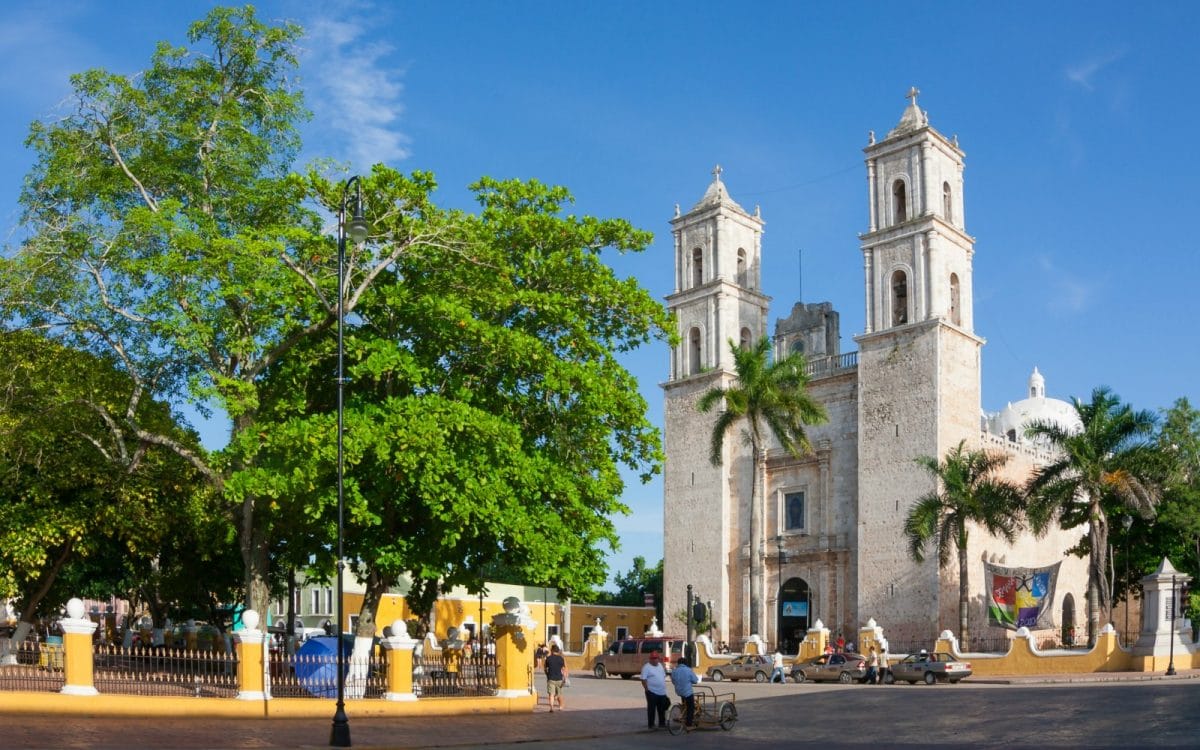
When my family and I were planning our move from Vancouver to Mexico three years ago, the question I heard most often was: "But is Mexico safe for your kids?" It's the elephant in the room for every family considering relocation to Mexico, and honestly, it was my biggest concern too. My wife and I spent months researching crime statistics, reading expat forums, and video-calling families already living here before we made our decision.
Now, after three years of living in Mérida with my teenage kids, I've got a more nuanced perspective than the sensationalized headlines you'll find online. Yes, Mexico has security challenges, and some regions face serious issues. But the reality for expat families living in the right locations is dramatically different from what the international media portrays.
This article breaks down the actual crime data, examines regional differences that matter enormously, and shares what daily life really feels like for our family here. Whether you're a remote worker like me considering a move or just curious about the reality on the ground, I'll give you the straightforward analysis I wish I'd had when we were making this decision.
Understanding Mexico's Crime Statistics: The Numbers You Need to Know
Let's start with what the data actually says. According to Mexico's National Institute of Statistics and Geography (INEGI), the national homicide rate in 2023 was approximately 25 per 100,000 residents. That's significantly higher than Canada's rate of 2.3 or the United States' rate of 6.5 per 100,000.
But here's where statistics get misleading if you don't dig deeper. That national average masks enormous regional variation. Five Mexican states account for nearly half of all homicides, while other states have rates comparable to or lower than many U.S. cities. Yucatán state, where we live, had a homicide rate of just 2.1 per 100,000 in 2023—lower than Canada's national average.
The Mexico Peace Index, published annually by the Institute for Economics and Peace, ranks Mexican states by safety indicators. Yucatán has consistently ranked as the safest state in Mexico for the past decade, followed by Querétaro, Nayarit, Chiapas, and Campeche.
Meanwhile, states like Guanajuato, Baja California, and Zacatecas face serious security challenges.
For families considering Mexico, location isn't just important; it's everything. The difference between living in Mérida and living in a border city isn't just degrees of safety; it's entirely different realities.
What Types of Crime Actually Affect Expat Families?
When researching Mexico's safety, it's crucial to understand that the vast majority of violent crime is concentrated in specific contexts that rarely intersect with expat family life. According to security analysts, approximately 95% of homicides in Mexico are linked to organized crime conflicts: cartel territorial disputes, drug trafficking operations, and related activities.
What affects expat families? Property crime is the main concern. Pickpocketing in tourist areas, car break-ins, and opportunistic theft happen here just like they do in Vancouver, Toronto, or any major U.S. city. In our three years here, we've had one experience: someone rifled through our unlocked car parked on the street and took about $10 USD worth of change from the center console. They left my daughter's soccer equipment and my expensive work laptop bag untouched.
Scams targeting foreigners are probably more common than physical theft. I've seen fake police officers asking for bribes, timeshare presentation hustles in tourist zones, and taxi scams at airports. None of these are violent, and they're entirely avoidable with basic awareness and common sense. The same approach you'd take when traveling to an unfamiliar place.
Home invasions and kidnappings make headlines but remain statistically rare for the average expat family, especially in lower-risk cities. The U.S. State Department's crime data for Mérida shows these incidents at levels comparable to mid-sized American cities. Are they possible? Yes. Are they likely to affect your family if you're living a normal middle-class life? The numbers say no.
If you're serious about making this life-changing move, our
online course provides comprehensive guidance on everything from residency requirements and healthcare to finding the perfect community and integrating into local culture, helping you make a smooth and successful transition.
Regional Differences: Where Mexico Is Safe for Families
If I could give one piece of advice to families considering Mexico, it would be this: stop thinking about "Mexico" as a single entity. The security situation in Mazatlán is completely different from Mérida. Tijuana bears no resemblance to San Miguel de Allende. These cities might as well be in different countries.
Safest states and cities for families:
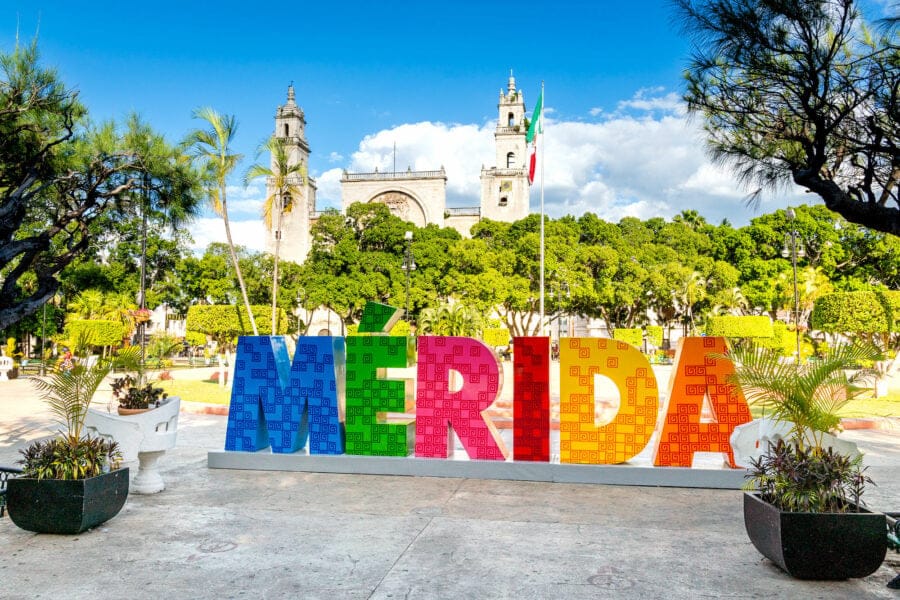
Yucatán (especially Mérida) consistently ranks as Mexico's safest state. The capital, Mérida, is a city of one million people that feels remarkably secure. My teenagers walk to their language classes, my wife bikes to the market, and we've never had a moment where we felt genuinely unsafe. The Yucatán Peninsula, including cities like Valladolid and Tulum's residential areas, benefits from a low level of organized crime and strong community policing.
Querétaro attracts many expat families for good reason. This central Mexican state combines colonial charm with modern infrastructure and maintains safety levels that rival Yucatán. The city of Querétaro has a large international community and excellent schools.
San Miguel de Allende and the Bajío region (Guanajuato state's colonial heartland) have traditionally been safe, though the state as a whole has seen increased crime in recent years. San Miguel itself, however, remains relatively insulated and continues to host one of Mexico's largest expat communities.
Oaxaca City combines cultural richness with reasonable safety. While property crime exists, violent crime affecting residents remains uncommon. The expat community here is tight-knit and well-informed about local conditions.
Areas requiring more caution:
Border cities like Tijuana, Juárez, Reynosa, and Nuevo Laredo face ongoing security challenges. While many locals live normal lives and these cities have safe neighborhoods, families new to Mexico should probably start elsewhere.
Pacific coast resort areas present mixed pictures. Cancún's hotel zone is generally safe, but the surrounding areas of Quintana Roo have seen increases in crime. Puerto Vallarta remains relatively secure, while Acapulco and parts of Guerrero state face significant challenges.
States like Sinaloa, Michoacán (outside specific towns), and Tamaulipas have active cartel presence. These aren't places where most expat families choose to live long-term.
The U.S. State Department's travel advisories break Mexico down by state with ratings from Level 1 (exercise normal precautions) to Level 4 (do not travel). While sometimes overly cautious, these state-by-state assessments are far more useful than blanket warnings about "Mexico."
Our Family's Daily Reality in Mérida
Let me get specific about what life actually looks like for us. My son is 15, and my daughter is 17. They both take public buses to activities around the city. My daughter walks home from her evening dance classes, sometimes arriving after dark. My son bikes to his friend's house across town. These are freedoms we wouldn't have given them in certain neighborhoods in Vancouver or most major U.S. cities.
We live in a middle-class neighborhood, not a gated expat enclave. Our monthly rent is around $1,100 USD for a three-bedroom house with a small pool. The neighborhood has a corner store, a park where kids play soccer until 10 PM, and a taco stand that gets busy after midnight. It's a working Mexican neighborhood where families live normal lives.
My wife and I don't look over our shoulders when we walk at night. We don't avoid certain parts of the city. Our kids aren't tracked with location apps beyond what any reasonable parent might use. The security concerns that dominated our pre-move research simply haven't materialized in our daily experience.
That said, we're not naive. We lock our doors and don't leave valuables visible in our car. We're aware of our surroundings in crowded tourist areas. We've taught our kids basic street smarts. These are the same precautions we took in Canada. They're not unique to Mexico.
The biggest difference from Vancouver? Community. Our neighbors watch out for each other. The señora next door texts my wife if she sees something unusual. The family across the street included us in their daughter's quinceañera. This social fabric provides a security that statistics can't capture.
Practical Safety Measures We Take
Despite feeling safe here, we've developed habits that further reduce our already-low risk. These aren't burdensome; they're just smart practices that would serve you well anywhere:
We use established taxi services or ride-sharing apps rather than hailing cabs on the street. In Mérida, this costs about $3-4 USD for most trips across town. The apps provide driver information and route tracking, simple safety features that make sense anywhere.
We're cautious with flashy displays of wealth. I don't wear my nice watch when I'm out, and we don't walk around tourist areas with expensive camera equipment hanging around our necks. This isn't about living in fear; it's about not making yourself an obvious target for opportunistic theft.
We keep digital copies of our important documents stored securely in the cloud. Passports, birth certificates, and our temporary residency papers are all backed up. If something happened to the physical copies, we could recover quickly.
We've built relationships with reliable service providers: a mechanic we trust, a clinic we like, and a lawyer we can call if needed. Having these connections established provides peace of mind that goes beyond any security measure.
We stay informed about local conditions through expat community groups and local news. If there's a protest downtown or a neighborhood experiencing a temporary spike in car break-ins, we know about it and can adjust accordingly.
For international travel to and from Mexico, we book direct flights when possible and avoid long layovers in higher-risk cities. This is more about convenience than security, but it's a factor we consider.
What About School Safety?
One of our biggest concerns before moving was school safety. Would our kids be targets? Would the schools have adequate security? How would language barriers affect their ability to report problems?
Our kids attend a private bilingual school that costs about $550 USD per month per child. A fraction of what a private school would cost in Canada. The school has reasonable security: a guard at the entrance who checks in visitors, controlled access points, and cameras throughout campus. It's neither a fortress nor unsecured; it's sensible middle-ground security.
The bigger revelation has been the absence of threats we worried about in North America. There have been no school shooting scares. No lockdown drills. No metal detectors. The security conversation here focuses on preventing unauthorized access and ensuring students don't leave campus during school hours. Basic administrative concerns, not existential threats.
Mexican schools, at least the private ones serving middle-class families, tend to have strong community involvement. Parents know each other, teachers are accessible, and there's a genuine sense that everyone's looking out for the kids. This collective responsibility creates an environment where problems get addressed before they escalate.
For families with younger children, many neighborhoods have high-quality preschools and primary schools within walking distance. The Mexican education system encourages local enrollment, so kids often attend school with neighbors they already know, strengthening community bonds that contribute to overall safety.
Unlock the secrets of the world's most successful entrepreneurs with the
Global Wealth Navigator Newsletter
Discover the world's best destinations offering a lower cost of living paired with an enriched quality of life with the Global Wealth Navigator Newsletter. Whether you're a retiree or an entrepreneur, we dive into strategies that open doors to international investments, tax optimizations, and discover the finest destinations offering a superior quality of life. Don't let borders or routine define you; lets find your ideal spot in the world, regardless of your income bracket.

Healthcare Safety Considerations
Safety isn't just about crime; it's also about access to quality healthcare when you need it. Mexico's healthcare system, particularly in expat-friendly cities, is excellent. We have private health insurance that costs our family of four about $330 USD monthly, covering everything from routine checkups to emergency care.
Mérida has modern hospitals with specialists, diagnostic equipment, and English-speaking staff. When my daughter needed her appendix removed last year, we went to Hospital Star Médica, one of the city's top private hospitals. The surgery was scheduled within 24 hours, performed by an excellent surgeon, and our three-day stay cost about $5,500 USD total.
Emergency response times in Mérida are comparable to what we experienced in Vancouver. Ambulances arrive quickly, emergency rooms triage effectively, and trauma care is professional. For families, knowing that medical emergencies will be handled competently is a crucial component of feeling safe.
Pharmacies here are ubiquitous and well-stocked. Many have doctors on-site who provide consultations for about $3 USD. For minor illnesses and injuries, this convenience actually improves our family's health security compared to the Canadian system, where getting a same-day appointment was nearly impossible.
Natural Disasters and Environmental Safety
When evaluating safety, don't overlook the risk of natural disasters. Mexico's geography means some areas are prone to hurricanes, earthquakes, and flooding. Yucatán does get hurricanes, though Mérida is inland enough that we typically experience tropical storms rather than direct hits.
The infrastructure here handles tropical weather reasonably well. Buildings are constructed with concrete and rebar, designed to withstand high winds. The city has drainage systems that manage heavy rain, though some neighborhoods do flood during exceptional downpours.
Earthquake risk is low in Yucatán but significant in other parts of Mexico, particularly along the Pacific coast and in the central highlands. Mexico City, Oaxaca, and Guadalajara all sit in seismically active zones. Buildings in these areas are generally engineered for earthquakes, and Mexico has an early warning system that can provide seconds to minutes of notice before shaking arrives.
Air quality varies significantly by location. Mexico City has well-documented air pollution issues that can affect respiratory health, particularly for children. Coastal cities and smaller towns typically have excellent air quality. Mérida falls somewhere in the middle. The air is generally good, though dust from the limestone-based soil can be noticeable during the dry season.
Comparing Mexico to Other Popular Expat Destinations
How does Mexico's safety compare to other countries that attract expat families? I've researched and spoken with families who've lived in various popular destinations, and the picture is nuanced.
Costa Rica, often considered the safest Central American country, has a homicide rate similar to Mexico's national average, though property crime in tourist areas can be higher. Panama's cities are generally safe, but some neighborhoods have significant inequality and associated crime. Colombia has dramatically improved its security situation, but still has regions with serious issues, much like Mexico.
Portugal and Spain, popular European destinations, generally have lower crime rates than Mexico, but the cost of living is significantly higher, and the visa process can be more complex. Southeast Asian destinations like Thailand and Vietnam offer low crime in many areas but present different challenges around healthcare standards and cultural adjustment.
What makes Mexico competitive despite its security challenges? Proximity to North America for families maintaining connections back home, excellent and affordable healthcare, a large established expat community providing support systems, and a significantly lower cost of living that allows single-income families to thrive. For us, these factors outweighed the security concerns we could mitigate by choosing the right location.
The Question You Should Really Be Asking
After three years here, I've realized that "Is Mexico safe?" is the wrong question. The right question is: "Is this specific city in Mexico safe enough for my family's risk tolerance?"
Every family has different comfort levels. Some people won't feel safe unless they're in a gated community with 24-hour security guards. Others are comfortable in local neighborhoods where life happens on the street. Neither approach is wrong. They're just different risk assessments based on different priorities and experiences.
What I can tell you is this: the statistical risk to our family living in Mérida is lower than it would be in many American cities. The daily experience of safety, the feeling of security when my kids go out, the absence of anxiety when we're exploring new neighborhoods, matches or exceeds what we felt in Vancouver.
But we chose carefully. We researched extensively. We visited before committing. We talk regularly with other expat families and stay informed about local conditions. We're prepared to reevaluate if circumstances change.
The question isn't whether Mexico as a whole is safe for families; it's too diverse for that broad assessment. The question is whether a specific location in Mexico can provide the security, community, and quality of life your family needs. For us in Mérida, the answer has unequivocally been yes.
Final Thoughts
The safety conversation around Mexico is often dominated by the worst-case scenarios and the most dangerous locations. That narrative does a disservice to families who could dramatically improve their quality of life by relocating to one of Mexico's safer cities.
Yes, Mexico has security challenges. No, those challenges don't define daily life for expat families in cities like Mérida, Querétaro, San Miguel de Allende, or Oaxaca. The data shows significant regional variation, and personal experience confirms that statistical safety translates to genuine feelings of security in the right locations.
If you're considering Mexico for your family, don't let blanket warnings scare you away. Instead, dig into specific cities and states. Talk to families already living there. Visit if possible. Make your decision based on granular information, not national statistics that obscure more than they reveal.
Our family's experience has been overwhelmingly positive. We've found a community, a lifestyle, and a level of daily security that met our hopes and exceeded our expectations. Your experience will depend on where you go and how you approach it, but for families willing to do their homework, Mexico offers possibilities that are absolutely worth exploring.
Ready to learn more about relocating your family to Mexico? Our comprehensive Move to Mexico Masterclass covers everything from choosing the safest locations for families to navigating schools, healthcare, and residency requirements. Get the detailed, practical guidance you need to make an informed decision about your family's future.
Written by Mark Benson
Mark, a remote software developer from Vancouver, lives in Mérida with his wife and teenage kids. He writes about practical family relocation—covering schools, healthcare, and safety in Mexico. With his balanced approach, Mark’s articles guide families toward a smoother transition and a more affordable, family-focused lifestyle abroad.
📍 From Vancouver, now in Mérida
Mark’s practical insights guide families through relocation, schooling, and family life abroad. His balanced writing helps readers find stability under the Mexican sun.
Read Articles by Mark →
Global Citizen Life
© 2023 Global Citizen Life
All rights reserved