
Is Cyprus Right for You? Questions I Wish I'd Asked Before Moving
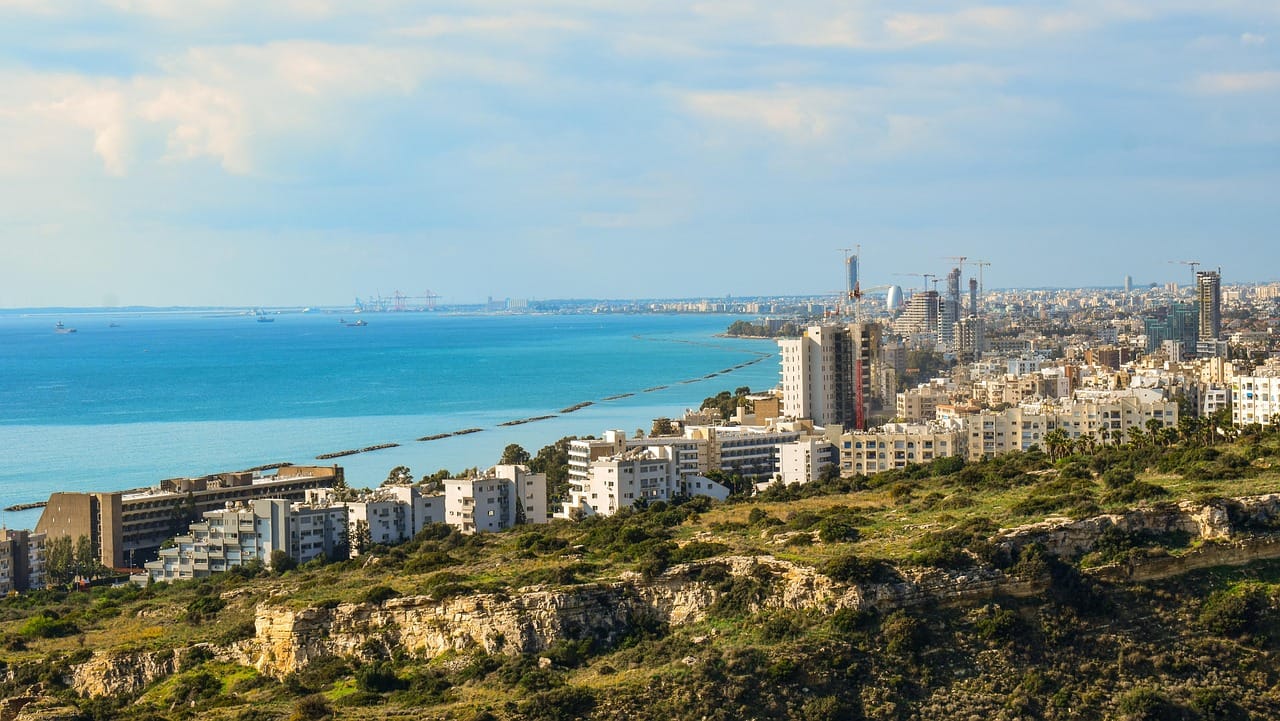
YouTube videos, and asking questions in Facebook groups. I thought I'd covered everything. But once I arrived in Limassol, I quickly realised there were questions I hadn't even thought to ask; practical, everyday things that would have made those first few months so much smoother.
Moving abroad isn't just about visas and tax rates. It's about whether you'll feel at home in the rhythm of daily life, whether the island's pace matches yours, and whether what you're hoping to find here actually exists. Cyprus has a lot to offer, but it's not for everyone. And that's perfectly fine.
If you're considering Cyprus, here are the questions I wish I'd asked myself before making the leap, and the honest answers I've learned along the way.
Do You Actually Like Hot, Dry Summers?
It sounds obvious, but it's worth pausing on. Cyprus is hot. Really hot. From June through September, temperatures regularly range from 30°C to 38°C (86°F to 100°F), and in some inland areas they can climb even higher. The sun is relentless, the air is dry, and the landscape turns golden-brown.
If you're coming from a temperate climate, as I did, the summer here feels different. It's not just warm, it's a season that demands adjustment. You'll plan your day around the heat, avoid the midday sun, and spend more time indoors than you might expect. Air conditioning becomes non-negotiable, not a luxury.
On the flip side, if you thrive in warmth and sunshine, Cyprus will feel like a gift. The winters are mild and short, with daytime temperatures around 15°C to 20°C (59°F to 68°F). You can walk along the beach in January. There's rarely a need for heavy coats or heating systems.
But if you love the changing seasons, crisp autumn mornings, or the cosiness of a rainy day, you might find yourself missing that rhythm. Cyprus doesn't offer much variation. It's sunshine, warmth, and dry weather for most of the year.
Are You Comfortable with a Slower Pace of Life?
Cyprus moves slowly. Not inefficiently, just… unhurried. Things happen on island time. Deliveries take longer than expected. Bureaucracy involves patience. Shops close for a few hours in the afternoon. And if you're waiting for a tradesperson or a service appointment, you'll need to adjust your expectations around punctuality.
At first, this frustrated me. I was used to efficiency, speed, and getting things done quickly. But over time, I've come to appreciate it. The slower pace isn't a flaw; it's a feature. It's part of what makes life here feel more relaxed, less frenetic. People take time for coffee, for conversation, for simply being.
That said, if you're someone who thrives on constant activity, fast-paced work environments, or the energy of a bustling city, Cyprus might feel too quiet. There's less urgency here, and that's not for everyone. You'll need to decide whether you're ready to let go of that speed or whether it's something you'd miss too much.
Unlock the secrets of the world's most successful entrepreneurs with the
Global Wealth Navigator Newsletter
Discover the world's best destinations offering a lower cost of living paired with an enriched quality of life with the Global Wealth Navigator Newsletter. Whether you're a retiree or an entrepreneur, we dive into strategies that open doors to international investments, tax optimizations, and discover the finest destinations offering a superior quality of life. Don't let borders or routine define you; lets find your ideal spot in the world, regardless of your income bracket.

Can You Handle Being Car-Dependent?
Cyprus is not a walkable country. With the exception of a few neighbourhoods in Limassol, Nicosia, or Paphos, you'll need a car for almost everything. Public transport is limited, and while taxis and ride-sharing apps exist, relying on them long-term isn't practical.
If you're coming from a city where you could walk to the bakery, cycle to the gym, and take the metro to dinner, this will be an adjustment. Here, even short trips often require driving. The infrastructure is designed around cars, and pavements can be narrow, uneven, or non-existent in some areas.
The upside? Cars are relatively affordable. You can buy a reliable used car for $7,700 to $11,000, and fuel costs around $1.80 per litre. Insurance and registration are straightforward. Parking is generally easy outside the city centres.
But if you don't drive, or if you prefer not to, Cyprus will feel limiting. It's worth thinking about whether you're comfortable with that level of car dependency before you commit.
Do You Need a Thriving Cultural Scene?
Cyprus has a rich cultural heritage: galleries, theatres, museums, and festivals. But it's not a cultural capital. If you're used to cities with world-class opera houses, international film festivals, or cutting-edge contemporary art scenes, you'll notice the difference.
That doesn't mean there's nothing here. Limassol has a growing arts community, Nicosia has excellent museums, and there are regular concerts and performances, especially in the cooler months. But the scale is smaller, the variety is narrower, and the frequency is less.
What Cyprus does offer is a slower, more intimate cultural life. You'll find lovely independent bookshops, small galleries showcasing local artists, and community events that feel genuinely welcoming. The culture here is less about spectacle and more about connection.
If culture is central to your life, you'll need to decide whether Cyprus can meet that need, or whether you're willing to travel occasionally to places like Athens, Rome, or London for your cultural fix.
Are You Prepared for Limited Shopping Options?
Cyprus has supermarkets, shopping centres, and most of what you need for daily life. But it doesn't have the variety you'd find in larger European cities. If you're used to having multiple options for everything, specialty foods, international brands, niche products, you'll notice the limitations.
For example, health food stores are limited in number. Organic produce can be harder to find. Certain imported goods are either unavailable or significantly more expensive. If you have specific dietary needs or preferences, you'll need to get creative or order online.
That said, what is available is generally of good quality. Fresh fruit and vegetables are excellent, especially in season. Local products, olive oil, halloumi, and wine, are wonderful. And online shopping with international delivery has made it easier to fill the gaps.
The key is managing your expectations. If you enjoy browsing shops, comparing brands, or having endless choices, Cyprus might feel a bit restrictive. But if you're comfortable with simplicity and don't mind ordering from abroad occasionally, it works just fine.
How Important Is Community to You?
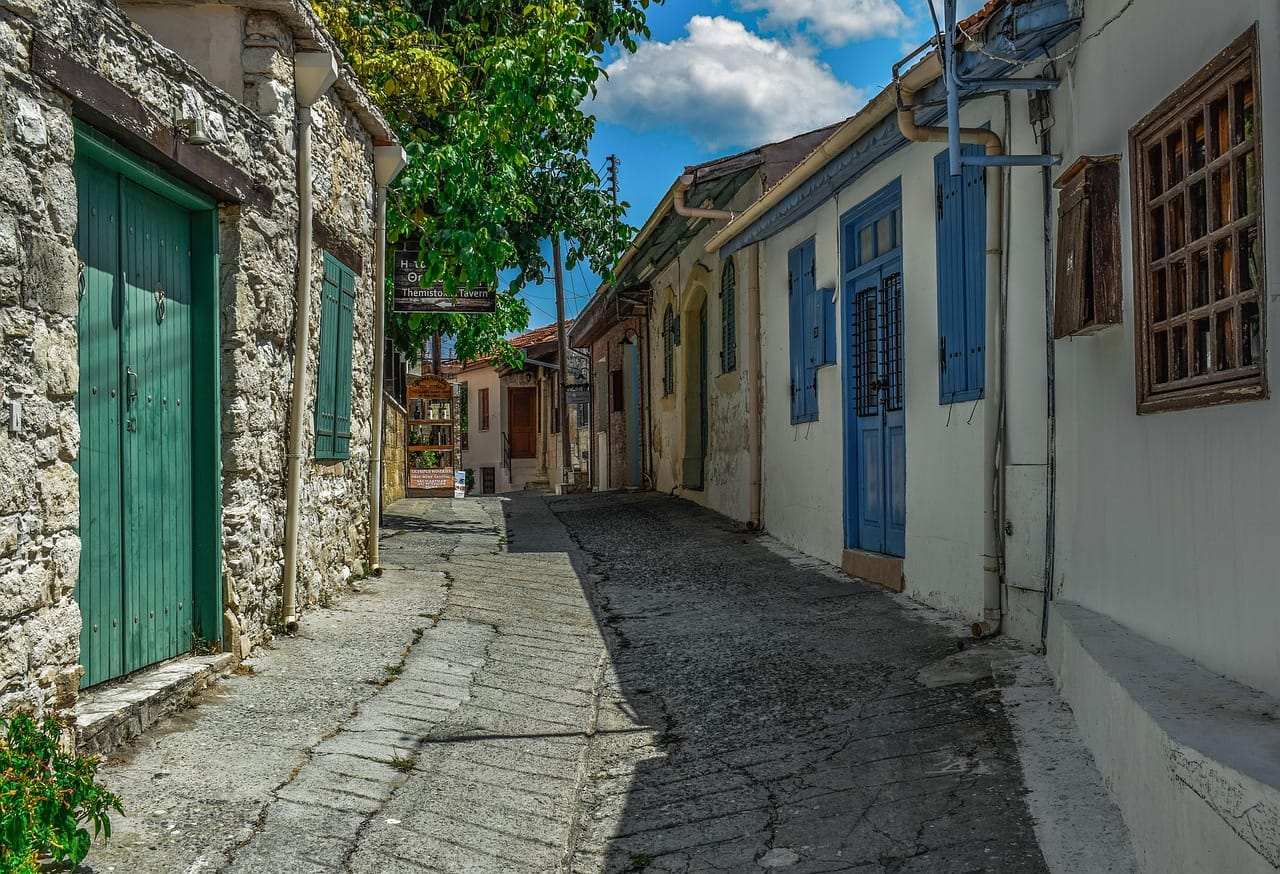
Cyprus has a strong sense of community, but it can take time to find your place within it. The expat community is large and welcoming, particularly in Limassol and Paphos, but it's also transient. People come and go, and building lasting friendships requires effort.
Local Cypriots are warm and hospitable, but integrating into Cypriot social circles can be challenging, especially if you don't speak Greek. Many locals have close-knit family networks and long-standing friendships, and while they're friendly, it's not always easy to move beyond polite acquaintance.
If community is important to you, you'll need to be proactive. Join clubs, attend events, take language classes, or get involved in local activities. The connections are there, but they won't happen on their own.
On the other hand, if you're more of an introvert or someone who values solitude, Cyprus can be wonderful. It's easy to carve out a quiet, peaceful life here without feeling isolated.
What's Your Tolerance for Bureaucracy?
Cyprus has bureaucracy. Plenty of it. Whether it's registering for residency, opening a bank account, registering your car, or dealing with utilities, the process can be slow, confusing, and occasionally frustrating.
Forms are sometimes only available in Greek. You'll often need to visit offices in person. Documents might need to be translated, notarised, or apostilled. And the timeline for things getting done is… flexible.
The good news is that it's manageable. Many people hire relocation specialists or accountants to help with the more complicated processes, and once you're set up, the bureaucracy becomes much less of a presence in daily life.
But if you're someone who gets easily frustrated by red tape, or if you prefer streamlined, digital systems, this is something to prepare for. Patience and a sense of humour go a long way.
Can You Afford the Cost of Living You Want?
Cyprus is often marketed as affordable, and compared to London, Zurich, or New York, it is. But it's not cheap, especially if you're aiming for a comfortable, quality lifestyle.
A decent one-bedroom apartment in Limassol will cost around $1,320 to $1,760 per month, and utilities (especially air conditioning in summer) can add another $165 to $220. Eating out is affordable: a casual meal costs $16 to $22, but dining regularly at nicer restaurants can add up. Groceries are moderate, though imported goods are pricier.
Healthcare is excellent and reasonably priced, but private insurance is recommended and costs $110-$165 per month. Gym memberships, activities, and leisure all carry a cost, and if you're travelling back and forth to your home country regularly, flights will be a significant expense.
Overall, a single person can live comfortably on around $2,750 to $3,300 per month, and a couple on $3,850 to $4,950 per month. It's not extravagant, but it's not budget living either. If you're looking for the cheapest place to live in Europe, Cyprus isn't it. But if you're after quality of life, sunshine, and a relaxed pace, the cost feels fair.

Do You Need Access to International Flights?
Cyprus is well connected, with direct flights to most major European cities, the Middle East, and beyond. Larnaca and Paphos airports offer regular routes, and budget airlines make it relatively affordable to hop over to Athens, London, or Rome for a weekend.
But it's still an island. If you're someone who travels frequently for work, to visit family, or simply because you love exploring, you'll spend a fair amount of time in airports. Flight times add up, and even though connections are good, it's not as seamless as living in a European hub.
If travel is a regular part of your life, Cyprus works, but it requires planning and a bit of extra effort. If you value easy access to multiple countries, it's worth considering whether the island's location is a benefit or a limitation.
Are You Looking for Adventure or Stability?
This is perhaps the most important question. Cyprus offers stability, routine, and a certain predictability. Life here is comfortable, safe, and relatively uncomplicated. It's a place where you can settle in, build a rhythm, and enjoy a slower, sunnier way of living.
But it's not particularly adventurous. There are beautiful beaches, lovely mountain villages, and plenty of opportunities to explore, but Cyprus is small. You'll see most of it within a few months. The island doesn't offer the endless novelty or constant stimulation you'd find in a bustling metropolis or a country with dramatic geographic diversity.
If you're looking for a dramatic change, a place that constantly surprises you, or an environment that challenges you to grow in unexpected ways, Cyprus might not be it. But if you're seeking calm, consistency, and a place to build a peaceful, intentional life, it's ideal.
It's worth being honest with yourself about what you're really looking for. Not every place suits every person, and that's okay.
Support for Your Move to Cyprus
If you're seriously considering a move to Cyprus, having the right support and guidance can make all the difference. At Global Citizen Life, we offer Moving Abroad Programs designed to help you navigate the practical and emotional aspects of relocating.
Our programs include three options for a one-time strategy call, six country-specific Moving Abroad Masterclasses, and private coaching and consulting tailored to your unique situation. Whether you need help understanding residency pathways, managing the logistics of your move, or simply want to talk through whether Cyprus is the right fit for you, we're here to help. Learn more at www.globalcitizenlife.org/programs.
Final Thoughts
Moving to Cyprus has been one of the best decisions I've made, but it wasn't without its challenges. The island suits me because I value sunshine, simplicity, and a slower pace of life. I'm comfortable with car dependency, I don't need endless cultural stimulation, and I've made peace with the bureaucracy.
But that doesn't mean Cyprus is right for everyone. If you're someone who thrives on variety, fast-paced environments, or constant access to international culture, you might find it limiting. And that's perfectly fine.
The key is to ask yourself these questions honestly before you make the leap. Think about what you're truly looking for, what you're willing to compromise on, and whether Cyprus can offer the life you actually want—not just the life you think you should want.
Because if it's the right fit, it really is a wonderful place to call home.
Written by Elena Markham
Elena is originally from Brighton, England. She relocated to Limassol, Cyprus, in search of sunshine, simplicity, and a more intentional way of living. A remote marketing consultant and lifestyle writer, she shares honest insights into everyday life on the island, from housing and healthcare to work–life balance and expat community life. Elena helps readers understand what living in Cyprus is really like and whether it could be the right fit for them.
Read all our articles about Cyprus here.
Global Citizen Life
© 2023 Global Citizen Life
All rights reserved