
How I Bought My First French Property: Lessons from a Leeds Lad in Nice
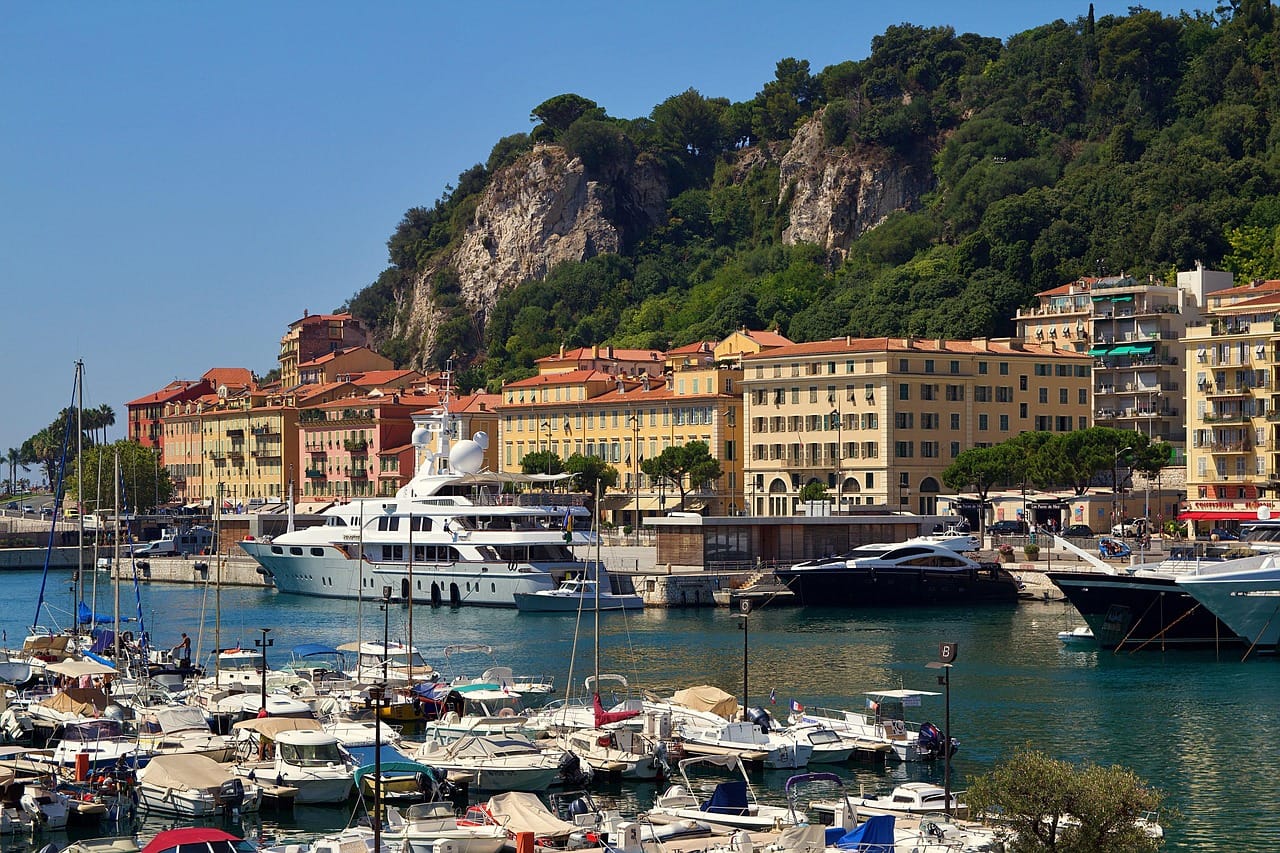
Standing on my balcony in Nice with a glass of rosé in hand, watching the Mediterranean sparkle in the evening light, I sometimes have to pinch myself. This isn't a holiday rental or temporary arrangement. This is my home, my investment, my stake in the French property market. Getting here wasn't straightforward, and I made more than a few mistakes along the way. But looking back from my vantage point now, I wouldn't change the journey for anything.
When I first started looking at French property from my desk in Leeds, I had grand visions and limited practical knowledge. I knew I wanted to relocate. I knew the Côte d'Azur was calling my name, and I knew the property market here offered genuine investment potential. What I didn't know could have filled a book. So consider this article the shortcut version, the lessons I learned the hard way, so you don't have to.
The Dream vs. The Reality Check
My initial property searches were embarrassingly naive. I'd scroll through listings during my lunch breaks, fantasizing about Belle Époque apartments with sea views and terraces large enough to host garden parties. My budget? Let's just say it bore little resemblance to the asking prices I was drooling over.
The first reality check came when I actually started doing the calculations. Mortgage rates in France were favorable, true. Interest rates hovered around 3-4% for foreign buyers with strong financials. But the deposit requirements were substantially higher than I'd anticipated. French banks typically want 20-30% down from non-resident buyers, and that's before you factor in the purchase fees.
Those fees deserve their own paragraph. In France, you're looking at notaire fees, registration taxes, and various administrative costs that add up to roughly 7-8% of the purchase price. For a property worth $550,000 USD, you'll need an additional $44,000 USD ready. Not trivial, and certainly not something I'd properly budgeted for in my initial calculations.
Lesson number one: when budgeting for French property, add 30% to the purchase price to cover deposit, fees, and initial setup costs. This gives you a realistic figure to work with and prevents the disappointment of falling in love with places you can't actually afford.
Location, Location, Location (But Not Where You'd Think)
I arrived in Nice for my first viewing trip with a mental map of the city based entirely on tourist brochures and Instagram posts. I wanted Old Town charm, Promenade proximity, and those iconic, colorful shutters. What I learned, rather quickly, is that there's a massive difference between vacation fantasy and investment reality.
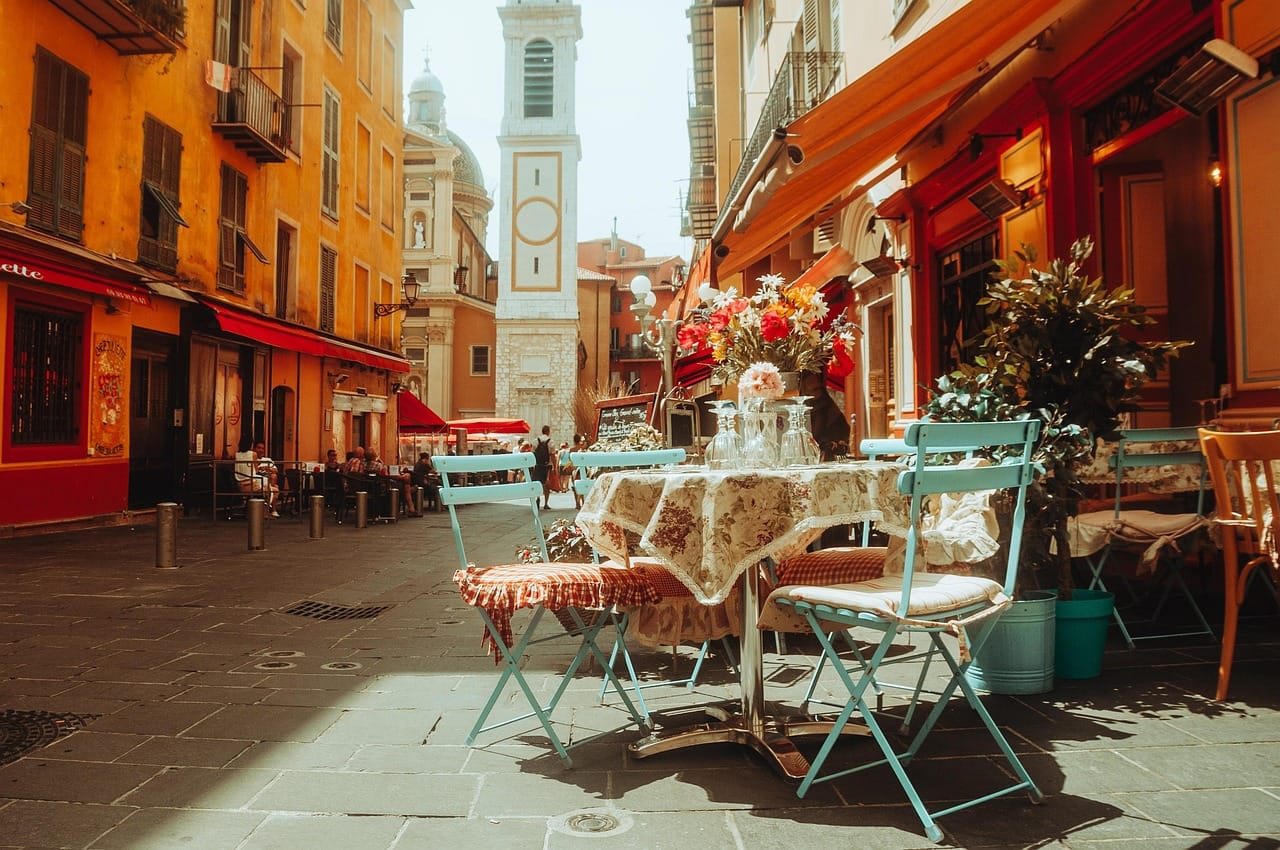
The Vieux Nice apartment I fell in love with during my first viewing was everything I'd dreamed of: exposed beams, a wrought-iron balcony, and you could practically touch the morning market from the bedroom window. The problems? No parking, no elevator, questionable plumbing, and a price per square meter that would make your eyes water. Beautiful, yes. Practical long-term investment, not so much.
My agent, seeing my disappointment, suggested we look at neighborhoods slightly off the tourist trail. We explored Cimiez, Fabron, and parts of the Musicians' Quarter. Same city, completely different value proposition. Modern construction, better infrastructure, parking included, and prices 20-30% lower than the postcard-perfect locations.
Lesson number two: the best investment properties are often in neighborhoods that feel residential rather than touristy. These areas appreciate steadily, attract stable long-term tenants, and don't experience seasonal vacancy issues. I eventually bought in Fabron, a neighborhood with excellent transport links, local amenities, and a fraction of the tourist noise.

If you're seriously considering a move to France, I encourage you to explore our Move to France Masterclass. This comprehensive online course provides detailed guidance on every aspect of relocating to France, from visa applications and housing searches to cultural integration and community building. Learn from experts and experienced expats who have successfully navigated the journey you're contemplating.
The Paper Trail: French Bureaucracy in Action
If you've heard horror stories about French paperwork, I'm here to tell you they're all true. And also somewhat exaggerated. Yes, the administrative process is thorough, but it's not impenetrable if you're organized and patient.
Opening a French bank account was my first bureaucratic adventure. I needed proof of address, proof of income, proof of identity, and what felt like proof of my entire existence. The process took three weeks and two in-person appointments. Critical tip: Start this process before you're seriously house hunting. You'll need a French bank account to set up direct debits for utilities, pay your notaire, and generally function in the property market.
The actual purchase process involves several distinct stages. First comes the compromis de vente, essentially a preliminary contract that commits both parties to the sale. You'll pay a 10% deposit at this stage, and you have a 10-day cooling-off period to change your mind. The seller doesn't get the same cooling-off period that protects buyers, which might surprise those used to UK property transactions.
Between the compromis and the acte de vente (the final sale), there's typically a 2-3 month period during which various checks are conducted. The notaire conducts title searches, verifies planning permissions, checks for outstanding charges on the property, and generally does their due diligence. This waiting period felt agonizing at the time, but I've since come to appreciate how thoroughly the French system protects buyers.
Lesson three: hire a bilingual notaire or at least bring a translator to appointments. The legal terminology is complex even for native French speakers, and you need to understand exactly what you're signing. I used a notaire recommended by the British consulate who spoke fluent English, and it made an enormous difference to my confidence throughout the process.
The Hidden Costs Nobody Warns You About
Purchase price: $440,000 USD. Notaire fees: $35,000 USD. Setting up utilities and getting the place livable: another $8,800 USD. Annual property taxes: $2,200 USD. Copropriété charges for building maintenance: $1,980 USD annually. Home insurance: $880 USD per year. These numbers add up fast, and they're all on top of your mortgage payments.
The copropriété charges deserve special attention. These cover building maintenance, concierge services, elevator upkeep, and building insurance. They're mandatory if you're buying an apartment in a shared building, and they can vary dramatically based on the building's age and amenities. My building is relatively modest, hence the reasonable charges. Newer developments with pools and gyms can easily double or triple these costs.
Lesson four: budget for at least 1.5-2% of your property's value annually in ongoing costs, not including mortgage payments. This covers taxes, insurance, maintenance reserves, and the inevitable repairs that crop up. Properties here are built to last, but when something does need fixing, French craftsmen aren't cheap.
Finding the Right Property: Patience Pays Dividends
I looked at 27 properties before making an offer on my current apartment. That might sound excessive, but each viewing taught me something about the market, the neighborhoods, and what I actually needed versus what I thought I wanted.
The apartment I bought wasn't love at first sight. It was practical, well-located, structurally sound, and sensibly priced. It had good bones and rental potential if I ever needed it. The sea view I'd dreamed about? Nonexistent. The Belle Époque charm? Replaced by 1970s functionality.
But the numbers worked, and five years later, the property has appreciated by roughly 18% while requiring minimal maintenance.
I learned to pay attention to practical details that initially seemed boring. Transport links matter enormously. Parking availability affects both your daily life and resale value. Storage space is at a premium in Nice, so properties with caves (storage cellars) command better prices.
Orientation affects both your electricity bills and your quality of life, with south-facing properties particularly desirable.
Lesson five: view properties at different times of day and different days of the week. That charming, quiet street might be a nightmare on Saturday mornings when the market's running. The sun-drenched living room at 10 am might be a cave by 3 pm. Do your homework thoroughly before committing.
The Mortgage Marathon
French mortgages work differently from British ones, and understanding these differences saved me considerable money. French banks typically offer fixed rates for the entire mortgage term. No more remortgaging anxiety or rate worries. You know exactly what you're paying for the next 15, 20, or 25 years.
The downside? Early repayment penalties can be substantial, typically 6 months' interest or 3% of the remaining capital, whichever is lower. These aren't suggestions like in the UK; they're written into the mortgage contract and enforced.
I worked with a mortgage broker who specialized in non-resident buyers. Worth every penny of their fee. They navigated the complexities of French banking, translated financial jargon, and secured me a rate 0.5% lower than I'd been quoted when going directly to banks. Over a 20-year mortgage, that difference amounts to tens of thousands of dollars.
The mortgage insurance requirement initially frustrated me. French banks insist on death and disability insurance covering the mortgage amount. It added roughly $110 USD per month to my costs, but I've come to see it as sensible protection rather than an unnecessary expense.
Lesson six: Use a mortgage broker experienced with non-resident buyers. The French banking system has its own logic and requirements, and expert guidance helps prevent costly mistakes and secure better terms.
Unlock the secrets of the world's most successful entrepreneurs with the
Global Wealth Navigator Newsletter
Discover the world's best destinations offering a lower cost of living paired with an enriched quality of life with the Global Wealth Navigator Newsletter. Whether you're a retiree or an entrepreneur, we dive into strategies that open doors to international investments, tax optimizations, and discover the finest destinations offering a superior quality of life. Don't let borders or routine define you; lets find your ideal spot in the world, regardless of your income bracket.

The Renovation Reality
My apartment needed work. Not major structural repairs, but cosmetic updates and modernization. I budgeted $22,000 USD for renovations, which sounds reasonable until you start getting quotes from French artisans.
French craftsmen are skilled, thorough, and expensive. They're also booked months in advance if they're any good. That kitchen I wanted updated? Six-week wait for the initial consultation, another four weeks for the quote, then an eight-week lead time before the work begins.
My quick renovation project stretched into a six-month saga.
The quality of work, however, was outstanding. No shortcuts, no rushed jobs, just solid craftsmanship that will last decades. The French take pride in their work, and it shows. My renovated kitchen has become one of the apartment's best features, and I've had neighbors asking for my contractor's details.
Lesson seven: if buying a property needing work, add 50% to your estimated timeline and 25% to your estimated budget. French building projects operate on French time, and quality craftsmanship isn't rushed. Plan accordingly and don't book your moving van until the work is genuinely complete.
What I Wish I'd Known From Day One
Looking back, my biggest mistakes came from impatience and incomplete research. I almost bought a property in the wrong neighborhood because I was tired of looking. I nearly went with the first mortgage offer I received. I considered skipping the structural survey to save money.
Thank goodness I listened to more experienced advisors. The structural survey revealed problems with the building's roof that would have cost me thousands in special assessments. The second mortgage offer I obtained saved me $330 USD monthly compared to the first. The neighborhood I initially dismissed has proven to be the perfect base for both work and lifestyle.
French property isn't just an investment in bricks and mortar. It's an investment in a way of life, a connection to a place, and if you're self-employed like me, a base for building a business in one of Europe's most dynamic regions. The Côte d'Azur attracts wealth, talent, and opportunity. Being property-based here opens doors that renting simply doesn't.
If you're seriously considering French property, whether for investment, relocation, or both, I'd strongly recommend looking into resources like the Move to France Masterclass. It covers the practical details that estate agents often gloss over, from tax implications to healthcare registration. Having that knowledge upfront would have saved me considerable stress and probably some money, too.
The Numbers That Matter
My Fabron apartment cost $440,000 USD at the time of purchase. The current market value is around $520,000 USD after 5 years, representing roughly 18% appreciation. Annual rental income, if I chose to rent it out, would be approximately $24,200 USD, giving a gross yield of around 4.6% on the original purchase price. Not spectacular by some standards, but steady, reliable, and backed by tangible assets in a desirable location.
Comparable properties in similar neighborhoods continue to sell well, typically within three to four months of listing. The Côte d'Azur market has proven resilient through various economic uncertainties, supported by the region's enduring appeal to international buyers and the limited supply of new construction.
My monthly costs break down roughly as follows: mortgage payment $1,540 USD, copropriété charges $165 USD, property tax reserves $185 USD, insurance $75 USD, and maintenance fund $110 USD. Total monthly outlay of $2,075 USD for a property that could rent for $2,020 USD monthly, essentially allowing it to carry itself if needed.
The View From Here
Five years in, I can honestly say that buying property in Nice ranks among the best decisions I've made. Not just financially, though the numbers have worked out well. But in terms of life quality, professional opportunities, and the simple daily pleasure of living somewhere genuinely special.
The process had its challenges. The bureaucracy tested my patience. The costs surprised me more than once. The timeline stretched longer than anticipated. But here's what nobody tells you: those challenges force you to be thorough, to do your research, to make considered decisions rather than impulsive ones. The French system might seem cumbersome, but it protects buyers and ensures you end up with a solid investment.
That balcony view I mentioned at the beginning? It's not overlooking the sea. It faces the neighborhood, with the Alps visible in the distance on clear days. It's real life rather than postcard fantasy, and I wouldn't trade it for anything. This is home now, an investment that pays dividends every single day, not just on paper but in quality of life.
If you're considering making a similar move, learn from my mistakes, but don't let the complexity deter you. French property ownership is achievable, rewarding, and potentially profitable. It just requires patience, proper advice, and realistic expectations. That combination will get you the keys to your own French property, and trust me, holding those keys for the first time makes every bureaucratic hurdle worthwhile.
Want to learn more about navigating the French property market and making your relocation a success? The Move to France Masterclass provides comprehensive guidance on everything from legal requirements to finding the right neighborhood for your needs.
If you're seriously considering a move to France, I encourage you to explore our Move to France Masterclass. This comprehensive online course provides detailed guidance on every aspect of relocating to France, from visa applications and housing searches to cultural integration and community building. Learn from experts and experienced expats who have successfully navigated the journey you're contemplating.
Written by Peter Collins
Originally from Leeds, Peter now lives in Nice and consults in property investment. His confident, conversational writing explores France’s real estate market, cost of living, and smart relocation choices. Peter brings clarity and optimism to every article he writes.
📍 From Leeds, now in Nice
Peter’s confident, conversational tone guides readers through property investing and relocation to France’s sun-drenched coast.
Read Articles by Peter →
Global Citizen Life
© 2023 Global Citizen Life
All rights reserved