
How Costa Rica's Residency Programs Can Optimize Your Retirement

After thirty years navigating London's financial markets, I thought I understood risk and reward. But it wasn't until my partner and I relocated to Nosara that I genuinely appreciated how strategic residency planning could transform the entire economics of retirement. Today, I want to share how understanding Costa Rica's residency programs can add significant value to your retirement portfolio. Not just in tax efficiency, but in quality of life returns that compound year after year.
Understanding the Strategic Value of Legal Residency
When I first investigated moving to Costa Rica, I assumed residency was simply about legal status. That perspective changed quickly once I began running the numbers. Legal residency in Costa Rica isn't just a bureaucratic checkbox. It's a financial instrument that unlocks access to systems, benefits, and cost structures that can dramatically improve your retirement economics.
The most immediate advantage is access to the Caja Costarricense de Seguro Social, commonly known as CAJA, Costa Rica's public healthcare system. As a legal resident, you're eligible to join CAJA by paying monthly premiums based on your income, typically between $70 and $200 per month for retirees. Compare this to private international health insurance premiums of $400 to $800 monthly, and you're looking at potential savings of $5,000 to $7,000 annually. Over a twenty-year retirement, that's a six-figure difference.
Beyond healthcare, residency provides practical advantages that aren't always quantifiable but certainly valuable. You can open local bank accounts more easily, which simplifies bill payments and reduces foreign transaction fees. You're eligible for local credit, allowing you to finance property purchases at Costa Rican interest rates rather than paying cash or seeking international financing. You can import household goods with reduced duties, purchase and register vehicles without the tourist restrictions, and eventually apply for citizenship if you choose.
Perhaps most importantly, residency eliminates the perpetual tourist shuffle. Without residency, you're limited to 180 days per year in Costa Rica under tourist visa rules, which require border runs or exits every 90 days. For anyone serious about making Costa Rica their primary residence, this restriction alone makes residency essential.
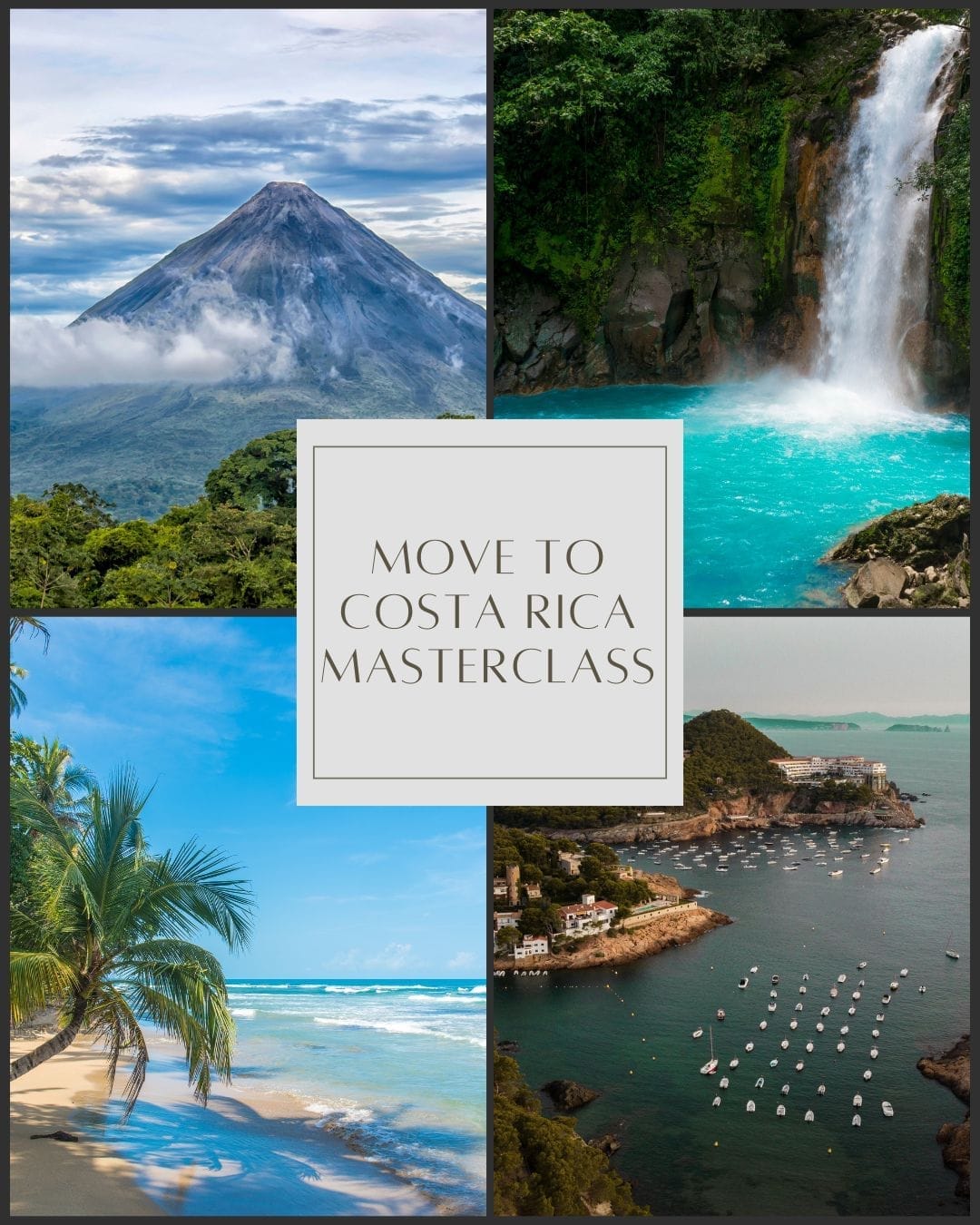
If you're serious about making this life-changing move, our Move to Costa Rica Masterclass online course provides comprehensive guidance on everything from residency requirements and healthcare to finding the perfect community and integrating into local culture, helping you make a smooth and successful transition.
The Main Residency Categories: A Comparative Analysis
Costa Rica offers several residency pathways, each with distinct financial requirements and strategic advantages. Understanding which program aligns with your financial profile and retirement goals is crucial.
Pensionado (Retiree) Residency
The Pensionado program is the most straightforward option for retirees with guaranteed pension income. You must demonstrate a minimum monthly pension of $1,000 from a government, corporate, or private pension plan. This income must be guaranteed for life and deposited into a Costa Rican bank account.
Strategic advantages:
• Lower monthly income requirement compared to Rentista
• Income verification is straightforward with pension documentation
• Includes discounts on medical services, transportation, entertainment, and utilities specifically for pensionados
• Pathway to permanent residency after three years
Considerations:
• Requires guaranteed pension income, which excludes those relying solely on investment withdrawals
• Annual income verification required during the temporary residency period
• Must spend at least six months per year in Costa Rica during temporary residency
For those with traditional pensions from government employment or corporate retirement plans, Pensionado residency offers the most efficient path. The $1,000 monthly requirement is reasonable for most Western retirees, and the additional pensionado discounts provide ongoing value.
Rentista (Income-Based) Residency
The Rentista program serves those without traditional pension income but with substantial investment portfolios or other reliable income streams. The requirement is $2,500 in guaranteed monthly income for at least 2 years, totaling $60,000.
This income can come from various sources, including certificates of deposit, annuities, trust distributions, or investment account withdrawals. The key requirement is that you must deposit the full two-year amount ($60,000) into an approved Costa Rican bank account, from which you'll receive $2,500 monthly disbursements.
Strategic advantages:
• Flexible income source requirements
• Works well for those with investment income but no formal pension
• Same pathway to permanent residency after three years
Considerations:
• Higher monthly income requirement than Pensionado
• Requires upfront deposit of $60,000
• Funds are essentially locked for two years in a Costa Rican bank
• Doesn't qualify for pensionado discounts
From a financial planning perspective, Rentista residency requires careful consideration of opportunity cost. That $60,000 deposit could be earning returns elsewhere in your portfolio. However, if you're committed to Costa Rica and need residency status, this temporary reallocation may be worthwhile for the long-term benefits gained.
Inversionista (Investor) Residency
The Inversionista program targets those willing to make substantial investments in Costa Rica. The minimum investment is $200,000 in real estate, business, or approved projects. For real estate, only the registered property value counts—land, improvements, and structures that appear on the public registry.
Strategic advantages:
• No ongoing income verification requirements
• Investment remains yours and can appreciate
• Immediate pathway to permanent residency if investment is maintained
• Can potentially generate rental income from real estate investment
Considerations:
• Significant upfront capital requirement
• Real estate market knowledge is essential to avoid overpaying
• Investment must be maintained throughout the residency process
• Property registration and legal processes add complexity and cost
For many retirees already planning to purchase Costa Rican property, Inversionista residency effectively converts a planned expense into a dual-purpose investment that also provides residency status. If you're buying a $250,000 home in Nosara or a beachfront property in Guanacaste, structuring that purchase to qualify for Inversionista residency makes strategic sense.

The Financial Architecture of Residency Applications
Beyond meeting the basic income or investment requirements, the residency application process involves several cost layers that deserve analytical attention. These aren't prohibitive expenses, but they do accumulate, and understanding them helps with accurate budgeting.
Document Authentication and Translation
Every official document you submit must be authenticated and translated. Birth certificates, marriage certificates, police background checks, pension letters, and bank statements all require apostille certification from your home country, followed by official translation by a certified Costa Rican translator.
Budget approximately $1,000 to $1,500 for document preparation, depending on how many jurisdictions you've lived in and whether you're applying as a couple or individual. This includes apostille fees, shipping costs for obtaining original documents, and translation services in Costa Rica.
Legal Representation
While technically possible to navigate residency applications independently, the complexity of Costa Rican immigration law and the evolving requirements make legal representation a worthwhile investment. Immigration attorneys in Costa Rica typically charge between $2,500 and $4,500 for complete residency application services, depending on the residency category and complexity of your situation.
This fee structure usually includes document review, application preparation, submission to immigration authorities, follow-up on any additional requirements, and representation at appointments. Some attorneys charge separately for renewals during the temporary residency period, while others include the first renewal in their initial fee.
From my financial background, I view legal fees as risk management. A poorly prepared application means delays, additional costs, potential rejection, and the stress of uncertainty. An experienced immigration attorney can substantially mitigate these risks.
Government Fees and Deposits
Costa Rican immigration charges various government fees throughout the residency process, including application filing fees, processing fees, residency card production fees, and annual renewal fees during temporary residency. These government fees typically range from $500 to $800 for the initial application and card issuance.
Additionally, you'll need to make a refundable deposit to the Association of Pensioners and Retirees if applying for Pensionado residency, currently around $100. This deposit is returned when you receive your residency card.
Timeline Considerations and Carrying Costs
Residency applications currently take between eight and eighteen months to process, depending on the category and the immigration department's current workload. During this period, you're in limbo. You've invested in the application but haven't yet received the benefits.
This timeline has financial implications. If you're paying for private health insurance while waiting for CAJA eligibility, budget an additional $3,000 to $6,000 for that waiting period. If you're making the Rentista deposit, that capital is already committed, but your residency benefits haven't materialized yet.
The key is viewing these carrying costs as part of the total residency investment. When you factor in the long-term savings and benefits alongside your analysis, the economics still favor pursuing residency. You need to budget accurately for the transition period.
Tax Implications: Separating Myth from Reality
One of the most persistent questions I hear from fellow expats considering residency concerns taxation. Will Costa Rican residency increase your tax burden? The answer is nuanced and depends heavily on your specific situation and income sources.
Costa Rica operates on a territorial tax system, meaning it only taxes income generated within Costa Rica. Foreign-sourced income, including pensions, social security, investment dividends, interest, and capital gains from foreign accounts, is not subject to Costa Rican income tax, regardless of your residency status.
However, residency status doesn't change your tax obligations to your home country. US citizens remain subject to US taxation on worldwide income regardless of where they live. Costa Rican residency doesn't create a tax haven; it simply doesn't add an additional layer of taxation to most retirement income.
Where taxation becomes relevant is if you generate Costa Rican-sourced income. Rental income from Costa Rican property, business income from local operations, or employment income earned in Costa Rica is subject to Costa Rican tax rates, which range from 10% to 25% on a progressive scale.
For most retirees living on foreign pensions and investment income, the tax impact of Costa Rican residency is minimal to nonexistent. The primary tax consideration is typically maintaining compliance with your home country's tax authority, which may require annual reporting of foreign bank accounts and foreign residency status.
I recommend consulting with a tax professional familiar with both your home country's tax law and Costa Rican territorial taxation before making residency decisions. The peace of mind from understanding your complete tax picture is worth the consultation fee.
The Permanent Residency Advantage
All the residency programs I've discussed begin as temporary residency, requiring renewal every one to two years. However, after maintaining temporary residency for three years, you become eligible to apply for permanent residency, and this is where the long-term value proposition truly crystallizes.
Permanent residents no longer need to demonstrate ongoing income requirements, make continued investments, or submit annual renewals. Your residency card must be renewed every 8 years (similar to passport renewal timelines), but your residency status is indefinite. This eliminates the administrative burden and provides genuine security.
Permanent residency also removes the physical presence requirement. Temporary residents must spend at least six months per year in Costa Rica. Permanent residents face no such restriction, allowing you to travel freely, spend extended time in your home country visiting family, or split your year between multiple locations without jeopardizing your residency status.
For those interested in the ultimate commitment, permanent residents who've lived in Costa Rica for seven years can apply for citizenship and a Costa Rican passport. Citizenship isn't necessary for most retirees, but it's available for those who want complete integration.
The path from temporary to permanent residency represents a transition from probationary status to full integration into Costa Rican society. It's the difference between being a long-term visitor and being genuinely established.
Unlock the secrets of the world's most successful entrepreneurs with the
Global Wealth Navigator Newsletter
Discover the world's best destinations offering a lower cost of living paired with an enriched quality of life with the Global Wealth Navigator Newsletter. Whether you're a retiree or an entrepreneur, we dive into strategies that open doors to international investments, tax optimizations, and discover the finest destinations offering a superior quality of life. Don't let borders or routine define you; lets find your ideal spot in the world, regardless of your income bracket.

Banking and Financial Infrastructure
One of the most practical benefits of residency that doesn't always receive adequate attention is improved access to Costa Rican banking services. As a tourist, opening a bank account in Costa Rica ranges from difficult to impossible. As a legal resident, it's straightforward.
A local bank account simplifies daily financial life considerably. You can set up automatic payments for utilities, internet, property taxes, and CAJA premiums. You can receive local payments if you rent out property or provide services. You avoid foreign transaction fees on everyday purchases. You can use local ATMs without international withdrawal charges.
Beyond basic banking, residency enables access to local credit. Want to finance a vehicle purchase rather than paying cash? Need a line of credit for property improvements? These options become available with Costa Rican residency and a local banking relationship.
The interest rates in Costa Rica are higher than in the US or UK, typically ranging from 8% to 12% for secured loans. This means financing may not always be the optimal choice from a pure cost perspective. However, having the option provides flexibility in managing your capital allocation.
I maintain both foreign and Costa Rican bank accounts and use each strategically. My pension and investment income flows into US accounts where I have lower-cost banking services and stronger fraud protection. I transfer living expenses monthly to my Costa Rican account for local spending. This hybrid approach provides both security and convenience.
Healthcare Access: The Residency Dividend
I mentioned CAJA access earlier, but it warrants deeper analysis because healthcare costs are among the largest variable expenses in retirement. Getting this right can make or break your retirement budget.
CAJA premiums for residents are calculated as a percentage of declared income, with a minimum of approximately $70 per month and a maximum of around $200 per month for most retirees. For a couple, you're looking at roughly $120 to $300 per month for full coverage, including hospitalization, medications, specialists, preventive care, and emergency services.
Compare this to private international health insurance, which typically costs $400 to $800 per person per month over age 60, with higher premiums as you age and potential coverage limitations for pre-existing conditions. Over a twenty-year retirement, the savings from CAJA access versus private insurance can exceed $100,000.
The value proposition extends beyond premium costs. CAJA provides coverage without the annual limits, lifetime caps, or pre-existing condition exclusions standard in private plans. Once you're enrolled, you have comprehensive coverage regardless of health changes.
The primary tradeoff is wait times. CAJA operates on a public health model where non-emergency procedures may involve several weeks or months of waiting. Many residents maintain a hybrid approach, using CAJA for routine care and having a private insurance policy or cash reserves for situations where they want immediate access to private hospitals.
This hybrid model still costs less than full private insurance while providing both the security of comprehensive public coverage and the option of private care when desired. It's the approach my partner and I use, and I recommend it for most retirees with moderate to substantial retirement savings.
Property Ownership and Residency Synergy
The relationship between property ownership and residency in Costa Rica creates interesting strategic opportunities. You don't need residency to own property—foreigners have the same property rights as citizens, with few exceptions. However, combining property ownership with residency planning can optimize both.
If you're planning to purchase property valued at $200,000 or more, structuring the purchase to qualify for Inversionista residency makes strategic sense. You're already committing the capital, so using it to establish residency simultaneously costs nothing additional except the residency application fees and legal costs.
The key consideration is ensuring the property's registered value meets the $200,000 threshold, not the purchase price. Costa Rican properties are often registered at values below market price for tax purposes. Work with your attorney to ensure the property registration reflects sufficient value to meet the investment residency requirement.
For property values below the investment threshold, you can still leverage property ownership to strengthen your case for Pensionado or Rentista residency. Demonstrating that you own property in Costa Rica, have established utilities and services, and have integrated into a community all support your residency application by showing a genuine commitment to Costa Rica rather than opportunistic residence shopping.
Property ownership also creates practical efficiencies during the residency application process. You'll need a permanent Costa Rican address, proof of residence, and a place to receive official correspondence. Owning property cleanly satisfies all these requirements.
The Insurance Arbitrage Opportunity
One of the less obvious but financially significant advantages of Costa Rican residency is how it affects insurance costs and coverage. This applies particularly to vehicle insurance, property insurance, and liability coverage.
Vehicle insurance in Costa Rica is mandatory and regulated by the National Insurance Institute (INS), which provides competitive rates for residents. As a legal resident with a Costa Rican driver's license, you access standard domestic rates. Tourists or those without residency often face higher premiums or limited coverage options.
Property insurance follows similar patterns. While foreigners can obtain property insurance, having residency status often simplifies the process and can result in better rates, particularly for comprehensive policies covering earthquake, flood, and hurricane damage.
The compound effect of these insurance efficiencies adds several hundred to over a thousand dollars annually to the financial benefits of residency. They're not headline numbers, but over the course of decades of retirement, they contribute meaningfully to the overall economy.
Strategic Timing: When to Pursue Residency
A question I'm frequently asked is when to initiate the residency process. Should you apply before moving to Costa Rica? After spending time as a tourist? Once you've purchased property?
My recommendation based on both financial logic and practical experience is to spend at least three to six months in Costa Rica as a tourist before committing to the residency process. Use this time to verify that Costa Rica truly aligns with your lifestyle expectations, identify which region you want to settle in, and develop a realistic understanding of living costs.
This trial period prevents the scenario where you invest $5,000 to $10,000 in residency applications only to discover that Costa Rica isn't your ideal retirement destination. The financial and emotional cost of that mistake far exceeds the cost of a few months living on a tourist visa.
Once you've confirmed your commitment to Costa Rica, initiate the residency process promptly. The eight-to eighteen-month processing timeline means delays in starting the application directly postpone your access to residency benefits, including CAJA enrollment, banking services, and the general security of legal status.
Some people ask whether they should wait until they've purchased property to apply for residency. Unless you're specifically pursuing Inversionista residency based on that property, there's no strategic advantage to delaying. You can apply for Pensionado or Rentista residency regardless of property ownership, and having residency actually strengthens your position as a property buyer by demonstrating a serious commitment.
The one timing consideration that can affect your application is tax residency in your home country. If you're still working or have significant income in your home country, coordinate your Costa Rica residency application with your home-country tax situation to avoid complications. A cross-border tax specialist can help navigate this timing.
Common Residency Application Mistakes and How to Avoid Them
Having gone through the process myself and observed dozens of other expats navigate residency applications, certain mistakes appear repeatedly. These errors cause delays, additional costs, and unnecessary stress.
Incomplete or expired documentation:
Police background checks and similar documents have limited validity periods. If your application is delayed and documents expire before processing, you'll need to obtain fresh documents, adding time and expense. Work with your attorney to sequence document procurement to minimize the risk of expirations.
Underestimating processing timelines:
Many applicants assume the residency process takes a few months. When it extends to twelve or eighteen months, they face visa problems, insurance gaps, or financial planning complications. Budget for the longest likely timeline, not the optimistic scenario.
Choosing the wrong residency category:
Some applicants force themselves into a residency category that doesn't align with their financial situation. If you don't have a formal pension, don't try to manufacture pension documentation for Pensionado residency. If you can't comfortably commit $60,000 for Rentista, consider whether residency makes sense at this stage of your planning.
Inadequate legal representation:
Attempting to save money by using inexperienced or cut-rate attorneys frequently backfires. Immigration law is specialized and constantly evolving. An attorney who primarily handles real estate transactions and occasionally files residency applications isn't the same as an immigration specialist.
Failing to maintain the required presence:
Temporary residents must spend at least six months per year in Costa Rica. Some people assume this requirement is loosely enforced and spend extended periods abroad. When renewal time comes, insufficient presence in Costa Rica can result in residency denial.
The theme connecting these mistakes is inadequate planning and preparation. Treat your residency application with the same analytical rigor you'd apply to any significant financial decision. The upfront investment in doing it properly pays dividends throughout your retirement.
The Complete Cost-Benefit Analysis
Let me pull together the financial analysis I've been building throughout this article. Here's a realistic projection of the full economic costs of Costa Rican residency for a typical retiree couple over a 20-year retirement.
Upfront costs:
• Legal fees: $3,500
• Document preparation: $1,200
• Government fees: $700
• Total initial investment: $5,400
Ongoing costs during temporary residency (three years):
• Annual renewal fees and legal support: $500 per year
• Three-year total: $1,500
Permanent residency application:
• Legal and government fees: $1,500
Total investment over first three years: $8,400
Annual benefits (conservative estimate):
• Healthcare savings (CAJA vs. private insurance): $6,000
• Banking fee savings: $300
• Insurance efficiencies: $400
• Pensionado discounts (if applicable): $800
• Total annual benefit: $7,500
Over twenty years, that $7,500 annual benefit totals $150,000. Subtract the $8,400 total investment, and you're looking at a net financial benefit of approximately $141,600 over a twenty-year retirement.
This doesn't account for the present value discount of future savings or potential investment returns on the healthcare savings if reinvested. It also doesn't quantify the value of security, legal stability, and peace of mind that come with permanent residency status.
From a pure financial perspective, Costa Rican residency represents one of the highest-return investments available to retirees relocating to Costa Rica. The payback period is roughly one year, after which you're generating positive returns annually.
Beyond the Numbers: The Intangible Value
I've focused primarily on the quantifiable financial benefits of residency because that's my background and what I can analyze most confidently. But I'd be remiss not to acknowledge the intangible benefits that don't fit neatly into spreadsheets.
Legal residency provides psychological security. You're not constantly calculating visa days or planning border runs. You're not worried about immigration policy changes affecting your ability to stay. You're not a perpetual visitor; you're a legal resident with defined rights and status.
This security enables deeper community integration. When you know you're staying permanently, you invest differently in relationships, community involvement, and local connections. You learn Spanish more seriously. You engage with local institutions. You become part of the social fabric rather than remaining on the periphery.
For my partner and me, residency was the catalyst for genuine integration into Nosara's community. Before residency, we were friendly foreigners. After residency, we became neighbors, participants, and eventually contributors to local initiatives. That shift has enriched our retirement experience immeasurably.
These intangible benefits don't appear in cost-benefit analyses, but they're real, and they matter. They're part of the complete value proposition of residency that extends beyond healthcare savings and tax efficiency.
Practical Next Steps
If you're seriously considering Costa Rican residency, here's the strategic sequence I recommend based on both financial logic and practical experience.
First, spend time in Costa Rica as a tourist.
Live in different regions, experience different seasons, and develop a realistic understanding of daily life. This validates your decision before you invest in residency applications.
Second, analyze your financial profile against the residency categories.
Do you have pension income qualifying you for Pensionado? Investment income that works for Rentista? Capital available for Inversionista? Match your actual financial situation to the appropriate category rather than forcing yourself into an ill-fitting program.
Third, consult with a qualified immigration attorney.
Interview multiple attorneys, ask about their experience with your specific residency category, request references from other clients, and verify their credentials. This is too important to base on price alone.
Fourth, begin document collection systematically.
Request police background checks, birth certificates, marriage certificates, and other required documents from your home country. Get them apostilled and begin the authentication process.
Fifth, establish your Costa Rican infrastructure.
Secure housing, set up utilities, establish a permanent address, and create the foundation for a residency application. You'll need proof of residence and a reliable address for official correspondence.
Finally, submit your application and plan for the waiting period.
Budget for eight to eighteen months of processing time. Maintain private health insurance during this period if needed. Keep your tourist visa current. Stay patient with the bureaucratic process.
Throughout this process, maintain detailed records of all expenses, documents, and correspondence. This organization pays dividends when you need to reference information during the application process or for future tax purposes.
Final Analysis
Costa Rican residency is fundamentally a strategic investment in the infrastructure of your retirement. The direct financial returns through healthcare savings, banking efficiencies, and insurance optimization are substantial and measurable. The indirect benefits through security, community integration, and enhanced quality of life are real, even if harder to quantify.
For retirees committed to making Costa Rica their primary residence, pursuing legal residency is one of the highest-value decisions you can make. The upfront investment is modest relative to the lifetime benefits. The payback period is short. The ongoing returns compound over decades of retirement.
The key is approaching residency with the same analytical discipline you'd apply to any major financial decision. Understand the requirements clearly. Choose the appropriate category for your situation. Budget realistically for both direct costs and timeline implications.
Work with qualified professionals. Maintain patience through the bureaucratic process.
Four years into my Costa Rican residency, I can confidently say it's been one of the better strategic decisions of my retirement planning. The financial benefits have materialized exactly as projected. The intangible benefits have exceeded expectations. The peace of mind that comes with legal status and community integration has substantially enhanced our quality of life.
If you're serious about retiring to Costa Rica, make residency planning a core component of your transition strategy. The investment pays returns for the rest of your retirement.
Want to dive deeper into the complete picture of relocating to Costa Rica?
Our Move to Costa Rica Masterclass is a comprehensive online course that covers every aspect of relocating, from residency applications and healthcare enrollment to property ownership and community integration. Learn from experts and fellow expats who've successfully made the transition.
If you're serious about making this life-changing move, our Move to Costa Rica Masterclass online course provides comprehensive guidance on everything from residency requirements and healthcare to finding the perfect community and integrating into local culture, helping you make a smooth and successful transition.
Written by James Whitman
After decades in London’s financial world, James retired to Nosara with his partner. He now writes about retirement strategy, financial planning, and healthcare abroad. His articles balance analysis with laid-back charm, helping readers plan wisely while enjoying the rewards of tropical life.
📍 From London, now in Nosara
James combines financial wisdom with insights from a tropical lifestyle, helping retirees and investors make informed choices for a secure and relaxed future.
Read Articles by James →
Global Citizen Life
© 2023 Global Citizen Life
All rights reserved