
George Town's UNESCO Heritage Trail: A Weekend Walking Guide for New Expats
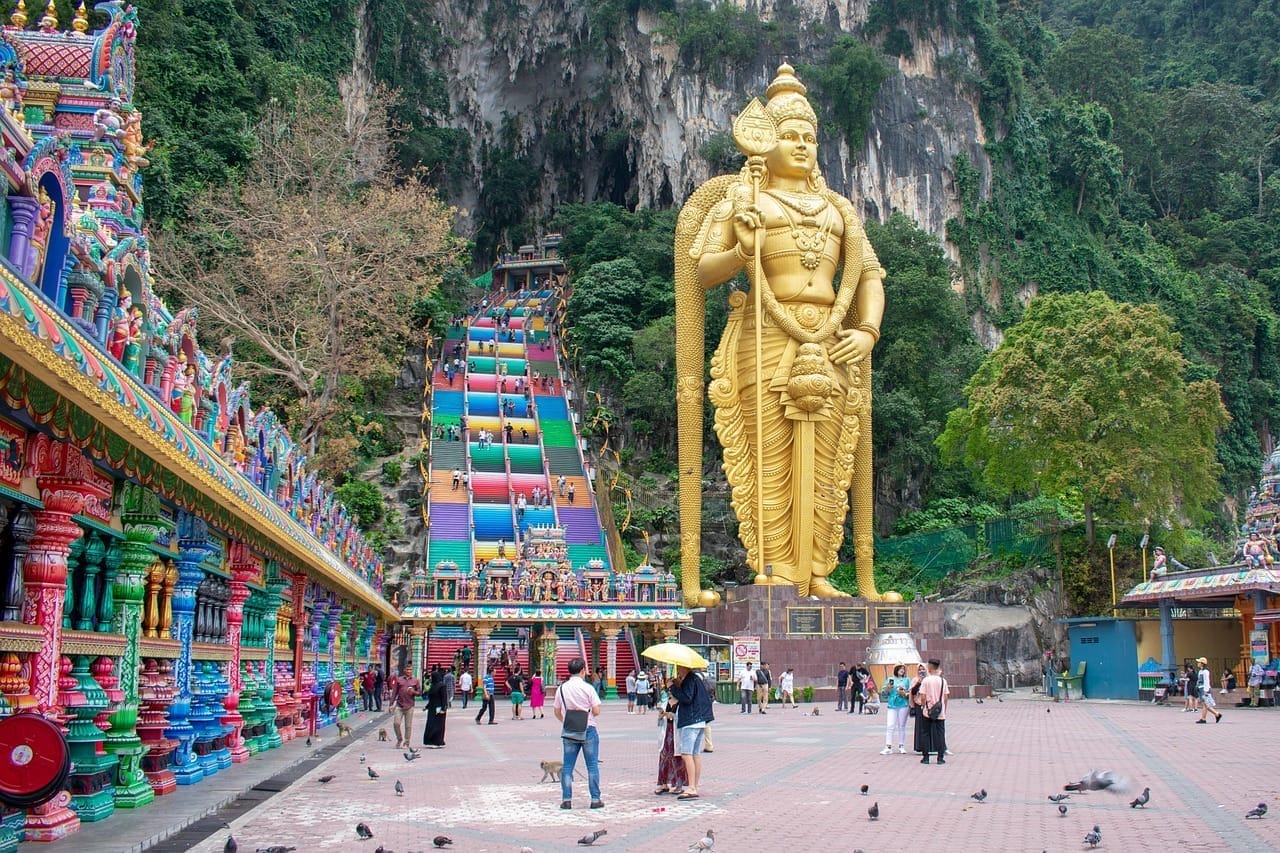
When I first moved to Penang from the States three years ago, I'll admit I was overwhelmed. At 49, relocating halfway across the world felt like a leap into the unknown. But discovering George Town's UNESCO World Heritage Site through weekend walks became my gateway to understanding this incredible city and my new Malaysian home. Now, as someone who's traced these colonial lanes countless times, I want to share the route that helped me fall in love with Penang.
Why George Town Matters for New Expats
George Town earned its UNESCO World Heritage designation in 2008, and it's not just tourist marketing. This compact historic core represents something rare: a living, breathing multicultural settlement where Chinese shophouses sit beside British colonial architecture, Indian temples neighbor Malay mosques, and Armenian street art tells stories of traders who arrived centuries ago.
For expats settling into Penang, understanding George Town is essential. This isn't just where you'll grab your morning coffee or meet friends for dinner. It's the cultural heart that explains why Malaysia feels different from other Southeast Asian destinations. The heritage zone taught me more about Malaysian multiculturalism in three months than any guidebook could convey.
Walking these streets on weekends became my ritual, and I noticed something remarkable. Unlike many heritage sites frozen in time for tourists, George Town remains genuinely alive. Families live in 200-year-old shophouses. Hawkers serve the same recipes their grandparents perfected. Temples hold daily prayers. You're not observing history, you're living alongside it.
Planning Your Heritage Walk: Practical Tips
Best Times and Weather Considerations
Penang's tropical climate means planning matters. Early morning walks from 7:00 to 9:00 AM offer the coolest temperatures, around 26°C to 28°C (79°F to 82°F), with soft morning light perfect for photography. The streets feel peaceful, and you'll see locals starting their day at coffee shops and markets.
Late afternoon walks from 4:30 PM onwards work beautifully as temperatures cool to around 29°C (84°F). The golden hour lighting transforms the heritage buildings, and the city transitions from afternoon drowsiness to evening energy. Street food vendors begin setting up, restaurants open their doors, and George Town comes alive.
Avoid midday walks between 11:00 AM and 3:00 PM unless you're accustomed to intense heat. Temperatures regularly exceed 32°C (90°F), and humidity is high. Many museums and clan houses close for lunch anyway, making afternoon exploration less rewarding. I learned this the hard way during my first month, returning home exhausted and slightly sunburned.
What to Bring
Comfort matters on these walks. Lightweight, breathable clothing works best in Penang's humidity. I always wear comfortable walking shoes because you'll cover several kilometers on uneven colonial-era sidewalks. Sandals might seem appealing, but cobblestones and occasional broken pavement make closed-toe shoes preferable.
Bring a water bottle. Heritage buildings provide intermittent shade, but dehydration sneaks up quickly. I refill at coffee shops or buy fresh coconut water from street vendors for around $1.10 USD. Sunscreen and a hat protect against unexpected sun exposure, and a small umbrella serves double duty for rain or shade.
Keep some cash handy. While many establishments accept cards, smaller temples, museums, and street vendors prefer cash. I usually carry $22 to $33 USD (RM 100-150) for entrance fees, donations, snacks, and spontaneous purchases at antique shops or art galleries. It's enough without being unnecessarily risky.
The Classic Weekend Route: Two-Day Deep Dive
I've refined this route through dozens of walks, balancing major attractions with hidden gems. It's designed for expats who want a comprehensive understanding, not rushed tourism. Split across two half-days, you'll gain genuine insight into what makes George Town special.
Saturday Morning: Colonial Core and Cultural Institutions
Start at Fort Cornwallis around 8:00 AM. This star-shaped fort, built by the British East India Company in 1786, marks where Captain Francis Light established Penang's first settlement. Entry costs $2.20 USD, and you'll spend 30 to 45 minutes exploring the ramparts, cannons, and small museum. The fort itself might not impress compared to European fortifications, but understanding its origins contextualizes everything you'll see.
Walk east along the Esplanade toward the Penang City Hall and Town Hall. These magnificent colonial buildings, painted brilliant white, showcase the grandeur British administrators brought to their tropical outpost. You can't enter without official business, but the exteriors alone reveal the architectural ambitions that shaped George Town. Take photos from the Padang lawn where locals practice cricket and football on weekends.
Continue to the Penang State Museum and Art Gallery on Lebuh Farquhar. Entry costs around $1.10 USD, and the three-story collection covers Penang's history from prehistoric times through British colonialism to independence. I initially skipped this, thinking museums felt too academic. Wrong decision. The exhibits on Peranakan culture, Chinese immigration, and Indian merchant communities provided a framework for understanding the streets outside.
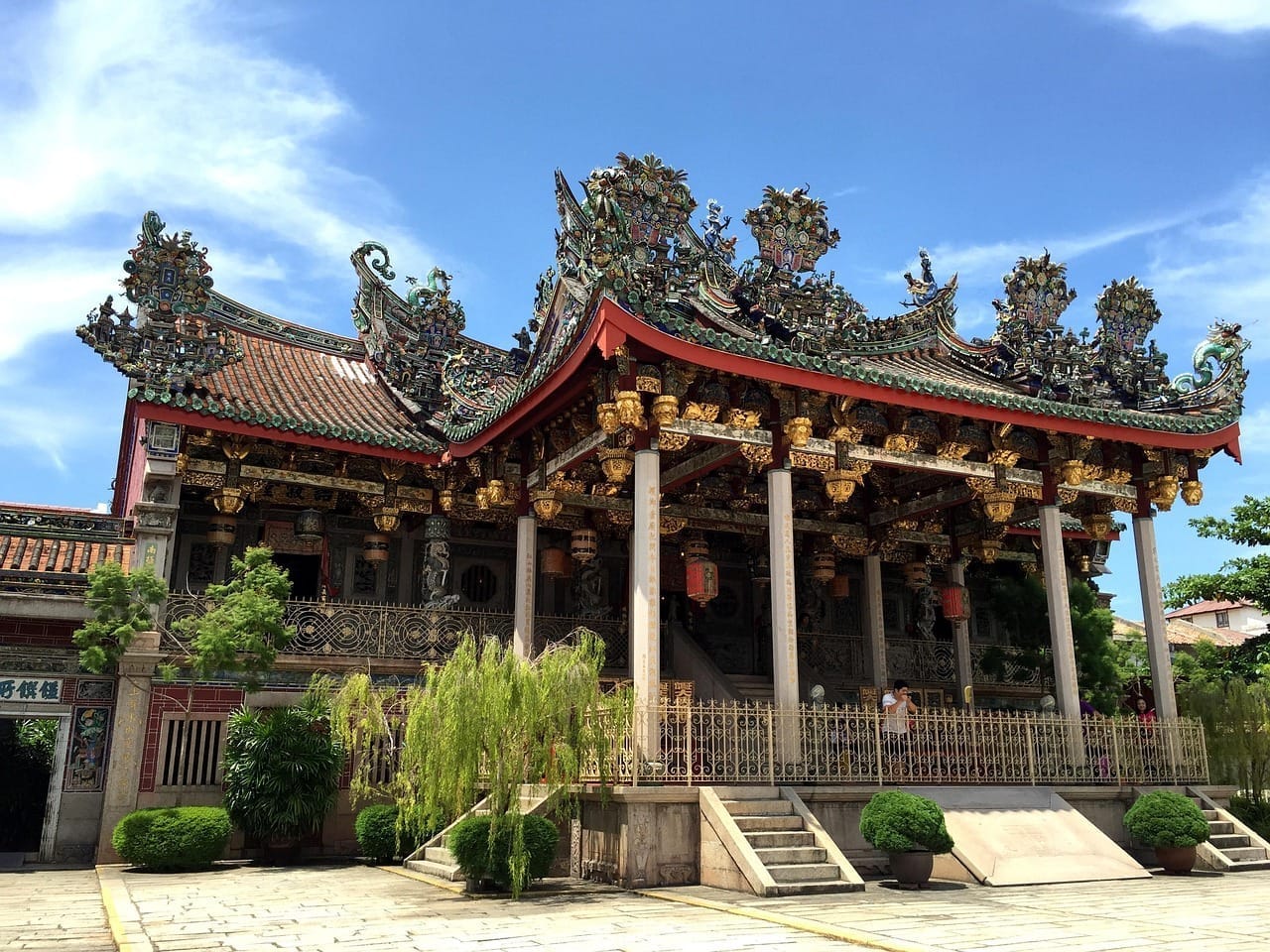
Head south to the Cheong Fatt Tze Mansion, better known as the Blue Mansion. This indigo-blue Chinese courtyard house represents one of Asia's finest restored heritage buildings. Mandatory guided tours cost $17.60 USD and run hourly from 11:00 AM. The tours take 45 minutes and reveal feng shui principles, Hakka architectural traditions, and the fascinating life of Cheong Fatt Tze himself, a rags-to-riches merchant who became Penang's wealthiest resident.
Finish the morning with lunch along Lebuh Chulia or Armenian Street. I usually choose one of the traditional coffee shops serving nasi kandar or char kway teow for $3.30 to $5.50 USD. Sitting at marble-topped tables in century-old shophouses, watching the lunch crowd, became one of my favorite weekly rituals.
Saturday Afternoon: The Clan Jetties and Maritime Heritage
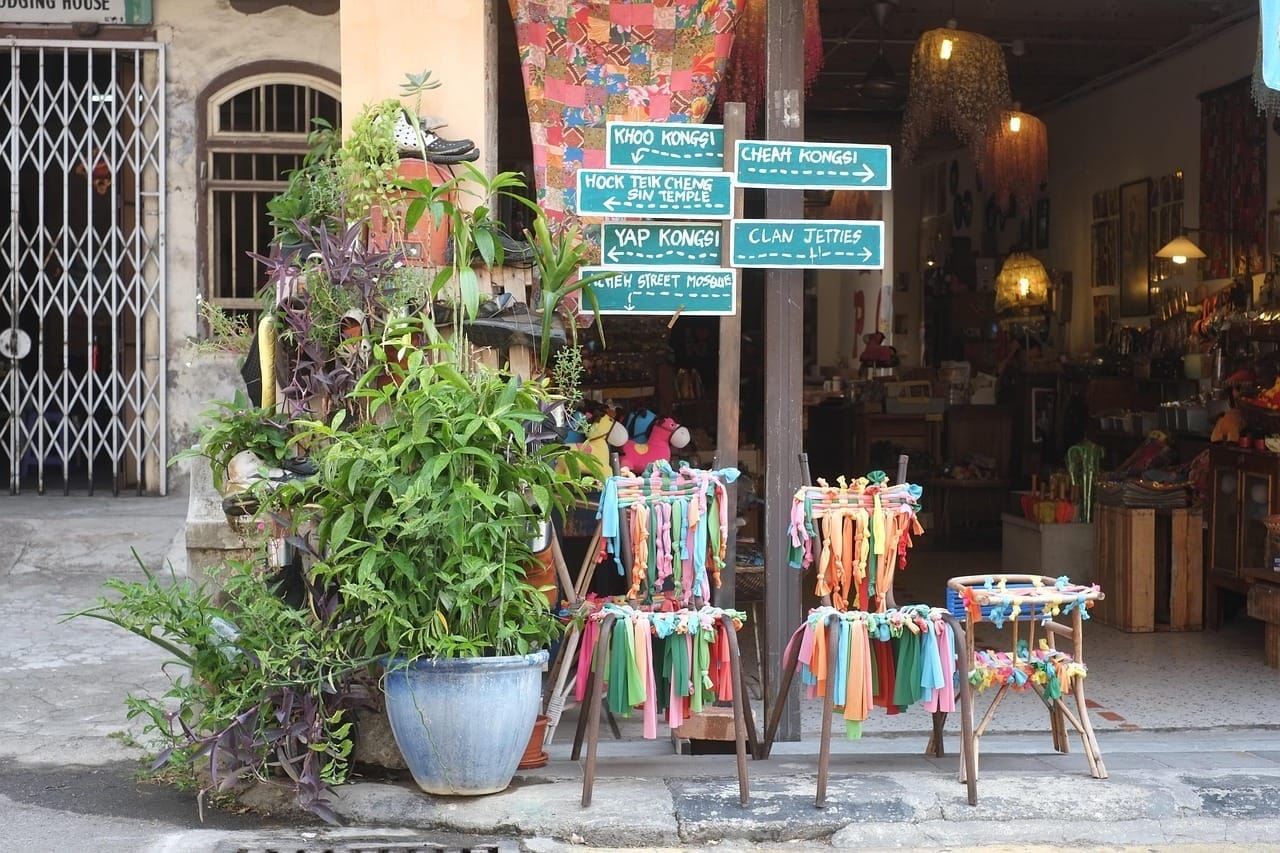
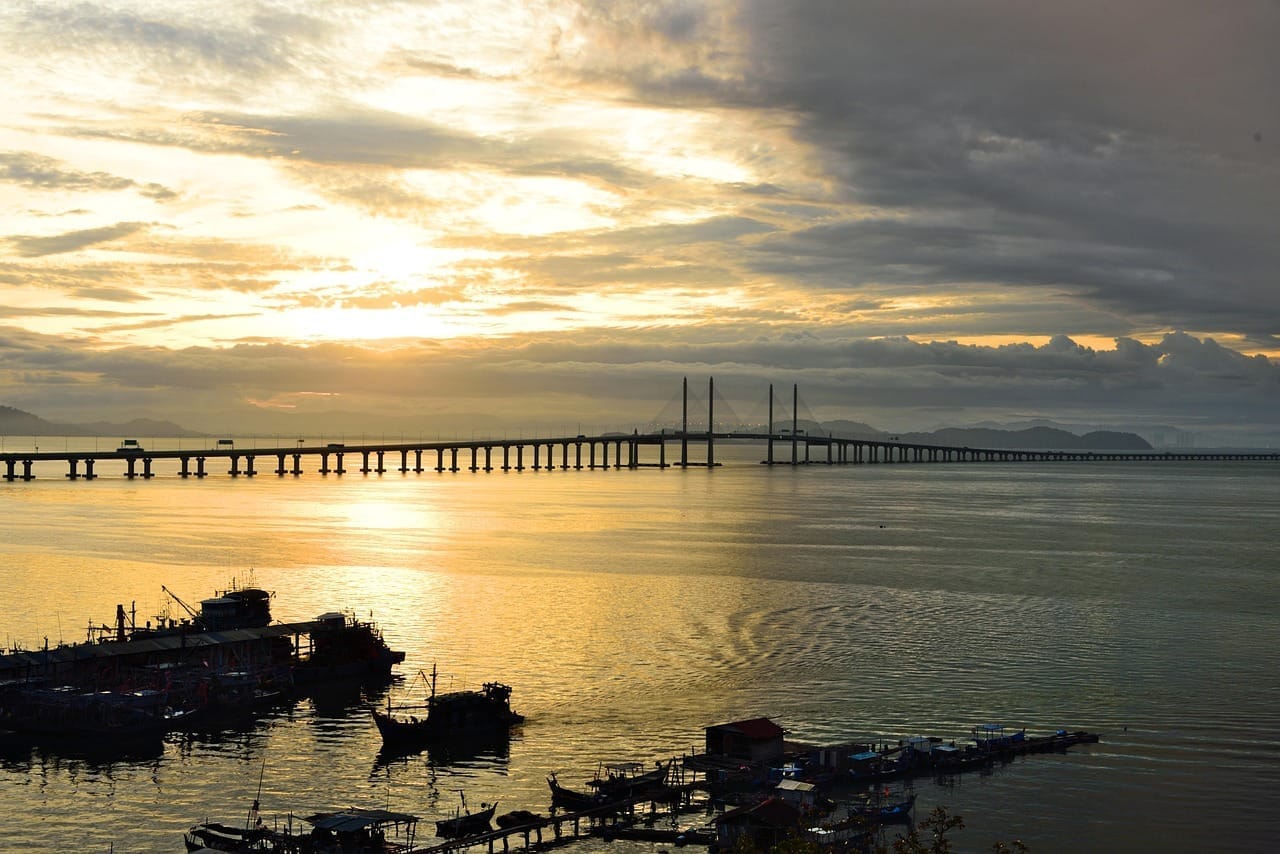
After lunch, walk to the Clan Jetties along Weld Quay. These waterfront settlements, built on stilts over the sea, house Chinese communities organized by surname: Chew, Tan, Lee, Lim, and others. The jetties represent traditional Chinese clan organization transplanted to Penang, and families have lived here for generations despite precarious wooden walkways and basic facilities.
Chew Jetty sees the most visitors, but I prefer exploring the quieter Tan and Lee Jetties. Residents don't charge entrance fees, though some sell souvenirs and snacks. Respect the fact that these remain private homes. Don't enter houses without invitation, ask permission before photographing people, and remember you're walking through someone's neighborhood, not a theme park.
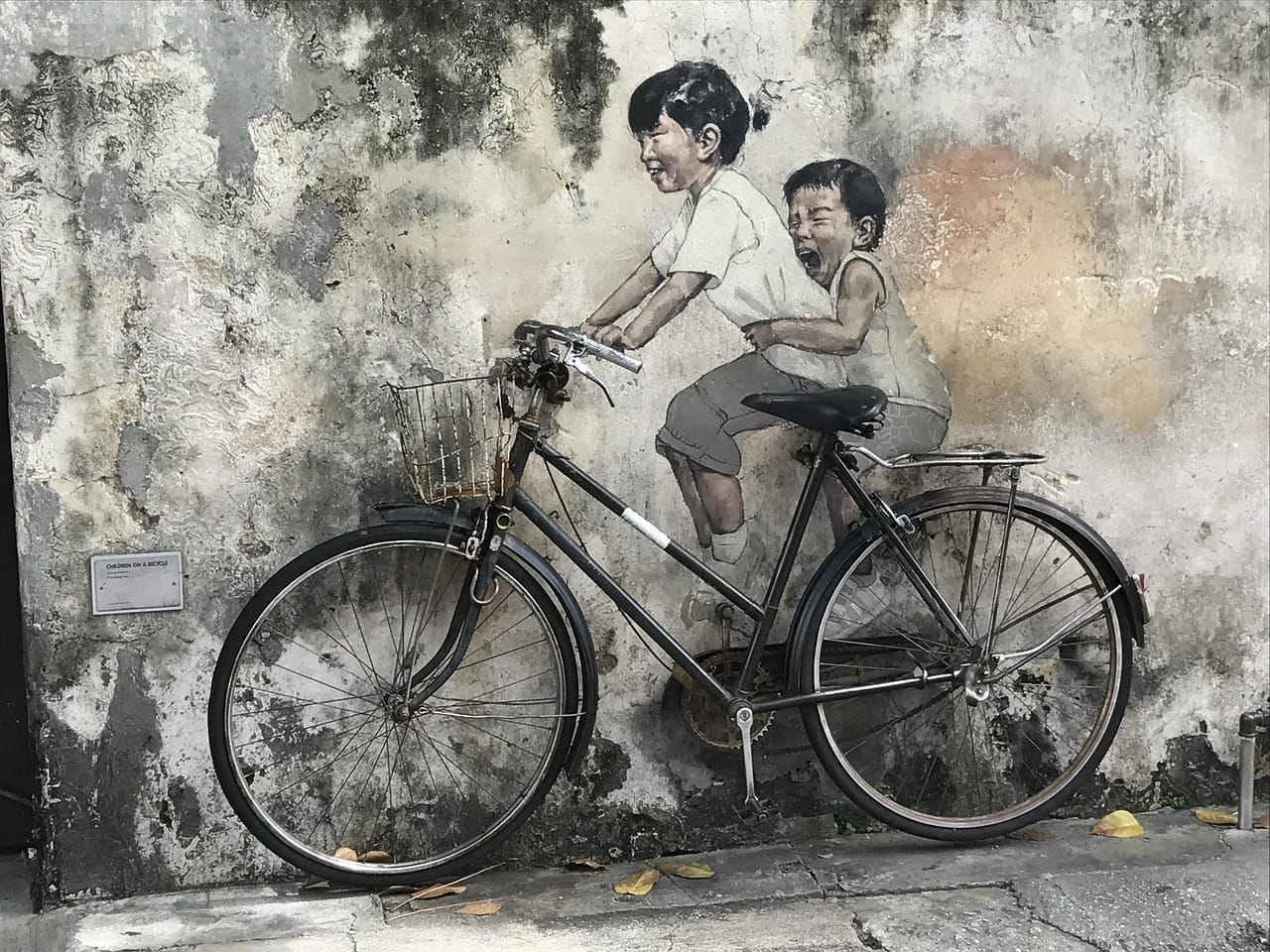
Return inland toward Armenian Street and the surrounding streets known for street art. Since 2012, when Lithuanian artist Ernest Zacharevic created his famous murals, George Town has transformed into an open-air gallery. The most famous pieces include 'Kids on Bicycle,' 'Boy on Motorcycle,' and 'Little Children on a Bicycle,' but dozens of other works appear throughout the heritage zone.
Don't rush the street art hunt. Part of the charm comes from wandering narrow lanes, discovering unexpected murals on side streets, and watching how art integrates with daily life. Shop owners sweep sidewalks beneath paintings, motorcycles park beside sculptures, and children play in streets transformed into galleries. This casual coexistence feels quintessentially George Town.
Sunday Morning: Religious Heritage and Cultural Diversity
Begin Sunday morning at Kapitan Keling Mosque on Buckingham Street. This magnificent yellow mosque, built in 1801 by Indian Muslim traders, anchors George Town's Little India district. Non-Muslims can visit outside prayer times (check the schedule posted at the entrance), provided they remove their shoes and dress modestly. Women should cover their heads; scarves are available if needed. The Indo-Moorish architecture, with its distinctive onion domes and minarets, reflects India's Islamic traditions adapted to the tropical climate of Malaysia.
Walk along Lebuh Pasar and Lebuh King to explore Little India. Fragrant spice shops, textile stores selling vibrant saris, and restaurants serving authentic South Indian cuisine create sensory immersion. I buy spices here monthly, chatting with shopkeepers who remember my preferences and recommend new blends. This isn't tourist theater; it's a functioning Indian business district serving Penang's Tamil community.
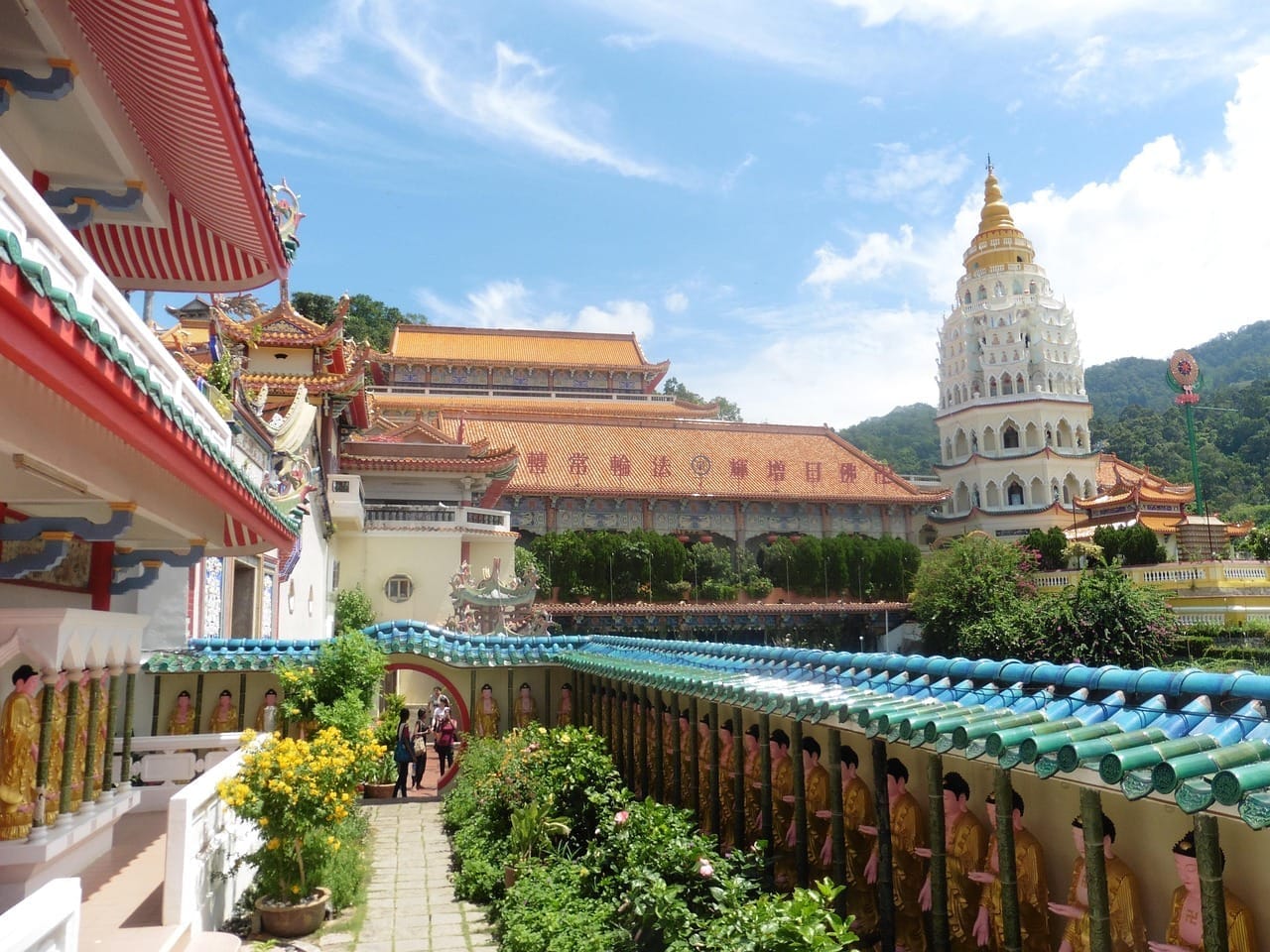
Cross to the Goddess of Mercy Temple (Kuan Yin Temple) on Jalan Masjid Kapitan Keling. This vibrant Chinese Buddhist temple, built in 1728, remains one of George Town's oldest. Arrive during morning prayers to witness devotion in action: worshippers lighting incense, making offerings, shaking fortune sticks. Entrance is free, but donations are welcome (I usually contribute $2.20 USD). Remember to be respectful; this is an active place of worship, not merely a tourist attraction.
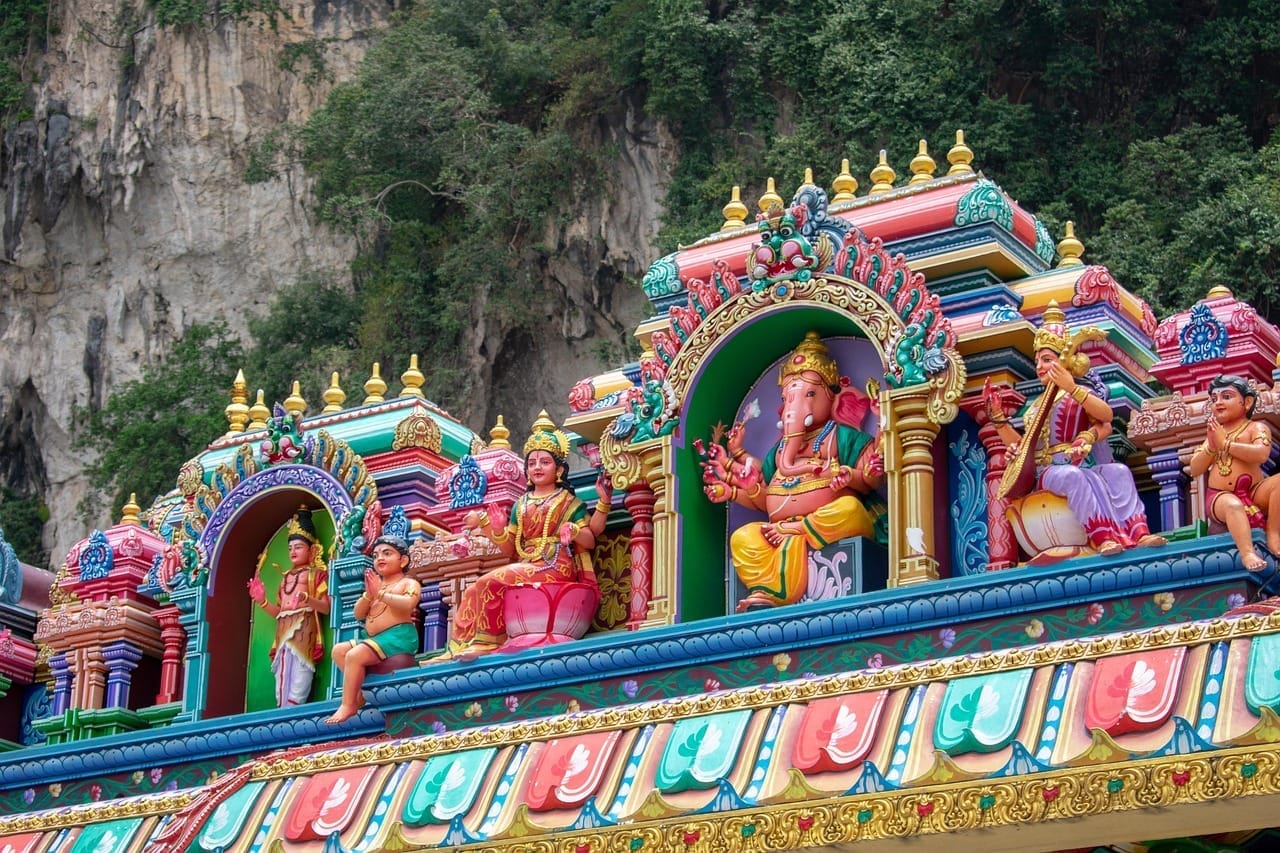
Continue to Sri Mahamariamman Temple, Penang's oldest Hindu temple, built in 1833. The ornate gopuram (tower) displays intricate sculptures of Hindu deities in vibrant colors. As in the mosque, visitors should remove their shoes and dress modestly. The temple sees heavy activity during the Thaipusam festival, but morning visits on any Sunday offer glimpses of Hindu worship practices and architectural beauty. Donations of $1.10 to $2.20 USD are appreciated.
Sunday Afternoon: Shophouse Streets and Final Discoveries
Spend Sunday afternoon wandering the shophouse streets between Lebuh Chulia and Lebuh Armenian. These narrow, deep buildings follow a distinctive architectural pattern: business on the ground floor, living quarters above, shared walls between neighbors, and colorful facades that reflect owner preferences over decades of renovations.
Many shophouses now host cafes, boutiques, galleries, and design studios. I love discovering new establishments: a coffee roaster in a restored apothecary, contemporary art galleries in former clan association halls, boutique hotels preserving original tiles and woodwork. George Town's genius lies in adaptive reuse that respects heritage while serving modern needs.
Visit Pinang Peranakan Mansion on Church Street if you haven't reached museum exhaustion. Entry costs $22 USD, steeper than other attractions, but the collection of Peranakan antiques, furniture, and decorative arts is exceptional. The mansion recreates the lives of wealthy Straits Chinese families in the early 20th century, revealing the unique hybrid culture that emerged when Chinese immigrants married Malay women.
Conclude your weekend at one of George Town's colonial-era hotels for afternoon tea. Eastern & Oriental Hotel charges $44 USD per person for their heritage tea service, while Suffolk House offers more affordable options around $22 USD. It's an indulgence, certainly, but sitting in these historic spaces, reflecting on two days of walking, feels like an appropriate ending to your heritage immersion.
Beyond the Tourist Trail: Local Discoveries
After my initial structured walks, I started exploring more spontaneously. Some of my favorite George Town experiences came from abandoning the map and following curiosity. A temple ceremony I stumbled upon, where elderly women prepared offerings while chatting in Hokkien. A hidden courtyard behind an antique shop, where the owner served tea and explained his family's four generations in George Town. A coffee shop on Love Lane where regulars debate politics every morning over kopi and toast.
These unplanned encounters taught me that George Town rewards patience and openness. The heritage zone contains countless stories beyond designated attractions. Elderly residents remember the city before tourism, before UNESCO designation, when George Town was simply home. Talk to shopkeepers, ask questions at temples, strike up conversations in coffee shops. You'll gain insights no guidebook provides.
I particularly recommend exploring during festivals. Thaipusam transforms the Hindu temples into centers of vibrant procession and devotion. Chinese New Year fills the streets with lion dances, firecrackers, and family celebrations. Ramadan brings special night markets and food culture around Little India's Muslim quarter. Experiencing George Town during these celebrations reveals how heritage remains a living culture, not a preserved artifact.
Understanding Heritage Conservation Challenges
Living in George Town means witnessing ongoing conservation debates. The UNESCO designation brought global recognition but also tensions between preservation and development. Property values skyrocketed, pushing out longtime residents who can't afford rising costs. Traditional businesses are closing as landlords prefer lucrative, tourist-oriented establishments. Some fear George Town becoming another heritage Disneyland, pretty but hollow.
These aren't simple issues. Heritage conservation must balance competing interests: residents' needs, economic development, cultural preservation, and tourist appeal. I've attended town hall meetings where emotions run high as people debate what George Town should become. As expats, we're part of this equation, our presence contributing to both preservation pressures and gentrification concerns.
The best approach? Support businesses owned by longtime residents, respect local communities, contribute meaningfully rather than consuming superficially, and recognize that George Town belongs first to Malaysians who've built their lives here. Our appreciation should enhance rather than displace the authentic culture that makes this place special.
Practical Information for Expat Residents
Transportation and Access
George Town's heritage zone is compact and walkable, roughly 1.5 square kilometers. I live in Tanjung Bungah, about 20 minutes from the city center. Most expats drive or use ride-sharing services like Grab. Parking can be challenging, especially on weekends, so I usually park near KOMTAR and walk into the heritage zone.
Public buses serve George Town, but the routes confuse newcomers. The free CAT (Central Area Transit) shuttle bus loops through major heritage sites, though it runs infrequently. Once you're in the heritage zone, walking remains the best option. The compact layout means major attractions sit within 10 to 15 minutes of each other on foot.
Cycling offers another option. Several shops rent bicycles for $11 to $16.50 USD daily. However, traffic, narrow streets, and heat make cycling more challenging than it sounds. I tried it once and returned to walking, finding the slower pace better for actually experiencing George Town rather than just covering ground.
Cultural Etiquette and Respect
Malaysia's multiculturalism requires sensitivity. When visiting mosques, cover arms and legs, remove shoes, and women should cover their hair. Hindu and Buddhist temples also require the removal of shoes and modest dress. During prayer times, observe quietly without disrupting worship. Photography is generally acceptable, but ask permission before photographing worshippers or religious ceremonies.
In clan jetties and residential areas, remember people live here. Don't treat residents like exhibits or enter private spaces without invitation. Ask before photographing people, respect 'no entry' signs, and keep noise levels reasonable. Your curiosity shouldn't disrupt others' daily lives.
Learn basic Malay greetings and thank-yous. Locals appreciate effort, even if your pronunciation needs work. 'Selamat pagi' (good morning), 'terima kasih' (thank you), and 'tolong' (please/excuse me) go surprisingly far in building rapport and showing respect for your adopted home.
Costs and Budgeting
A comprehensive weekend exploring George Town costs $88 to $132 USD per person, including entrance fees, meals, transportation, and incidentals. Major expenses include the Blue Mansion tour ($17.60 USD), Pinang Peranakan Mansion ($22 USD), and afternoon tea if you indulge ($22 to $44 USD).
Street food and local restaurants remain remarkably affordable. Breakfast at a traditional coffee shop costs $3.30 to $4.40 USD, lunch runs $5.50 to $8.80 USD, and dinner might reach $11 to $16.50 USD if you choose nicer establishments. I typically spend $22 to $33 USD daily on food while exploring George Town, eating well at local establishments.
Museum entrance fees range from $1.10 to $22 USD. Many temples don't charge admission but welcome donations. Budget $22 to $33 USD for entrance fees if you visit multiple paid attractions. This affordability means you can return repeatedly, deepening your understanding without breaking your budget.
Seasonal Considerations and Special Events
George Town transforms during major festivals. Chinese New Year in late January or February brings incredible energy, but crowds swell and many shops close for several days. If you're comfortable with intense crowds and limited services, it's spectacular. If you prefer quieter exploration, avoid the two weeks around Chinese New Year.
The George Town Heritage Festival, held in July or August, features special performances, exhibitions, and cultural programs throughout the heritage zone. Events often include guided heritage walks, traditional music performances, and art exhibitions. It's an excellent time for new residents to engage deeply with local culture through organized programming.
Monsoon season from August through October brings afternoon thunderstorms. Morning walks usually go on as planned, but be prepared for sudden downpours. I carry a small umbrella year-round, though rainstorms can overwhelm even good rain protection. Plan indoor activities, such as museums and galleries, for monsoon afternoons.
December sees increased tourism as year-end holidays bring visitors. George Town doesn't feel overcrowded compared to major tourist destinations, but accommodation prices rise, and popular attractions see longer lines. If possible, explore during shoulder seasons (March to May, September to November) for optimal weather and fewer crowds.
Making George Town Part of Your Expat Life
Three years into my Malaysian adventure, George Town remains my favorite place in Penang. I still walk these streets regularly, discovering new details in buildings I've passed a hundred times, finding new favorite coffee shops and restaurants, watching the city evolve as conservation efforts continue and new businesses open.
The heritage zone became more than a tourist attraction; it's where I meet friends, where my teenage daughter studied street art for school projects, where I shop at traditional markets and modern boutiques, and where I feel most connected to Malaysian culture despite being an outsider by birth.
For new expats, I can't stress the value of repeated visits enough. Don't try seeing everything in one marathon weekend. Return often, walk slowly, talk to people, let curiosity guide you. George Town reveals itself gradually to those willing to look beyond surface-level tourism.
The UNESCO designation recognizes something profound: this isn't just beautiful old buildings, it's a living example of multicultural coexistence, where Chinese, Malay, Indian, and European influences blend into something uniquely Malaysian. Understanding George Town means understanding why Malaysia works, despite its diversity and contradictions. That lesson proved invaluable as I built my new life here.
Resources for Deeper Exploration
Several organizations offer guided heritage walks providing expert insights. Penang Heritage Trust conducts regular walking tours focusing on architecture, culture, and conservation. USM Heritage runs academic-oriented tours that explain historical context and preservation challenges. Private guides can be arranged through hotels or tourism offices for customized experiences.
Books worth reading include 'George Town: A Pictorial History 1786-2016' for visual documentation, 'Penang: 500 Early Postcards' for a visual history of the city's evolution, and 'The Penang Story' for a comprehensive historical overview. Local bookstores like Gerakbudaya carry extensive collections on Penang heritage.
Online resources include the George Town World Heritage Incorporated website, which provides official conservation information, and Think City's digital archives documenting restoration projects. The more you learn, the more you'll appreciate walking these streets
Moving Abroad with Confidence
If exploring George Town's heritage has inspired your dreams of international relocation, you don't have to navigate the process alone. At Global Citizen Life, we understand that moving abroad involves more than just booking a flight—it's about strategic planning, understanding visa requirements, evaluating healthcare systems, and building a new life with confidence.
We offer three types of support through our Moving Abroad Programs at https://www.globalcitizenlife.org/programs to help you make informed decisions:
Our one-time strategy calls provide personalized guidance on your specific situation, helping you clarify goals, assess destinations, and create actionable next steps. If you're considering a specific country, our six country-specific Moving Abroad Masterclasses dive deep into residency options, cost of living, healthcare, education, and cultural integration for your target destinations.
For those seeking comprehensive support throughout their relocation journey, our private coaching and consulting services provide ongoing guidance from initial planning through successful settlement. We help you avoid costly mistakes, navigate bureaucracy, and transition smoothly into your new international life.
Final Thoughts
George Town's UNESCO Heritage Zone represents what made me fall in love with Malaysia: genuine multiculturalism, respect for history balanced with modern vitality, and a warmth that welcomes outsiders without sacrificing its authentic character. These weekend walks transformed from tourist activity to a genuine connection with my adopted home.
Whether you're newly arrived or considering relocating to Penang, take the time to understand this remarkable heritage zone. The streets tell stories of migration, trade, colonialism, independence, and continuous adaptation. Walking them with attention and respect offers lessons far beyond architectural appreciation.
Three years after my first tentative walks through George Town, I still find new details, meet new people, and gain fresh perspectives. That's the gift of living with heritage rather than merely visiting it. I hope this helps you begin your own journey of discovery in this extraordinary city.
Written by Patricia Nguyen
Patricia Nguyen is a healthcare consultant from the USA who relocated to Penang, Malaysia in search of affordable living, excellent medical care, and cultural diversity. At 49, she successfully navigated the MM2H visa process and now raises her multicultural family in George Town. Patricia shares practical insights on expat life, Malaysian food culture, healthcare systems, and family integration. Her articles help aspiring expats make informed decisions about relocating to Malaysia.
Read all our articles about Malaysia here.
Global Citizen Life
© 2023 Global Citizen Life
All rights reserved