
From NHS Ward to Olive Grove: Finding Community as a Retiree in Rural Crete
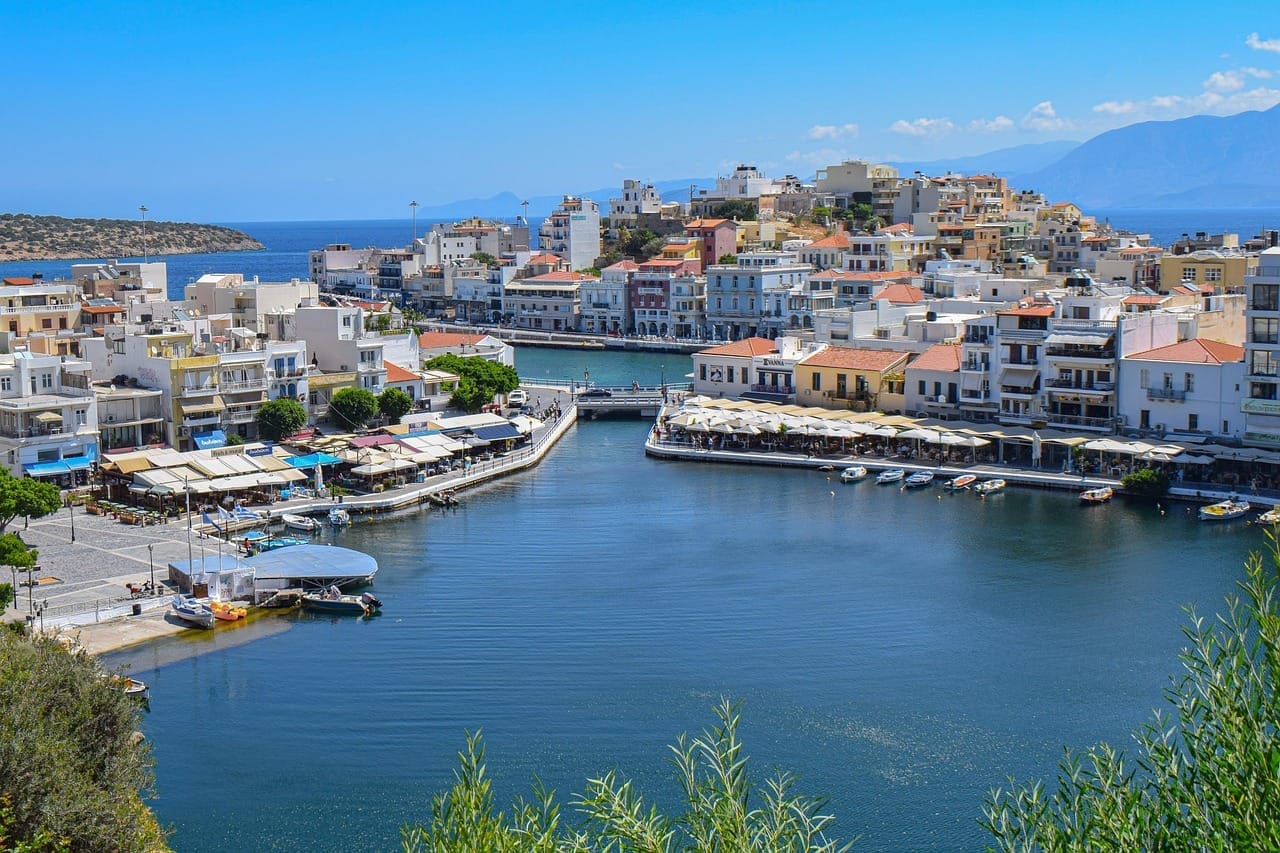
When I traded my NHS uniform for sun hats and walking shoes, I knew the technical aspects of moving to Crete would be challenging. What I didn't anticipate was how profoundly the search for community would transform my retirement experience. After eighteen months of living in a small village in western Crete, I've learned that building meaningful connections here requires patience, humility, and a willingness to step outside your comfort zone. But the rewards are immeasurable.
The Reality of Village Life for New Arrivals
Let me be honest: the first few months were lonely. I'd moved to a village of fewer than 400 residents, where everyone seemed to know everyone else going back generations. As the new foreign woman who'd bought the old Papadakis house, I was met with polite curiosity but also caution. Greeks are warm people, but rural communities anywhere are naturally protective of their social fabric.
My saving grace was realistic expectations. I'd spent 35 years working in the NHS, where I'd witnessed countless patients struggle with isolation after major life changes. I knew that community doesn't happen overnight, especially when you're learning a new language and culture. I permitted myself to feel uncomfortable and committed to showing up consistently, even when it felt awkward.
The breakthrough came through simple, repeated presence. I started shopping at the village mini-market every morning instead of driving to the supermarket in town once a week. I sat at the same kafeneio (coffee house) every afternoon with my Greek textbook. I waved hello to the same neighbors tending their gardens. Slowly, predictably, the ice began to thaw.
Learning Greek: Your Social Golden Ticket
I cannot overstate the importance of learning Greek, even just the basics. Yes, many Greeks speak English, particularly younger people and those in tourist areas. But in rural villages, where the older generation holds the social keys, Greek is essential for genuine connection.
I enrolled in weekly Greek lessons in Chania, about 40 minutes from my village. My teacher, Eleni, was a godsend; a retired schoolteacher who understood both language instruction and the specific vocabulary needs of expat retirees. Beyond formal lessons, I practiced relentlessly. I bought children's books. I watched Greek television with subtitles. I made embarrassing mistakes daily in the village, conjugating verbs incorrectly and mixing up masculine and feminine nouns.
The turning point came when I could finally have a basic conversation about gardening with my neighbor, Maria. We stood by her fence for twenty minutes discussing tomato plants, pruning techniques, and the best time to harvest. My Greek was terrible. I'm sure I butchered half the vocabulary, but Maria's face lit up. The effort mattered more than the accuracy. After that conversation, I noticed other neighbors making more effort to engage me. Word spreads quickly in small villages, and my willingness to struggle through Greek signaled respect and commitment.
Practical Greek Learning Resources
Several resources proved invaluable during my first year. Private lessons cost around $30-35 per hour, a worthwhile investment for personalized instruction. The Community Center in Chania offers group classes for approximately $165 per term, providing both language practice and instant social connections with other learners. I supplemented these with the Duolingo app (free) for daily practice and GreekPod101 (subscription around $110 annually) for listening comprehension.
More importantly, I created opportunities for informal practice. The village kafeneio became my unofficial classroom. The elderly men who gathered there daily initially found my presence unusual, as coffee houses in traditional villages remain predominantly male spaces. But my consistent presence and willingness to attempt conversation in Greek eventually earned acceptance. Now, several of them actively help me practice, correcting my grammar and teaching me Cretan dialect phrases I'd never learn in formal classes.
Building Relationships with Greek Neighbors
Greek culture operates on different social rhythms than those I was used to in the UK. Relationships develop through repeated, casual encounters rather than scheduled social events. The concept of "dropping by" without warning is normal here, where it would seem intrusive in Britain. I had to recalibrate my expectations of privacy and spontaneity.
Food became my primary bridge into the community. I'm not particularly gifted in the kitchen, but I learned to make a decent English trifle. I started bringing it to village celebrations, and Greeks celebrate everything. Name days, religious festivals, and community work days each became an opportunity to contribute. My trifle became something of a novelty, and neighbors began requesting it for family gatherings.
The exchange went both ways. Maria regularly appears at my door with still-warm bread from her wood-fired oven. Yannis, who tends olive groves, brings me fresh olive oil each December after the harvest. Katerina taught me to make traditional Cretan dakos (a type of bruschetta on barley rusk). These exchanges aren't transactions. They're the currency of rural Greek life, expressions of neighborliness and acceptance.
Unlock the secrets of the world's most successful entrepreneurs with the
Global Wealth Navigator Newsletter
Discover the world's best destinations offering a lower cost of living paired with an enriched quality of life with the Global Wealth Navigator Newsletter. Whether you're a retiree or an entrepreneur, we dive into strategies that open doors to international investments, tax optimizations, and discover the finest destinations offering a superior quality of life. Don't let borders or routine define you; lets find your ideal spot in the world, regardless of your income bracket.

Navigating Cultural Differences
Several cultural adjustments required conscious effort. Greeks ask personal questions that would seem intrusive in the UK, such as your finances, your family, and why you're not married or don't have children. Initially, this felt invasive. I learned these questions stem from genuine interest and concern, not nosiness. They're building a complete picture of who you are and where you fit in their social fabric.
Time operates differently here. When someone says "come by around six," they mean sometime between 6:00 and 8:00. Plans are flexible, spontaneity is valued, and punctuality is less crucial than in Northern Europe. As a former NHS nurse accustomed to strict schedules, this required adjustment. I had to let go of my attachment to rigid timing and embrace a more fluid approach to social commitments.
Physical affection is more common here. Greeks greet with kisses on both cheeks, stand closer during conversations, and touch your arm while talking. This physical closeness felt uncomfortable at first, but I grew to appreciate its warmth. These small physical connections foster intimacy that develops more slowly through British reserve.
Connecting with the Expat Community
While integration with Greek neighbors is crucial, the expat community provides essential support, especially during the early adjustment period. Crete hosts a substantial international community: British, German, Dutch, American, and many other nationalities who've chosen island life.
I initially resisted expat groups, worried they'd create an English-speaking bubble that would prevent genuine integration. This was shortsighted. The expat community offers practical knowledge and emotional support that complements, rather than replaces, relationships with Greek neighbors. They understand the specific challenges of navigating Greek bureaucracy, finding English-speaking doctors, and managing the emotional complexity of building a new life far from family.
I found my expat tribe through multiple channels. The Chania Women's International Club meets monthly and organizes cultural activities, book discussions, and charitable projects. Membership costs around $55 annually and provides structured opportunities to meet other women from various countries. Their monthly coffee mornings became my first regular social commitment.
Facebook groups proved surprisingly valuable. "Expats in Western Crete" and "British Women in Greece" offer practical advice, classified listings, and social event announcements. I've attended hiking groups, dinner clubs, and craft workshops organized through these platforms. The quality of connections varies. Some remain superficial, others have deepened into genuine friendships.
Balancing Two Worlds
The trick is maintaining balance. I've watched expats create comfortable English-speaking bubbles that insulate them from Greek culture entirely. They socialize exclusively with other foreigners, complain about Greek inefficiency, and treat Crete like an extended holiday resort. This approach squanders the richness that drew them here in the first place.
Conversely, I've seen newcomers reject expat connections entirely, insisting they'll integrate fully with Greeks. This often leads to isolation when language barriers and cultural differences prove more challenging than anticipated. Most Greeks appreciate expat attempts at integration but don't expect, or necessarily want, foreigners to become Greek. They value authentic connection while respecting cultural boundaries.
My sweet spot involves participating in both communities. I attend Greek village festivals and name day celebrations. I help Katerina pick olives during harvest season. I join the elderly women sitting outside their homes on summer evenings, shelling beans and gossiping (mostly in Greek, though they kindly switch to English when my comprehension falters). Simultaneously, I enjoy book club meetings with expat friends, attend English-language cultural events, and appreciate conversations that don't require linguistic concentration.
Activities That Foster Community Connection
Certain activities naturally facilitate community integration. I volunteer at the local animal shelter, where love of animals transcends language barriers and where I've met both Greeks and expats who share this passion. We've created a small community around caring for Crete's numerous stray cats and dogs.
I joined a walking group that explores Crete's spectacular hiking trails. We meet Saturday mornings, tackle various difficulty levels, and follow walks with long, leisurely lunches at traditional tavernas. This group includes Greeks, expats, and visiting tourists, creating a fluid, international social space. The physical activity, beautiful surroundings, and shared meals create bonds that develop quickly.
Religious festivals deserve special mention. I'm not religious, but Greece's Orthodox calendar structures community life. Easter celebrations, village patron saint festivals (panigiri), and August 15th celebrations (Assumption of Mary) are community events, not just religious observances. Everyone participates, regardless of personal belief. These festivals offer unparalleled opportunities to experience authentic Greek culture and demonstrate respect for local traditions.
Last Easter, I participated in the midnight Resurrection service and the traditional lamb roasting that followed. I helped Maria dye eggs red and learned to crack them in the competitive egg-tapping game. The entire village gathered, and I felt genuinely part of something larger than myself, not as an outsider observing Greek culture, but as a community member participating in shared traditions.
The Long Game: Building Lasting Friendships
Eighteen months into this adventure, I can finally say I have friends here. Real friends, not just pleasant acquaintances. Maria and I drink coffee together several mornings a week. She's teaching me Cretan embroidery techniques passed down through generations of women in her family. When I was sick with bronchitis last winter, she appeared daily with soup, as did several other neighbors I'd barely known.
My expat friend circle includes women who understand the complex emotions of retirement abroad. The simultaneous exhilaration and grief, the guilt of leaving adult children and grandchildren, the freedom and occasional loneliness of reinvention. We celebrate Greek Orthodox Easter together, then separately mark British Easter traditions. We're creating hybrid lives that honor both our origins and our chosen home.
These friendships developed slowly, through consistency rather than intensity. I learned to judge progress over months, not days. The elderly Greek man at the kafeneio, who initially ignored me, now saves me a seat and corrects my Greek grammar with grandfatherly affection. The woman at the mini-market asks about my health and remembers my preferences. These small gestures signal acceptance and a sense of belonging.
Practical Advice for Building Your Community
Based on my experience, several strategies prove consistently valuable for newcomers seeking community in rural Crete. First, invest seriously in learning Greek from day one. Even basic proficiency dramatically improves integration opportunities. Budget around $220- $ 275 per month for lessons and materials during your first year.
Second, establish consistent routines in your village. Shop locally, frequent the same coffee house, and walk the same routes. Predictability builds familiarity, which builds trust. Greeks need to see you regularly before accepting you into their social circles.
Third, participate in community events and festivals, even when you don't fully understand what's happening. Your presence matters more than your comprehension. Bring contributions when appropriate, food for shared meals, donations for church festivals, and volunteered time for community projects.
Fourth, join both Greek and expat activities. Don't limit yourself to either group exclusively. The combination provides practical support, cultural immersion, and social fulfillment that neither community offers on its own.
Fifth, practice patience and manage expectations. Deep friendships take time, especially across language and cultural barriers. Celebrate small wins: a neighbor who remembers your name, an invitation to coffee, a Greek friend who asks about your family. These incremental connections accumulate into a genuine community.
Finally, remember that building community abroad requires vulnerability. You'll make mistakes, misunderstand social cues, and occasionally feel foolish. This discomfort is part of the process, not a sign you've made the wrong choice. Every expat who successfully integrated experienced the same awkwardness. The ones who thrived pushed through it.
Resources for Your Move to Greece
If you're considering retirement in Greece and want structured guidance through the process, Global Citizen Life offers comprehensive support through its Moving Abroad Programs. They provide three options tailored to different needs: one-time strategy calls for specific questions, six country-specific Moving Abroad Masterclasses covering everything from visas to healthcare, and private coaching and consulting for personalized guidance throughout your transition. These resources would have saved me considerable stress during my first months navigating Greek bureaucracy and social integration.
The Rewards of Community
Building community in rural Crete has been the most challenging and rewarding aspect of my retirement abroad. It forced me outside my comfort zone daily, pushed me to develop new skills at 61, and taught me humility I didn't know I needed. But it also gave me something I didn't have in my busy NHS career—a genuine sense of belonging to a place and people.
I wake up to Maria calling my name from her garden, offering fresh figs from her tree. I walk to the kafeneio where Yannis has saved me a seat. I attend village festivals where I'm greeted with kisses and included in family photos. I have expat friends who understand both my love for Greece and my occasional homesickness for Britain. This web of connections: Greek and international, deep and casual, established and developing, constitutes the community I've built here.
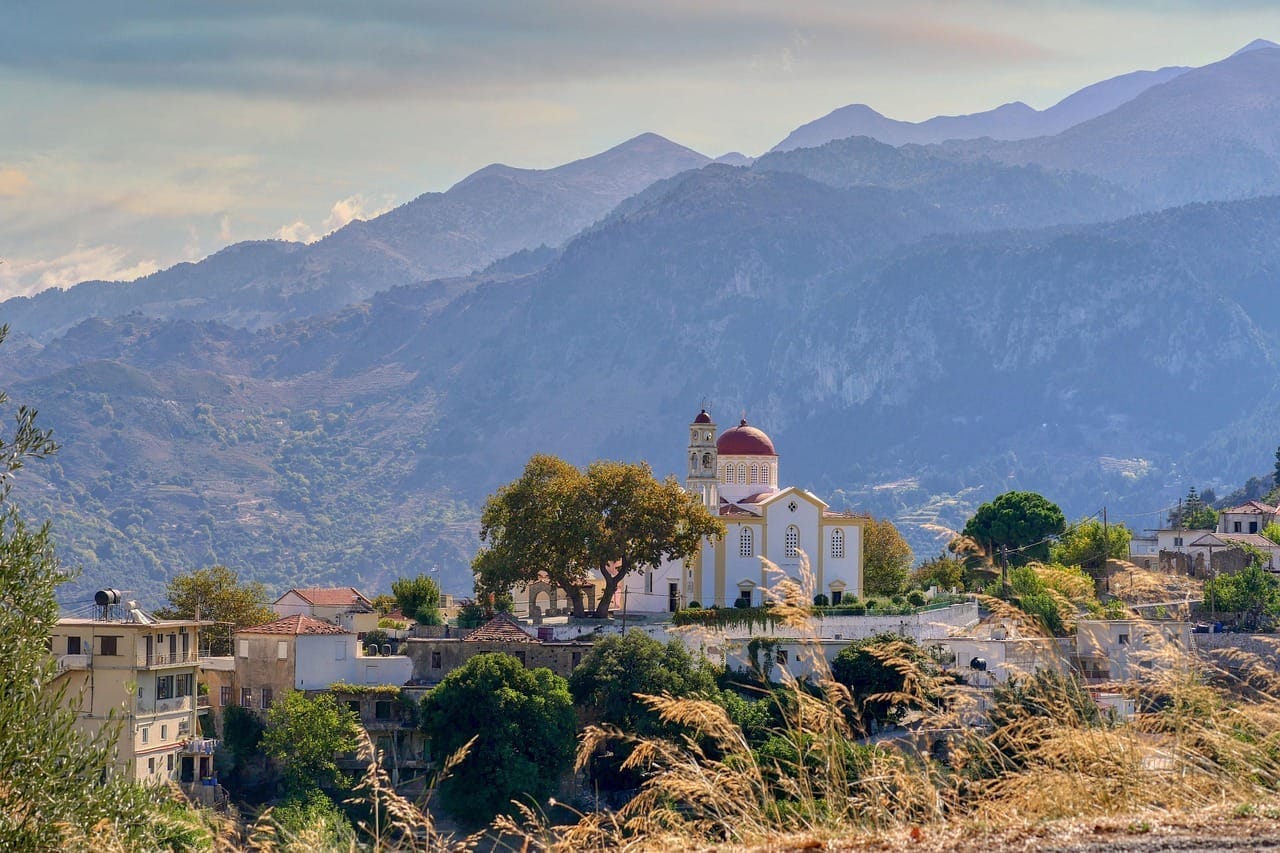
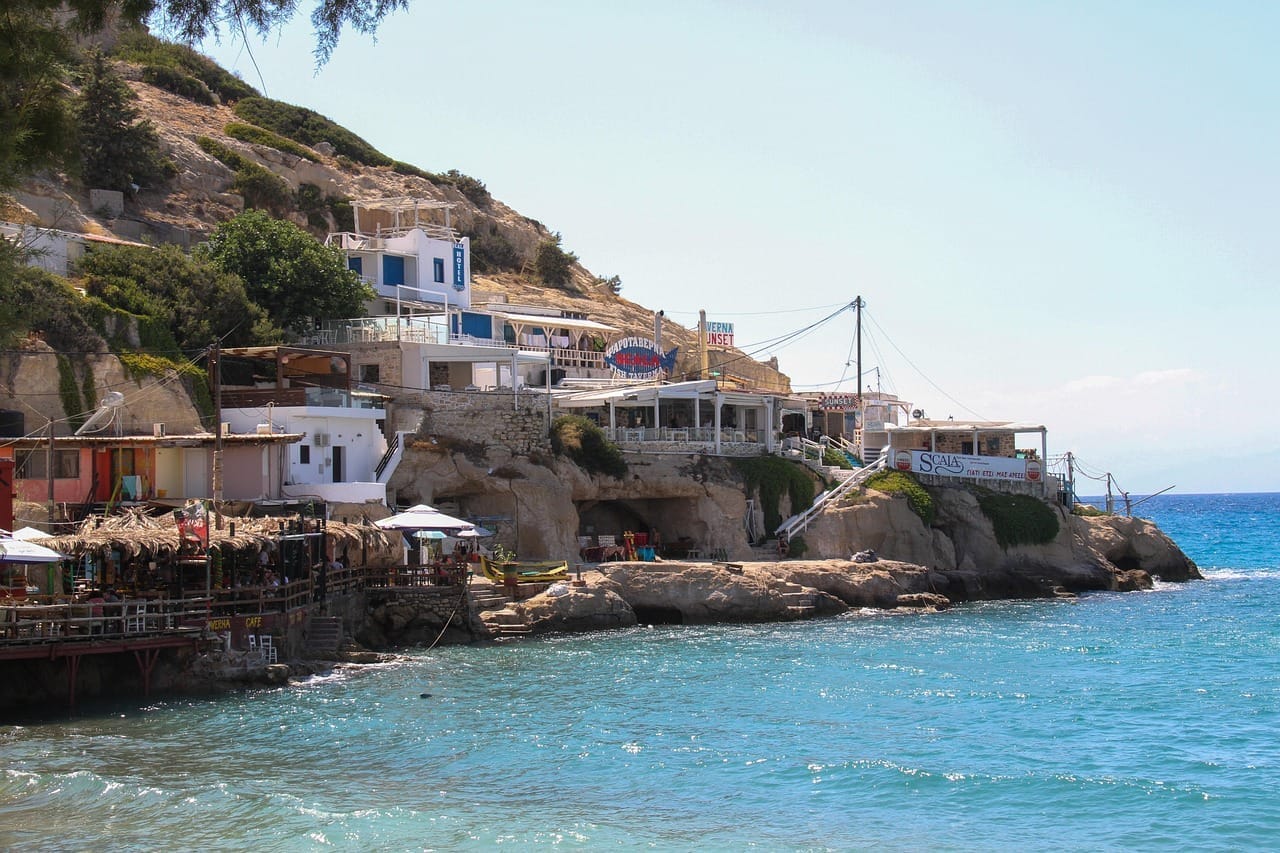
It wasn't easy, and it wasn't quick. But it was absolutely worth it. The olive grove beyond my window, the mountains rising behind the village, the Mediterranean glittering in the distance; these physical beauties initially drew me to Crete. But it's the community I've found here that makes this place home.
About the Author
Laura Stevenson is a 61-year-old retired NHS nurse from the UK who relocated to a small village in western Crete to embrace the Mediterranean lifestyle. With 35 years of healthcare experience, she brings a practical, compassionate perspective to expat life in Greece. Laura writes about retirement, healthcare, village living, and the realities of building a new life abroad. When she's not writing, she can be found hiking Crete's mountain trails, practicing her Greek at the local kafeneio, or helping neighbors harvest olives.
Read all our articles about Greece Here.
Global Citizen Life
© 2023 Global Citizen Life
All rights reserved