
From Farm to Table: Discovering Costa Rica's Organic Market Culture in the Central Highlands
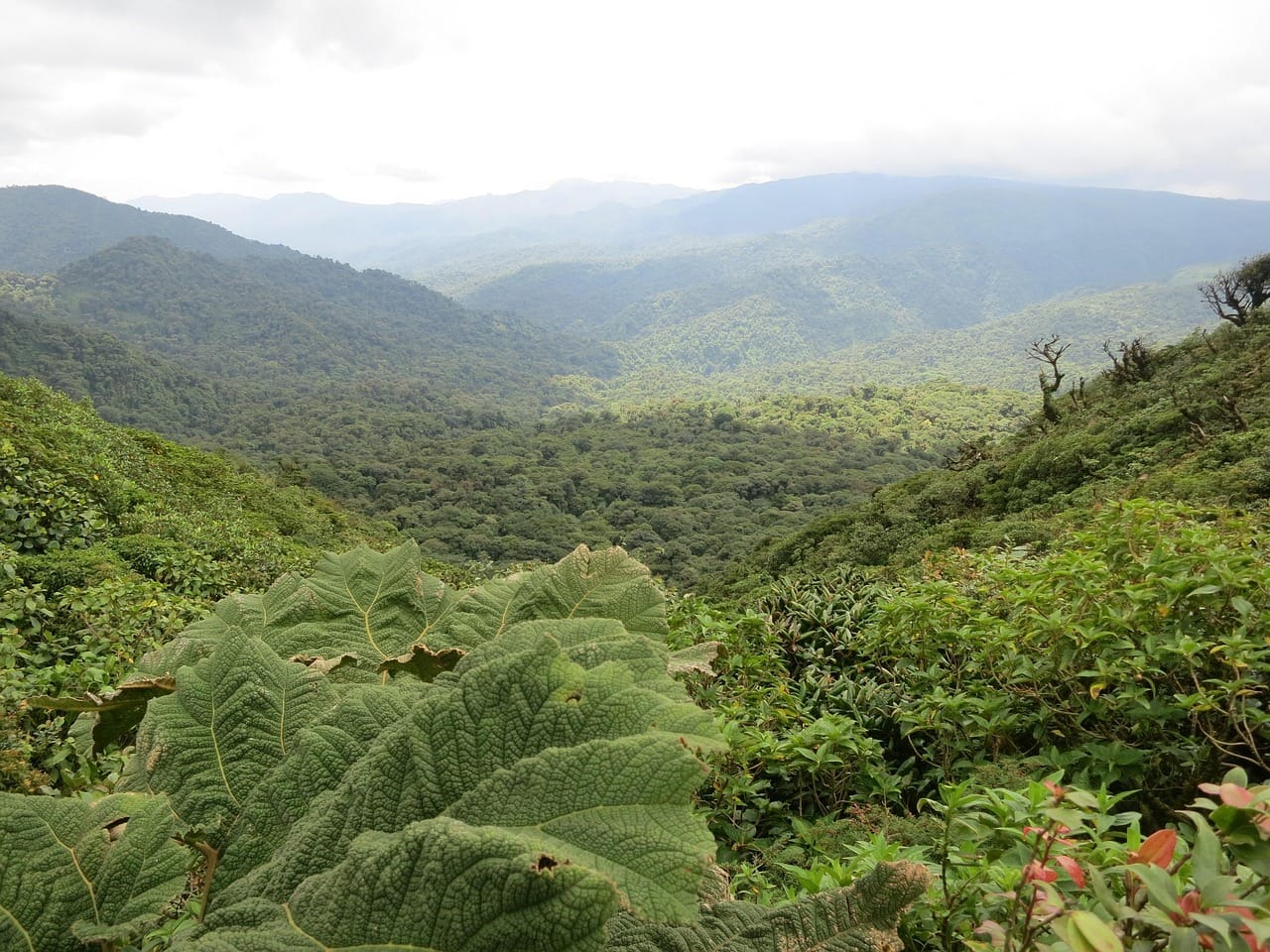
There's something profoundly grounding about waking up on a Saturday morning in the Central Highlands of Costa Rica, knowing that within an hour, you'll be walking through rows of just-harvested vegetables, still cool from the mountain air. After years of living here in Atenas, these weekly visits to organic farmers' markets have become more than just shopping trips. They've transformed into a meditation on connection, sustainability, and what it truly means to nourish yourself and your community.
The Central Highlands region, stretching from San José through Heredia, Alajuela, and Cartago, has quietly cultivated one of Latin America's most vibrant organic market cultures. This isn't the imported, trendy farm-to-table movement you might find in cosmopolitan cities elsewhere. Here, it's deeply woven into the fabric of Tico life, a natural extension of the country's commitment to environmental stewardship and the pura vida philosophy that values quality of life over endless consumption.
The Roots of Costa Rica's Organic Movement
To understand the organic market culture here, you need to appreciate Costa Rica's broader environmental context. This country generates more than 98% of its electricity from renewable sources, has reversed deforestation, and protects over a quarter of its territory as national parks and reserves. The same consciousness that drives these national achievements trickles down to individual choices about food.
The Central Highlands' climate creates ideal conditions for diverse agriculture. At elevations between 800 and 1,500 meters above sea level, temperatures hover around 15-25°C (59-77°F) year-round. Morning mists nourish coffee plantations, while afternoon sunshine ripens strawberries, blackberries, and vegetables that would struggle in tropical heat. The volcanic soil, enriched by centuries of mineral deposits from the nearby Poás and Irazú volcanoes, produces crops with exceptional flavor and nutritional density.
Small-scale farming has always been part of the highlands' identity. Unlike plantation agriculture that dominates many tropical regions, the topography here favors smaller plots worked by families who've farmed the same land for generations. This created a natural foundation for organic practices. Many farmers were simply continuing traditional methods that predated industrial agriculture.
The Saturday Morning Ritual: Inside a Highland Farmers' Market
Let me take you through a typical market morning in my adopted hometown of Atenas. However, similar scenes unfold across the highlands in Grecia, San Ramón, Santa Ana, Escazú, and countless smaller communities.
By 7:00 AM, vendors are arranging their displays under portable canopies. Don Mauricio, who grows organic greens on terraced plots above town, carefully stacks bundles of Swiss chard, kale, and arugula. Next to him, a younger couple from a permaculture farm near Palmares sets out containers of microgreens and edible flowers. Doña Carmen, probably in her seventies, sits behind pyramids of avocados from her trees, each one a different variety with subtle distinctions she'll explain if you ask.
What strikes newcomers is the absence of plastic. Vendors use banana leaves as wrapping, recyclable cardboard boxes for display, and cloth bags for purchases. It's not performative environmentalism; it's simply how things are done. When you hand your reusable bag to Don Mauricio, he fills it with greens and calculates the price in his head, probably the same way his father taught him decades ago.
The produce selection changes with the seasons in ways supermarkets never acknowledge. Right now, in the heart of the dry season, you'll find an abundance of tomatoes, peppers, and squash. Come June, when the rains return, the markets shift to leafy greens that thrive in moisture, along with the first harvests of corn and beans. This rhythmic variety keeps you attuned to natural cycles, something I'd completely lost touch with during my years in Denver.
The conversations matter as much as the produce. Vendors remember your preferences, ask about your family, and offer cooking suggestions. I've learned more about Costa Rican cuisine from these brief exchanges than from any cookbook. Last month, Doña Carmen taught me to prepare chayote squash three different ways, each highlighting a different aspect of its subtle flavor. This knowledge transfer, from farmer to consumer and from generation to generation, represents cultural preservation in its most organic form.

If you're serious about making this life-changing move, our Move to Costa Rica Masterclass online course provides comprehensive guidance on everything from residency requirements and healthcare to finding the perfect community and integrating into local culture, helping you make a smooth and successful transition.
Beyond Vegetables: The Expanded Ecosystem
While produce forms the market's foundation, the ecosystem extends far beyond it. Artisanal cheesemakers bring products from highland dairy farms where cows graze on chemical-free pastures. The cheese varieties reflect European influences. Costa Rica's agricultural heritage includes significant Swiss and Italian influences, but it has adapted to local tastes and ingredients.
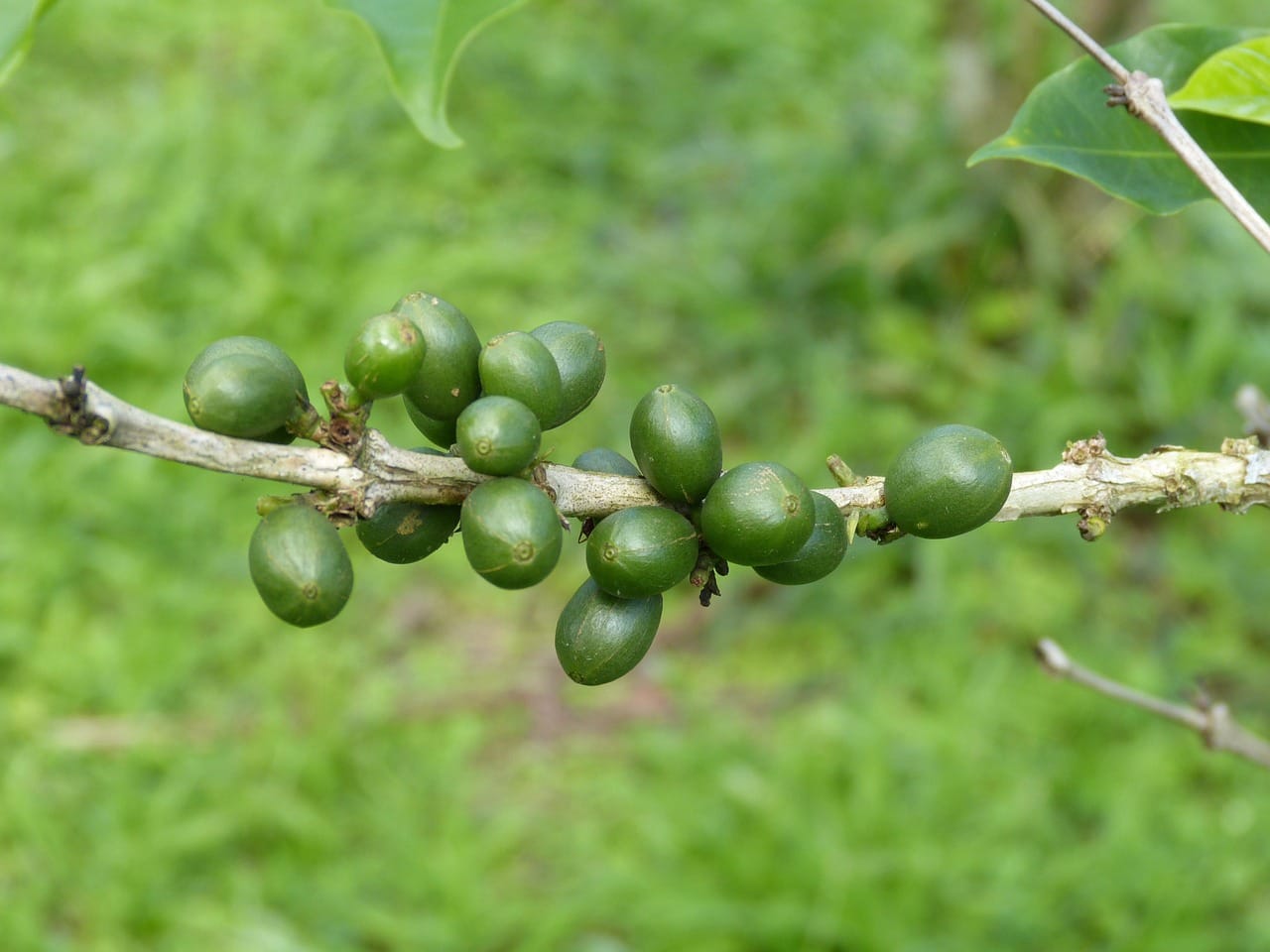
Coffee vendors offer beans from single-origin micro-lots, often organic and frequently certified by Rainforest Alliance or similar programs. You can taste the difference altitude makes. Beans from the slopes above Dota or Tarrazú, grown at 1,400-1,700 meters, develop complexity that lower-elevation coffee can't match. These vendors typically roast in small batches, often just days before market day, preserving the volatile aromatic compounds that make great coffee transcendent.
Honey producers bring varieties that reflect the Central Valley's diverse flowering plants. During peak bloom season, you might find coffee blossom honey with its delicate floral notes, or the darker, more robust honey from bees that work the surrounding forest edges. Some producers have embraced meliponiculture, keeping native stingless bees that produce limited quantities of honey with medicinal properties recognized in traditional Costa Rican wellness practices.
Fresh-baked goods made with organic flour, eggs from free-range chickens, and natural sweeteners appear alongside prepared foods like tamales wrapped in banana leaves, made with masa from heirloom corn varieties. These products bridge tradition and modern organic consciousness, using ancestral recipes with ingredients grown using contemporary sustainable practices.
The Economic Reality: Cost and Value
Let's address the practical question every potential expat asks: what does this actually cost? The answer challenges assumptions about organic food pricing.
A typical market shopping trip for my wife and me, enough fresh produce for a week, runs about $25-35 USD. This includes a mix of vegetables, fruits, fresh herbs, eggs, and, usually, cheese or coffee. By comparison, the same volume of organic produce at a San José supermarket would cost 50-70% more. Conventional produce at chain stores might match market prices, but the quality and freshness don't compare.
The economics work differently here than in the United States or Europe. Small farmers can price competitively because they sell directly to consumers, thereby eliminating distribution costs. They're not paying for organic certification in many cases. The farms are too small to justify the expense, but buyers develop trust through regular interaction and, increasingly, through farm visits that many growers welcome.
This direct relationship also means farmers receive fair compensation. When you pay $3 for a pound of organic tomatoes, that entire amount (minus the small market space rental fee) goes to the person who grew them. Transparency in transactions fosters mutual respect. The farmer gets sustainable income; you get exceptional quality. It's capitalism functioning at its most humane scale.
For budget-conscious shoppers, the markets offer significant advantages. Seasonal abundance means prices drop when crops peak. Right now, avocados sell for as little as 50 cents each; the same organic Hass avocados that cost $2-3 in US stores. The variety available also encourages dietary diversity without premium pricing. Instead of buying the same vegetables week after week, you're naturally drawn to what's freshest and most affordable.
Finding and Navigating Markets as a Newcomer
Nearly every town in the Central Highlands hosts at least one weekly market, with larger communities supporting multiple venues. San José's larger markets, like Zapote and Paseo de las Flores, operate on multiple days, while smaller towns might gather only on Saturday mornings.
Start by asking locals: your neighbors, the person who cleans your rental property, and restaurant owners. Most Ticos shop at markets regularly and have strong opinions about which ones offer the best value or specific products. Facebook groups for expats and local communities often share market schedules and vendor recommendations.
Arrive early, especially on your first few visits. By 10:00 AM, popular items sell out, and vendors start packing up. Early morning also means cooler temperatures and a more relaxed pace for conversations. Bring smaller bills. Many vendors operate on a limited change, and breaking a 10,000 colón note (about $20 USD) can be challenging.
Don't expect extensive English. While tourist-area markets may have bilingual vendors, most highland markets operate entirely in Spanish. This presents a beautiful opportunity to practice language skills in a low-pressure environment. Vendors are remarkably patient, and the repetitive nature of market transactions, pointing at produce, discussing quantities, and confirming prices, provides perfect scaffolding for language learning.
Certain vendors specialize in products less common in North American markets. Ask about chayote, ayote (a local squash variety), ñampí (a starchy tuber), or different plantain varieties. Vendors typically offer preparation advice, and these ingredients often cost just pennies while adding authentic Costa Rican flavors to your cooking.
The Community Dimension: More Than Commerce
What took me longer to appreciate about market culture is its role as social infrastructure. In an era where shopping increasingly happens through screens, these weekly gatherings preserve face-to-face community in ways that feel almost radical.
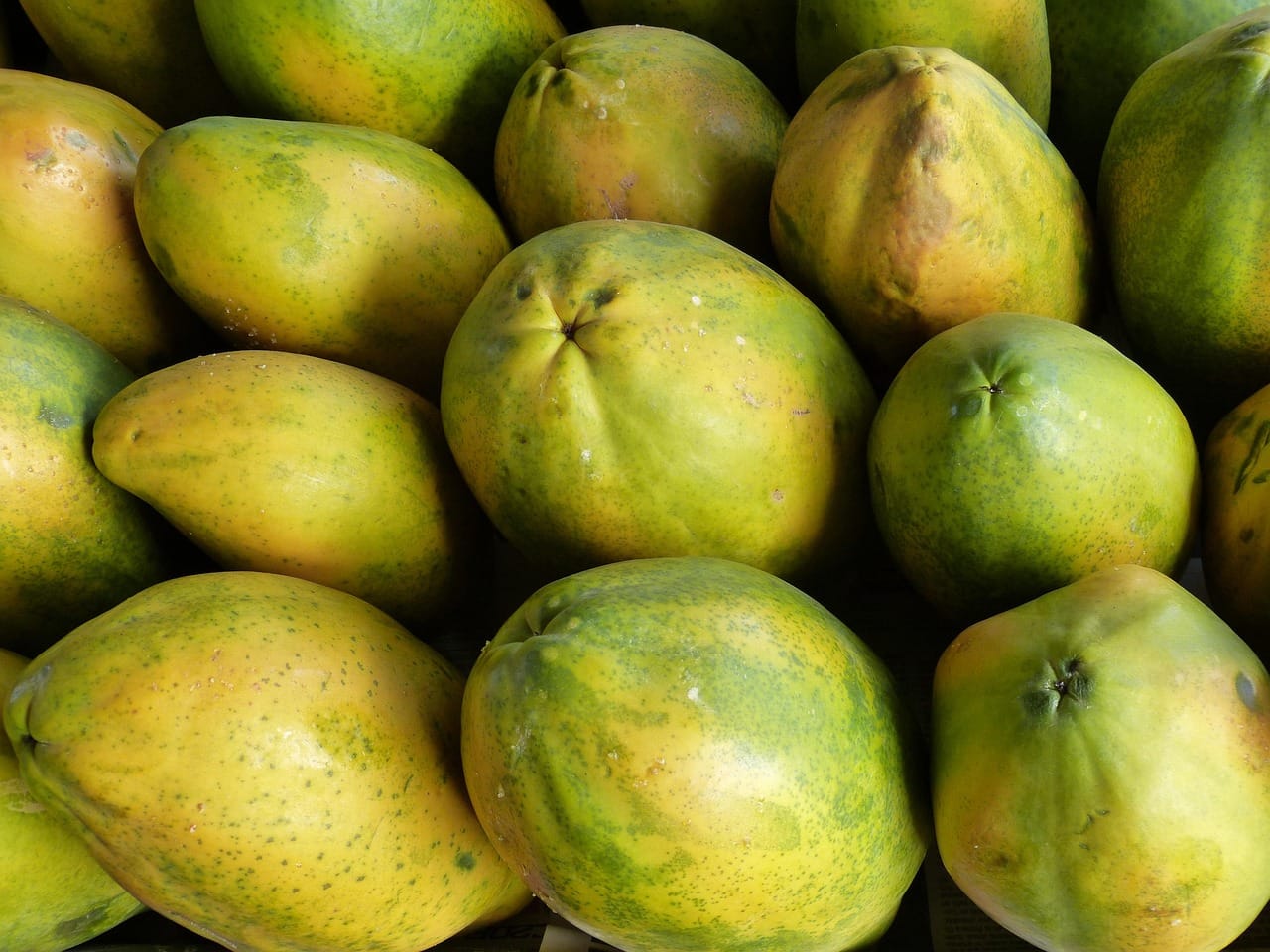
You run into neighbors, strike up conversations with other shoppers comparing mangoes, and receive impromptu invitations to community events. I've met fellow remote workers juggling time zones from California while selecting papaya, retired couples who've built their own organic gardens for supplementary income, and Tico families maintaining farms that date back generations.
For expats especially, markets provide a gentle entry into local life. You participate in a shared cultural practice without the self-consciousness that might accompany, say, attending a church service or town festival. The transactions give you something concrete to focus on as you observe and gradually understand the social rhythms around you.
Many markets have expanded beyond commerce to include educational events. Cooking demonstrations using seasonal ingredients, workshops on composting and home gardening, and even children's activities teaching sustainability principles. These additions reflect a broader cultural shift toward environmental consciousness that extends beyond individual purchasing decisions.
Unlock the secrets of the world's most successful entrepreneurs with the
Global Wealth Navigator Newsletter
Discover the world's best destinations offering a lower cost of living paired with an enriched quality of life with the Global Wealth Navigator Newsletter. Whether you're a retiree or an entrepreneur, we dive into strategies that open doors to international investments, tax optimizations, and discover the finest destinations offering a superior quality of life. Don't let borders or routine define you; lets find your ideal spot in the world, regardless of your income bracket.

The Environmental Impact: Small Choices, Big Difference
Living in Costa Rica heightens awareness of environmental interconnections. You notice things you might have overlooked elsewhere: the return of certain bird species to areas where pesticide use has decreased, the clarity of streams flowing through organic farm regions, the richness of soil that chemical fertilizers haven't depleted.
The highlands' organic farms, many working within permaculture frameworks, function as biodiversity reservoirs. Rather than monoculture rows, many farmers interplant crops, incorporate native trees and shrubs, and maintain hedgerows that provide wildlife corridors. Your
Saturday market purchase indirectly supports these ecological practices.
Food miles matter differently here. Most produce travels less than 30 kilometers from farm to market. Compare this to the average supermarket tomato in North America, which might travel 2,400 kilometers from industrial farms. The difference in carbon footprint is substantial, but so is the nutritional impact. Vegetables picked within 24 hours of sale retain higher vitamin content than those shipped across continents.
The reduction in packaging represents another significant impact. During my first year shopping at markets, I estimate we eliminated roughly 75% of the plastic waste we would have generated buying equivalent groceries at supermarkets. Multiply this across thousands of regular market shoppers, and the collective impact becomes meaningful.
Water conservation matters critically in the Central Highlands, where communities depend on mountain aquifers. Organic farming practices that emphasize soil health, mulching, and water retention reduce pressure on these shared resources. Supporting organic farmers means supporting watershed protection. It is another example of how individual food choices connect to larger environmental systems.
Challenges and Evolution
Honest assessment requires acknowledging challenges within the market system. Despite Costa Rica's reputation for progress, organic certification remains expensive and bureaucratically complex for small farmers. This creates a two-tier system in which larger operations can afford certification, while equally sustainable small farms operate outside formal organic frameworks.
Younger generations face pressure to pursue education and careers beyond farming. As older farmers retire, there's real concern about who'll maintain these agricultural traditions. Some markets have started mentorship programs pairing experienced growers with young people interested in sustainable agriculture, but succession remains uncertain.
Urban expansion continuously pressures highland farmland. As San José sprawls and smaller towns grow, agricultural plots are under pressure from development. What was farmland five years ago has become subdivisions, usually with minimal green space or local food production capacity. This tension between growth and agricultural preservation will define the region's future.
Climate change introduces new uncertainties. Traditional growing seasons are shifting slightly, rainfall patterns are becoming less predictable, and occasional extreme weather events are disrupting harvests. Organic farmers often prove more resilient. Diverse crops and healthy soil provide buffers against climate stress, but challenges remain real.

Creating Your Own Market Tradition
After several years of weekly market visits, I've developed small rituals that deepen the experience. I arrive with my own cloth bags. I have about six now, collected from different markets. I follow a rough circuit, visiting certain vendors in order, though I'm always open to discovering someone new.
I've learned to plan meals around market finds rather than shopping from predetermined lists. This flexibility allows you to buy whatever's at peak ripeness and best value. It also connects you more directly to the land's rhythms. You eat strawberries when strawberries are ready, not because you happen to want strawberries.
Building relationships with vendors takes time but pays dividends. After several months, they start setting aside especially nice specimens for regular customers. They'll tell you when to expect the first harvest of a particular crop. Some will even experiment with growing specific items if customers show interest.
I've also embraced the social aspect. My wife and I often meet friends at the market for coffee afterward, comparing purchases and swapping recipes. It's become a weekly touchpoint that structures our weekend and keeps us connected to both the land and our community.
Practical Integration for New Residents
If you're considering relocation to the Central Highlands, factor market access into your housing search. Living within walking or biking distance of a good market transforms the experience from an occasional outing to a regular practice. We chose our home in Atenas partly because of the proximity to the Saturday market.
Consider visiting markets during initial exploratory trips. You'll get an authentic glimpse into daily life while sampling local cuisine. It's also a practical test of language skills and comfort with cultural immersion. If navigating a farmers' market feels overwhelming, full-time living can be challenging.
Budget accordingly. While markets offer excellent value, they work best when you're cooking at home regularly. If your lifestyle involves frequent dining out or you rely heavily on processed convenience foods, shopping at the market offers less advantage. But if you enjoy cooking and want to eat well while supporting sustainable agriculture, markets make this both affordable and deeply satisfying.
Thinking about making Costa Rica your home? The Move to Costa Rica Masterclass online course provides comprehensive guidance on every aspect of relocation, from residency requirements to finding the perfect community that matches your lifestyle. Learn from expats who've successfully made the transition and get the practical knowledge you need to make informed decisions about your move.
The Deeper Nourishment
What draws me back to the market each week extends beyond vegetables or even environmental values. There's something restorative about participating in an exchange that feels human-scaled and transparent. You see the person who grew your food. You hand them money directly. They thank you, you thank them. It's commerce stripped to its most basic, honest form.
In my previous life as a marketing consultant in Denver, I helped companies optimize digital commerce, making purchases more frictionless and impersonal. That work had value, but it also distanced people from the consequences of consumption. Here in the highlands, every food choice involves looking someone in the eye, creating a kind of accountability that feels increasingly rare.
The organic market culture in Costa Rica's Central Highlands represents more than healthy eating or environmental consciousness. It embodies a different approach to daily life. One that values relationship over convenience, quality over quantity, and long-term sustainability over short-term optimization. These values align perfectly with the pura vida philosophy that attracts many people to Costa Rica in the first place.
When you shop at these markets, you're not just buying food. You're voting with your wallet for a particular vision of community and land stewardship. You're participating in the transmission of knowledge between generations. You're helping families maintain agricultural traditions that might otherwise disappear under development pressures.
Standing in the market on Saturday mornings, watching mist burn off the mountains while examining Don Mauricio's lettuces, I feel connected to something larger than myself; to the volcanic soil these plants grew in, to the farmer who nurtured them, to the community that gathers here weekly, to a culture that still values these simple, essential exchanges.
This is slow living at its best, not as escapism or lifestyle performance, but as genuine engagement with the sources of daily sustenance. It's what pura vida looks like when translated into practice, one organic tomato at a time. And in a world that seems to accelerate endlessly, this weekly ritual of pausing, connecting, and nourishing yourself with food that actually tastes of the place it was grown in feels quietly revolutionary.
If you're serious about making this life-changing move, our Move to Costa Rica Masterclass online course provides comprehensive guidance on everything from residency requirements and healthcare to finding the perfect community and integrating into local culture, helping you make a smooth and successful transition.
Written by Daniel Moore
Hailing from Denver, Daniel and his wife settled in Atenas to live closer to nature. A remote marketing consultant, he writes about eco-conscious living, self-sufficiency, and balancing work with the “Pura Vida” lifestyle. Daniel’s voice offers calm wisdom for professionals seeking sustainable, meaningful change.
📍 From Denver, now in Atenas
Daniel explores eco-living, balance, and the “Pura Vida” philosophy for remote professionals seeking simplicity with purpose.
Read Articles by Daniel →
Global Citizen Life
© 2023 Global Citizen Life
All rights reserved